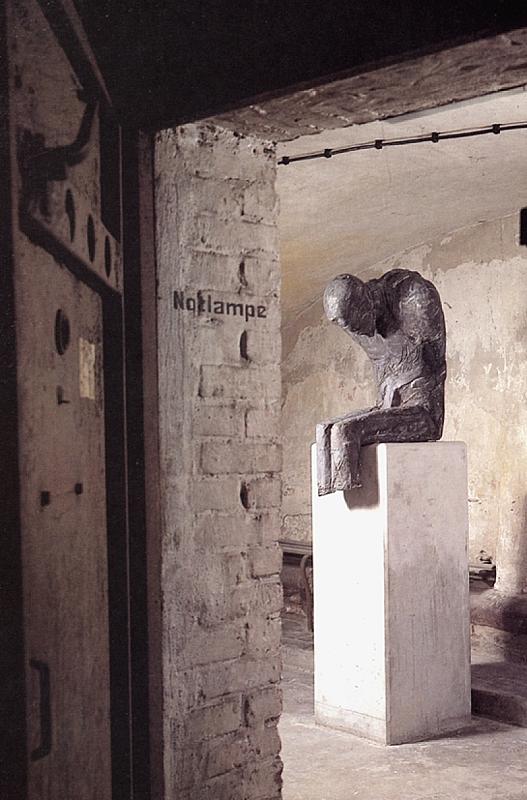
Beginning June 1940, several thousands of foreign and stateless Jews were interned at the Ferramonti di Tarsia camp in Calabria in southern Italy. It was the largest of 15 internment camps maintained by fascist Italy. Since the end of the 1980s, civic initiatives began to tend to the historical traces. In 2004, a small museum was opened on the former camp premises.
History
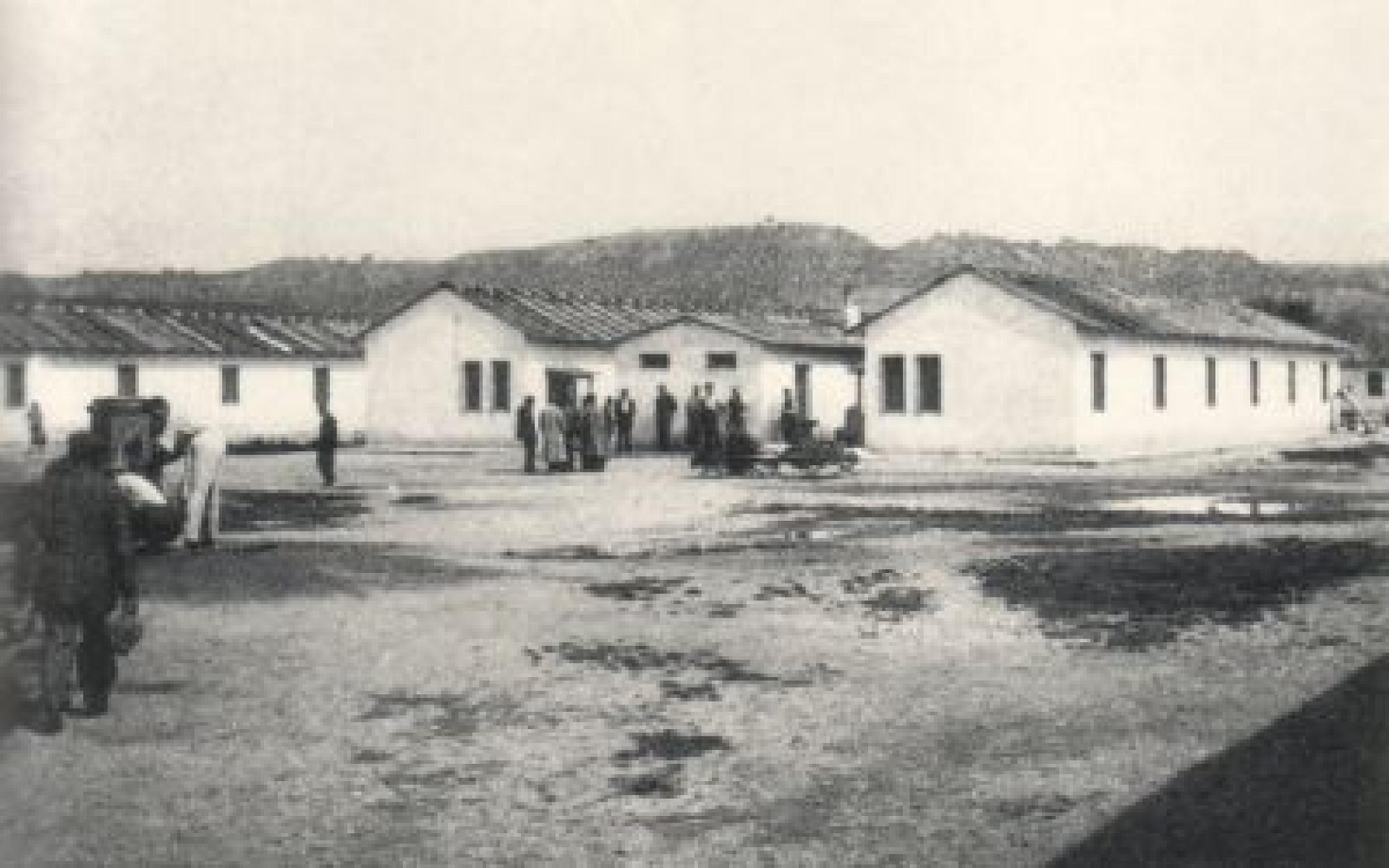
In 1936, governed by the Fascists, Italy entered an ever-stronger alliance with National Socialist Germany. Although the Italian authorities at first had reservations about Hitler's anti-Jewish policies, Italy too introduced race laws in 1938, similar to those in Germany. The situation of Jewish immigrants and refugees was especially uncertain: they were interned after Italy joined the war on June 10, 1940. On June 15, the Ministry of the Interior issued an order to arrest all foreign and stateless Jewish men aged between 18 and 60. On June 20, the first inmates arrived in Ferramonti, a township in the commune of Tarsia near the city of Cosenza in southern Italy. The camp was situated in wetlands near a former land reclamation construction site. The area was particularly malarial as a result of which 800 prisoners fell ill, though no one died.
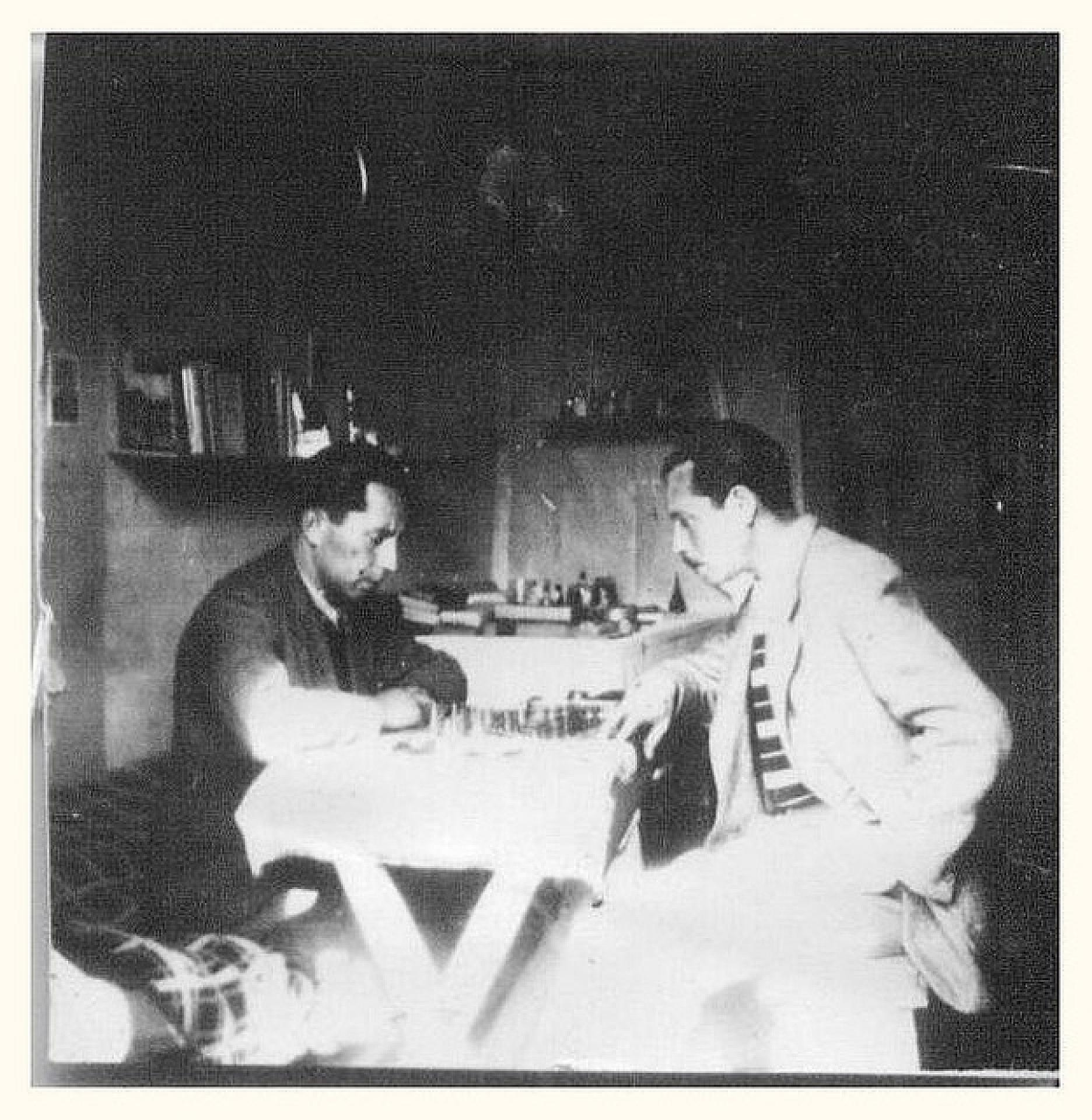
Despite the at times scant food supplies at the camp, the conditions at Ferramonti cannot be compared to those at a German concentration camp. The prisoners were not abused or deported, and the everyday circumstances were not inhumane. Though the inmates were refused political information, they did have access to a school, a synagogue, a theatre and a library, all of which functioned at the camp. In each of the 92 barracks, the inmates could elect a representative, who would inform the camp administration of any grievances. Four weddings took place at the camp, 21 children were born.
Shortly before Italy's armistice with the Allies on September 8, 1943, all of the inmates were released. Most of them went into hiding in neighbouring villages until the camp was reached by the British Army on September 14, making it the first camp in Europe to be liberated. The camp continued to function as a »displaced persons« camp under British administration until it was finally dismantled on December 11, 1945.
Victims
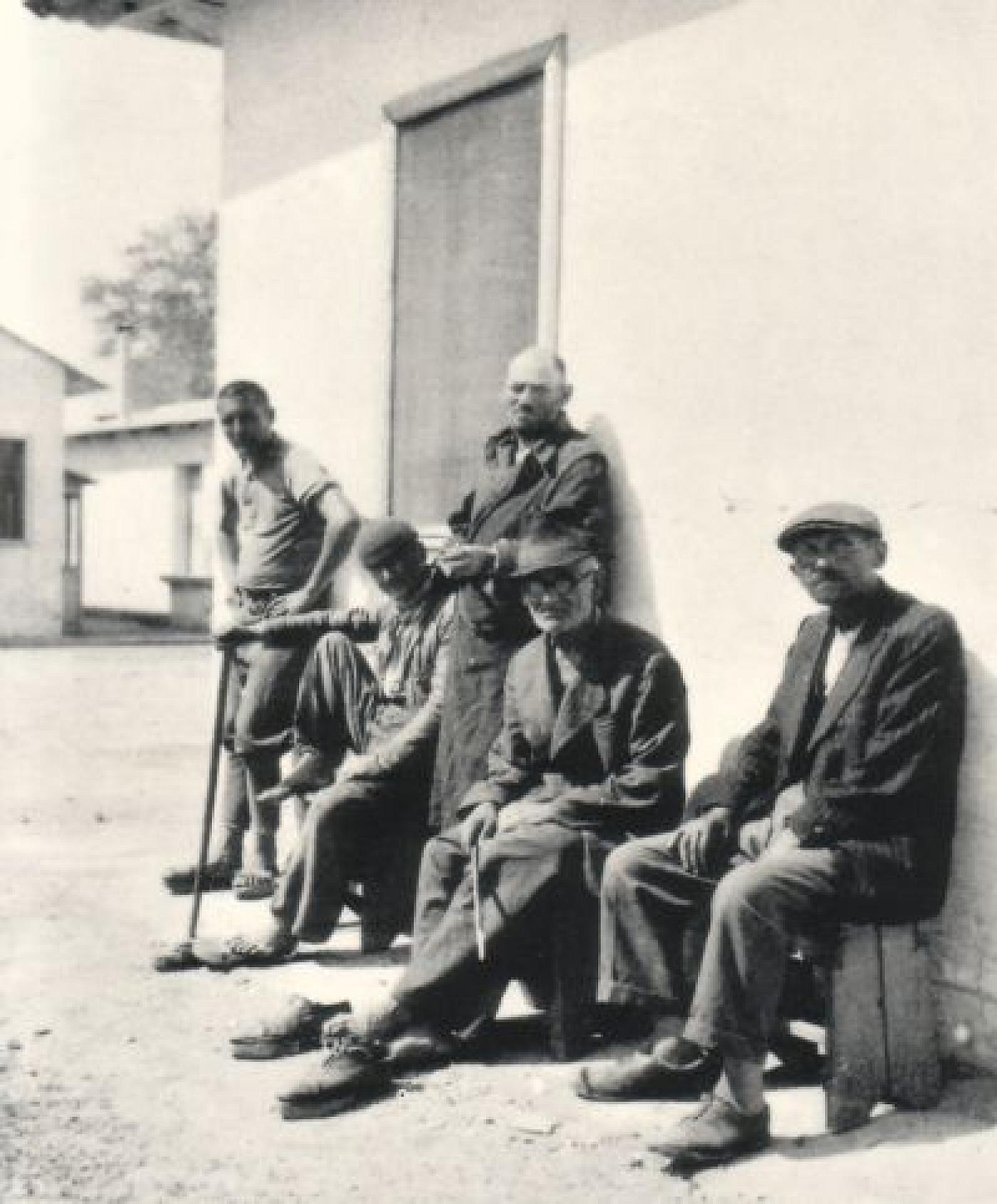
At least 2,500 people were interned at Ferramonti di Tarsia, the largest Italian internment camp for Jews. According to some sources, 3,862 foreign and 141 Italian Jews were held at Ferramonti. The inmates, many of whom were waiting for exit visas, were for the most part emigrants and refugees from the German Reich and countries under German occupation: Poland, Serbia, and Czechoslovakia. A decree issued on September 7, 1938, had deprived all Jews who had immigrated to Italy after 1919 of their Italian citizenship, giving them 6 months to leave the country. The term was extended several times. According to official estimates, there were about 3,870 Jews in Italy in 1940 who had immigrated after 1919. A further thousand Jews were in Italy on a transit visa.
At first, only men were interned in Ferramonti. Women and children lived in »free internment« in remote villages under police guard. Later, they too were transferred to Ferramonti and similar camps. From 1941 on, Greek, Chinese, Yugoslav and French civilians as well as Italian anti-fascists were interned at Ferramonti. Apart from four people who died in Allied air raids on the camp, there were no violent deaths at the Ferramonti di Tarsia internment camp.
Remembrance
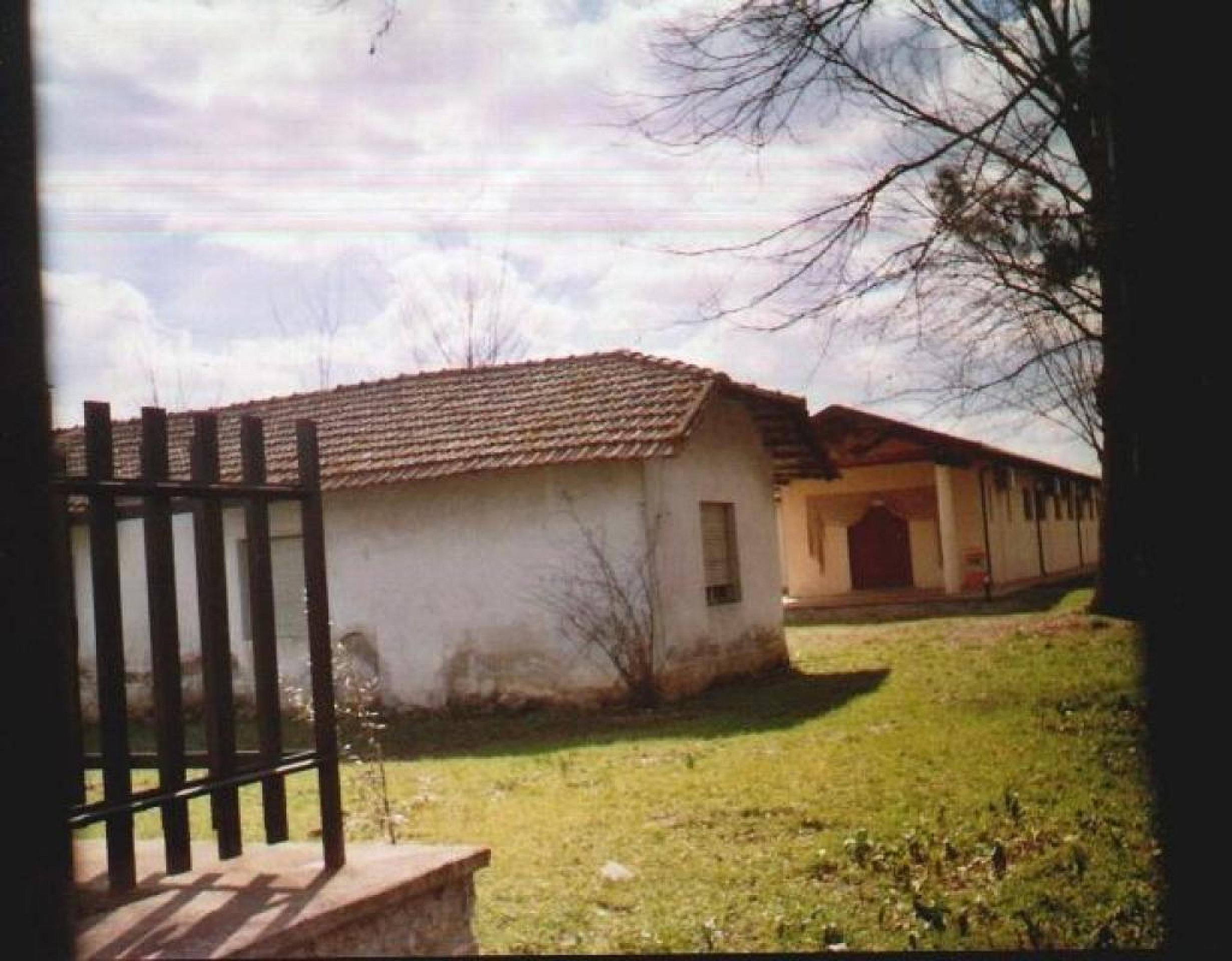
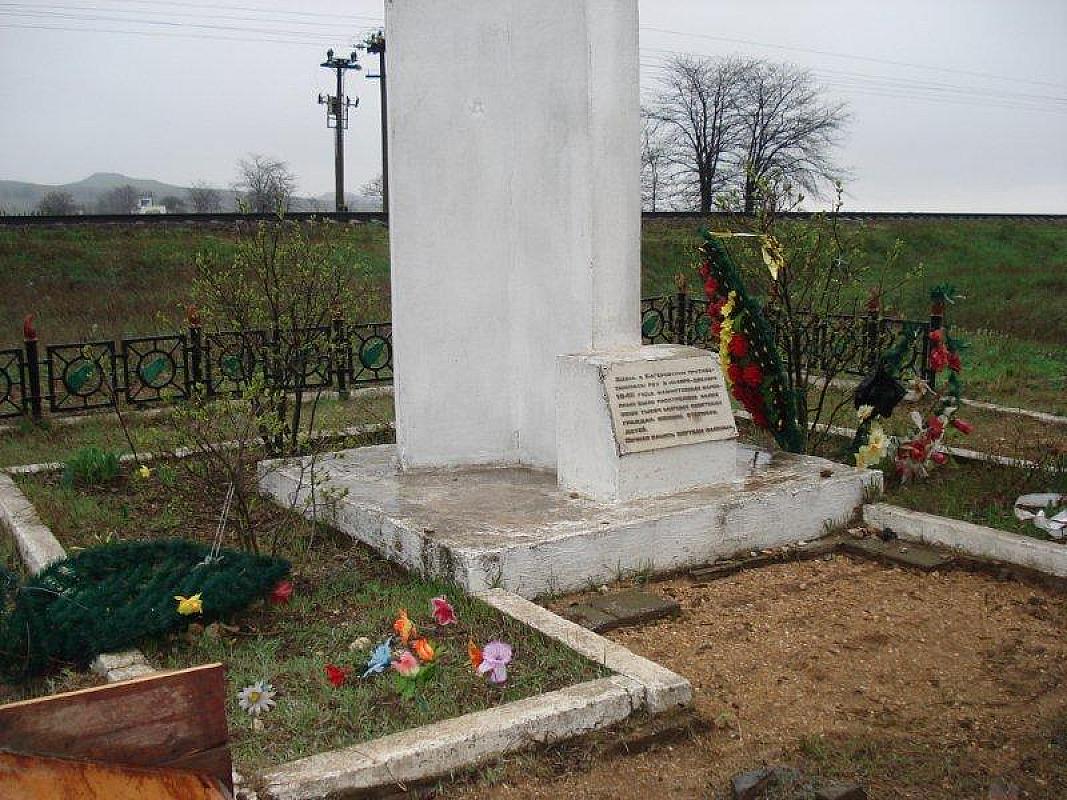
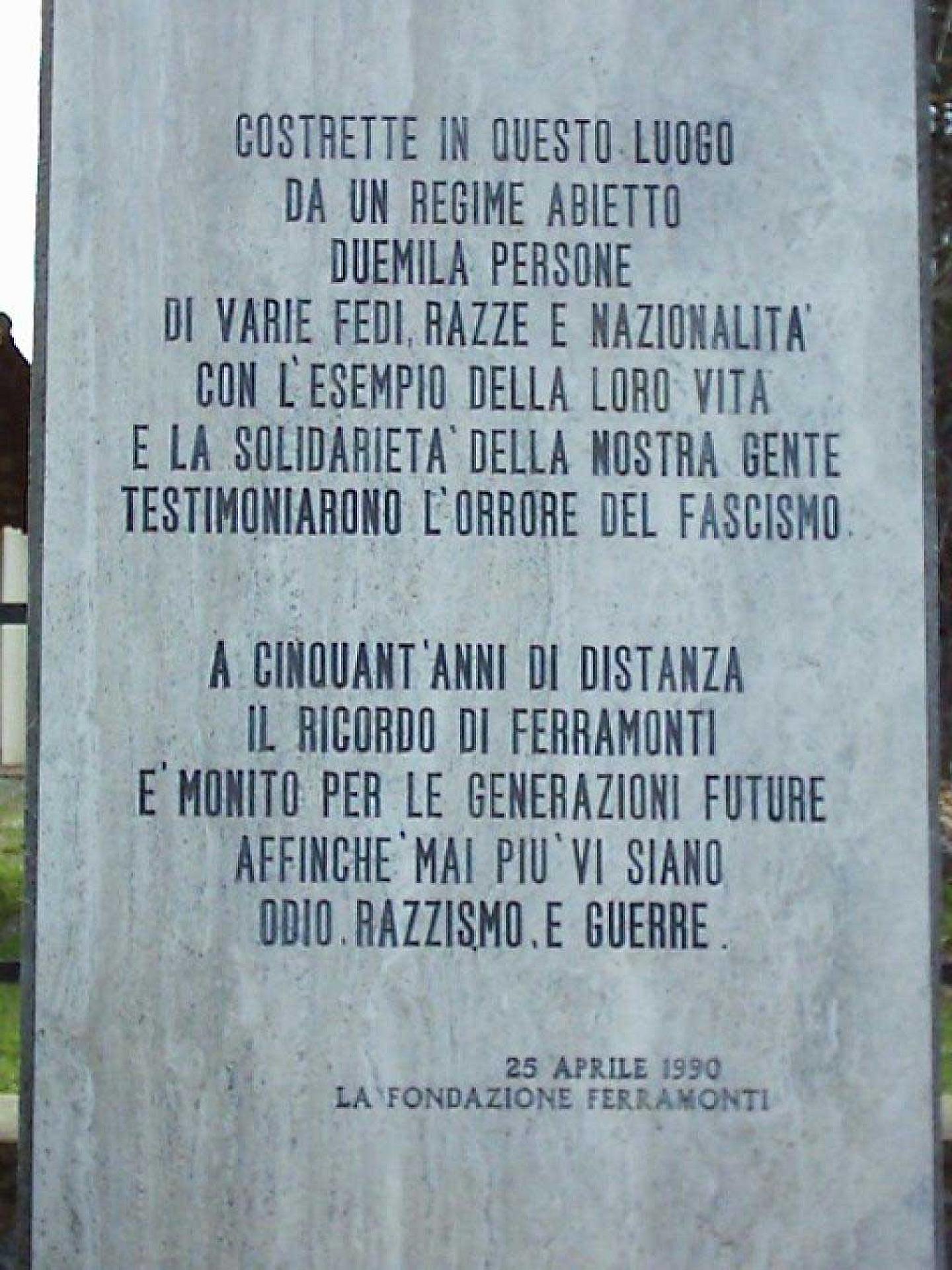
Today, few traces of the camp remain on the historic site. At the end of the 1960s, most of the barracks were torn down to make room for the A3 highway, which runs across the former camp premises. Towards the end of the 1980s, civic initiatives began to show interest in the history of the camp, testifying to a growing awareness of the legacy of fascism in Italy. They campaigned for the preservation of the historic site, as a result, a first memorial stone was erected there in 1990.
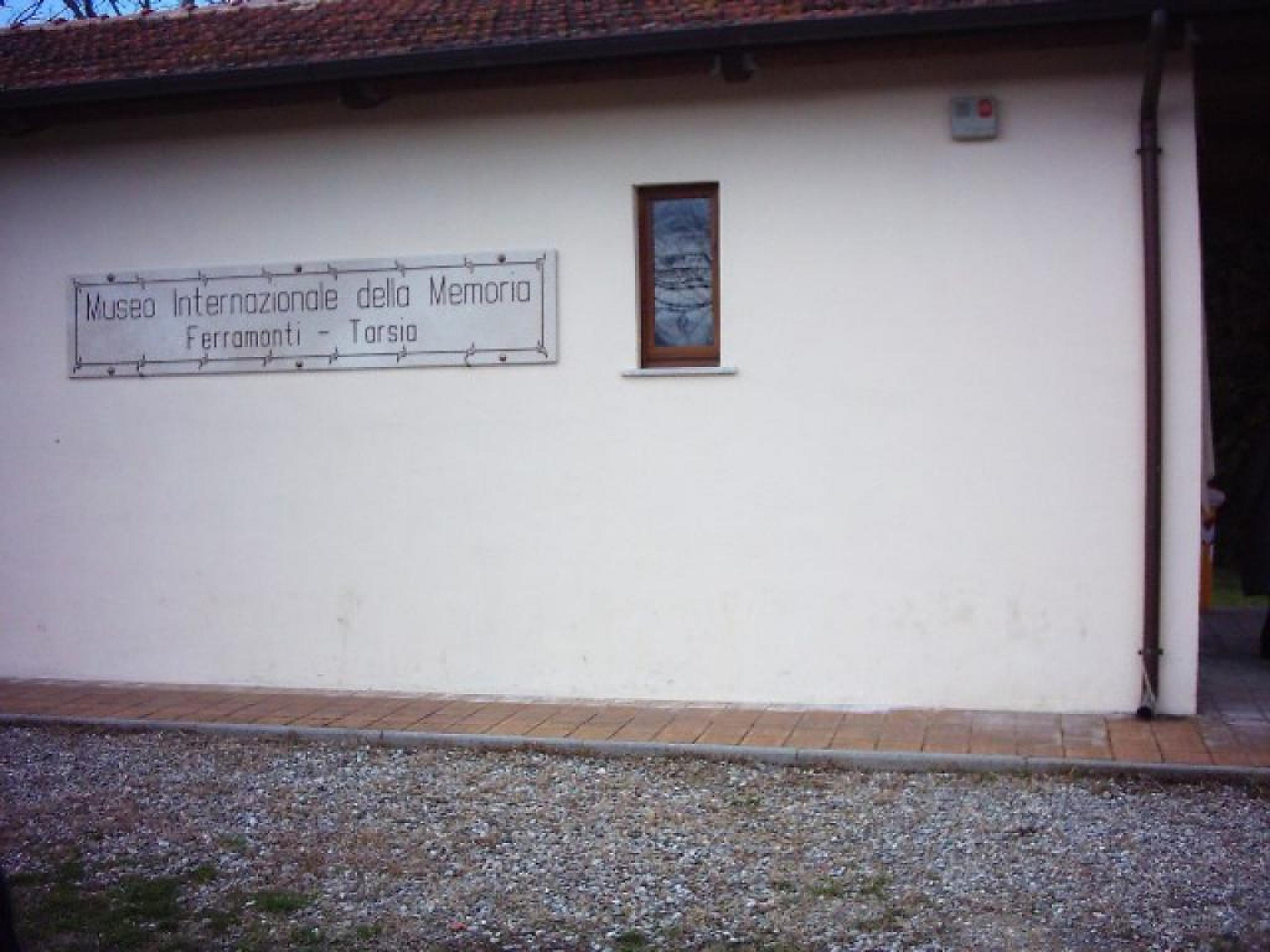
In 1999, the premises were partially put under monumental protection by the Ministry of Cultural Heritage, but this didn't prevent a further part of the area being grazed for an extension of the highway. Only the stone barracks in which the camp staff lived remain. Today, they are home to the »Memorial Museum«, which was financed by the community of Tarsia and opened on April 25, 2004. It documents the fates of the internees with the help of historical photos.
Possibilities
Historical museum, library, documentation on Italian concentration camps, guided tours of the historic sites in the province of Cosenza and of memorial sites in southern and central Italy
Open
Visits at the memorial must be pre-booked at the municipal administration
Contact
https://www.campodiferramonti.it/
ferramonti@comune.tarsia.cs.it
+39 0981 952015