Skip to content

Memorial Park »October of Kragujevac«

Спомен парк »Крагујевачки октобар«


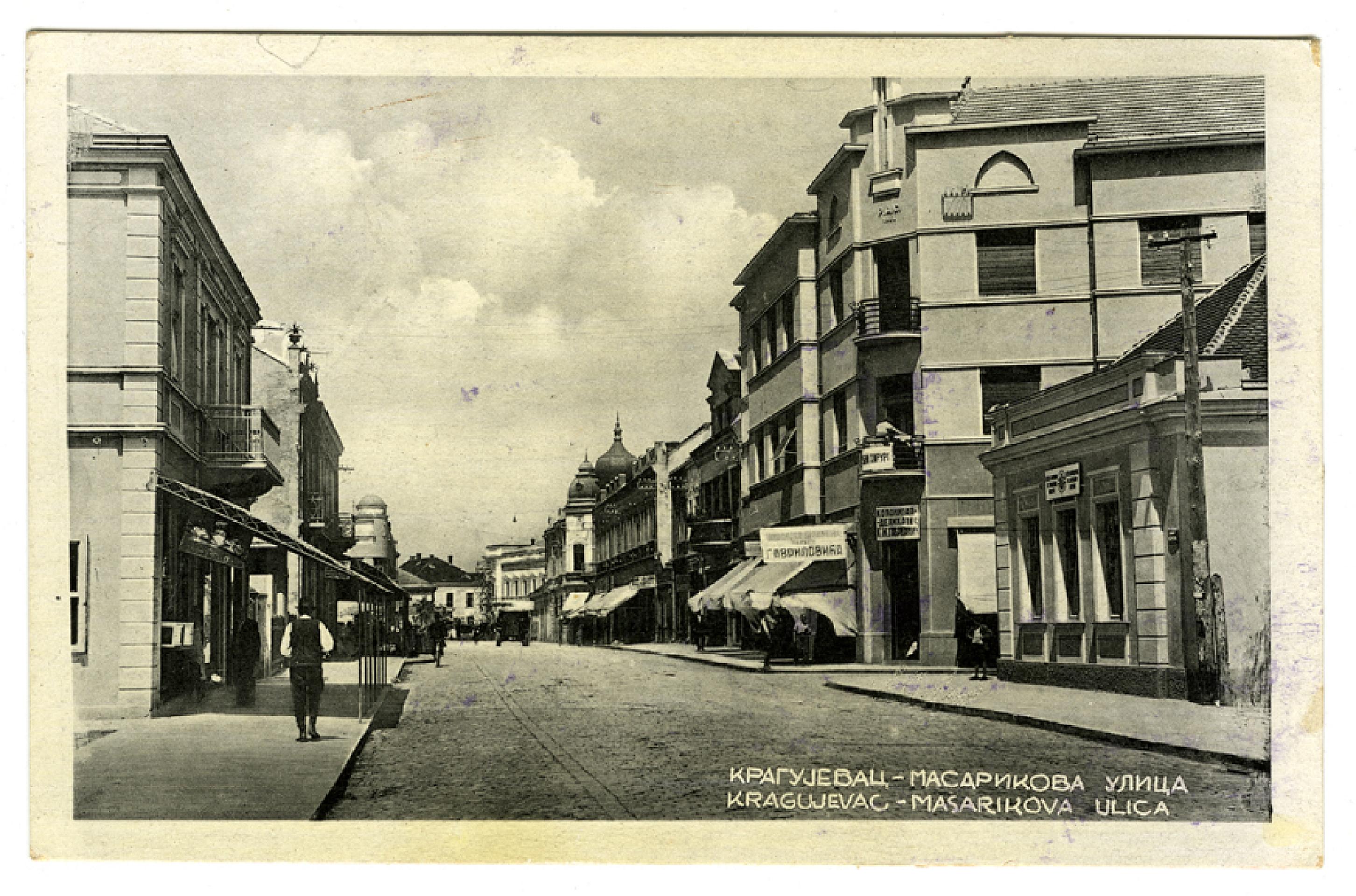
A memorial park and the »October 21« memorial site in Kragujevac, one of the largest cities in Serbia, honour the approximately 2,300 civilians who were shot by the German Wehrmacht on October 21, 1941.

History

In April 1941, the German Wehrmacht and its allies invaded Yugoslavia. The country was divided
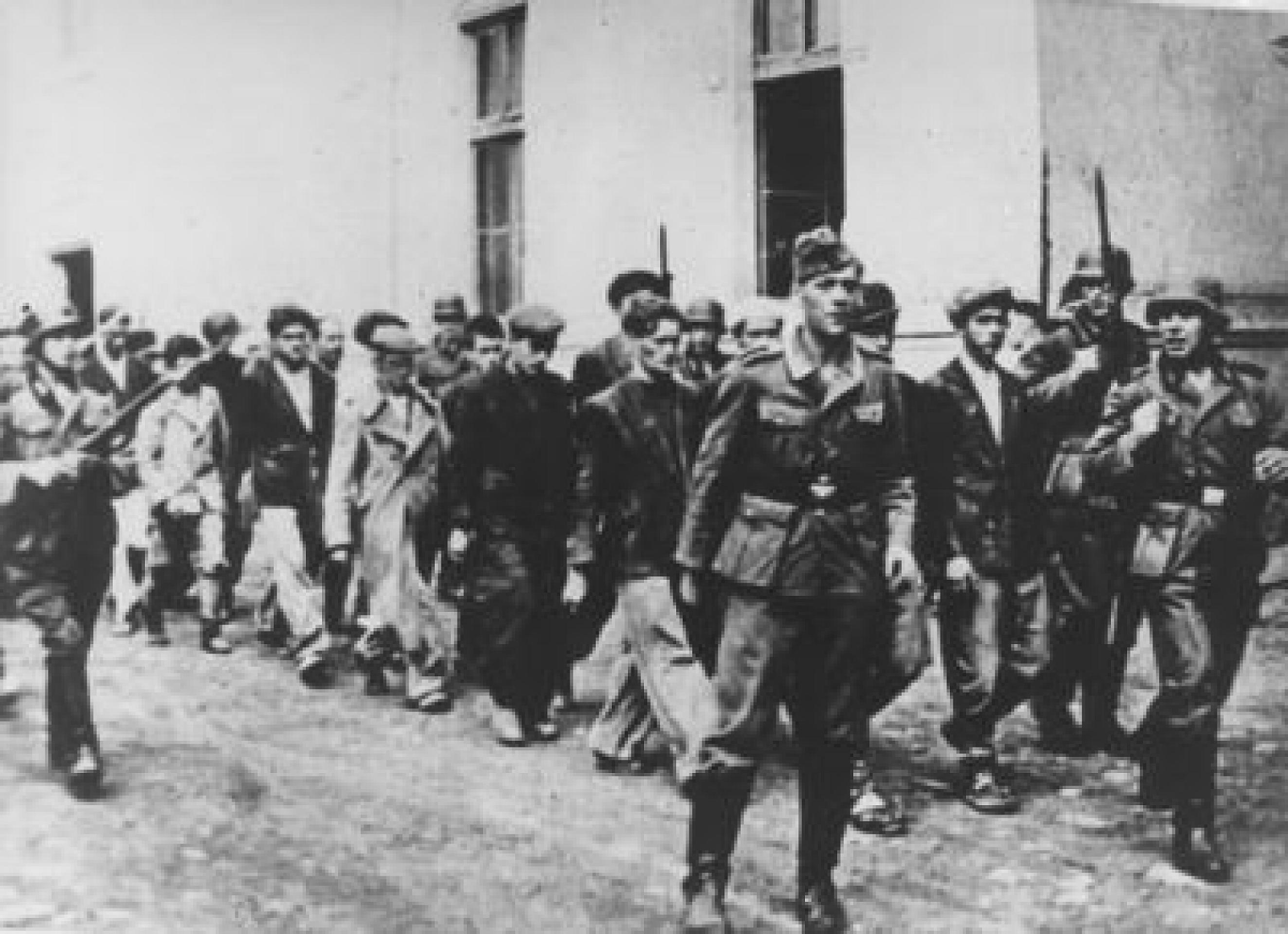
: German troops took the largest part of what is today Serbia. A resistance movement against the occupiers soon formed; numerous partisan groups fought against the Wehrmacht. The commanding general in Serbia, Franz Böhme, issued an order on October 10, 1941, by which civilians were to be »punished« for attacks on German soldiers. From then on, one hundred civilians were shot for every killed German; every injured soldier prompted the killing of fifty civilians. In mid-October 1941, partisan units attacked a German battalion near Kragujevac, killing ten soldiers, injuring 26 more. The attacked battalion returned to Kragujevac on October 18, 1941. »Reprisal measures« were immediately set in motion by the battalion and the troops of infantry regiment 724 under the Major Paul König: the Wehrmacht arrested all those suspected of being communists and all Jewish men, a total of 66 people. Members of infantry regiments 724 and 749 subsequently burned down several villages in the area of Kragujevac, killing 422 men. On October 20, the troops returned to the city. In order to meet Böhme's demands of 2,300 killed civilians, Wehrmacht soldiers began to arbitrarily arrest Serbian men. The soldiers also broke into schools and rounded up the pupils and teachers. About 3,000 of those arrested were held in the barracks courtyard. On the morning of October 21, 1941, the soldiers started shooting men and young boys on the city outskirts, stopping only once the number of victims reached 2,300.
Victims

Wehrmacht soldiers shot about 2,000 residents of Kragujevac. Among the victims were many children and youths aged between 12 and 18. About 200 Roma, who happened to be in Kragujevac at the time of the shooting, were also killed.

After the First World War, the Kingdom of Serbia became part of the Kingdom of Serbs, Croats and Slovenes. In 1929, King Alexander I (1888–1934) from the Serbian Karađorđević dynasty established a dictatorship with the overall support of Serbian officers. The state was now known as Yugoslavia. In April 1941, it was occupied by German troops and their Italian, Hungarian and Bulgarian allies and split into a number of annexed and occupied territories serving as puppet states of the Nazi regime. The Bačka region of Serbia was occupied by Hungary and southern Serbia by Bulgaria, with the remaining Serbian territory falling under German occupation. The resistance was led by the Communist Party of Yugoslavia (partisans) and the royalist Serbian militia (Chetniks) led by General Dragoljub Mihailović (1893–1946); there was also fighting between these two groups. From autumn 1941, the German military administration extended its campaign against these underground groups by launching a full-scale war against the civilian population. A hundred Serbs were to be killed for every murdered German soldier and fifty for every wounded German soldier. Within a few weeks, Wehrmacht soldiers had killed nearly all of the Jewish men and thousands of male Roma in these »reprisal measures«. The communist resistance in Serbia was also destroyed or driven out, with the result that the Chetniks now fought alone against the enemy regime. The Red Army entered Serbia in October 1944, closely followed by units of the »People’s Liberation Army« led by Marshal Josip Broz Tito (1892–1980). Serbia became one of the six states in the new Socialist Federal Republic of Yugoslavia. As the communist leader of Yugoslavia, Tito had tens of thousands of former opponents and civilians – including Chetniks – persecuted and murdered. State commemoration of the Second World War focused on the partisan campaign. Monuments to the partisans were put up all over the country, also at the sites of mass shootings of civilians such as Kragujevac. At the same time, Tito used national commemoration to bridge the differences between the various ethnic groups in Yugoslavia as well as between different forms of resistance, terror and collaboration. The memorialization of the victims of the Holocaust and the mass murder of Roma is still incomplete. After the death of Tito, and especially under the regime of President Slobodan Milošević (1941–2006) between 1989 and 2000, the »Croat« Tito fell out of favour in Serbian memory. Monuments dedicated to Tito and his communist partisans were removed and streets were renamed. Instead, there was a strong revival of support for the royalist Chetniks and their leader Mihailović, who had been shunned since 1944-45. In summer 1991, whilst the break-up of Yugoslavia was still underway, the Serb-dominated Yugoslavian People’s Army launched a war against Croatia, which was to last until th e end of 1995. During this war, the Croatian memorial site at Jasenovac was occupied and badly damaged by Serbian troops and the museum was looted. January 2009 saw the first Serb-organised seminar on the history of the Holocaust. This event was held in conjunction with a commemoration at which Christians and Jews remembered the massacre of at least 3,775 Jews, Roma and Serbs by Hungarian units in Novi Sad at the end of January 1942. The most important historical site of the Holocaust in Serbia is the former fairgrounds Sajmište in Belgrade, where up to 7,500 Jews had been murdered in 1942 and later the »Anhaltelager Semlin« had its premises. In 2020, Serbian parliament voted to create an adequate memorial site on the decrepit compound.

Remembrance

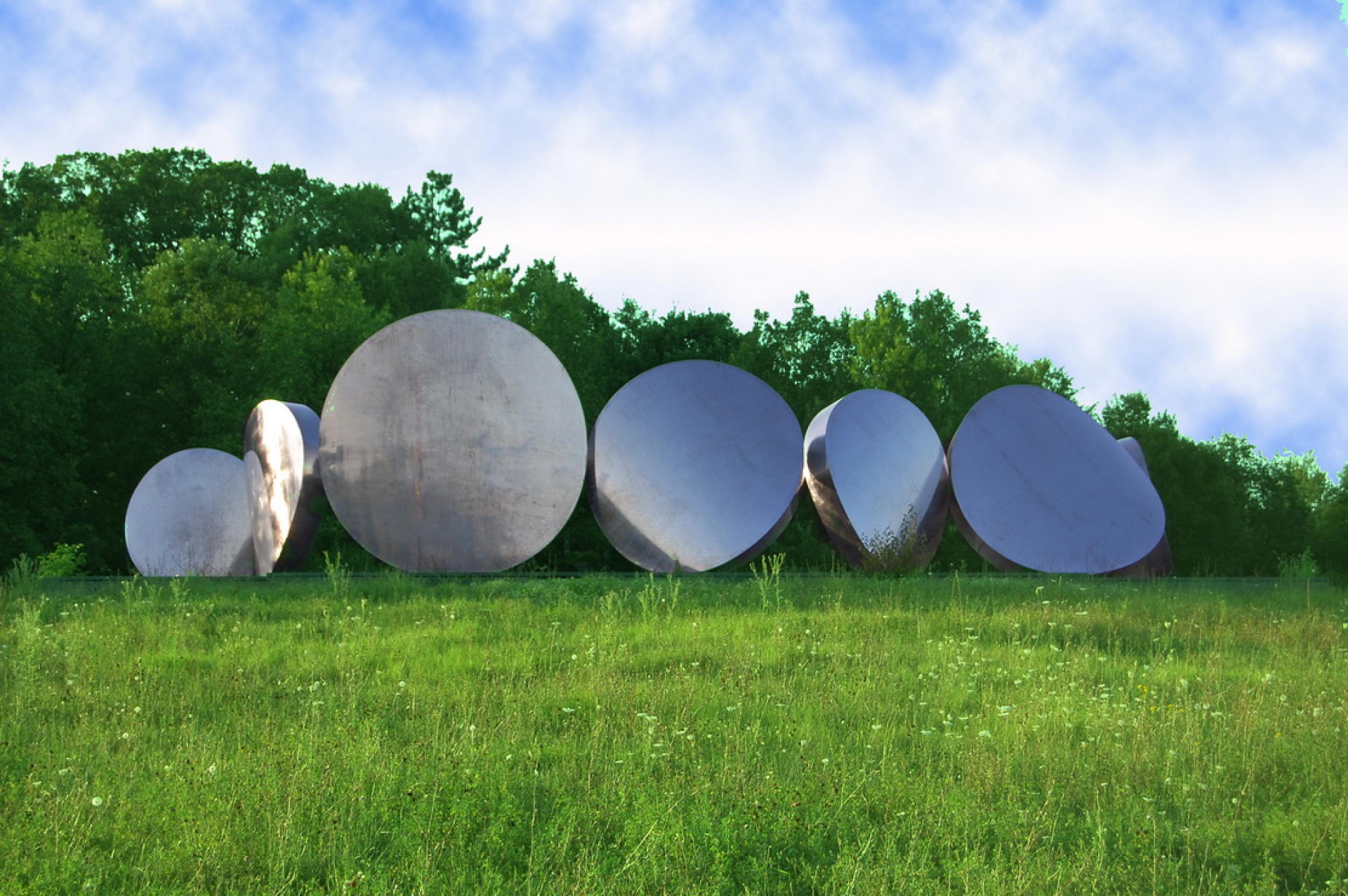
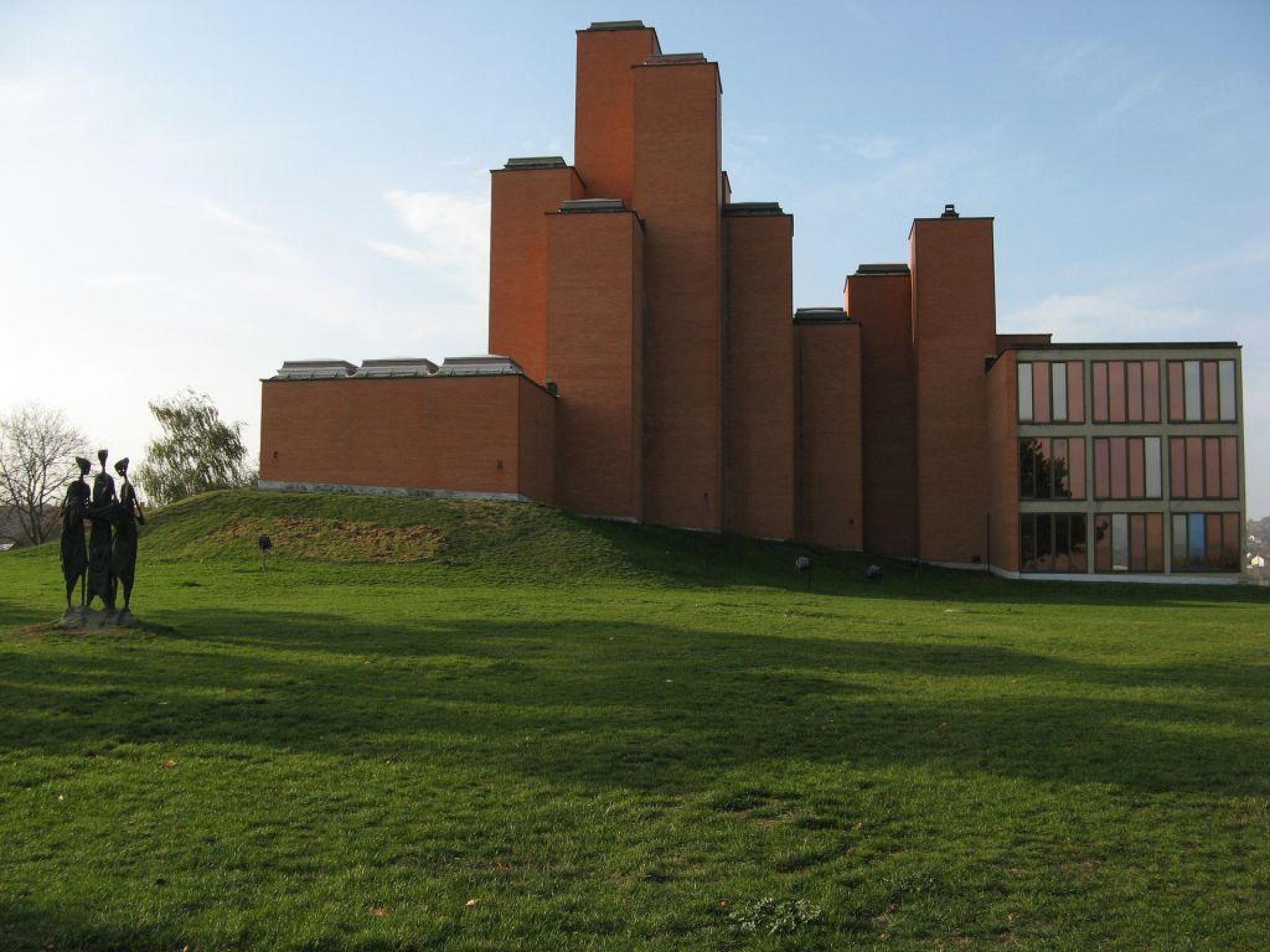
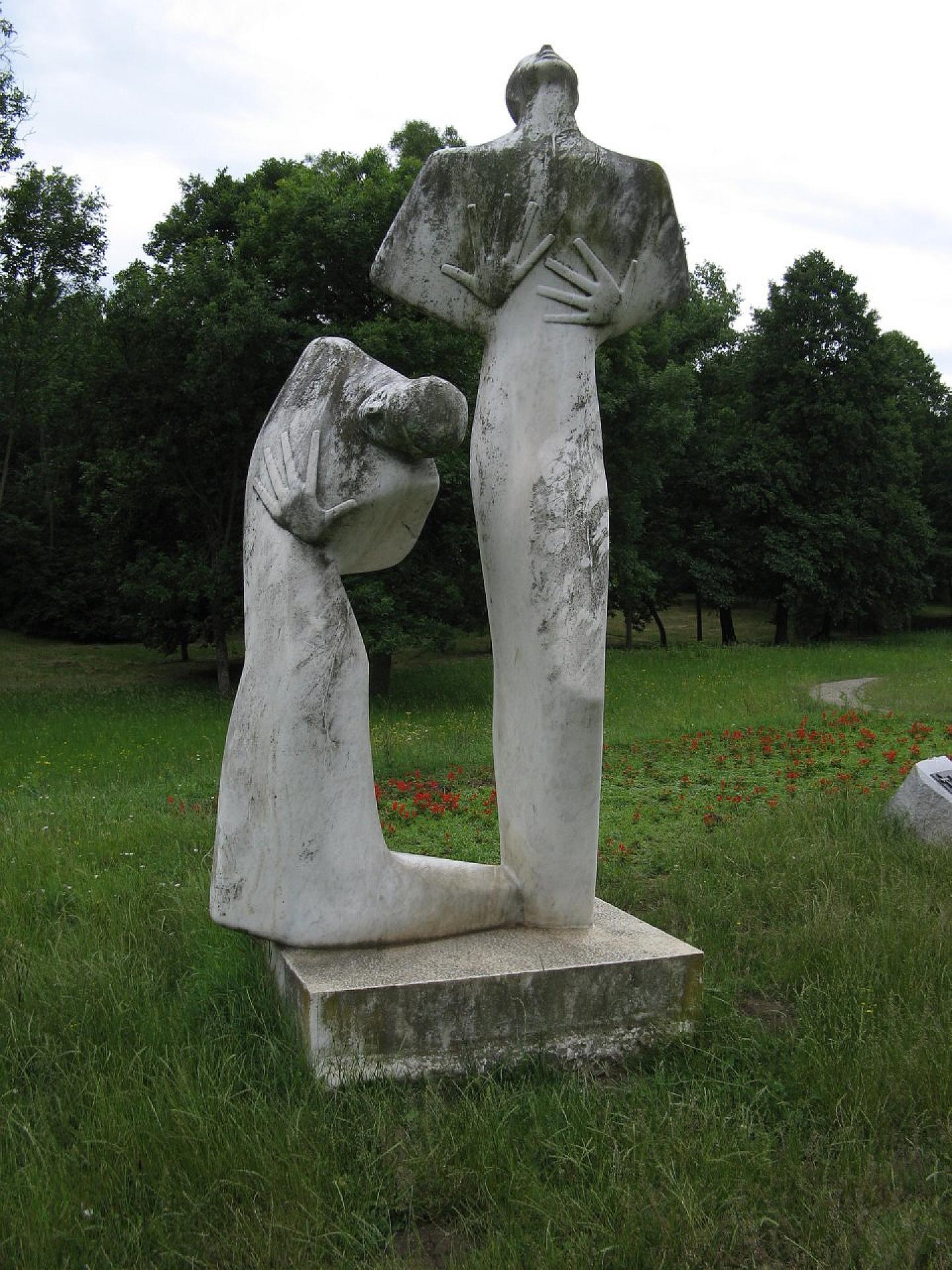
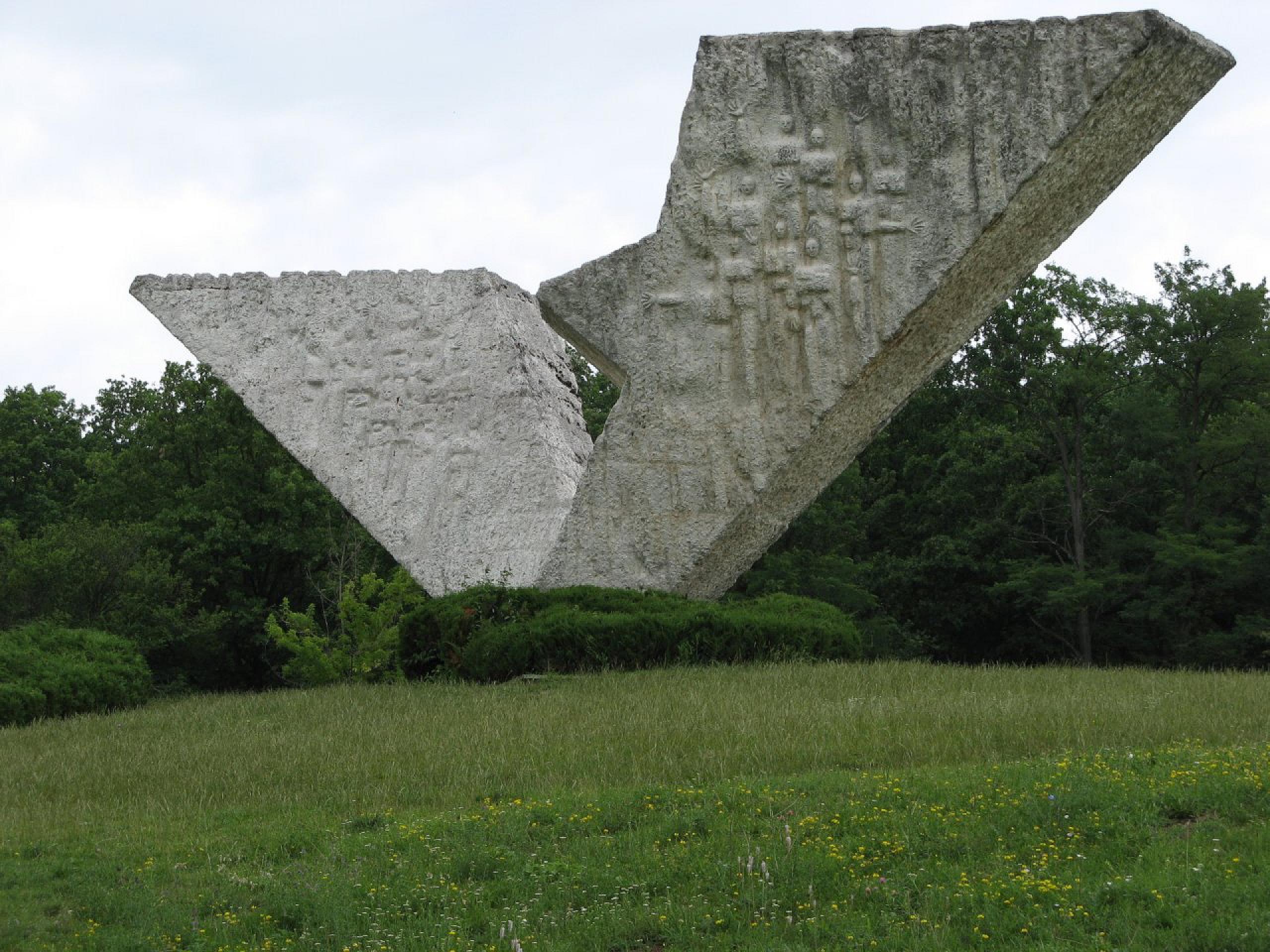
The memorial park »October of Kragujevac« was set up in 1953. Architects Mihailo Mitrović and Radivoje Tomić laid out a six-kilometre-long circular path along which numerous monuments by well-known artists have been erected. The most prominent monument is the memorial to the executed pupils and teachers, also known as the »Broken Wing« monument. In 1976, the »October 21« memorial and museum, designed by architects Ivan Antić and Ivanka Raspopović, was opened. The windowless red brick building comprises 33 towers of different heights and houses an exhibition. The ground plan of the building is in the form of a Christian cross.
At the end of 1979, the memorial was declared a cultural heritage of great importance.
Germans were not allowed to visit the memorial in the first year of its existence. It was not until the end of the 1950s that visitors from the GDR (German Democratic Republic) were welcomed, and it took another two decades until the first delegation from West Germany visited the memorial.
Since 1971, a »Great School Lesson« is held annually on October 21 in the memory of the pupils and the teachers who were murdered here on that day in 1941. Many prominent performing artists have participated in the ceremonies since then.
The building of the museum had been damaged in the war of 1999, so that for several years the museum had to be closed for construction works.
Possibilities

Permanent exhibition, archive, library

Open

From 15 April to 31 October: Monday to Saturday 8 a.m. to 6 p.m.,
on state holidays and Sundays 9 a.m. to 4 p.m.

From 1 November to 14 April daily 9 a.m. to 4 p.m.

Closed on 1 January

Contact

http://www.spomenpark.rs/

info@spomenpark.rs

+381 (0) 34 335 607

Desankin venac b.b.
34000 Kragujevac