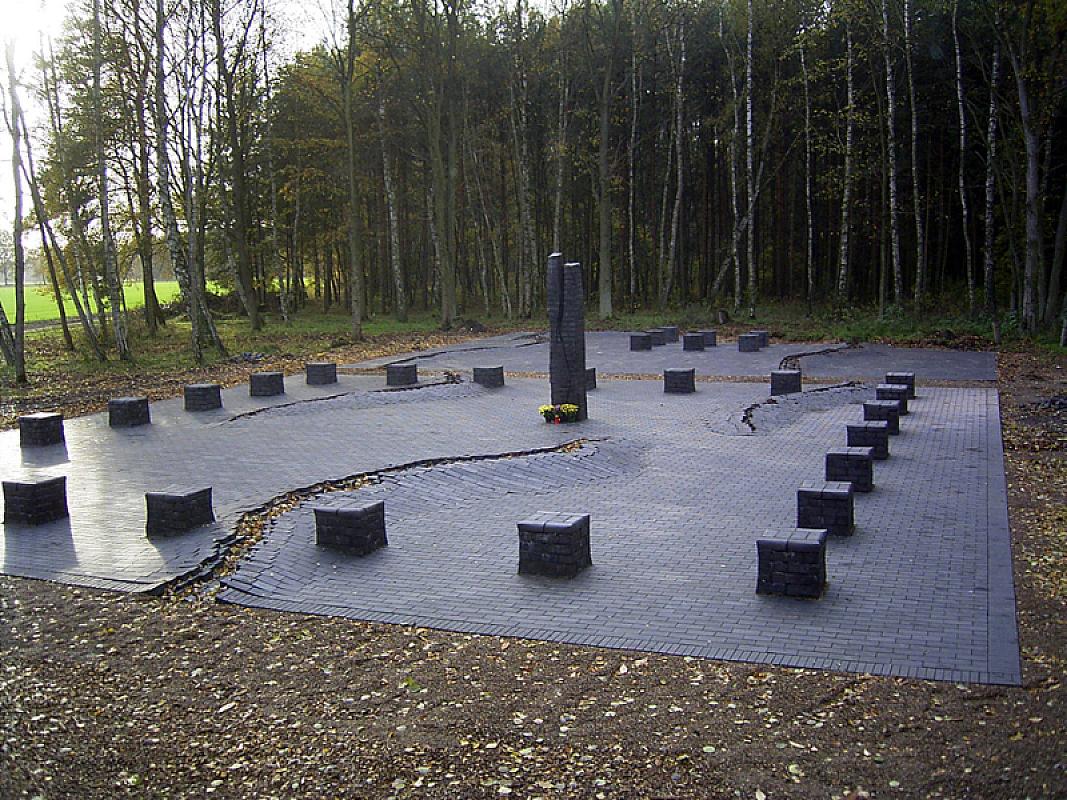
Memorial plaque for the deported Jews of Breslau
Tablica upamiętniająca deportację Żydów z Wrocławia
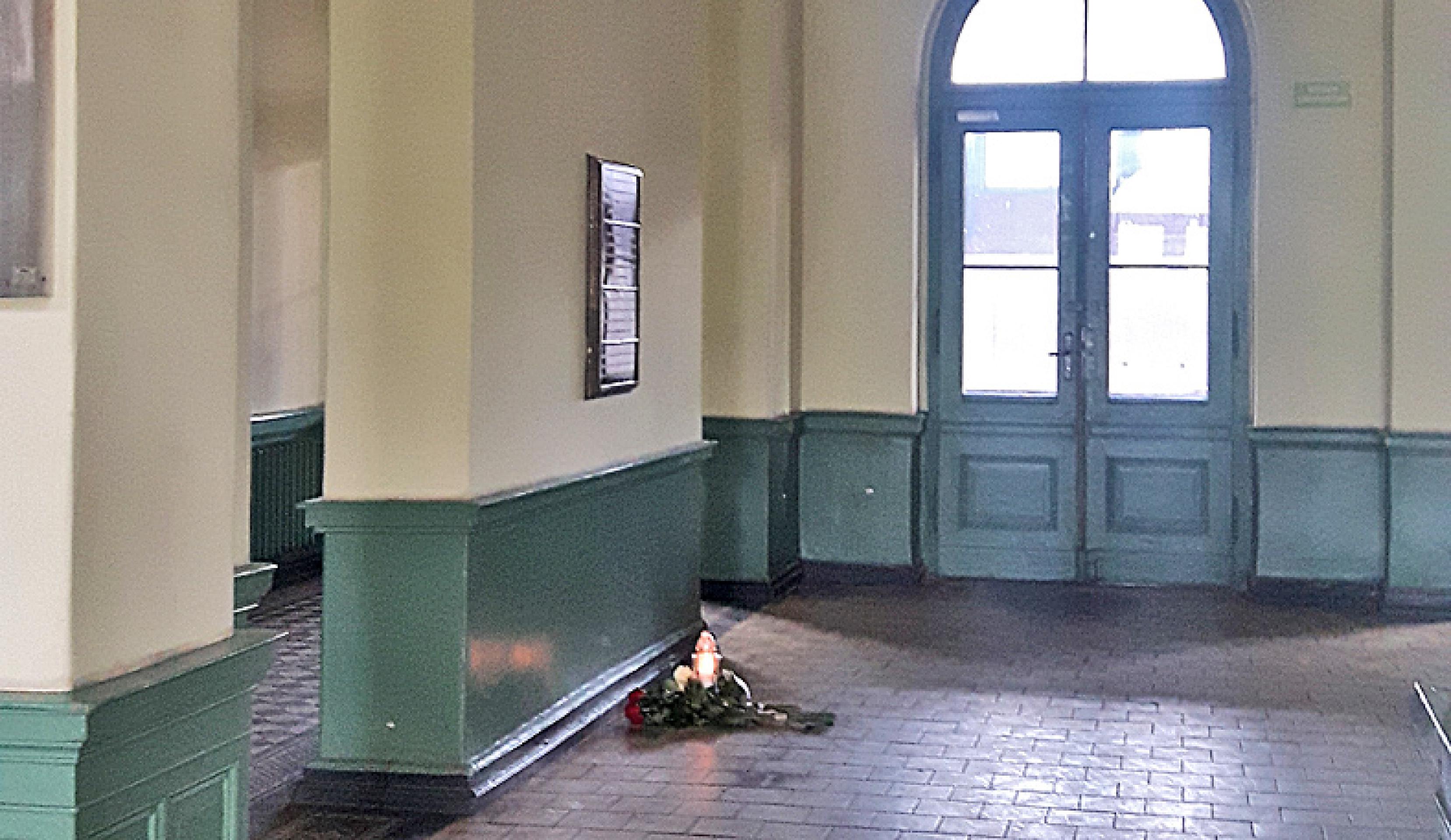
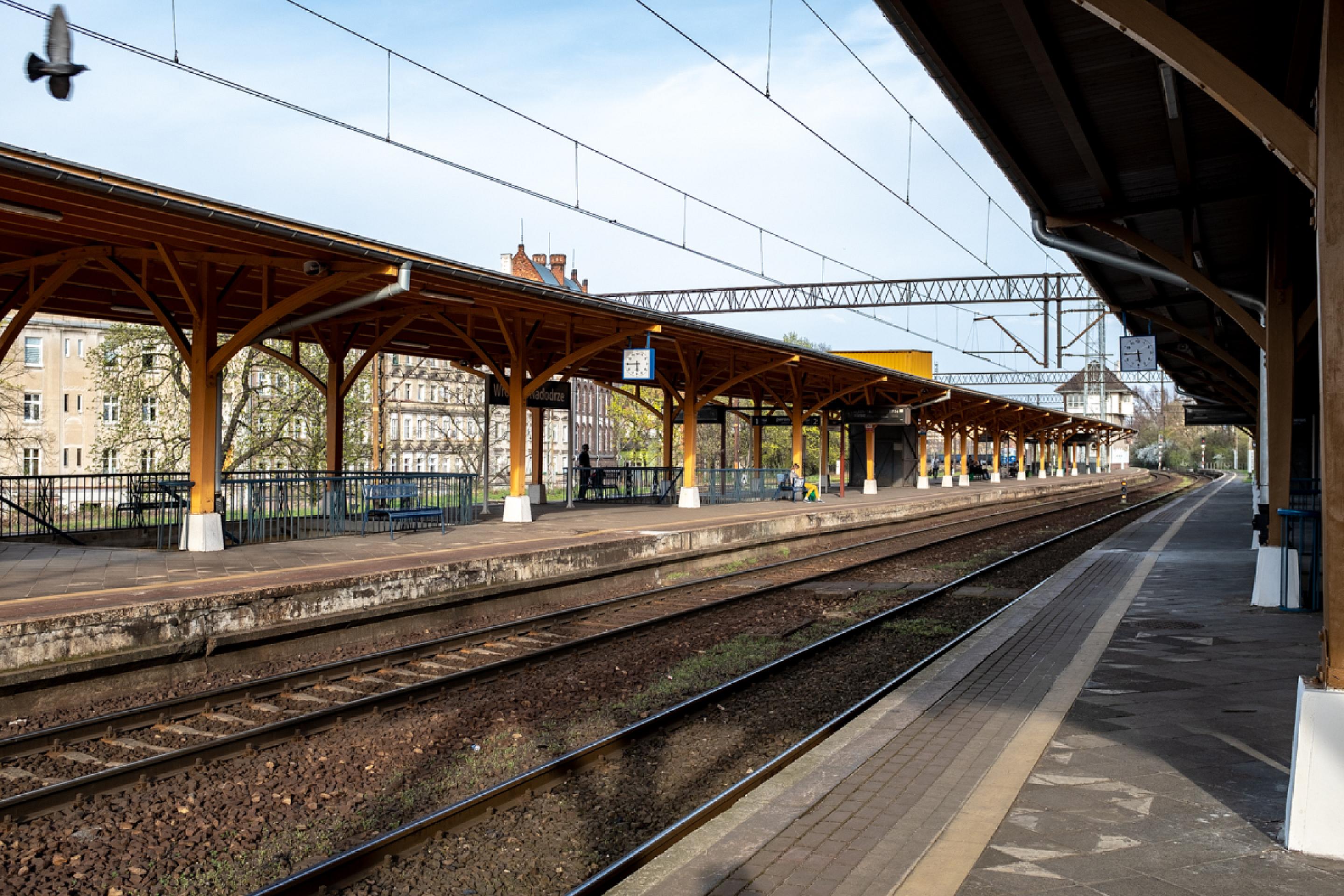
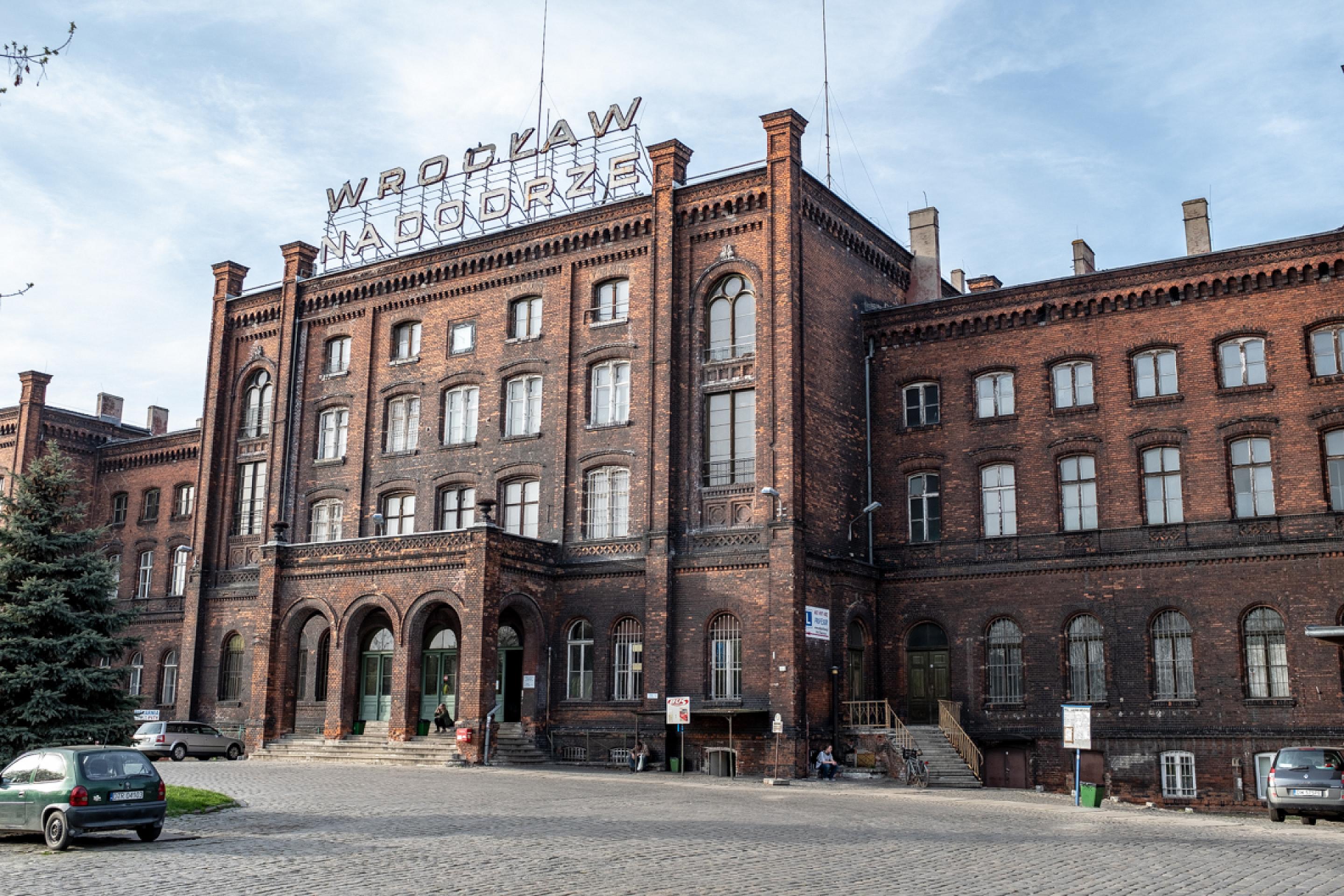
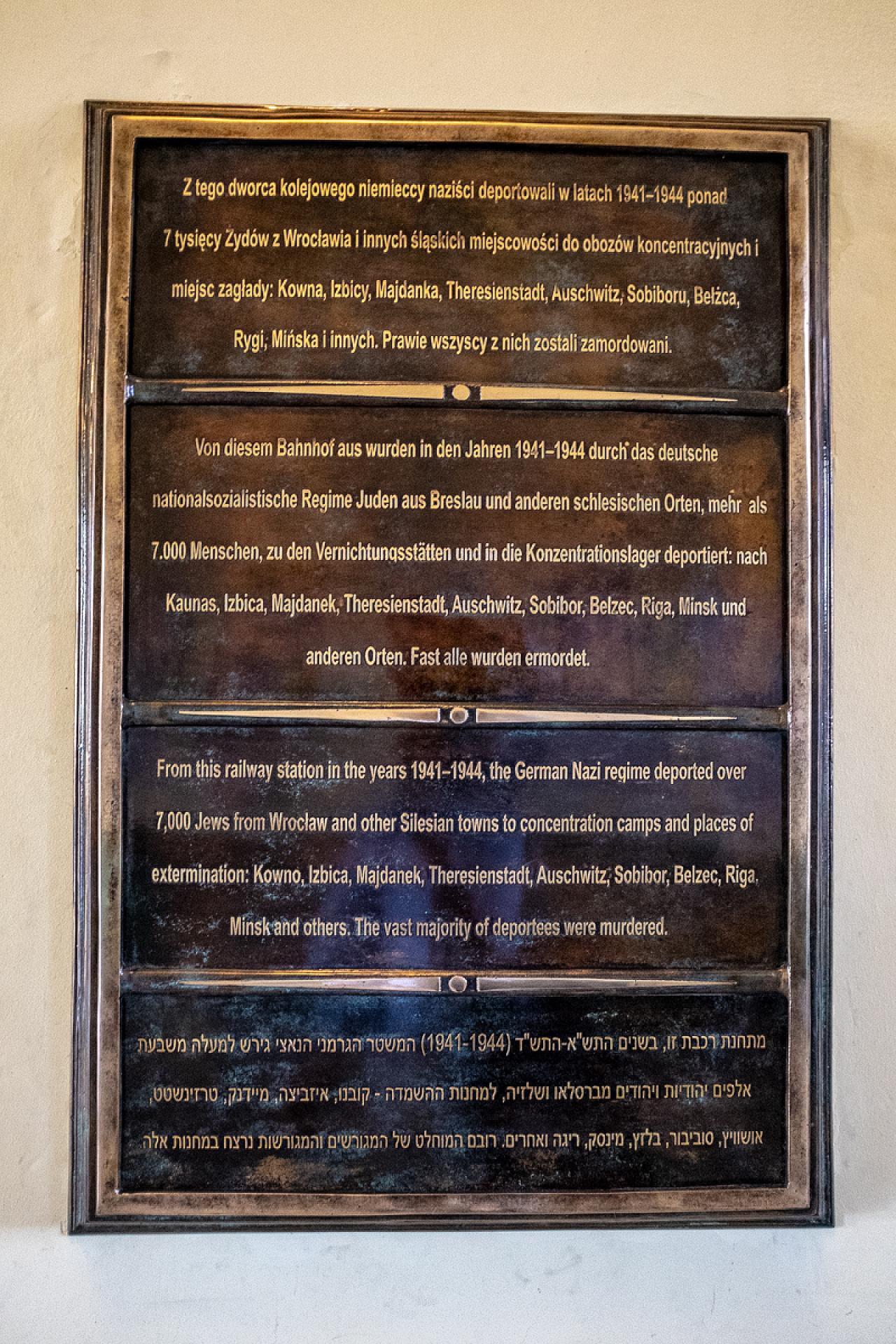
Since April 2018, a memorial plaque in the hall of the Wrocław railway station Dworzec Nadodrze commemorates the over 7.000 Jews of Breslau who were deported from this railway station into ghettos, camps and extermination sites.
History
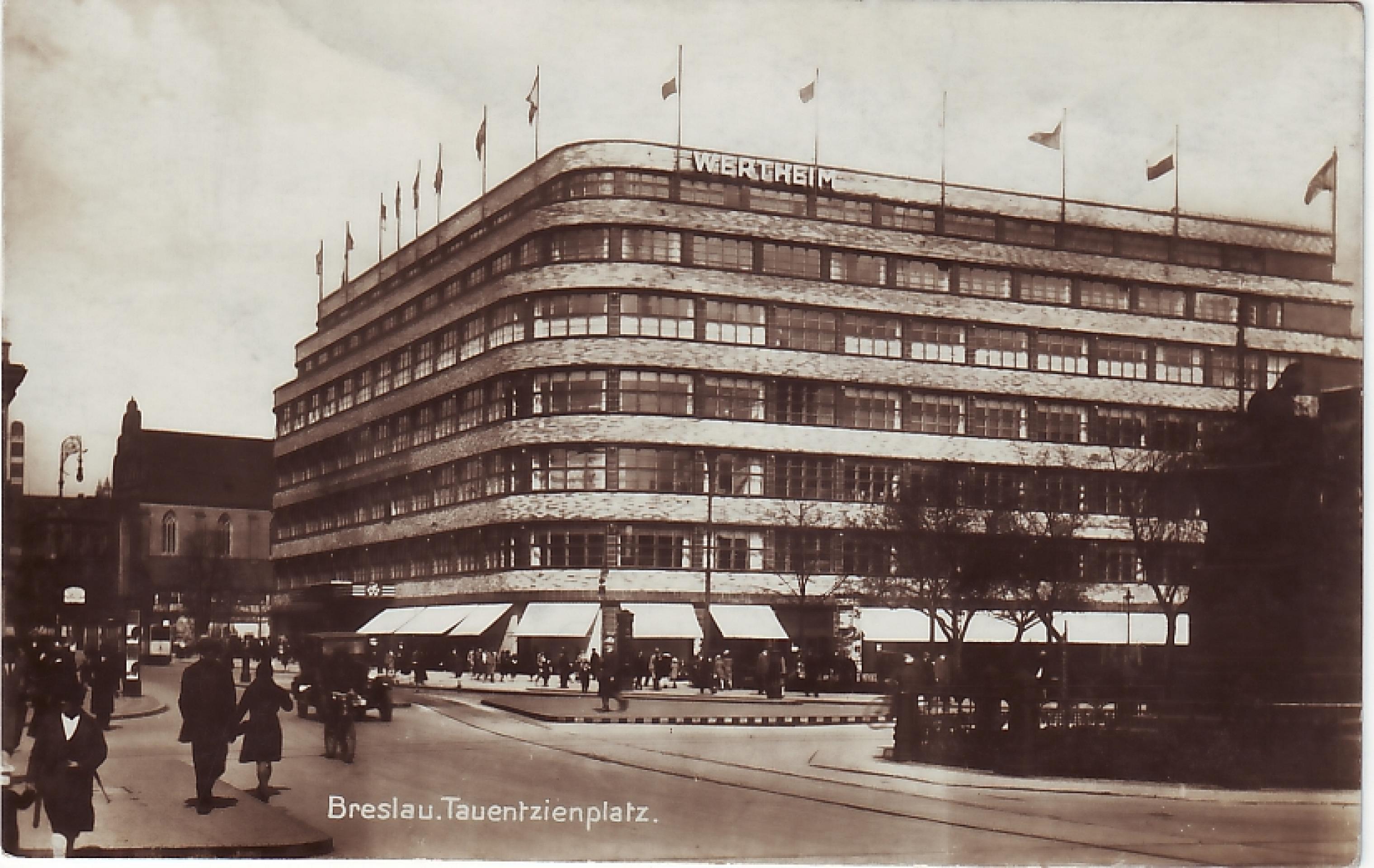
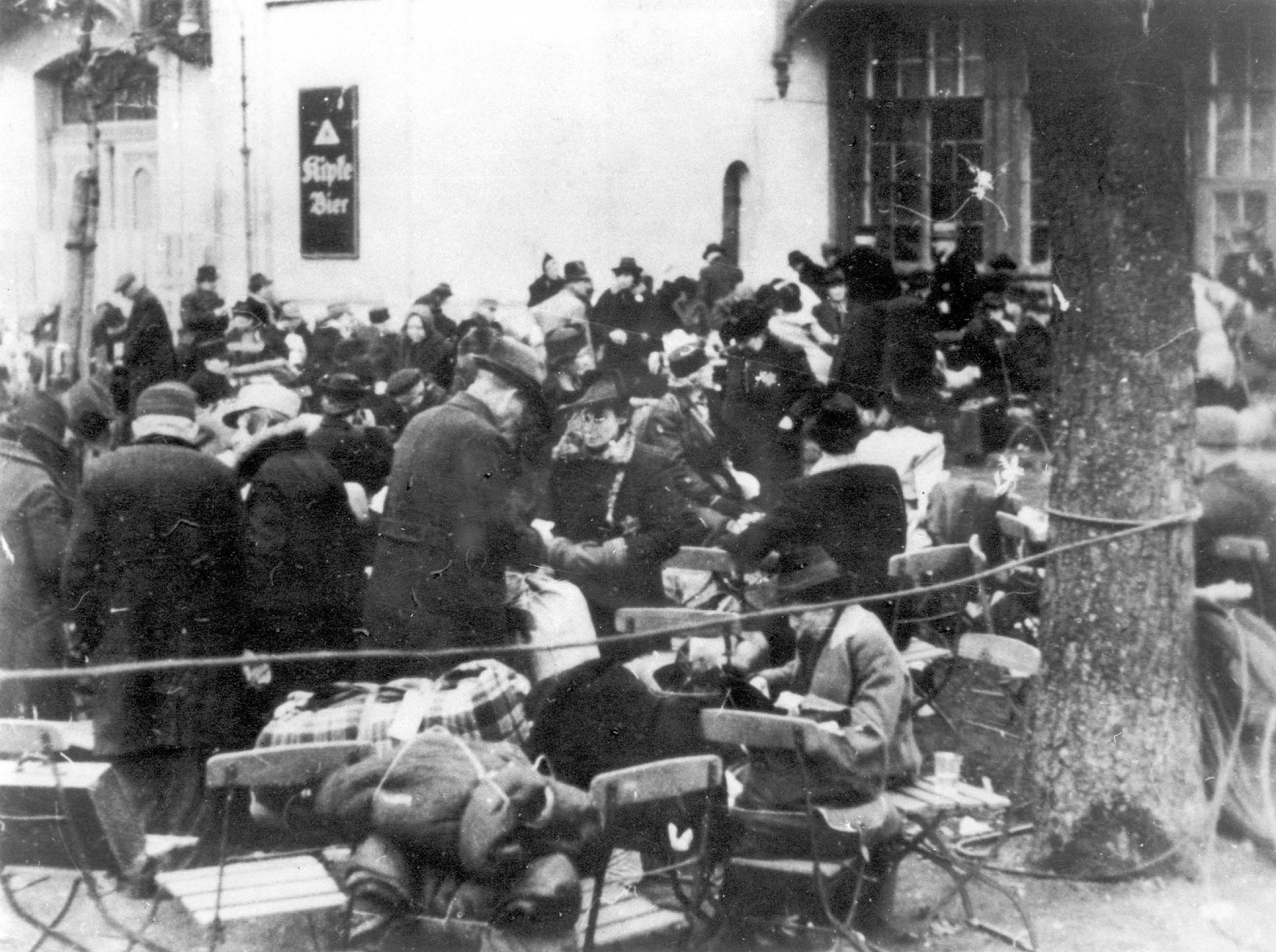
In the mid-1920s, Breslau (since 1945 Wrocław) was home to the third-largest Jewish community in the German Reich – after Berlin and Frankfurt – with 23,240 members. From January 1933 on, Hitler and the NSDAP declared it their aim to expel all Jews from Germany. As everywhere, extensive anti-Jewish measures were implemented in Breslau: from operations such as the state-controlled »boycott of Jews« on April 1, 1933, to open violence, when members of the SA set fire to the New Synagogue on night of November 9/10, 1938. The New Synagogue, located on Am Anger 8, had been consecrated in 1872 and could seat 2,000 people. After the events of the »Kristallnacht«, the Gestapo arrested 2,471 Jewish men and deported them to the Buchenwald concentration camp. In mid-May 1939, there were only about 11,200 Jews left in Breslau. At this point, 2,000 Jews from Breslau were deported to the transit camps in Tormersdorf near Görlitz, Grüssau near Landeshut and Riebnig near Brieg. The persecution measures reached a peak on November 25, 1941, when 1,005 Jews were deported to Kaunas. There, three days upon arrival, all of the deportees were shot by the Lithuanian Einsatzkommando 3 (mobile killing squad) at the Ninth Fort. Further transports from Breslau were headed to the Distrikt Lublin in Poland, to the Theresienstadt ghetto and to Auschwitz-Birkenau. At the turn of 1944/45, transports left for the Groß-Rosen concentration camp and its satellite camps. The deportation trains all left from a side track of the Odertor train station. Prior to their deportation, the victims were gathered by the Nazi authorities in the nearby premises of the popular beer garden Schießwerder.
Victims
Between 1941 and 1944, the Gestapo and the SS deported over 7,000 Jewish men, women and children from the Breslau Odertor railway station to the German extermination and concentration camps in the occupied east. Hundreds of Breslau Jews committed suicide or died in concentration camps or forced labour detachments. Thousands were expelled from their Silesian home town between 1933 and 1941; about 1,000 survivors were expelled in 1945 or forcibly resettled by the Polish authorities in the following years. Altogether it is estimated that about 10,000 Jews of Breslau were killed in the Holocaust.
Remembrance
After heavy bombing and artillery fire by the Soviets, the besieged and fortified city of Breslau surrendered on May 6, 1945. About 1,000 German Jews, Holocaust survivors, were still in Breslau or had returned to the city from the camps. As a result of the Potsdam Agreement, concluded in the summer of 1945, Silesia was now »under Polish administration«. Just like the rest of the German population, the German Jews were expelled by the new authorities. Also, most of the 90,000 Polish Jews who settled after the war in Wrocław and Lower Silesia had emigrated by 1948.
After the collapse of Communism there has been growing interest in the German and also the Jewish past of the city. The small Jewish community is one of the most active in Poland. Moreover, there are numerous international projects to research the Jewish past of Breslau/ Wrocław and spread knowledge about it.
On April 13, 2018, a new memorial plaque was inaugurated in the hall of the former Odertor railway station to commemorate the victims of the deportations. Today, the train station is called Dworzec Nadodrze and still has regional significance. The initiative for the memorial sign was taken by the Silesian Museum in Görlitz and was supported by the City Museum Wrocław and by the local Jewish community. At the inauguration ceremony, representatives of the German General Consulate were also present as well as Rita Kratzenberg, who, born in Breslau in 1942 and motivated by her own family's history, has been fighting for such a memorial sign for over fifteen years.
The inscription of the memorial plaque reads in Polish, German, English and Hebrew: »From this railway station in the years 1941–1944, the German Nazi regime deported over 7,000 Jews from Wrocław and other Silesian towns to concentration camps and places of extermination: Kowno, Izbica, Majdanek, Theresienstadt, Auschwitz, Sobibor, Belzec, Riga, Minsk and others. The vast majority of deportees were murdered.«
Open
The memorial plaque is located in the hall of the railway station Dworzec Nadodrze and is always accessible.
Contact
plac Staszica 50
50-223 Wrocław