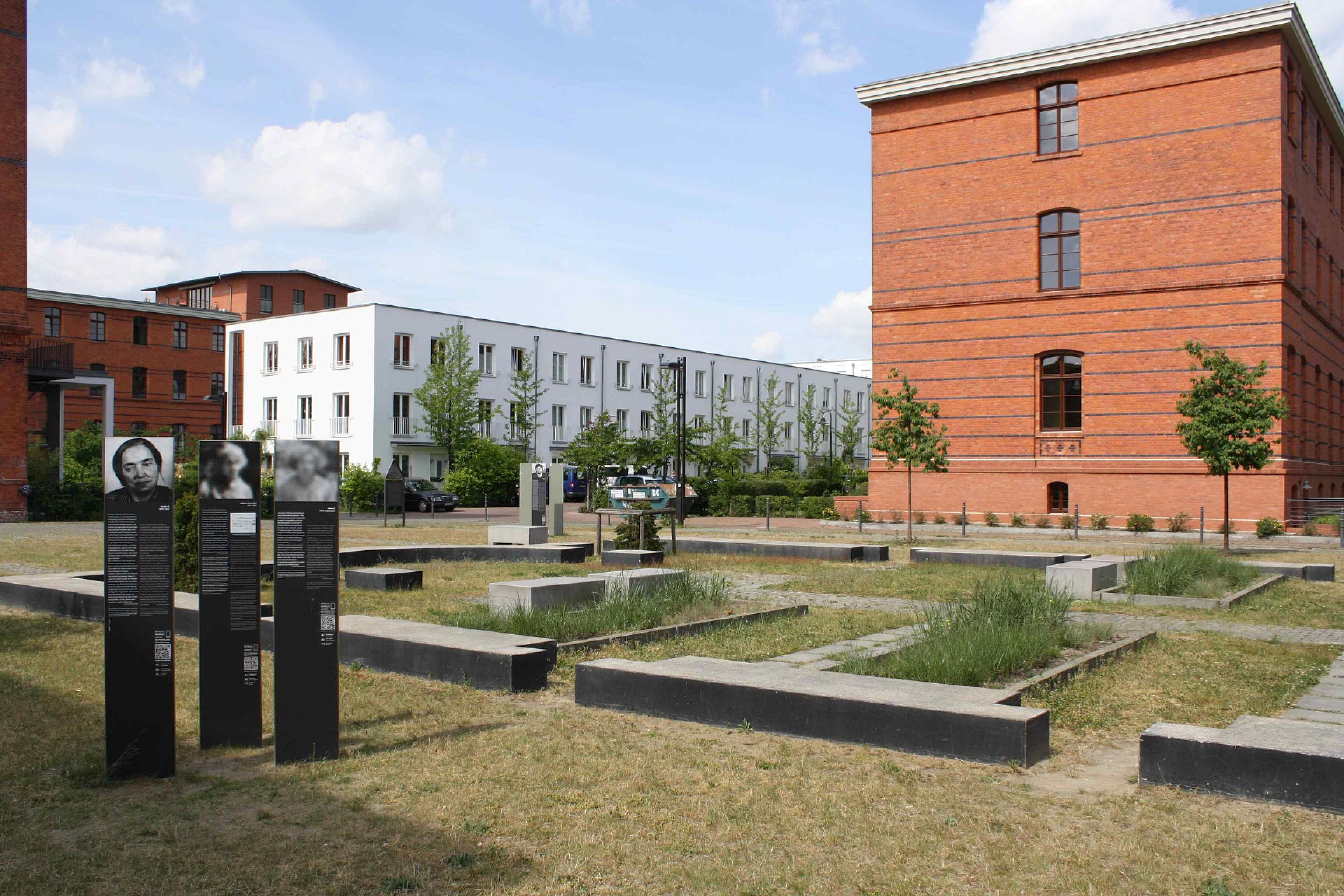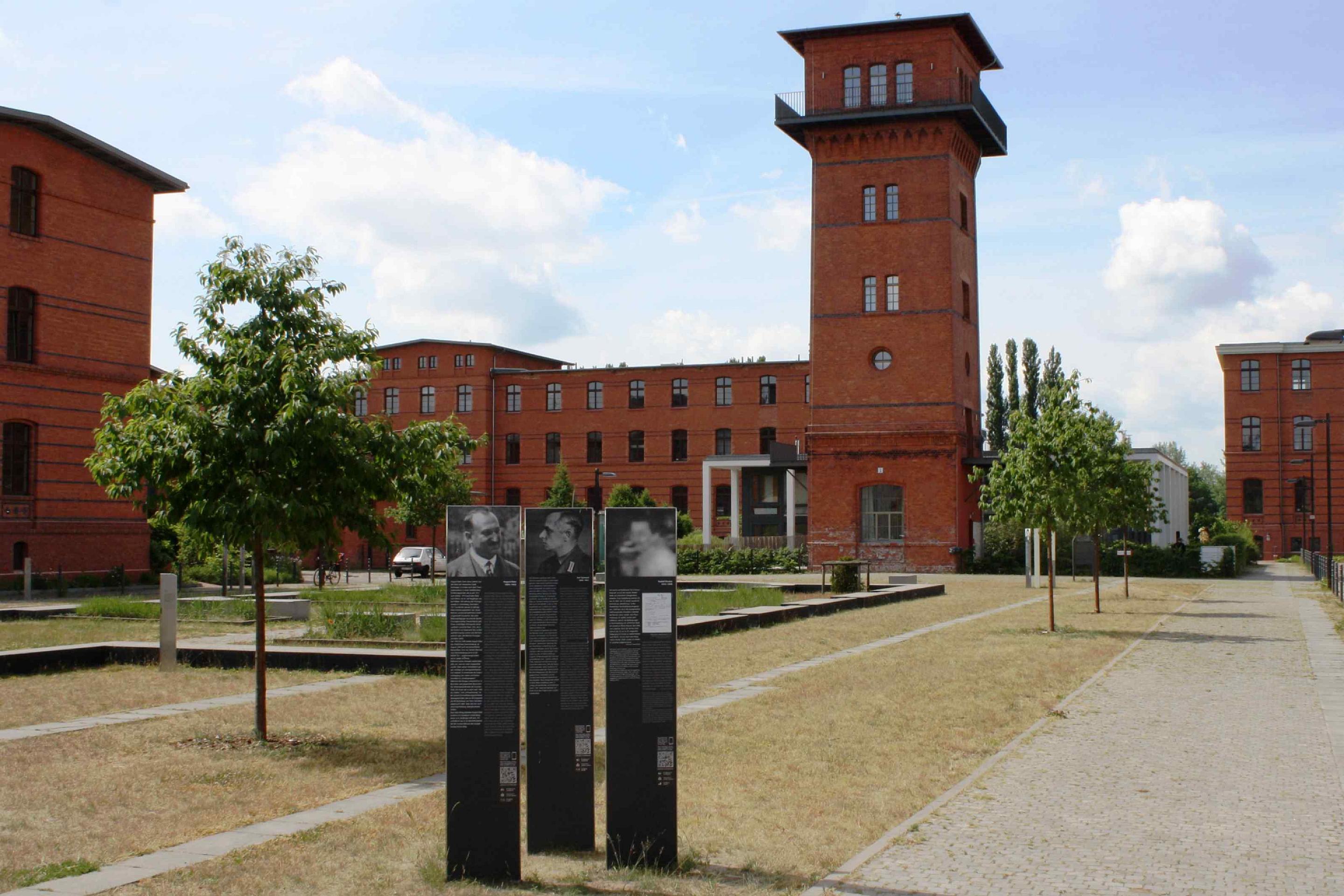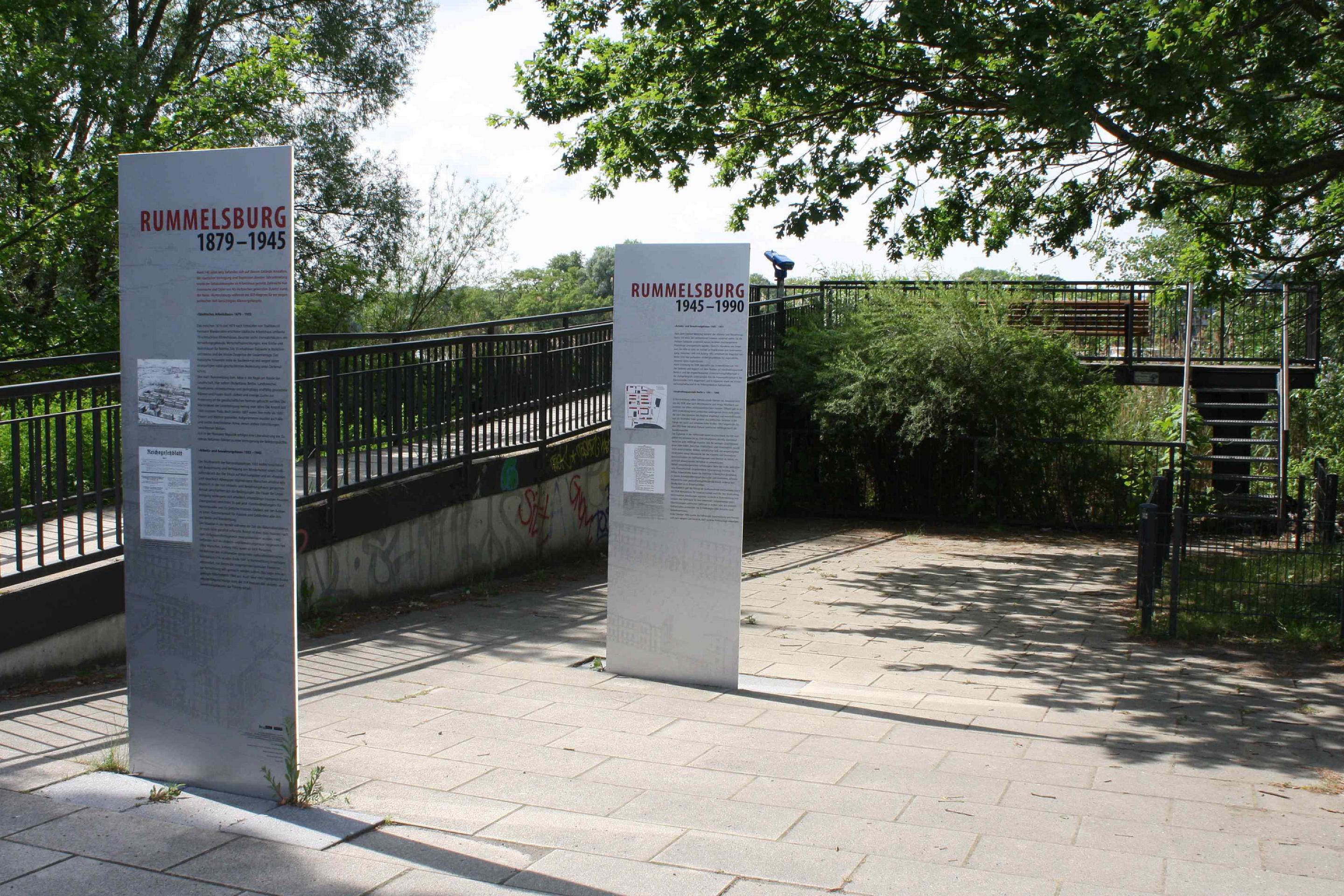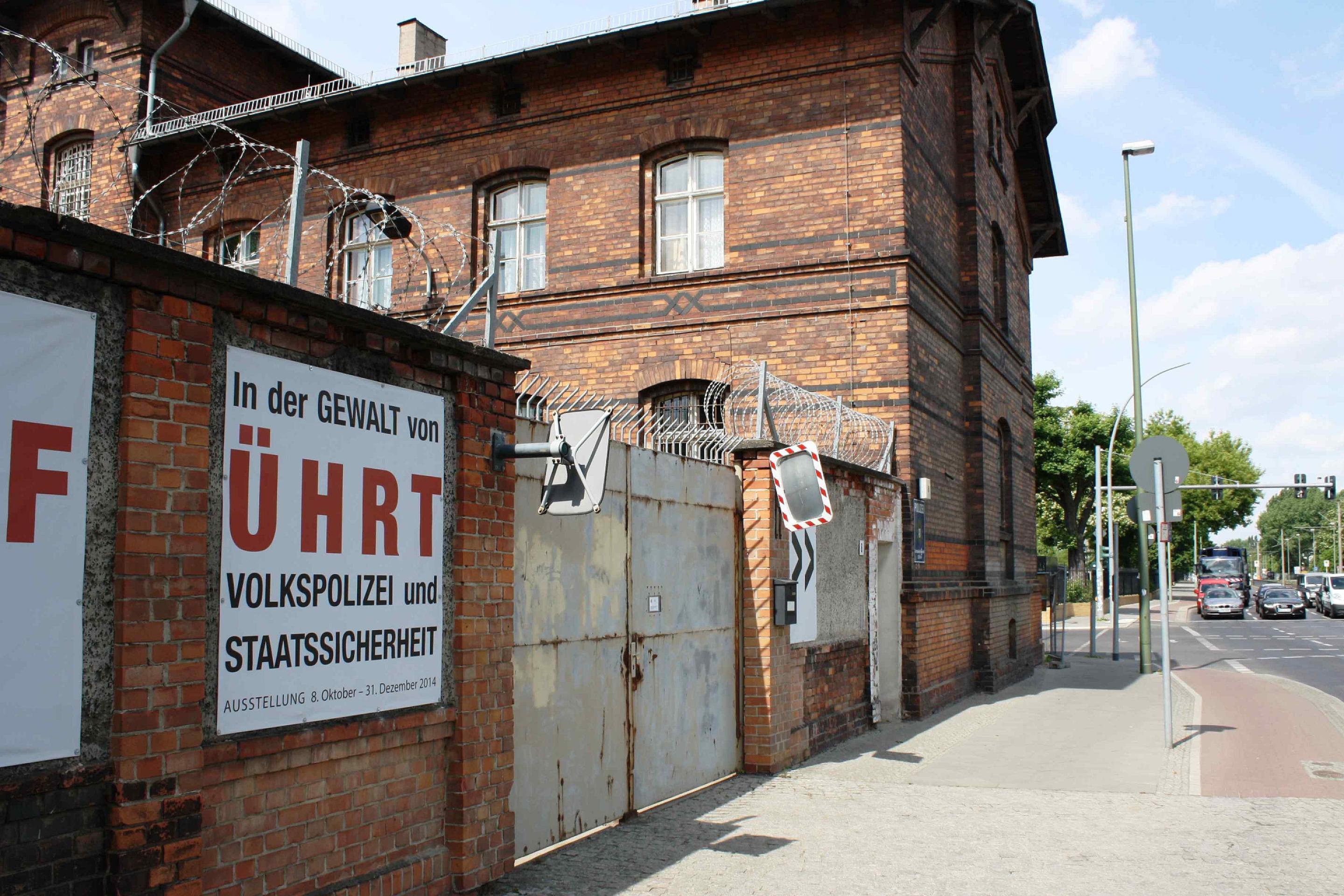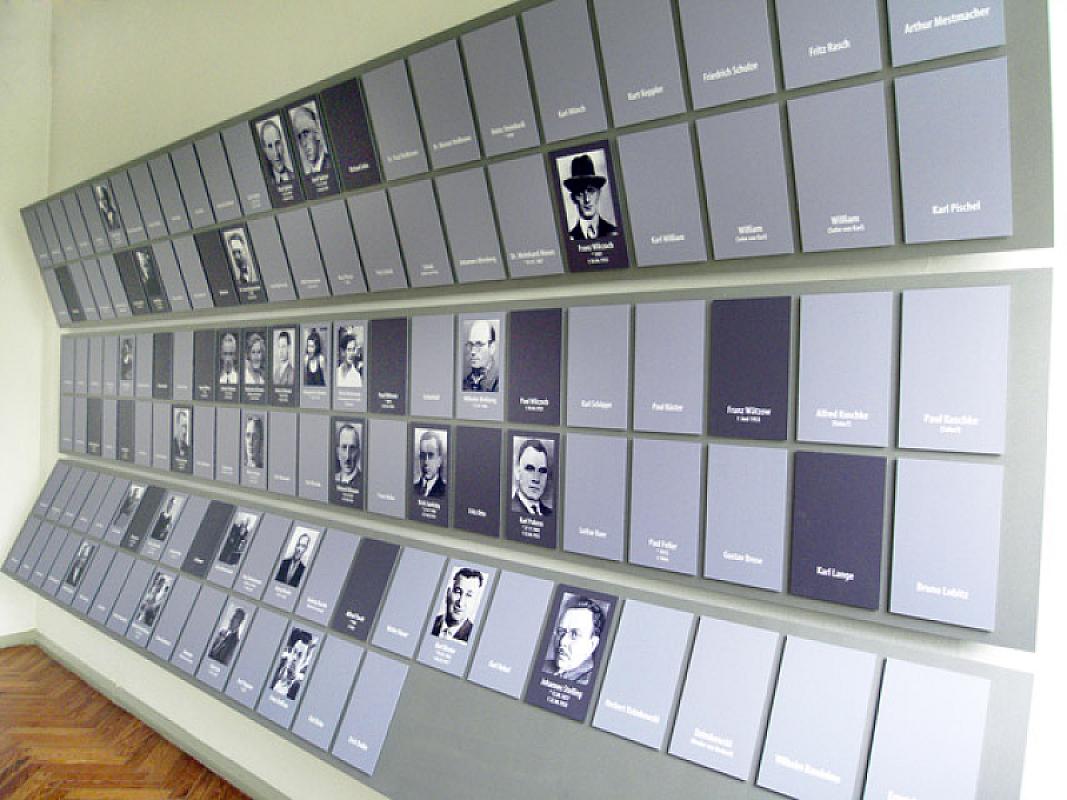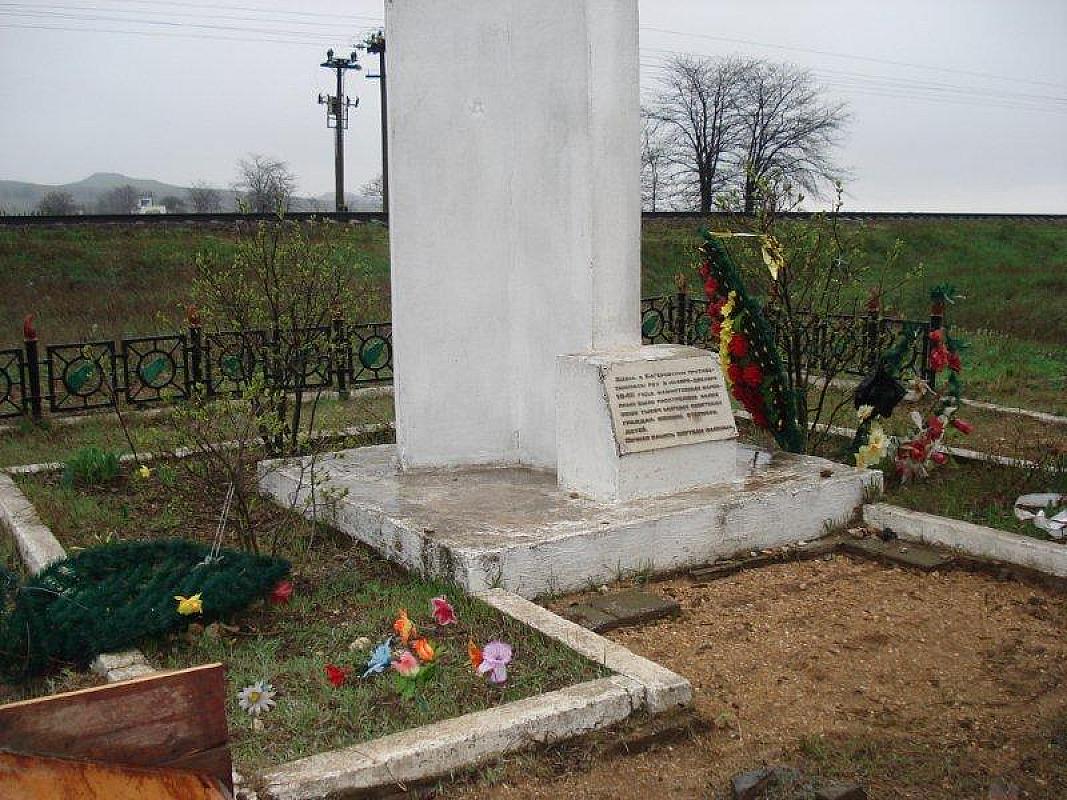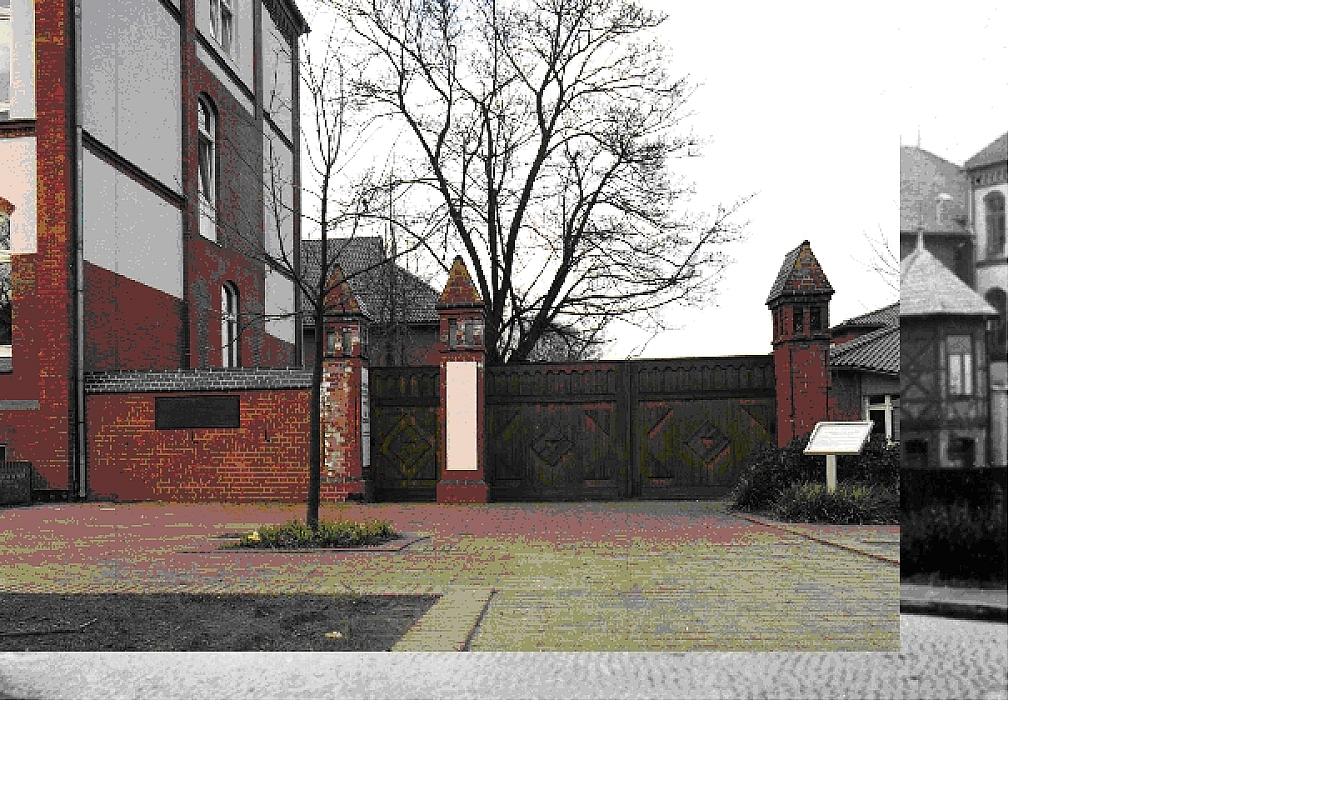
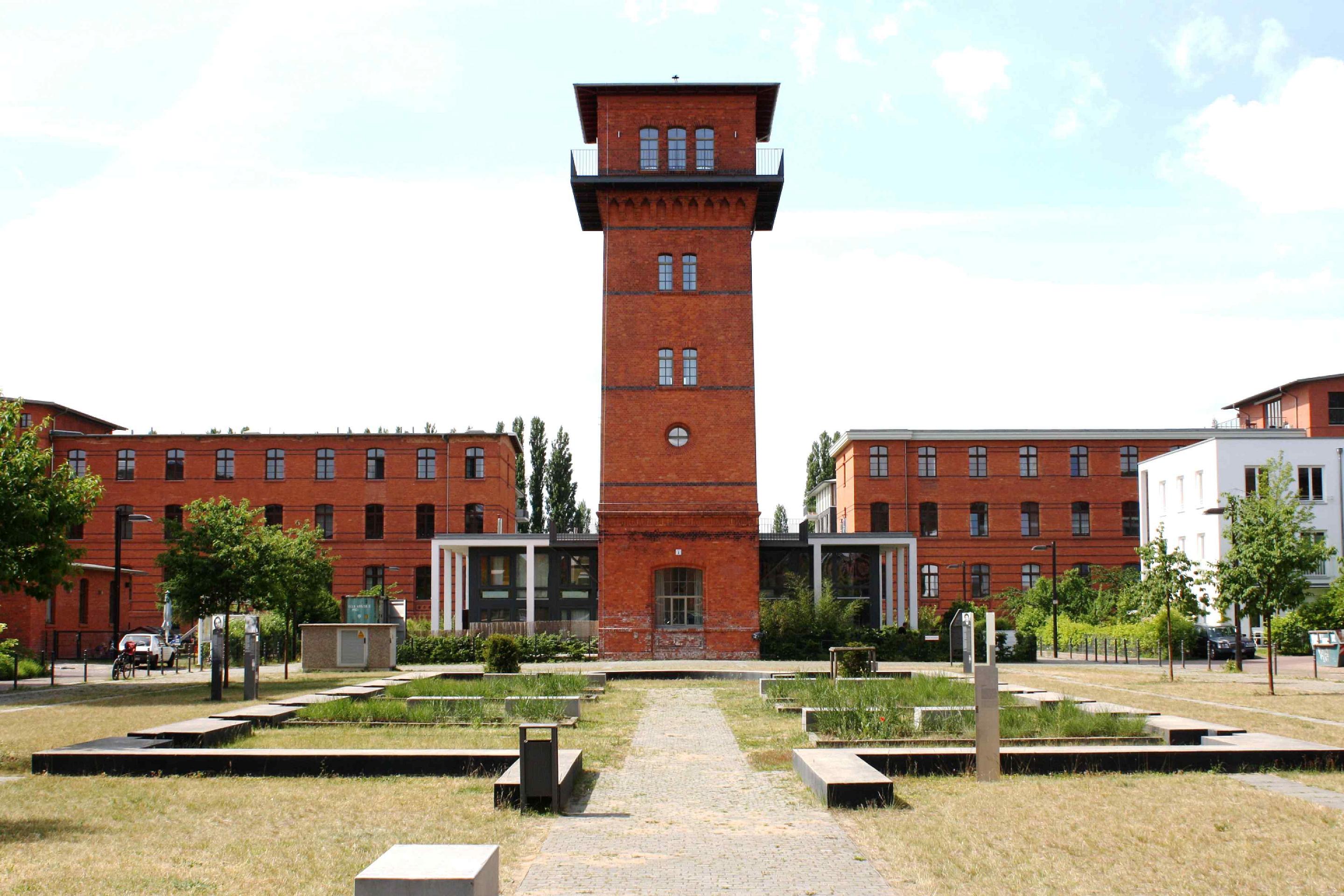
Since January 2015 a memorial and information site remembers the former workhouse Rummelsburg where social outcasts had been detained for more than a hundred years. During National Socialism Rummelsburg was the central site of persecution of so called antisocial elements in Berlin.
History
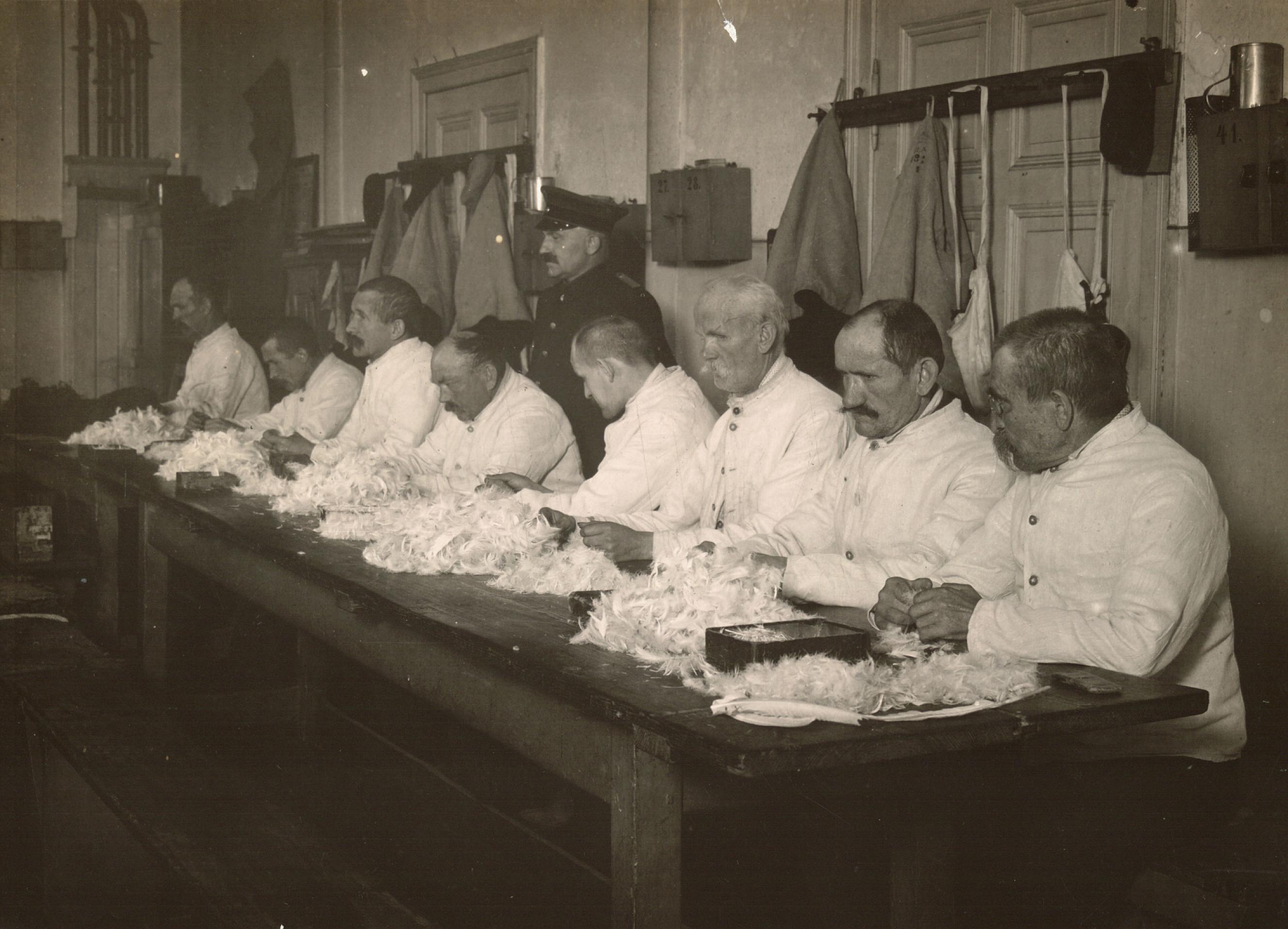
During the 19th century workhouses were built in many German mayor cities to house members of marginalised groups like beggars, homeless or prostitutes and to exploit them as cheap labour. The Rummelsburg workhouse was built for this purpose 1877-79 outside the Berlin city centre. Many inmates of the Rummelsburg workhouse worked on sewage farms around Berlin. During the time of the Weimar Republic the number of inmates declined considerably thanks to the more liberal social politics.
With the National Socialists' accession to power in 1933 the situation for marginalised groups changed radically and they were massively persecuted as »antisocial elements«. Authorities obtained sweeping powers: Even persons who didn't become an offender could be committed to a workhouse and occasionally kept for an indefinite period. Rummelsburg became the central site of persecution of »asocial elements« in the Berlin area. The number of inmates escalated, in 1939 there were about 2,000. Special units were established, for instance for homosexuals, besides 124 forced sterilisations are recorded. The inmates were employed as forced labourers for communal purposes as well as for private enterprises in the vicinity.
In the course of a »Sonderaktion« (special action) of the NS-»Euthanasia« all 30 Jewish inmates were moved to a hospital in Buch on January 13, 1941. Four days later they were taken to the Bernburg mental hospital by bus where they were killed by gas. At that time Bernburg was a killing centre of the »Action T4« which was aimed at patients and ill people.
In January 1942 a committee appointed in the course of the NS-»Euthanasia« visited Rummelsburg and selected 314 inmates to be killed. This planned mass murder was eventually not carried out.
Victims
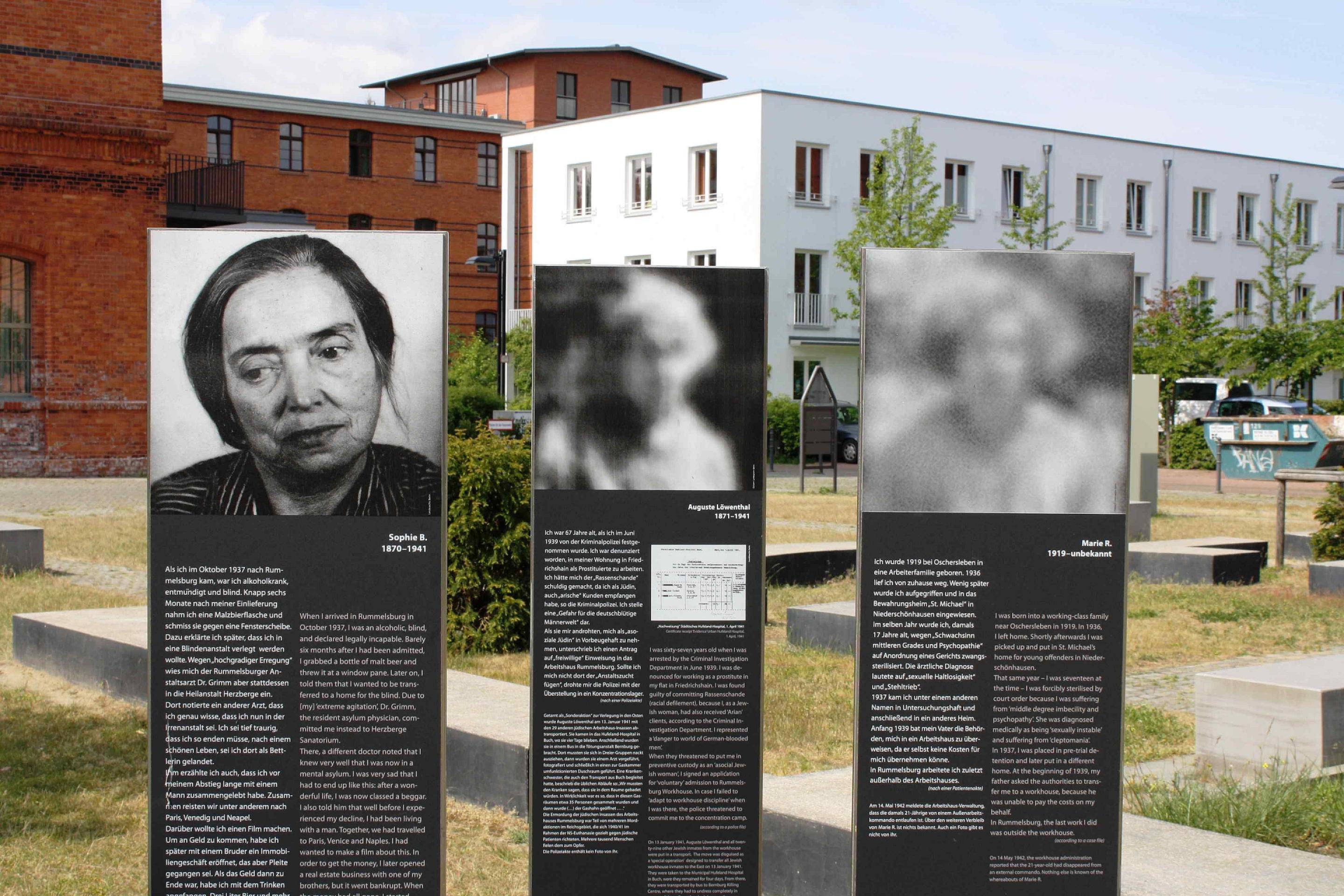
During the time of National Socialism Rummelsburg was a place of suppression of thousands of so called »asocials«. Subsumed under that category were, among others, »work-shy people«, homeless, itinerant labourers and prostitutes. Purposeful murders in Rummelsburg itself are not verifiable. In January 1941 all 30 Jewish inmates were moved via a hospital in Buch to the killing centre in Bernburg where they were subsequently murdered. 124 inmates of Rummelsburg were forcibly sterilized. Most of the documents prior to 1945 are lost so it can not be ascertained how many people died because of the harsh conditions.
Remembrance
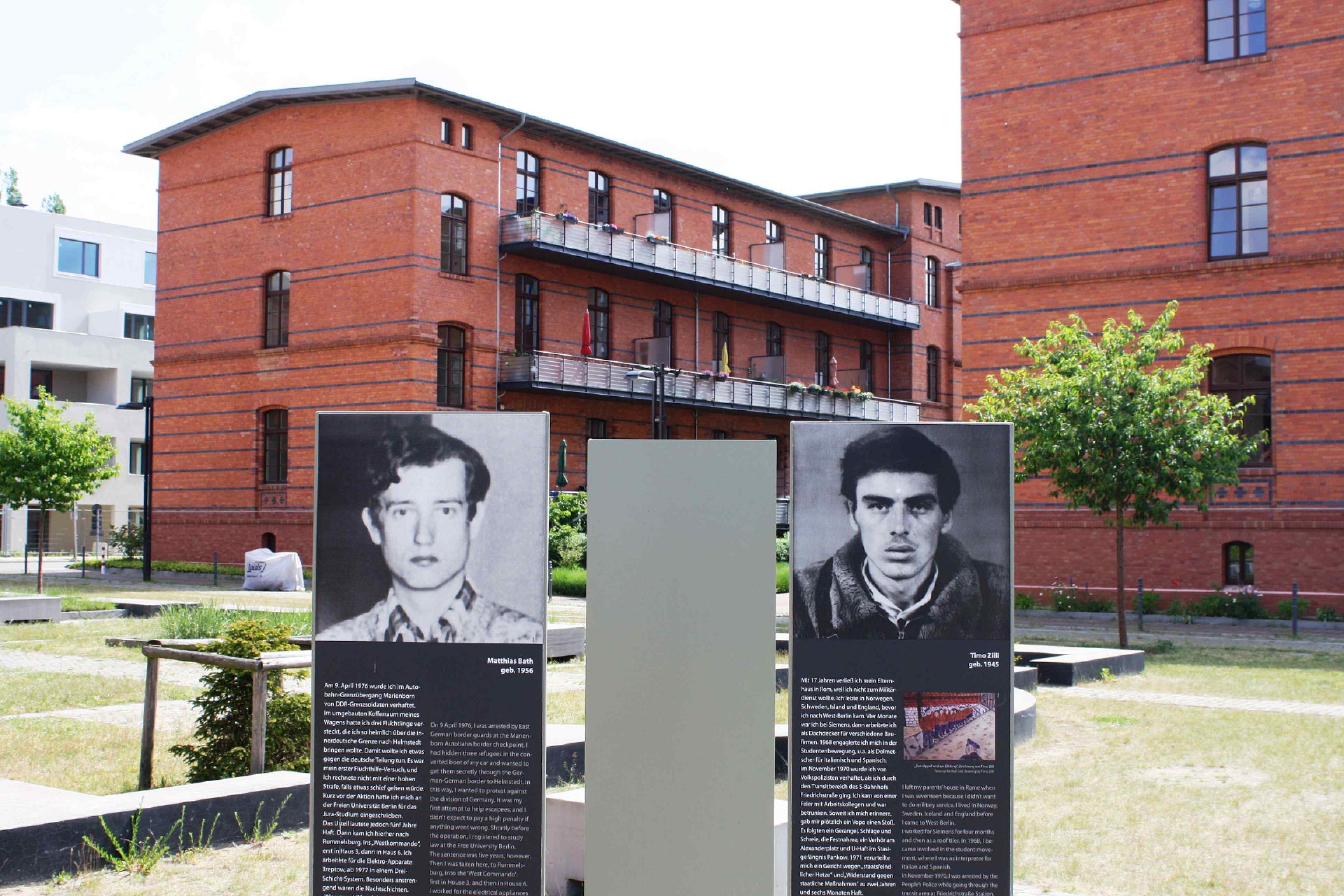
Rummelsburg was converted into a prison during the time of the GDR after it had been used as a workhouse from 1945 for a couple of years. In the GDR being »asocial« was still a reason for persecution. Many of the Rummelsburg inmates were imprisoned because of political reasons, notably after the uprising of 1953, the Building of the Berlin Wall in 1961 and during the weeks of the Peaceful Revolution in 1989. In October 1990 the ramshackle prison was closed down. For years the buildings stood empty, hardly anybody was interested in the site's history. This changed slowly thanks to various civil society initiatives like the work group »Marginalized – Yesterday and Today«. A round table was established. The first memorials near the historical site were erected at the Rummelsburg Bay in December 2012 on the orders of the Lichtenberg borough council.
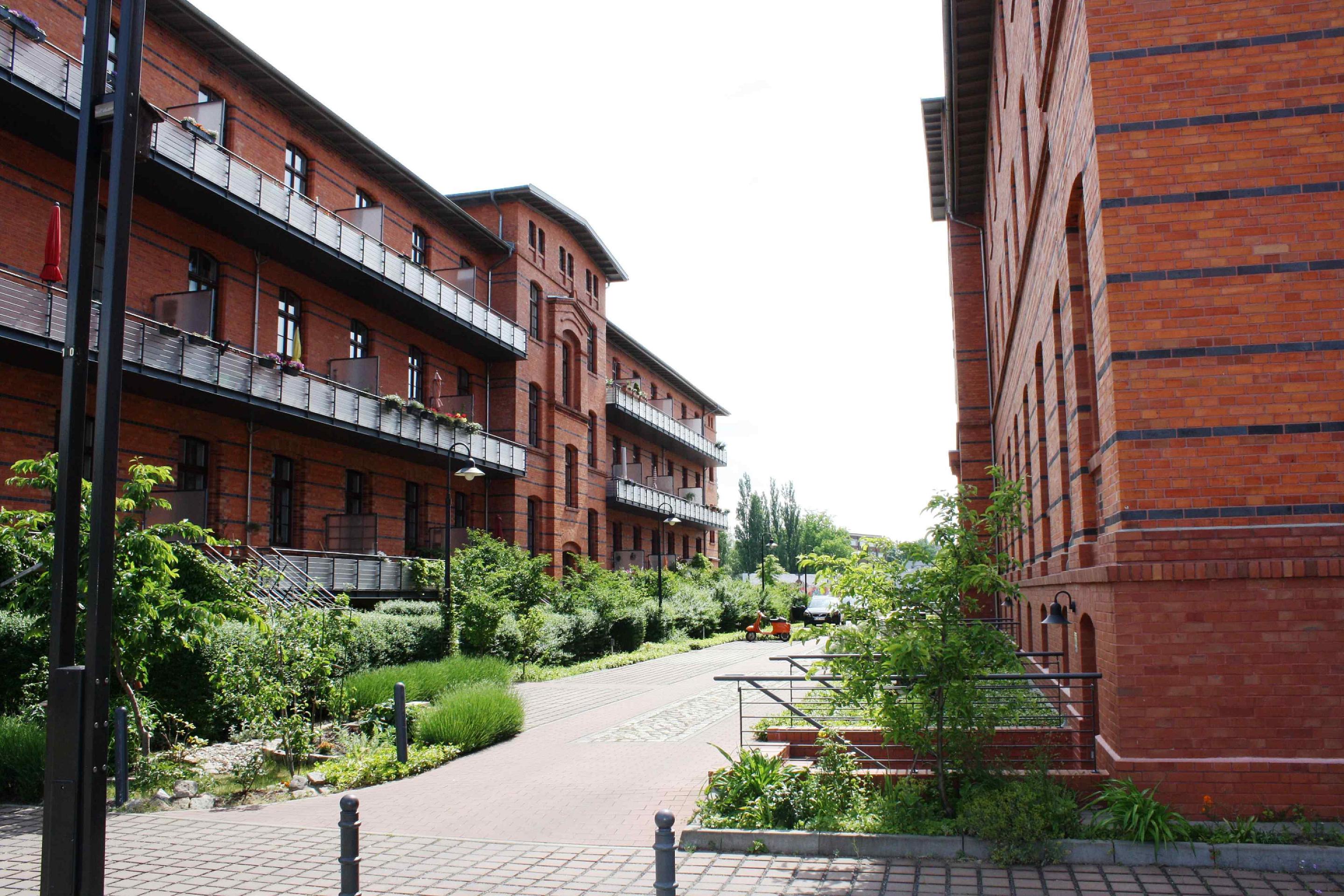
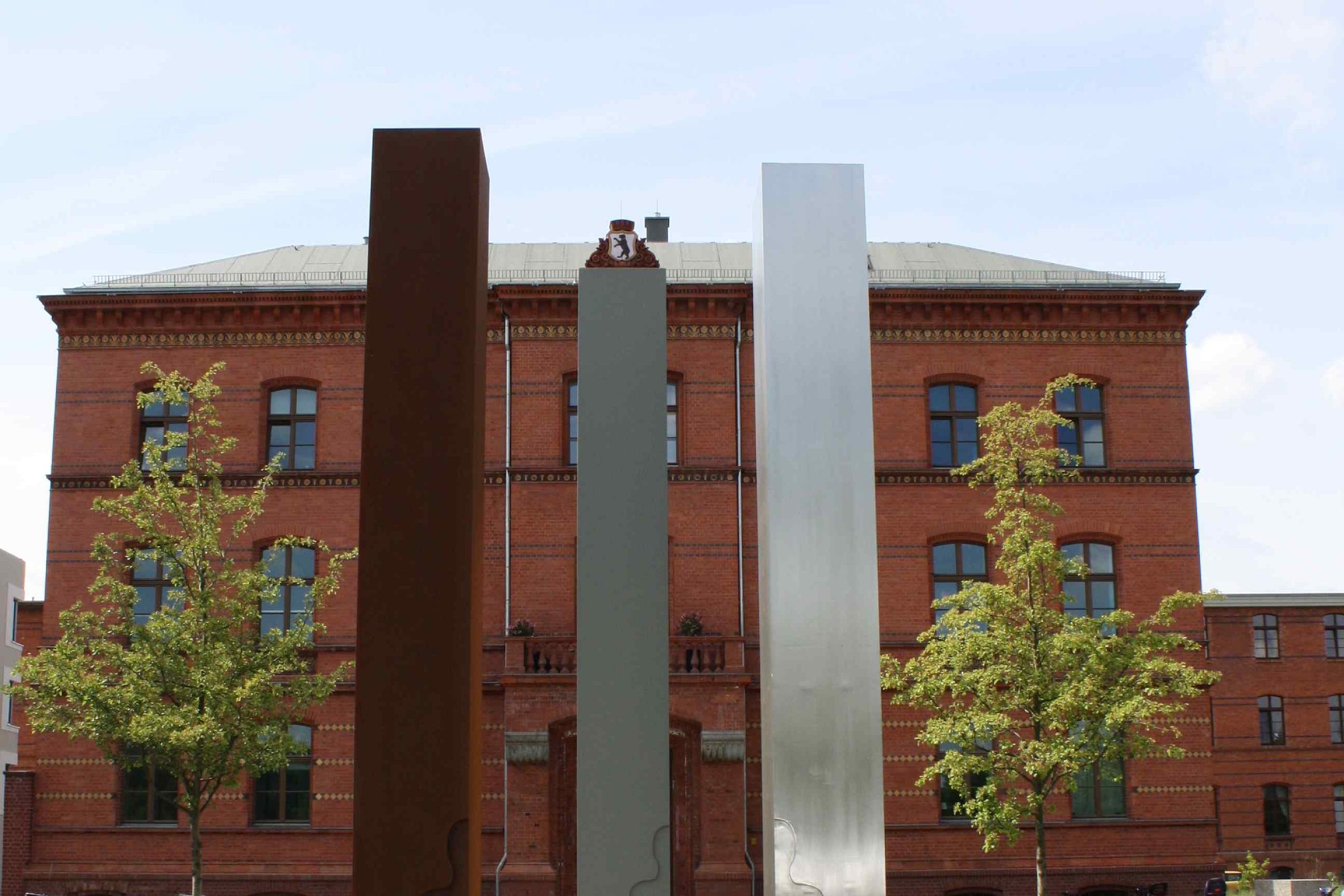
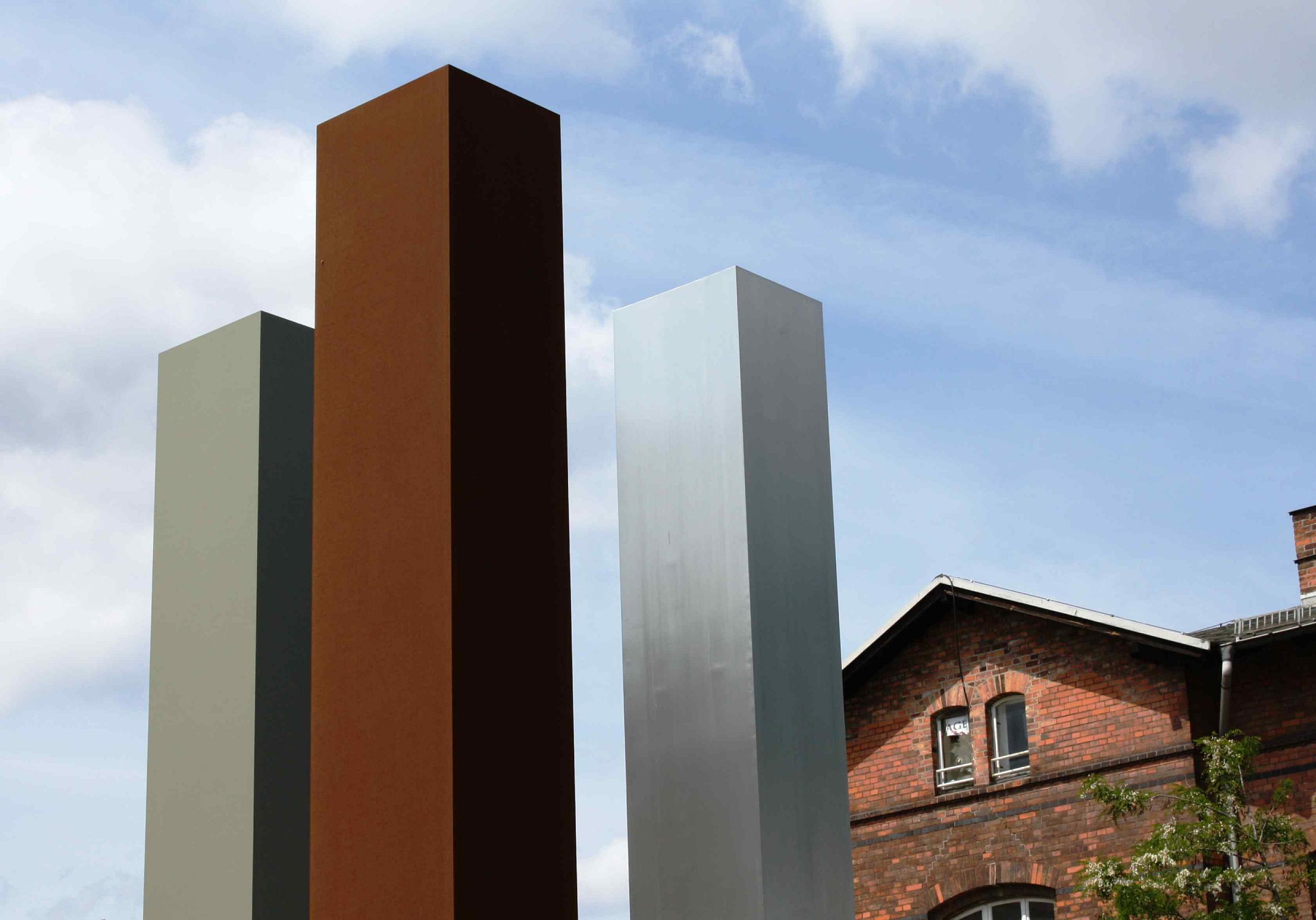
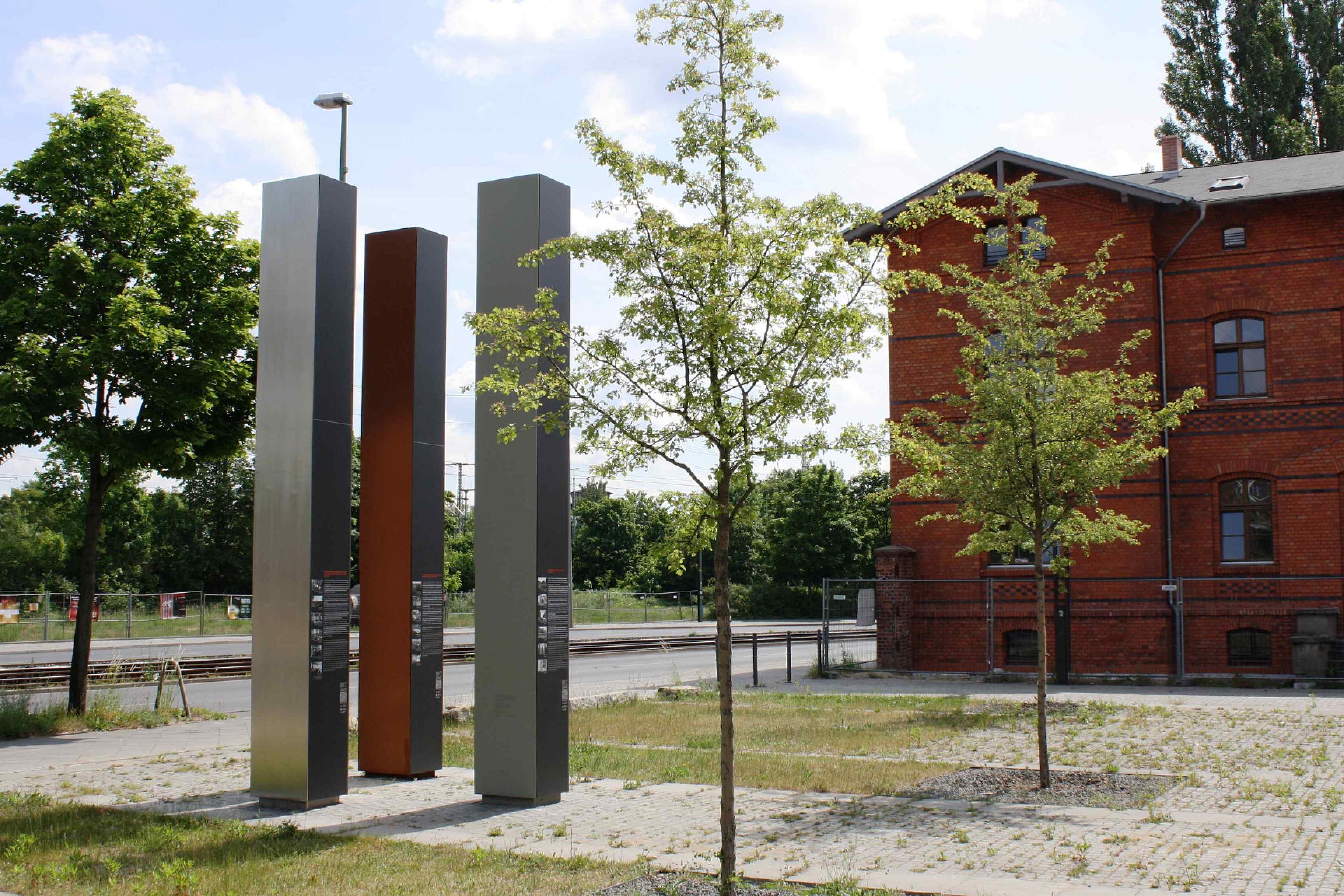
In 2014 the Senate tendered an art competition to create a worthy memorial and information site at the historical site which had now been transformed into a residential area. The memorial was dedicated in January 2015. The main element of the concept by its designer Helga Lieser and her colleagues Peter Francis Lewis and Jens Henningsen are three steles of five meters each which remember the imperial era (corten steel), National Socialism (steel) and the GDR (grey). 18 information plaques display the biographies of former inmates of the workhouse and the GDR prison Rummelsburg.
Possibilities
Smartphone-App for memorial site (for Android and iOS)
Open
The site is accessible at all times
Contact
http://gedenkort-rummelsburg.de
info@gedenkort-rummelsburg.de
Hauptstraße 8
10317 Berlin