Memorial Site Topf & Söhne – Builders of the Auschwitz Ovens
Erinnerungsort Topf & Söhne – Die Ofenbauer von Auschwitz
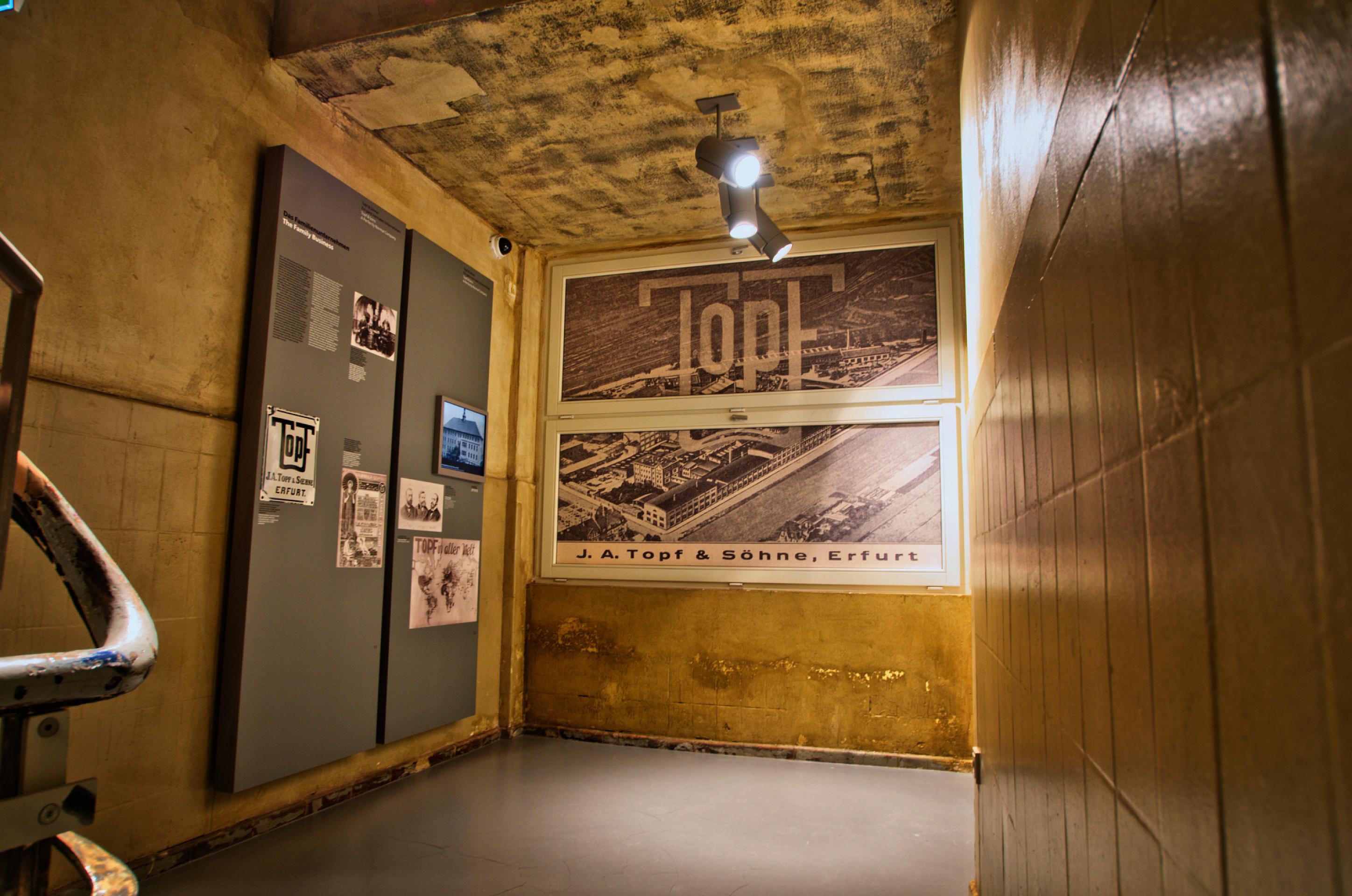
From 1939 the company Topf & Söhne supplied the SS with corpse incineration ovens for concentration camps. In the Auschwitz-Birkenau extermination camp the company not only set up huge incinerators but also equipped the gas chambers in the crematoria with ventilation systems. The memorial site Topf & Söhne – Builders of the Auschwitz Ovens which opened in 2011 is the only historical site in Europe, where the industry's complicity in the Holocaust is shown, attested and communicated at a former company headquarters.
History
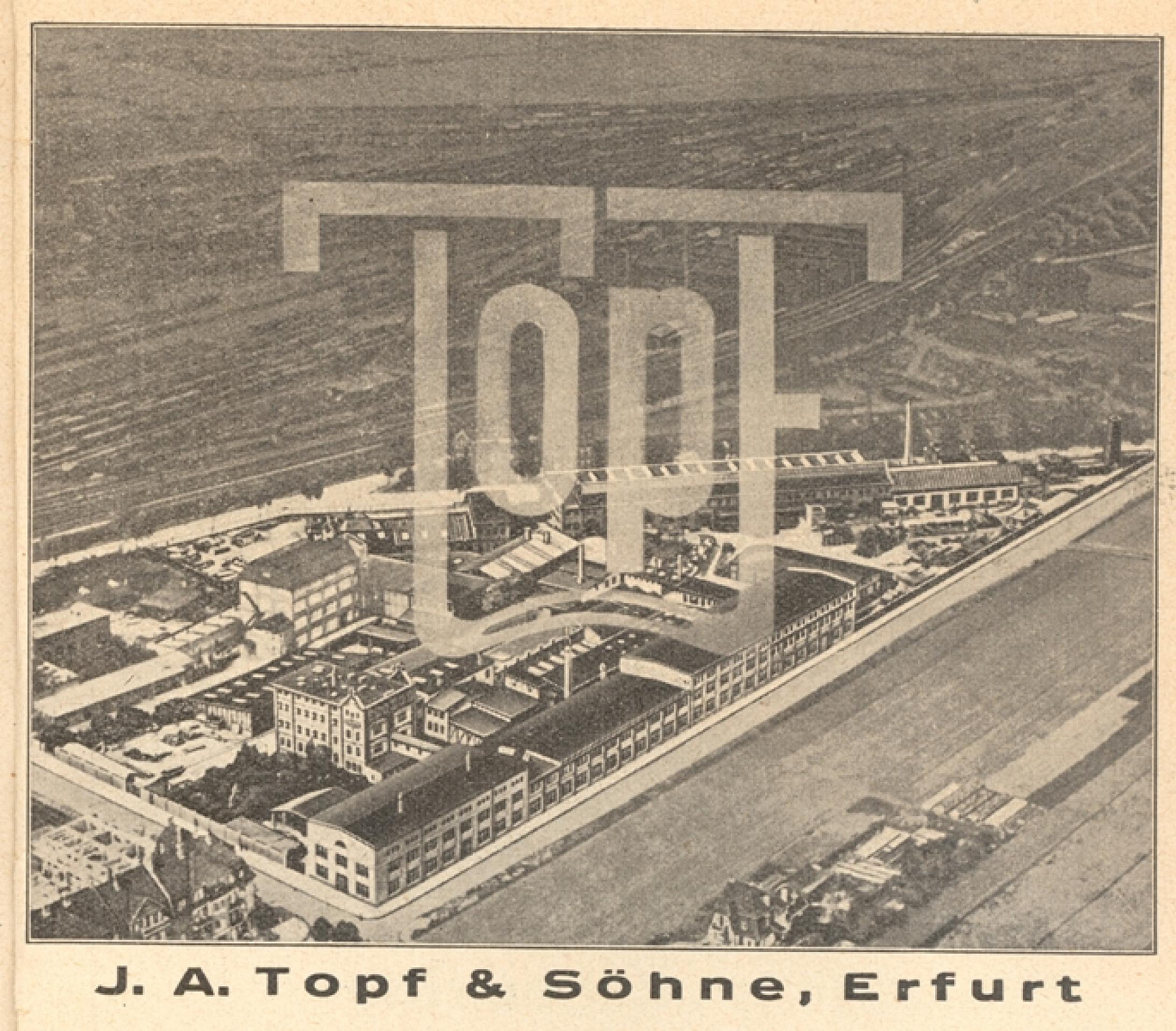
The company Topf & Söhne was founded in Erfurt in 1878. Besides brewery and malting facilities, silos and industrial combustion equipment, the company also produced incineration ovens for crematoria in a small department from 1914. The design of these ovens allowed a rather dignified incineration and the company became the market leader in this field during the Weimar Republic. Shortly after the beginning of the war in 1939 the Buchenwald concentration camp saw the first large scale deaths caused by the SS. The SS ordered a mobile oven at Topf & Söhne to dispose of the corpses. Within a few months furnace construction engineer Kurt Prüfer of Topf & Söhne designed further oven types for concentration camps. Based on the principles of carcass incineration they served to incinerate the corpses fast and cost-effectively, thus removing the traces of the Nazi crimes. Until the end of the war employees of Topf & Söhne set up incineration ovens in Buchenwald, Dachau, Auschwitz, Groß-Rosen, Mogilev, Mauthausen and Gusen. For the expansion of Auschwitz-Birkenau as an extermination camp for the European Jews and the Romani people from 1942, Topf & Söhne supplied ovens and ventilation systems for the gas chambers. Because of the high air change rate the SS was able to carry out one massacre after another without delays. Because of the strong demand in efficient ovens in Auschwitz-Birkenau engineer Fritz Sander designed a »continuous-operation corpse incineration oven for mass use«, for which the company applied a patent but which was never built. The company management knew what the products of Topf & Söhne were used for by the SS. Engineers and fitters installed the facilities on site and put them into operation, in Auschwitz-Birkenau fitters from Topf & Söhne were on duty for almost one year. Still in February 1945 the company designed a new extermination centre near the Mauthausen concentration camp, reusing parts of the ovens and ventilation systems which had been dismantled in Auschwitz-Birkenau because of the approaching Red Army.
Victims
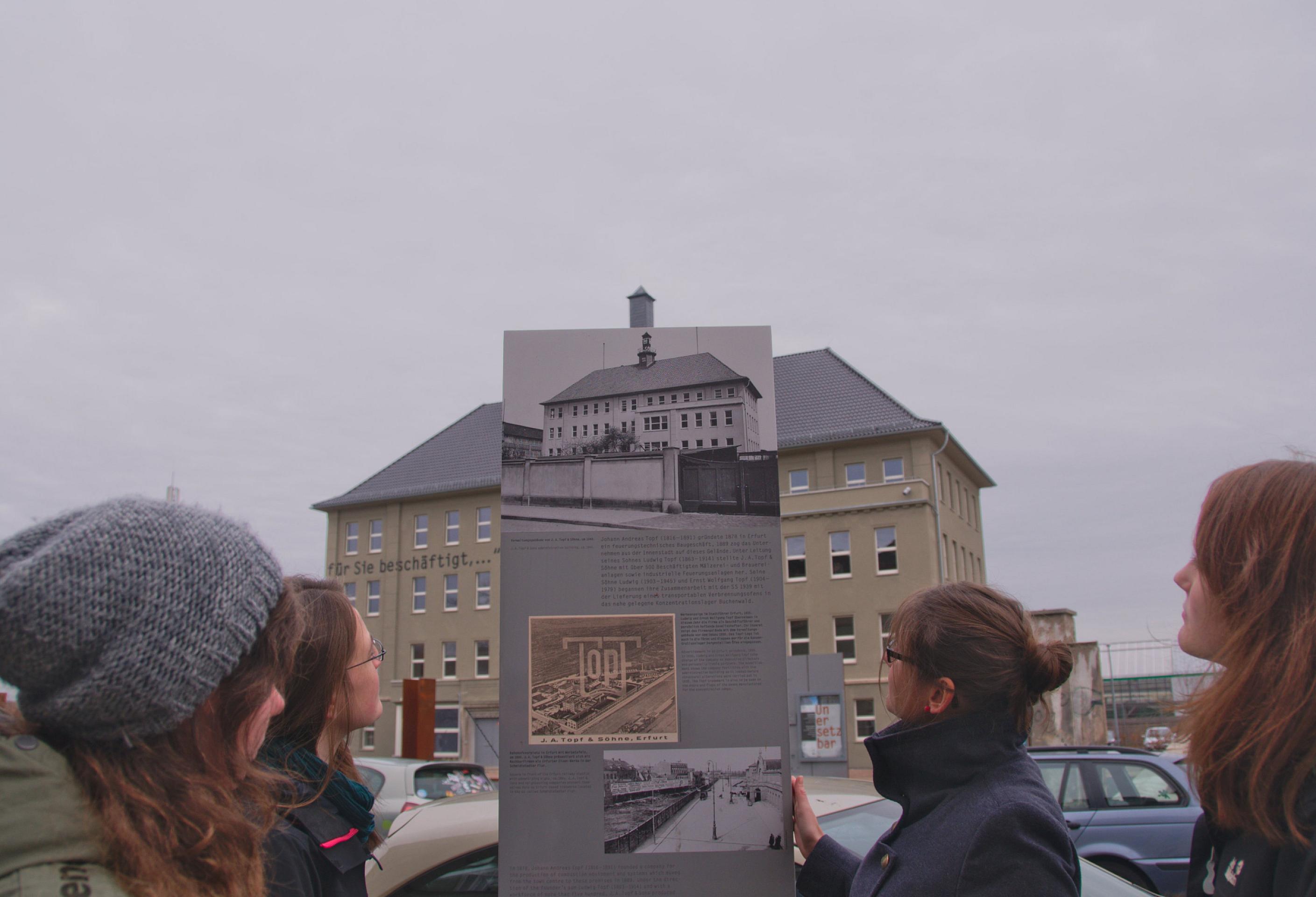
The premises of Topf & Söhne in Erfurt is a site of accomplices and confidants. This was not a site of persecution or murder. Still, at this site, technical facilities were developed, produced and sold which made it possible for the SS to dispose of the corpses in concentration camps and to cover up their crimes, most notably the industrial mass murder in the extermination camp of Auschwitz-Birkenau. Thus, Topf & Söhne played a key role in the implementation of the genocide against the Jews and the Sinti and Roma of Europe.
Remembrance
After the US-Army liberated the Buchenwald concentration camp American officers began investigations against the company in nearby Erfurt. Engineer Kurt Prüfer was arrested but released after two weeks. Subsequently Ludwig Topf, the company's proprietor, committed suicide at the end of May 1945, for fear of being arrested by U.S. investigators. In July Thuringia was handed over to the Soviet occupying forces. In March 1946, Soviet officers arrested for engineers of the company, Kurt Prüfer and Fritz Sancer among them. Kurt Prüfer died shortly thereafter, the others were sentenced in Moscow to twenty-five years in a penal colony. The company was expropriated in 1947 and became part of a Publicly Owned Operation (VEB). In the GDR, only the company's former owners were deemed responsible, the role of the other employees remained a taboo topic. After reunification the company was privatized in 1993 but went bankrupt in 1996. The company premises remained unused and slowly fell into decay.
In 2001 parts of the premises were occupied by squatters. They used the former plumbing building as a cultural centre and organised events and guided tours about Topf & Söhne and National Socialism.
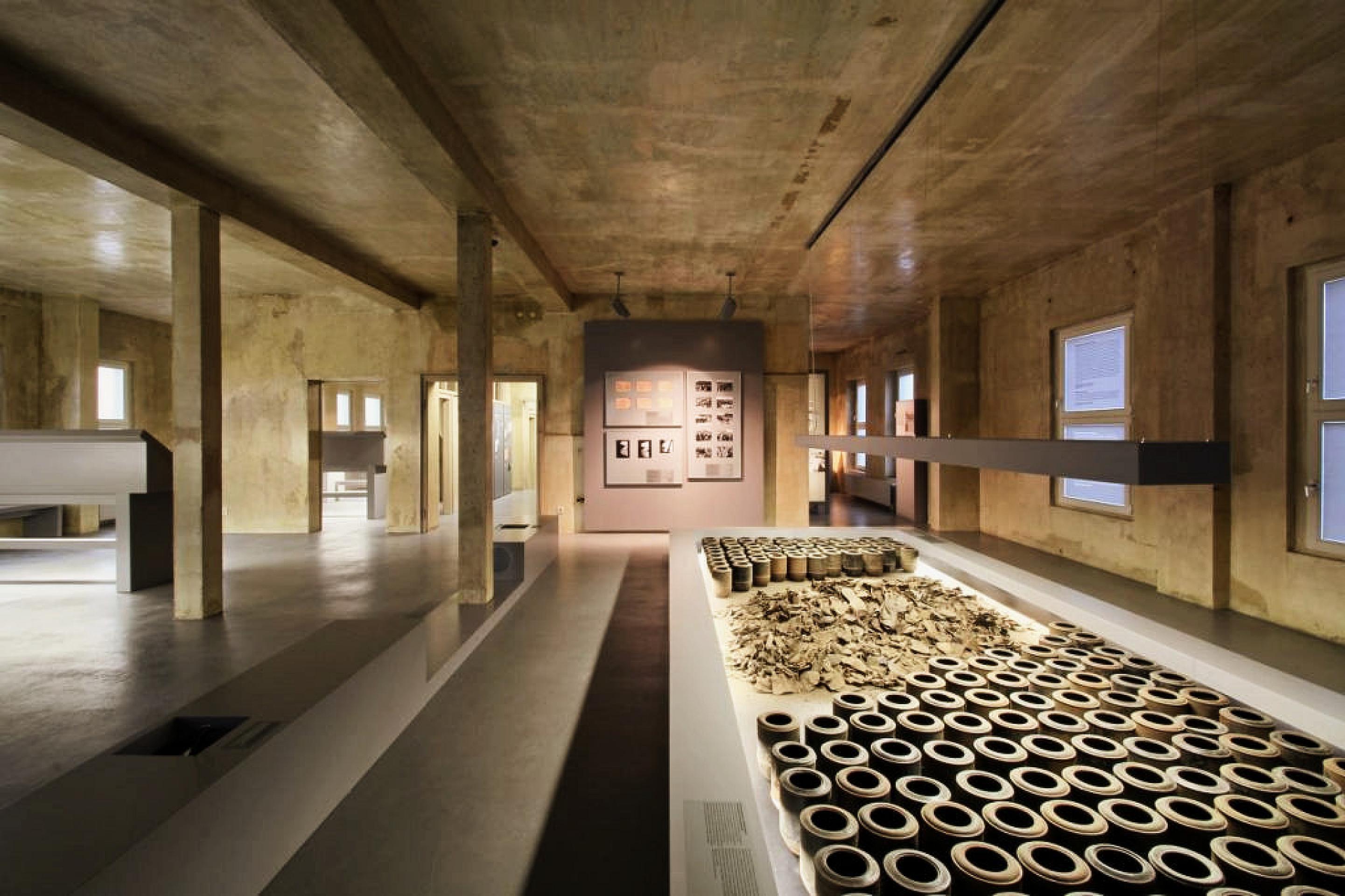
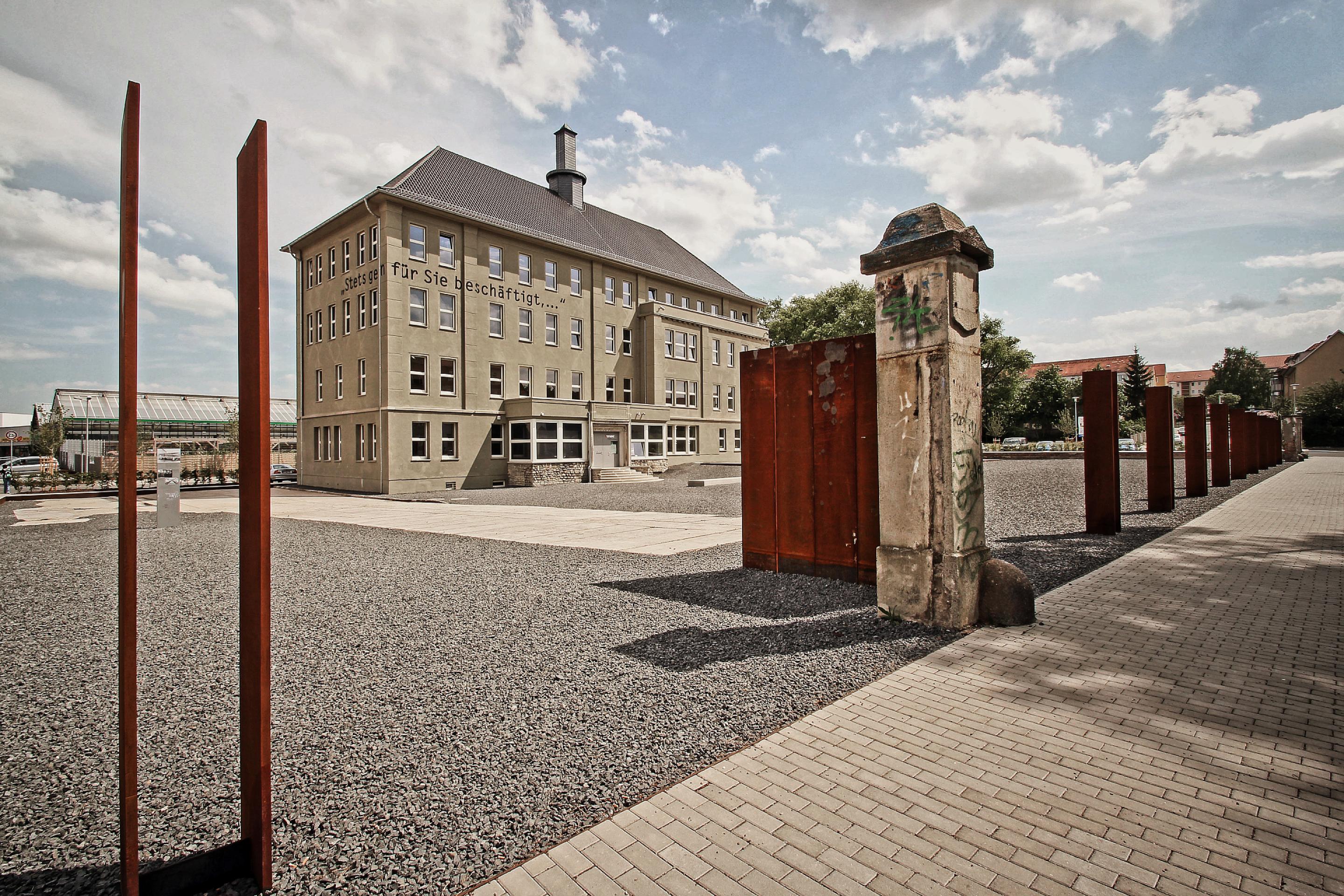
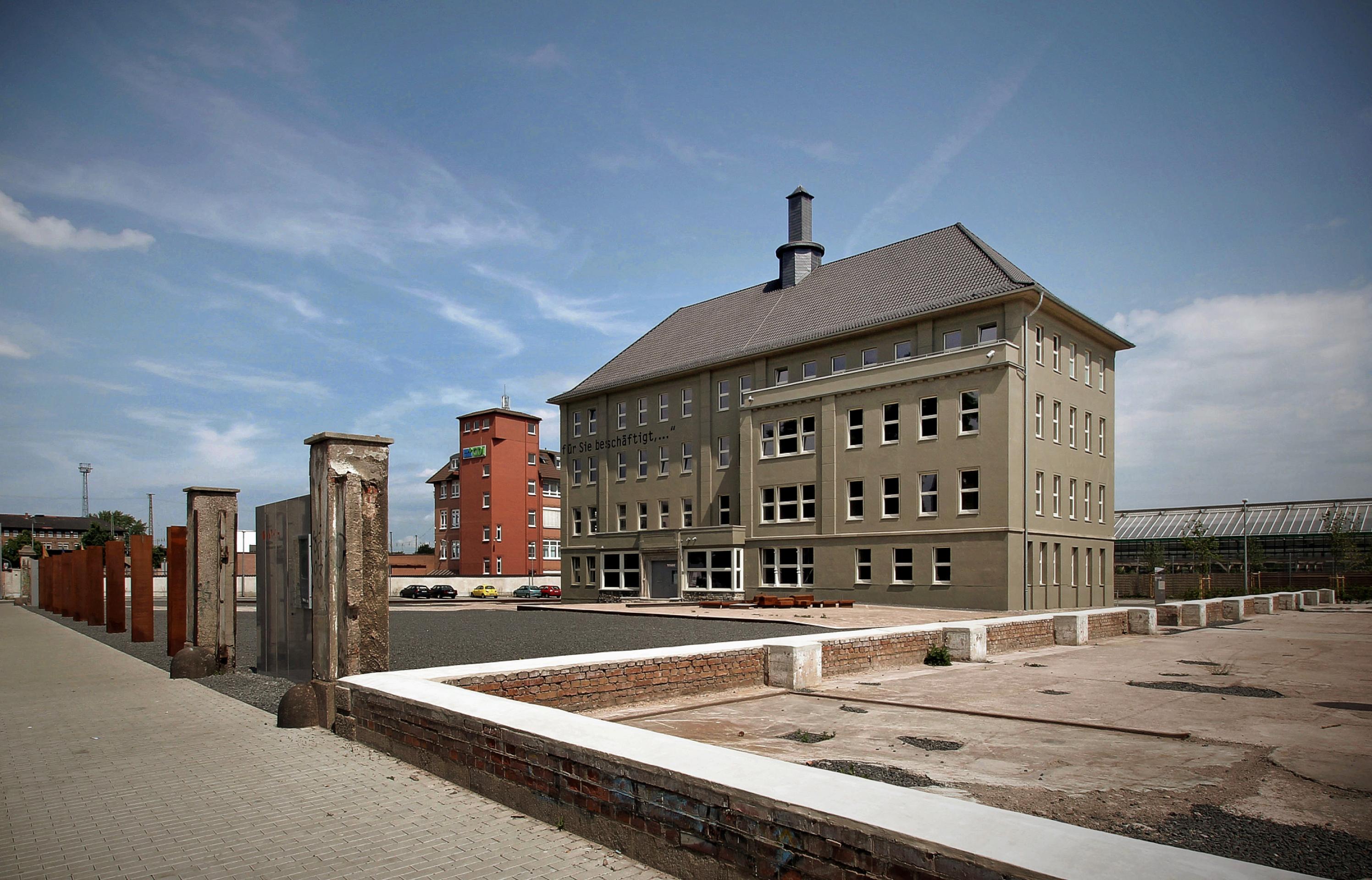
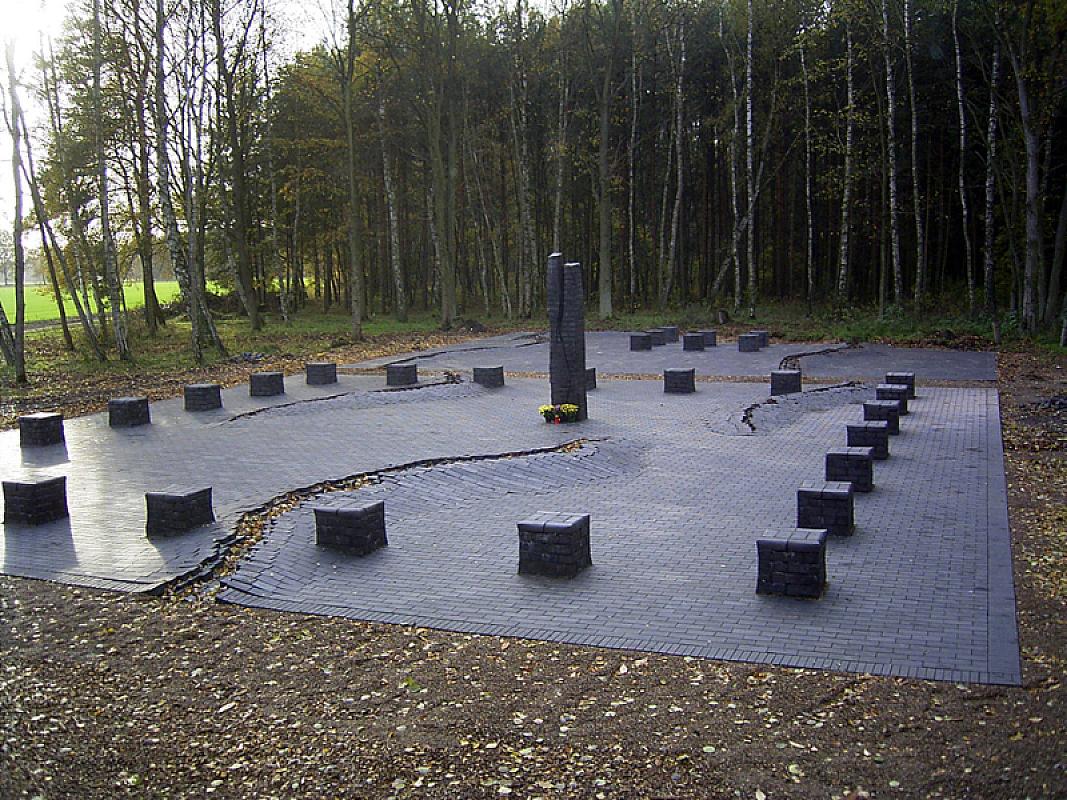
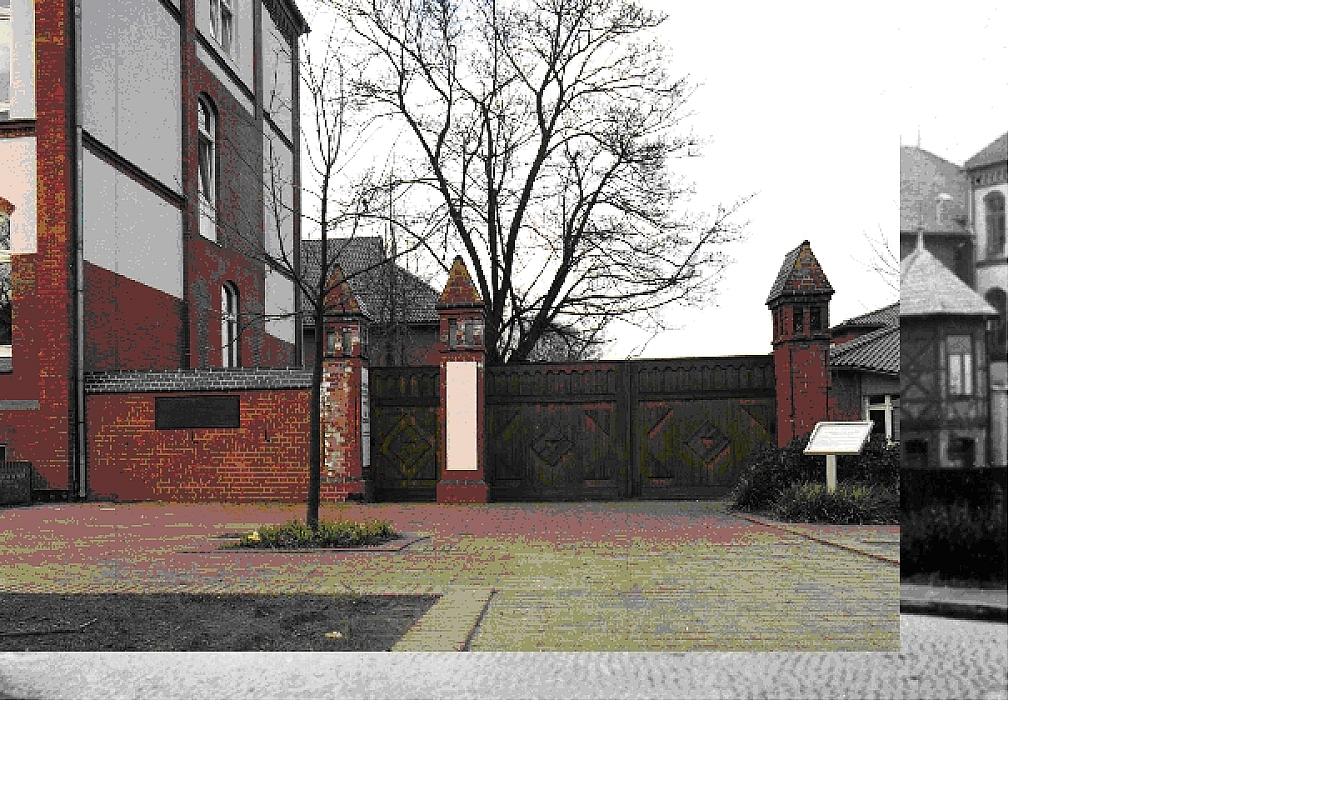
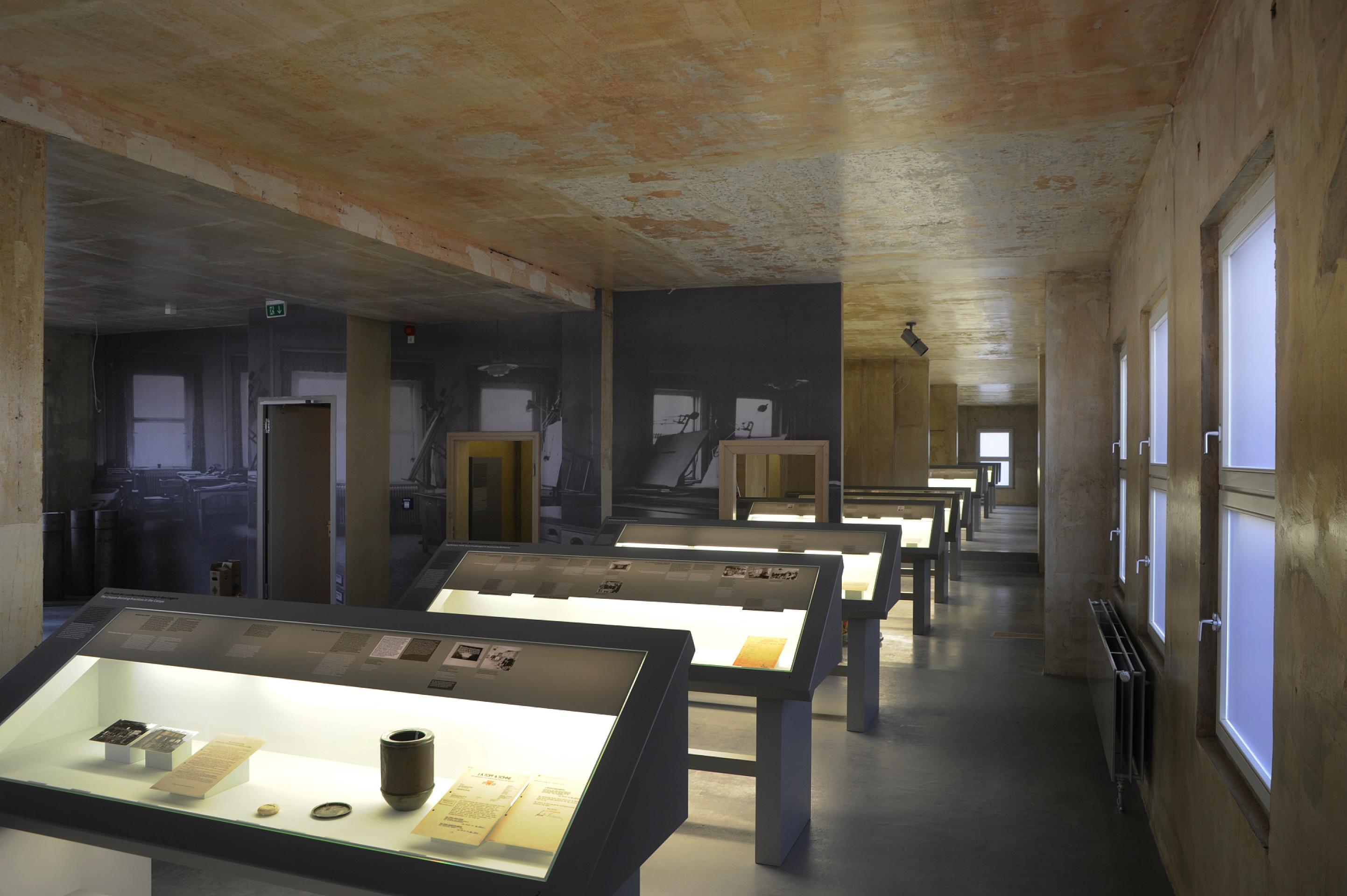
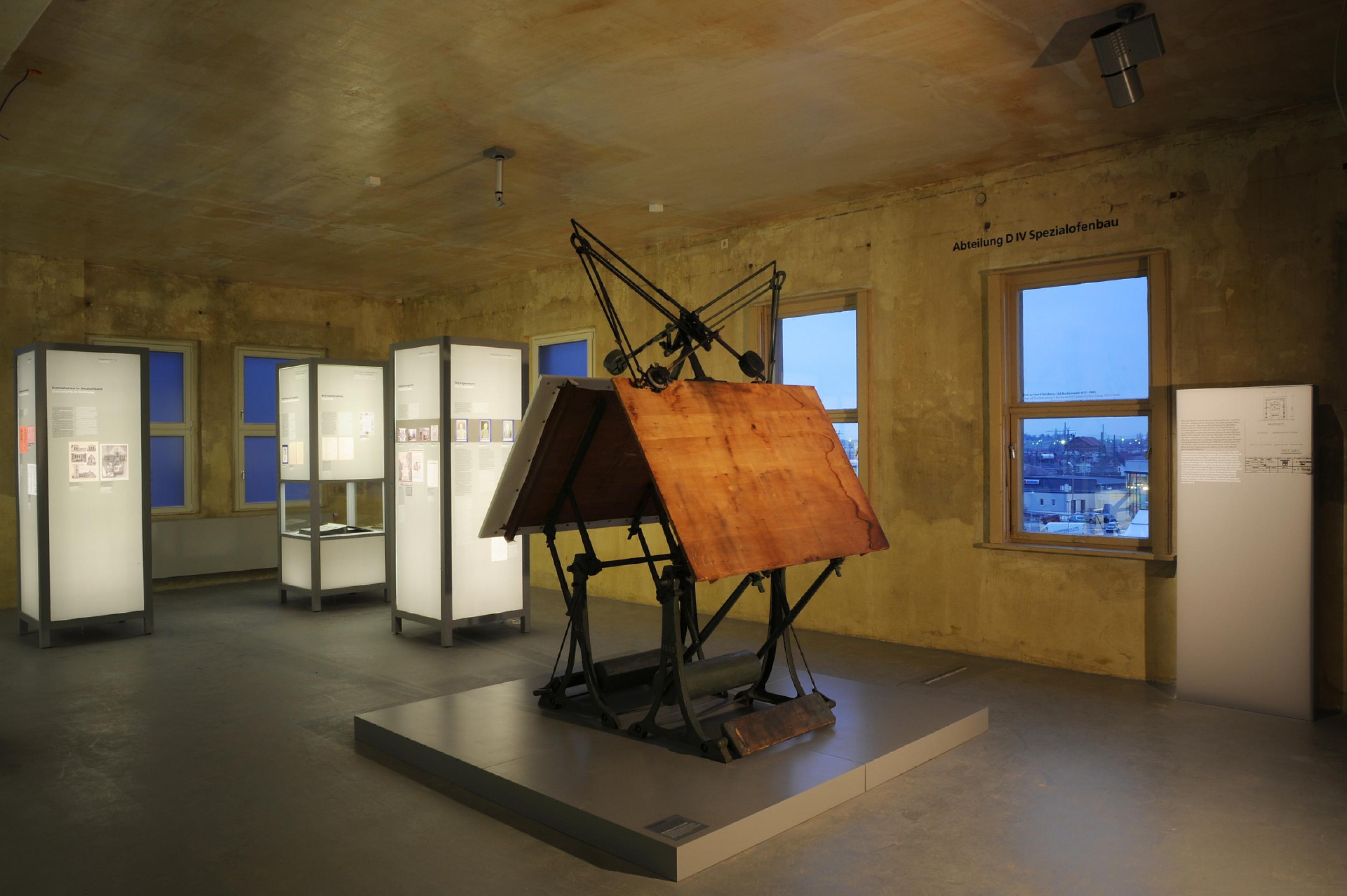
In 2007, an investor purchased the premises. In 2009, he vacated the site, after talks between the city administration and the occupants about an alternative site ended without success. The former administration building was renovated from 2008 on, the city opened it in 2011 as »Memorial site Topf & Söhne – Builders of the Auschwitz Ovens«. A permanent exhibition informs on the company's involvement in the Holocaust. The outdoor exhibition shows a walkable model of the company's premises in the years 1944/45. At the newly constructed retail park, stelea inform about the production of the concentration camp ovens and the ventilation technologies.
Possibilities
Permanent exhibition on the comlicity of Topf & Söhne in the Holocaust, changing special exhibitions, guided tours and educational activities upon application, events program
Open
Tuesday to Sunday 10 a.m. to 6 p.m.
Contact
topfundsoehne@erfurt.de
+49 (0)361 655 168 1
Sorbenweg 7
99099 Erfurt