Memorial Site Weyer/Innviertel Camps
Erinnerungsstätte Lager Weyer/Innviertel
In May 1940, the Gau-leadership of the district Oberdonau (Upper Danube) established a »labour education camp« (»Arbeitserziehungslager«) in the Upper Austrian township of St. Pantaleon. After its dissolution in 1941, a »Gypsy internment camp« (»Zigeuneranhaltelager«) was set up in its place. Only in the 1990s did a local grass-roots initiative result in the construction of a memorial to both camps in St. Pantaleon, which was opened in 2000.
History
From 1940, together with the German Labour Front (Deutsche Arbeitsfront, DAF), the Gau leadership of Oberdonau maintained a »labour education camp« (»Arbeitserziehungslager«) in the Upper Austrian township of St. Pantaleon in the Innviertel - a region south-east of the Inn river. Many of the camp's prisoners had come there after being denunciated by fellow citizens. Guarded by members of the SA, the men who had been deemed ›asocial‹ and ›work-shy‹ were deployed in forced labour in the camp's vicinity. In the camp, the prisoners were subjected to abuse by the guards. Around Christmas 1940, the violence led to five consecutive murders. In reaction, the camp and community doctor of St. Pantaleon filed a charge with the district court. When the district attorney began investigations, the DAF closed down the camp in early 1941. Some of the prisoners were released, others were transferred to Mauthausen concentration camp. The proceedings were finally stopped by the Ministry of Justice following an intervention by the local Gauleiter.
Immediately after the closure of the DAF camp, a »Gypsy internment camp« (»Zigeuneranhaltelager«) for Austrian Sinti and Roma was set up. Police reservists guarded the camp while a staff member of the Linz criminal police (Kriminalpolizei, Kripo) became camp commander. The majority of the 340 prisoners interned came from the area; for the most part, the Kripo imprisoned entire families, men, women and children. The prisoners had to conduct forced labour, mostly in agriculture. The »Gypsy internment camp« existed until November 1941. When the camp was liquidated, the SS had the approximately 300 surviving prisoners taken to Lackenbach and from there to the Łódź Ghetto. Most of the deportees perished.
Victims
At least five murders of prisoners committed by guards during the time when the camp was used as a »labour education camp« by the DAF are documented.
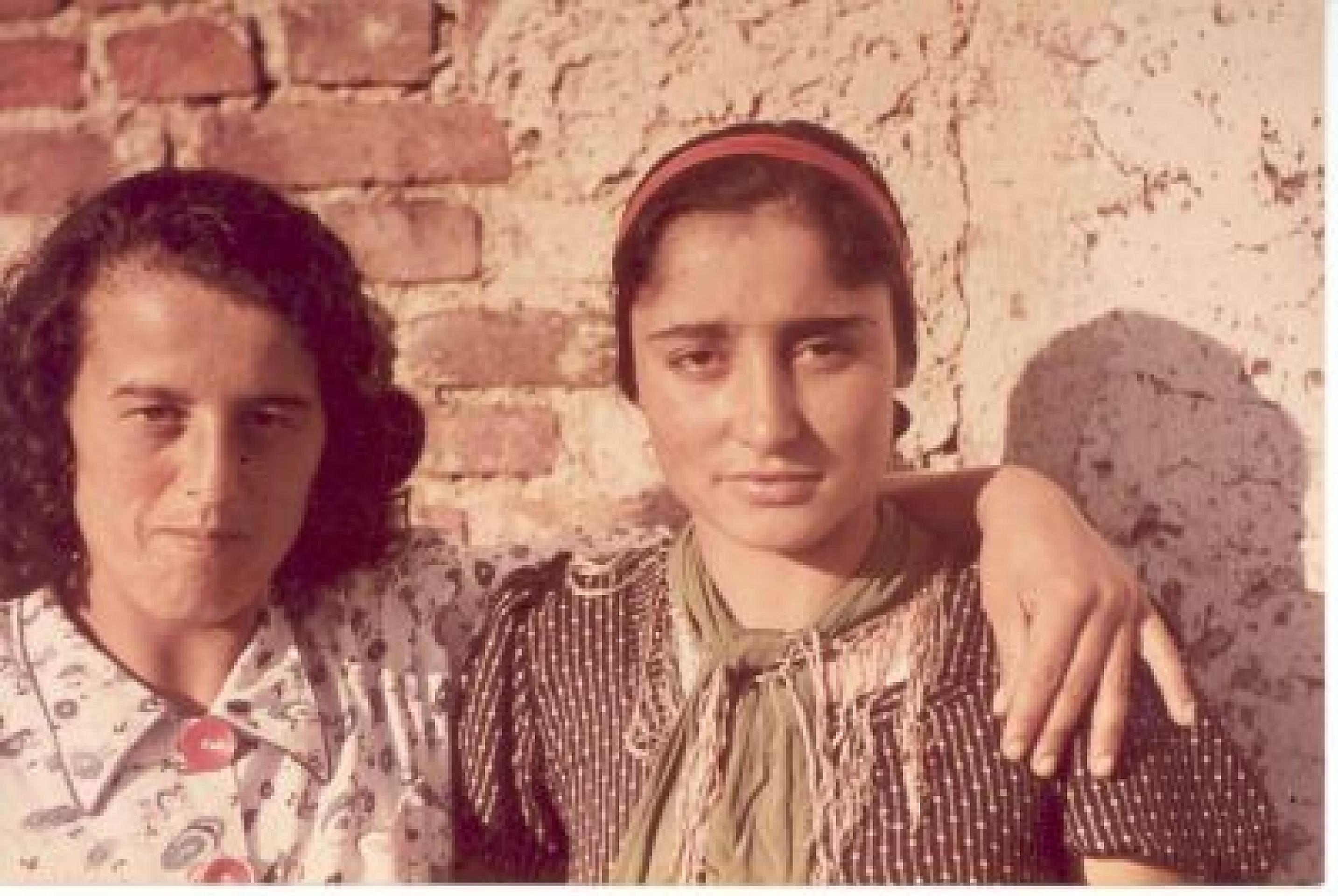
Almost all of the 340 Roma who were imprisoned in the »Gypsy internment camp« perished. At least three people died in the camp, however the exact number of victims is not known. The surviving 300 prisoners were deported to Łódź Ghetto in 1941. Almost all died in the ghetto or later in the Chełmno extermination camp.
Remembrance
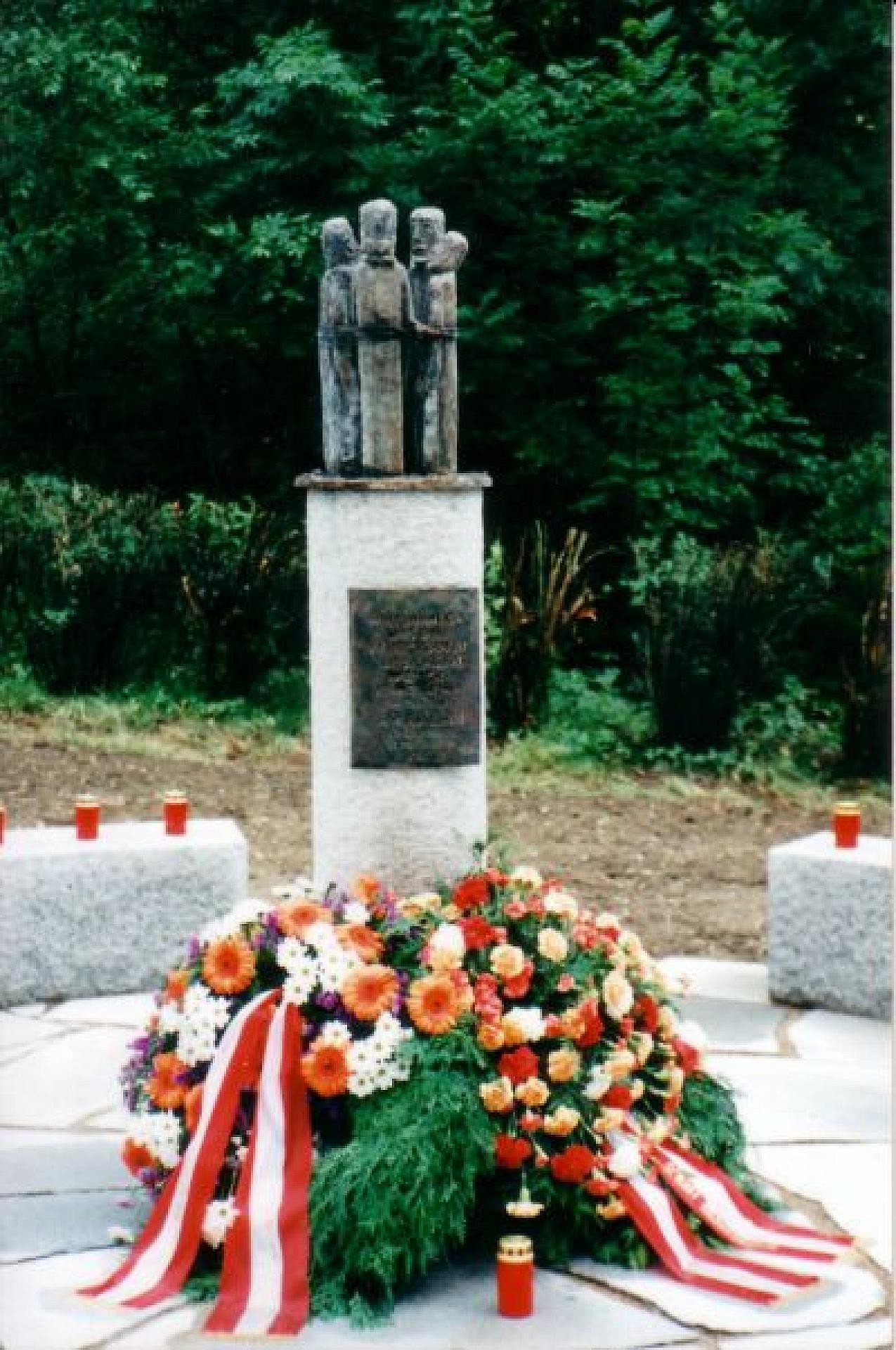
Research undertaken by Austrian author Ludwig Laher and a local grass-roots initiative opened a discussion about the history of both camps, which had been buried in oblivion for decades. The memorial site was opened in the year 2000. The St. Pantaleon-Weyer community set up the memorial jointly with the local initiative, the Memorial Site Weyer/Innviertel Camps Association, which continues to supervise the memorial and conducts research on the history of the camps. The Association also supports initiatives connected to the Roma minority in Upper Austria.
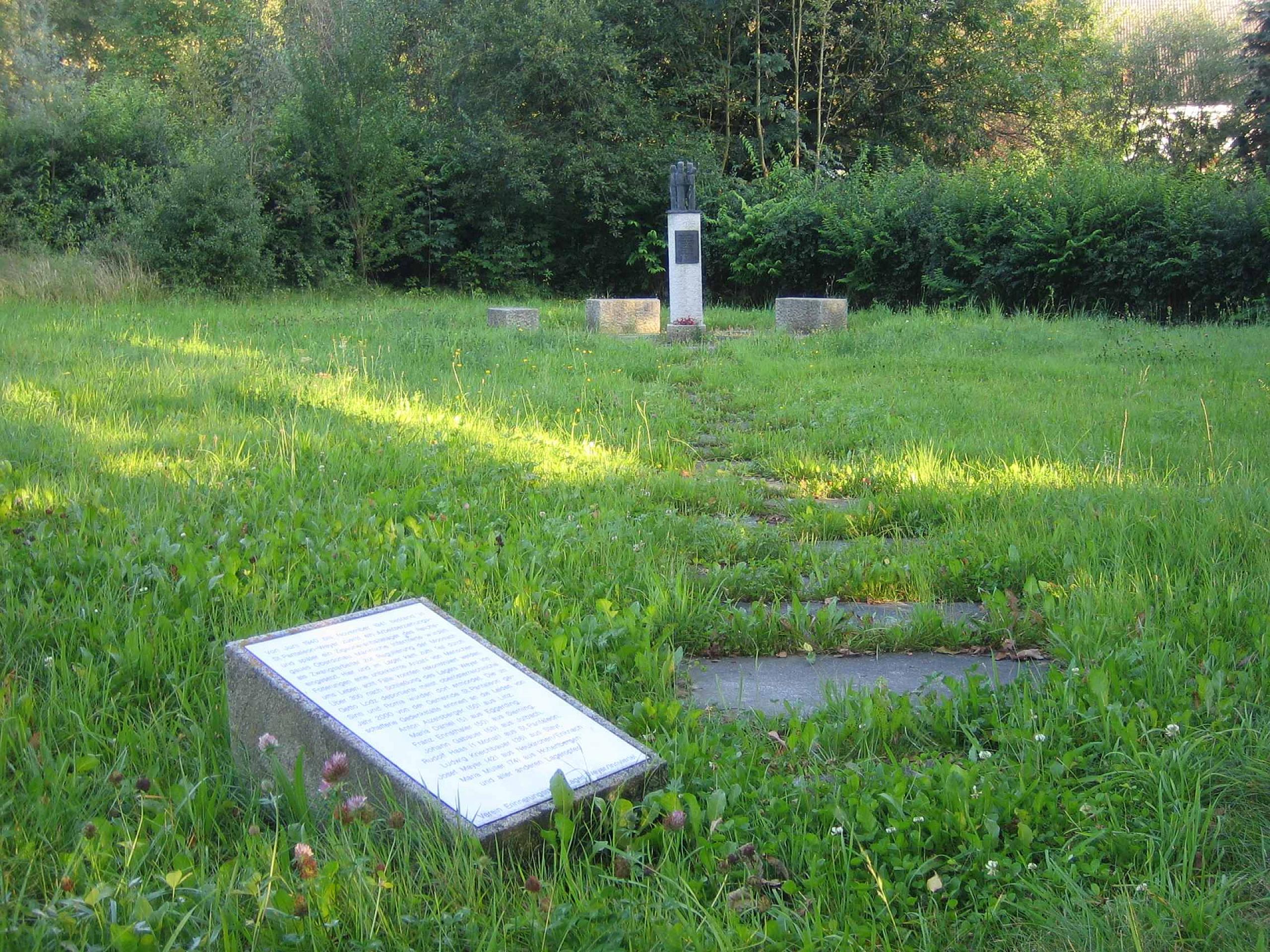
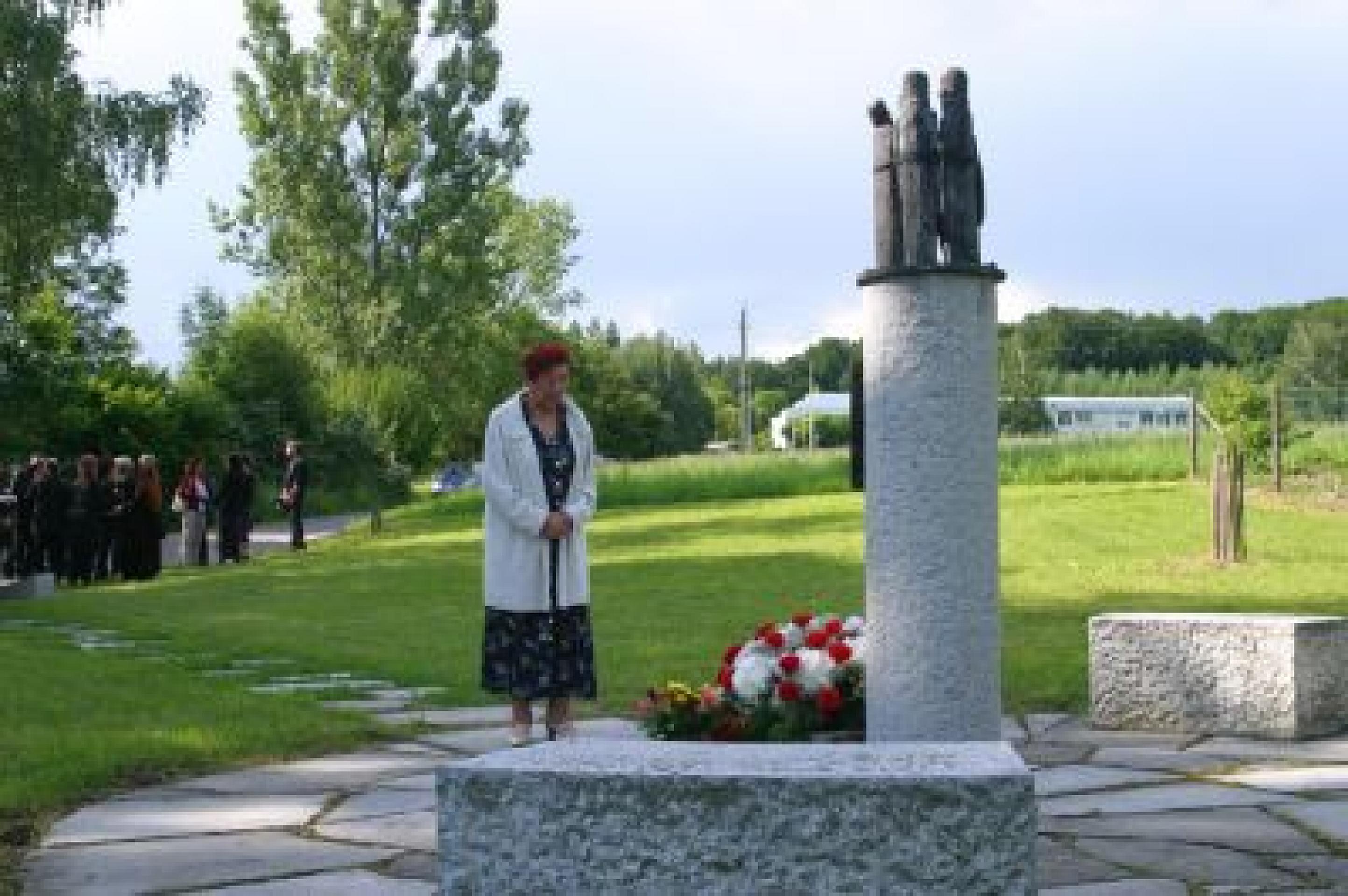
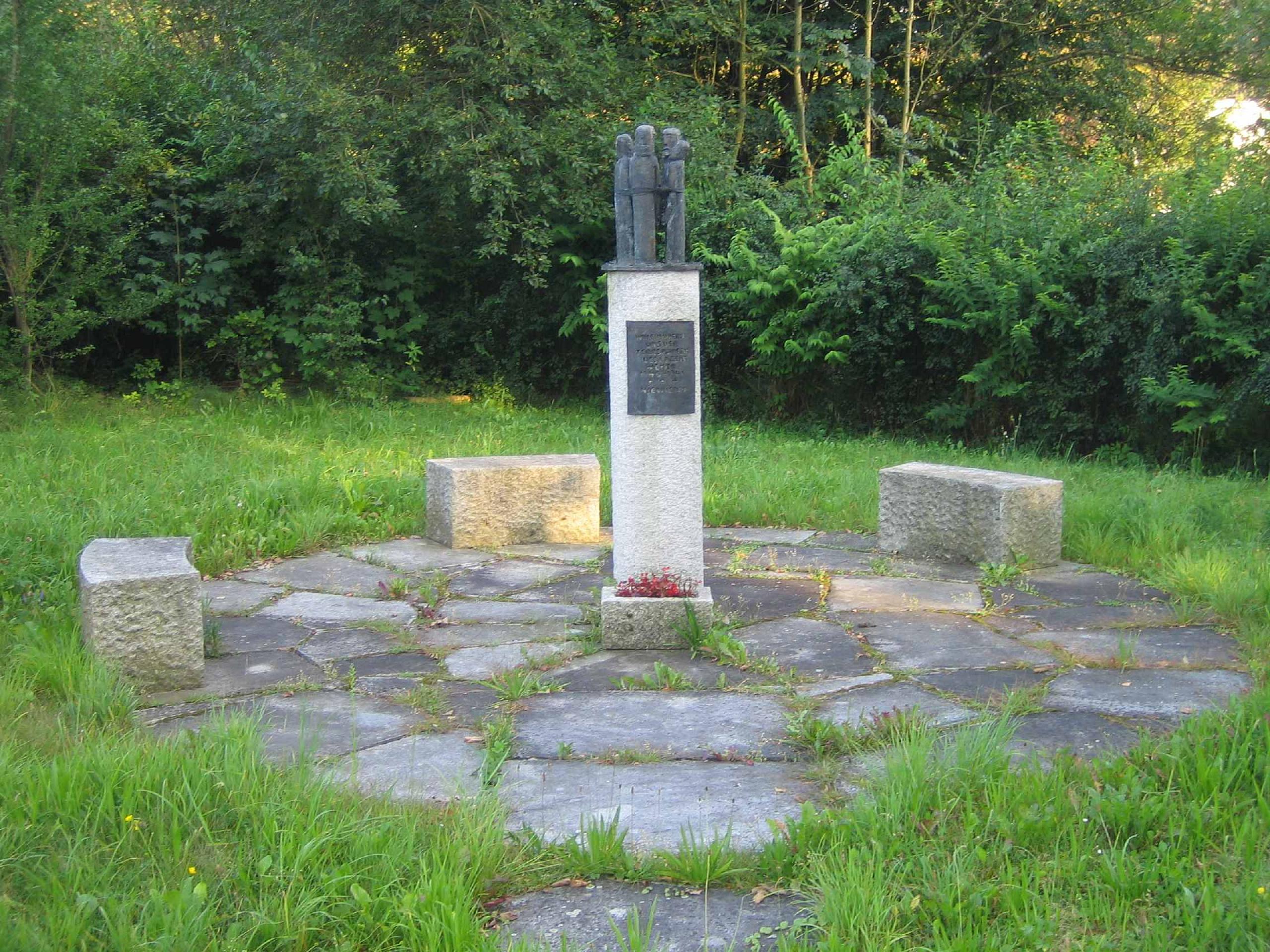
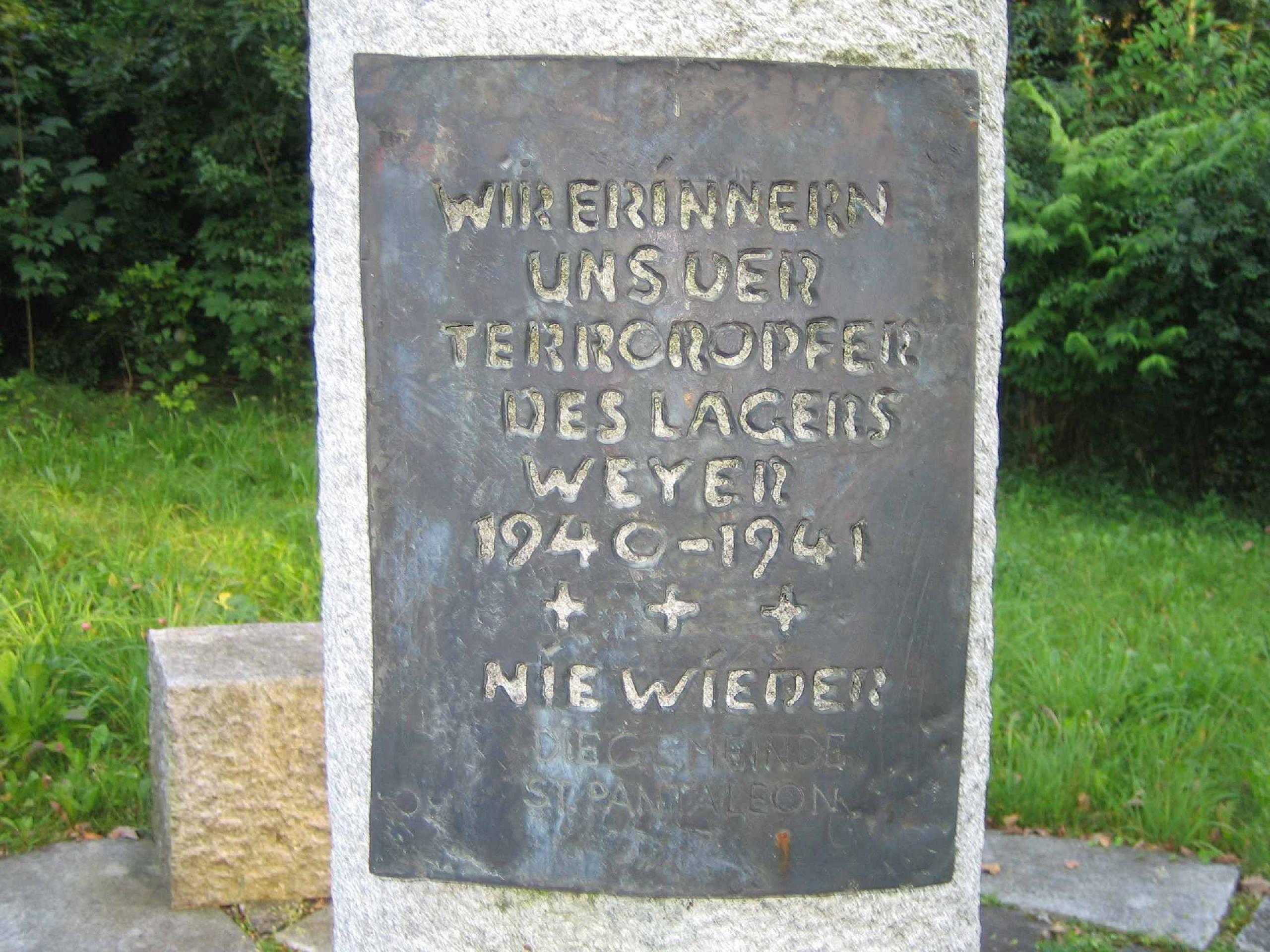
At the centre of the memorial stands a bronze sculpture portraying four mourning figures. The sculpture stands raised on a round granite pedestal. A memorial plaque on the pedestal commemorates the victims of both camps.
The memorial is not located on the former camp premises that now belongs to another municipality, but five kilometres further south, on the territory of St. Panteleon.
Possibilities
Archive, publications, guided tours, readings and an educational programme for schools
Open
The memorial is accessible at all times.
Contact
office@lager-weyer.at
+43 (0)6277 7212