Since May 2011, the Memorial Submarine Bunker »Valentin« commemorates the victims of the satellite concentration camp in Bremen-Farge and six other camps in the region. Between 1938 and 1945, the prisoners were deployed in the construction of the »Valentin« submarine bunker and an extensive underground fuel supply deposit for Wehrmacht and navy.
History
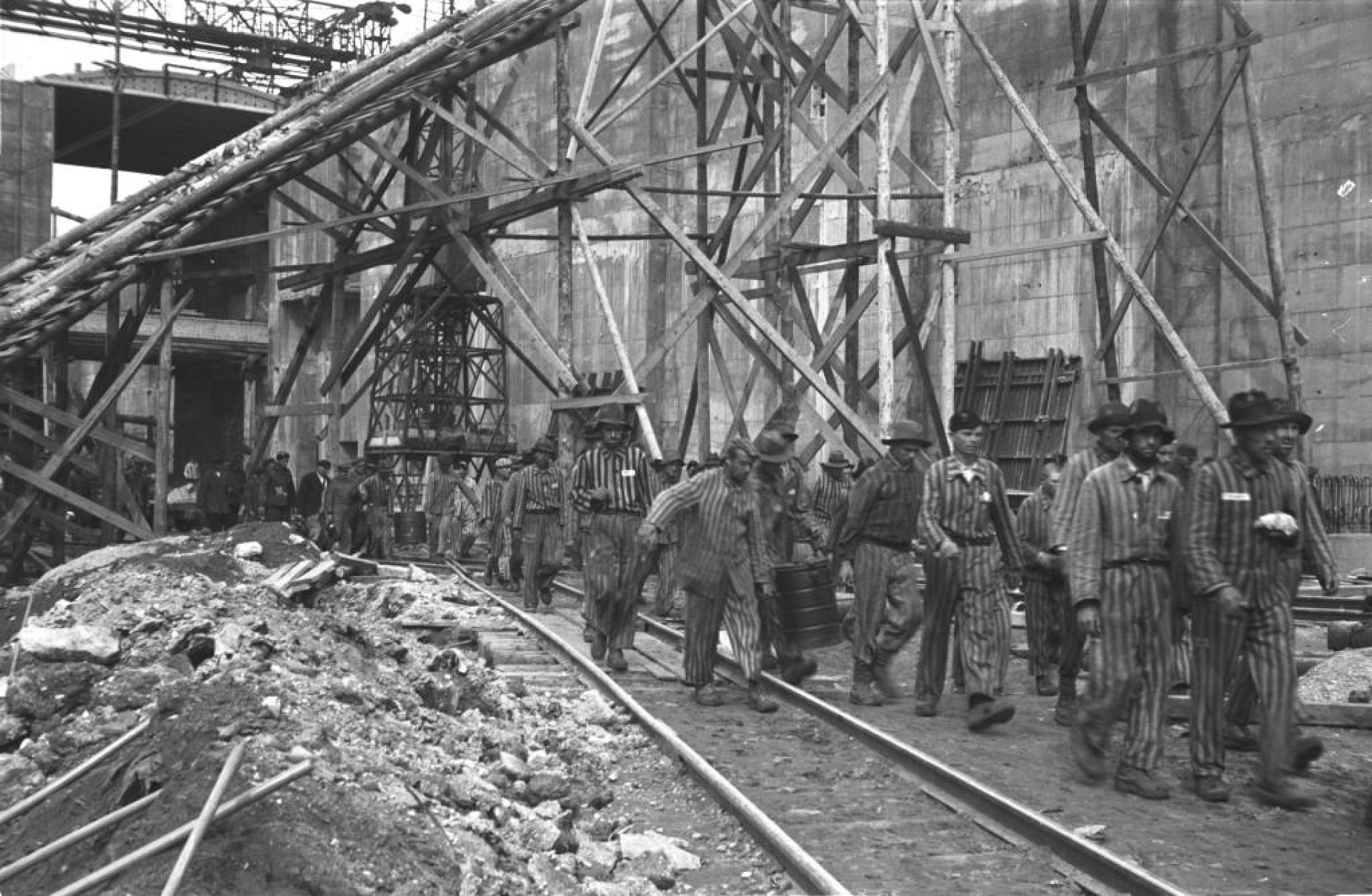
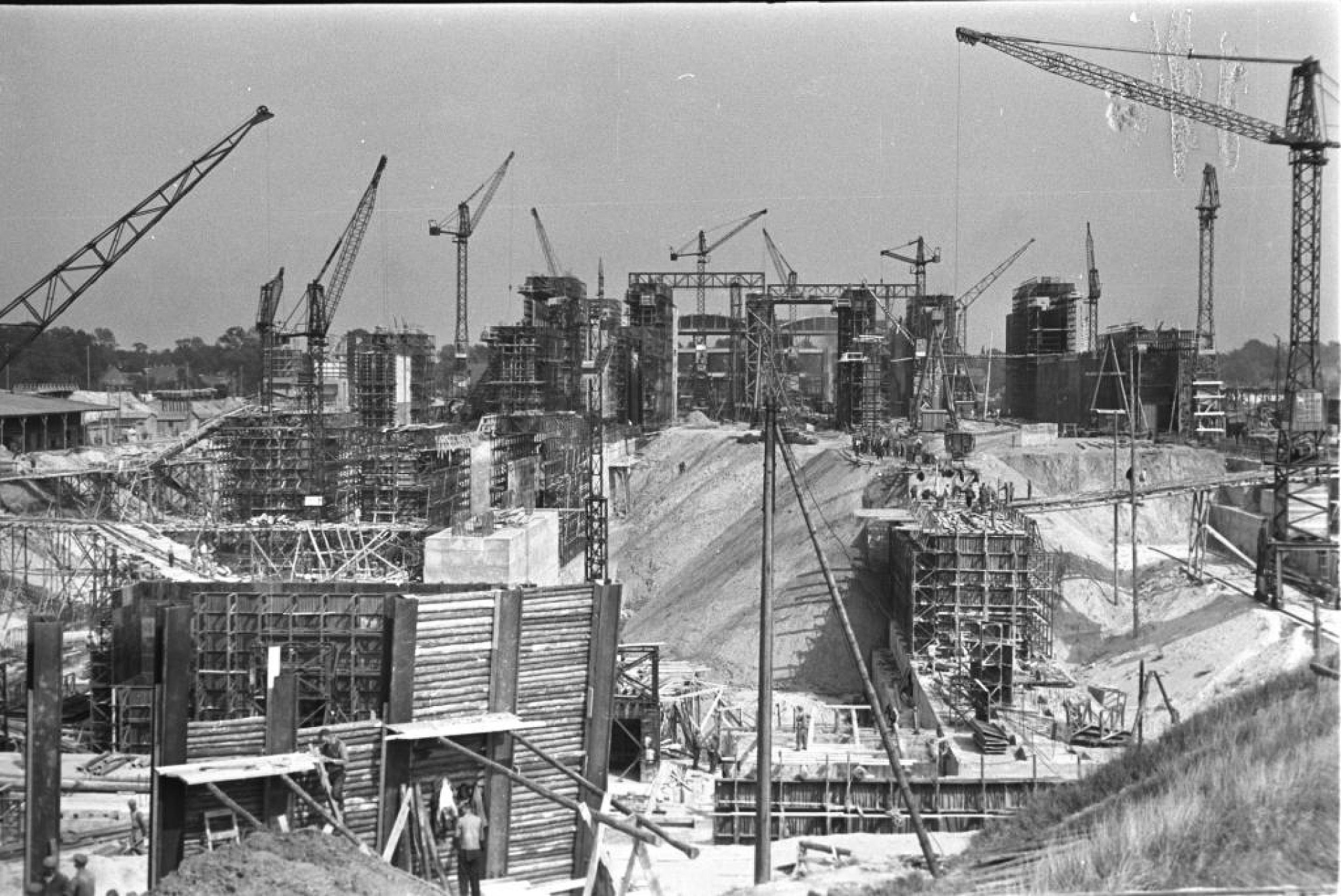
In 1936, the Economic Research Foundation (Wirtschaftliche Forschungsgemeinschaft, WiFo), a camouflage organization of the Reich Ministry of Econoic Affairs, began setting up an underground fuel deposit for the Wehrmacht in a forest close to Bremen-Farge. In 1938/1939, the first barrack camp to house WiFo forced labourers was constructed by the Gottlieb Tesch building firm. That same year, the »Marinegemeinschaftslager« I and II (navy labour camp for civilians) for the construction of a navy fuel deposit were built; later, Soviet prisoners of war were incarcerated there. In the following years, further camps were set up in the area: in 1940, the Gestapo established a labour education camp (AEL) in Farge, and a camp for prisoners of war and labourers from the east. Most of the prisoners were deployed in forced labour at the fuel deposit construction site. In the summer of 1943, Organisation Todt (OT) and regional building firms began constructing the »Valentin« U-boat bunker in a submarine shipyard sheltered from air raids on the banks of the Unterweser River in Farge. From that time on, many of the prisoners were deployed at this construction site. In addition, a satellite camp of the Neuengamme concentration camp was established in autumn 1943 in the Rekumer Feldmark. There were more than 2,000 forced labourers at the Bremen-Farge satellite camp alone. They had to do heavy work at the construction site at least ten hours a day, which, coupled with insufficient provisions, soon led to many deaths. After an Allied air raid on March 27, 1945, during which the bunker ceiling was hit, the camp commanders shut down all construction work - no U-boat was ever completed in the shipyard. The SS evacuated the Farge satellite camp on April 10, 1945, and the prisoners were forced to march to Neuengamme near Hamburg. There were at least seven forced labour camps in Bremen-Farge and the surrounding areas. They were liberated by the Allies at the beginning of May 1945.
Victims
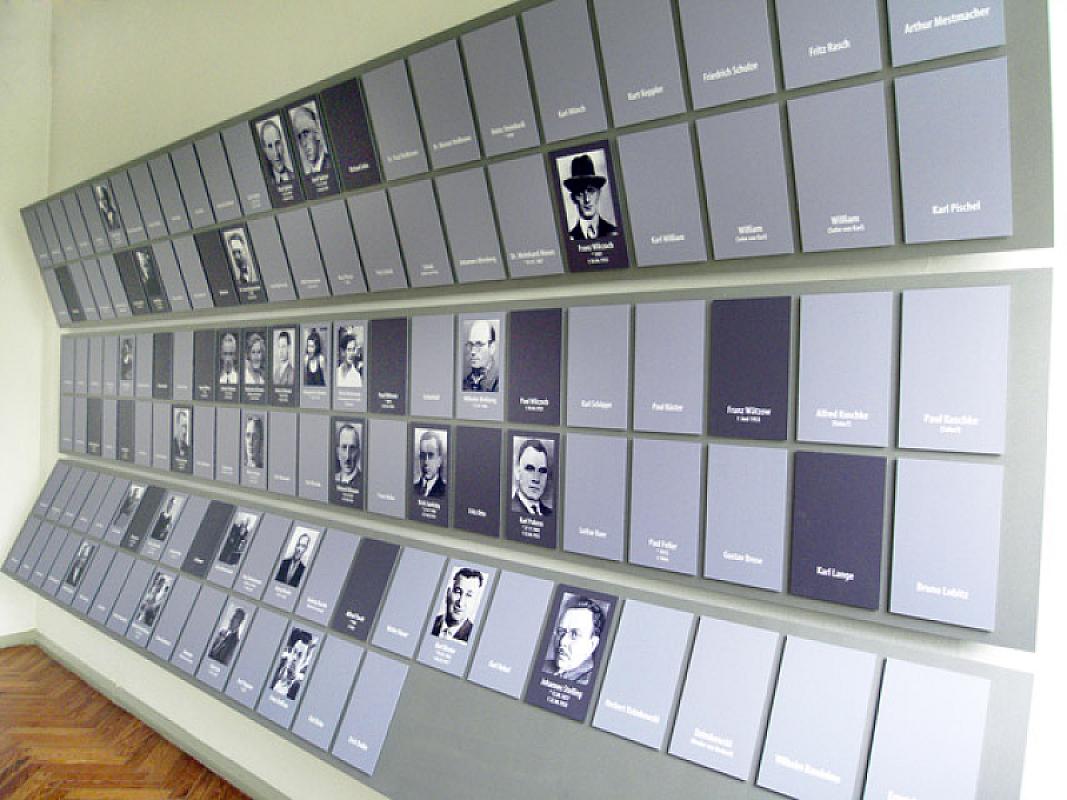
Up to 12,000 people were incarcerated in the camps around Farge. Most of them had to conduct forced labour at the bunker construction site. They came from all over Europe as prisoners of war, concentration camp prisoners, forced labourers or »Ostarbeiter« - labourers from the Soviet Union. The number of deaths caused by forced labour and incarceration can only be estimated: at least 1,000 people died during construction work. After the Bremen-Farge satellite camp had been evacuated and the prisoners had been forced to march to Neuengamme, many of them were loaded onto so-called concentration camp ships and taken out to the bay of Neustadt. They perished when the ships were sunk during an air raid.
Remembrance
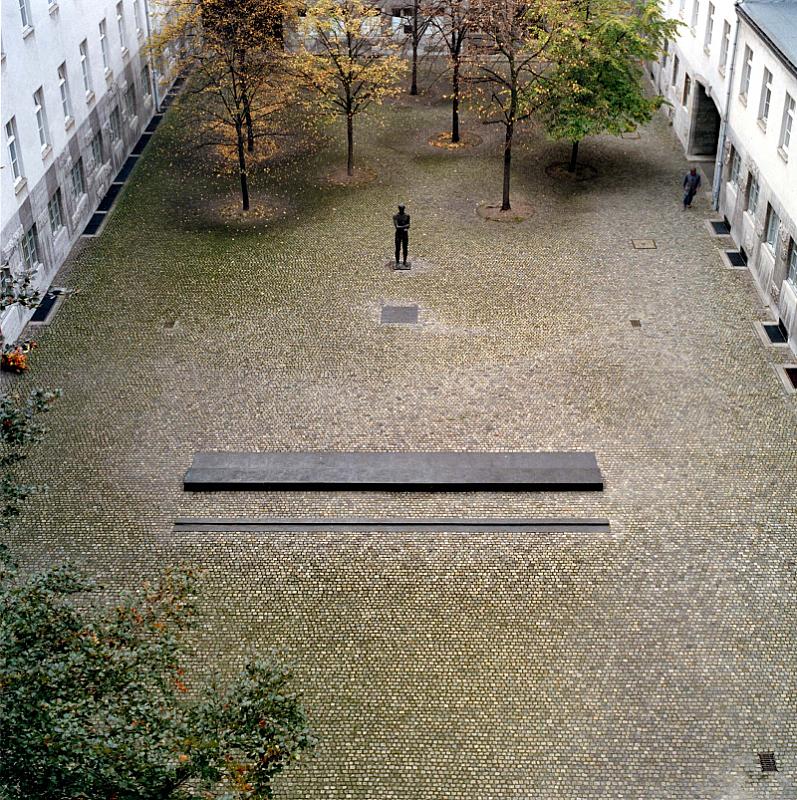
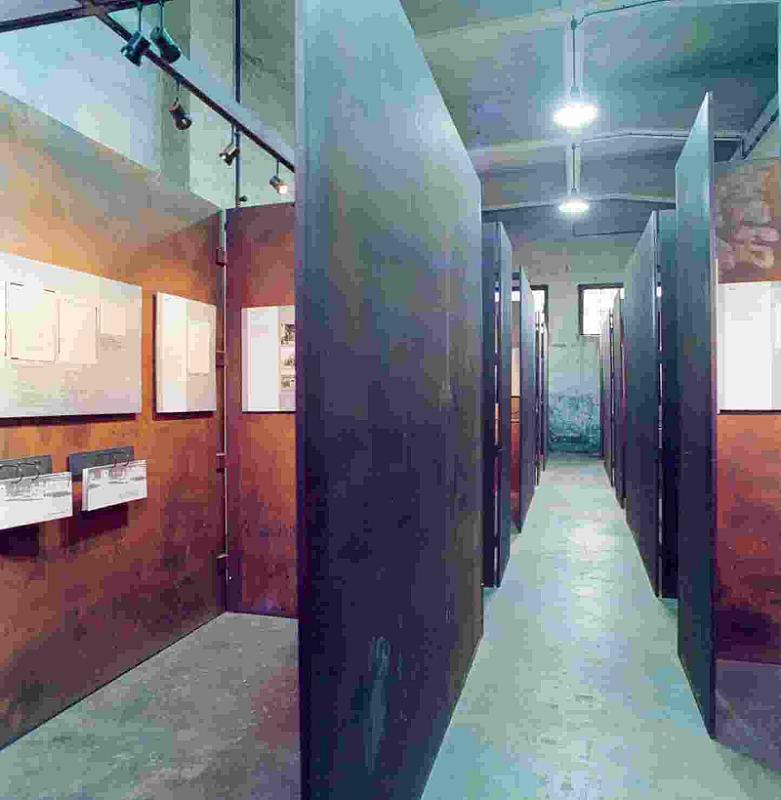
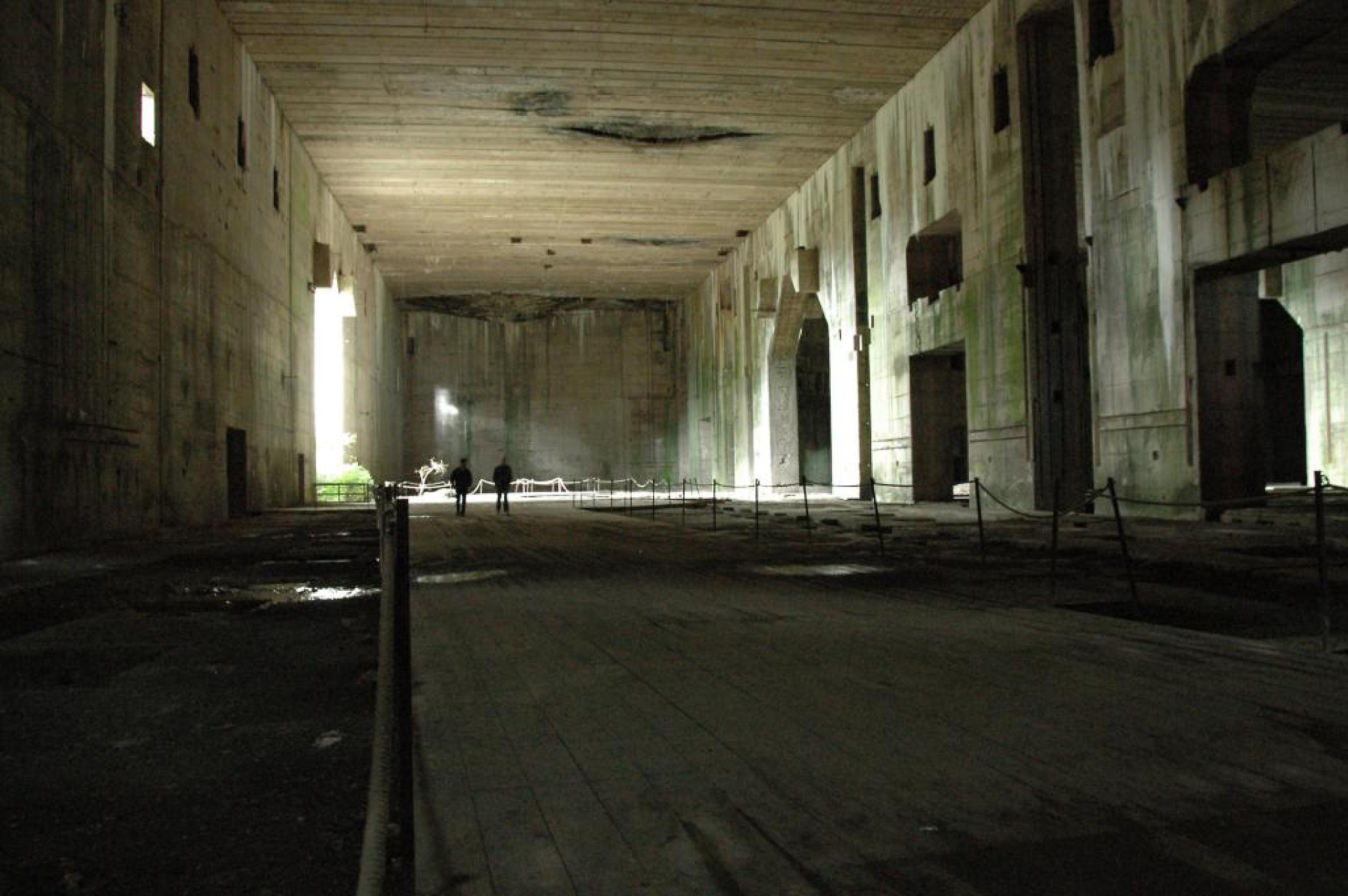
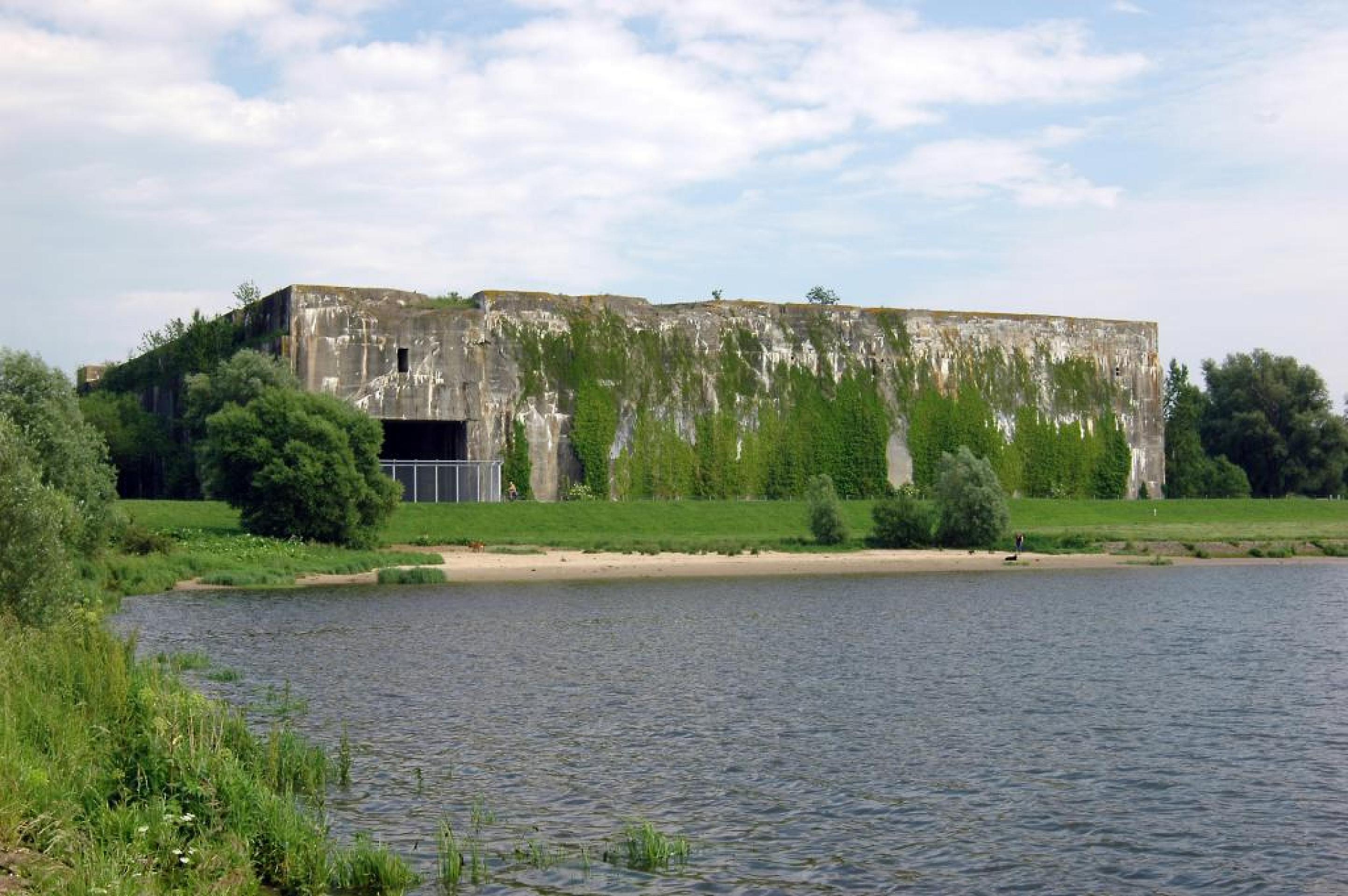
After World War II, the Allies took over the WiFo premises and the bunker shell construction. From 1957 on, the German ministry of defence administered the WiFo tank complex until it was taken over by the Industry Administration Society (Industrieverwaltungsgesellschaft - IVG) in 1961. In October 1966, the Bundeswehr opened a navy supply deposit in a renovated part of the »Valentin« bunker. In the 1960s, the Bundeswehr also took over the premises of the former »Marinegemeinschaftslager«. In the 1980s, discussions concerning the history of forced labour in Farge and the possibility of setting up a memorial at the bunker were initiated. Since 1990, visitors can book a guided tour of the bunker with the Bundeswehr. In 1995, the Bundeswehr set up a monument to the victims of the Farge satellite camp. In 1999, the private »Geschichtslehrpfad Lagerstraße e.V.« (History Trail Lagerstraße Association) was founded. The bunker was placed under monumental protection in 2005, the Bundeswehr gave up the facilities in 2010. In 2009, the city of Bremen began to turn the bunker into a memorial site. After the Bundeswehr left the premises and construction work on the historical building had been completed, a part of the bunker has been opened as the Memorial Submarine Bunker Valentin on May 8, 2011. There is an exhibition in the building, while guided tours present the bunker building and the remains of the former labour camps.
Possibilities
Guided tours
Open
By appointment.
Contact
http://www.denkort-bunker-valentin.de
mail@bunkervalentin.de
+49 (0)421 696 736 70
Rekumer Siel 1
28777 Bremen