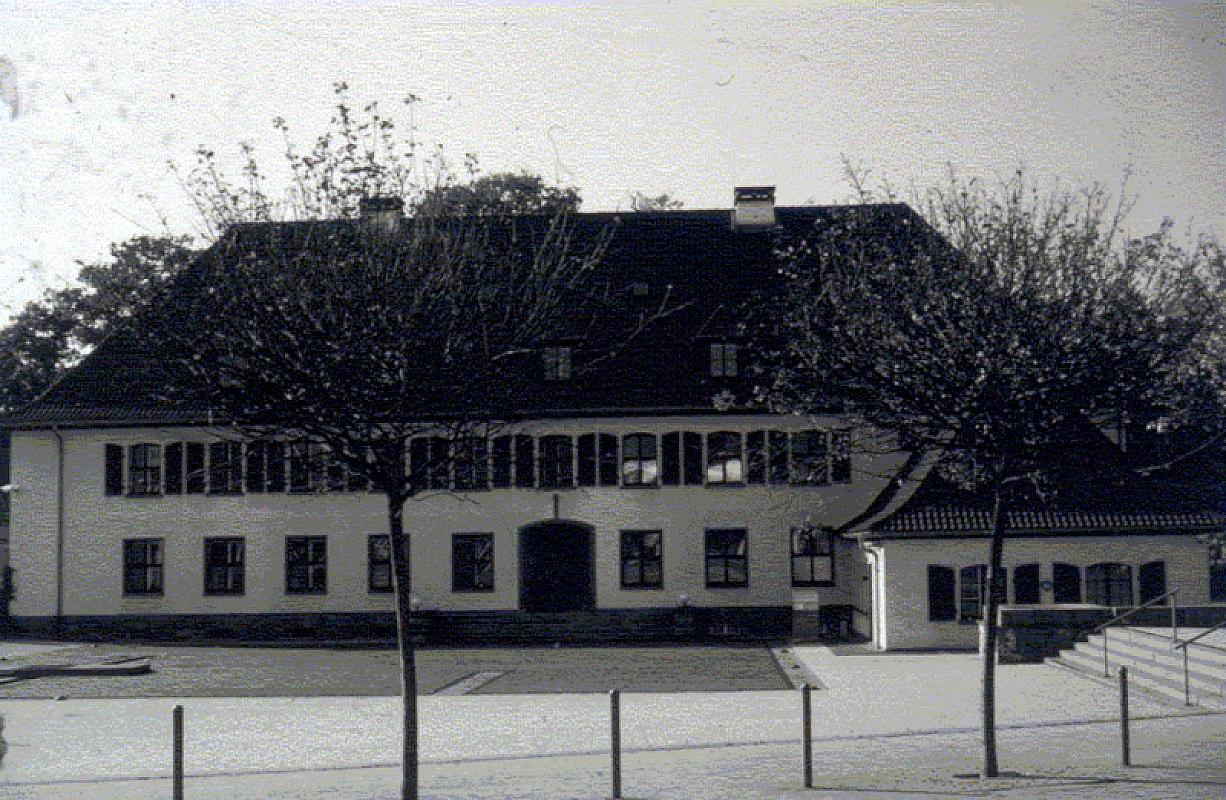
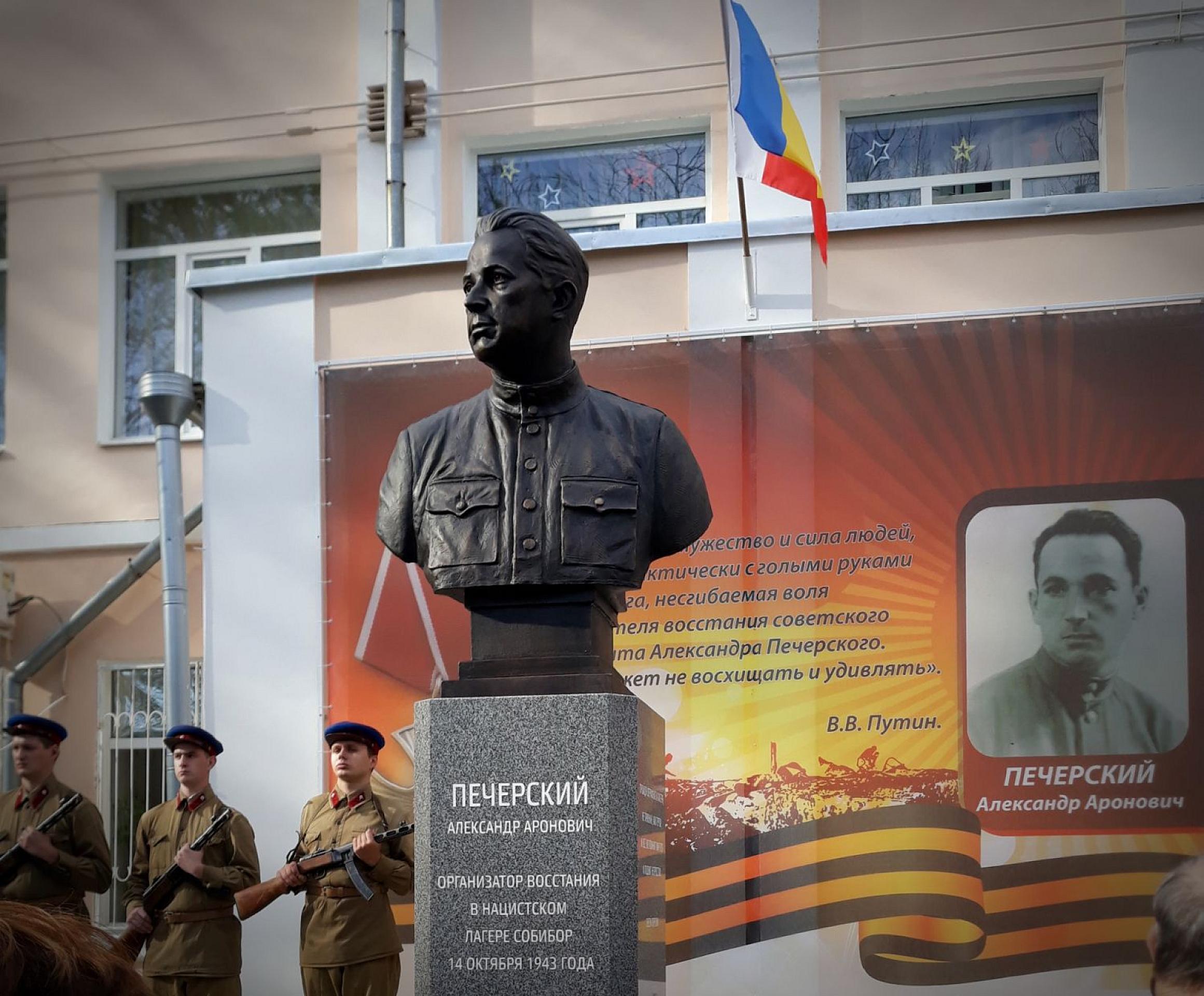
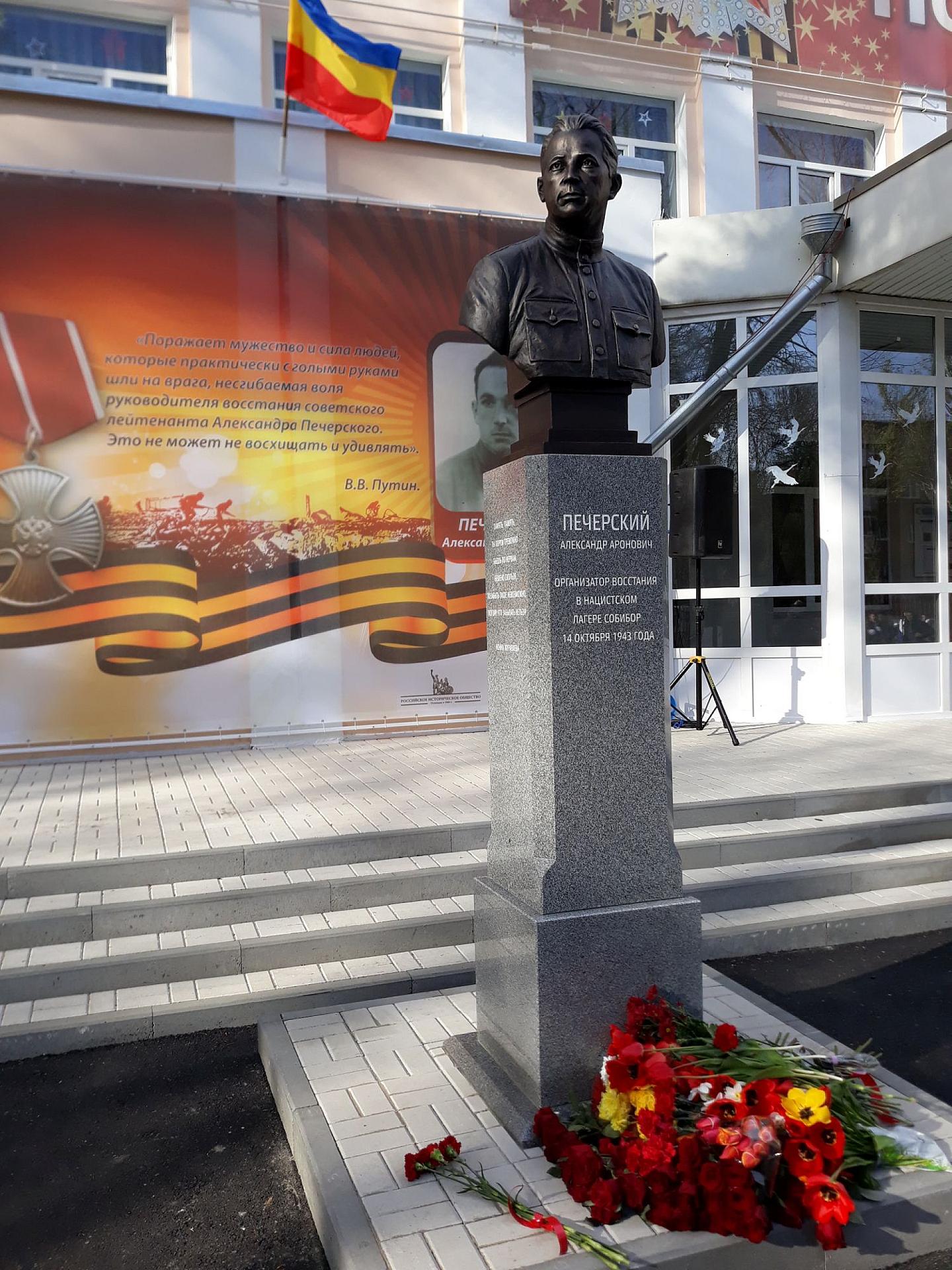
Memorial to Alexander Pechersky in Rostov-on-Don
Память Александра Печерскиего
Alexander Pechersky (1909–1990) was the leader of the uprising in the Sobibór extermination camp in 1943. In his homeland Russia he has been increasingly commemorated in recent years.
History
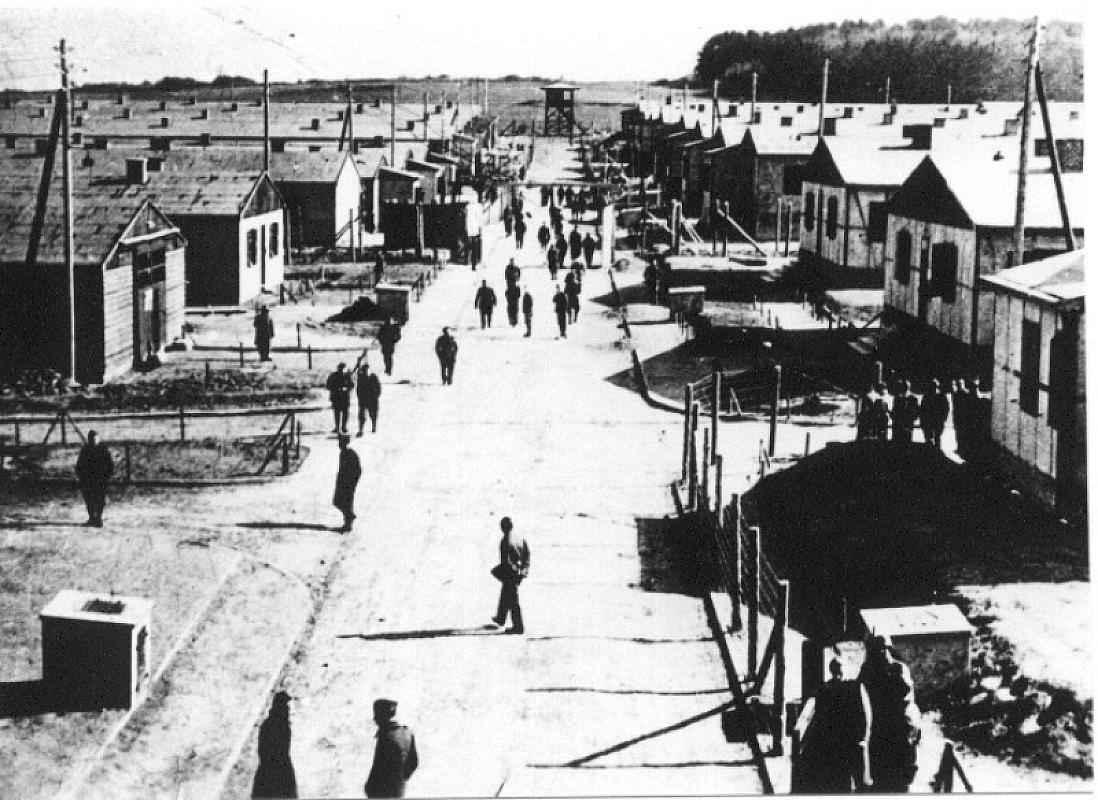
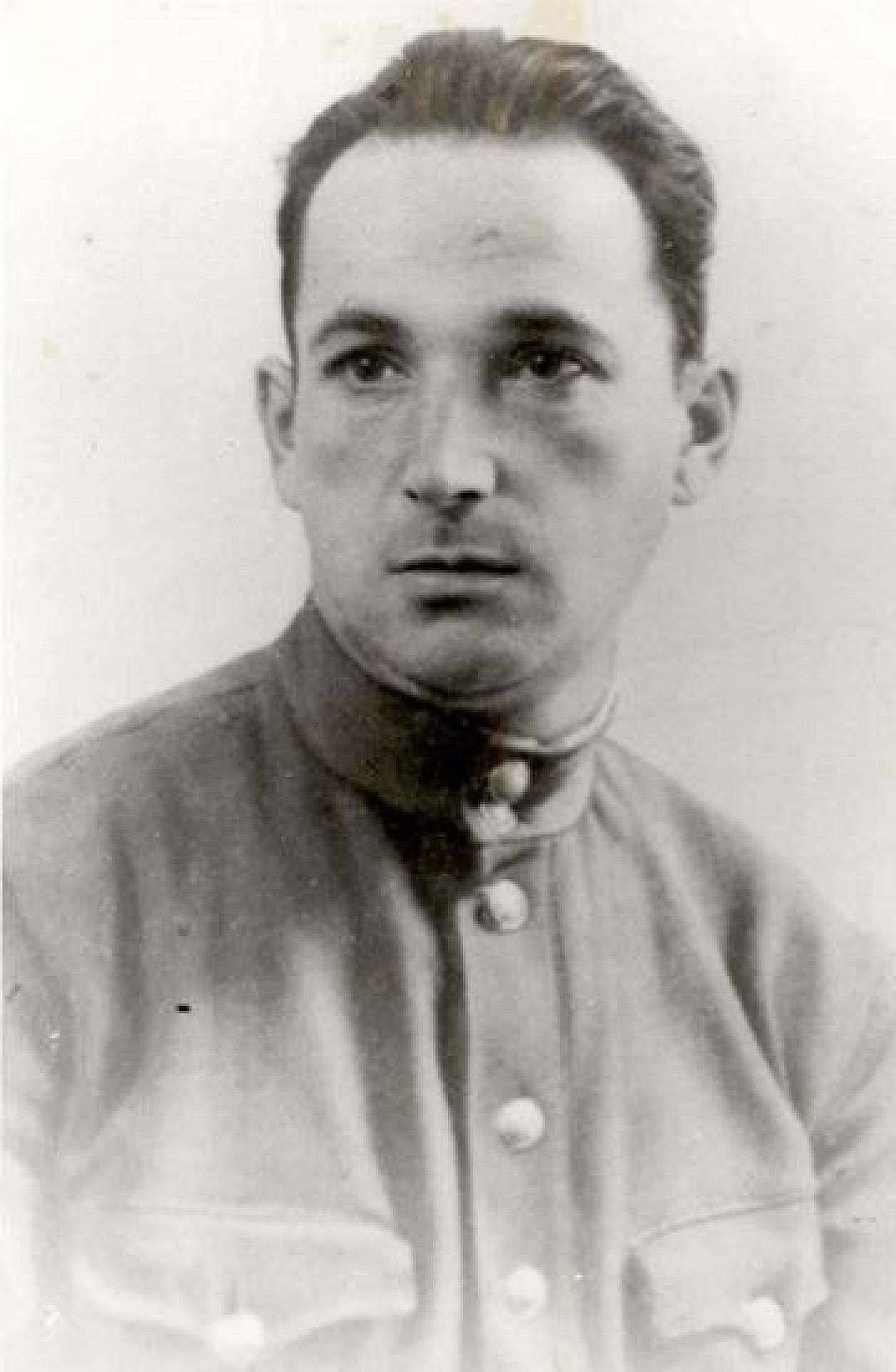
Alexander Pechersky was born in 1909 in Kremenchuk, now part of Ukraine. At the age of six, he and his family moved to Rostov-on-Don in southern Russia. There he studied music and theatre studies and later managed various cultural institutions. After the German invasion of the Soviet Union on June 22, 1941 Pechersky became a soldier of the Red Army. Two months later he fell into German captivity as a prisoner of war. In the following months he was imprisoned in several POW camps and fell ill with typhoid fever. After surviving the illness he tried to escape, unsuccessfully. After the Germans learned of Pechersky's Jewish origin, they deported him in August 1942 first to Minsk and then to the extermination camp of Sobibór near the Polish city of Lublin. There he was assigned to forced labour together with other Soviet prisoners of war. A resistance group emerged among the prisoners and Pechersky soon became one of its leaders. In the afternoon of October 14, 1943 the long planned uprising broke out, in which approximately 600 prisoners took part. More than 300 of them managed to escape. Most of them were captured again and murdered soon after, but 42 witnessed the end of the war. Among the survivors was Alexander Pechersky who beat his way to the Soviet partisans and became a soldier of the Red Army again in the summer of 1944. He suffered a gunshot wound and then returned to Rostov.
Victims
Members of the SS murdered up to 250,000 Jewish children, women and men in the extermination camp Sobibór, the exact number of victims is unknown. About 600 prisoners took part in the uprising and mass outbreak led by Alexander Pechersky. About 300 escaped, most of them were captured again and murdered. 42 of them lived to see the end of the war.
Remembrance
Pechersky published his memories of the Sobibór Uprising as early as 1945. He kept in contact with other survivors of the uprising abroad and was therefore banned from working in his Soviet homeland in 1948. Only after Stalin's death in 1953 was he allowed to work again as an art teacher. In the Soviet Union, he was never officially honoured. Until the end of the 1980s he also received no travel permit although he had repeatedly been invited abroad. Even when the American film »Escape from Sobibor« had its premiere in 1989, the Soviet authorities refused to issue him with an exit visa. He died in 1990 in his hometown Rostov.
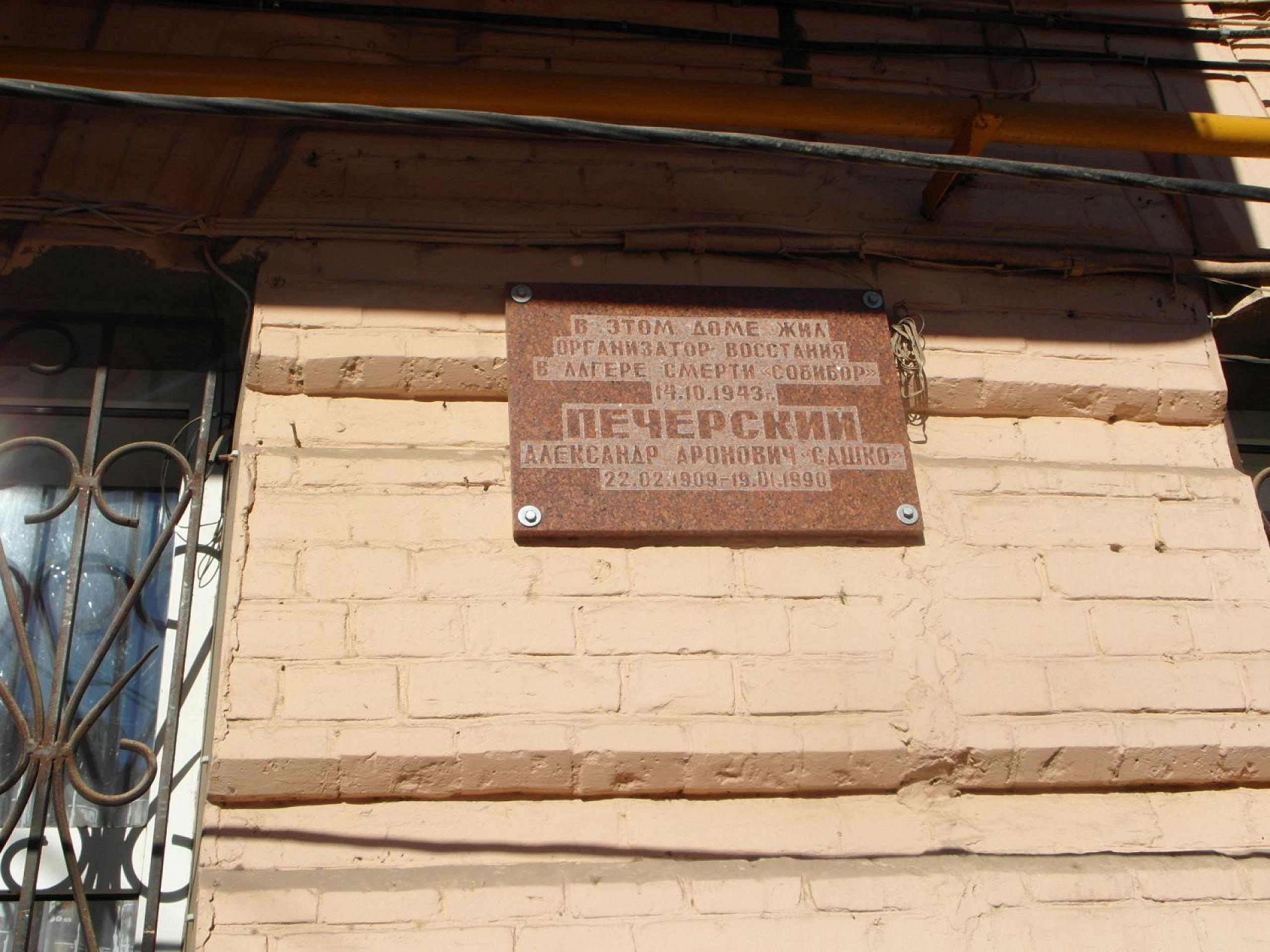
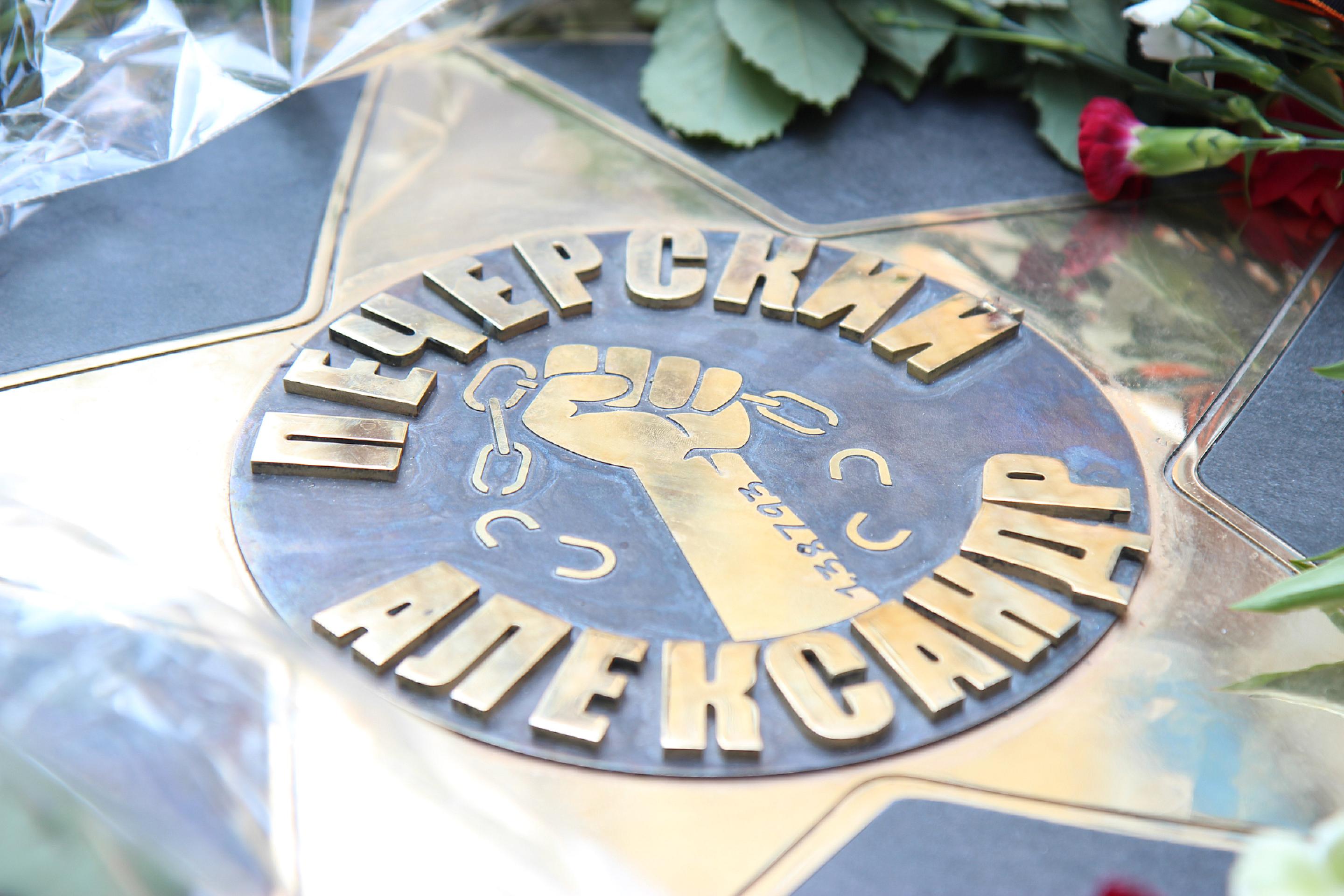
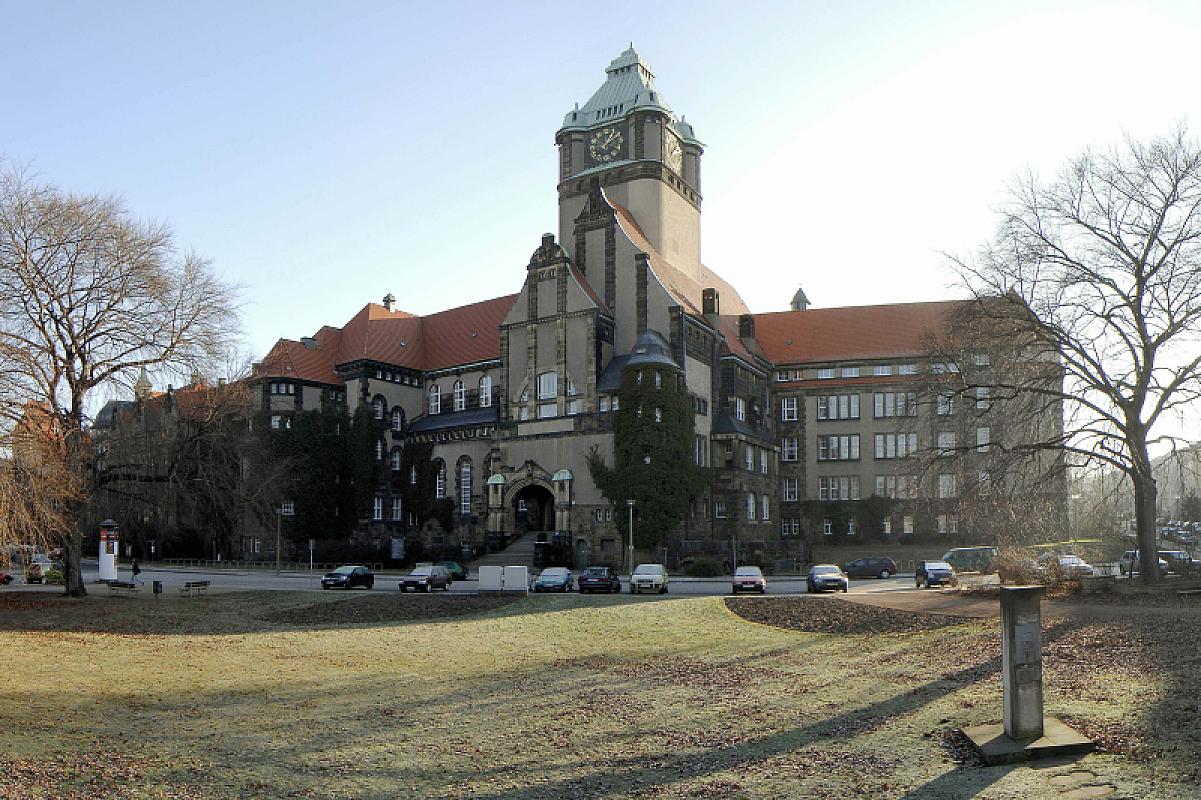
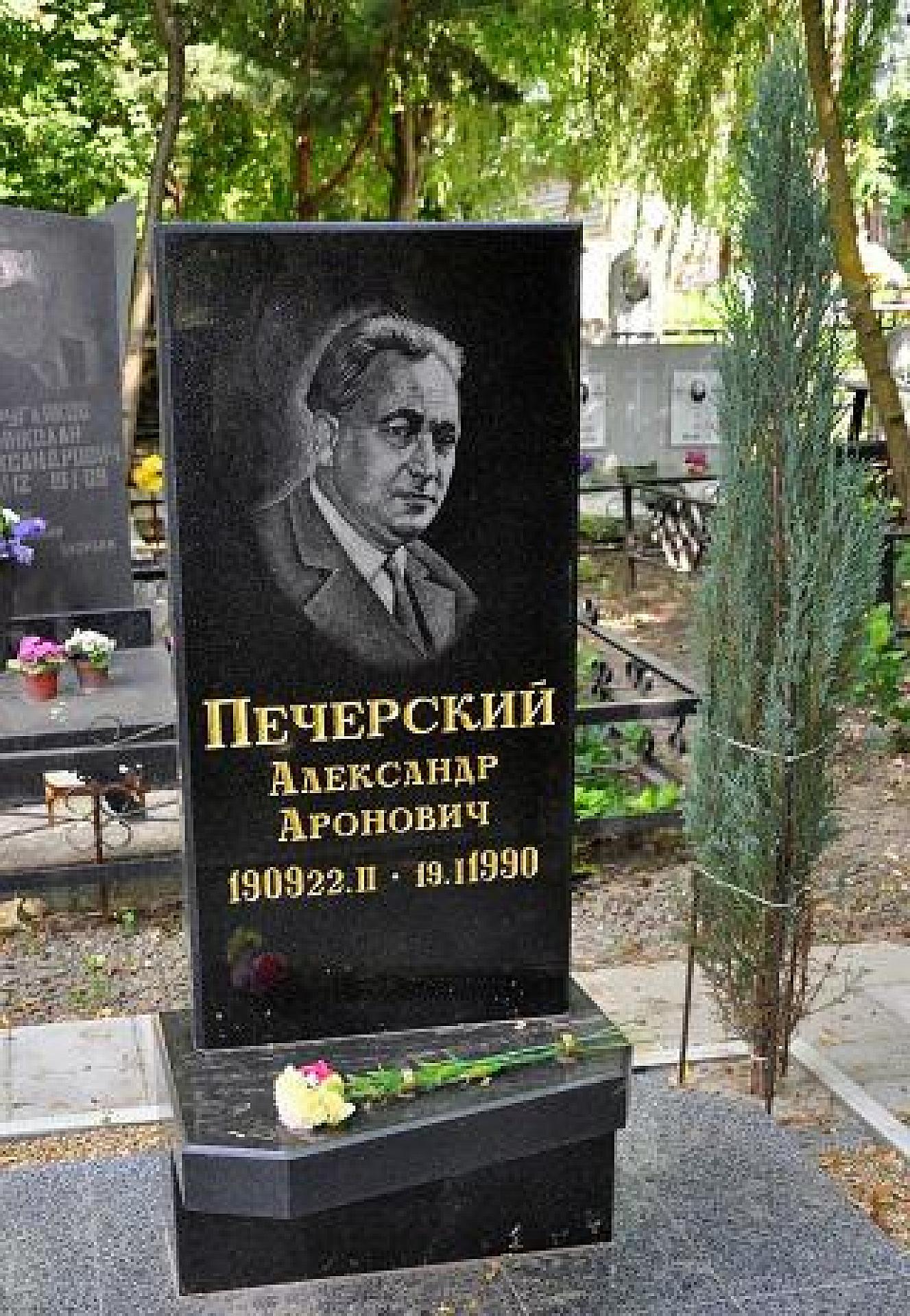
Pechersky is being honoured more and more posthumously, meanwhile also in his Russian homeland. In 2010 a memorial plaque was placed on his former house in Rostov. His gravestone was replaced in 2012 by a new one made of black granite, showing his portrait. Poland officially honoured him in 2014, the Russian Federation in 2016. The »Alexander Pechersky« Foundation, which has been in existence since 2012, is mainly responsible for the commemorative work. In 2014, a star was unveiled on a Rostov boulevard in his honour. On February 22, 2018, Pechersky's date of birth, the Alexander Pechersky Foundation together with the Russian Railways and the Russian Military Historical Society inaugurated a train in his honour at the Kazan Railway Station in Moscow. An exhibition in the wagons tells of the uprising in Sobibór and of Pechersky's life. On 24 April 2018, a new monument in honour of Pechersky was inaugurated: a bust of Pechersky sits on a two-metre high pedestal with four engraved inscriptions. The monument stands next to Gymnasium No.52, where the museum »Antifascist« is located, commemorating survivors of concentration camps. In May 2018, the Russian feature film »Sobibór« was launched, whose main character is Alexander Pechersky.
Open
The memorial is accessible during the opening hours of the cemetery.
Contact
Uliza Mentschikowa Nr. 61
344012 Rostow am Don