On September 1, 1939 the Polish post office in Danzig (Polish: Gdańsk) was attacked by German forces, the postal workers offered armed resistance. Since 1979 a memorial and the Polish Post Museum inside the former postal building remember the battle and the fate of the postal workers.
History
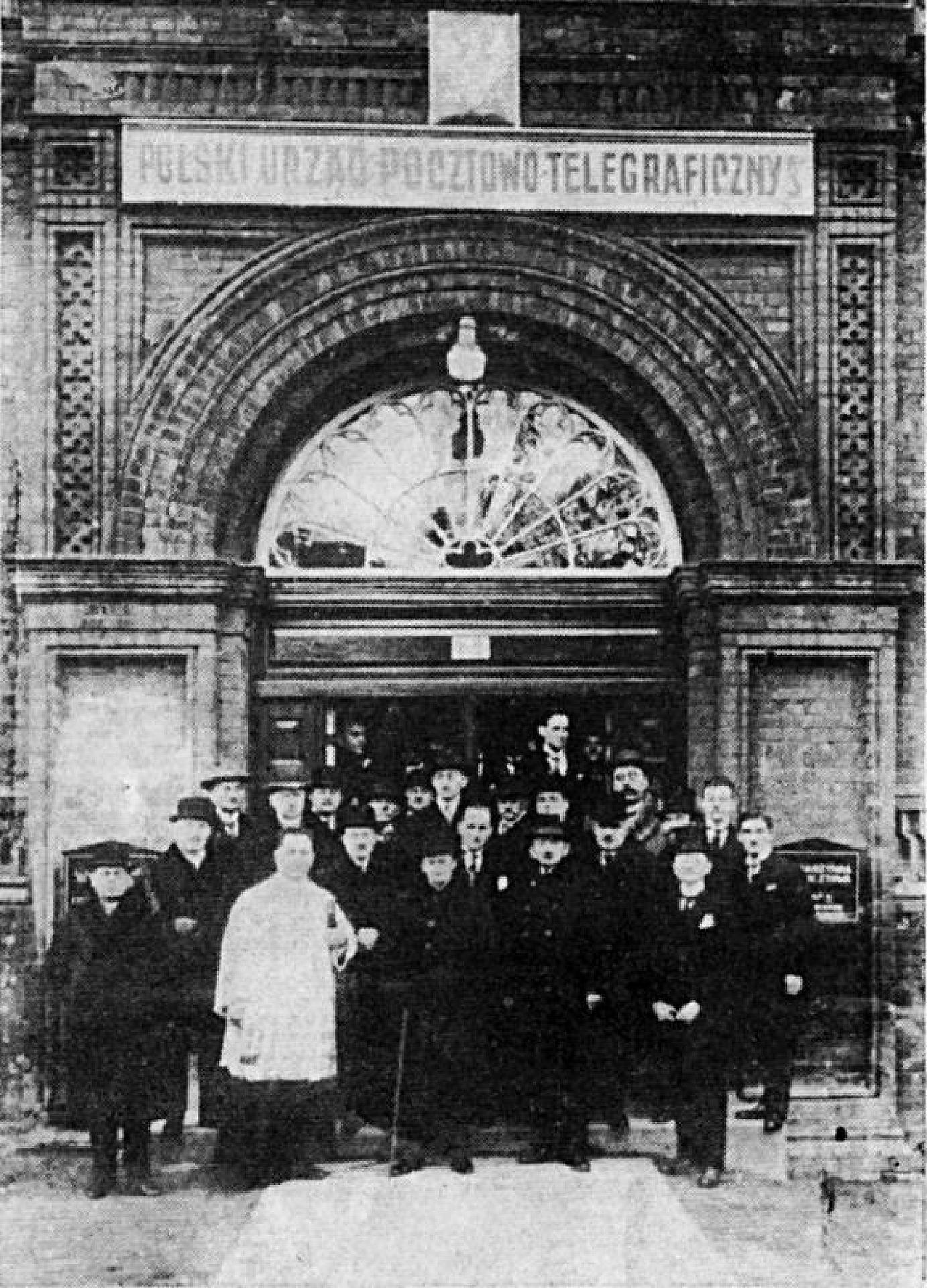
After the First World War the city of Danzig (Polish: Gdańsk) and its surroundings were detached from German territory and placed under the auspices of the League of Nations. The whole area was assigned the status of an independent state known with as Free City of Danzig (German: Freie Stadt Danzig) with a special legal status. Amongst other things the Polish state could run its own post offices in Danzig's old town. Since the beginning of 1939 Poland feared a German attack on Danzig and its own territory. For that reason the post offices were secretly supplied with arms and young, militarily trained postal workers were sent to the city. Four machine guns, some pistols and rifles as well as ammunition and grenades were hidden by the employees in the post office at the Heveliusplatz, in case of an attack. On September 1, 1939 German troops attacked the Polish military base at Westerplatte and other Polish institutions, including the post offices. It was the start of the Second World War. When troops formed from SS and police attacked the post office at the Heveliusplatz in the early hours, there were about fifty postal workers as well as some other people in the building, among them the caretaker couple and their ten-year-old foster daughter. The postmen put up fierce resistance. All German attacks failed, even when the attackers brought in heavy artillery in the afternoon. In the early evening of September 1, the fire brigade eventually pumped a fuel mixture into the basement of the building. Flamethrowers ignited the fuel, at the same time the Germans opened artillery fire. The fire forced the postmen to surrender after 14 hours of resistance. Eight defenders were killed in the attack, six died in hospital because of their severe burns or wounds, including the caretaker's foster daughter. The two most senior postal officials were shot immediately. Almost all of the survivors were put on trial in front of German martial courts, sentenced to death and executed in autumn 1939.

Victims
Only three of the more than fifty defenders of the Polish post office survived the war: Eight men died during the fighting or burned in the building, another six people succumbed to their injuries in hospital. Almost all of the survivors were tried by military tribunals and shot, some after their discharge from hospital.
Remembrance
The defenders of the post office in Danzig were revered as heroes in post-war Poland. In Germany, the story of the attack on the post office became known mainly through Günter Grass' novel »The Tin Drum«, published in 1959. The two judges who sentenced the postal workers to death were never prosecuted and continued their professional careers in the Federal Republic of Germany. Only in 1998 the district court in Lübeck posthumously invalidated the 1939 sentences against the postal workers.
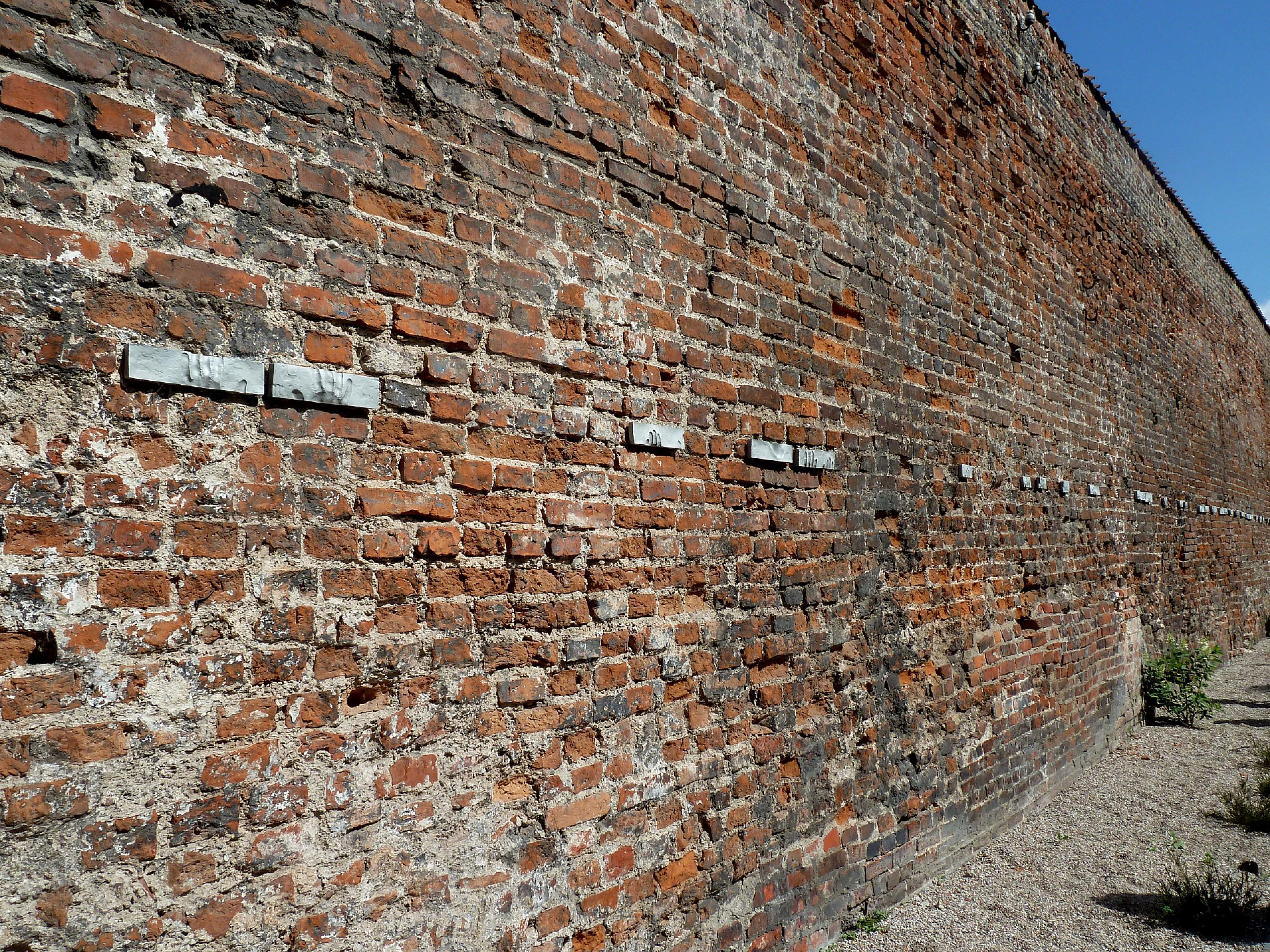
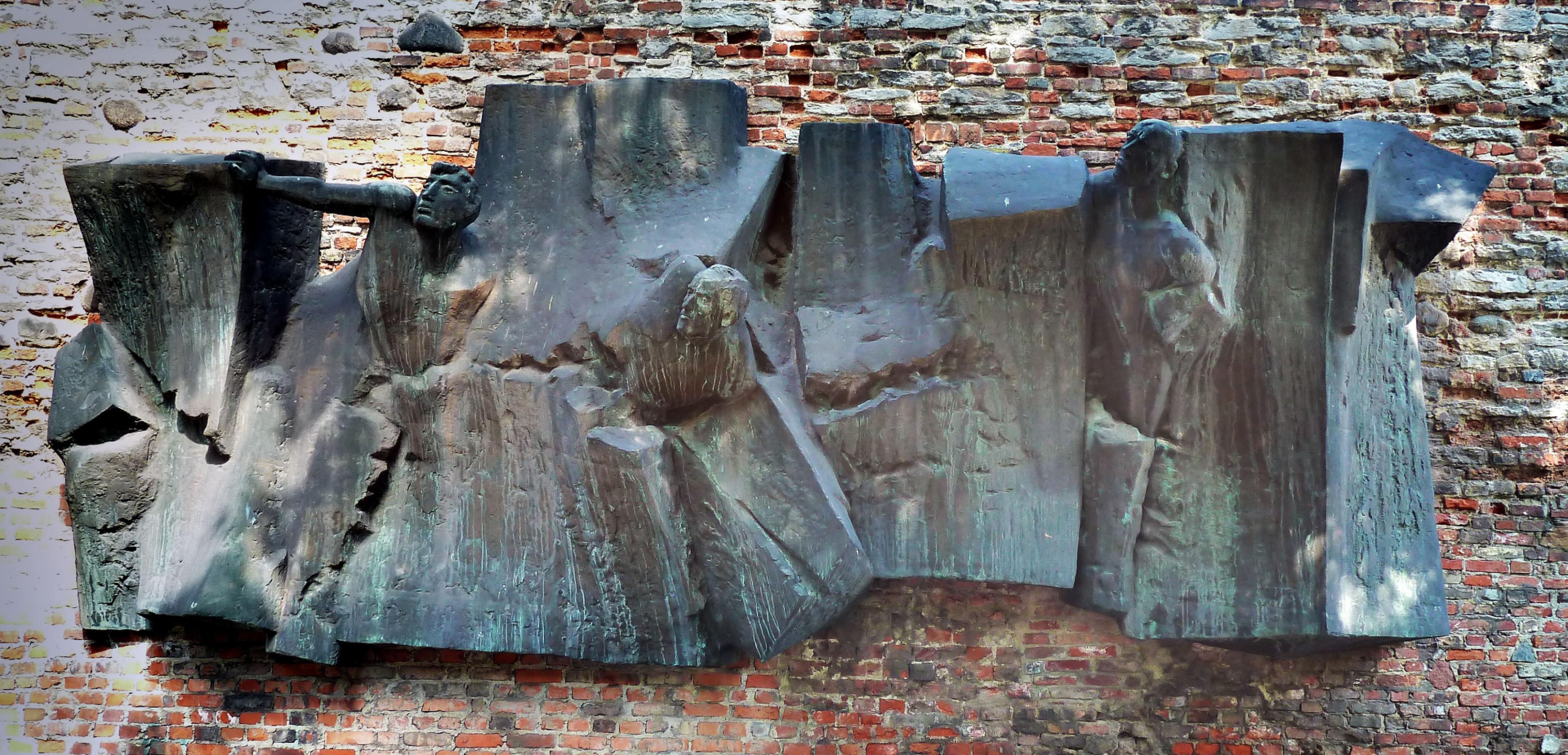
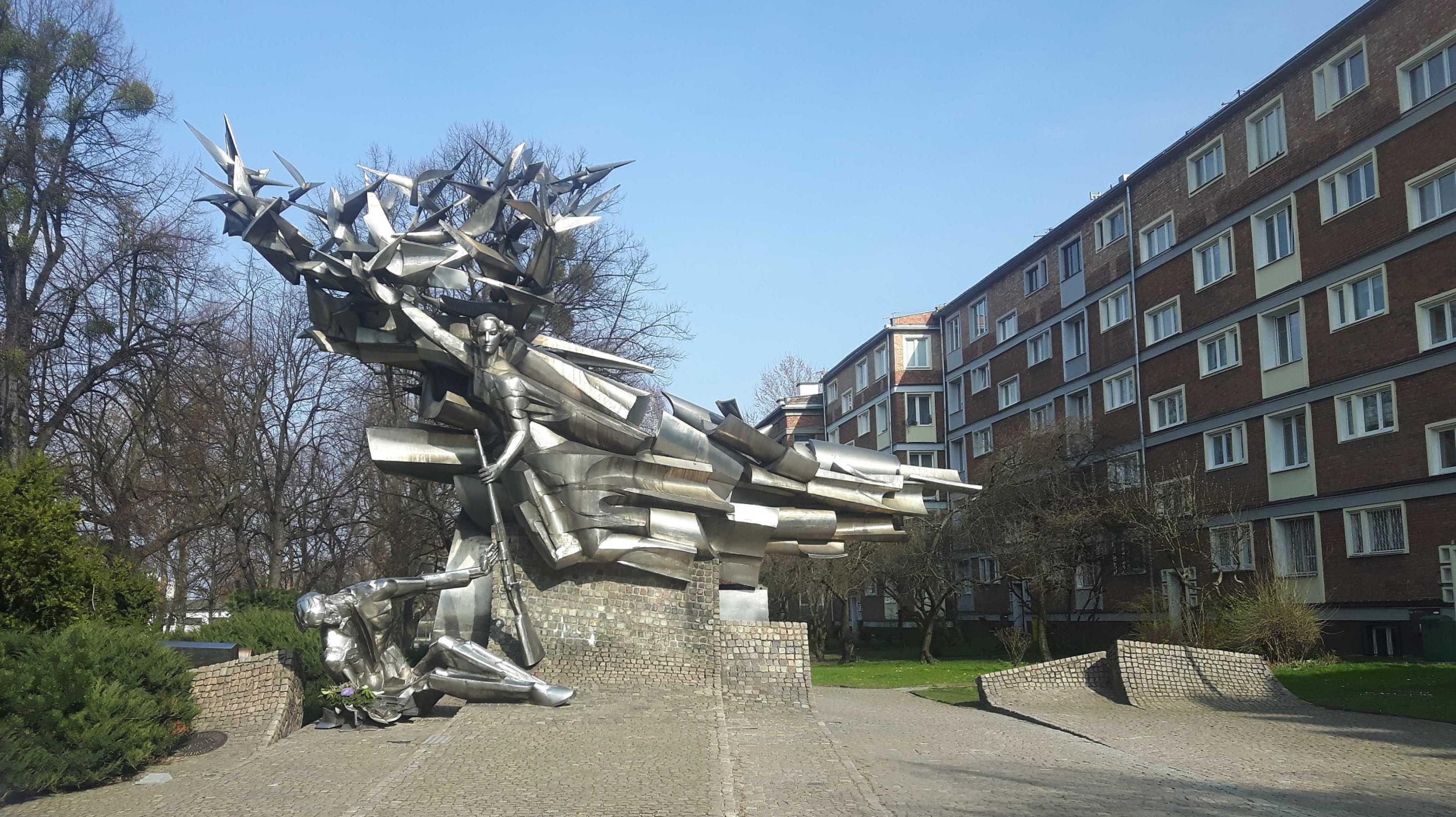
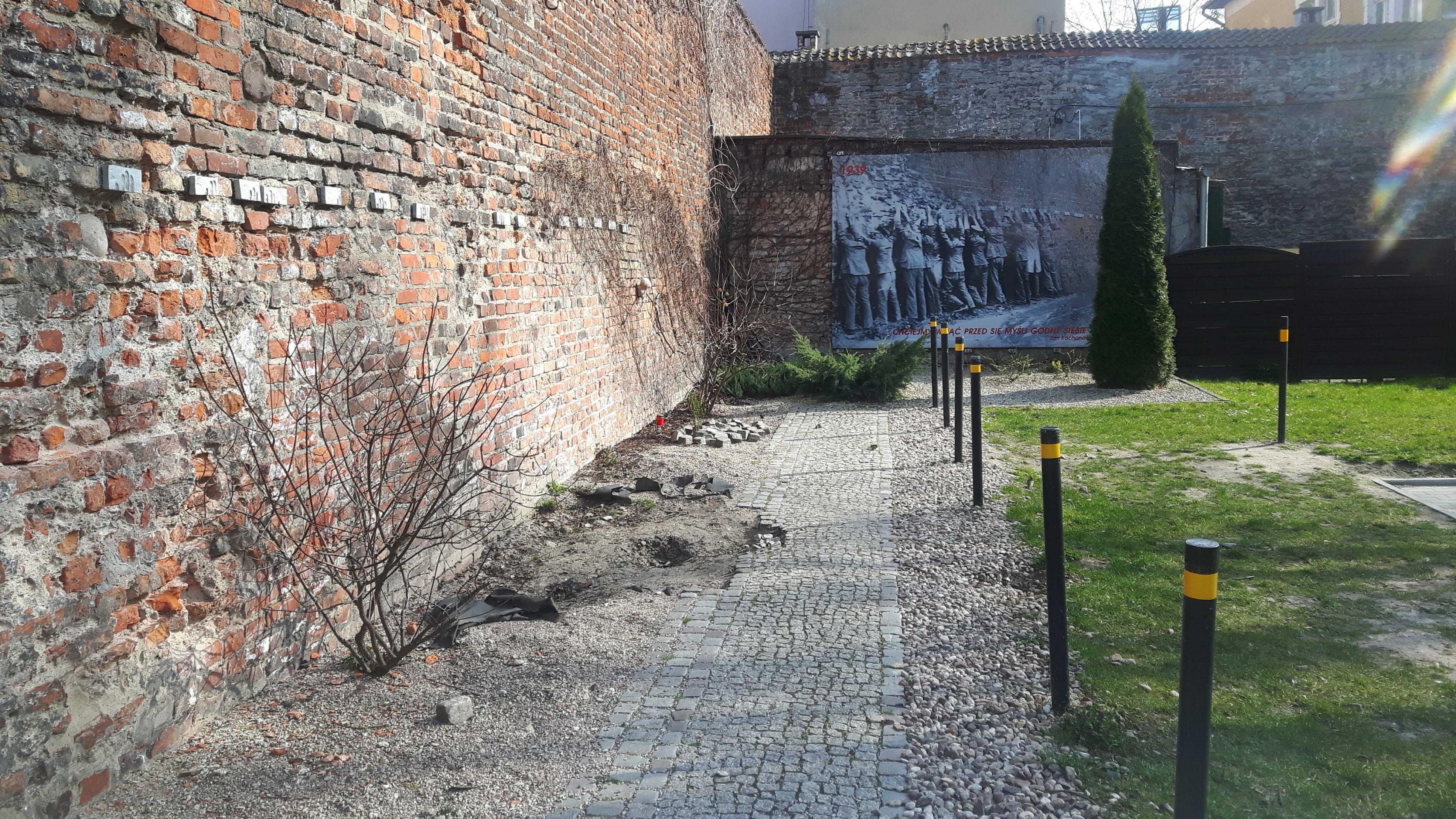
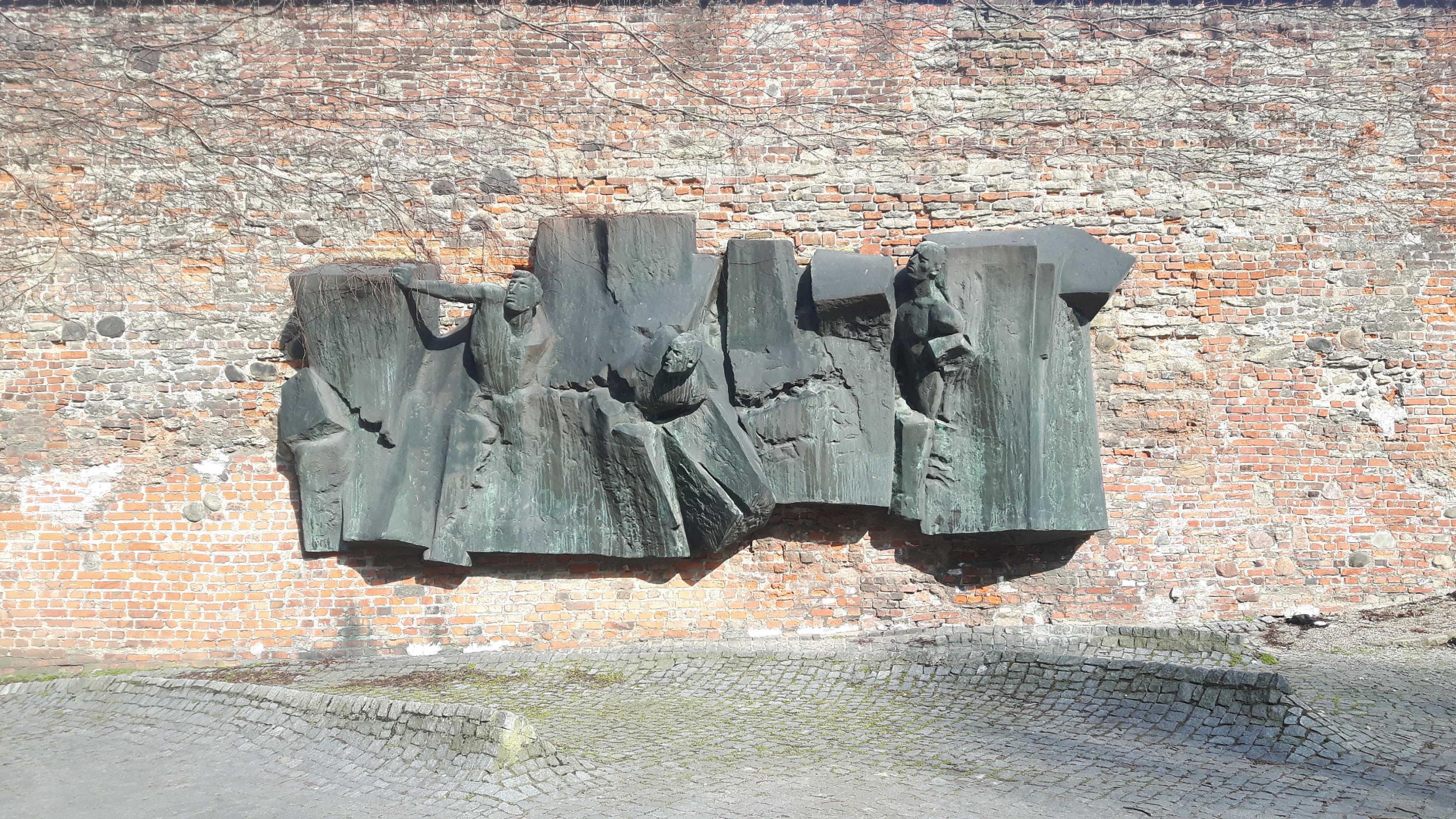
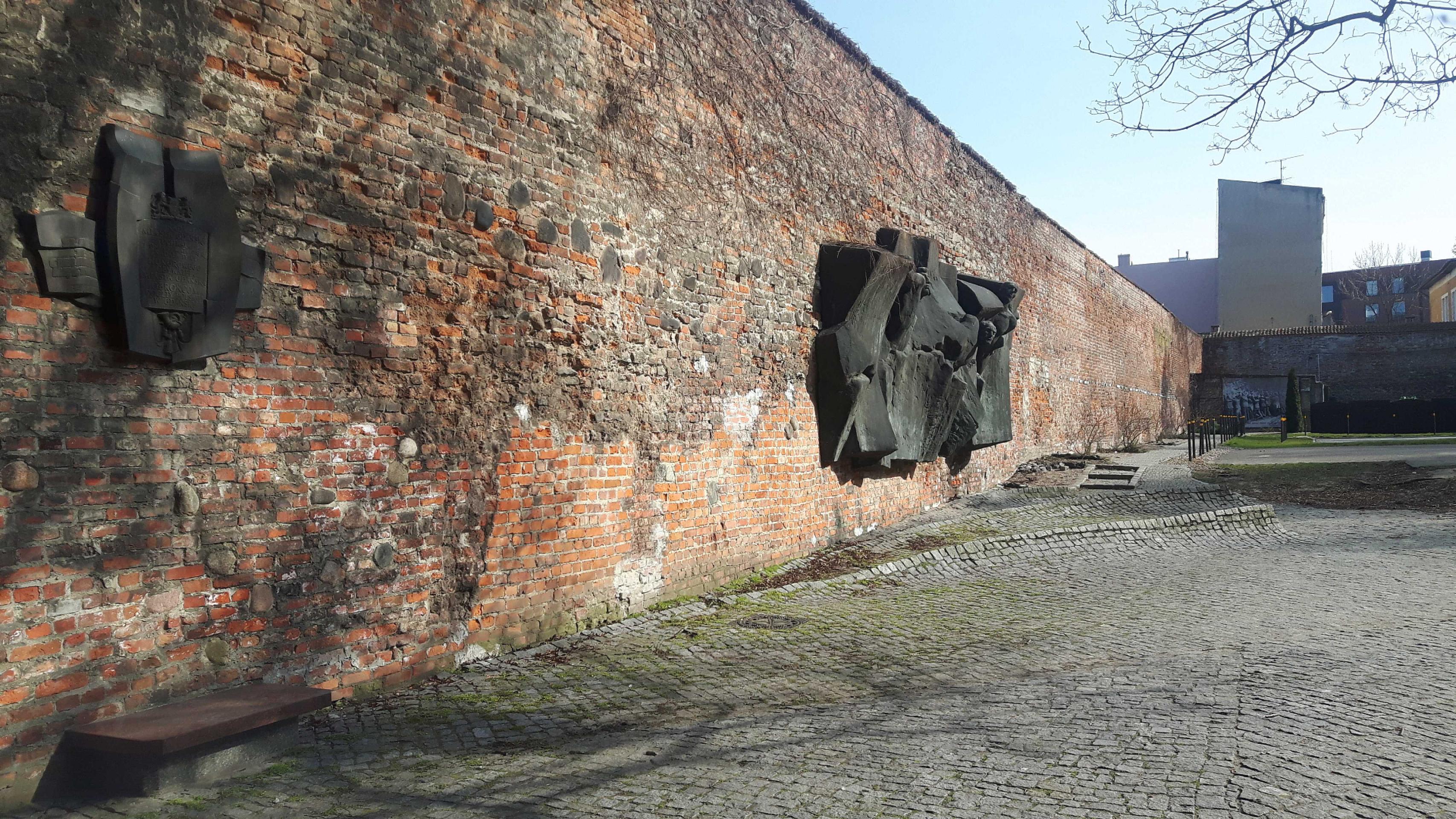
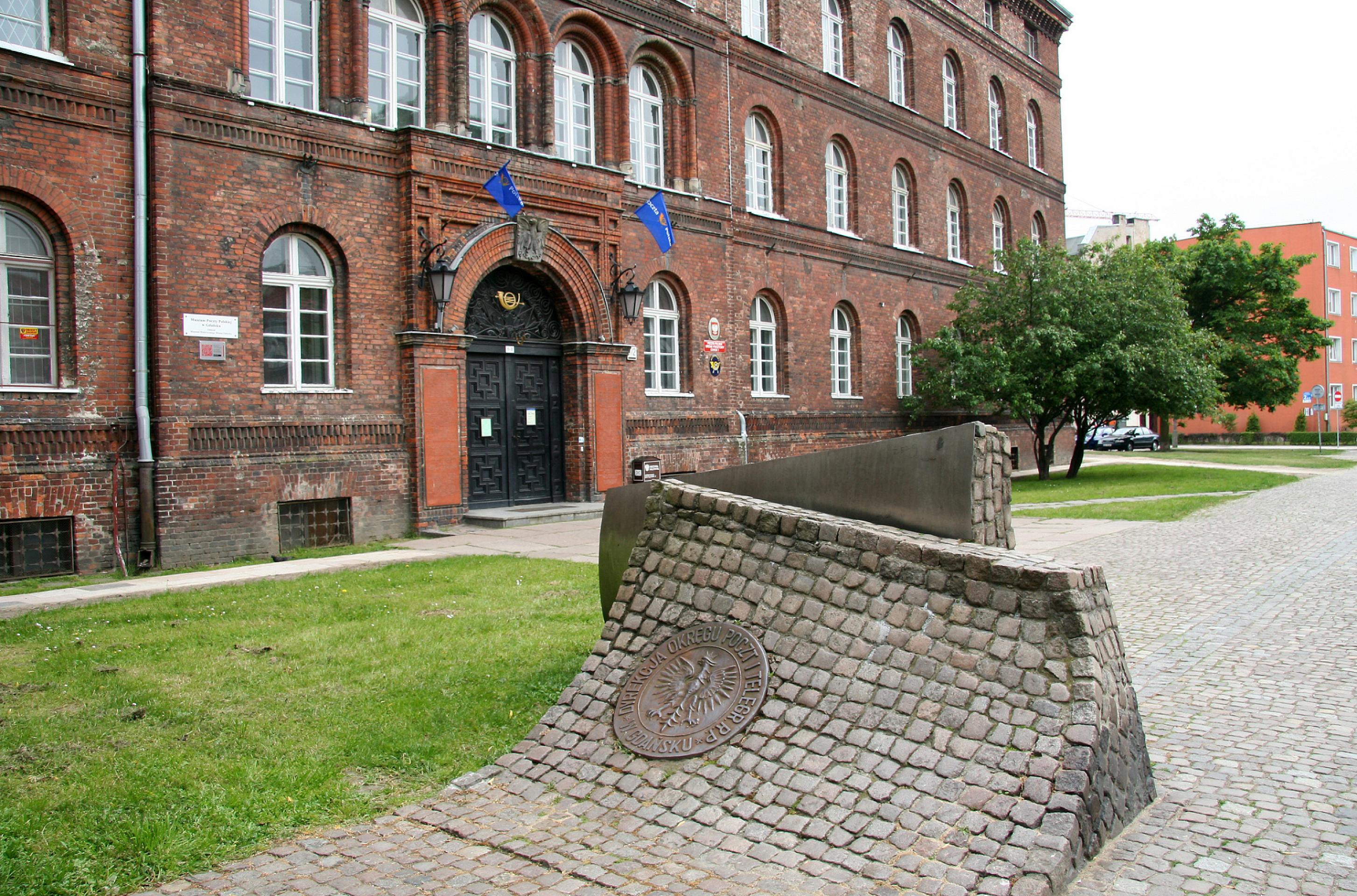
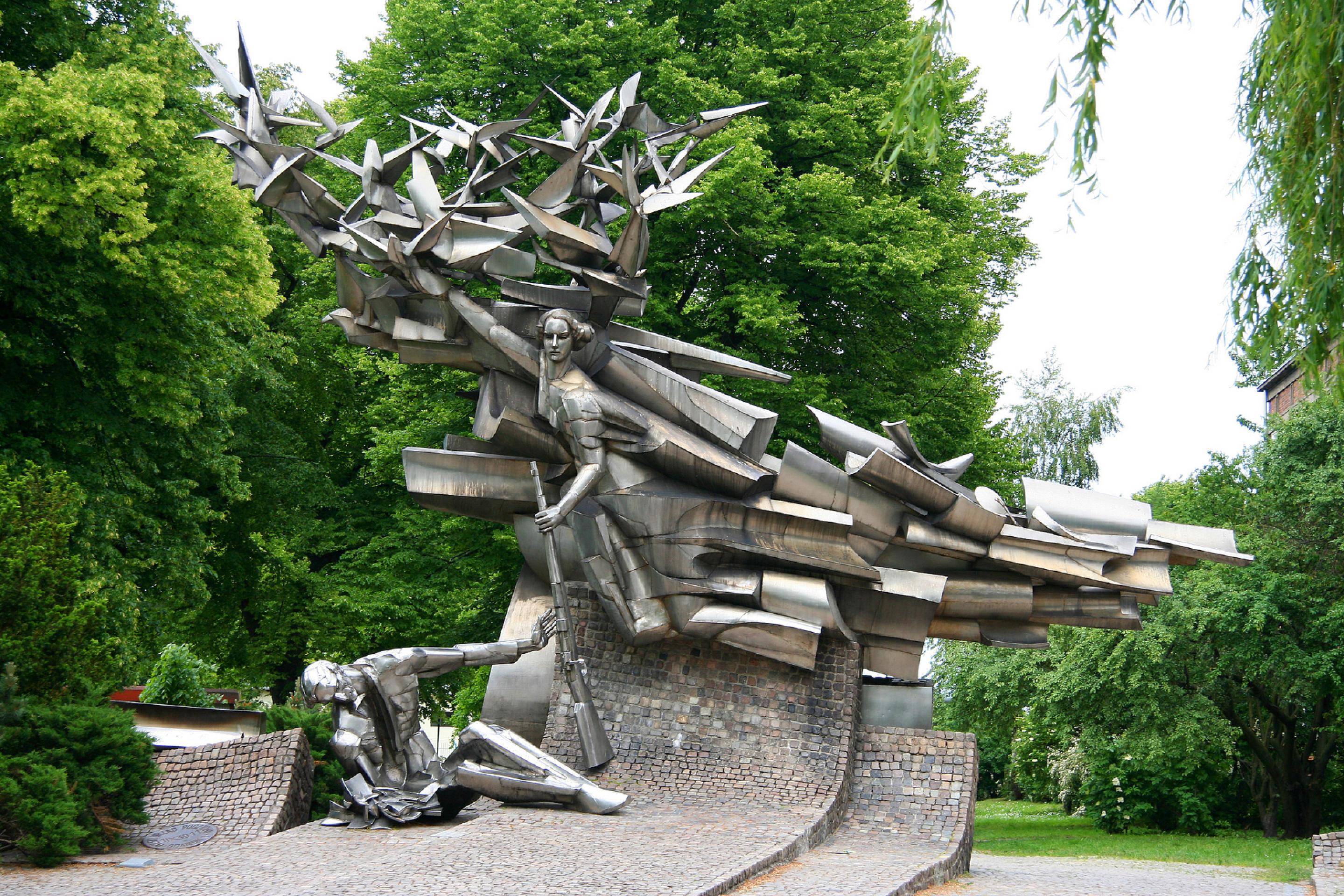
In 1979 a post and telecommunication museum was opened in the former post office of Danzig. It also reminds of the battle for the post office. In the same year a memorial to the defenders of the Polish post office was set up near the building on September 1, the 40th anniversary of the German attack. The expressionist steel sculpture was designed by the artist Wincenty Kućma. There is also a memorial in the courtyard, consisting of a relief and an installation on the wall remembering those surviving defenders who were subsequently shot.
Open
Tuesday 10 a.m. to 3 p.m., Wednesday to Saturday 10 a.m. to 4 p.m., Sunday 11 a.m. to 4 p.m. Closed on Monday.
Contact
https://muzeumgdansk.pl/oddzialy-muzeum/muzeum-poczty-polskiej-w-gdansku/
kancelaria@muzeumgdansk.pl
+48 789 449 667
Plac Obrońców Poczty Polskiej 1-2
80-800 Gdańsk