Memorial to the Deported and the XXth Convoy
Herdenkingsmonument voor de gedeporteerden en de XX. Konvoi
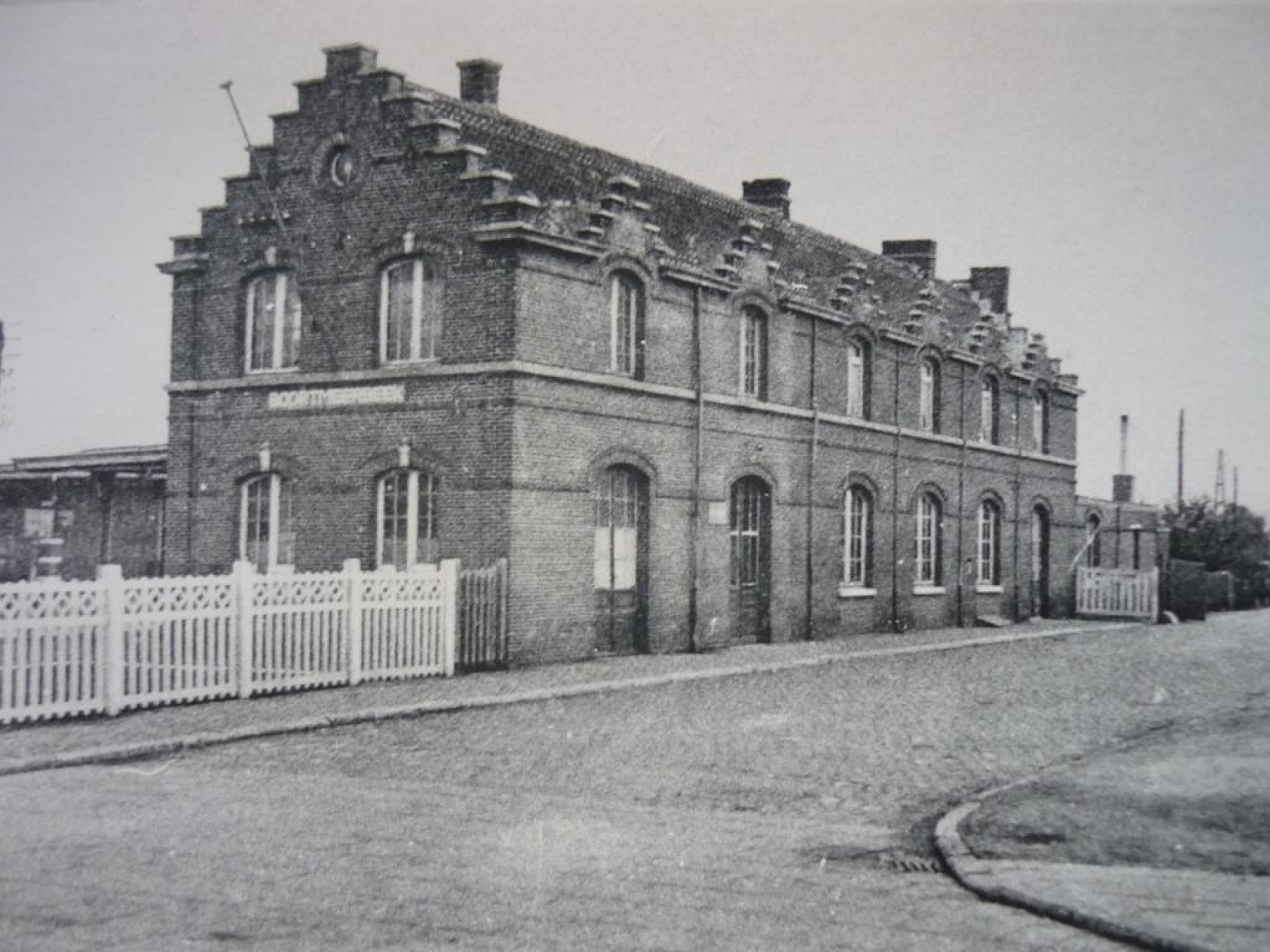
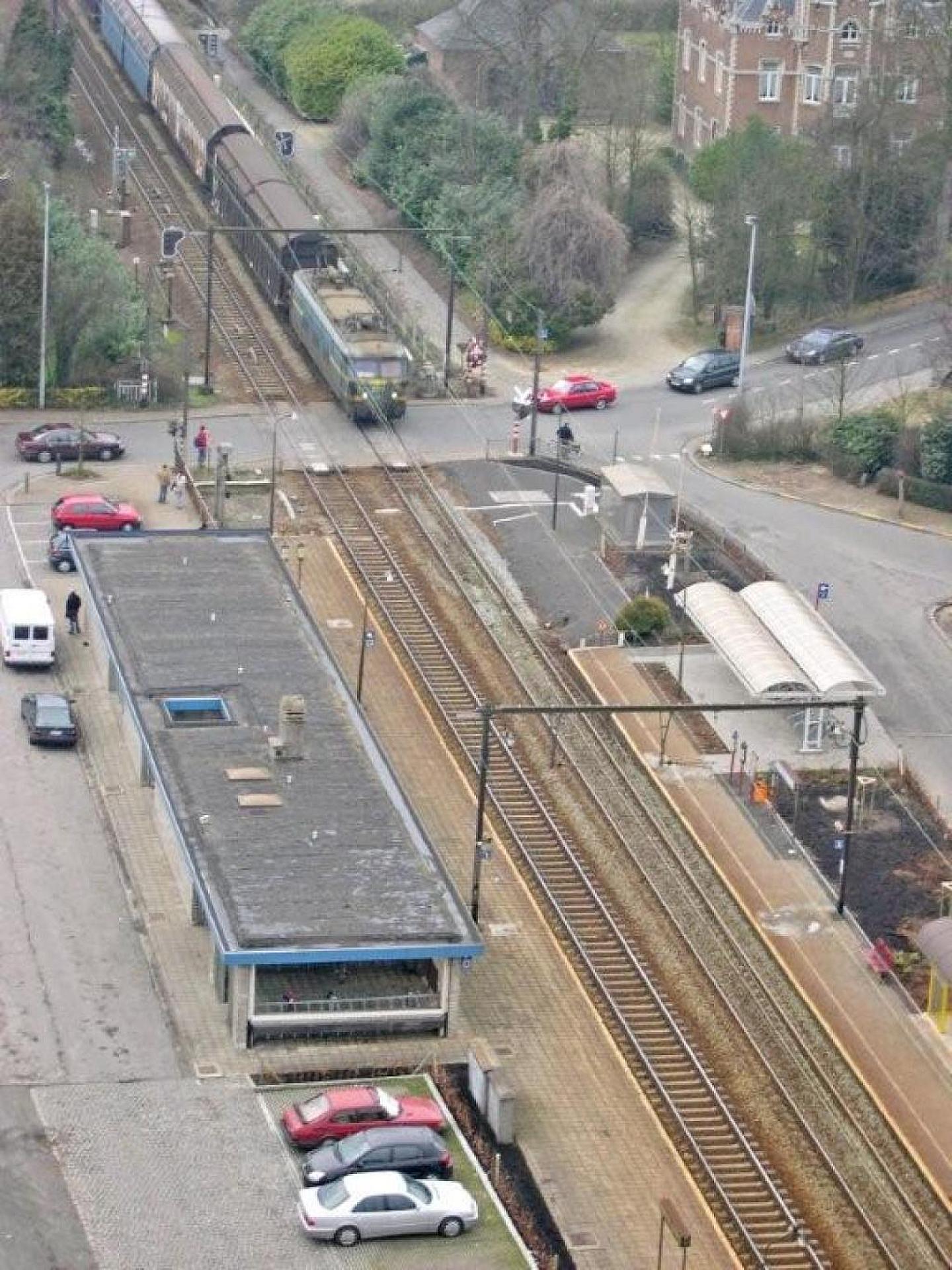
A memorial ensemble at the train station of the Boortmeerbeek community, located in the Flemish Brabant province, commemorates the victims of the deportations from Belgium and the heroes of the attack on the »XXth convoy«.
History
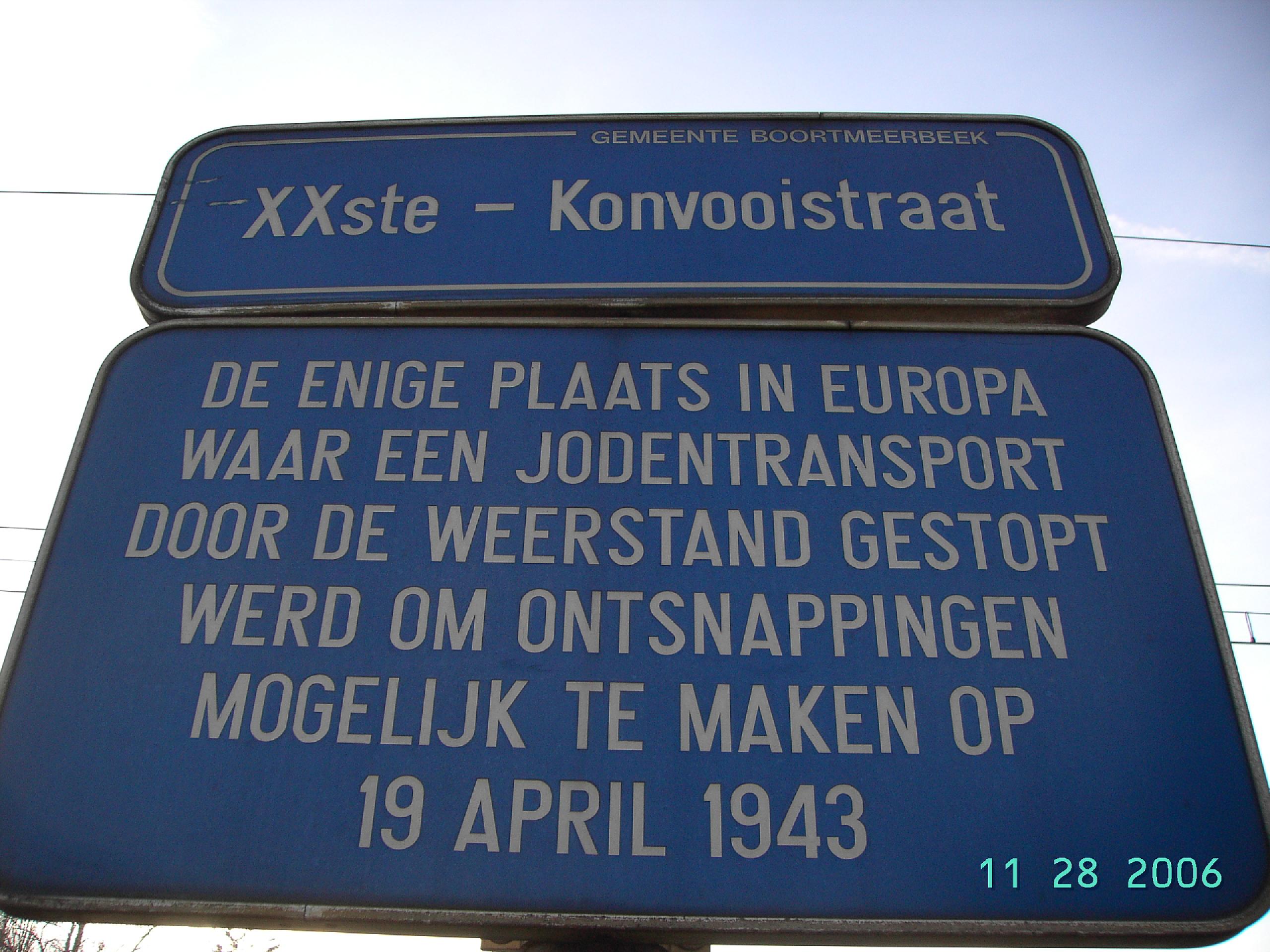
The starting point for the deportations of Jews from Belgium were the Dossin barracks in Mechelen (French: Malines). In all, around 25,000 Jews and 350 Sinti and Roma were deported from Belgium, which had been occupied since 1940, by the German security police and their Belgian helpers. Most of the transports were headed for Auschwitz. All of the deportation trains passed through the small community of Boortmeerbeek. On April 19, 1943, the XXth convoy departed; however, three kilometres before the Boortmeerbeek station it was brought to a halt by three young resistance fighters. Unfortunately for the attackers, it was the first time that the train consisted of cattle cars and was better protected than previous transports from which people had been able to flee time and again. The guards opened fire. Despite this, the attackers were able to pry open the door to one of the cars and help 17 Jews flee. Shortly before the German border, a further 214 prisoners were able to escape; 23 of them were shot by the guards during their escape attempt. Although 87 of those who had been able to flee from the transport were finally arrested and deported to Auschwitz, the others managed to hide and to survive.
The three young resistance fighters had known each other since their school days. Their leader was the Jewish doctor Youra Livchitz (1917–1944). They acted on their own initiative since their plan had been dismissed as too daring and dangerous. After the attack they were at first able to flee. Later, however, they were denunciated. After his first arrest Livchitz managed to escape, he was betrayed a second time though and shot in February 1944. The communist Robert Maistriau (1921–2008) was also arrested later. He survived the concentration camps at Buchenwald and Bergen-Belsen. The third member of the group, Jean Franklemon (1917–1977), also a communist, survived Sachsenhausen concentration camp. These three resistance fighters committed the only known attack on a deportation train during the Holocaust.
Victims
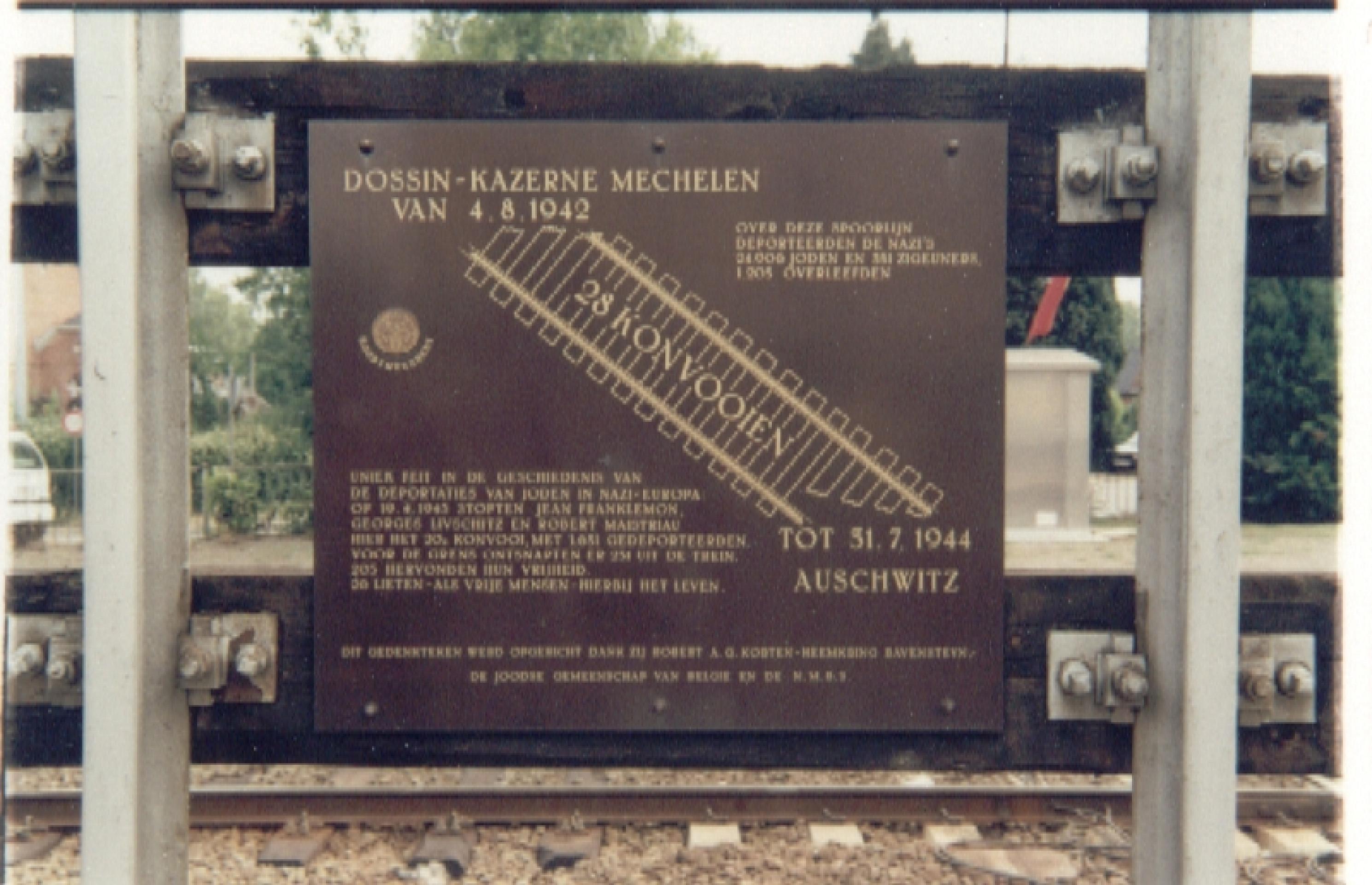
The inscription on the memorial plaque commemorates the 24,906 Jews and the 351 Sinti and Roma who were deported to Eastern Europe in 28 transports along the train route next to which it stands. Of those deported only 1,205 survived. The inscription also describes the unique deed of the three resistance fighters who stopped the XXth convoy and helped Jews flee.
Remembrance
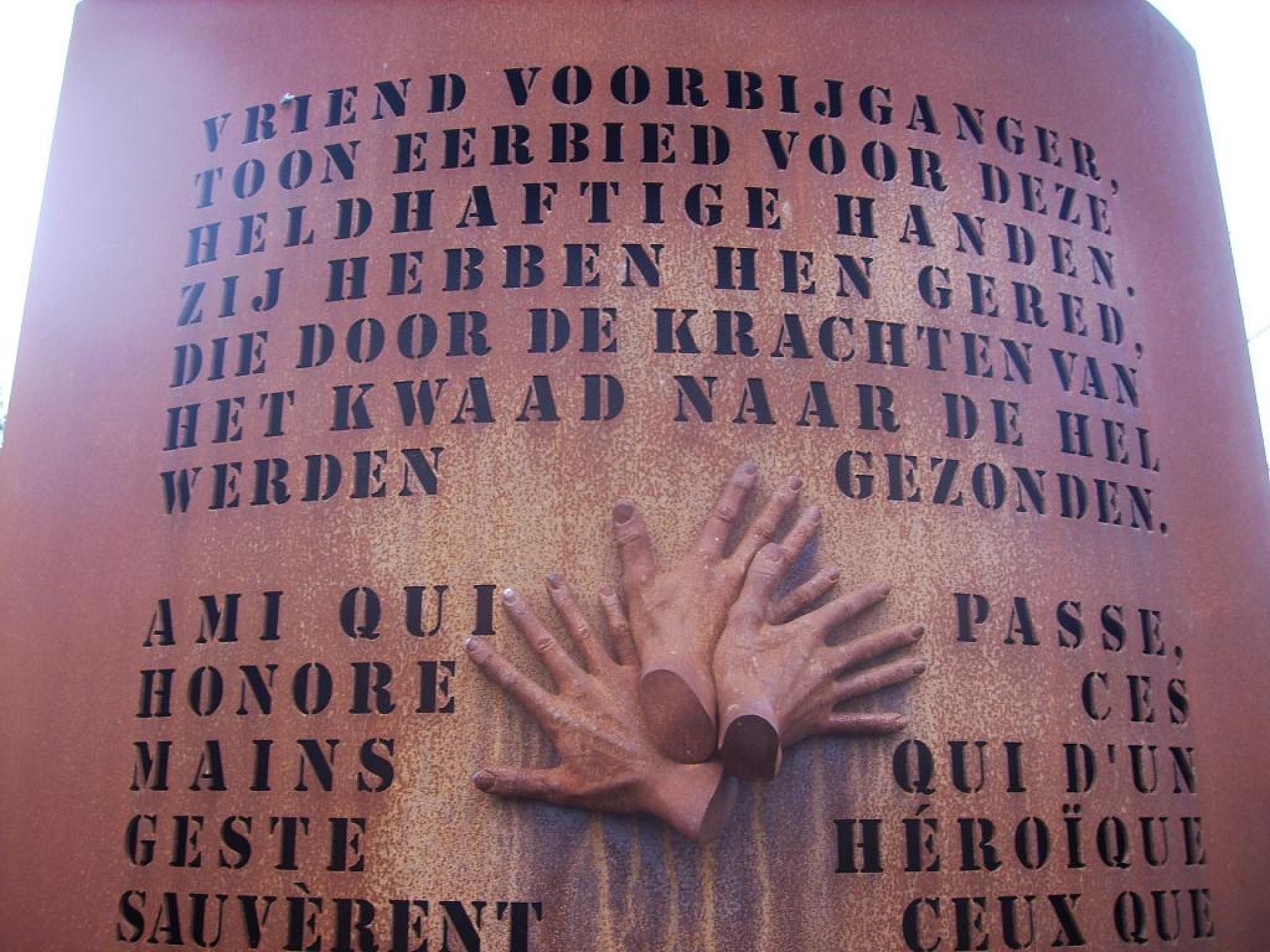
There is a memorial plaque and a monument at the train station in Boortmeerbeek. The memorial plaque was set up upon an initiative of Robert Korten from the historical society »Heemkring Ravenstyn« and set up with support of the Jewish community of Belgium, the Belgian state railways and the communal authorities. It was dedicated on April 19, 1993, the 50th anniversary of the attack. The monument was initiated by the Jewish Museum of Deportation and Resistance and Maurice Tzwern, whose mother fled the XXth convoy. The monument was created by sculptor Etienne Desmet. It was presented to the public on May 8, 2005, on the Belgian Day of Victory. The monument bears the following inscription: »Friend who passes by, pay deference to these heroic hands which saved those who were sent to hell by evil powers.«
Open
The memorial is accessible at all times.
Contact
http://users.telenet.be/holocaust.bmb/
mm.michiels@telenet.be