Memorial to the Jewish Cemetery in Mogilev
Память убитых евреев Могилева / Памяць забітых яўрэяў Магілёва
In the Belarusian city of Mogilev (Belarusian: Mahilyov) and in the neighbouring villages several memorials remember the murdered Jews of Mogilev and surroundings.
History
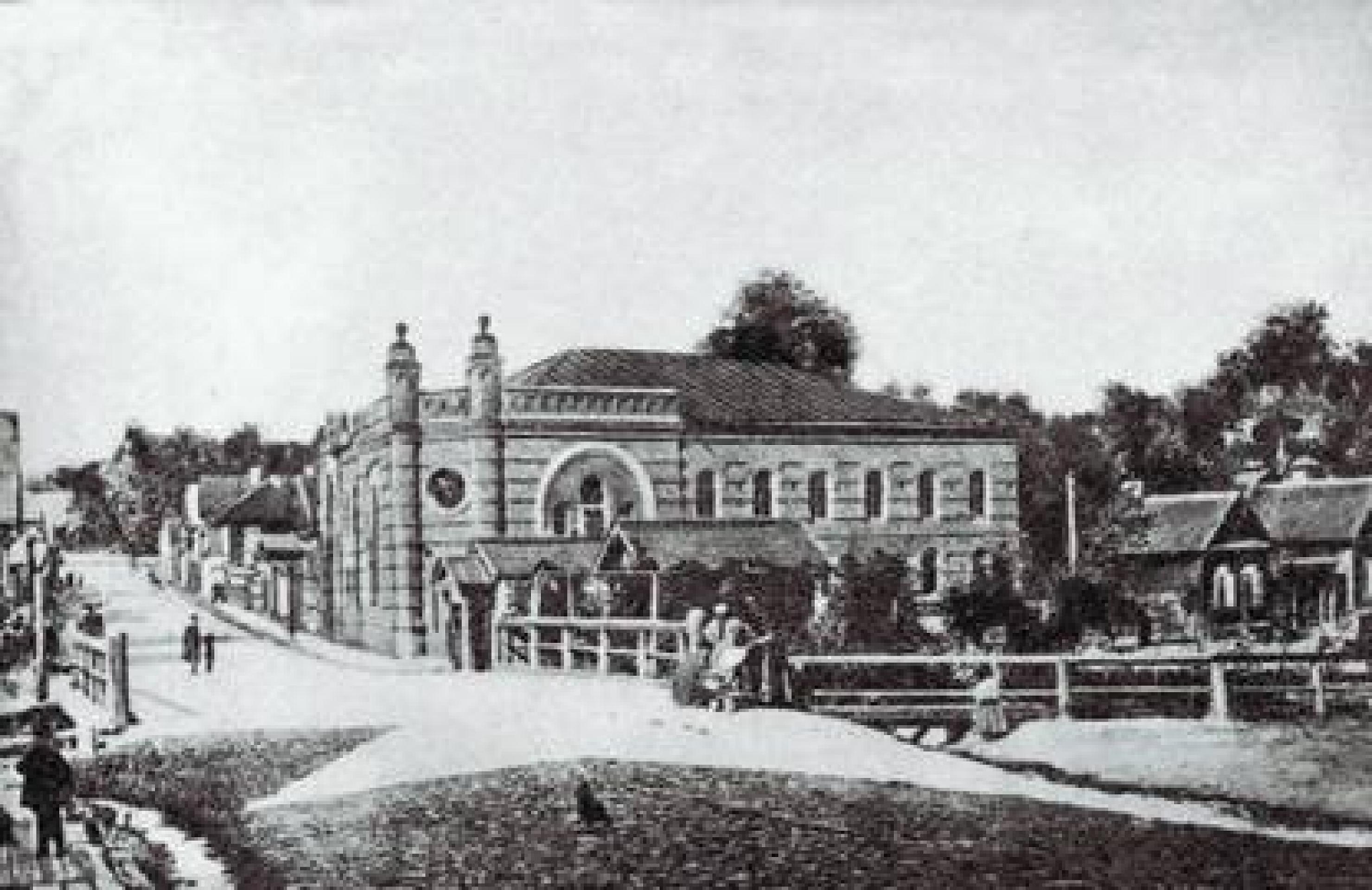
Mogilev, located approximately 180 km east of Minsk at the Dnieper, was founded in the 13th century. The first Jews settled there in the 16th century. During the Khmelnytsky Uprising of 1648 the Jewish community was nearly obliterated.
In the beginning of the 20th century about 25,000 Jews lived in the city, making up almost half of the population. In 1904 anti-Jewish excesses occurred once again. Prior to the Second World War Jews made up a fifth of the city's 100,000 inhabitants. Their number rose because of refugees from the part of Poland which was occupied by the Germans in 1939.
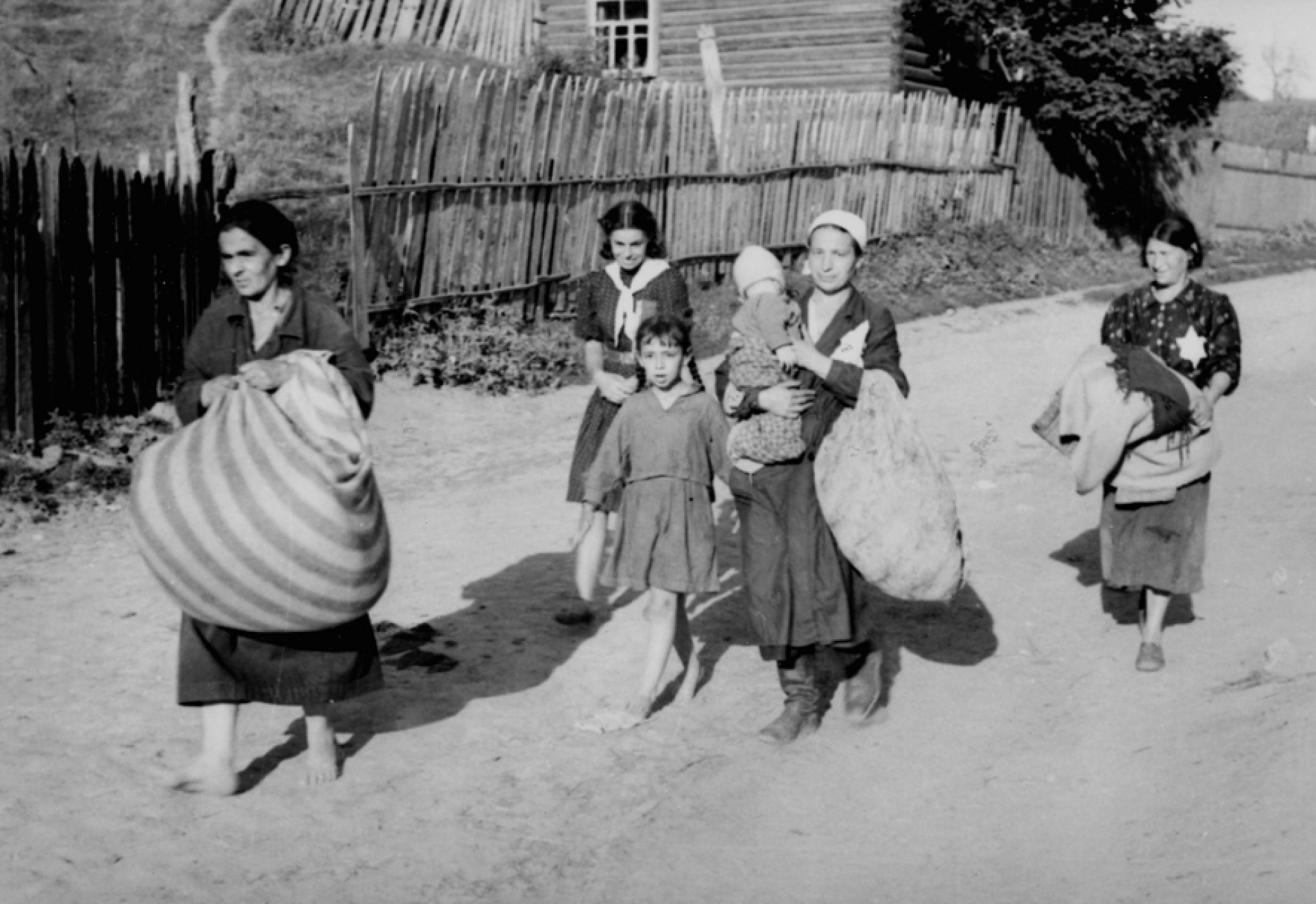
After the German attack on the Soviet Union the Wehrmacht occupied the city on July 26, 1941. Many Jews managed to flee but more than 6,500 remained in the city. The occupiers forced the Jews to wear identifying badges and to establish a Jewish Council for the execution of German orders. In August 1941 all Jews had to move to the district of Padnikollie. During the same month the Germans murdered about 80 Jews whom they accused of anti-German activities. Another 113 were caught on the run and shot. At the end of September 1941 a new ghetto was established in the city centre to which also Jews from neighbouring towns and villages were resettled. On October 2, 1941 the occupiers and their helpers led approximately one third of the ghetto's Jews to the car factory »Dimitrov« (today: »Strommashina«) 2 km away and confined them there overnight. The next day they took the more than 2,200 Jews further south to the Jewish cemetery, shot them and buried them in anti-tank ditches. On October 19 and 23, 1941 the occupiers murdered nearly all inhabitants of the ghetto. The victims were buried in a mass grave near the village of Novo-Pashkovo 12 km away from the city.
Up to 1,000 Jews were initially left alive and interned in the newly formed forced labour camp on the site of the factory »Dimitrov« together with non-Jewish prisoners. The majority of the prisoners were murdered until September 1943 and buried near the villages of Novo-Pashkovo and Polikovichi. Some prisoners were deported onward to Minsk.
Victims
On October 2 and 3, 1941 the Einsatzkommando 8 of Einsatzgruppe B (Subgroup 8 of the mobile killing unit B) together with members of the Police Regiment Mitte and members of the Ukrainian auxiliary police murdered – according to their own statements – 2,273 Jewish children, women and men at the Jewish cemetery north west of the city. 65 Jews were already shot on the site of the ghetto by members of the Police Regiment. In these days approximately one third of the ghetto's inhabitants were murdered. This happened by command of the High SS and police leader Russland-Mitte Erich von dem Bach-Zelewski. During the second »Großaktion« on October 19, 1941 more than 3,700 Jews and four days later another 239 were murdered, thereby obliterating the ghetto. Up to 1,000 Jews were spared the mass shootings and interned in the forced labour camp on the site of the factory »Dimitrov«. There the occupiers went on killing until September 1943. Many Jewish and non-Jewish inmates died of hunger and diseases. Jews from Belarus and Poland were also confined in the Labour camp. After the liquidation of the labour camp the surviving Jews were brought to Minsk.
According to the Soviet commission of inquiry the Germans and their helpers murdered approximately 10,000 Jews from Mogilev and surroundings altogether. The exact number of murdered Jews is unknown. It also remains unclear how many Jews survived the war. Some were rescued with the help of non-Jewish residents. After the war more than 30 locals received the award »Righteous among the Nations« from the Israeli memorial Yad Vashem.
Remembrance
Mogilev was liberated by the Red Army on June 28, 1944. In 1946 the Jewish community re-established itself numbering 8,000 members. In the 50s and 60s relatives of the victims marked many of the mass graves and erected the first memorials. Today the Jewish community has only about 3,000 members. Most of the Jews emigrated between 1989 and 2004 to Israel and to other countries.
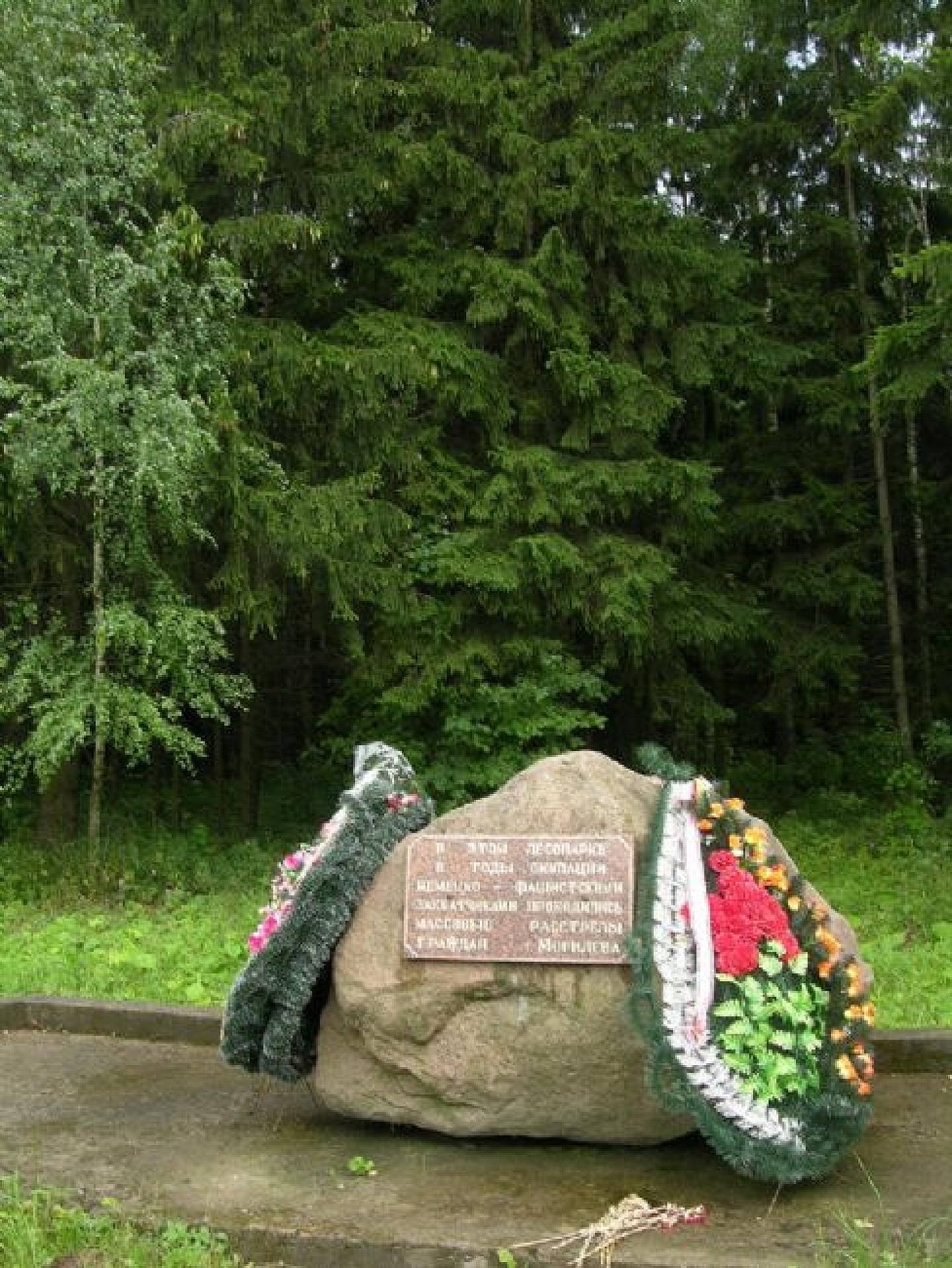
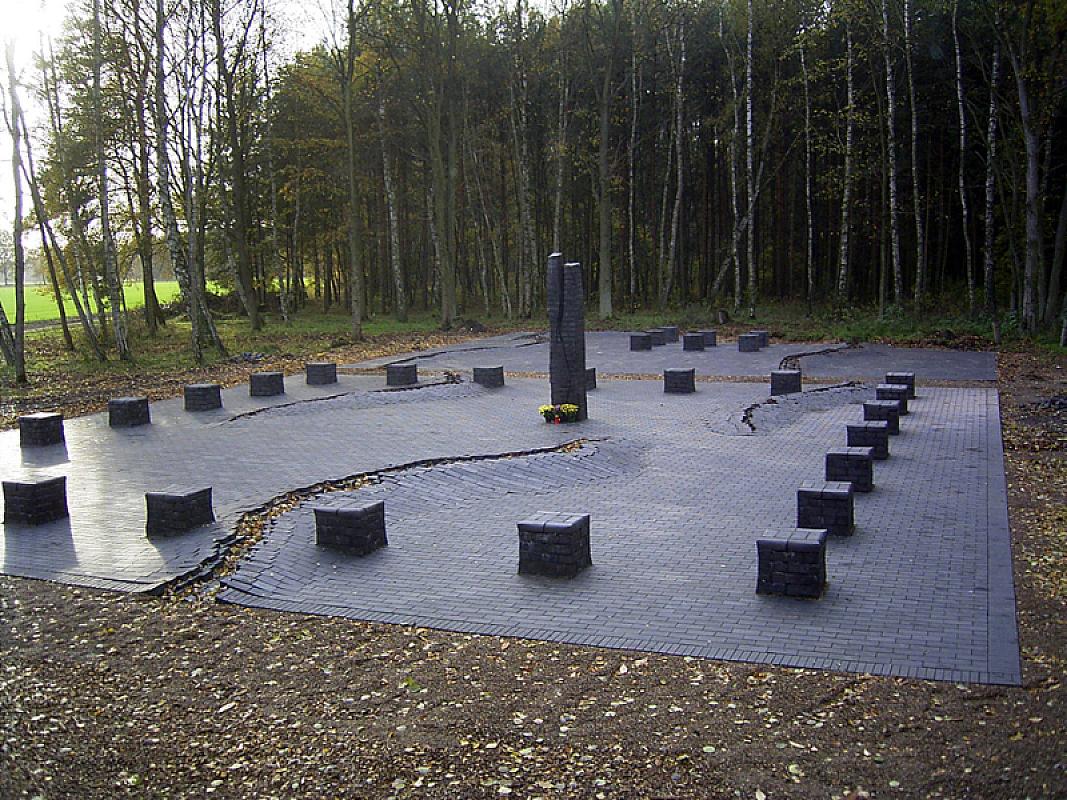
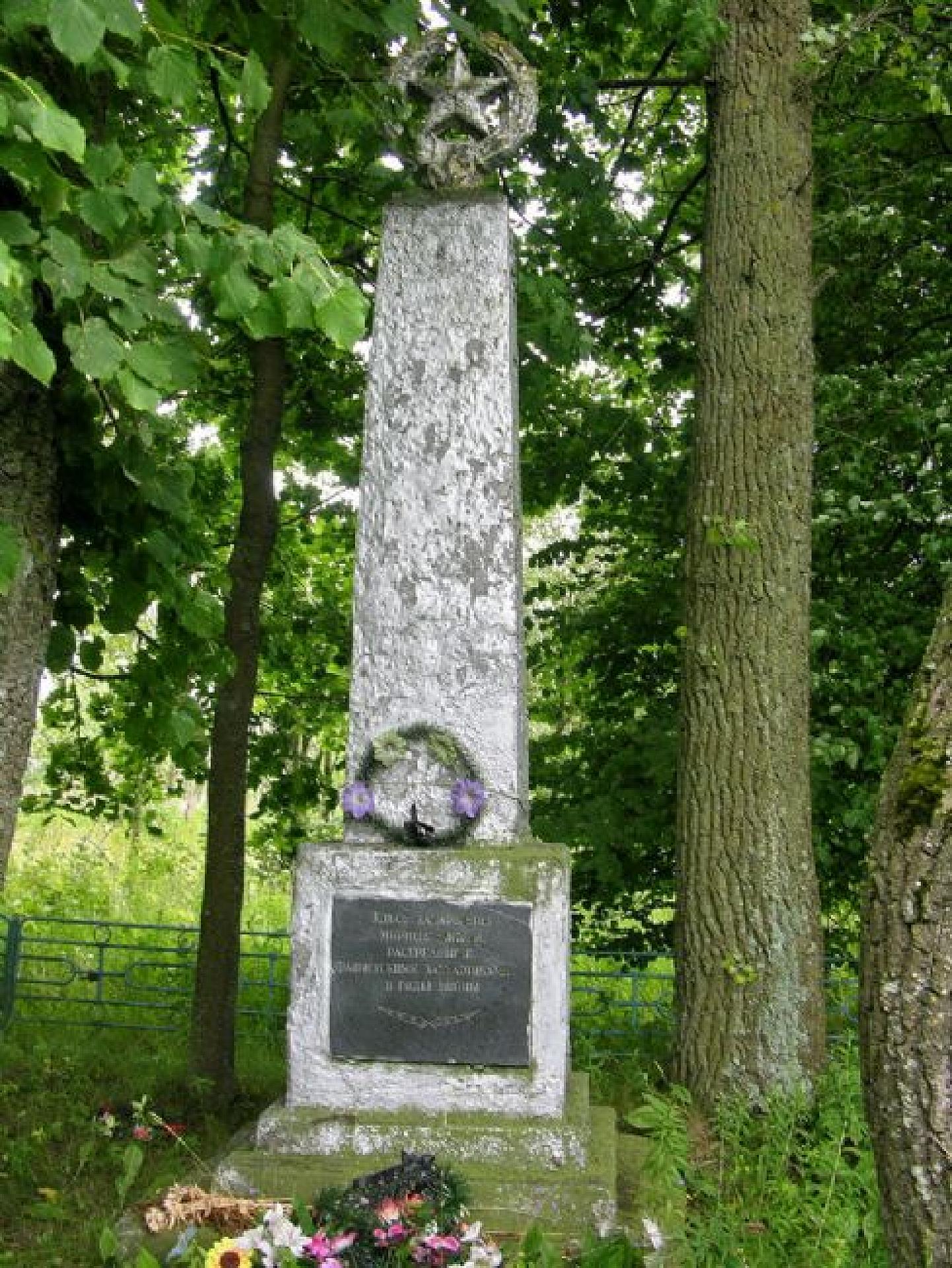
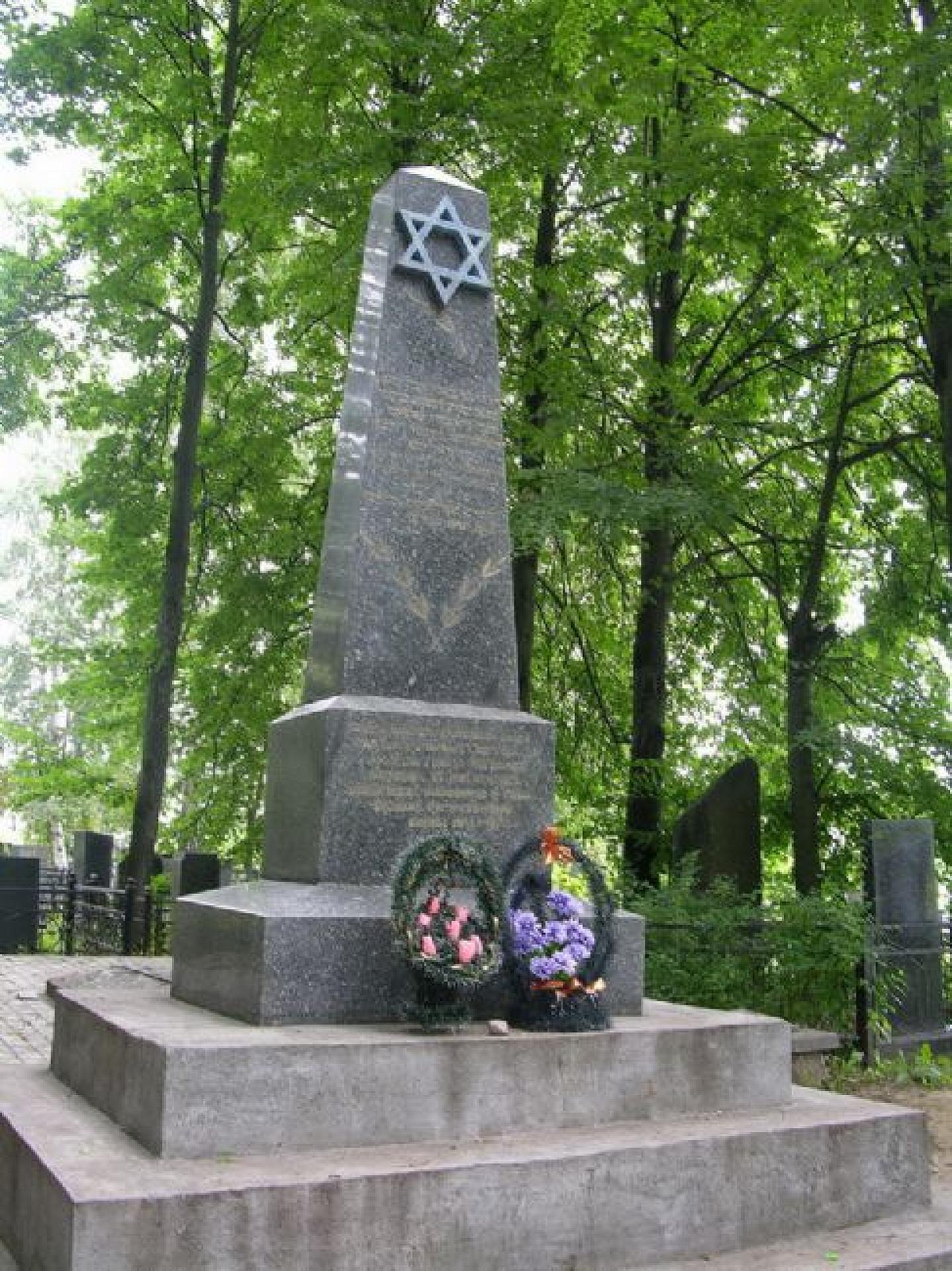
In 1950 a memorial was erected north west of Mogilev. The Russian inscription reads: »Here lie buried innocent civilians who were shot by the fascist occupants during the war«. On top of the memorial is the red star. The memorial on the Jewish cemetery was erected in 1953/54. It commemorates the first mass shooting in Mogilev on October 3, 1941. After the war relatives of the victims reburied the corpses from other mass graves on the Jewish cemetery. In 2003 the memorial was restored and a Star of David was added.
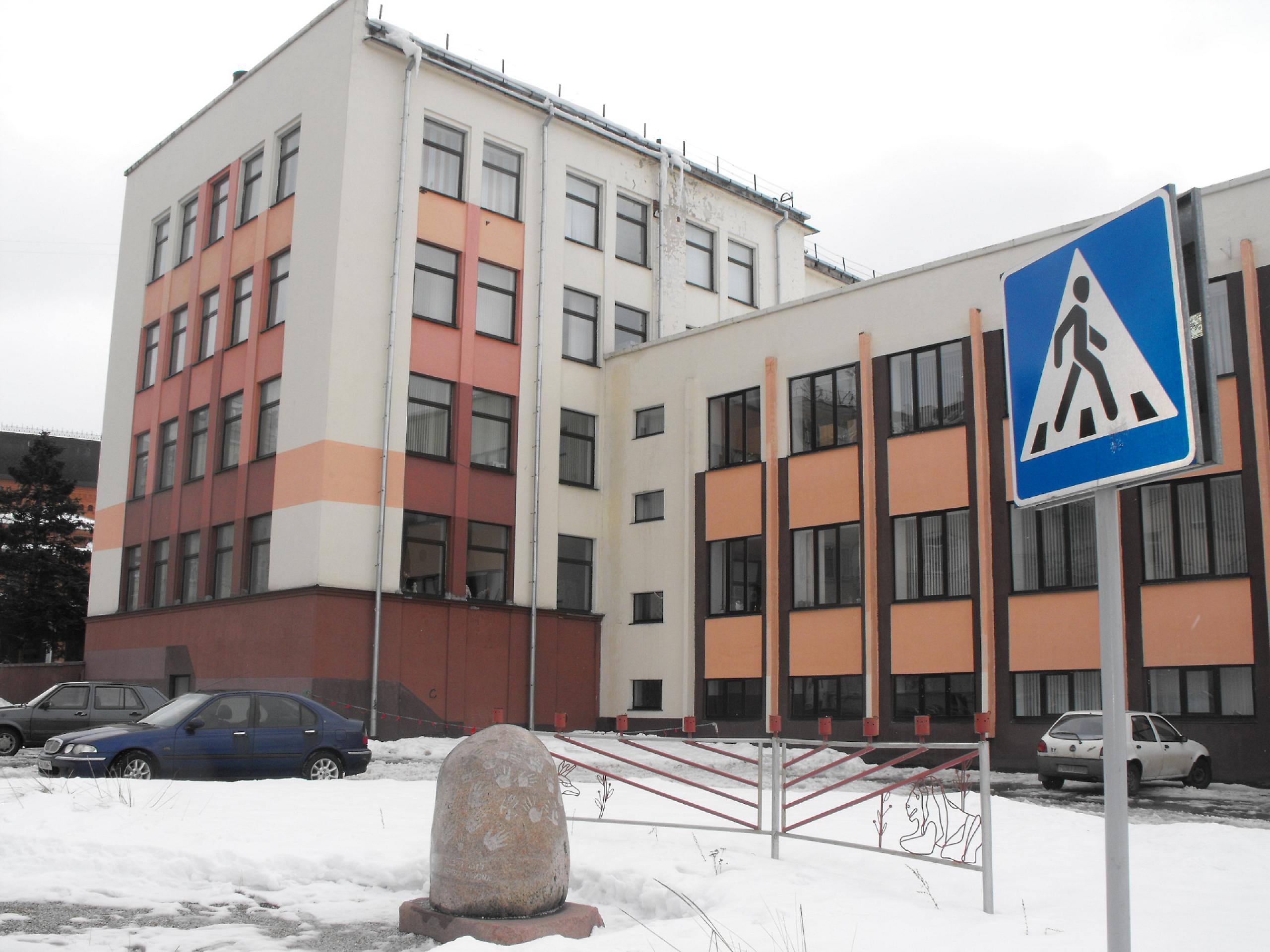
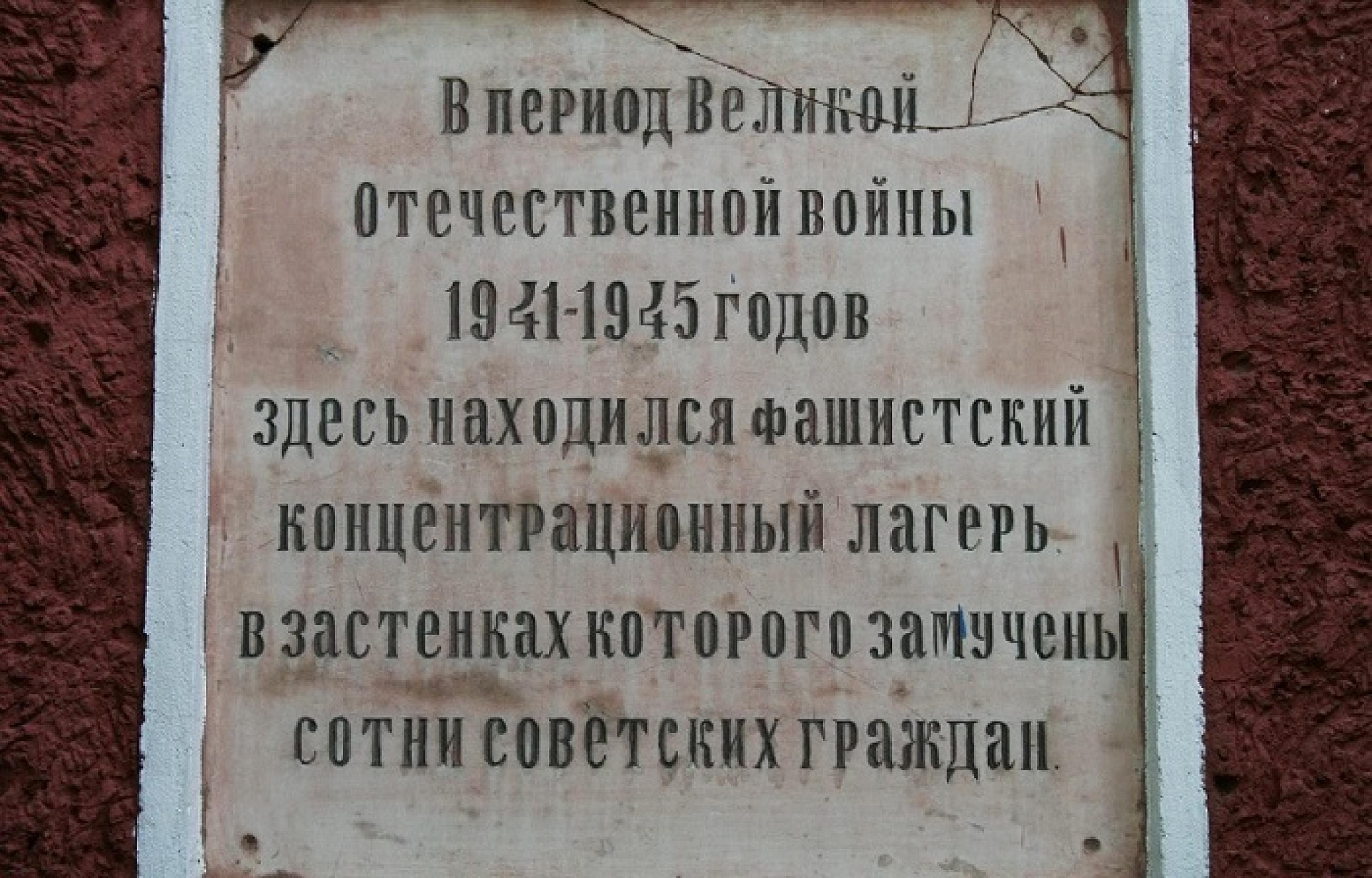
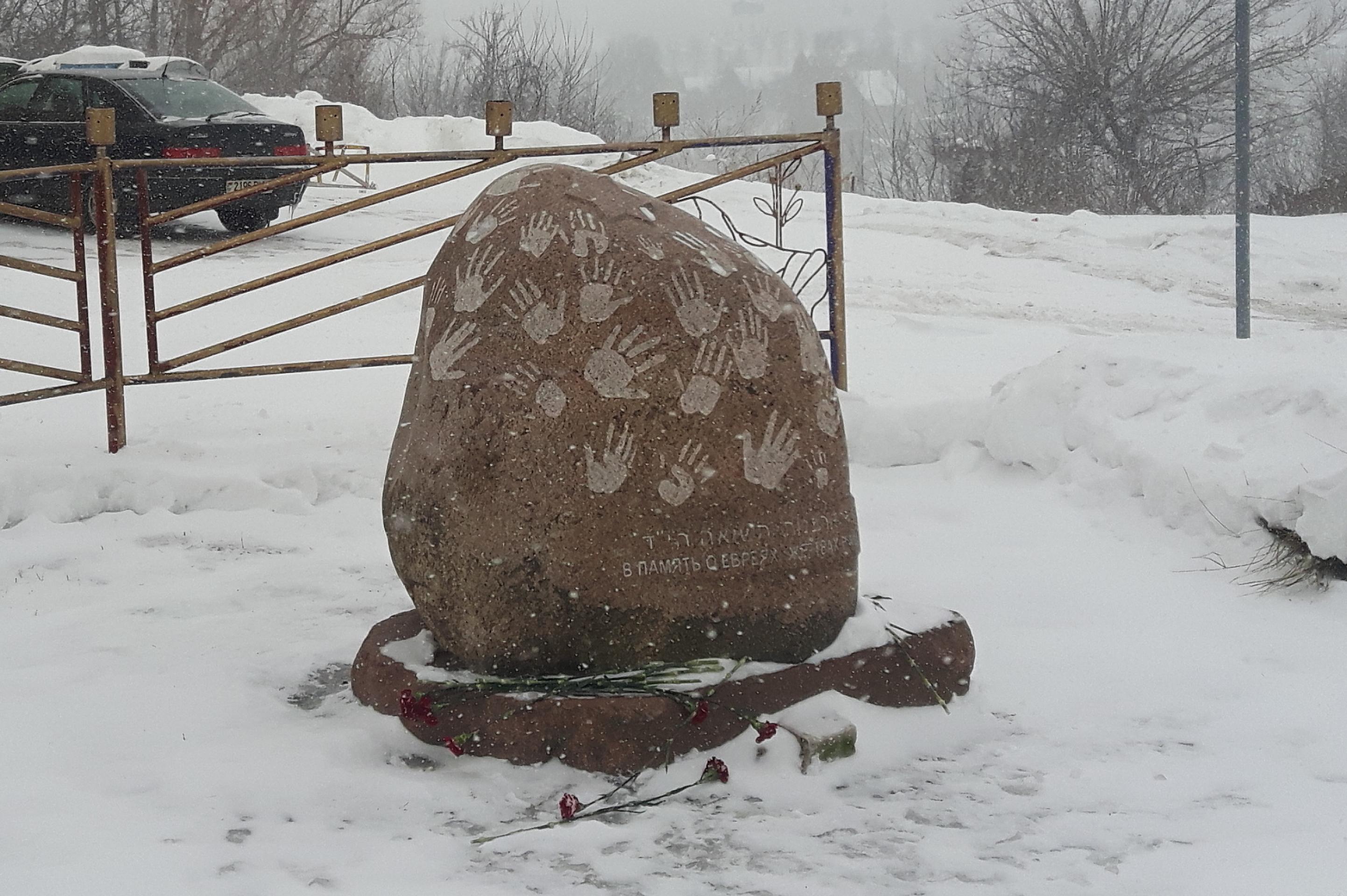
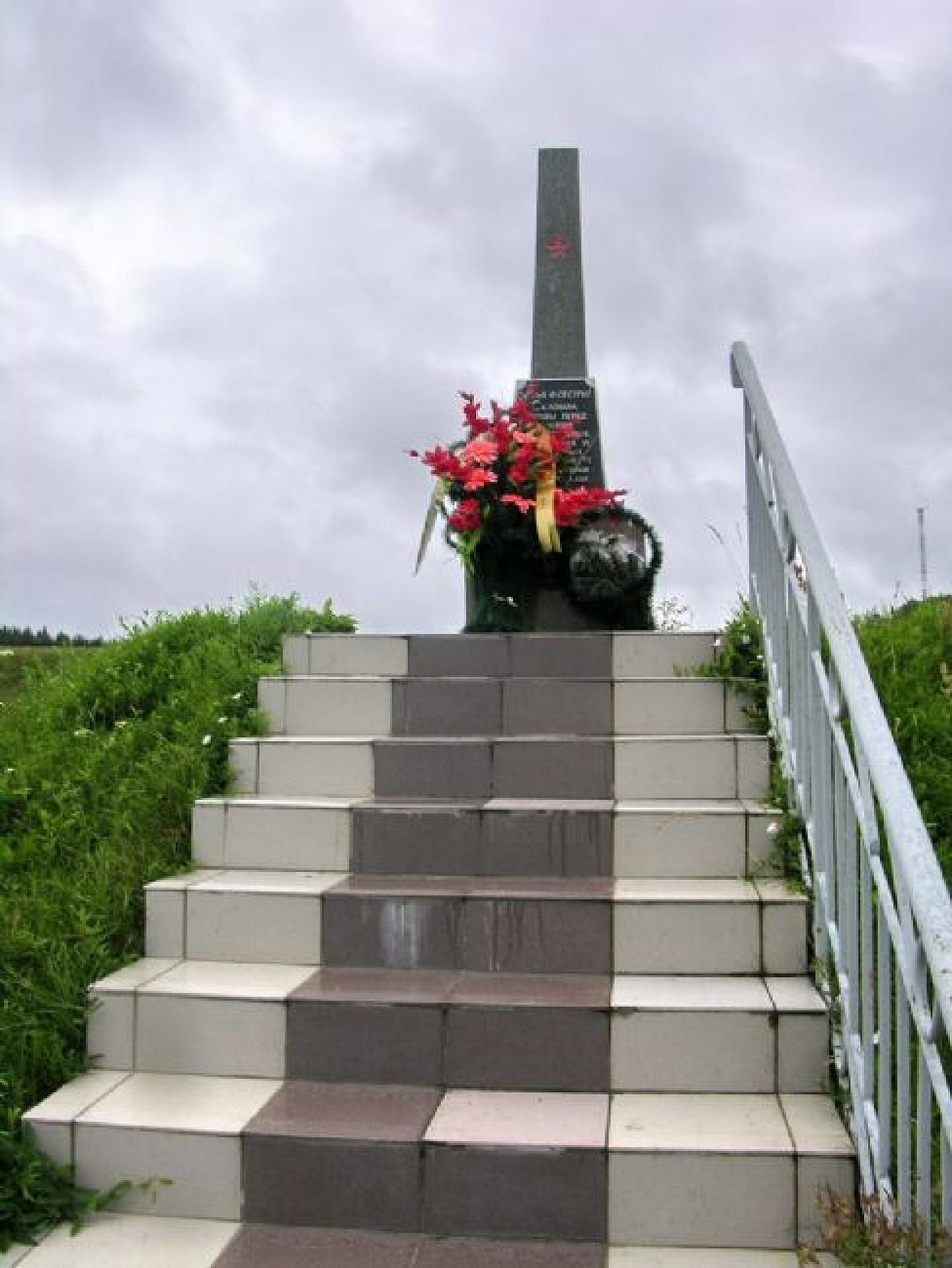
In 1968 a memorial mound was erected in the village of Polikovichi. Steps on the side of the mound lead to a memorial, its Russian inscription reads: »Bothers and Sisters! Let us lower our heads to commemorate the more than 10,000 of our fellow citizens who were shot, tortured and burned on this site by the fascist occupiers between 1941 and 1944«. The memorial was restored in 2002. In the 1990s a memorial stone was erected at the site of another mass shooting in the borough of Kazimirovka. On the initiative of the Jewish community a memorial remembering the victims of the Mogilev ghetto was erected in 2008. The memorial stone displays chiselled handprints. The Yiddish and Russian inscriptions read: »In remembrance of the Jews of Mogilev – Victims of National Socialism«. At the building of the factory »Strommashina« a memorial plaque remembers the victims of the labour camp.
Open
The memorial is accessible in the context of a visit of the Jewish cemetery. The other memorials are accessible at all times.
Contact
mogjewshistory@gmail.com
vul. Oltschinskaja
212030 Mogilew