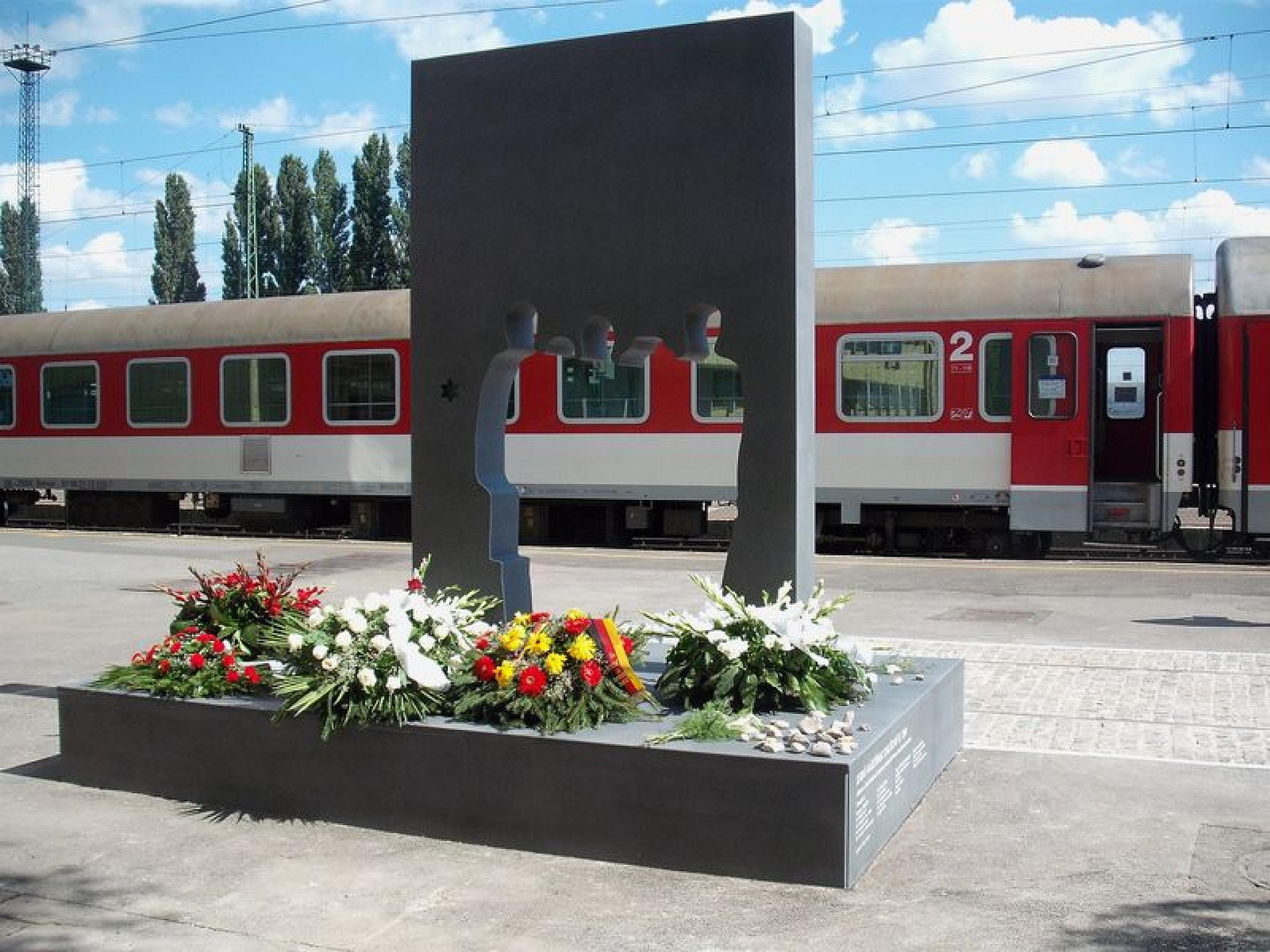
Several memorial plaques and monuments in the south-Hungarian mining and university city of Pécs commemorate the city's murdered Jews. In the summer of 2010, a memorial was dedicated at the central railway station.
History
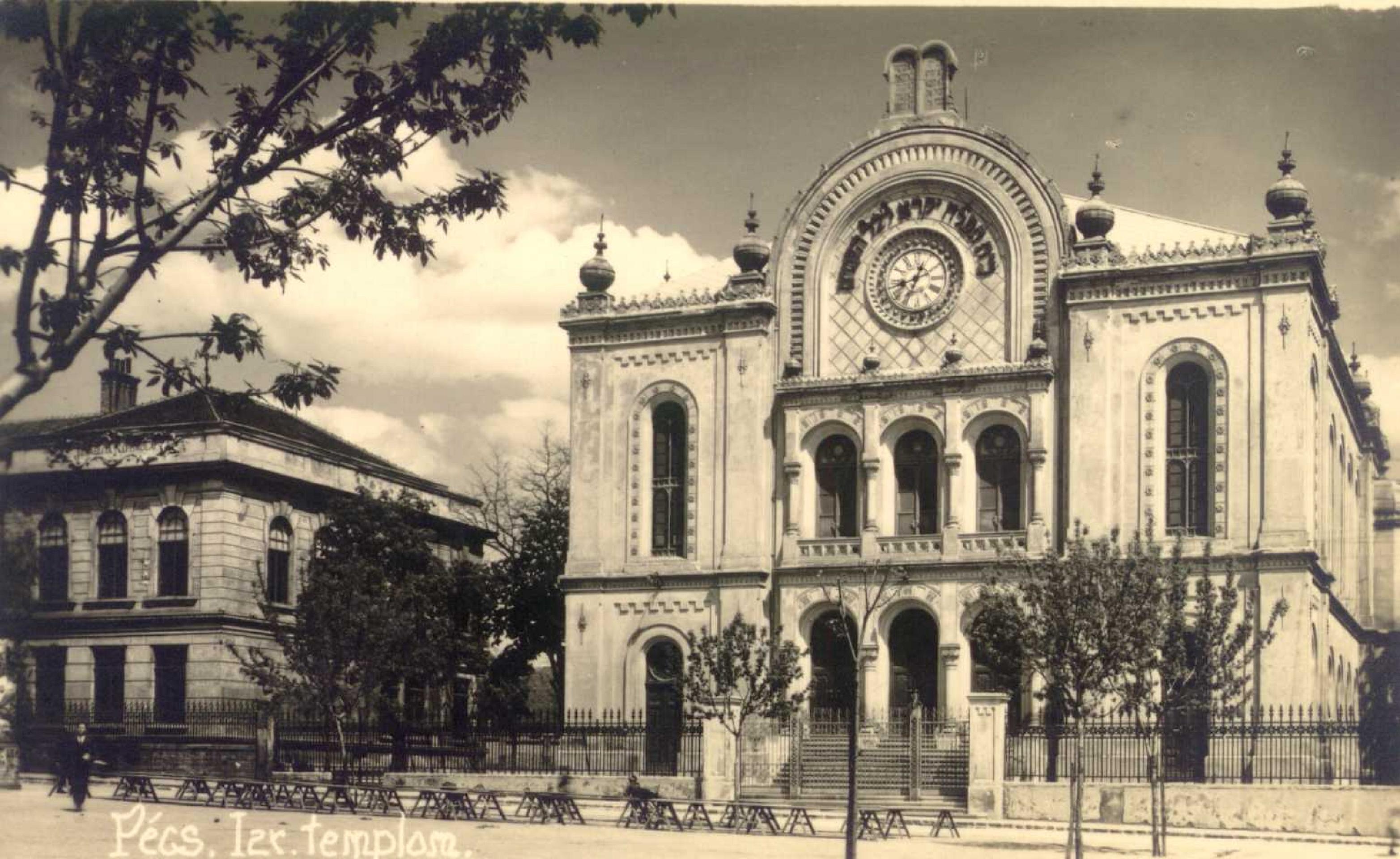
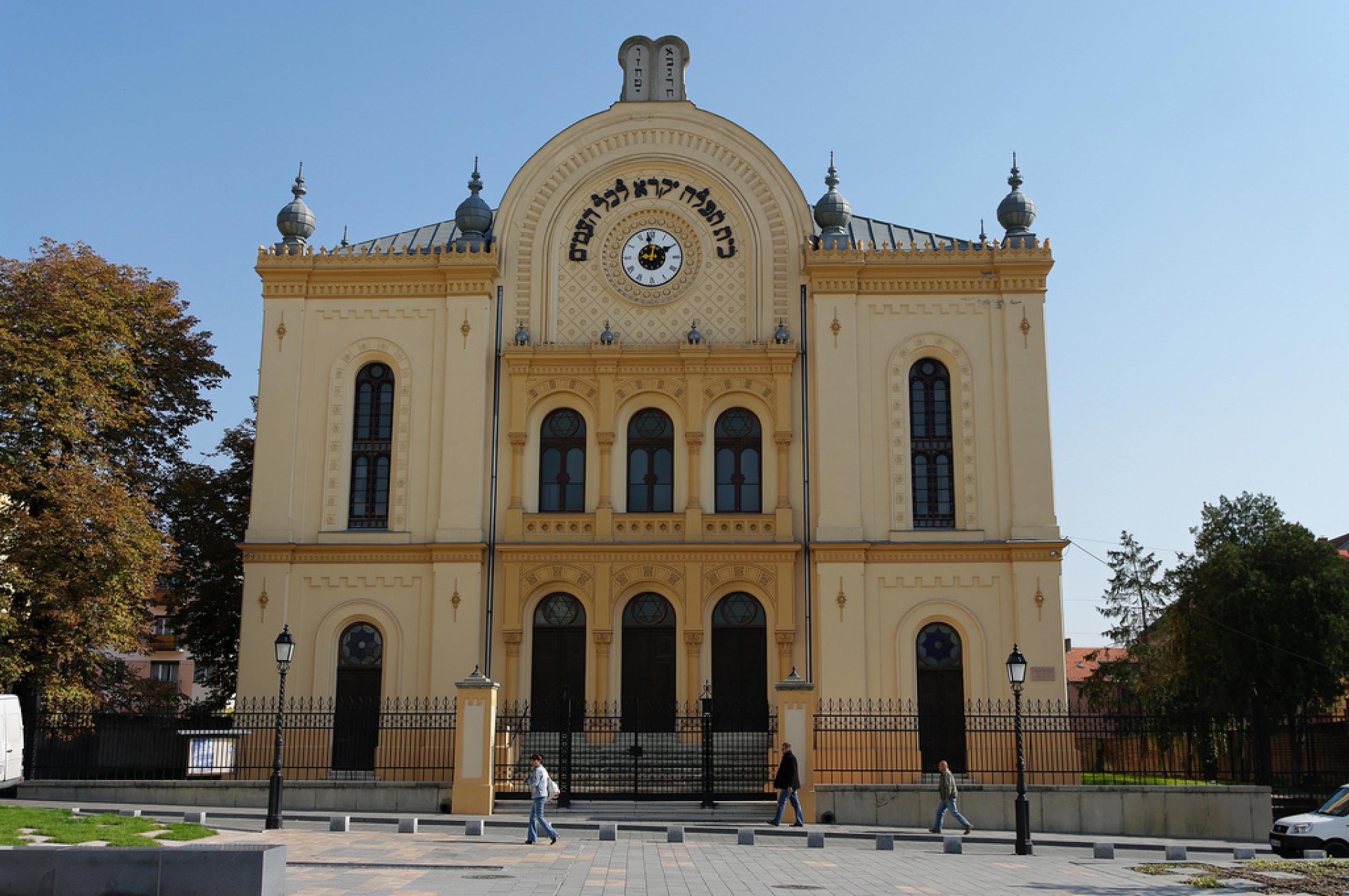
Pécs is one of the oldest cities in Hungary. It is located in the south-west, close to the Croatian border. Jews had lived here since the late 18th century; after 1840, their population increased rapidly. The city synagogue, built between 1865 and 1869, testified to the community's growing self-confidence. The Reform Jewish community of Pécs installed an organ in the synagogue, just like in the Great Synagogue in Budapest.
In 1941, there were 3,486 people of Jewish faith in Pécs, a further 534 were classified as Jews according to Hungarian law. Many Jewish men were drafted for labour service for the Hungarian army following the beginning of the war.
After the invasion of the German Wehrmacht on March 19, 1944, the Gestapo set up headquarters in Pécs and began introducing anti-Jewish measures in close coordination with the Hungarian authorities. A Judenrat was set up in March. In this early phase of German occupation, several wealthy Jews were deported by the SS to the Mauthausen concentration camp in Austria. In May, a ghetto was established; the Jews of Pécs as well as about 2,200 Jews from surrounding areas were forced to live there. For several weeks they were cramped into the small area of the ghetto without knowing what awaited them. At the end of June, the ghetto was evacuated and its residents taken to army barracks, yet not before their valuables had been confiscated by Hungarian authorities. The conditions at the barracks were catastrophic; many died of diseases which quickly spread. On July 4 and 6, 1944, Hungarian constabulary brought the Jews to the central railway station, where they were loaded onto freight cars and deported to Auschwitz-Birkenau.
Victims
The exact number of Jews deported from Pécs can no longer be determined. It is estimated that about 5,000 were deported, of which 2,700 came from Pécs and 2,300 from surrounding areas. Only few survived the deportations, mainly young women who were selected for forced labour in Auschwitz. A few hundred young men were not deported because they had been drafted for labour service before the German invasion of Hungary. In total, about 70 percent of the Jewish residents of Pécs were murdered.
Remembrance
The Jewish community of Pécs was formed anew directly after the war, comprising between 700 and 950 members. The synagogue remained intact and the community moved into offices nearby. However, the communist dictatorship hindered the Jews of Pécs in adhering to their traditions. Many Jews emigrated, others neglected or suppressed their Jewish roots.
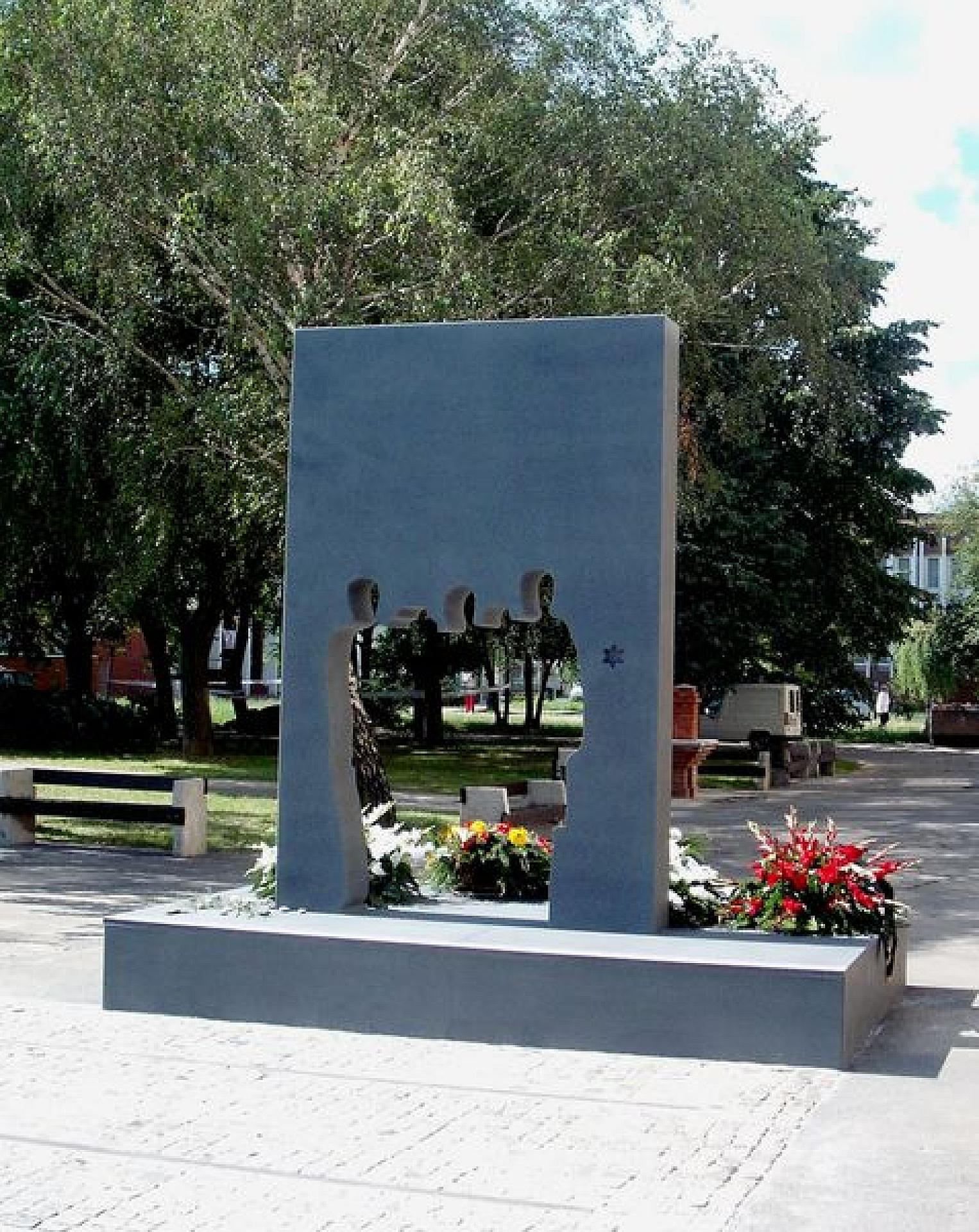
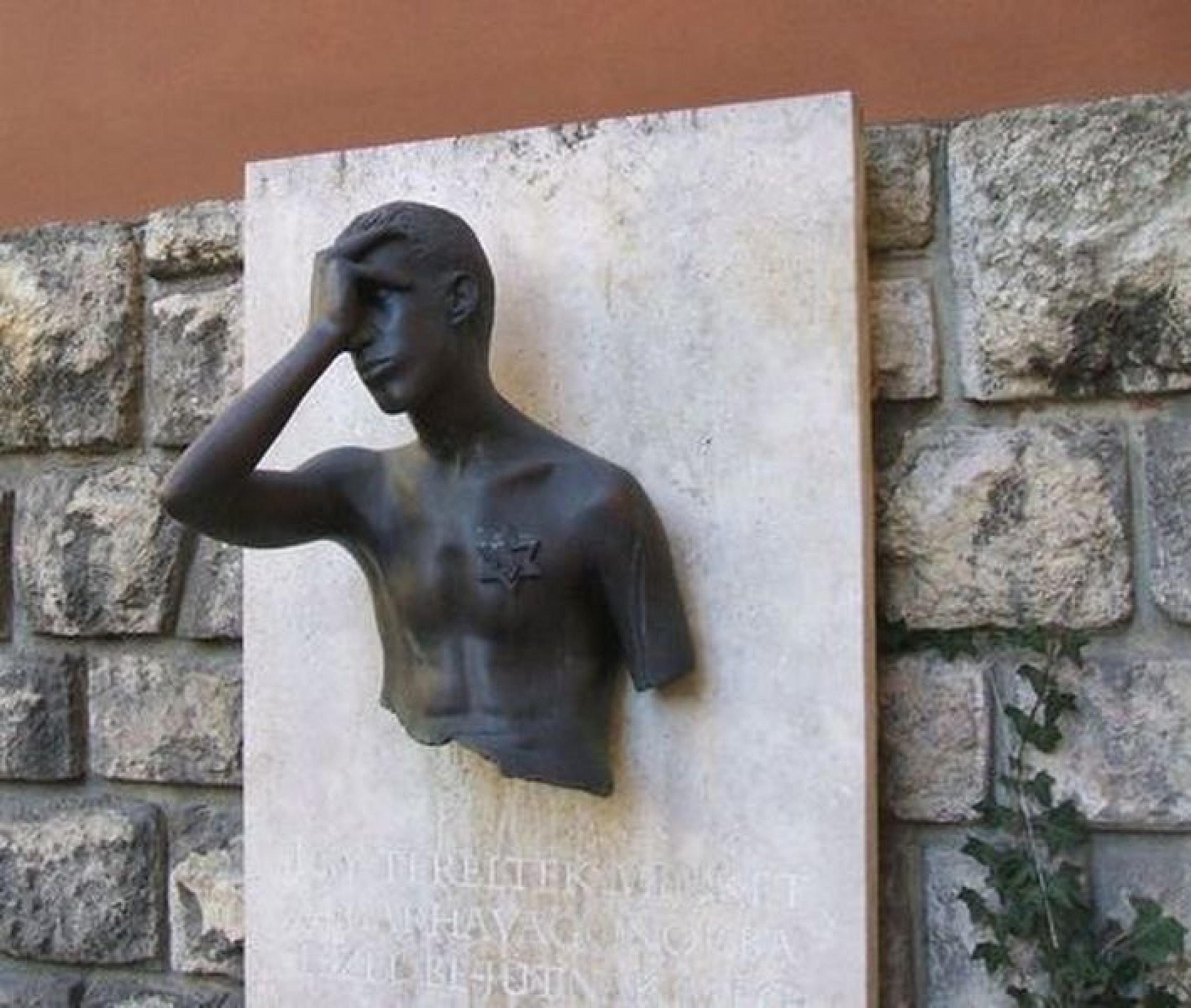
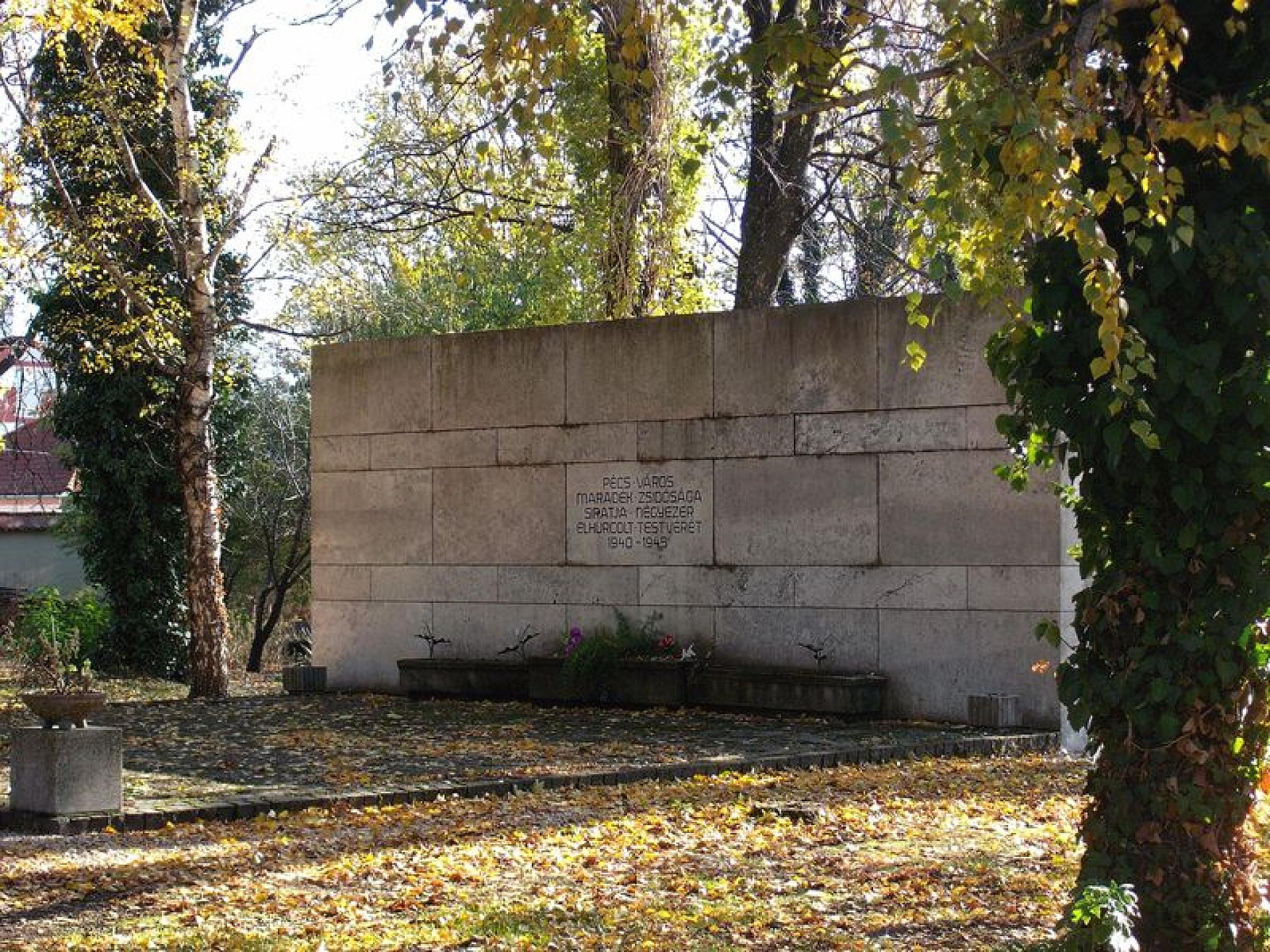
Over the decades, several memorials to the city's murdered Jews were set up. There is a memorial wall on the Jewish cemetery. The inscription reads: »The remaining Jewry of Pécs cries for its 4,000 deported brothers and sisters«. In 1988, a memorial plaque was affixed on one of the central buildings of the former ghetto. A relief on the building of the Jewish community, set up in 1999, commemorates the murdered children. Finally, in 2010, when Pécs held the title of European Capital of Culture, a »Memorial to the Jewish Martyrs« was dedicated on the central railway station. Designed by Gábor Illa, the monument depicts carved out silhouettes of five figures, thereby also pointing to the void created by the Holocaust. The memorial was brought about by a citizens' initiative, the »Pécs Memorial Foundation« (Hungarian: Pécs Emlékezete Alapítvány), founded in 2009. By erecting the memorial, this Christian organisation wanted to pay homage to the victims of the Holocaust from Pécs. The monument was fully funded by donations.
Open
The memorial is accessible at all times
Contact
Am Hauptbahnhof
7623 Pécs