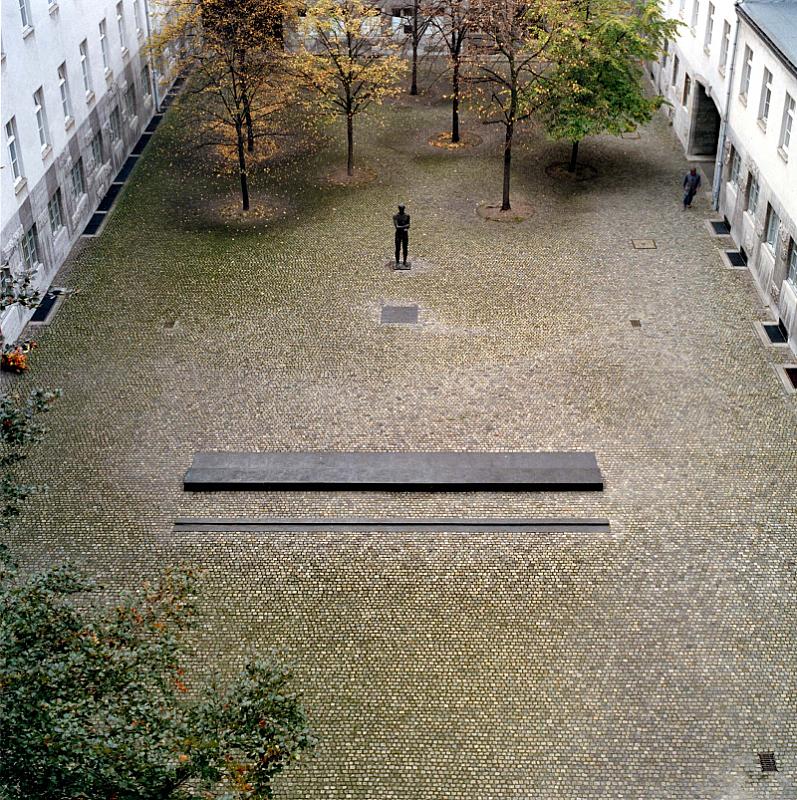
Memorial to the Jews Murdered at the Kalevi-Liiva Dunes
Mälestusmärk Kalevi-Liival Mõrvatud Juutide
Two memorials in the Kalevi-Liiva dunes, located about 35 kilometres east of Tallinn, honour the German and Czech Jews and Estonian Roma who were murdered by Estonian policemen in 1942/43.
History
After the German invasion of Soviet occupied Estonia in the summer of 1941, Jews, »Gypsies« and others fell victim to National Socialist terror. By the end of 1941, members of Einsatzgruppe A (mobile killing unit) and their Estonian helpers shot about 1,000 Jews. The SS subsequently declared the country to be »judenfrei« – free of Jews.
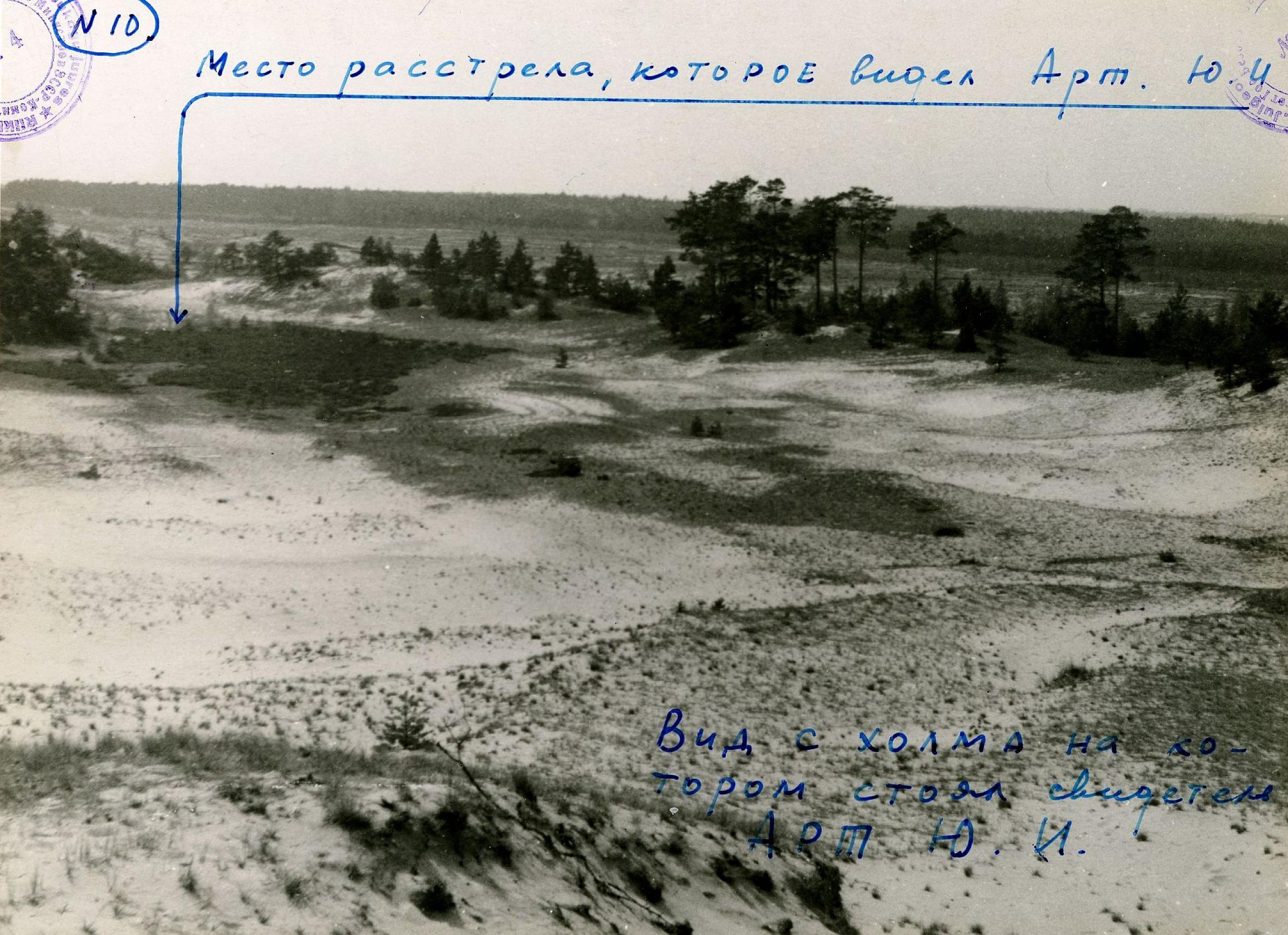
In 1942, the German occupying authorities established several forced labour camps in Estonia, one of them in Jägala. The purpose of these camps was above all the exploitation of shale oil. Many of the forced labourers were Jews. On September 5, 1942, a train arrived on the train station of Raasiku with 1,002 Jewish deportees from the Ghetto Theresienstadt (Czech: Terezín), a further train arrived with 1,049 Jews from Frankfurt am Main and Berlin on September 30. In both cases, German security police conducted a »selection«: up to 250 women and men were selected for forced labour, most of them for the camp in Jägala. The remaining over 1,600 Jews were subsequently shot by Estonian policemen in the Dunes of Kalevi-Liiva. The corpses were covered in sand. In the following months, numerous Jews but also Estonian Roma were murdered in the same way in Kalevi-Liiva.
Victims
In 1942/43, Estonian policemen shot between 1,800 and 2,000 people in the Dunes of Kalevi-Liiva, most of them German and Czech Jews, but also Estonian Roma who were persecuted as »Gypsies«.
Remembrance
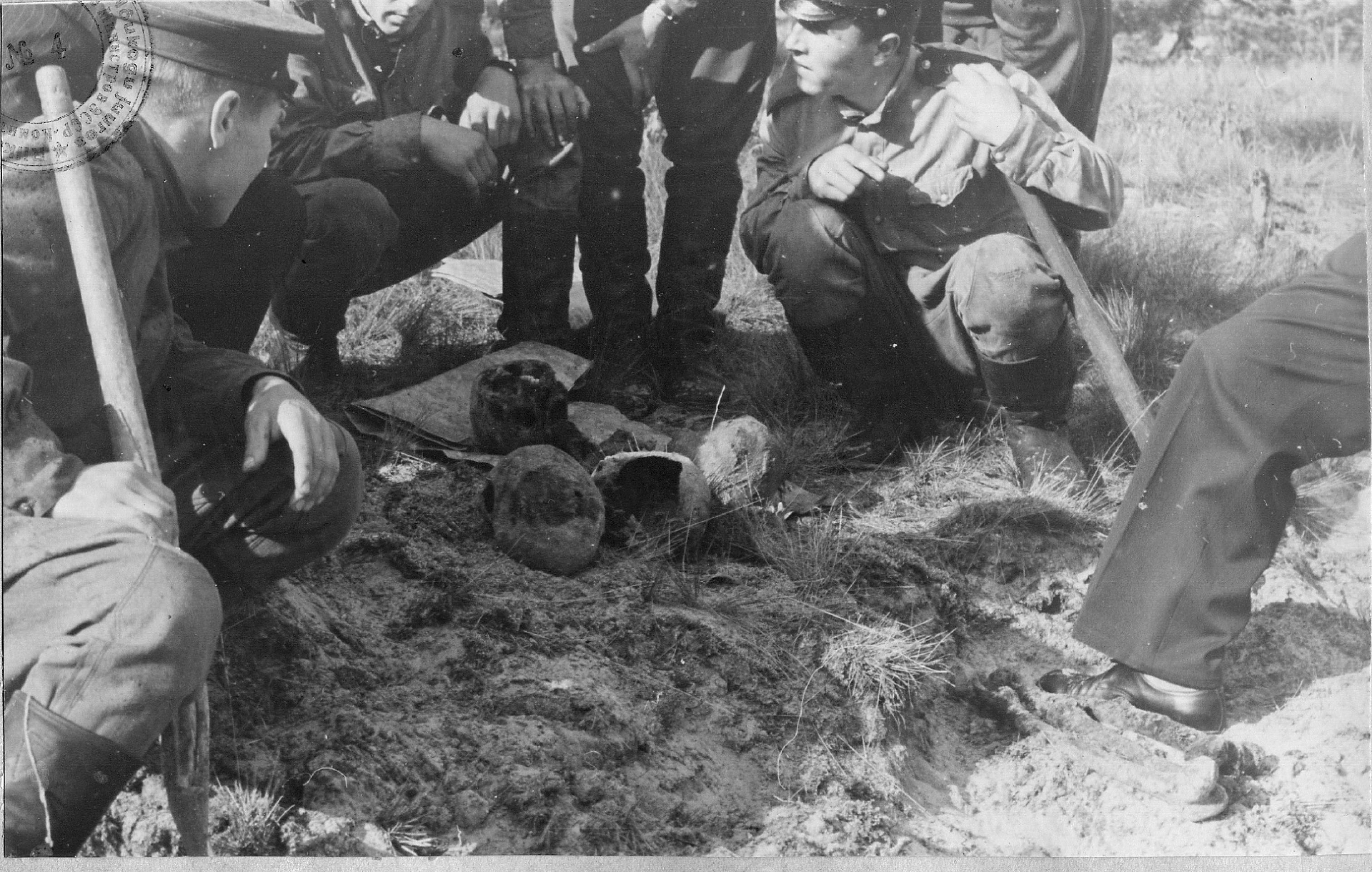
The murder site of Kalevi-Liiva first raised public awareness in 1960/61 because of a trial which was conducted in Soviet Estonia against former Estonian policemen. As a result, the Soviet authorities set up a first memorial to the victims of the murders in 1961. The fact that most of the victims were Jewish was not mentioned on the memorial.
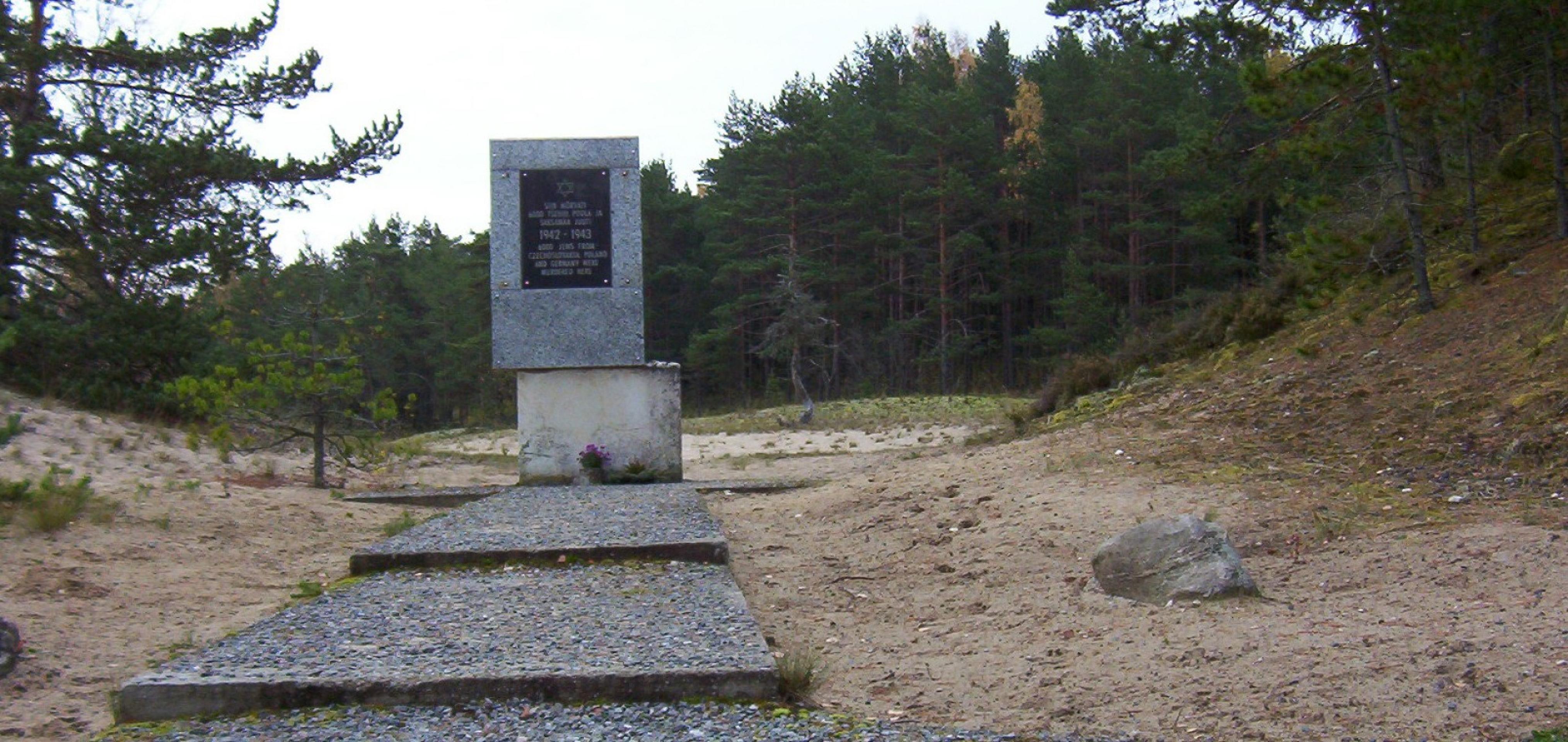
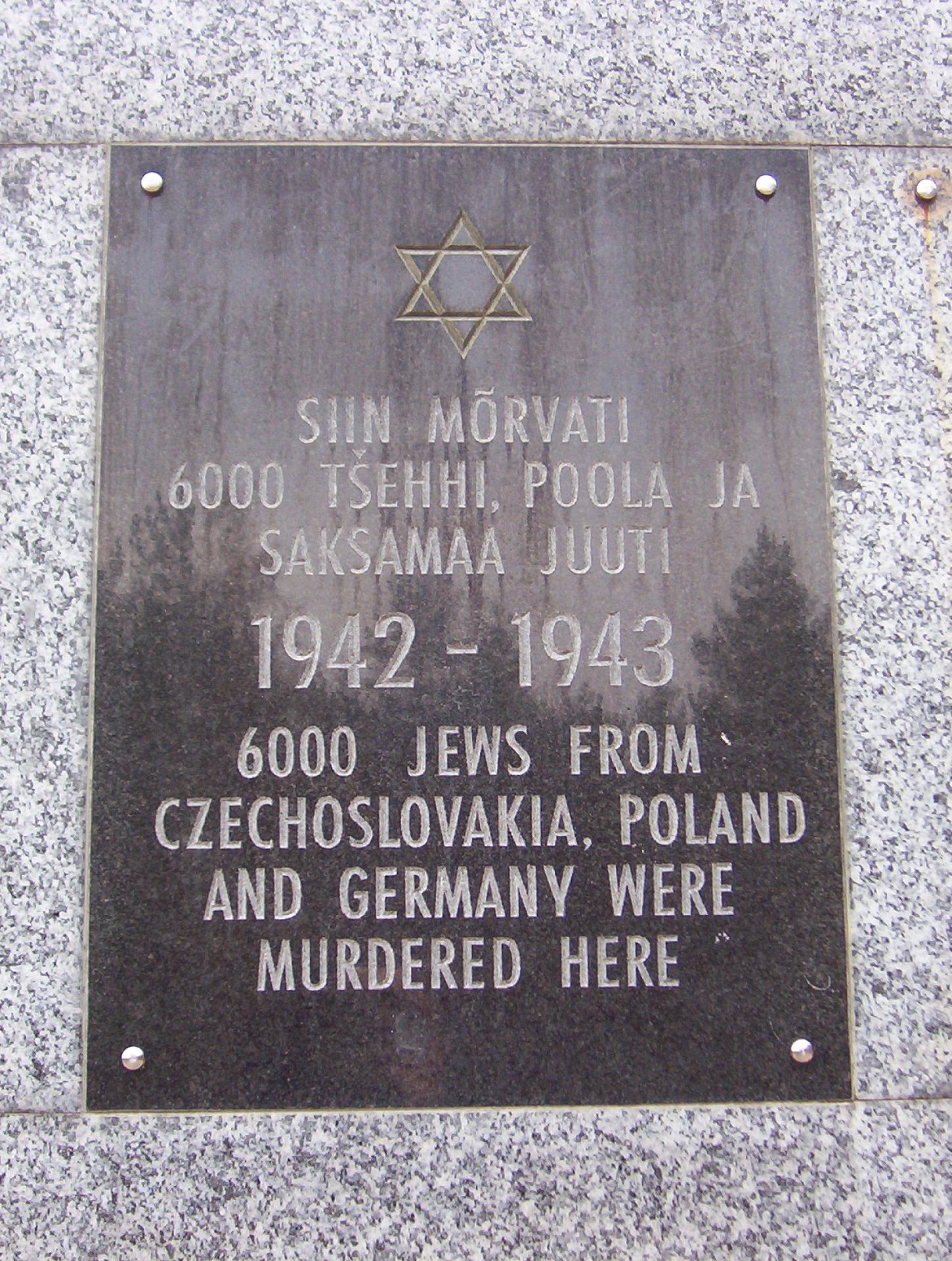
On June 1, 1995, the minister of culture of Estonia, which had regained its independence in 1991, placed the Kalevi-Liiva dunes under special state protection as a murder site and mass grave. In the following year, a new memorial was dedicated on the initiative of the Jewish community. It bears the following inscription in Estonian and in English: »6,000 Jews from Czechoslovakia, Poland and Germany were murdered here in 1942–1943«. The number 6,000 is based on Soviet data and cannot be verified.
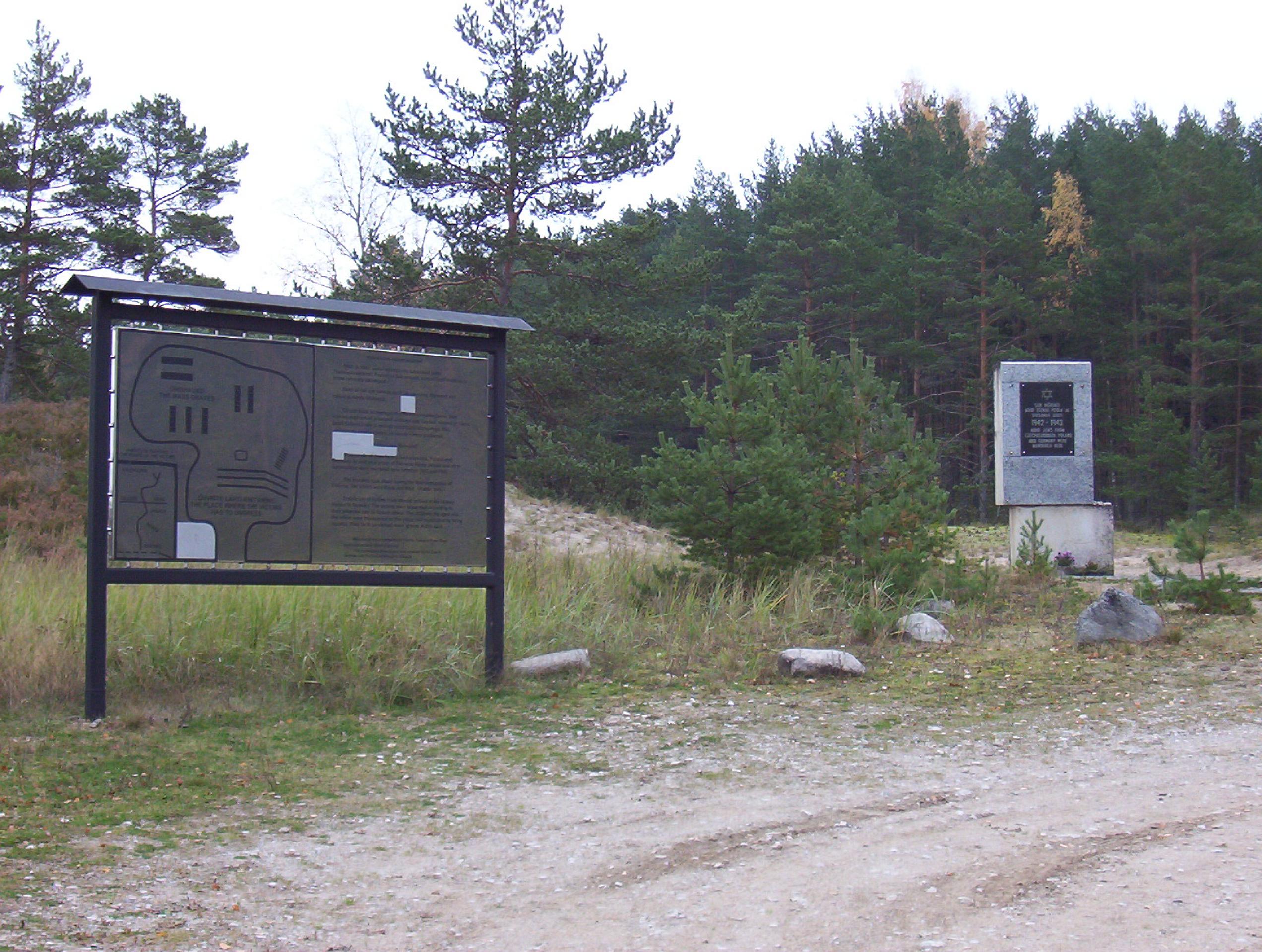
In 2002, the embassies of Germany, Poland and the Czech Republic set up an information plaque in front of the memorial in cooperation with the Jewish community.
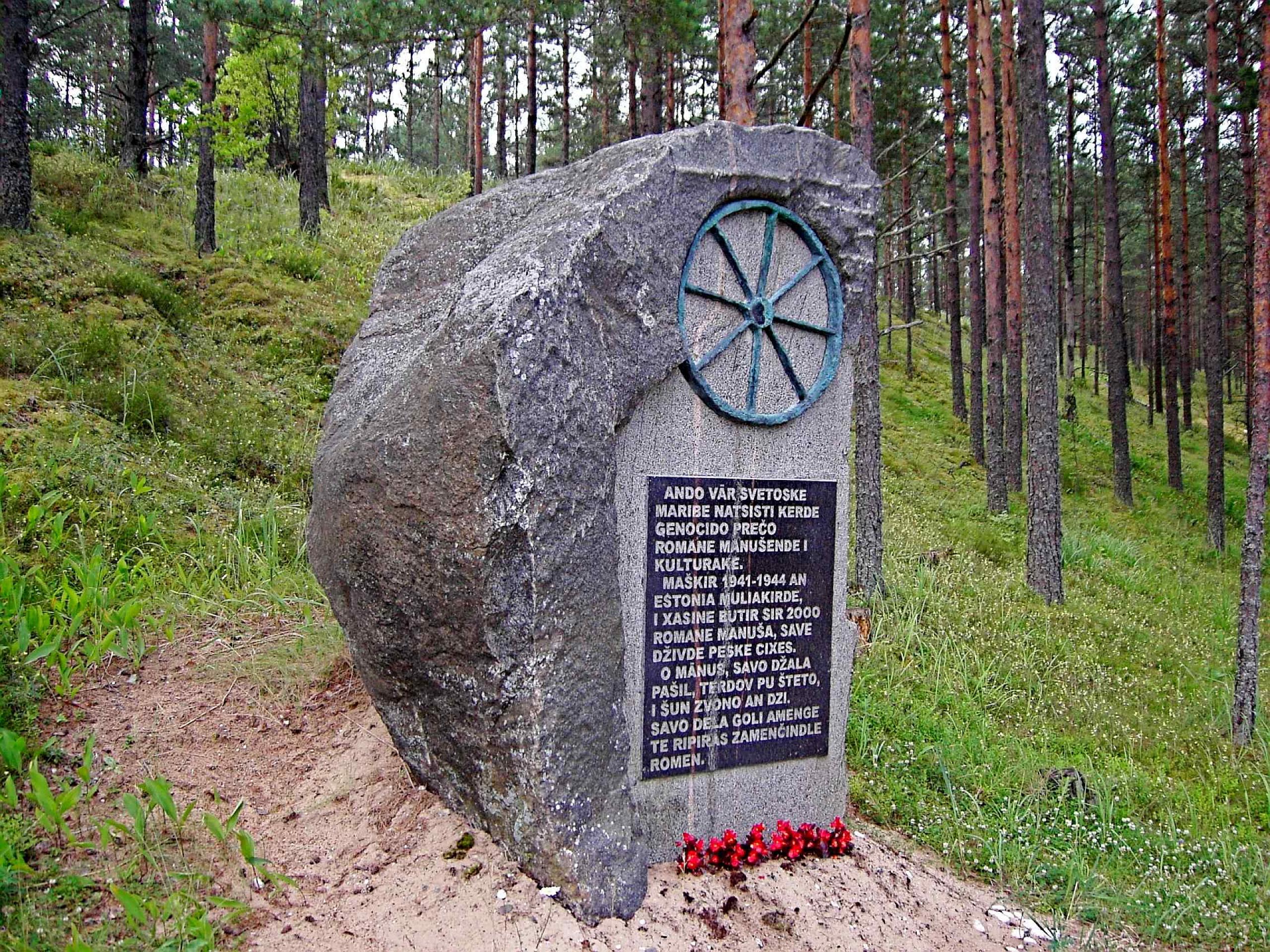
Moreover, there is a memorial stone to approximately 2,000 murdered »Gypsies« depicting a wheel (the symbol of the Roma) and an inscription in Romany and Estonian. Recent research has shown, however, that there were only about 750 Roma living in Estonia at the time of the German invasion.
Each year, commemorative ceremonies are held on September 5, the anniversary of the first shootings at Kalevi-Liiva in 1942.
There is no memorial on the premises of the formed forced labour camp in Jägala.
Open
The memorial site is accessible at all times.
Contact
74211 Kalevi-Liiva