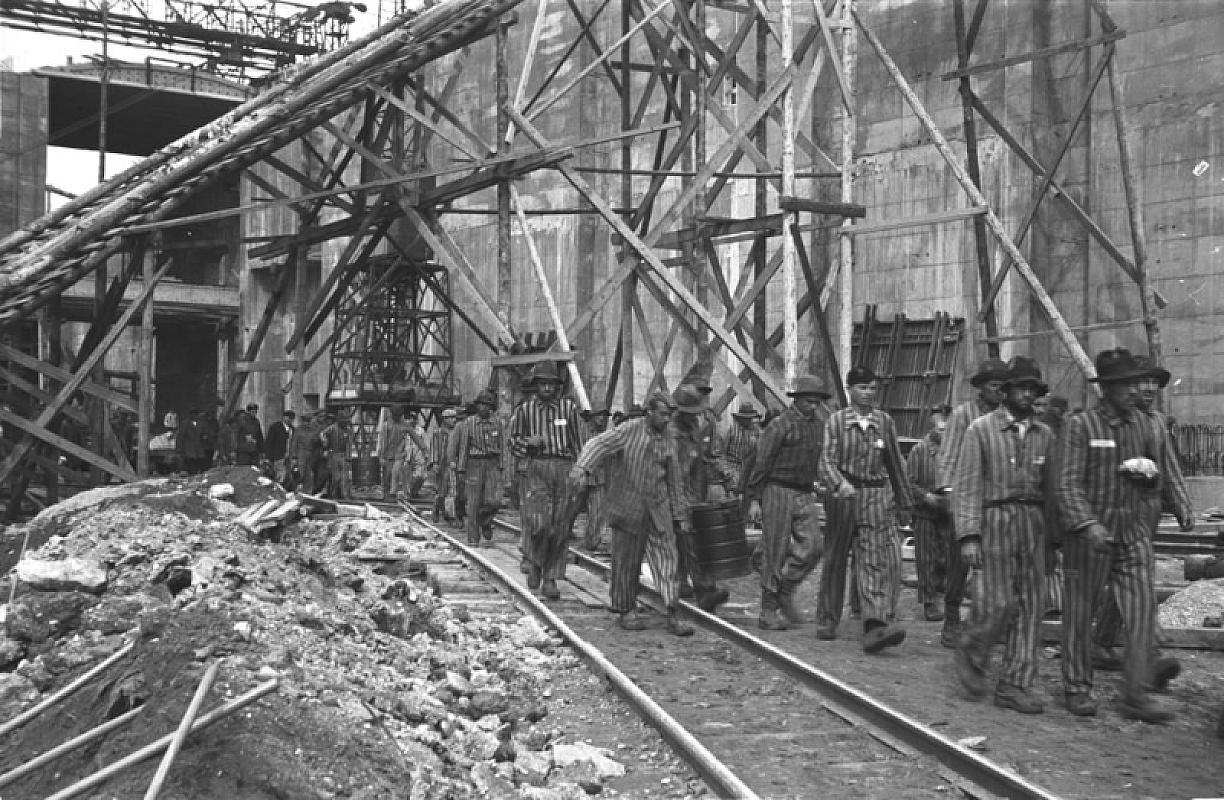
Memorial to the Jews of Barashi and the Surrounding Area
Меморіал євреям Барашів і околиць
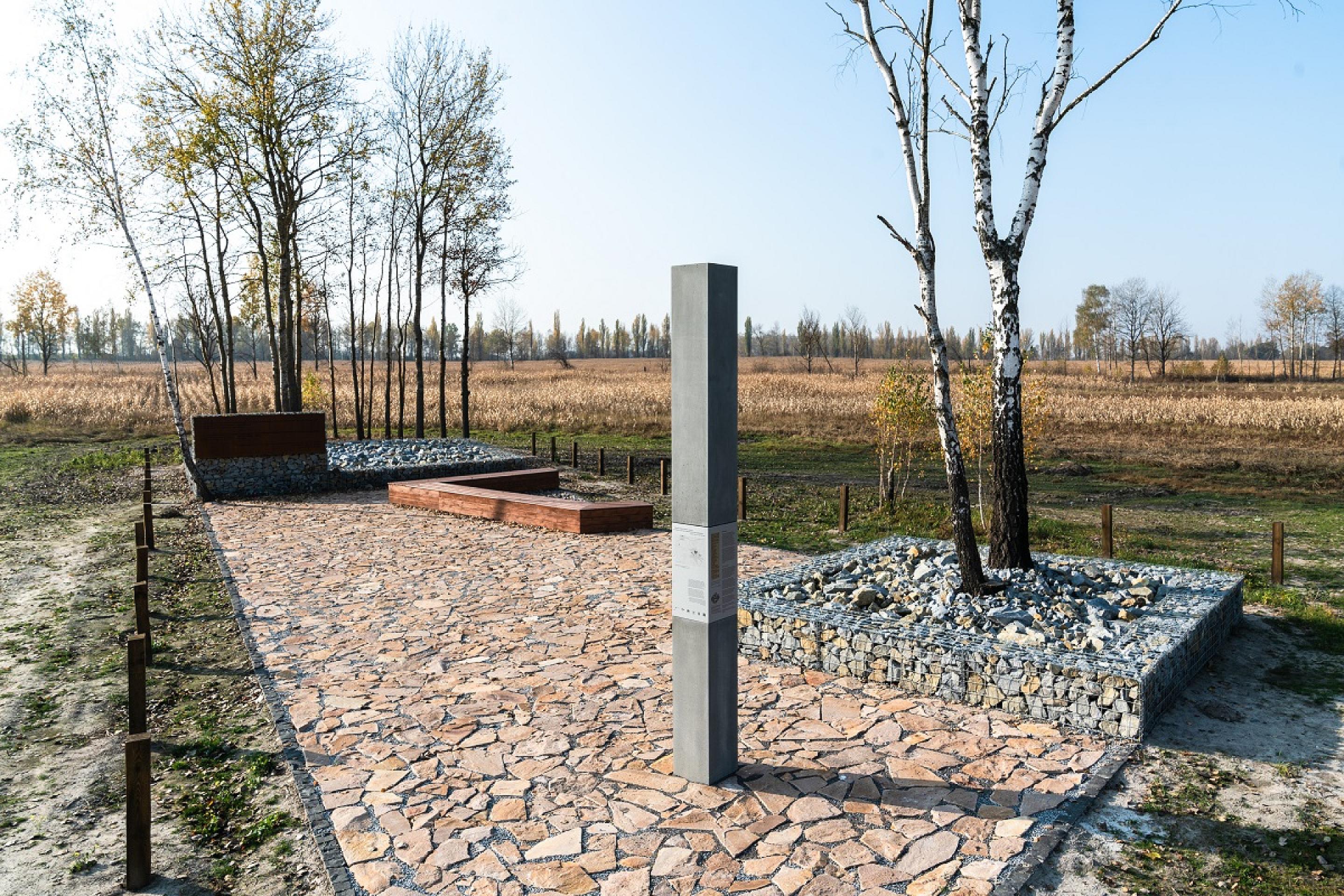
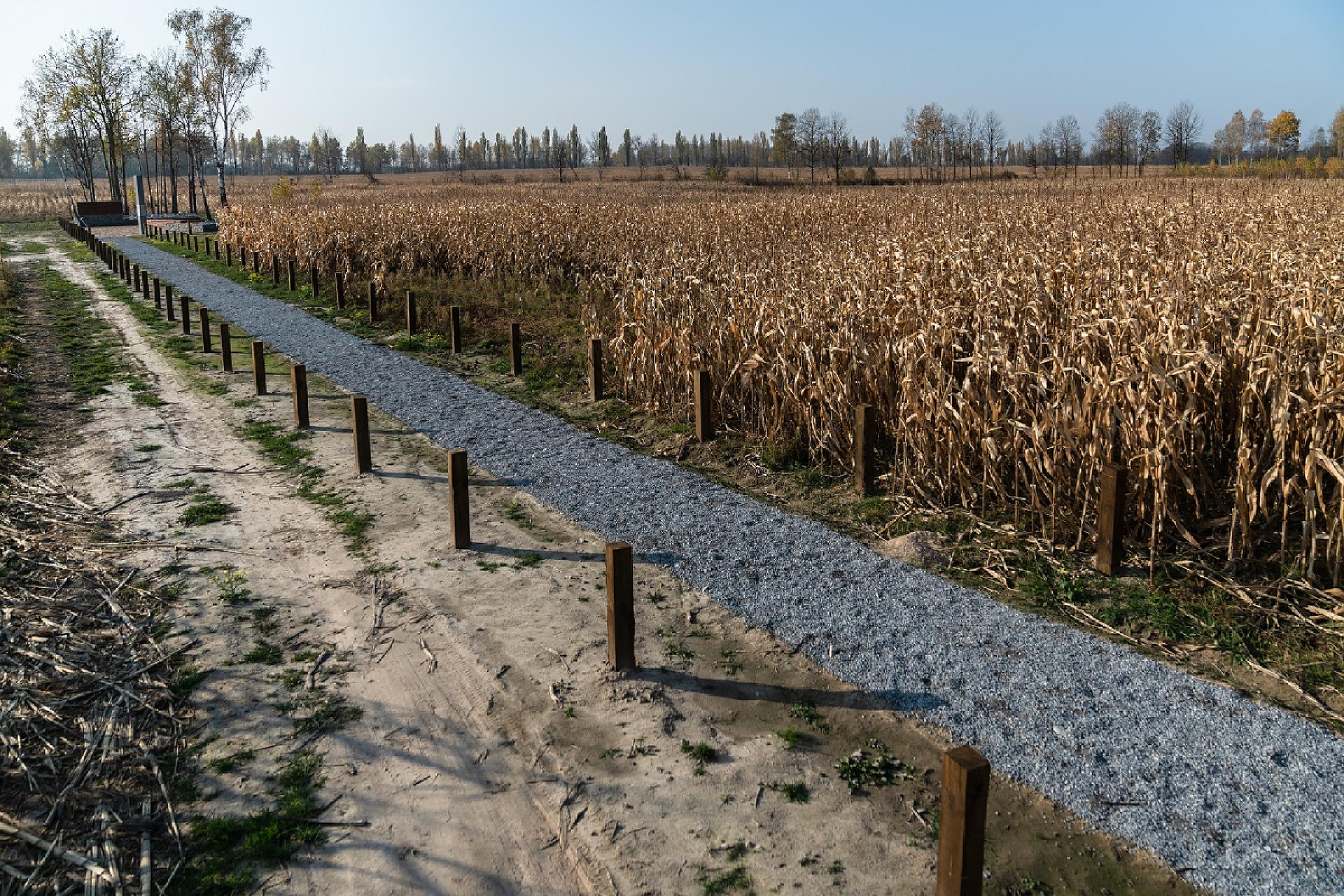
Since autumn 2019 a memorial commemorates the murdered Jews of the village of Barashi. The memorial was set up as part of the project »Protecting Memory«, which is funded by the German Foreign Office.
History
Barashi is a village in the Volhynia region about 50 kilometres to the north-west of Zhytomir. The first written record of Barashi is from 1566. Around 1750, a small Jewish community has already existed there. After the partition of Poland in 1793, Barashi belonged to the Russian Empire. In 1897, Barashi had 2,250 inhabitants with 338 Jews among them – 15 percent of the total population.
After the First World War, Barashi belonged to Ukraine and the Soviet Union respectively. In 1939, 320 Jews lived there, equivalent of around ten percent of the whole population. A further few hundred Jews lived in the villages of the surrounding areas.
The German Wehrmacht captured Barashi on July 20, 1941, about a month after its attack on the Soviet Union. At this point only 43 Jews had remained in the town, all others having had fled. Immediately after the arrival of the German troops Jews had to wear signs and conduct forced labour. At the end of August, a group of about 30-40 Jewish men and women were brought from the nearby town of Yemilchyne to a spot near Barashi and shot there. Many of the perpetrators were ethnic German inhabitants from the region.
In September 1941 all Jews from the surroundings had to settle in Barashi, so that their number rose to 166. In an »Aktion« that took place presumably on November 1, 1941, the vast majority, at least 95 persons, were murdered. First a group of around 20-25 men were led to a field near a road a few kilometres to the west of Barashi where they were ordered to dig a large pit. Some of them had to use their bare hands. Later, the Jewish men, women and children were led in small groups to the pit, where they had to undress and lie down in the pit, upon which they were shot. The perpetrators were presumably members of German gendarmerie units and assisted by local Ukrainian auxiliary police.
Victims
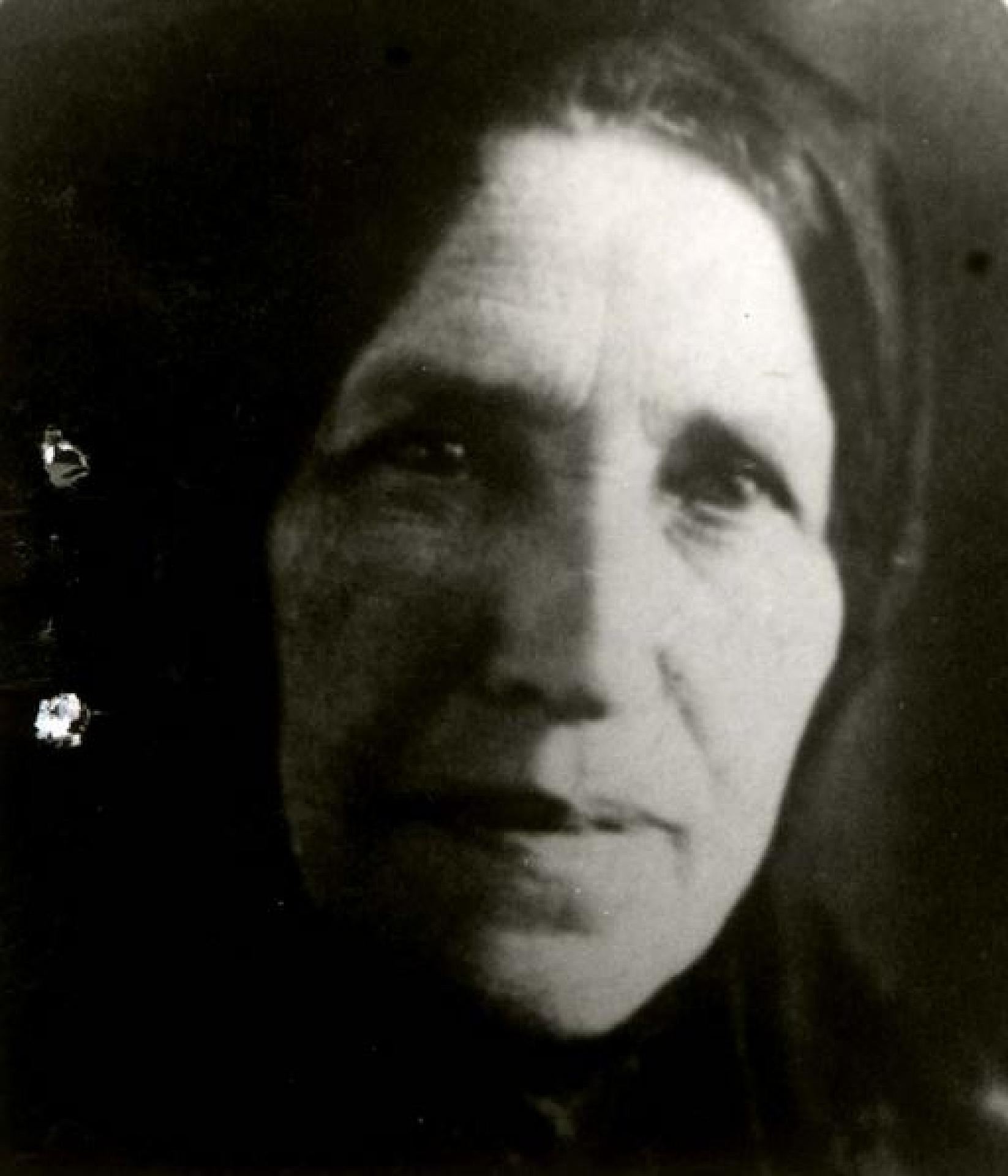
At the end of October or the beginning of November 1941 German units shot at least 95 Jews from Barashi and surroundings. More than 170 Jewish men, women and children from Barashi and its neighbouring settlements were murdered during the occupation. It is probable that many Jews who had managed to escape from Barashi before the Wehrmacht entered the town were also murdered during the Holocaust.
Remembrance
Only a few individuals seem to have survived the Holocaust in Barashi. At least one Jewish toddler survived because it had been hidden by a Ukrainian family while his mother joined the partisan movement.
The Soviet Army liberated Barashi on January 1, 1944. Shortly afterwards a Soviet commission of special investigation collected evidence about German crimes and initiated proceedings against local collaborators.
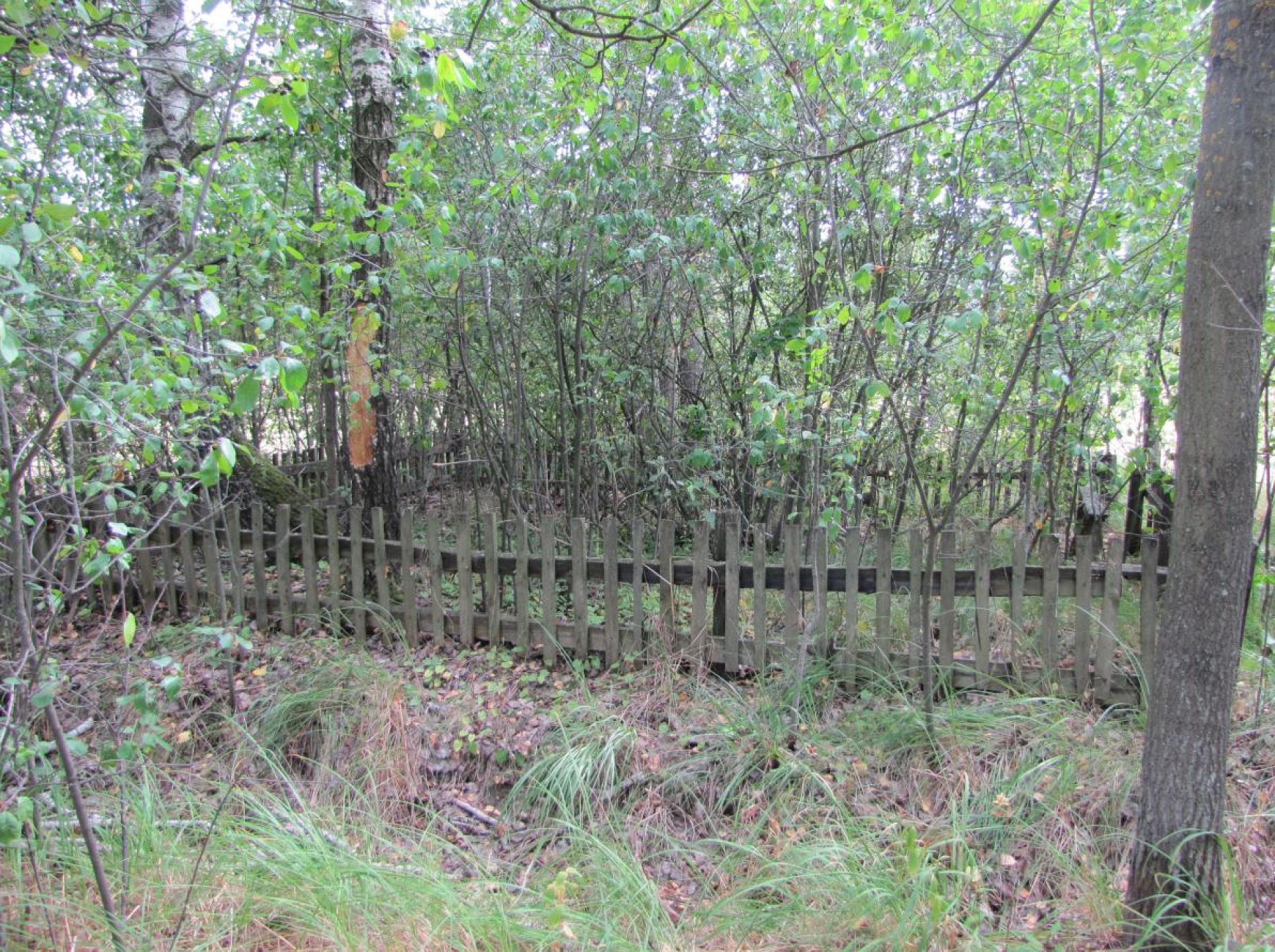
In 1946, local residents and returning survivors marked the grave of the victims of the mass shootings of November 1, 1941 by creating a small mound and putting a fence around it. The same was done at another location, although to this day it remains unclear whose remains lie there.
At the beginning of the 1990s, only very few Jews lived in Barashi. Today, there are none.
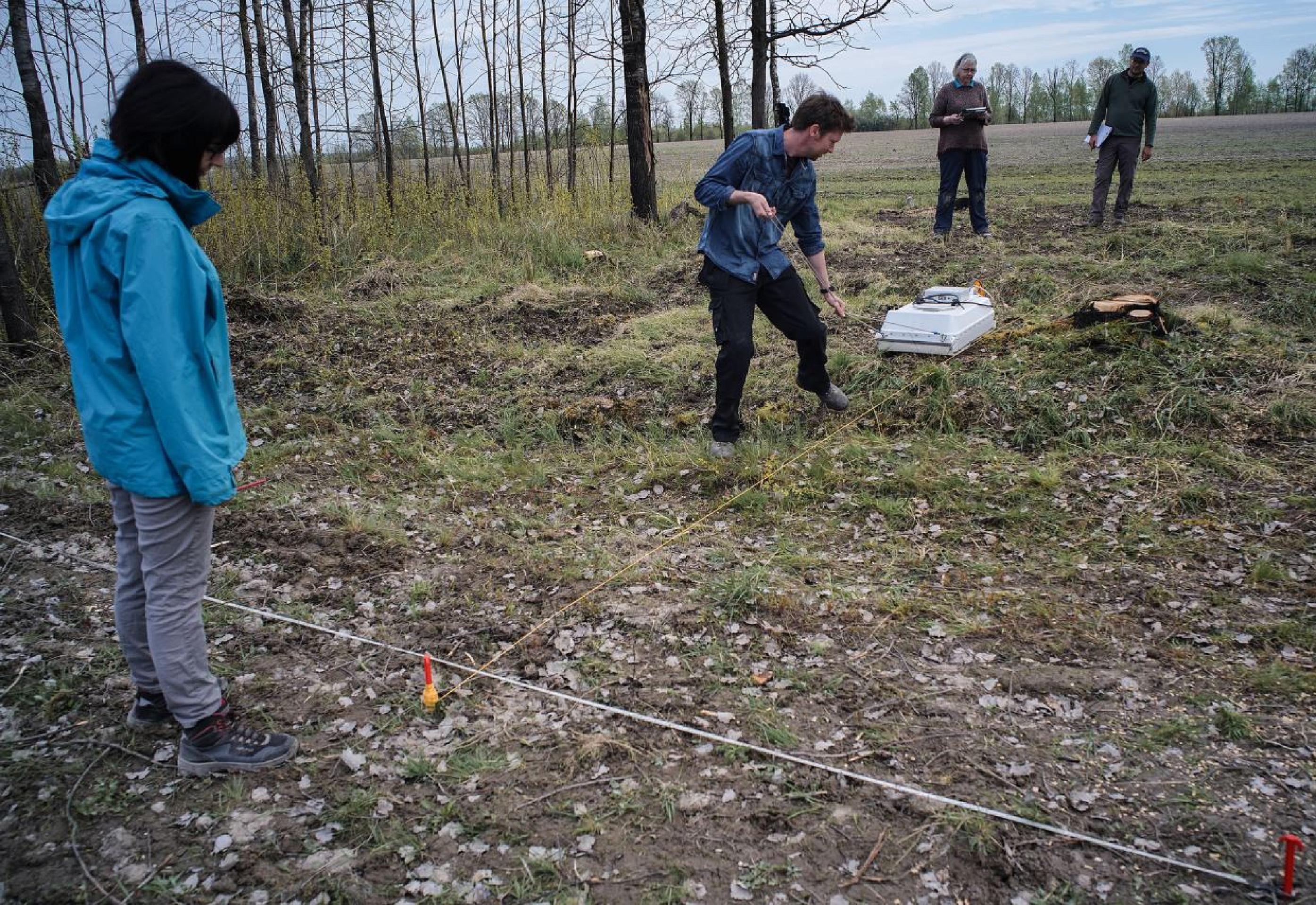
In April 2017 non-invasive forensic investigations were carried out by a team of archaeologists, coordinated by members of the international »Protecting Memory« project which is located at the Berlin office of the Foundation Memorial to the Murdered Jews of Europe in Berlin. Both mass graves have been investigated and their size exact location and size determined. Jewish religious tradition prohibits the opening of the graves so human remains stay undisturbed.
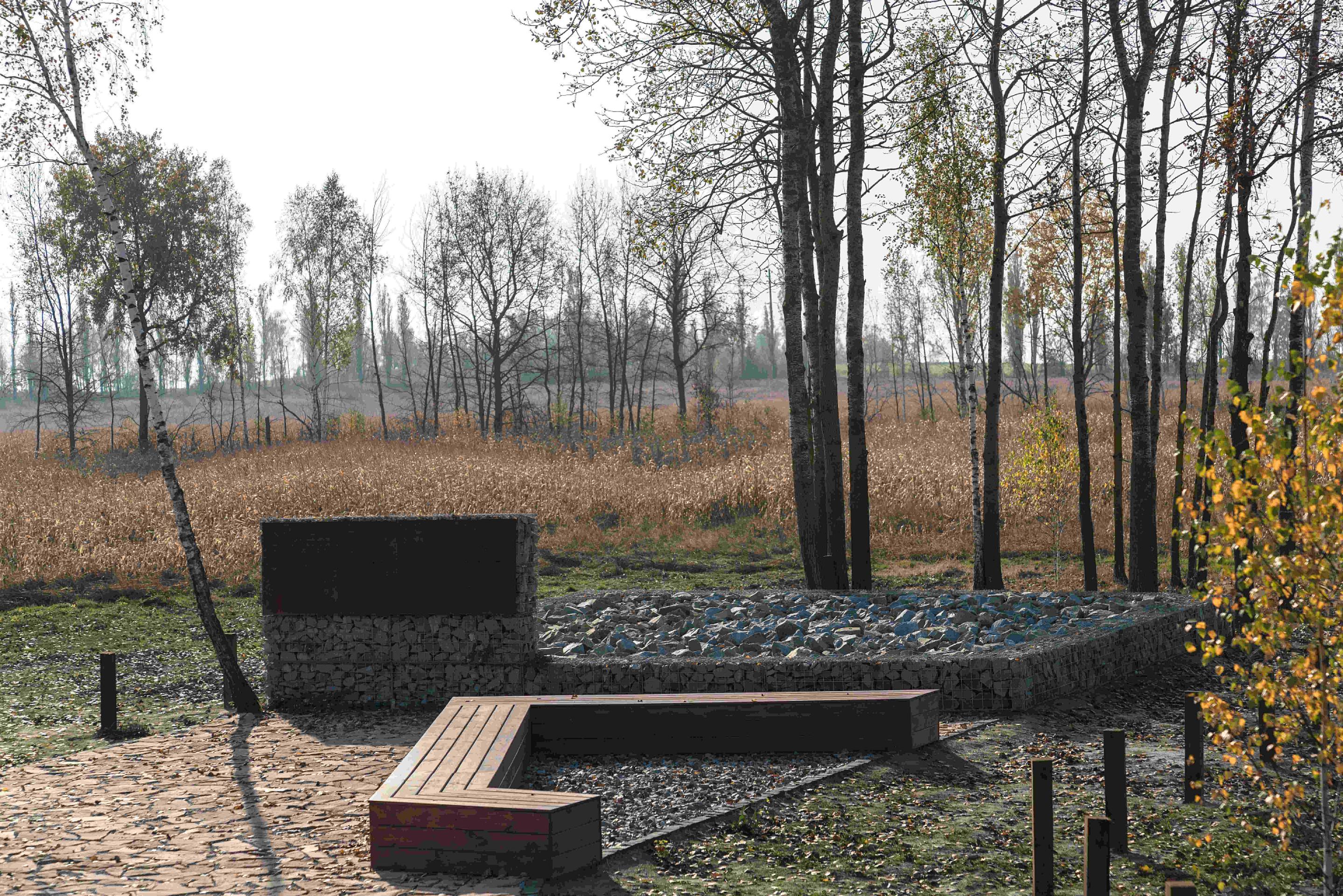
In September 2019 as a further part of the project »Protecting Memory«, a new memorial was inaugurated upon the site of the mass grave. An information stele tells the story of the Jews of Barashi and surroundings in Ukrainian, English and Hebrew.
Open
The memorial is accessible at all times.
Contact
https://www.erinnerungbewahren.de/baraschi/
info@erinnerung-bewahren.de
Baraschi