Memorial to the Jews of Mukacheve
Пам'ять жертв Голокосту у Мукачеві
Until 1944 Mukacheve (Ukrainian: Mukatschewe, Hungarian: Munkács, Czech: Mukačevo) was home to the largest Jewish community in Carpathian Ruthenia. Only small memorials and memorial plaques in the town remember the fate of the murdered Jews.
History
Mukacheve is located on the banks of the Latorica river in the Carpathian Ruthenia region, also known as Transcarpathia or Subcarpathia. Before World War I the area belonged to the Hungarian part of the Habsburg Empire, then to Czechoslovakia. In the course of the break-up of Czechoslovakia Hungary took back the region in two steps: The area around Mukacheve in November 1938 and the rest in March 1939.
The Jewish community of Mukacheve was the largest and most important in the region. In 1941 approximately 13,500 Jews lived in the city, about 40% of the total population. And yet the community was not very old, only in the 18th century Jews started settling in Mukacheve, many of them hailing from the territory of today's Ukraine. Well into the 20th century the Munkacheve Jews remained rather conservative, the religious movement of Hasidism played an important role. Between the wars when the region of Transcarpathia was stricken with poverty Zionist groups gained strength.
With the region's annexation by Hungary in 1938 the anti-Jewish Budapest laws applied there too. Jewish men were drafted for forced labour within the Hungarian army, many of them died. In addition many of the Jews living in Transcarpathia were regarded as foreigners by Hungarian officials. Hungary deported thousands of them in Summer 1941 to Ukraine, which had just been occupied – the SS murdered the majority of them near Kamianets-Podilskyi a few weeks later.
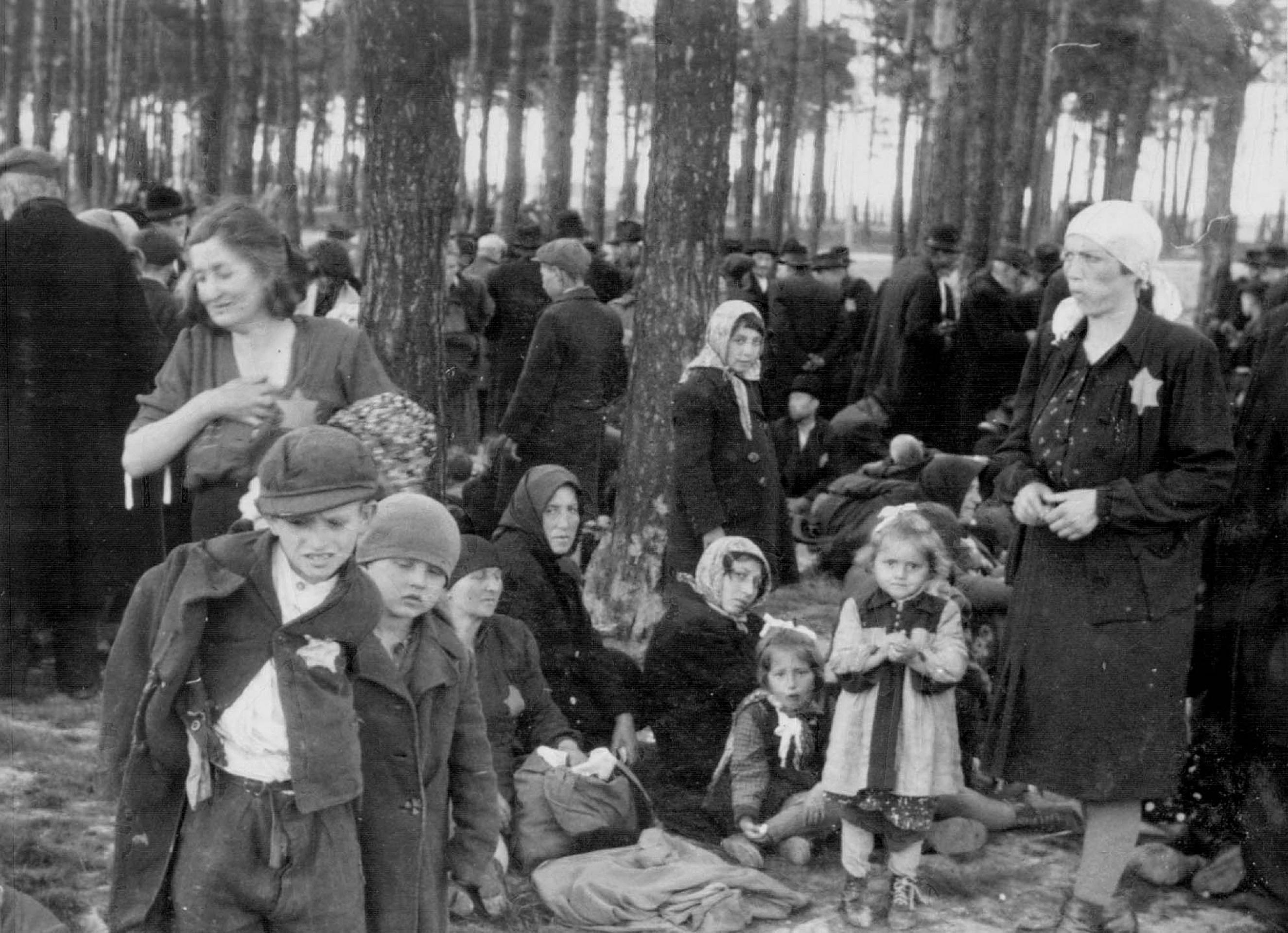
Few weeks after the German Wehrmacht occupied Hungary the ghettoisation and deportation of Hungarian Jews, mutually planned by the German and Hungarian authorities, began also in Mukacheve. The Mukacheve Jews were confined to a sealed off part of town, the Jews from the surrounding villages were held captive in two factory buildings. In May 1944 all Jews from Mukacheve and surroundings were deported to the extermination camp of Auschwitz-Birkenau.
Victims
Between May 14 and 24, 1944 nine transports with about 3,000 Jews at a time left Mukacheve towards the extermination camp of Auschwitz-Birkenau. In total 28,587 persons were registered on these transports. Most of them were murdered by the SS in gas chambers on their arrival. The number of persons who were put on forced labour after the selection at the ramp and who saw the day of their liberation is not known, after the end of war the number of survivors was estimated at about 2,000.
Remembrance
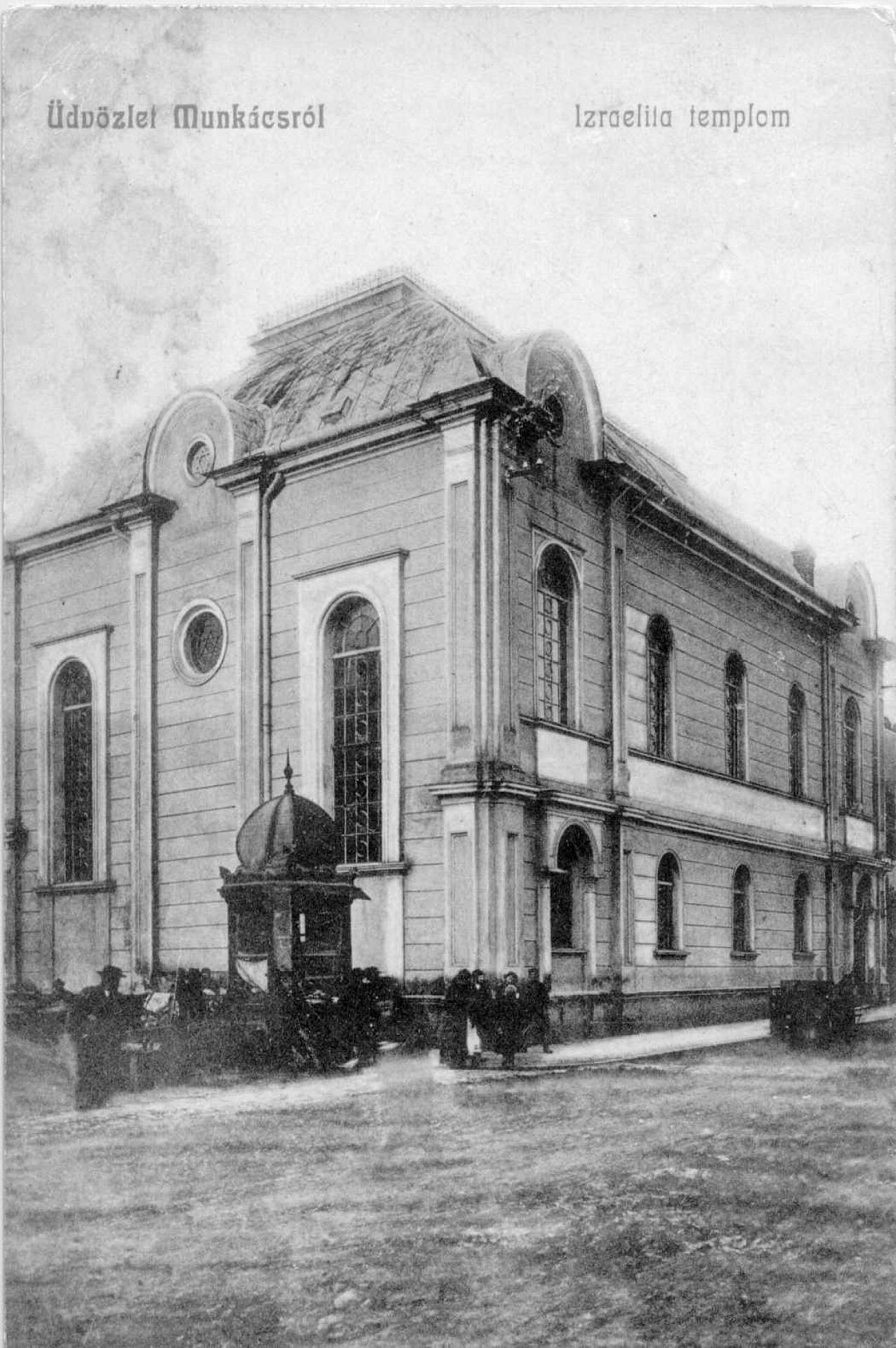
The Transcarpathian region including Mukacheve was incorporated into the Soviet Union after the war, since her independence in 1991 it belongs to Ukraine. Initially many Jewish survivors returned to Mukacheve. For a start they managed to rebuild a synagogue but it was taken away from them by the Soviet authorities shortly after. Soon most Jews decided to emigrate, already in 1948 only few Jews remained in the city. Today their number is estimated at a few hundred, only a small minority maintains its religious tradition.
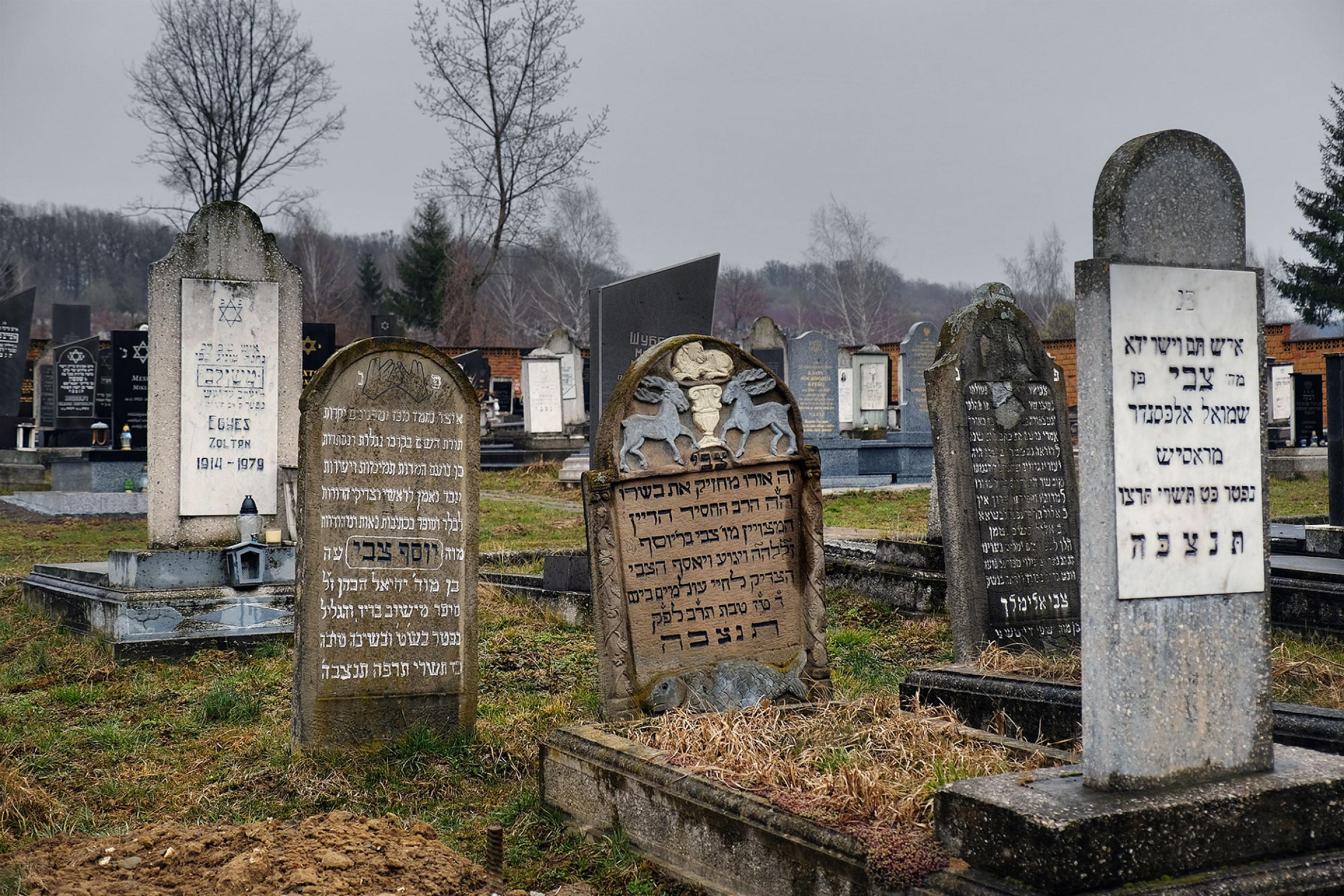
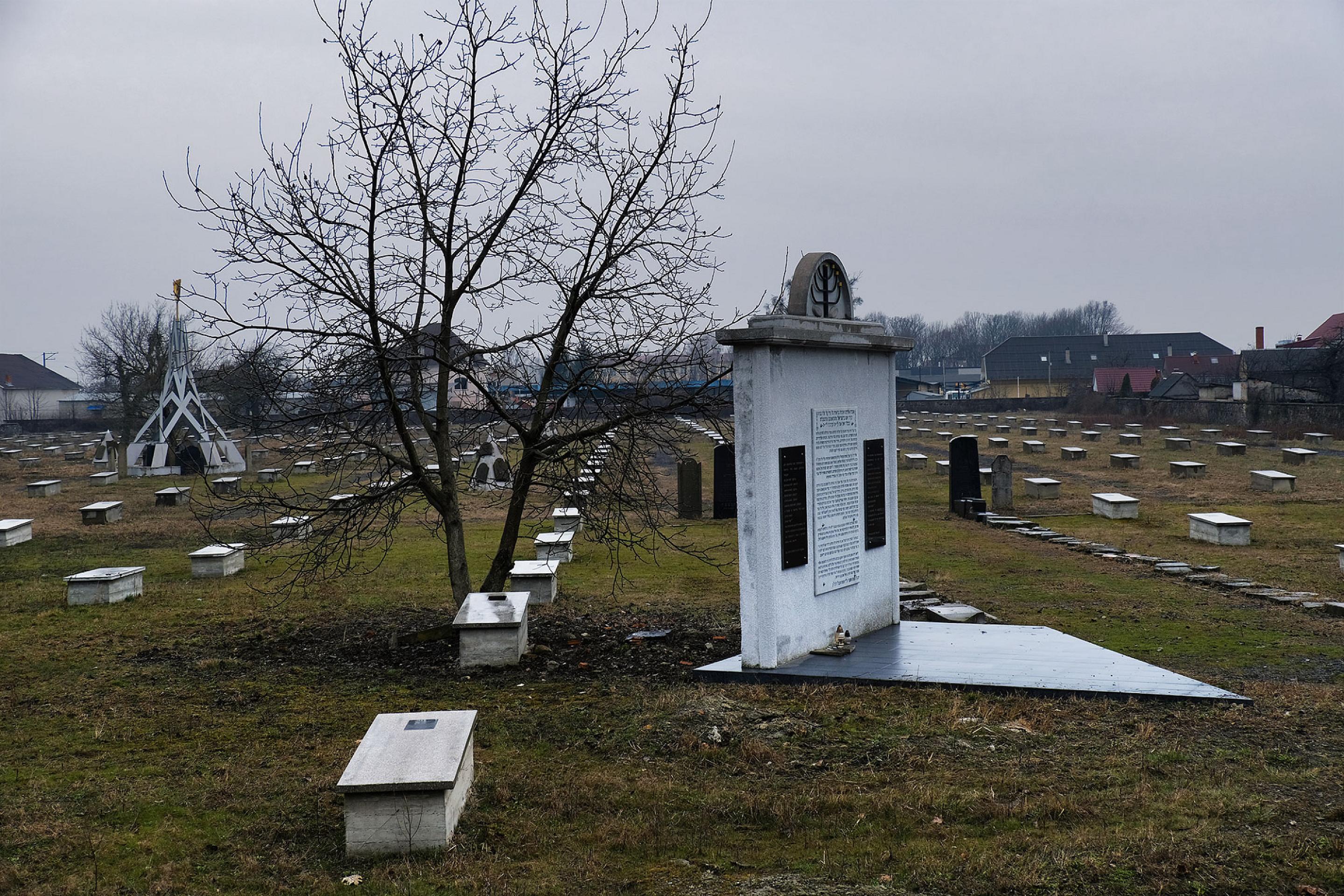
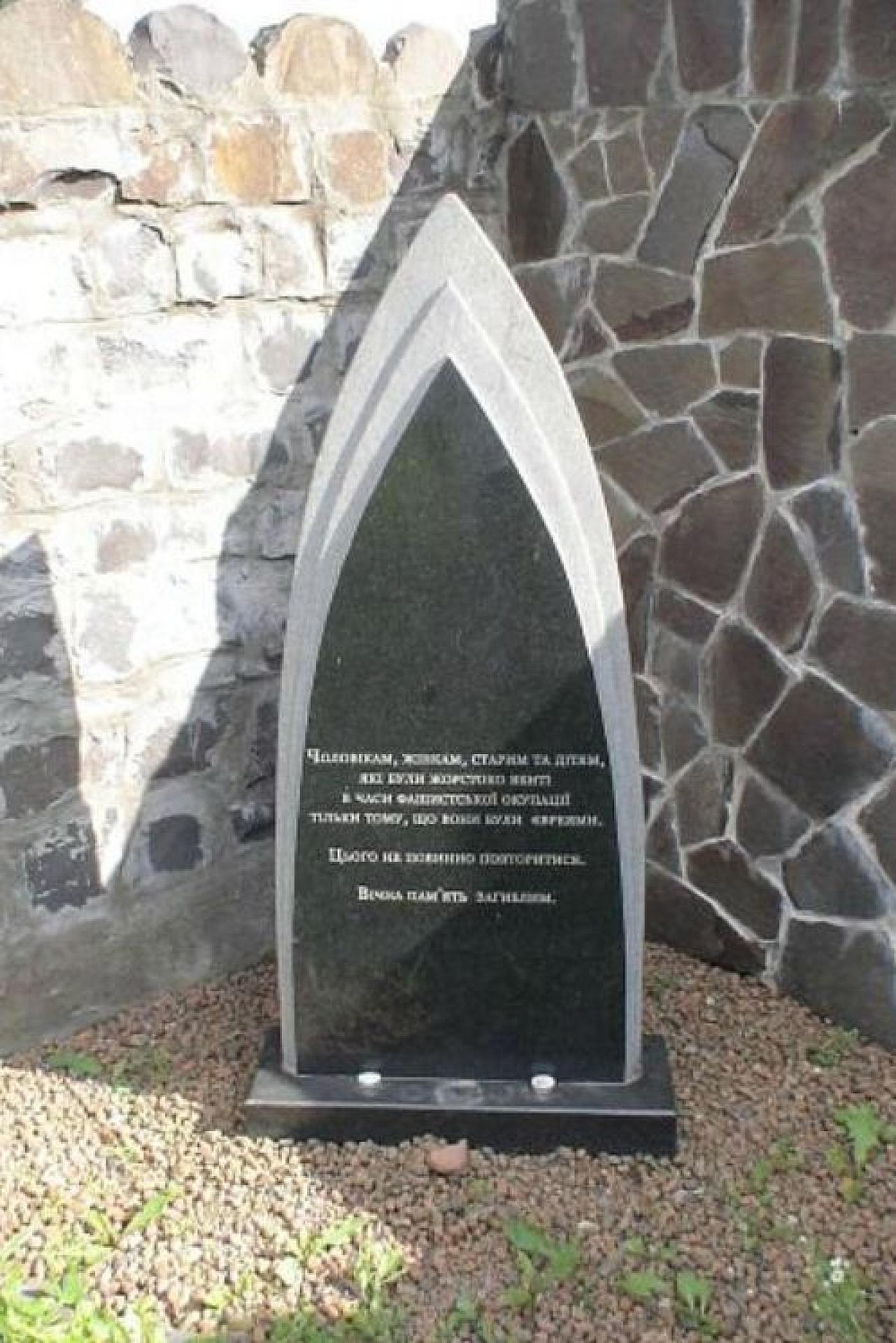
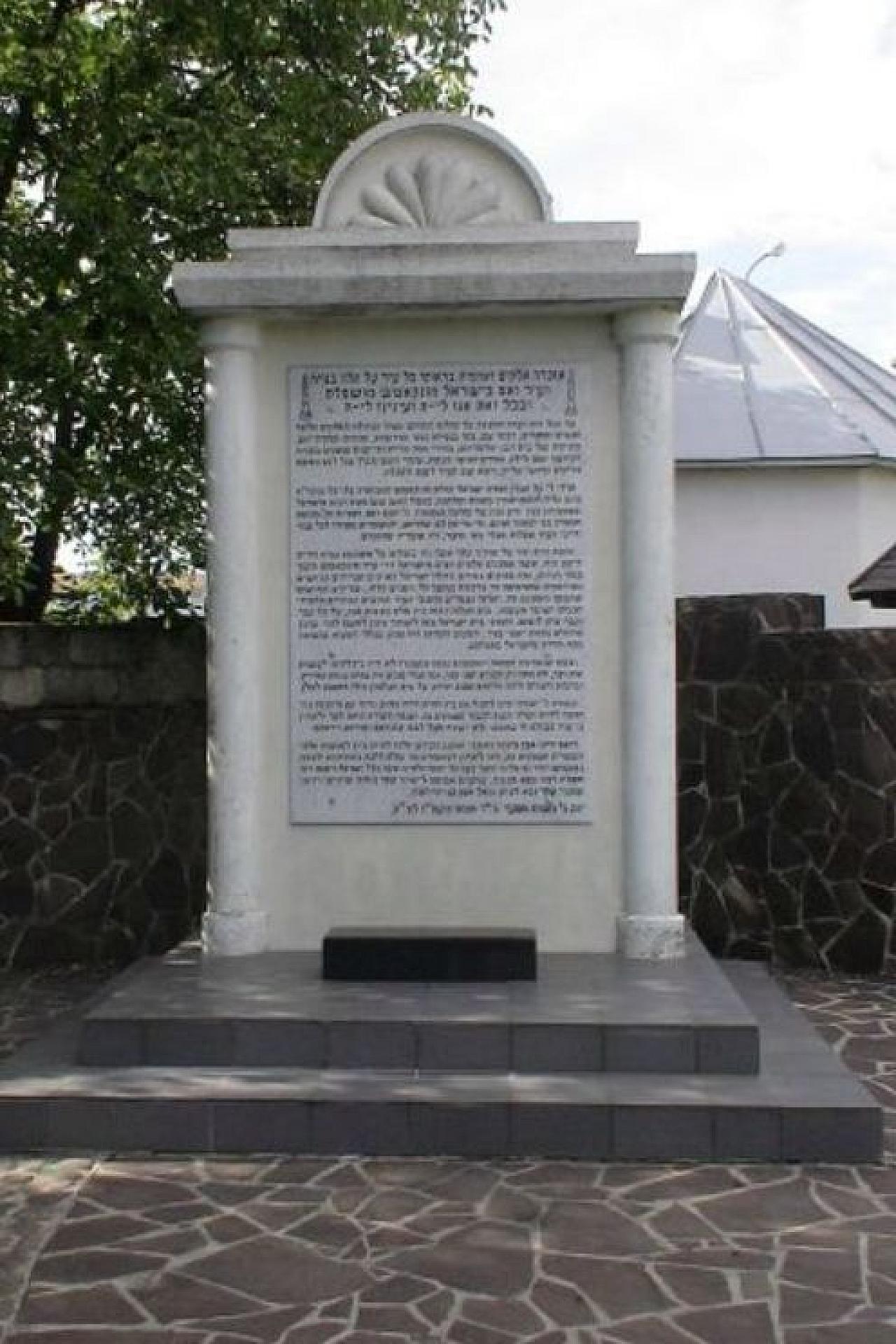
In the city there are few traces of its Jewish past. The old Jewish cemetery for example was flattened during Soviet times. Quite recently the site which had been empty for years was reshaped and a menorah was erected at the centre. There are two memorials on the cemetery remembering the murdered Jews of Mukacheve: One with a Hebrew inscription dates back to the immediate postwar period, while the other memorial bearing an Ukrainian inscription was unveiled in January 2010.
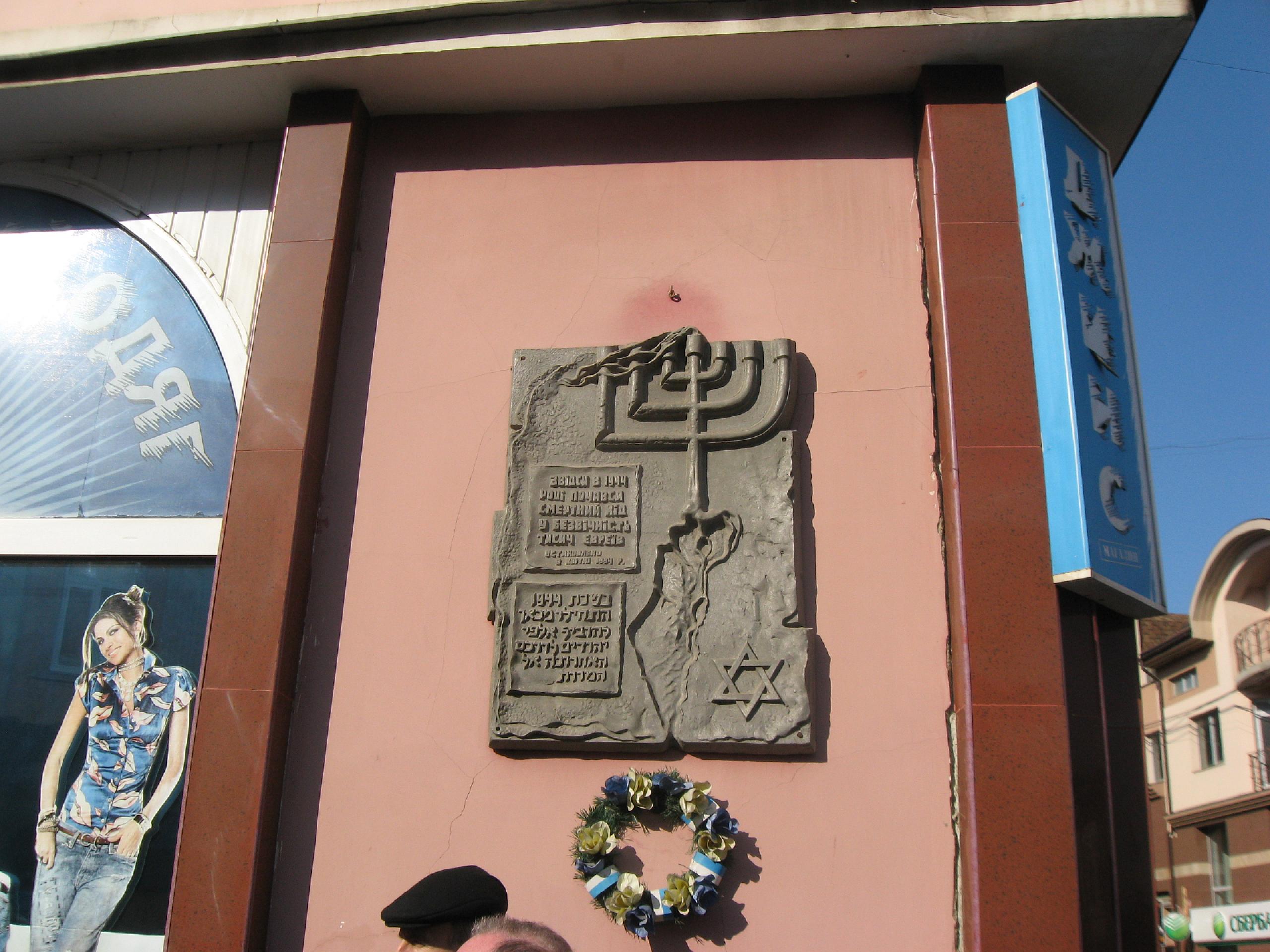
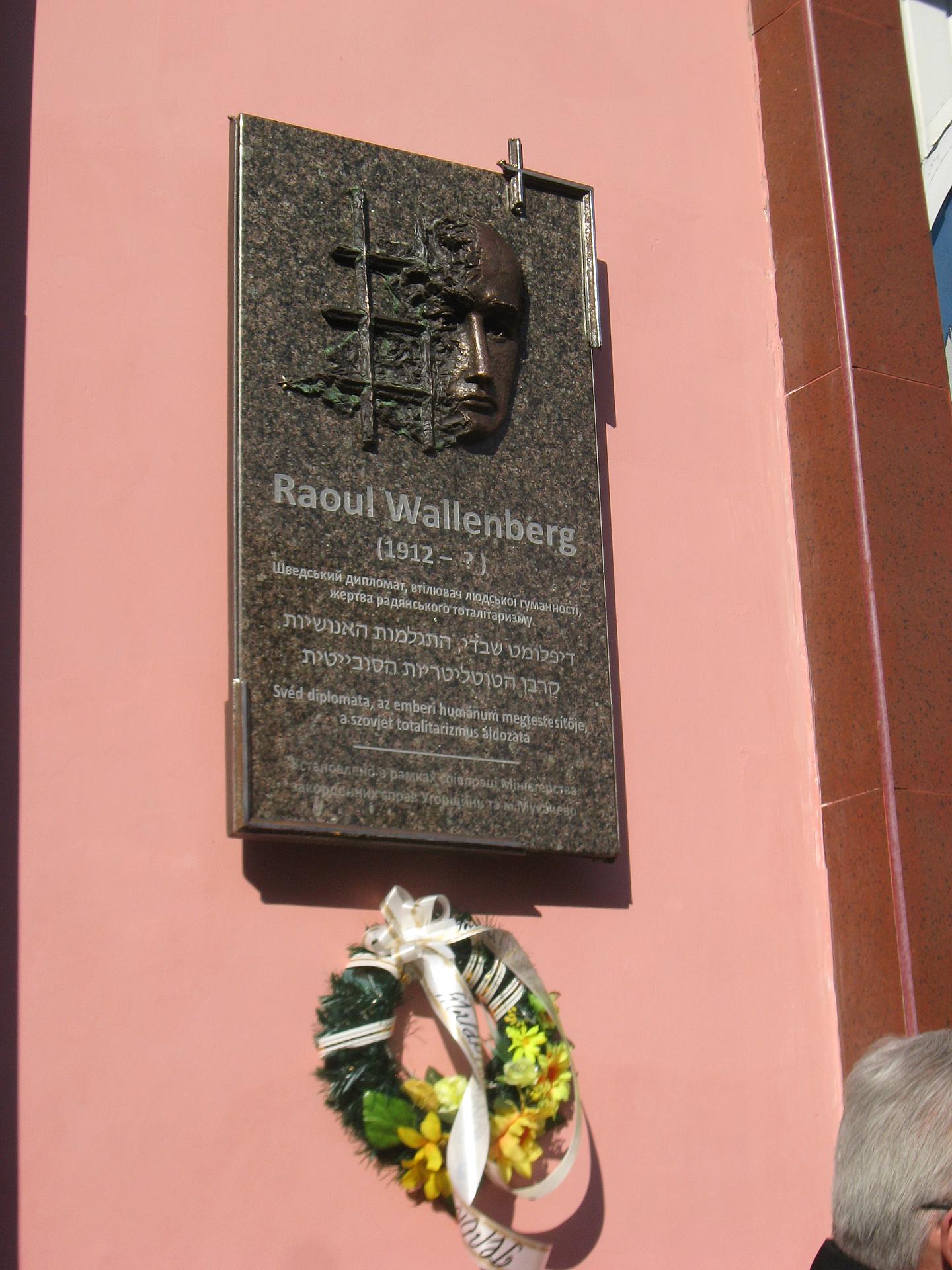
On a building in the city centre which was the entrance to the ghetto in 1944 there are two plaques. On the plaque mounted in 1994 the Ukrainian and Hebrew inscriptions read: »Here started in 1944 the deadly journey of thousands of Jews into the unknown«. The second plaque was unveiled in 2013 by an undersecretary of the Hungarian foreign ministry. It remembers the Swedish diplomat Raoul Wallenberg (1912-?) who saved the lives of thousands of Budapest Jews during World War II. He bears no tangible relation to the fate of the Mukacheve Jews even though the adjacent street where the ghetto was once located is also named after Wallenberg.
Open
The memorial plaques are accessible at all times. The gate to the old Jewish cemetery is opened irregularly.
Contact
Kosmonauta Beliajeva/Valenberga
89600 Mukatschewe