Memorial to the »Kindertransporte« (Refugee Children's Movement) Liverpool Street
Kindertransport Memorial
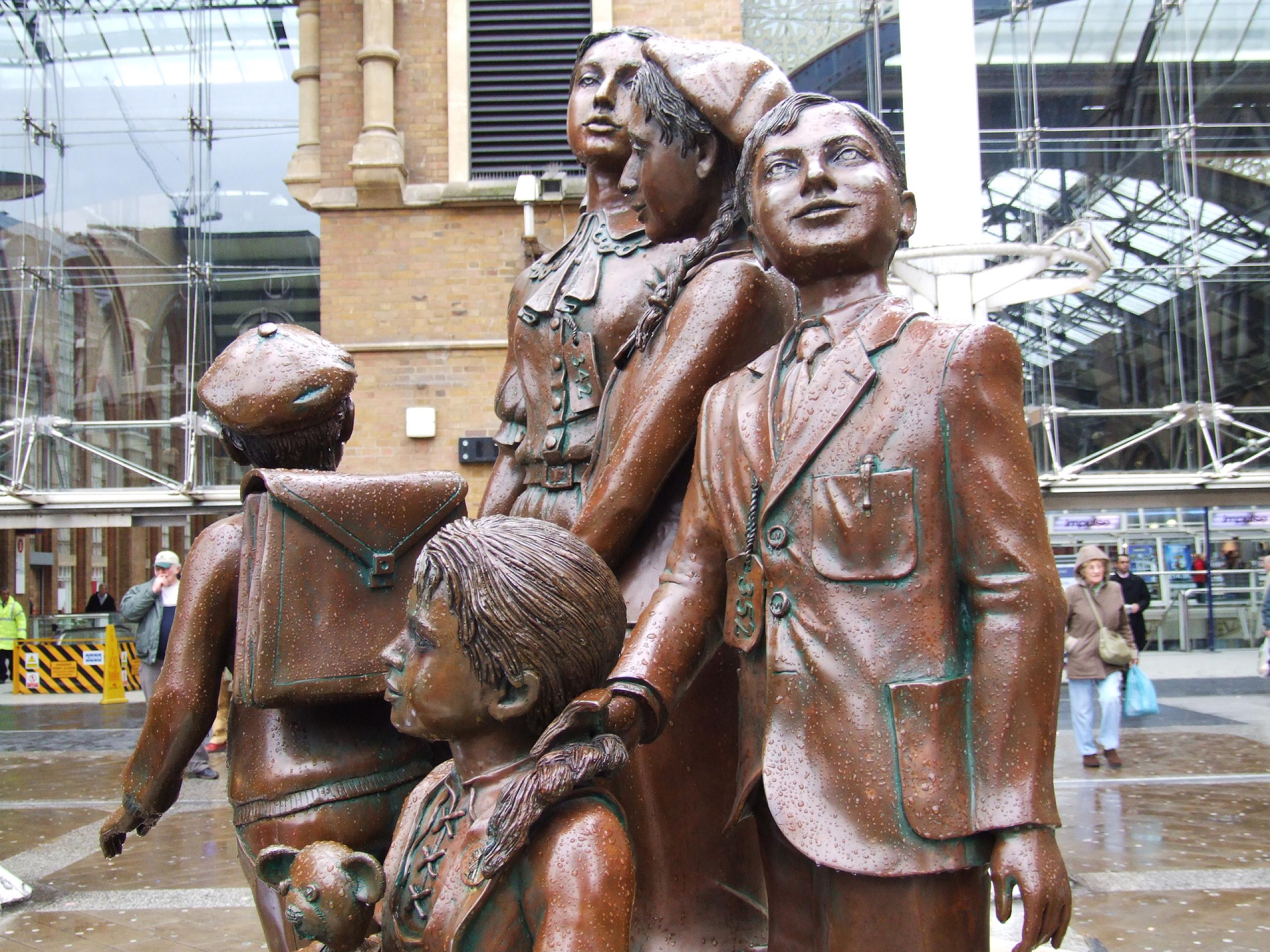
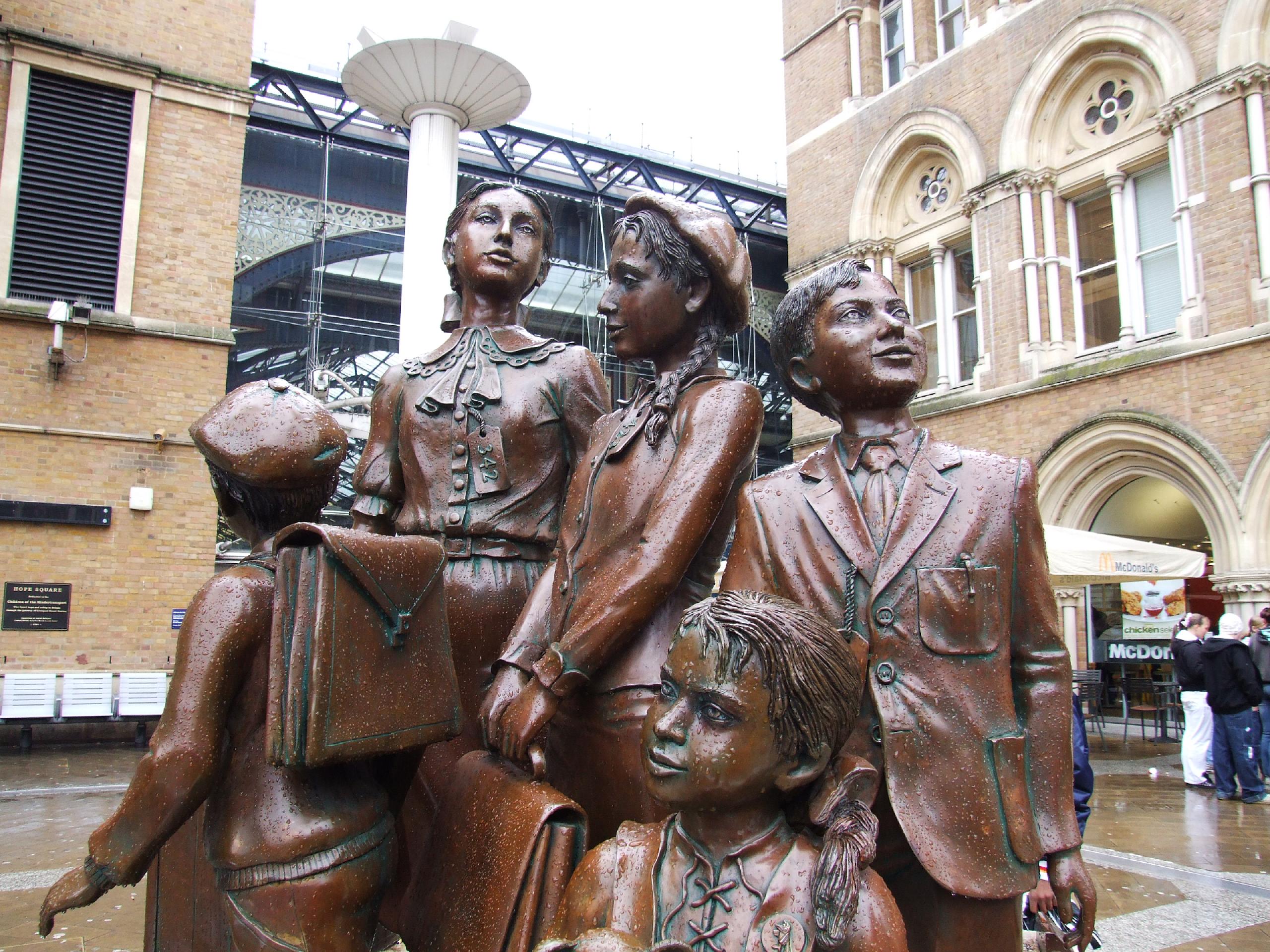
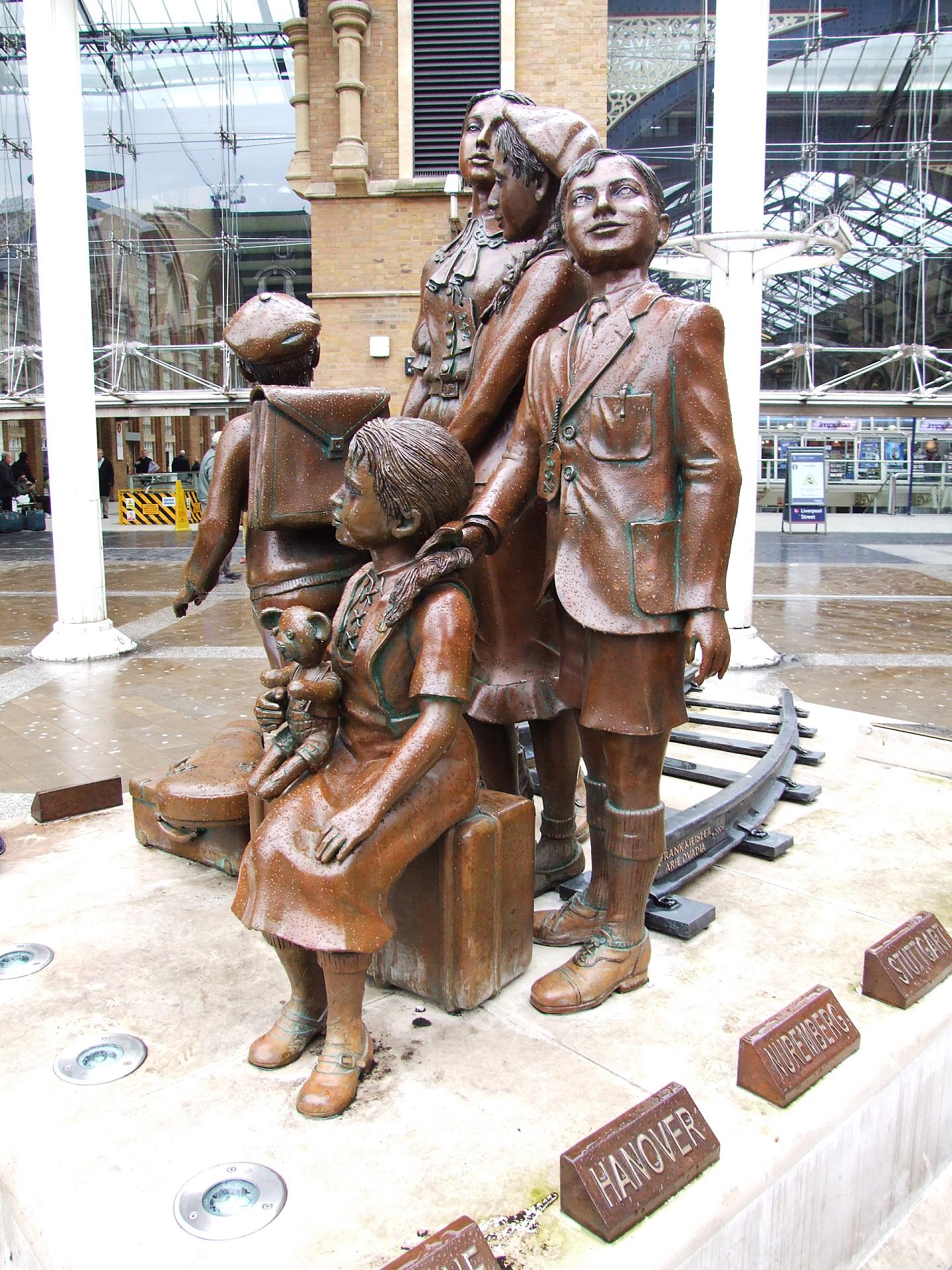
About 10.000 Jewish children from Germany, Austria and Czechia arrived 1938/39 via the so called Kindertransporte in the British capital, many of them at the Liverpool Street Station. Since 2003 the sculpture »Für das Kind« (For the Child) on the forecourt of the station remembered the fate of the children and youths. In 2006 is was relocated and replaced by the Kindertransport Memorial by the Iraeli artist Frank Meisler.
History
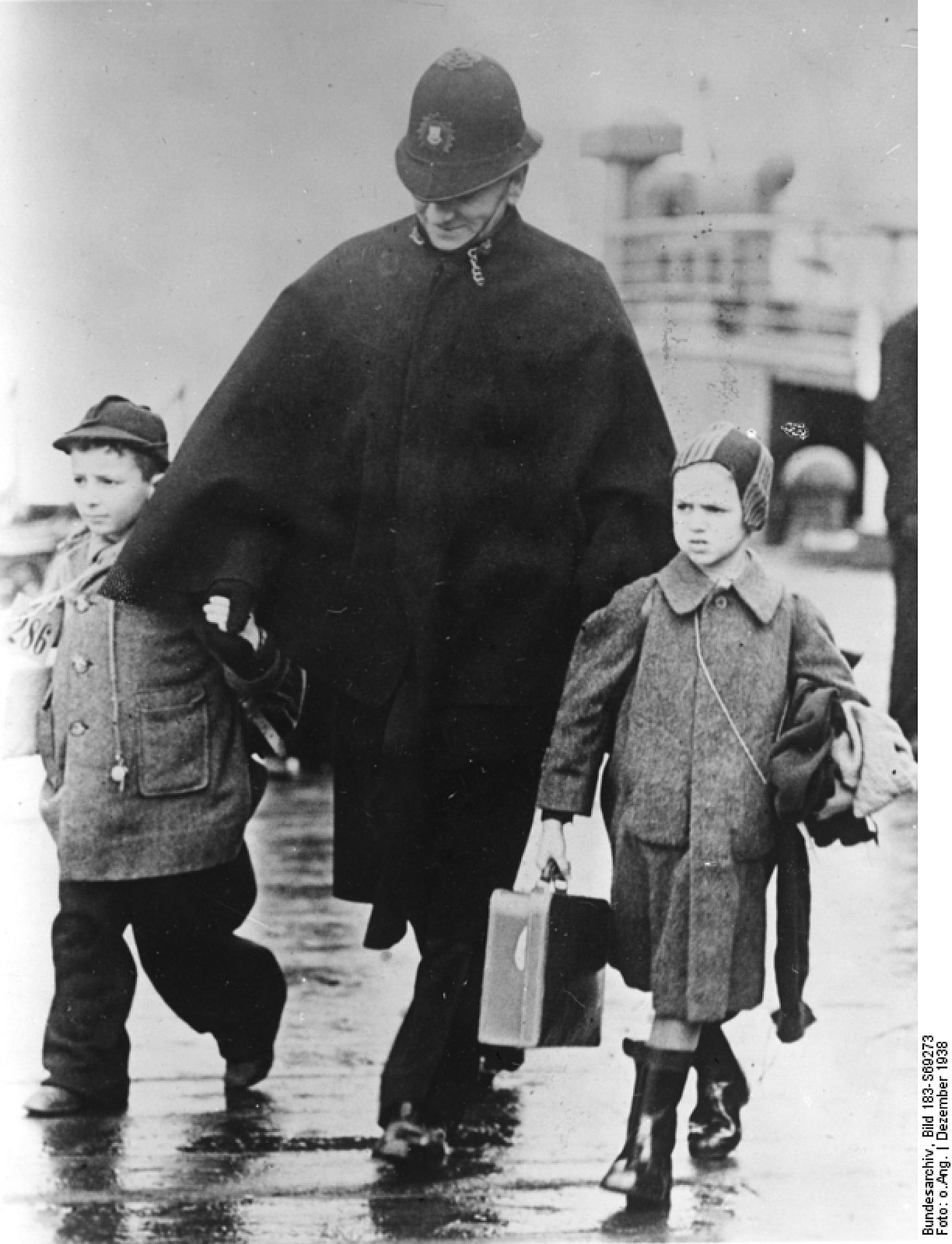
Following their rise to power in 1933, National Socialists the started to systematically exclude Jews from society and to disenfranchise them. Jewish businesses were boycotted, discriminating laws excluded Jews from public offices and from marriage to non-Jews. Initially most of the well integrated German Jews decided to stay in their home country. The National Socialists tried to enforce Jewish emigration from Germany by their discriminatory politics, at the same time bureaucratic barriers and the enforced payments of large sums of money made it impossible for many Jews to leave the country. In November 1938 National Socialists set fire to Jewish businesses and synagogues all over Germany, Jews were attacked and assaulted. The Gestapo arrested thousands of Jewish men and held them captive at the Dachau concentration camp for a couple of weeks. From this time on Jewish children were excluded from attending state-run schools. Because of the scale of the pogroms, Jewish relief organisations could obtain – especially for Great Britain – an easing of restrictions on admission for Jewish refugees, particularly for children and youths. From November 1938 to September 1939 Jewish Agencies managed to bring approximately 10,000 children to Great Britain. Their parents were to follow later to emigrate with them to other countries.
Victims
By means of the Kindertransporte approximately 10,000 Jewish children could be saved from the German Reich, including Vienna and Prague. After their arrival in Great Britain the children were placed in foster homes or reception camps. At the start of World War II it became almost impossible for the Jewish children to contact their parents in Germany. About nine of ten children never saw their parents again. For many their life-saving escape became a traumatic experience of isolation and separation.
Remembrance
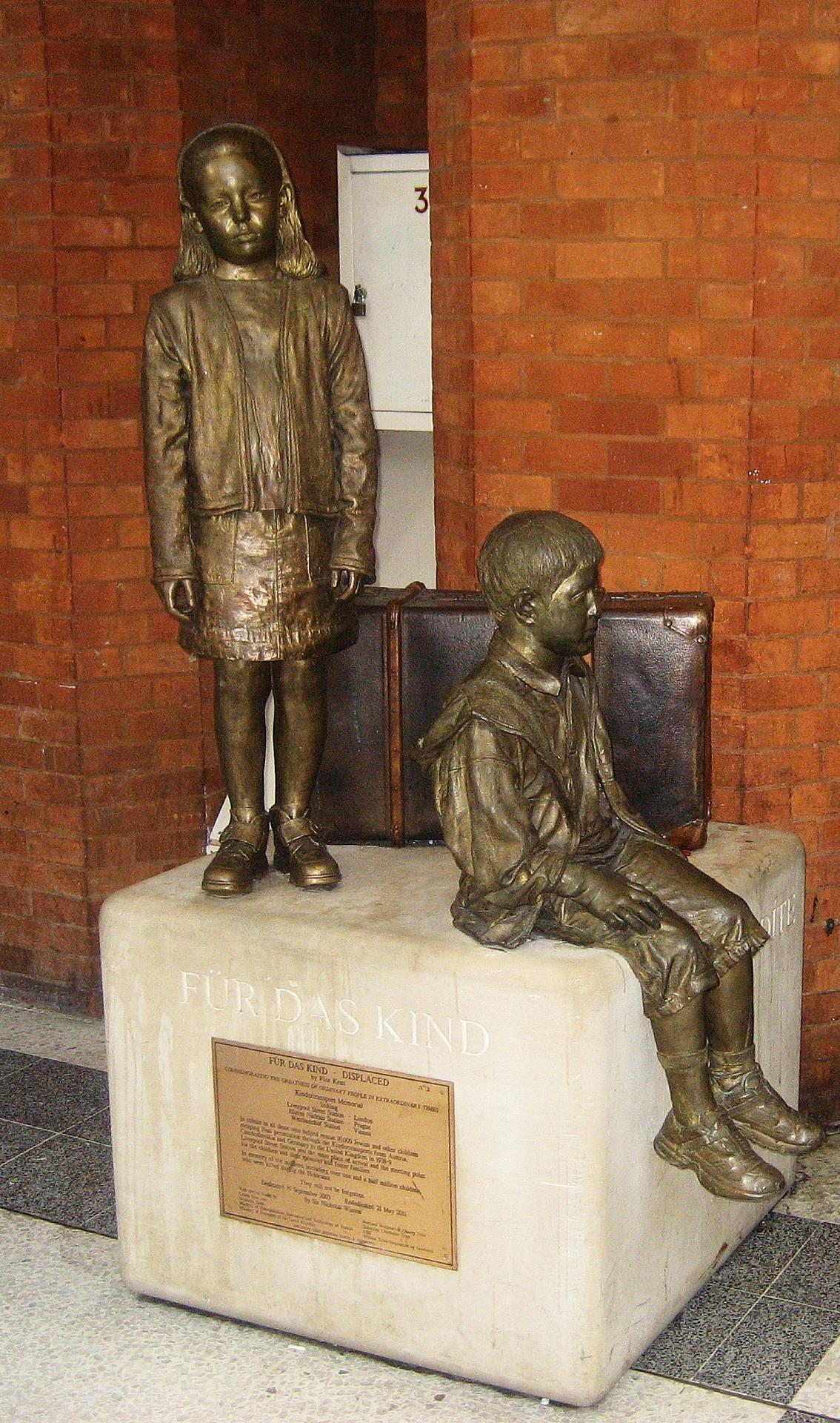
A memorial named »Für das Kind« (For the Child) designed by the artist Flor Kent was dedicated on the forecourt of Liverpool Street Station in 2003. It consisted of the bronze figure of a girl standing beside a big glass case resembling a stylised suitcase. Within the glass case were a number of authentic objects belonging to children saved by the Kindertransporte. In 2006 the memorial was relocated and altered. The suitcase and the objects disappeared, next to the figure of the girl is now the figure of a little boy. Since 2006 the sculpture is located in the station concourse. It was replaced in 2006 by a memorial by the Israeli artist Frank Meisler (1925–2018). It shows a group of bronze children who have just reached their English exile. On the base of the monuments are bronze milestones naming the cities from where the transports departed. The ten year old Frank Meisler himself came to England on one of the last transports from Gdańsk (German: Danzig) in August 1939. Meisler erected similar memorials along the route of the Kindertransporte: In his hometown Gdańsk, in the Hook of Holland harbour and in Berlin, on the forecourt of the Friedrichstraße station.
Open
The memorial is accessible at all times.
Contact
Liverpool St, Bishopsgate
EC2M 7PY London