Память погибших в Колдычевском лагере смерти / Памяць загінуўшых у Калдычэўскім лагеры смерці
Near the small Belarusian village of Koldichevo the SS operated a forced labour camp of the same name between 1941 and 1944. On site and in the surrounding area several memorials remember the approximately 22,000 prisoners who were killed in the camp by the SS.
History
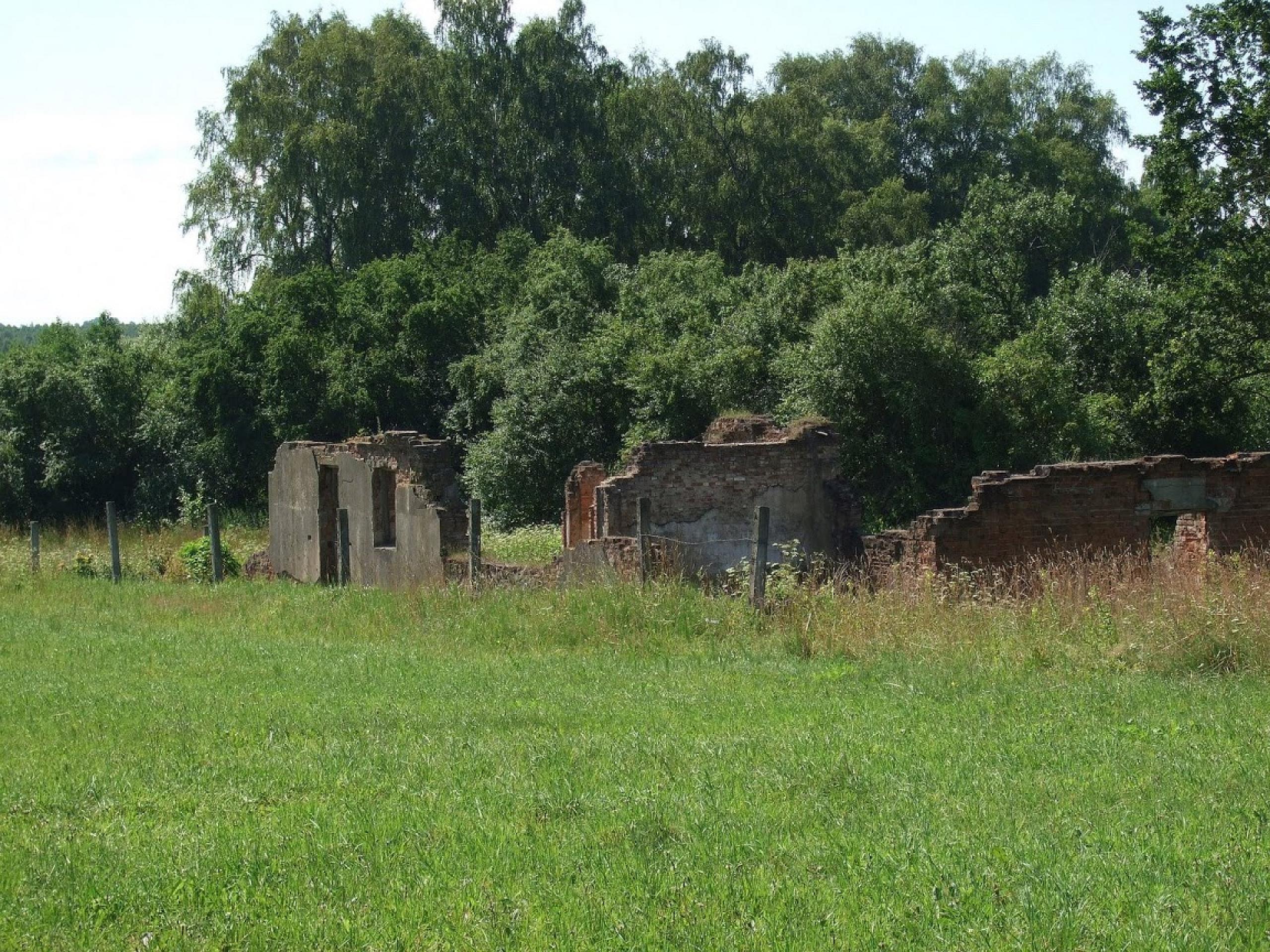
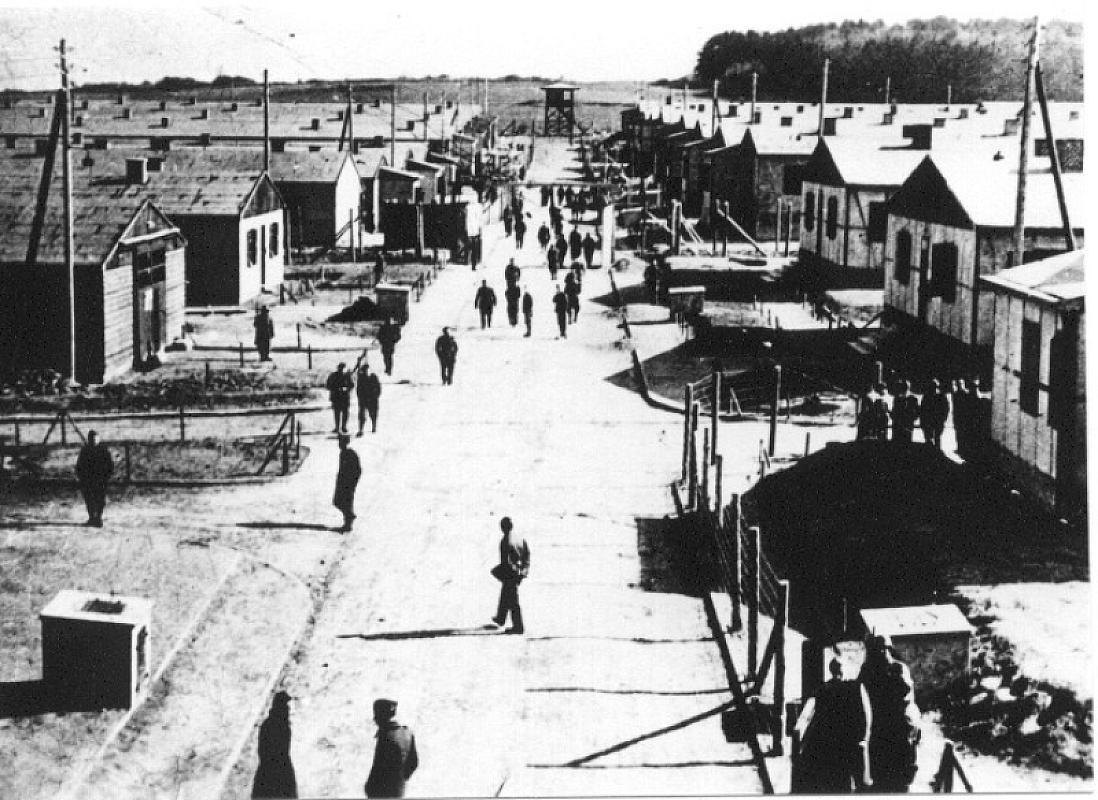
The little village of Koldichevo (Belorussian: Koldychevo, Polish: Kołdyczewo) is located between the towns of Navahrudak (Polish: Nowogródek) and Baranovichi (Polish: Baranowicze), a region where many Jews lived prior to World War II. Between 1920 and 1939 the area belonged to Poland. When the Soviet Union occupied Eastern Poland in the course of the Molotov-Ribbentrop Pact, the area became part of the Soviet Socialist Republic of Belarus. After the attack of the German Wehrmacht on the Soviet Union in June 1941, Waldemar Amelung, commander of the Security Police at the Baranovichi field office, established a forced labour camp at Koldichevo, presumably in December of the same year. The SS deported mainly Jews from the surrounding towns like Navahrudak and Baranovichi as well as Polish and Belarusian partisans and civilians to Koldichevo. The camp was regarded as particularly brutal. Commander of the camp was SS-Hauptscharführer (master sergeant of the SS) Fritz Jörn, the security guards were Belarusian volunteers. Presumably up to 10,000 people were constantly interned in the camp, they had to conduct forced labour. According to eyewitness reports the majority of the prisoners had to sleep in the open. At the same time the camp was a SS killing centre: They murdered several thousand prisoners there and in addition a major transport was sent from Koldichevo to Auschwitz in 1944. A small Jewish resistance group was active in the camp, with their aid about a hundred Jewish prisoners managed to flee on March 17, 1944. 24 of them were recaptured but 75 Jews managed to escape, most of them joining the Jewish partisan group led by the Bielski brothers.
When the Red Army closed in by the end of June 1944, the SS dissolved the camp, killing thousands of prisoners in the process.
Victims
Altogether up to 22,000 people were murdered in the Koldichevo camp, among them Jews, Belarusians and Poles. According to the inscription on one of the memorials there were also Romani among the victims. The exact number of victims is not known.
With the outbreak of the Second World War in September 1939 and the Red Army’s invasion of eastern Poland the north-east of the country was annexed to Soviet Belarus. In summer 1941 the whole of Belarus was occupied by German troops. Over the next three years between one in four and one in three residents met a violent death. Almost all of the towns were completely destroyed. The Wehrmacht or SS systematically annihilated around 620 villages together with theor inhabitants, including Chatyn. The largest extermination camp on occupied Soviet territory was located in Maly Trostenets outside the Belarusian capital Minsk. It is now presumed that at least 60,000 German and Belarusian Jews were murdered there. Up to 85,000 Jews are estimated to have died in Minsk and 230,000 in the country as a whole. From 1941, Belarus was at the heart of the Soviet partisan struggle against the German occupation with over a thousand active partisan groups. The Red Army began to recapture the country at the end of 1943 and the German occupation was considered over by summer 1944. The country was largely destroyed, the society shattered and the people traumatised.
Belarus was reincorporated into the Soviet Union in 1944. A large part of the Polish territory annexed in 1939 remained part of the country. National memorial and memory culture in post-war Belarus were dominated by the liberation of the country on 3 July 1944 and the day of victory on 9 May 1945 as the end of a »heroic« struggle in the Great Patriotic War. Memory of the partisan war was also of key importance. The genocide of the Jews was not mentioned directly in the Soviet republics. An obelisk put up at the »Yama«, a pit where mass murders took place in the Minsk ghetto, was therefore an exception in the former Soviet Union. It was erected as early as 1946 and for decades was the sole memorial with a Yiddish inscription and a direct reference to the murdered Jews. The memorial site at Khatyn is also unusual. Here,153 people were burnt alive in March 1943. The memorial site, established in 1969, is notable for its simplicity, its concentration on the human dimension of the plight of the victims amidst the horrors of war and the absence of monumental features otherwise common in the former Soviet Union.
After Belarus claimed independence in 1991 the search began for an independent national identity. The number of victims plays a decisive role, especially those killed during the Second World War. However, there is consciously no distinction drawn between the territorial situation of the country pre- and post-1939. Both the crimes of the Stalinist regime and the Holocaust have come to the fore but the nature of the state has prevented public discussion of these aspects. State remembrance continues to be dominated by the war in the years 1941 to 1944. Its main symbol is the monumental new building of the Museum of the History of the Great Patriotic War, opened in 2014. In the meantime, however, the association of Jewish communities in Belarus has established a series of memorials to the victims of mass murder. Since the early 1990s, several German towns have also put up stelae in Minsk to remember the Jews deported and murdered there. The Berlin stele, financed by the federal state of Berlin and the Foundation Memorial to the Murdered Jews of Europe, was inaugurated in an official ceremony on June 25, 2009. There is also movement with regards to a fitting development of the Maly Trostenets area: In 2015, a memorial complex was inaugurated at the site. A second segment which was co-financed by Germany was opened in 2018 by the presidents of Belarus, Austria and Germany. Germany has also pledged to finance the renovation of the Historical Workshop’s historical building on the former territory of the Minsk ghetto, documenting the fates of its victims.
Remembrance
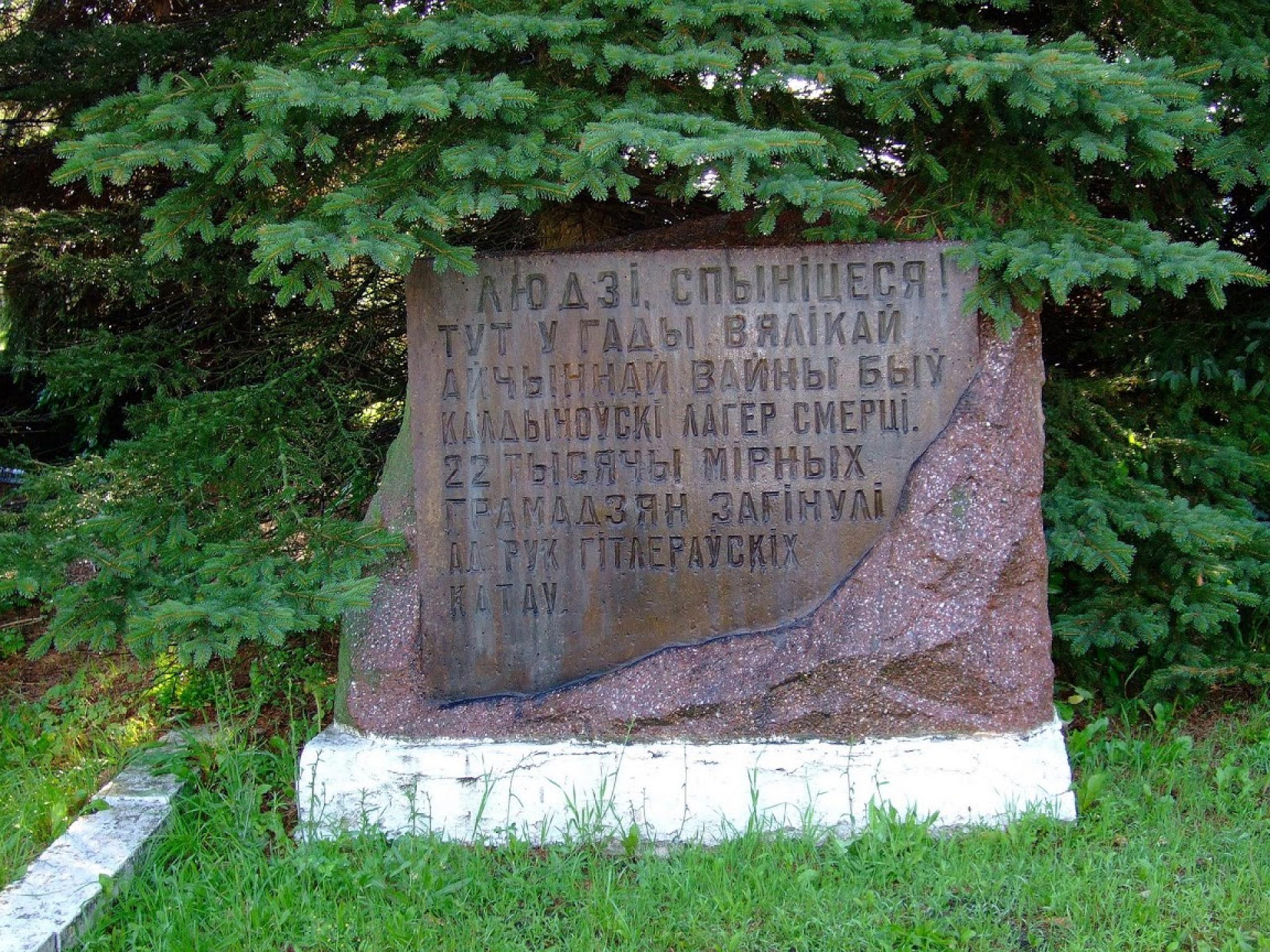
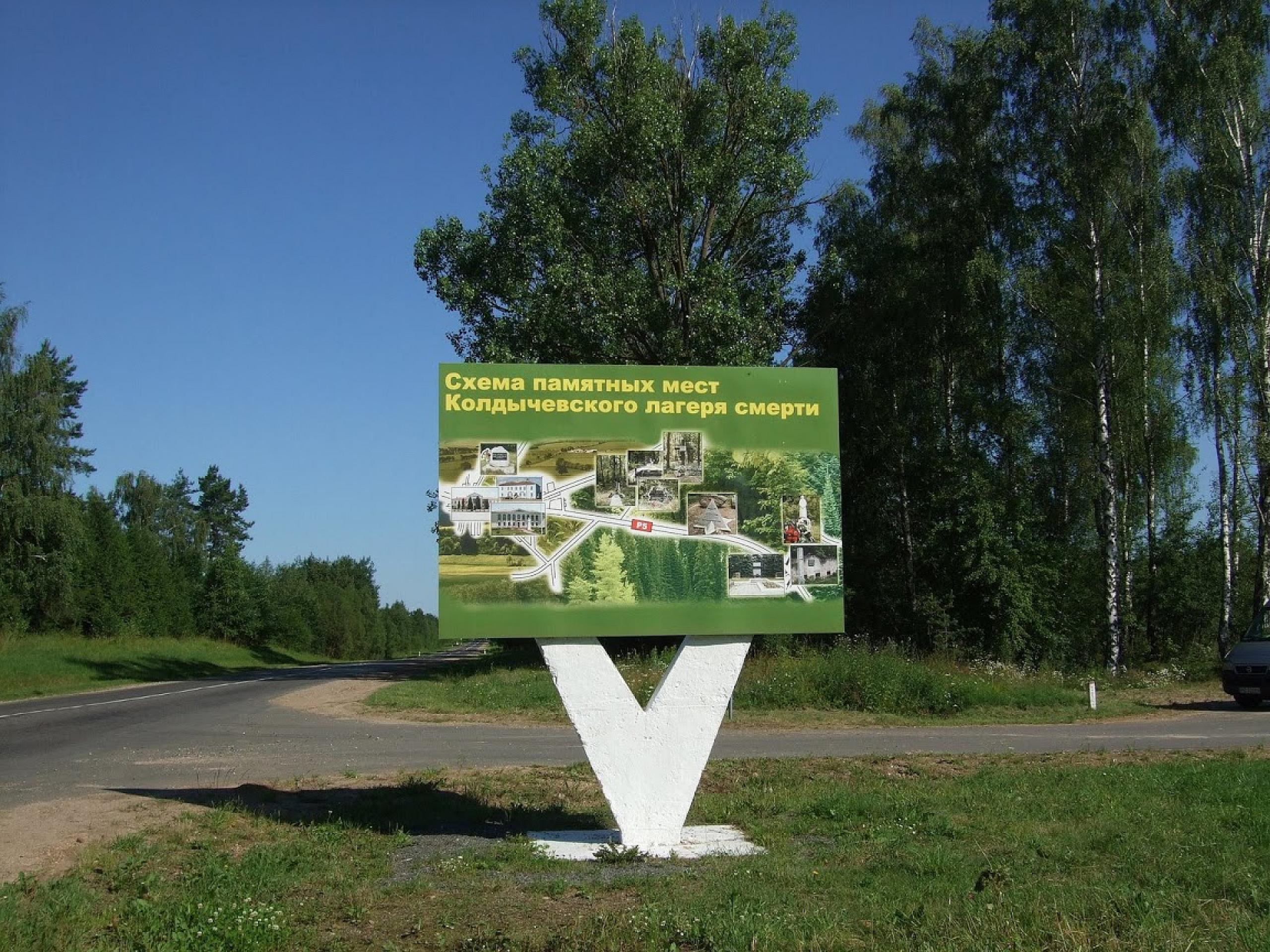
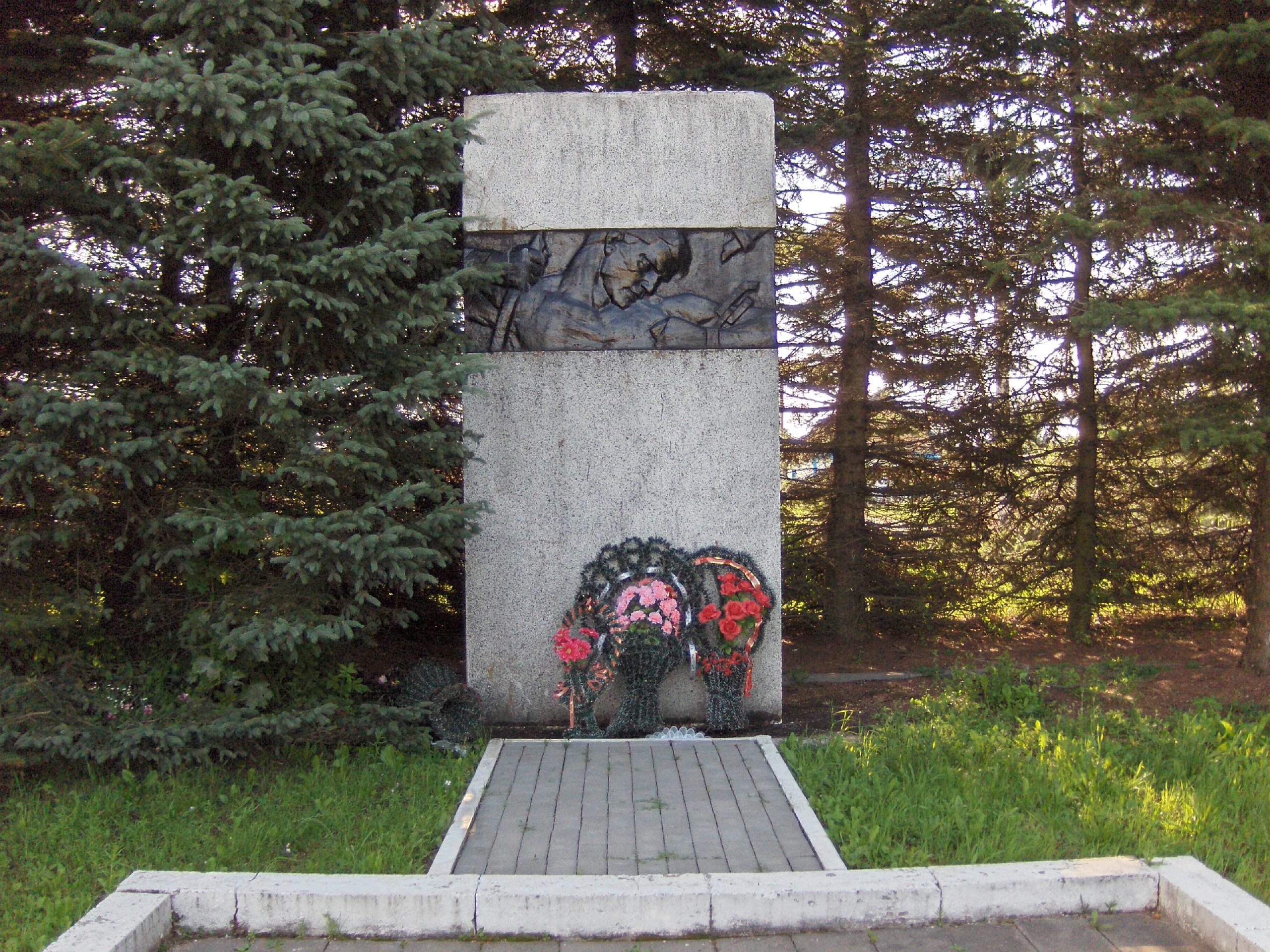
After World War II several memorial stones were erected in and around Koldichevo. Since 1964 a memorial stone is situated in the village centre. Next to it is a smaller stone bearing the Belorussian inscription »People, stop! During the years of the Great Patriotic War the Koldichevo death camp was situated here. Within it 22,000 peaceful citizens met their death at the hands of the fascist murderers«. Another stone bears the inscription of a poem.
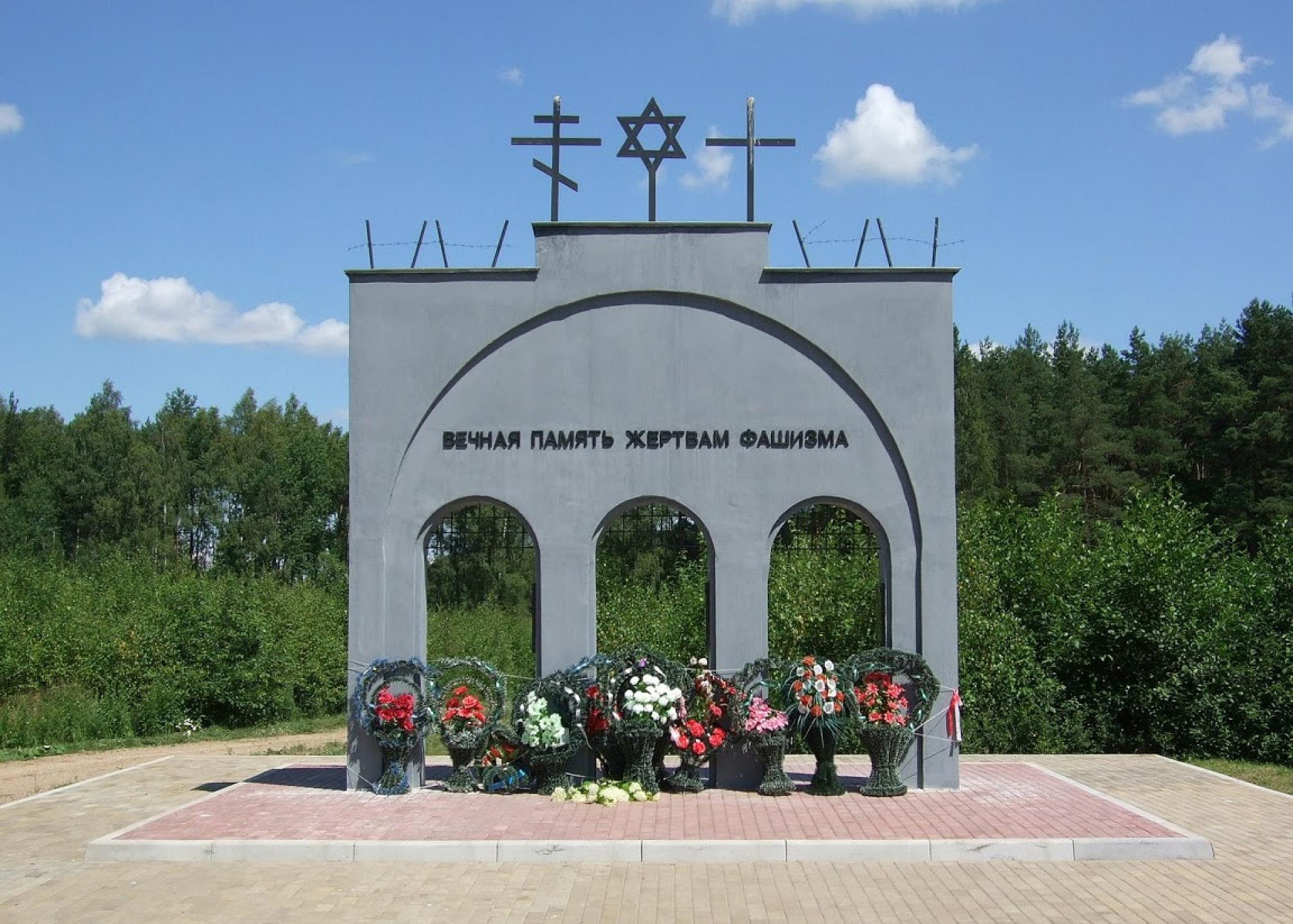
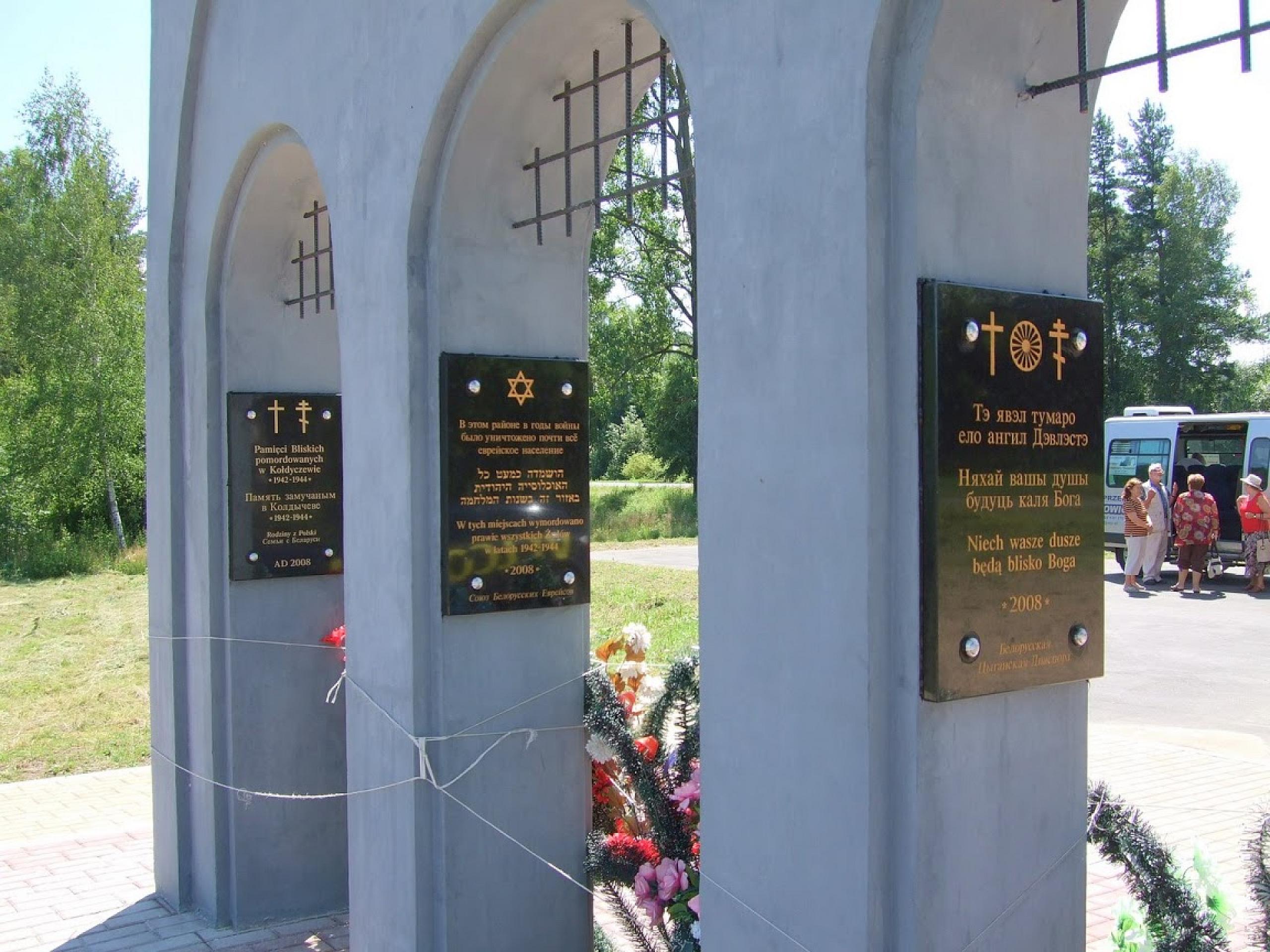
Approximately two km north of the village a further memorial was inaugurated in 2002, including and specifically naming all victim groups. It is shaped like a three-arched gate. On the front there is the Russian inscription »Eternal memory to the victims of fascism«. At the columns multilingual memorial plaques remember the various victim groups: Jews, Poles, Belarusians and Romani. On top of the gate is a Star of David as well as a catholic and an orthodox cross. The memorial is also called »Wailing Wall«.