Memorial to the murdered Jews of Barysaw
Память убитых евреев Борисова / Памяць забітых яўрэяў Барысава
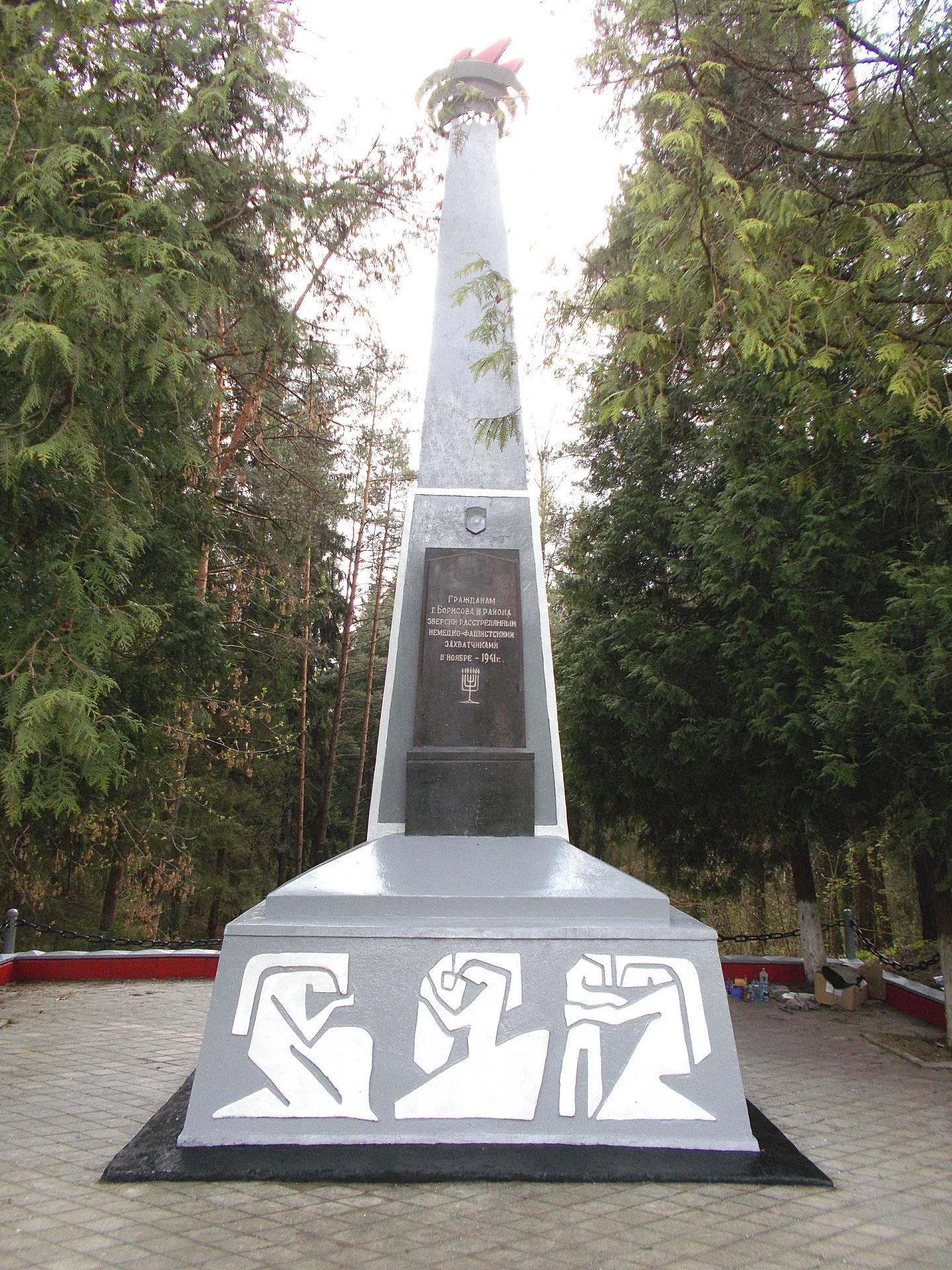
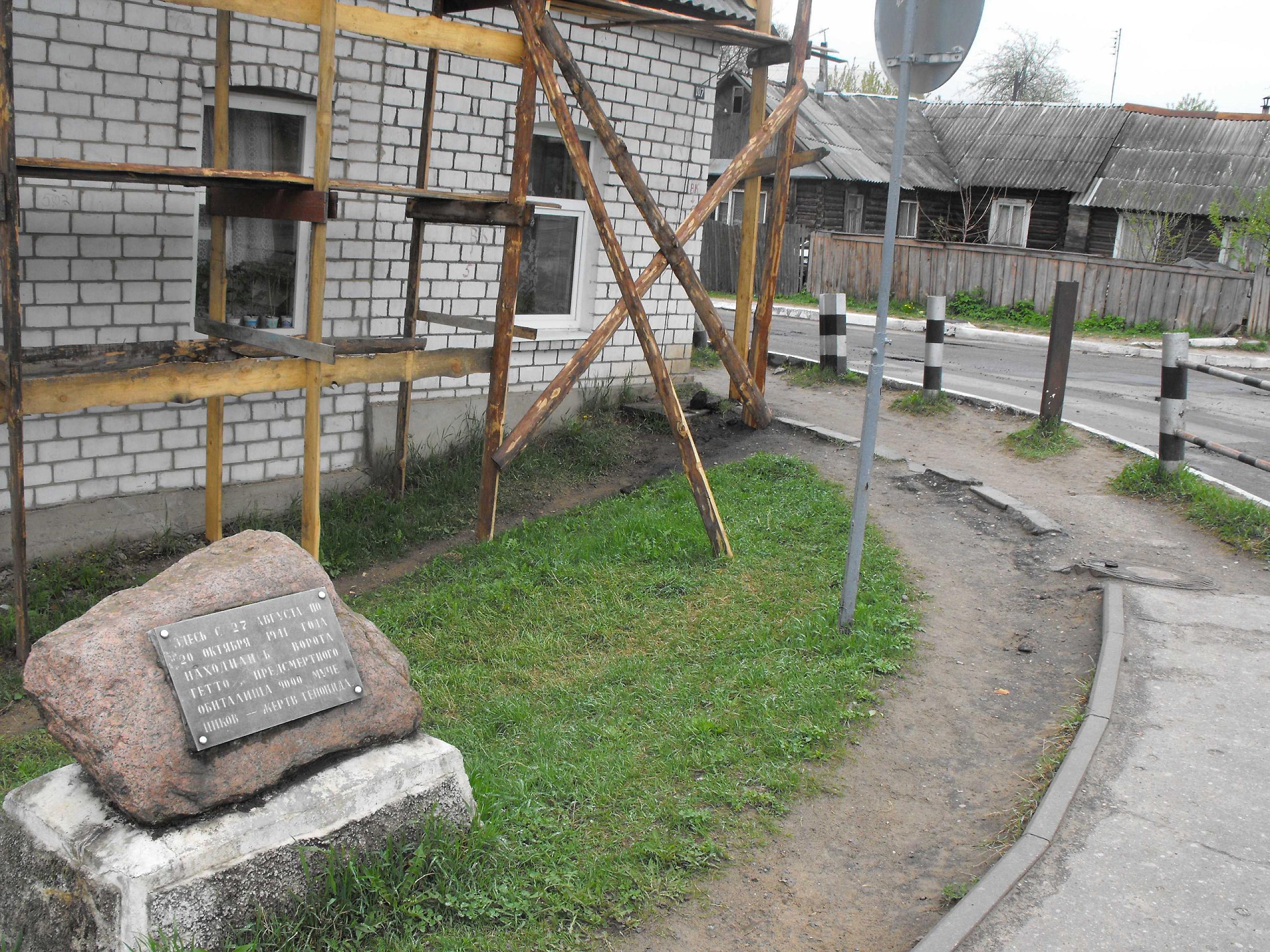
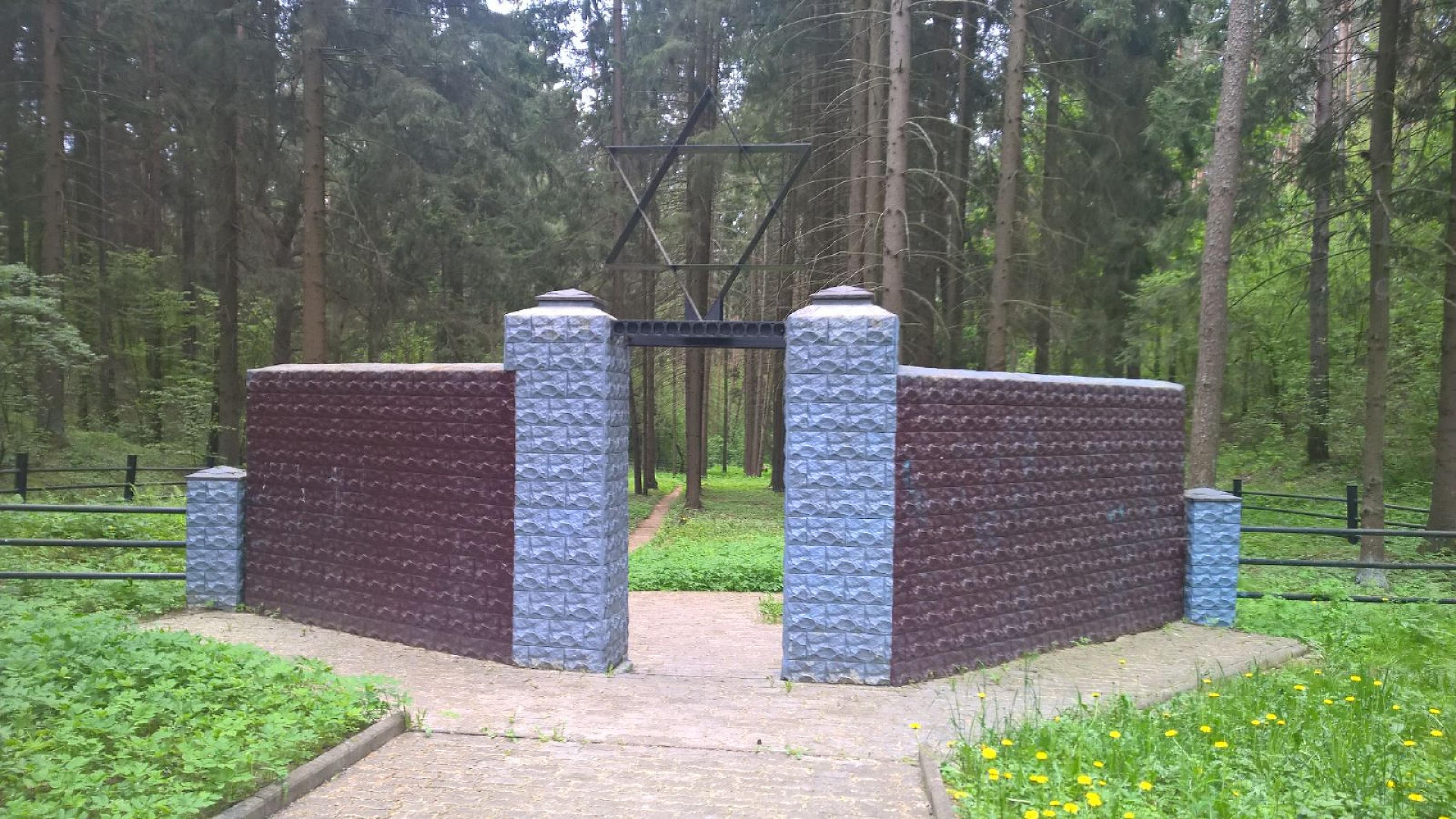
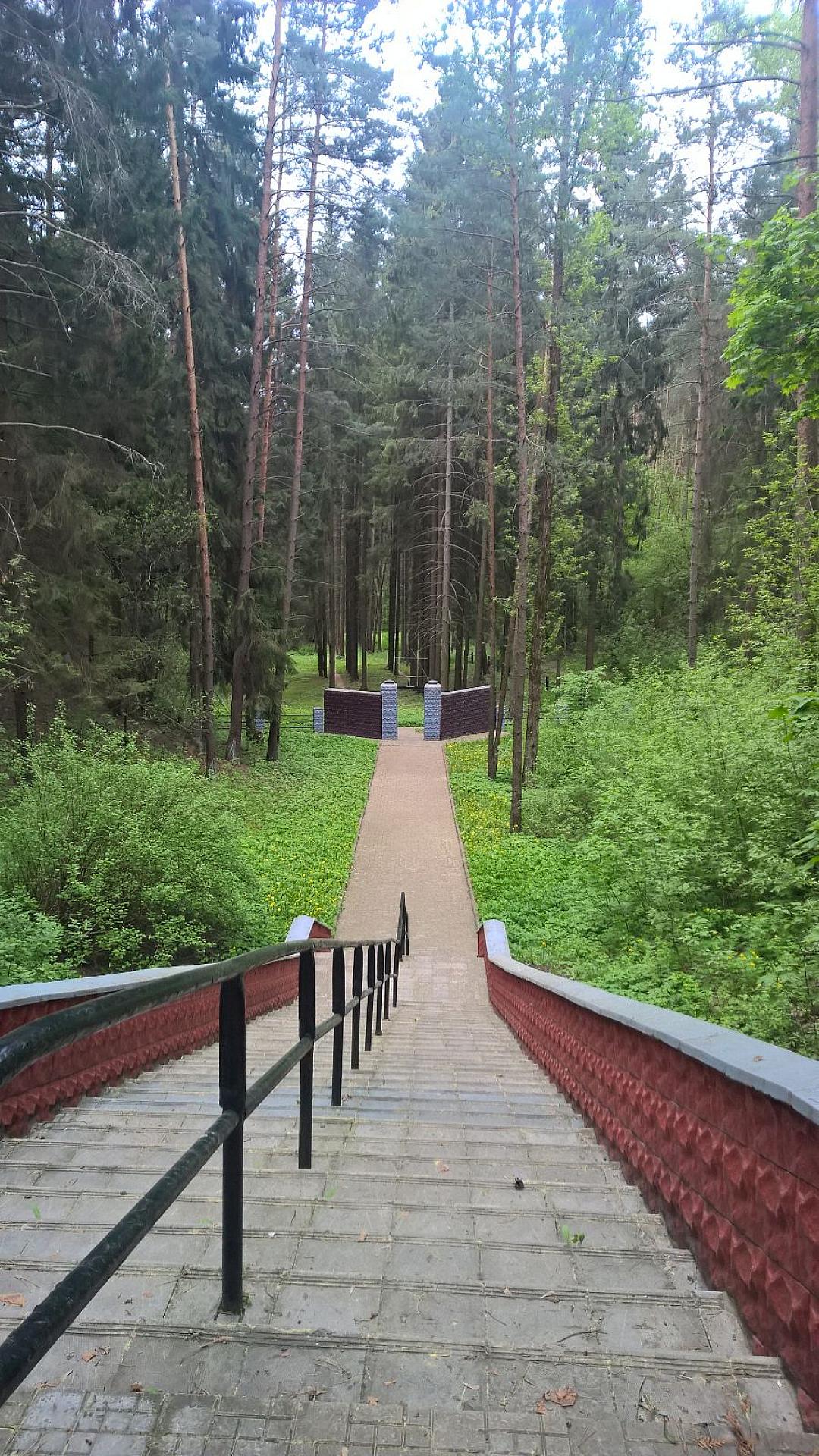
In Barysaw, a memorial at the mass shooting site and a memorial stone at the former entrance to the ghetto remember the Jews who were murdered in the city in 1941.
History
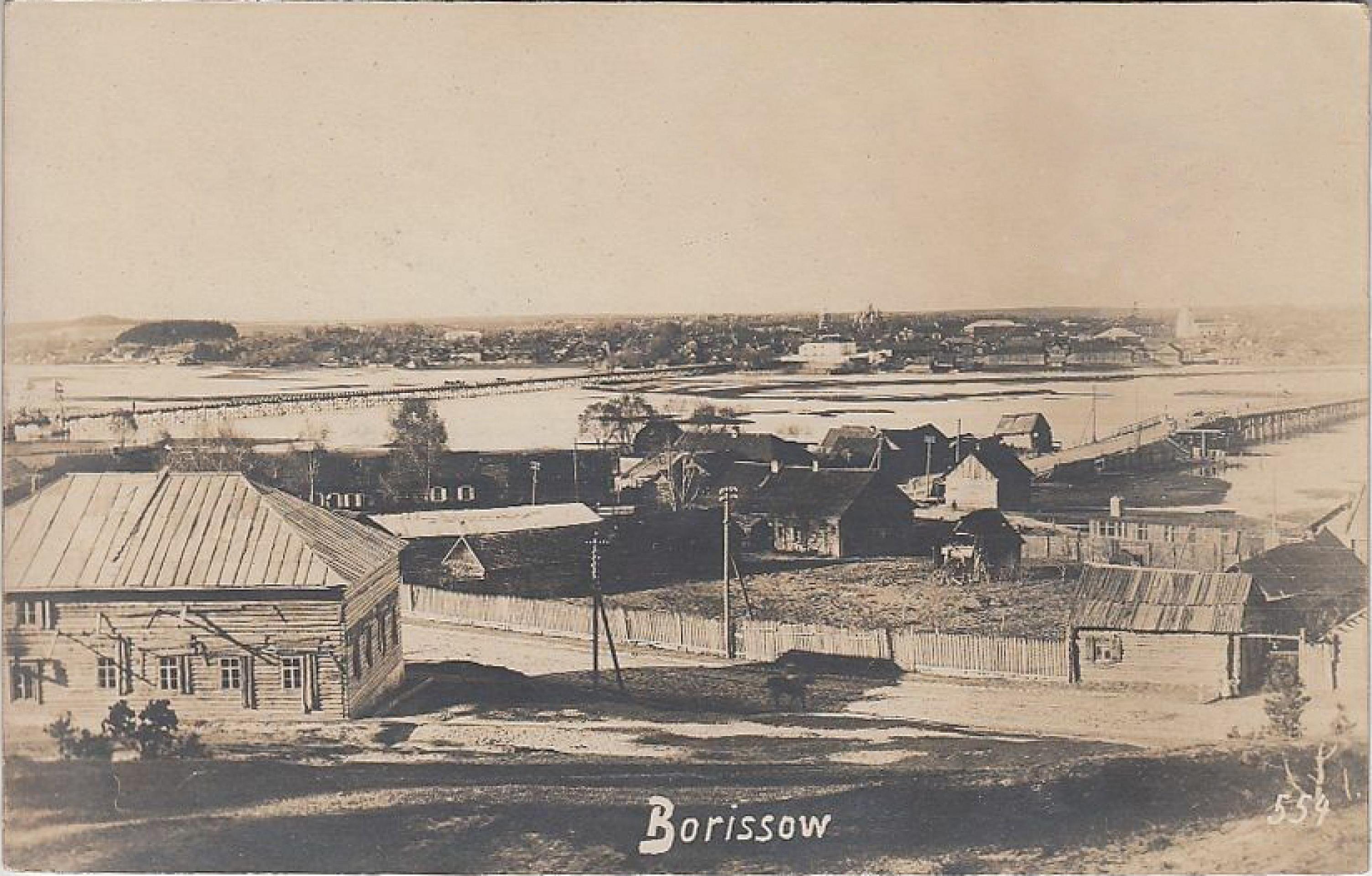
Barysaw (Russian: Borysov, Polish: Borysów), situated on the banks of Berezina about 70 kilometres northwest of Minsk, was founded in 1102. Jews lived there from the 16th century onwards. In 1939 the city had about 10,000 Jewish inhabitants, which was about one fifth of the total population. Their number increased after the outbreak of the war by Jewish refugees from the German-occupied part of Poland.
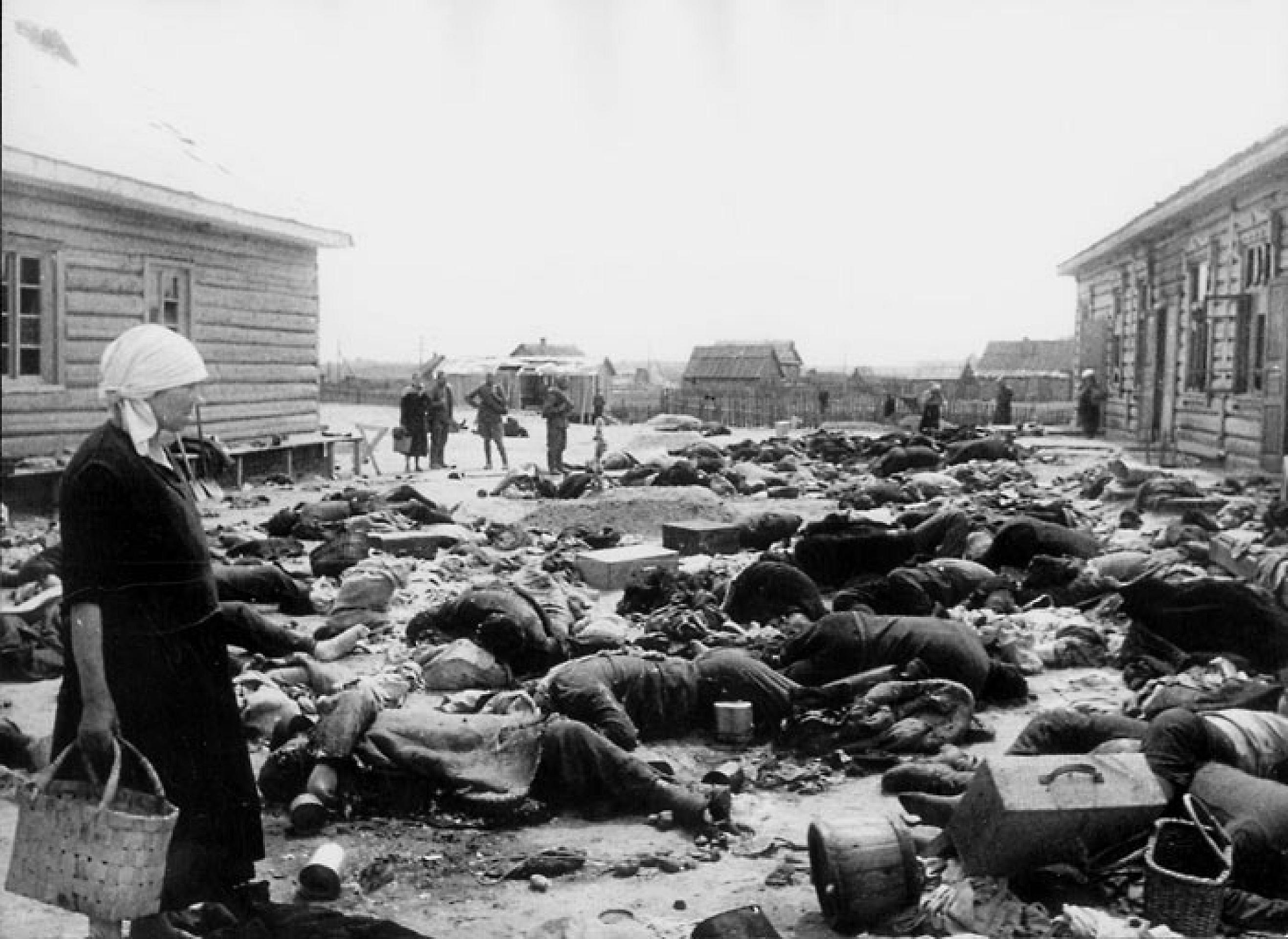
The German Wehrmacht Barysaw on July 2, 1941. Four days later, all the Jewish inhabitants of Barysaw had to resettle in a ghetto in the north of the city. 170 Jews who defied the order were shot. The living conditions in the ghetto were catastrophic. Many died of hunger and diseases. Part of the inhabitants of the ghetto had to conduct forced labour. At the end of September 1941, members of Einsatzkommando (mobile killing unit) 8 under SS-Hauptsturmführer Werner Schönemann arrived in Barysaw and shot several Jews, accusing them of sabotage. Further »Aktionen« followed. On October 19, 1941 SS-Obersturmführer Rudolf Schlegel gave the order from Minsk to liquidate the ghetto. Some of the Jewish forced labourers were deported to Minsk beforehand. Next day at dawn German members of the SS, in collaboration with Belarusian policemen and Latvian auxiliaries, drove the Jewish men to pits near the city which POWs had had to dig at the beginning of the month and shot them there. Jewish women and children followed. The next day the Germans shot all the Jews who had been able to save themselves from the shootings until then. On these two days more than 7,000 Jews were murdered. In an attempt to cover up the traces of their crimes,in October 1943 the SS forced a group of POWs to open the mass graves and burn the bodies as part of »Aktion 1005«. The prisoners were shot afterwards.
Victims
During the establishment of the ghetto on July 25, 1941,the Germans shot more than 170 Jews who had resisted resettlement. Individual executions had already taken place earlier. Further »Aktionen« followed. On October 15, 1941 Einsatzgruppe (mobile killing unit) B reported that it had »liquidated« 7,620 Jews in the Barysaw area by then. Alongside Jews, men from Einsatzkommando 8 also shot prisoners from population groups they regarded as inferior, such as Mongolians and Uzbeks. In the ghetto many of the up to 9,000 Jewish inhabitants died of hunger and disease. On October 20 and 21, 1941 it was liquidated and its inhabitants, more than 7,000 Jewish children, women and men, were murdered. The SS were supported by local Belarusian as well as Latvian policemen.
After the murder of the Jewish population of Barysaw there were several forced labour camps into which Jews from other areas were deported. During their retreat in June 1944, the Germans deported about 1,400 camp inmates to camps situated further west. However, 900 prisoners, including Jews, were shot on the spot. According to the Soviet Extraordinary Commission, which investigated the crimes of the National Socialists on site after liberation, a total of approximately 9,000 Jews were murdered in Barysaw.
Remembrance
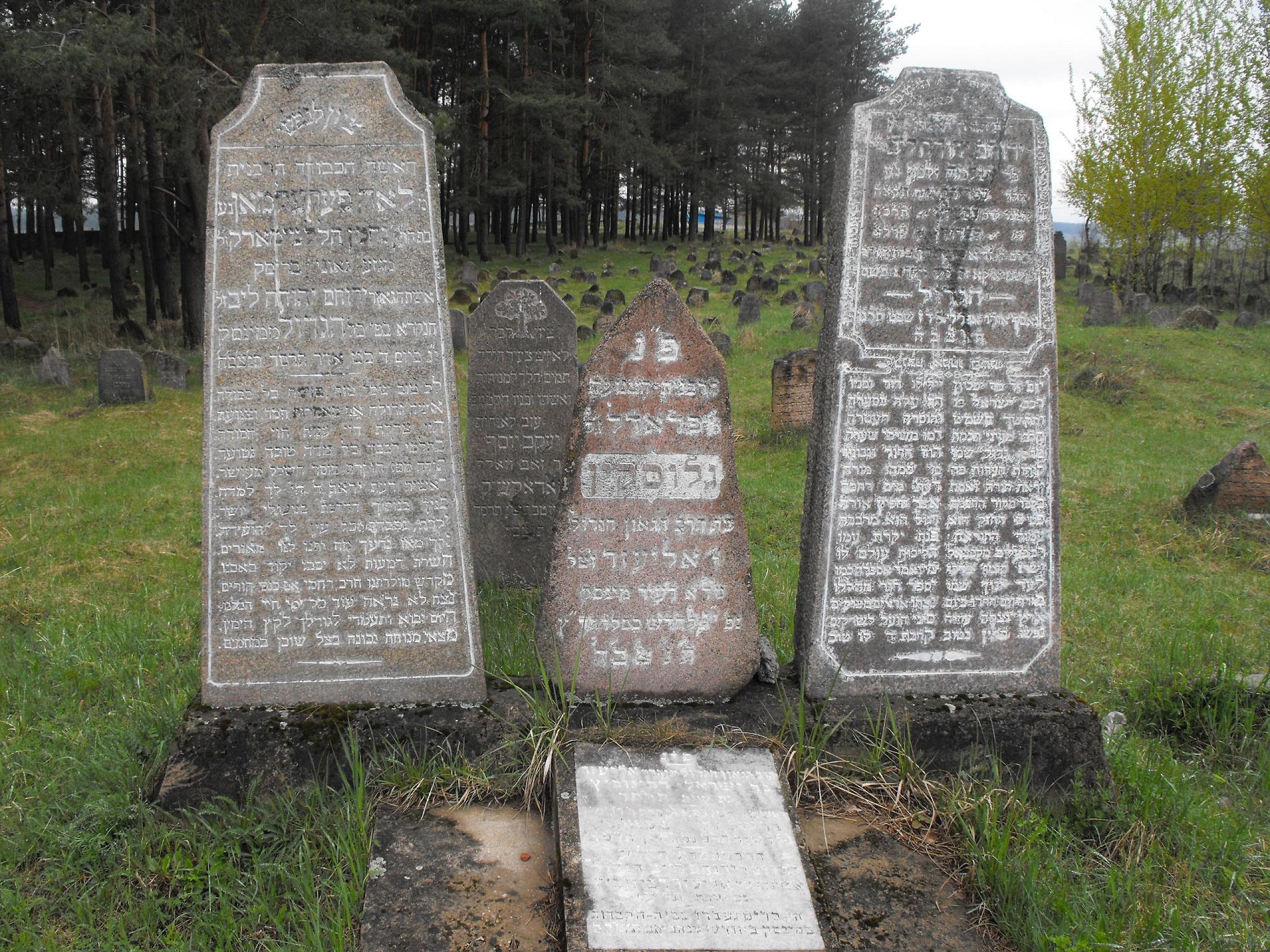
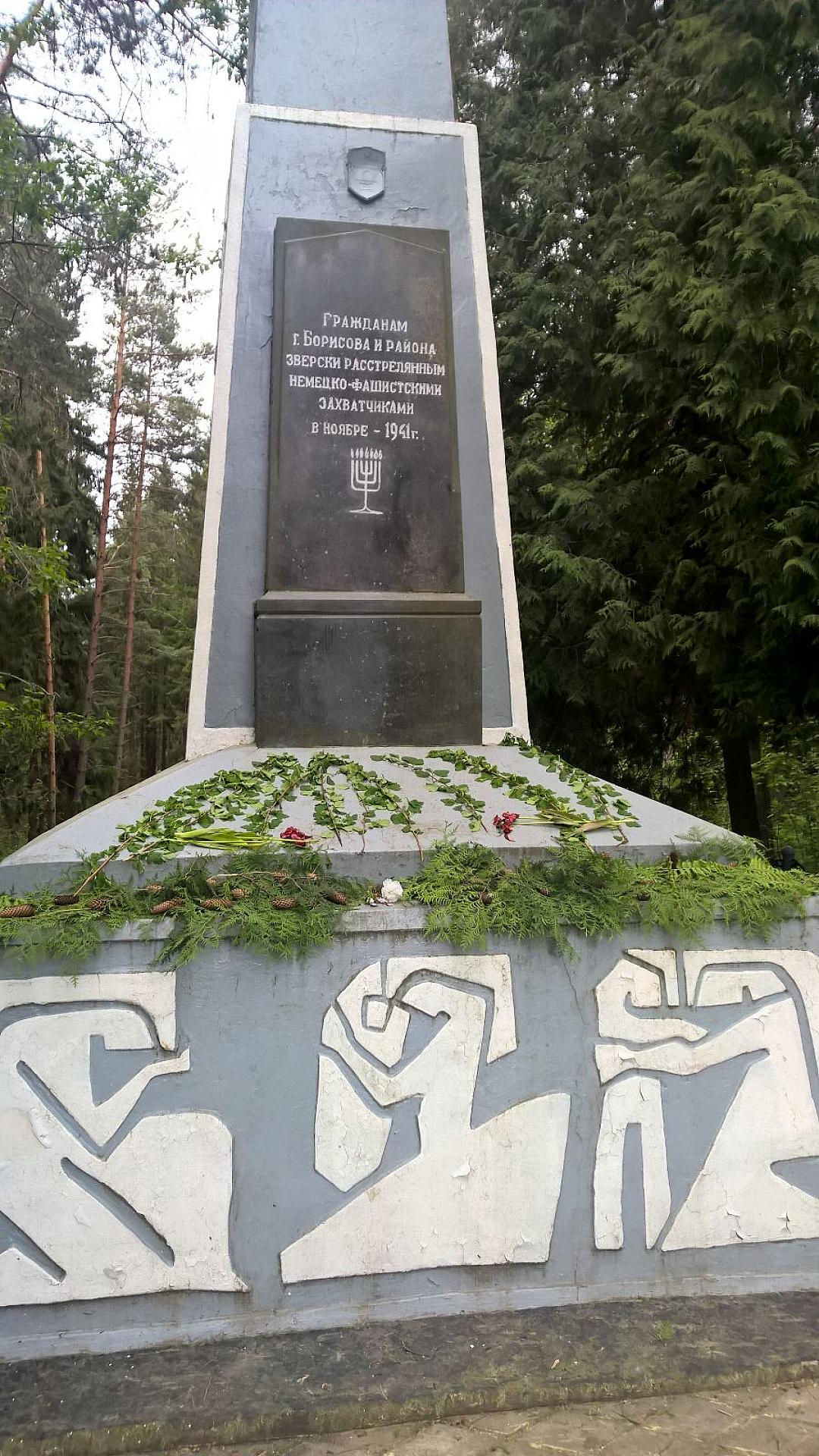
The Red Army liberated Barysaw on July 1, 1944. Some 50 Jews who had survived in hiding in Barysaw were also liberated. As early as 1947 relatives of the victims erected an obelisk-shaped memorial at the site of the mass shooting. At its tip was a stylized flame. The memorial originally had a Yiddish inscription, but it was removed in the 1950s and replaced by a Russian one which no longer mentioned Jews but referred to »Soviet citizens« as victims. In 1995 a menorah was added to the memorial. Since 1991, the Jewish History and Culture Community »Svet Menory« has organised commemorative events for the murdered Jews of Barysaw. The same association was also involved in the restoration of the memorial in 2004.
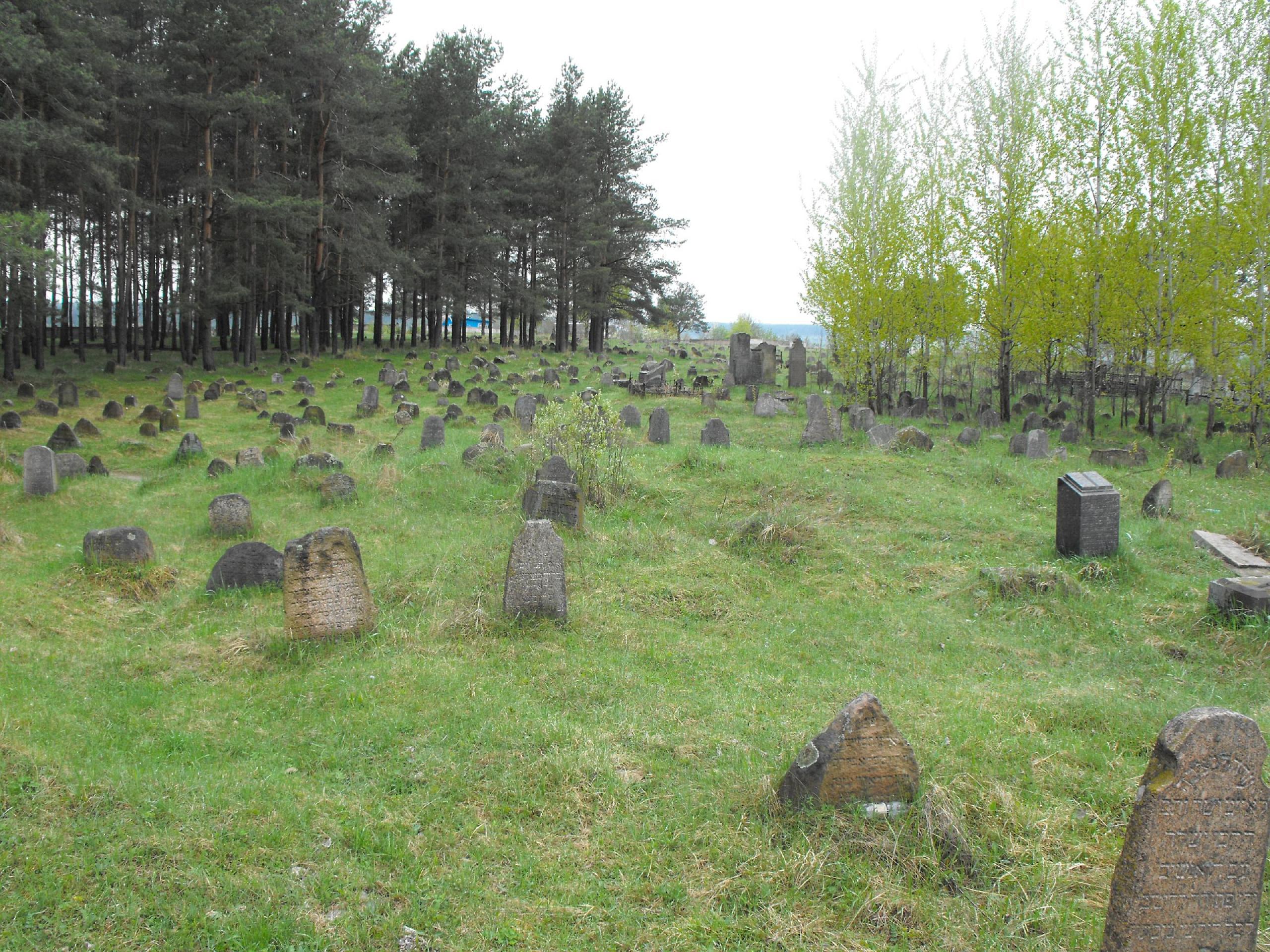
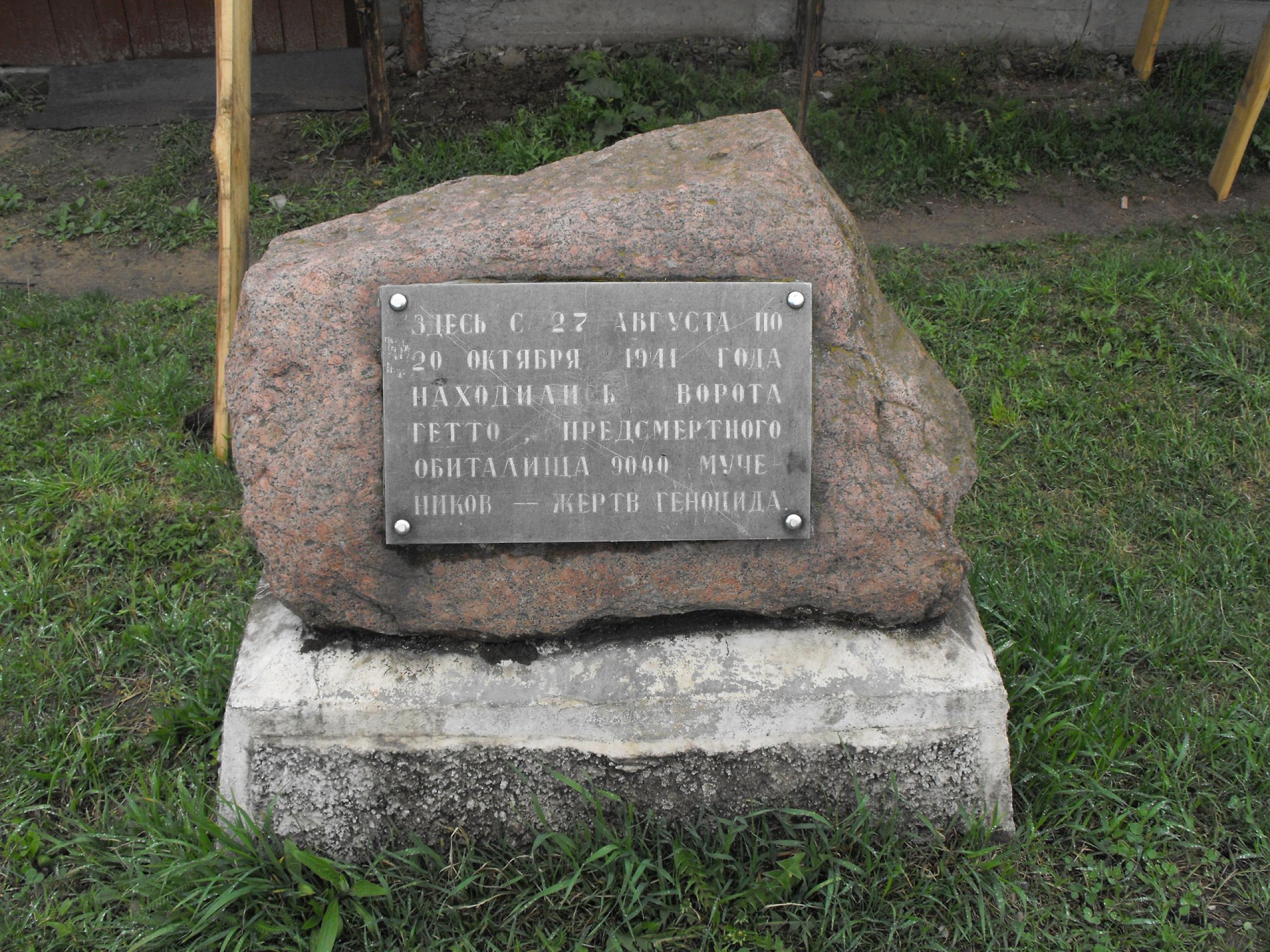
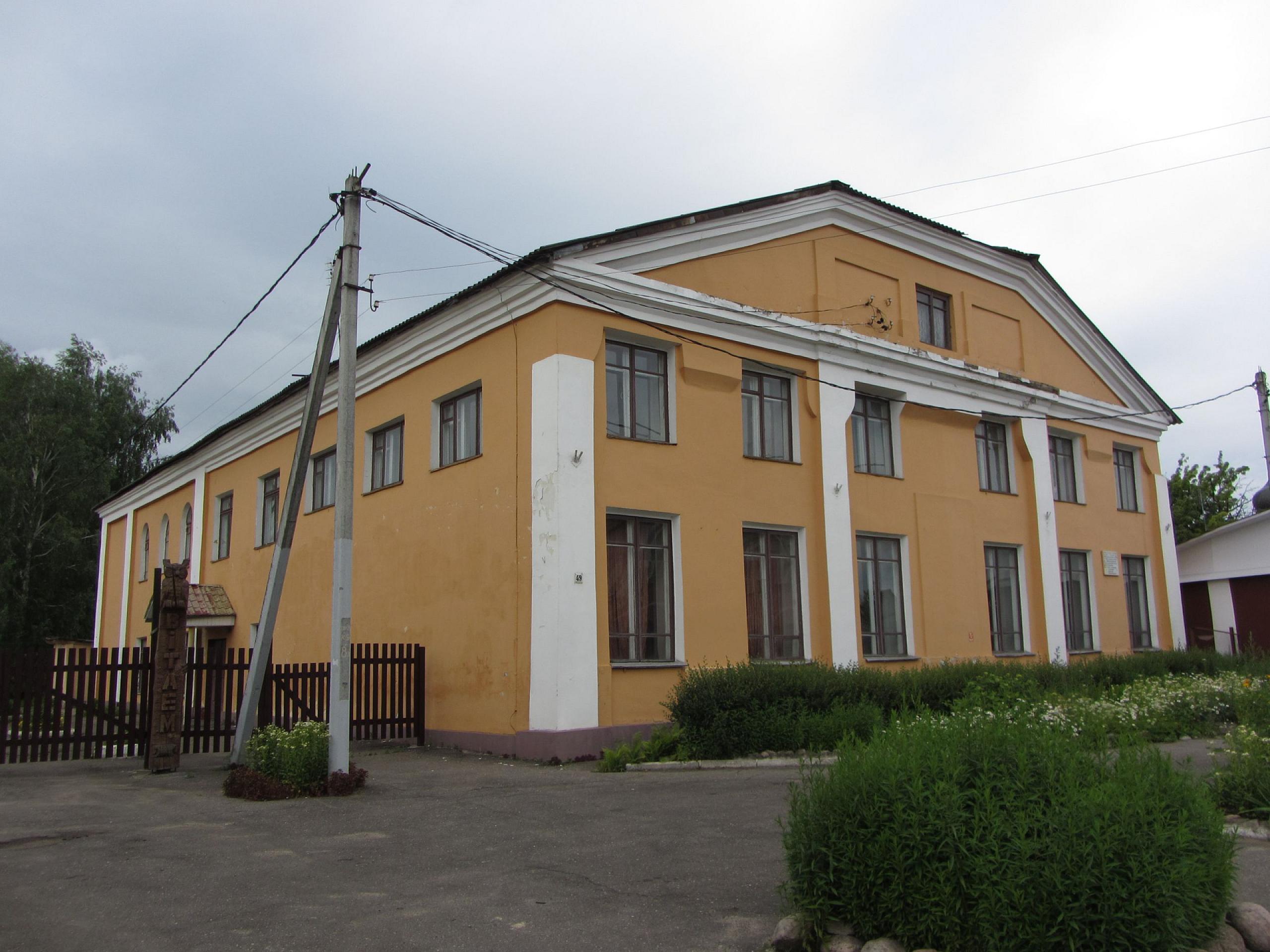
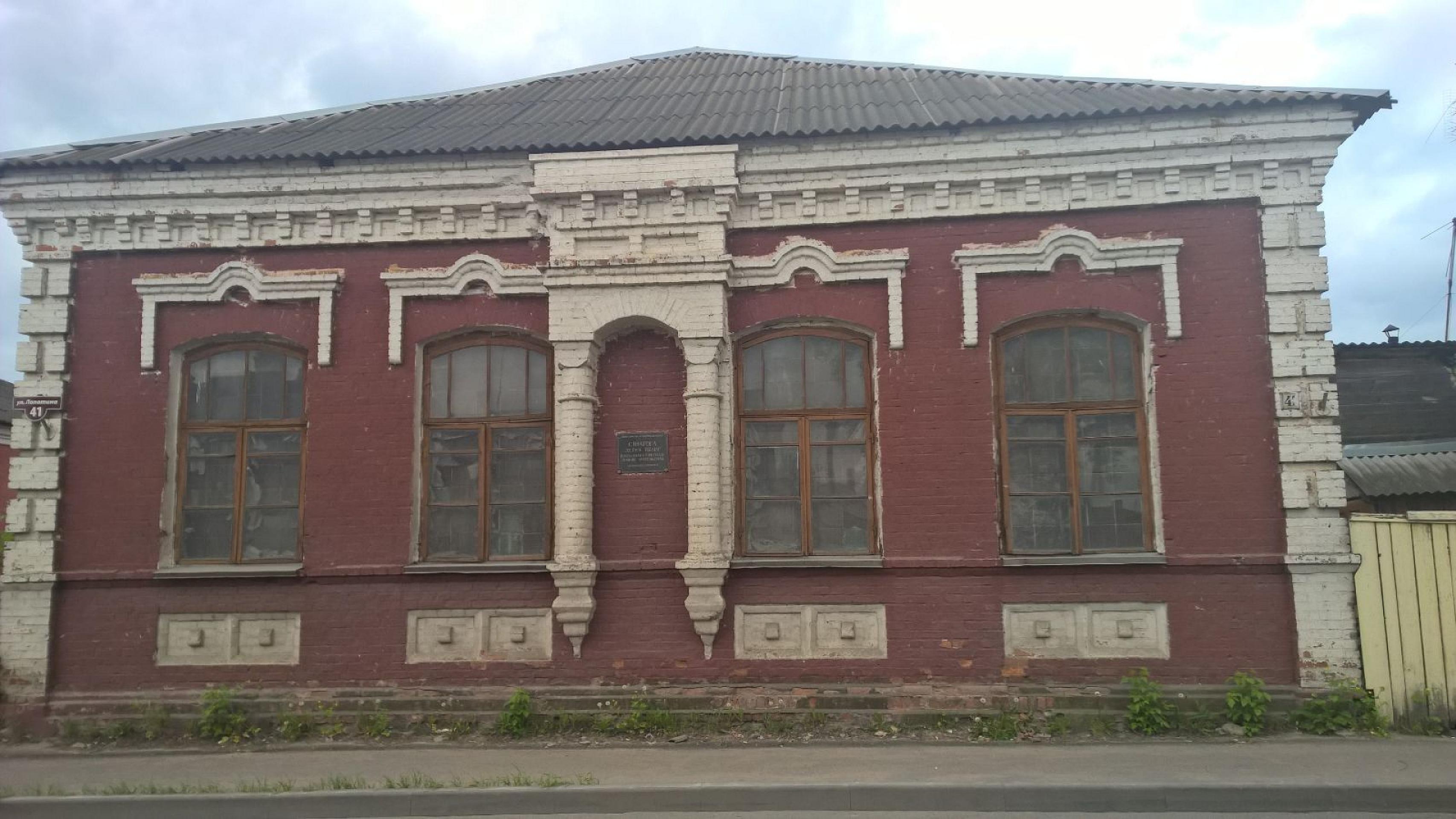
In the north of the city is the building of the former Great Synagogue and the Jewish cemetery, which is no longer in use. The synagogue was built in 1912 and partially destroyed by the Soviet authorities in the 1920s. Although the building was restored in the 1960s, it was never used as a synagogue again and was auctioned in 2015. The smaller Hevre Telihim Synagogue is still being used today as a place of worship. Nearby there is also a memorial stone at the former entrance to the ghetto. It has the following Russian inscription: »From August 27 to October 20, 1941 this was the location of the entrance gate to the ghetto, the last abode of the 9,000 martyrs – victims of the genocide«. In Uritskogo Street, a plaque with a Belarusian inscription remembers the employees of the former children's home who hid Jewish children there from 1941 to 1944. The building still houses a kindergarten. Today Barysaw has about 1,000 Jewish inhabitants.
Open
The memorials are accessible at all times.
Contact
Denkmal am Ort der Massenerschießung: ul. Lopatina / vul. Lapazina 172
222120 Borissow