Memorial to the murdered Jews of Berdychiv
Пам´ять вбитих євреїв Бердичева
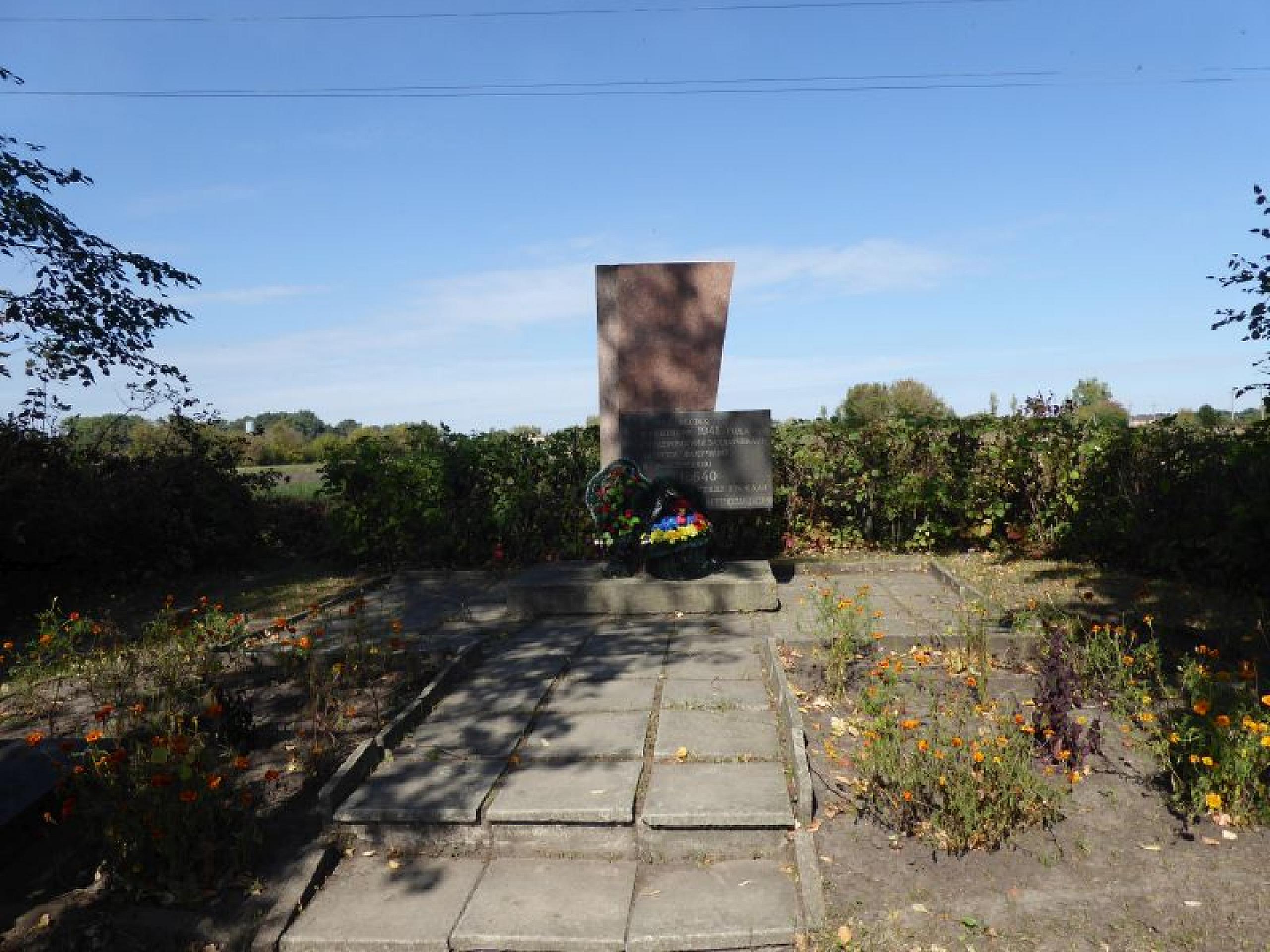
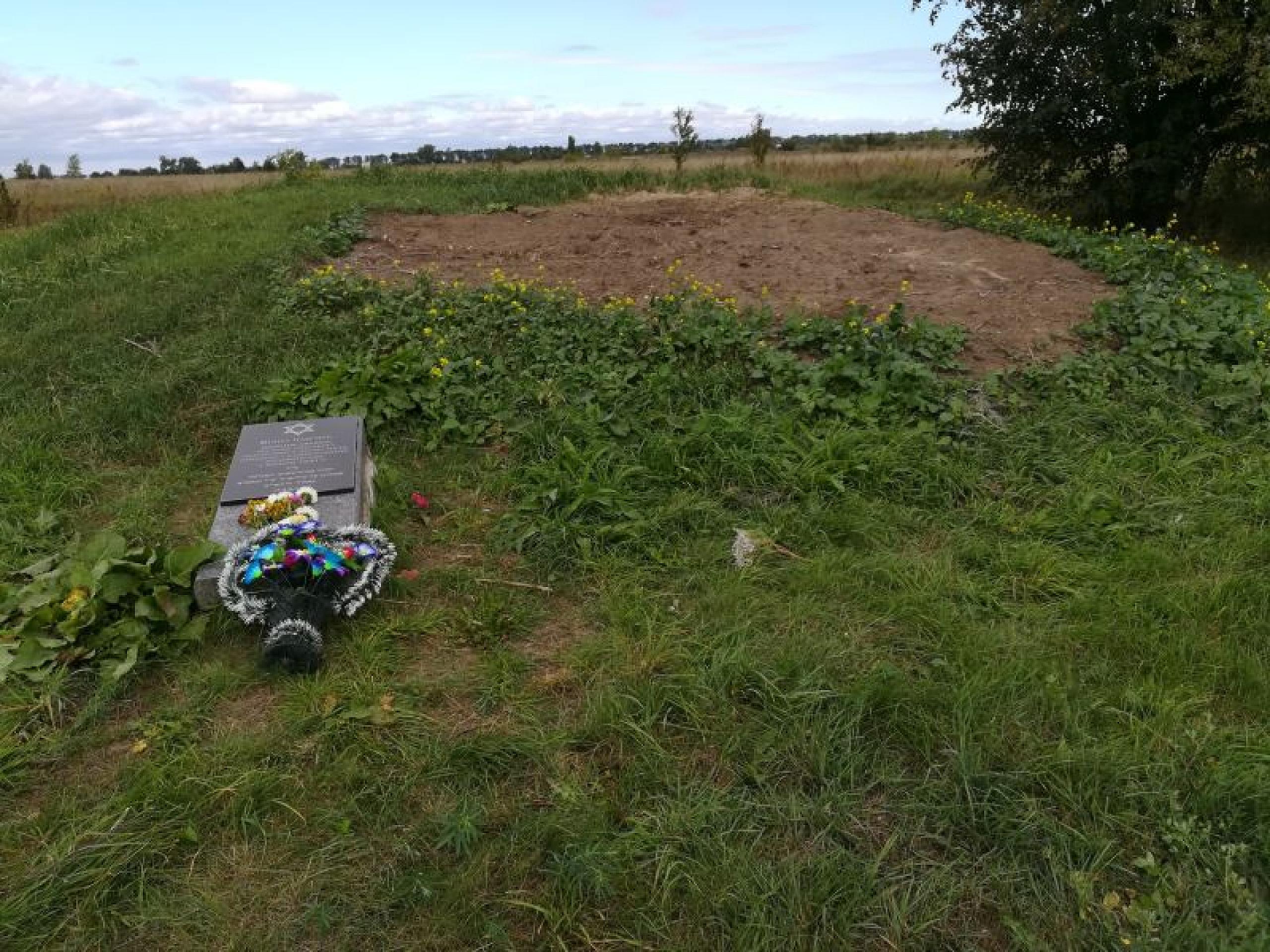
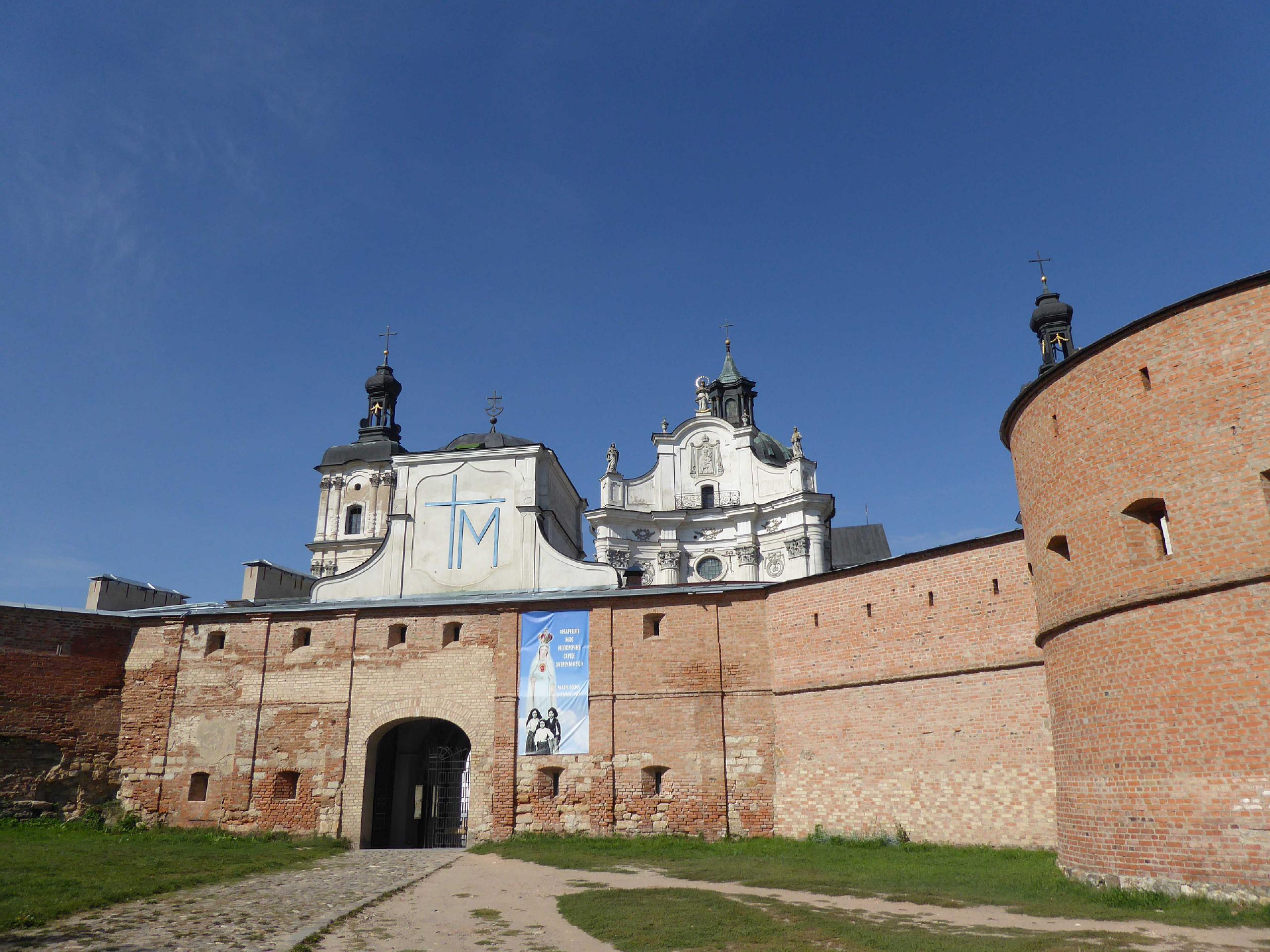
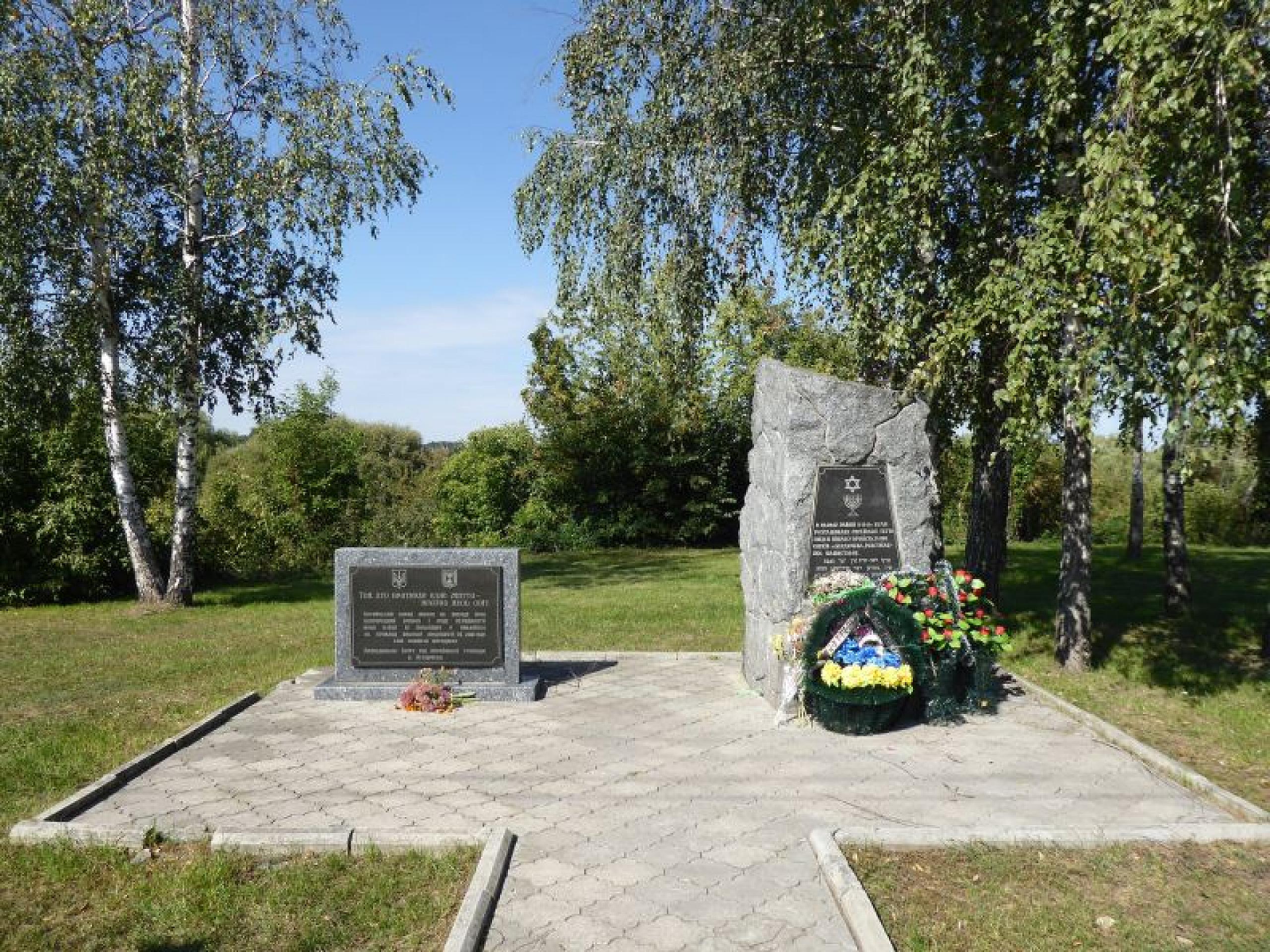
In Berdychiv (Russian: Berdichev), several memorials and memorial plaques commemorate the approximately 17.000 Jews murdered in the city and its surroundings. Two memorials are located at the site of the former ghetto, next to the monastery of the Discalced Carmelites. All other memorials are located at or near the sites of the mass shootings.
History
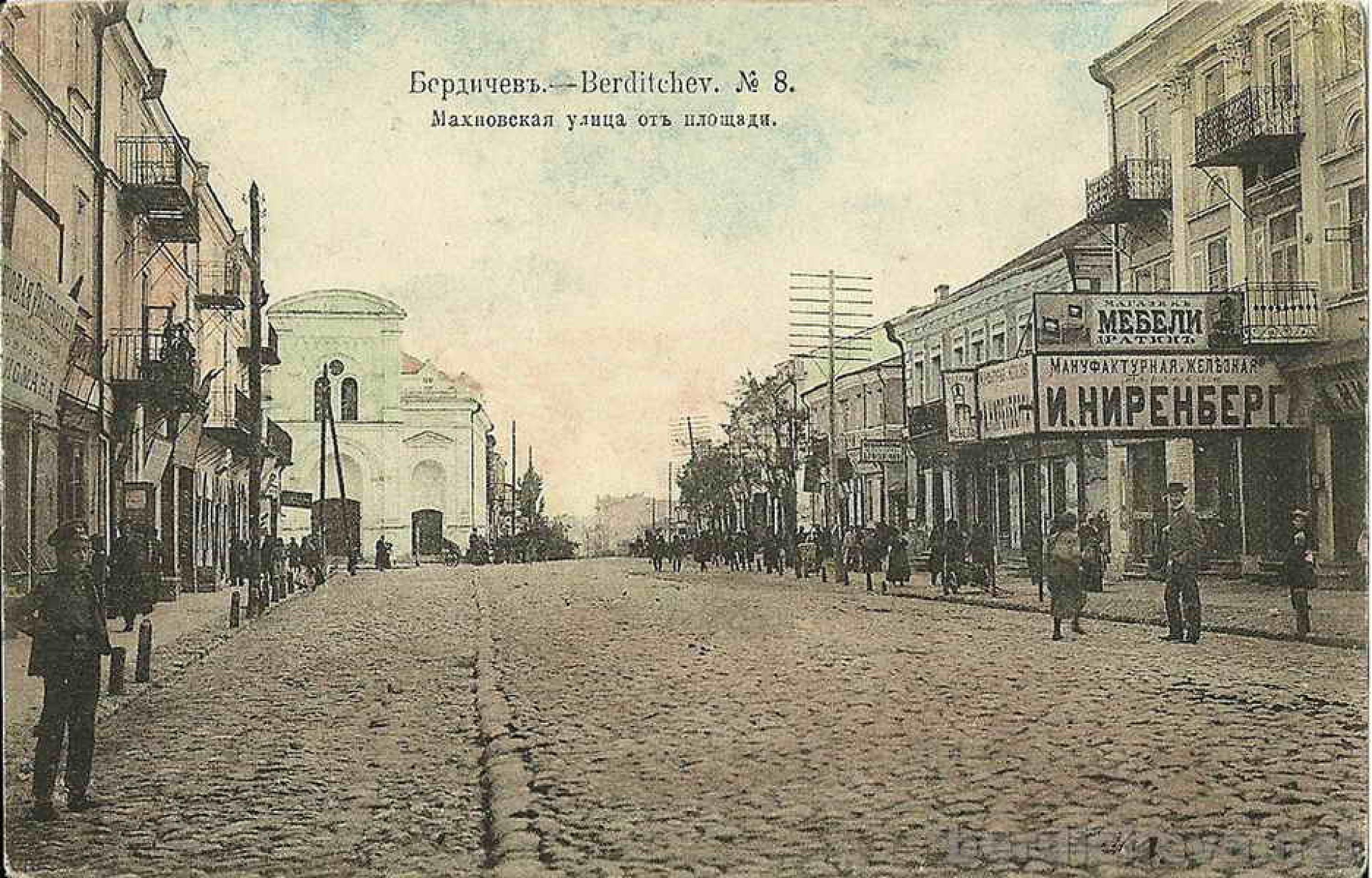
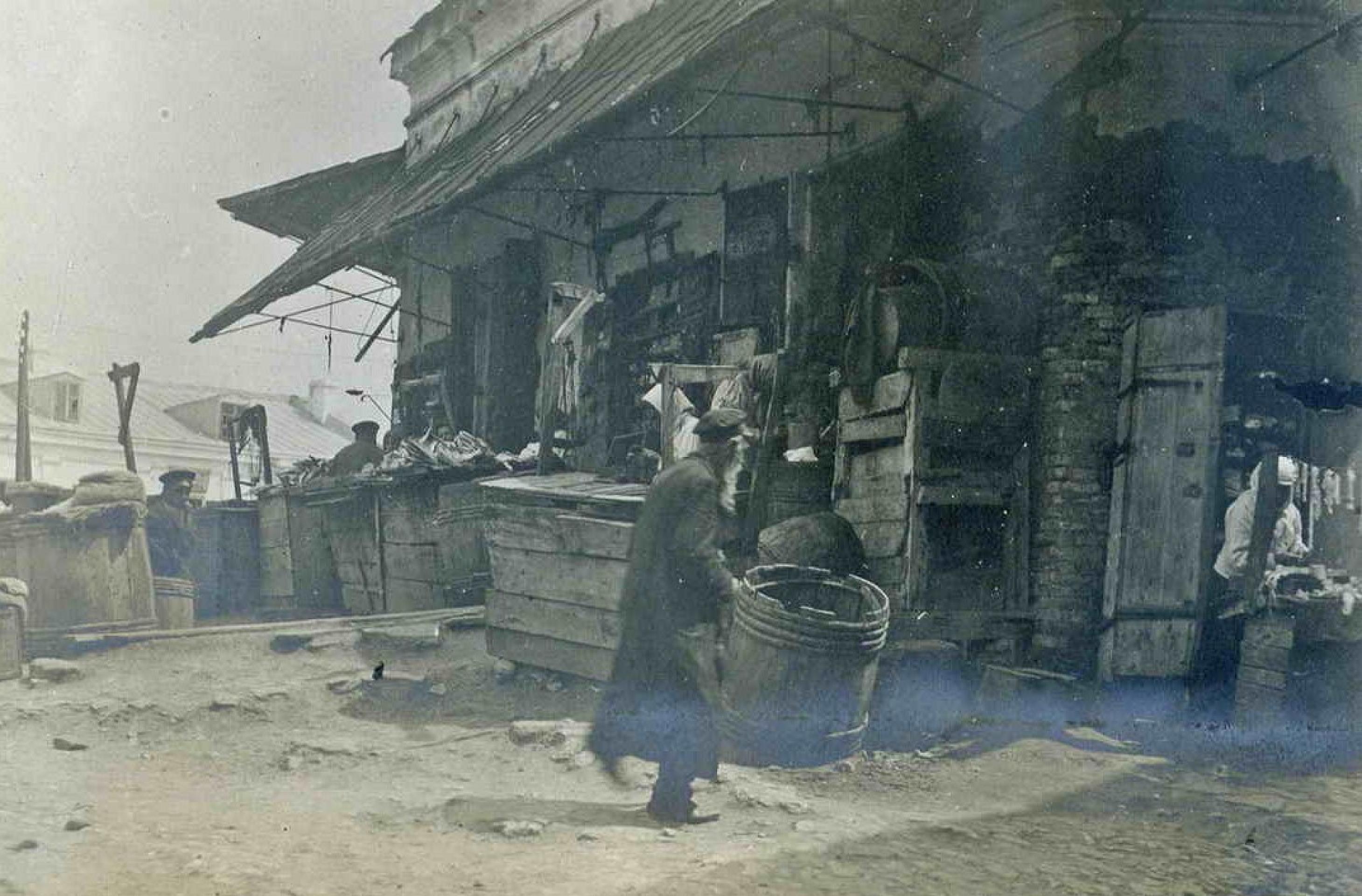
Berdychiv, located 44 kilometres south of Zhytomyr, was founded in 1546. A few years later Jews settled in the city. Towards the end of the 19th century 41,600 out of 53,300 inhabitants were Jews. In 1919, Ukrainian militias murdered 23 Jews during the civil war in pogrom-like riots. In the 1920s Jewish culture flourished. During this time, Yiddish was recognized as an official language alongside Ukrainian and Russian. When the political situation worsened in the 1930s, many Jews emigrated from Berdychiv. In 1939, only 38 percent of the population remained Jewish.
The German Wehrmacht occupied the city on July 7, 1941. Approximately 10.000 Jews were able to flee beforehand. The occupiers forced the Jews to wear identifying badges and carry out forced labour. At the end of August 1941, the Germans shot Jews for the first time, accusing them of anti-German activities. A few days later, troops from Einsatzgruppe (mobile killing unit) C arrived and murdered more Jews. A series of further mass shootings followed. On August 26, 1941, the German occupiers established a ghetto in the poorest quarter of the city. On September 15, 1941, during the largest mass shooting, the occupiers and their accomplices murdered approximately 12.000 Jews. About 400 Jewish workers were initially spared from the »Aktion«. On November 3, 1941 the ghetto was wiped out by units of the Security Service of the SS (SD) from Zhytomyr and members of the Ukrainian auxiliary police: almost all the ghetto inhabitants were taken to a former monastery by the Ukrainian police and then shot. About 300 Jews from Berdychiv and 700 Jews from liquidated camps in the surrounding area were interned in the "Lisaya Gora" labour camp. The labour camp was liquidated on July 16, 1942 and most of the prisoners were murdered. 60 Jewish workers were initially spared and incarcerated in a prison. Almost all of them were murdered until early January 1944.
Victims
From July to September 1941 the majority of the Jewish community of Berdychiv was extinguished in a series of mass shootings: at the end of August 1941, members of the Sonderkommando (special unit) 4a shot 148 Jews and a few days later Einsatzgruppe (mobile killing unit) C arrived and murdered 74 Jews. On August 26,1941 a special unit of the Higher SS and Police Leader Russia-South under the command of Friedrich Jeckeln shot 546 Jews. At the end of the month, the Police Regiment South murdered 914 Jews and 22 POWs. On September 4, 1941 a special unit of the Higher SS and Police Leader Russia South shot more than 1.300 Jews. Among the victims were about 870 Jewish women and girls older than 12. During the largest mass shooting on September, 15 1941, members of the SS, the police and Ukrainian municipal police murdered approximately 12.000 Jews at an airfield near the city. On April 27, 1942 the Germans murdered about 70 women and children from so-called »mixed marriages« between Jews and non-Jews. Only 10 to 15 Jews survived the German occupation. A total of about 17.000 Jews were murdered. The majority of the victims came from Berdychiv, the other part came from places nearby.
From August 26, 1941 to September 1941, Friedrich Jeckeln (1895–1946), the SS-Obergruppenführer and General of the Armed SS and Police Leader Centre, organized the mass murders in Berdychiv. He was executed in Riga after the war as a war criminal. At the beginning of 1942 the Security Service of the SS (SD), led by SS-Sturmscharführer (Sergeant Major of the SS) Fritz Siebert (1903–1966) was responsible for the mass shootings. They were organized by the Security Service of the SS (SD) Zhytomyr under Franz Razesberger (1904-1994). Franz Razesberger was acquitted in Vienna in 1961. Ukrainian auxiliary policemen were involved in all »Aktionen«.
Remembrance
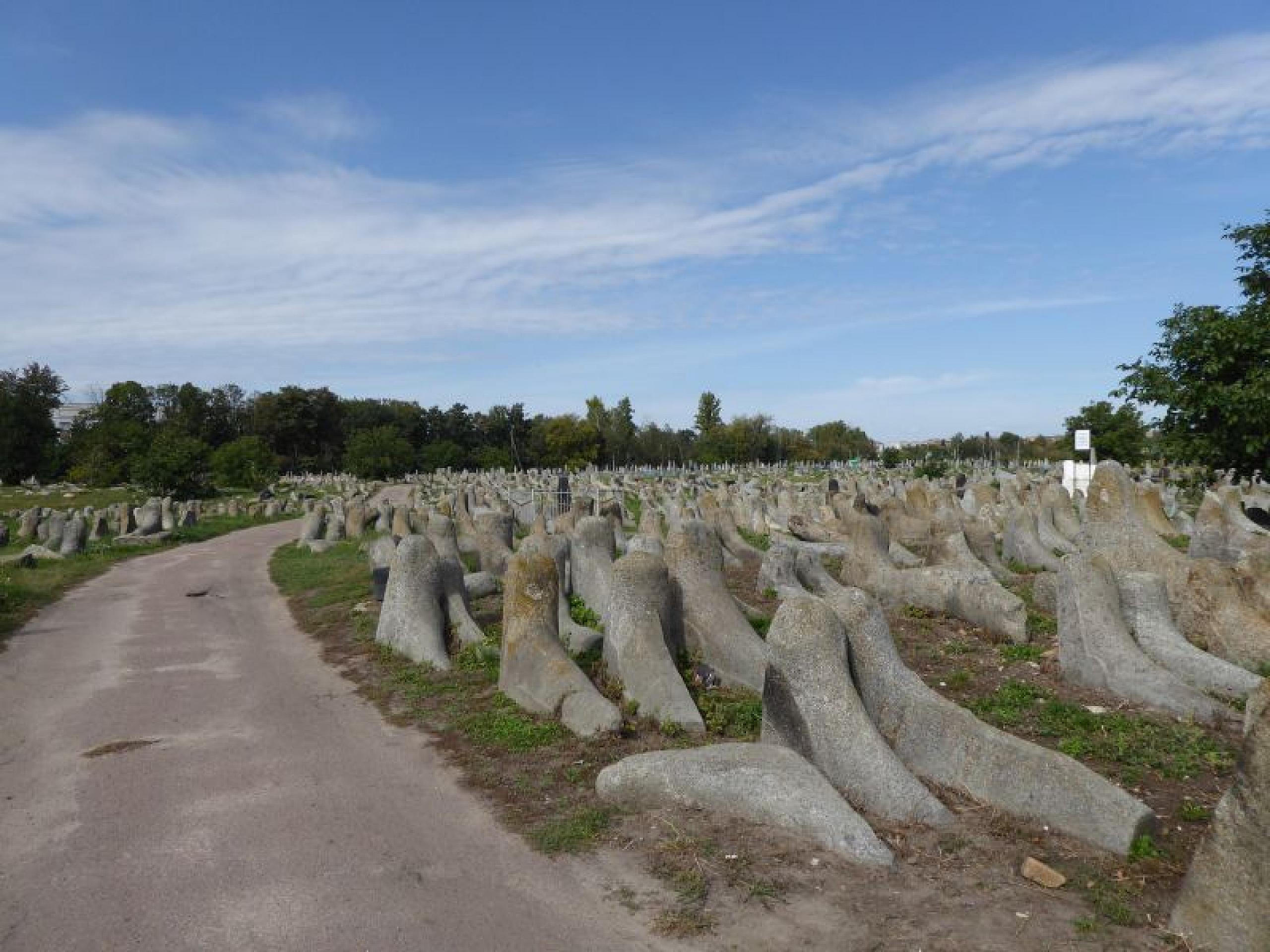
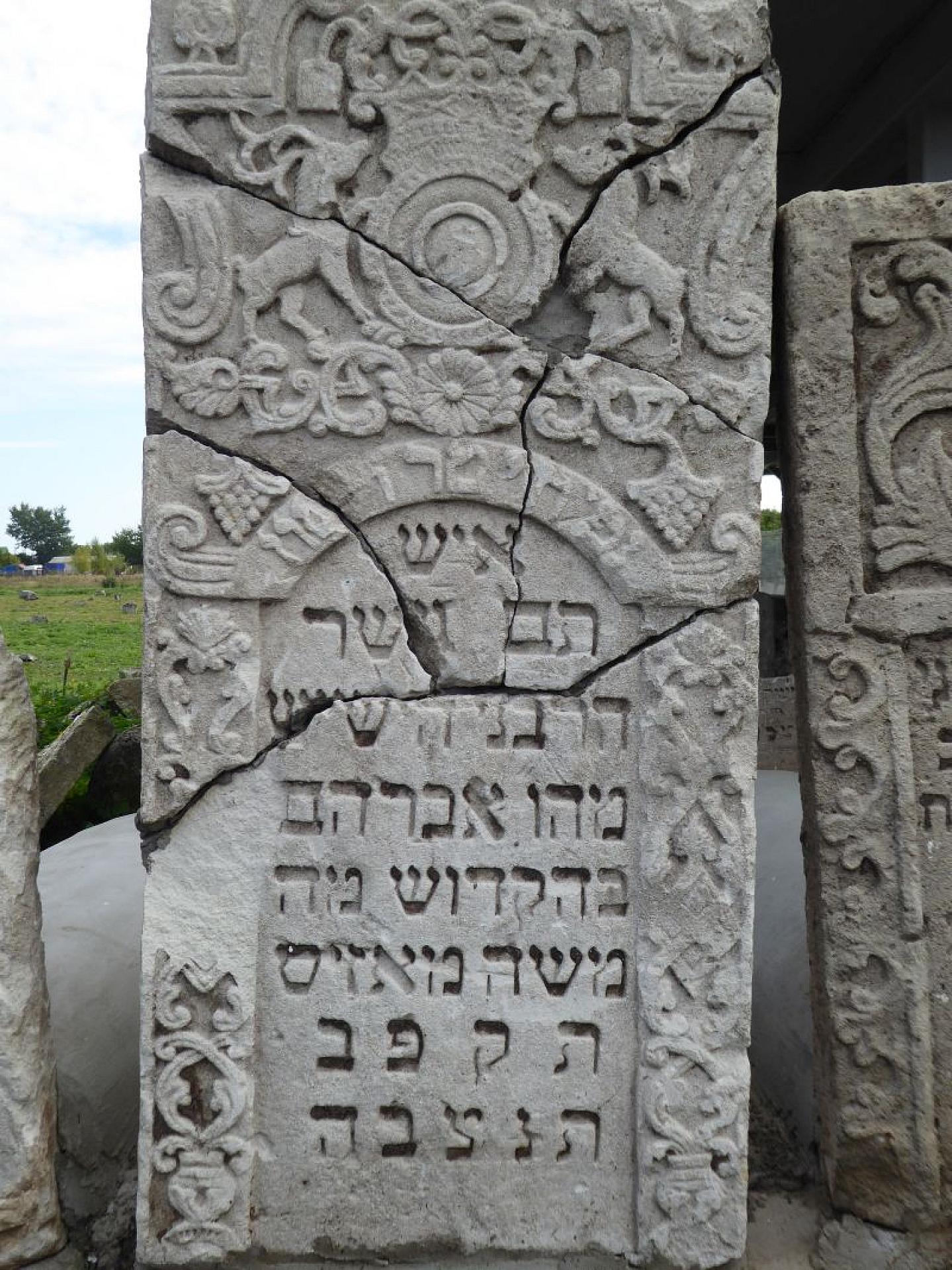
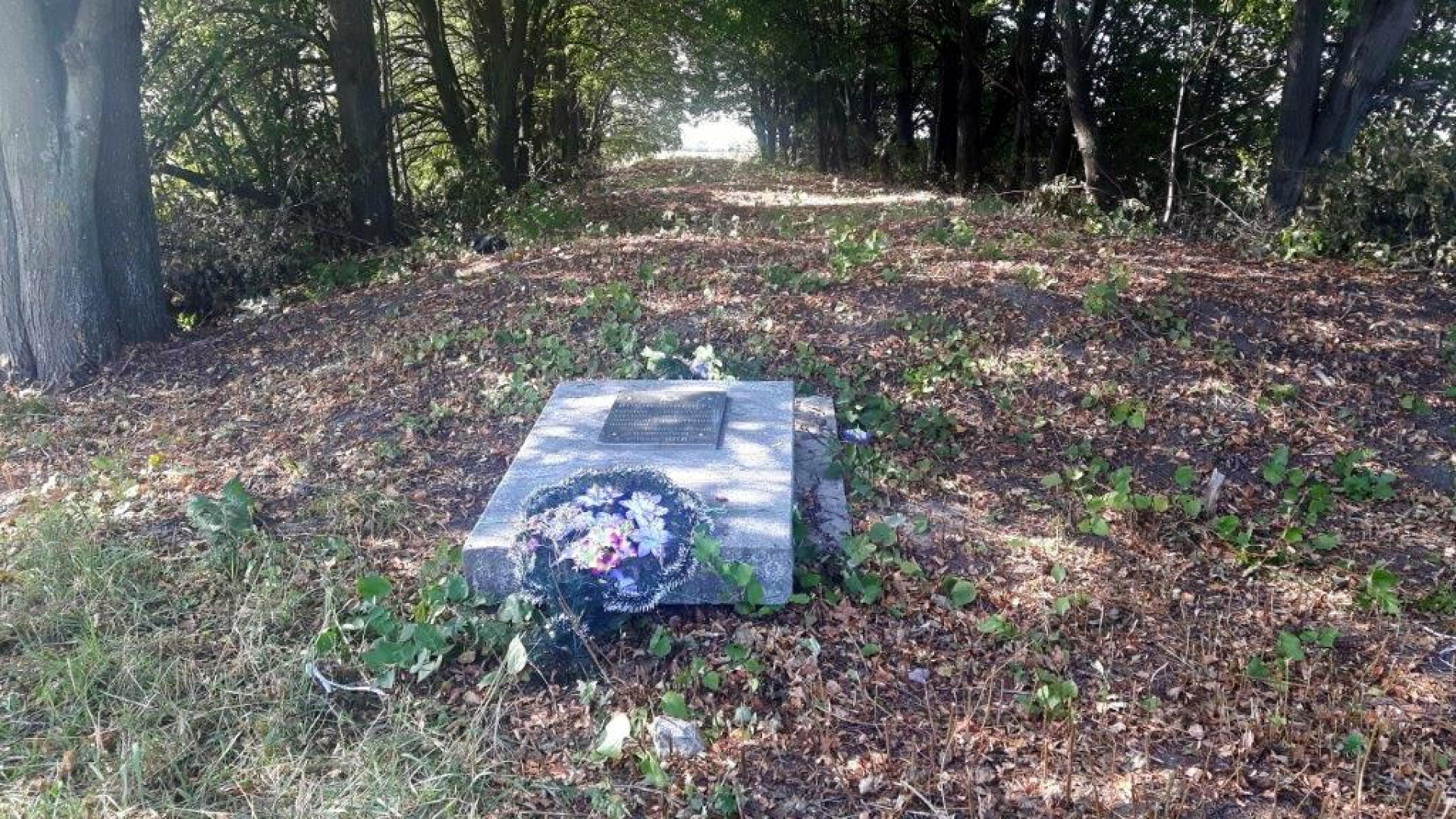
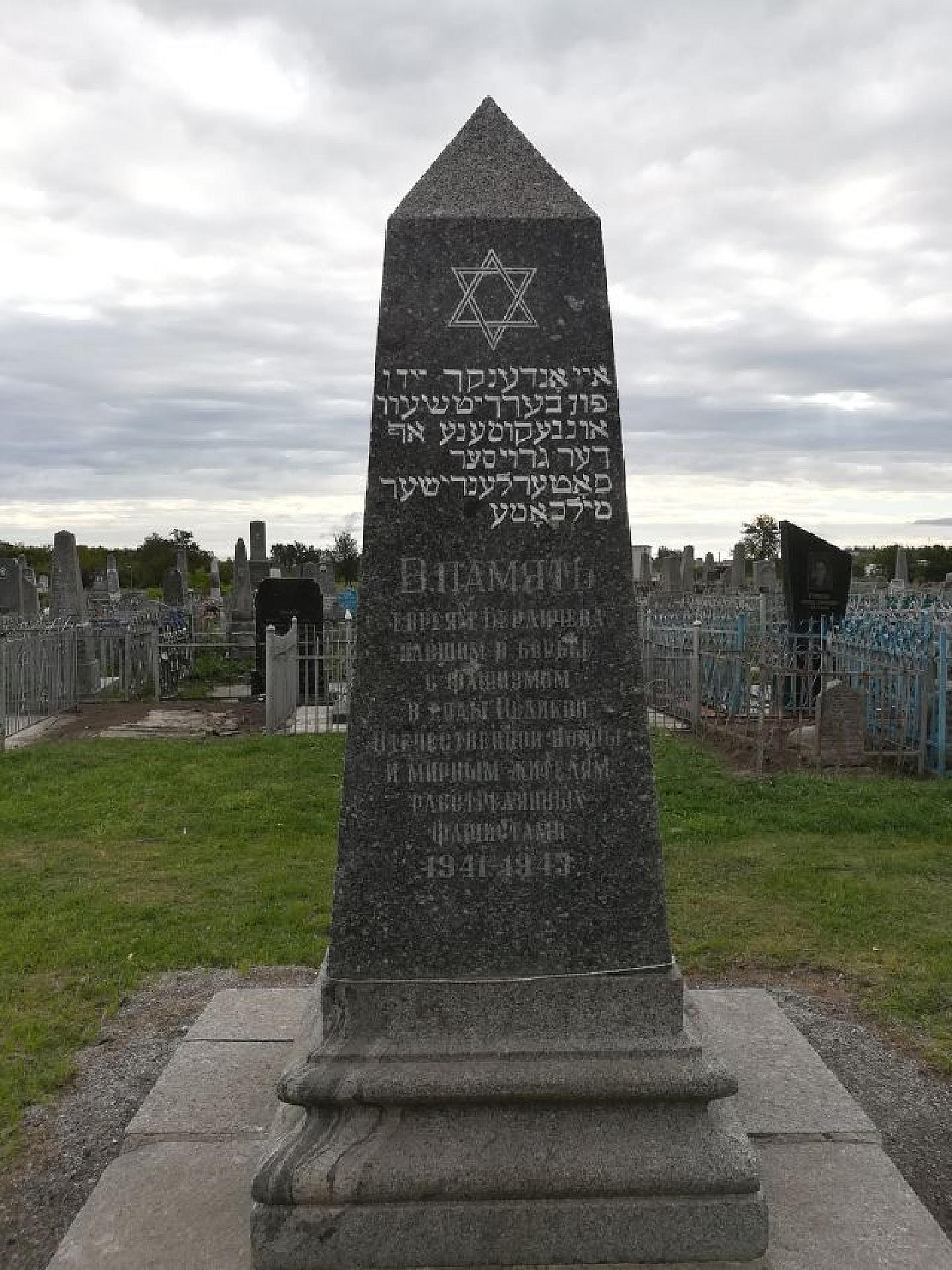
Berdychiv was liberated by the Red Army on January 5, 1944. In 1950 6,300 Jews lived again in Berdychiv. Immediately after the end of the fighting, a Soviet commission of inquiry inspected two mass graves between Khashin and Bistrik and the mass grave of the biggest single mass shooting on site (September 15, 1941) near the village of Radienskoye. For a long time the Soviet authorities refused to allow the Jews of Berdychiv to erect memorials at the sites of mass shootings. They were only allowed to erect a memorial and memorial plaques in the Jewish cemetery. In 1953, however, the Jewish community erected an obelisk at the site of the mass shooting of September 15, 1941, but this memorial was dismantled by the authorities shortly afterwards. Decades later it was rediscovered and in 1990 it was re-erected on the Jewish cemetery.
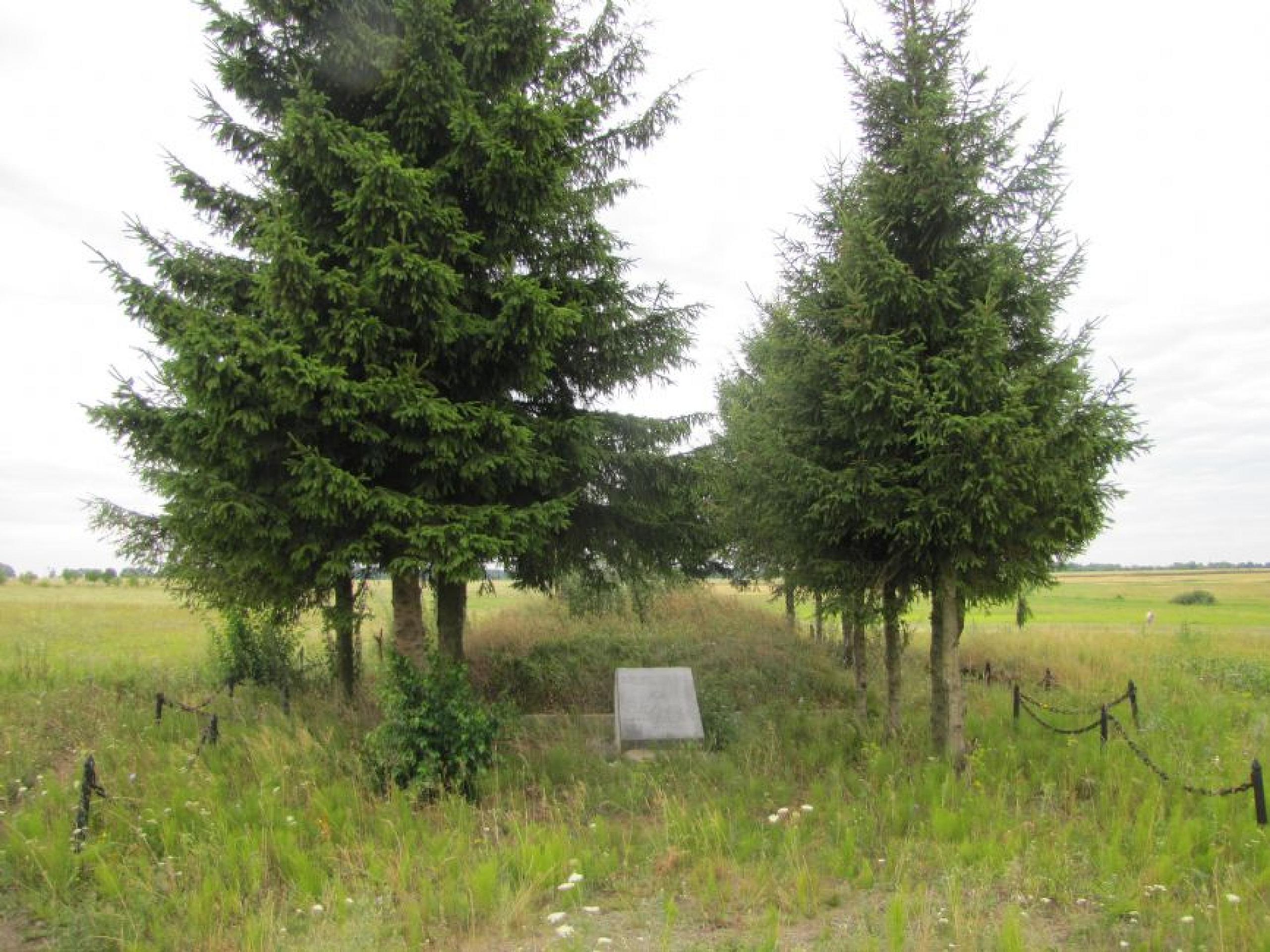
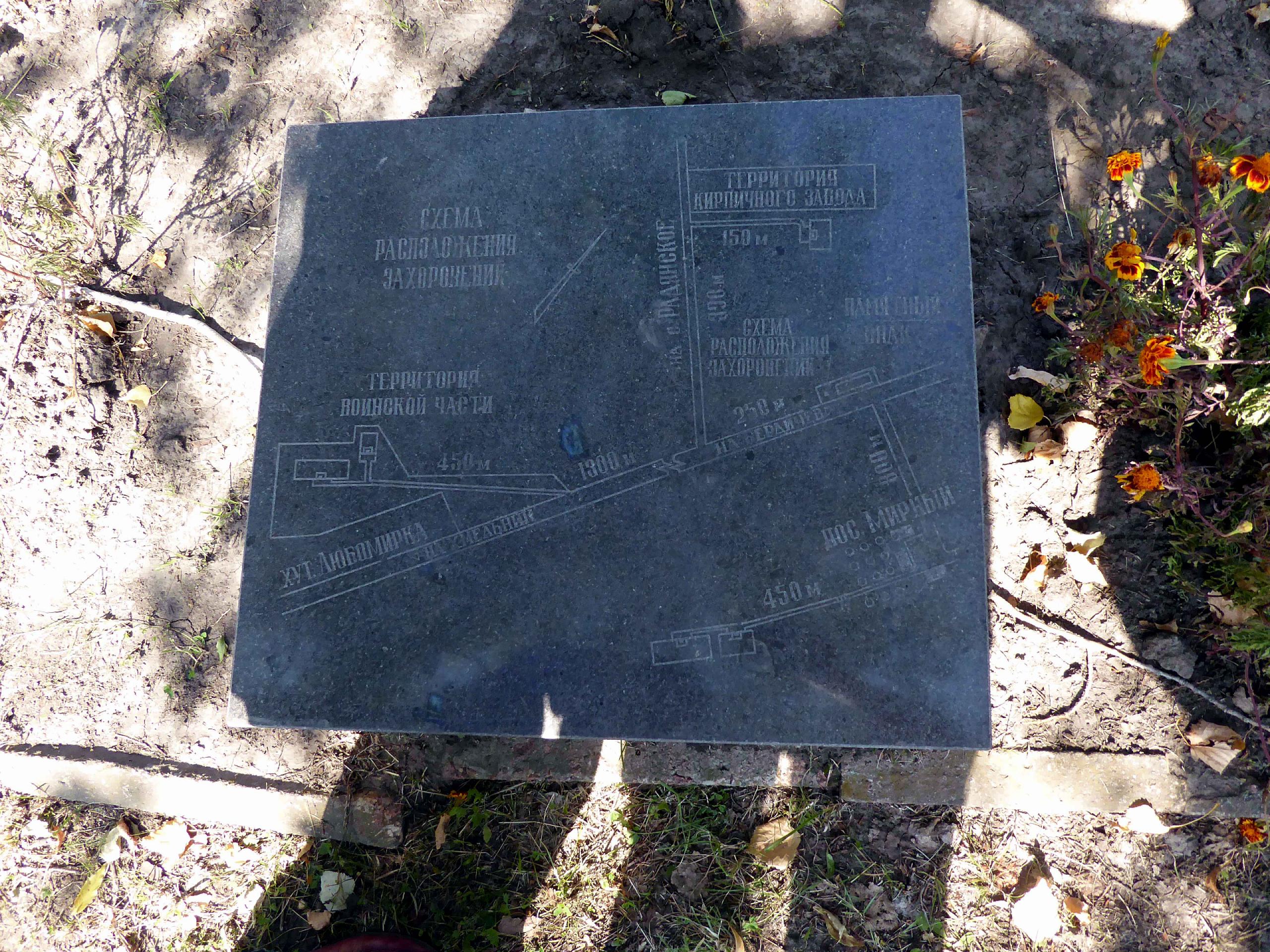
In 1983, a monument was erected at Shlemerka airfield where the »Lisaya Gora« labour camp used to be. The Russian inscription reads: »In this area 18.640 innocent Soviet citizens were brutally tortured and shot by the Hitlerists in September 1941.«. Although Jews were not mentioned by name, the figure refers to all the Jews who were murdered in Berdychiv during the German occupation. Later, after the collapse of the Soviet Union, a memorial stone bearing an engraved map of the mass grave was added. Within a radius of 200-400 meters from the memorial there are five mass graves, each of which is marked with a memorial stone.
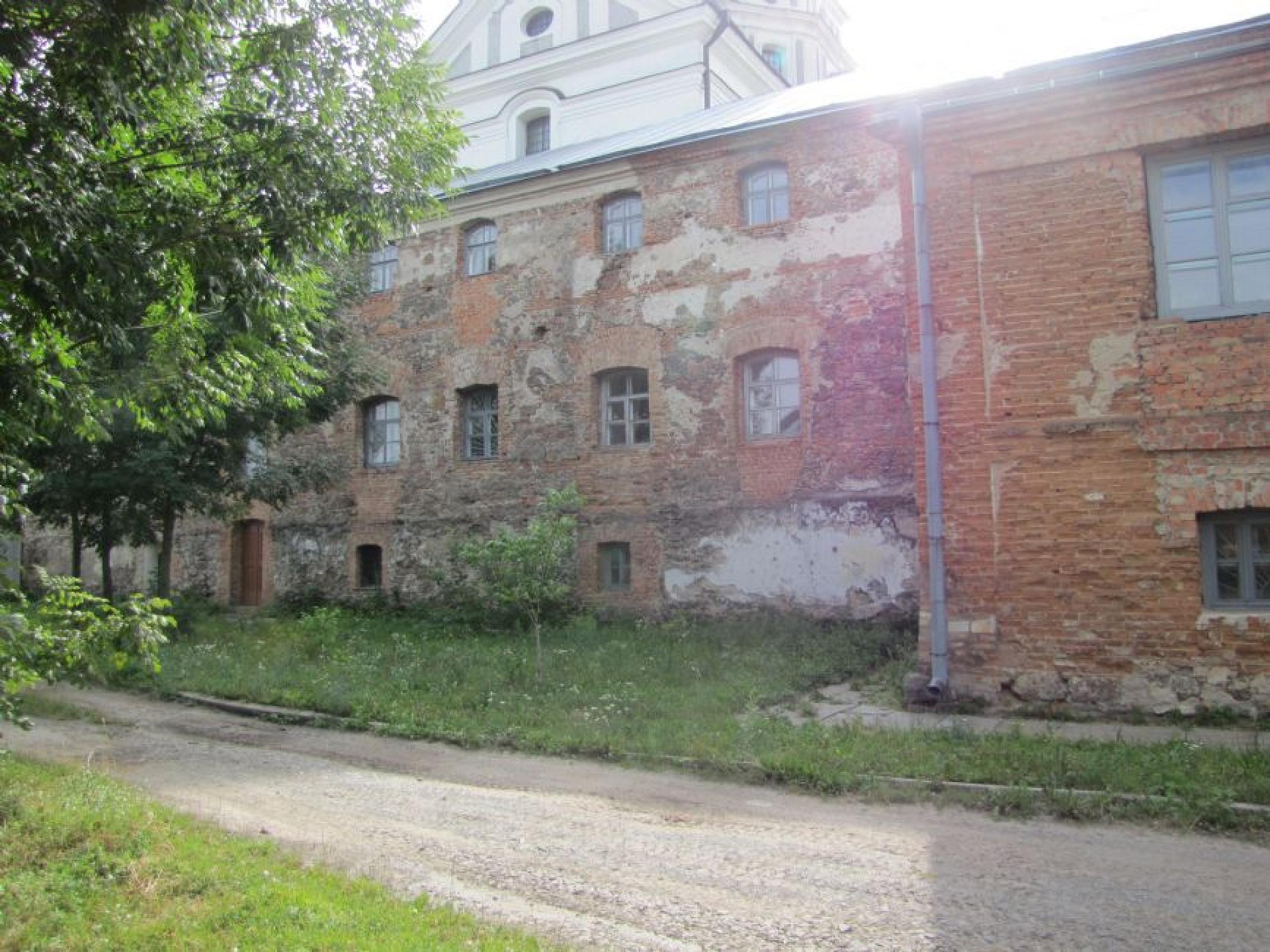
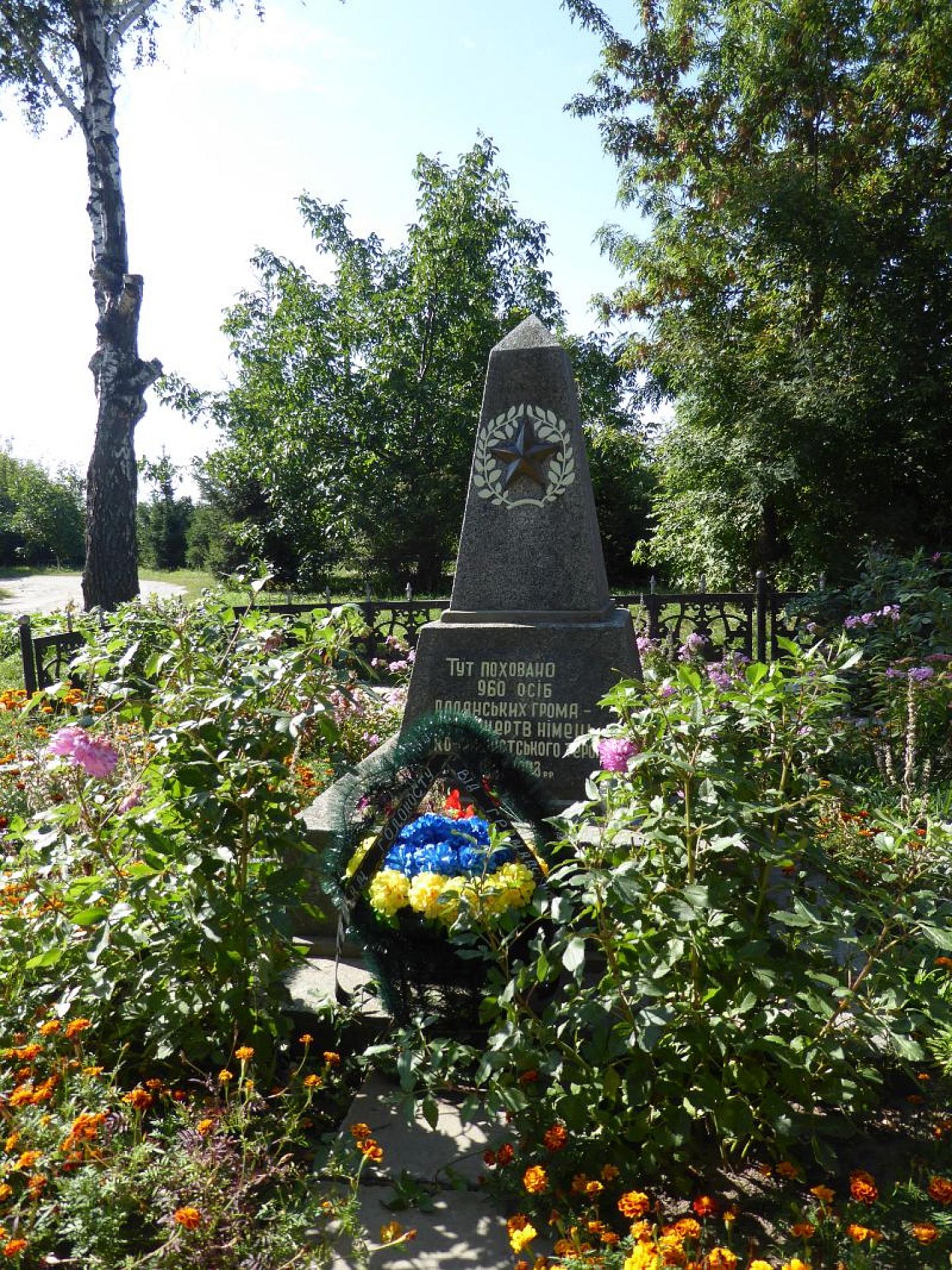
After the collapse of the Soviet Union two memorials were erected on the site of the former ghetto in today's borough of Yatki. The first one bears the Ukrainian and Russian inscription: »In 1941 there was a Jewish ghetto in this area in which 30,000 Jews were shot by fascists«. The second memorial commemorates locals who saved Jews. In the 1990s a memorial was erected on the site of the former monastery complex of the Discalced Carmelites, the site of many mass shootings.
Open
All memorials are accessible at all times apart from one memorial in the monastery complex of the Discalced Carmelites.
Contact
http://myshtetl.org/zhitomirskaja/berdichev.html
velvl770@gmail.com
Molodogwardijska Str. 3
13300 Berditschew