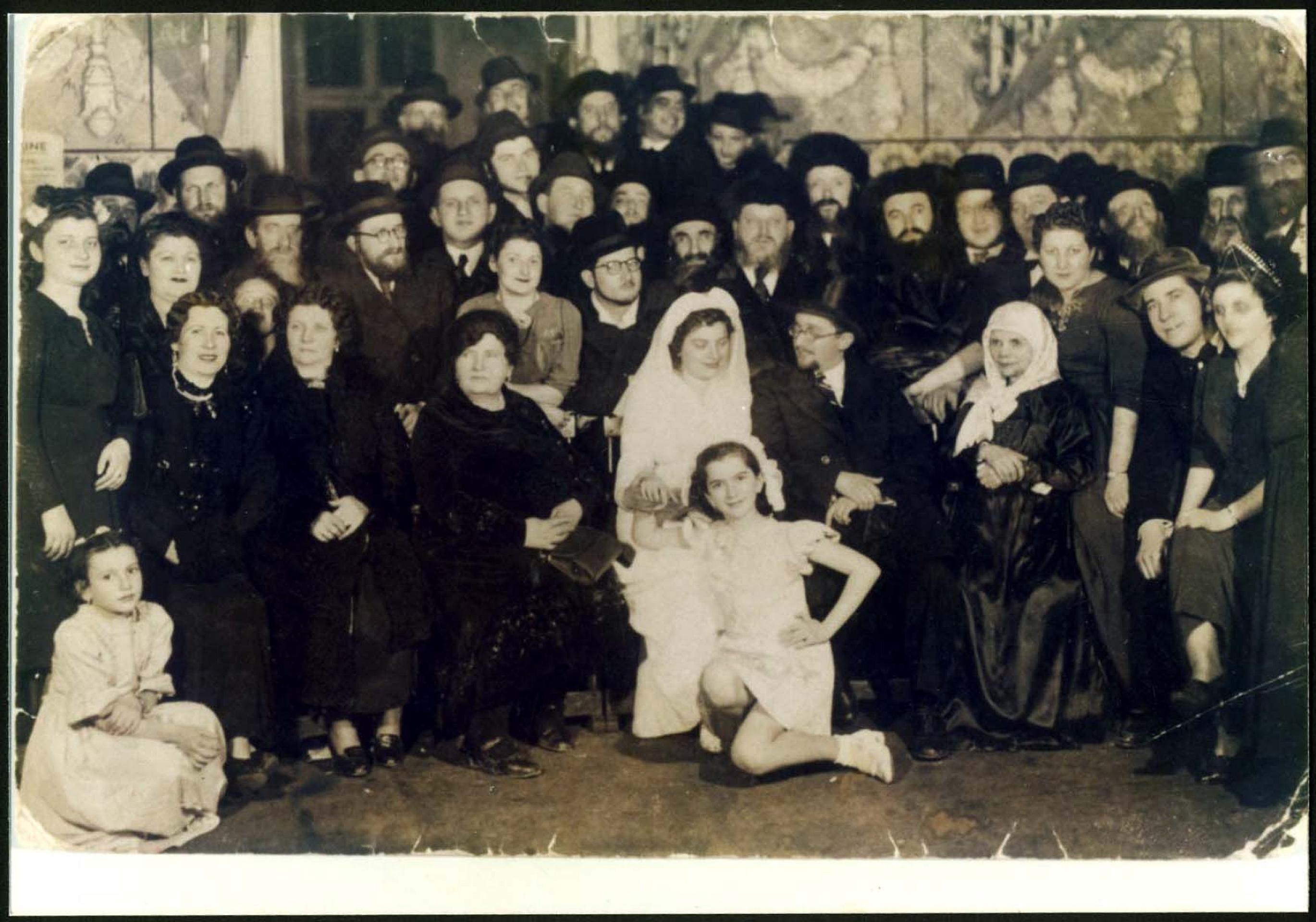
In Botoșani two Jewish cemeteries and a synagogue remain as reminders of the once rich Jewish culture of the city.
History
Botoșani, located in northeastern Romania in the historic region of Moldova, was first mentioned by name in 1439. Jews lived there from the beginning of the 17th century. At the end of the 19th century about half of the inhabitants were Jews, the Jewish community was one of the largest in the region. At the same time, there were strong anti-Jewish sentiments among the population, culminating in the peasant uprising of 1907, when groups of peasants vandalized Jewish shops and houses and terrorized the Jewish community.
In 1930 the Jewish community had 11,840 members, corresponding to approximately 37 percent of the population. The number increased slightly due to the influx of Jewish refugees after the German attack on Poland in 1939. After General Ion Antonescu took power in September 1940, and initially also included the fascist Iron Guard in his government, a series of anti-Jewish decrees came into effect. Jews were forced to build roads and bridges or had to work for the army. This affected up to 8,000 Jews in Botoșani. In addition, Jews were forced to hand in clothing, which many of the poorer Jews were unable to do. It was up to the Jewish community of Botoșani to meet the claims by paying money.
After the Axis Powers’ attack on the Soviet Union, in which Romania also participated, a wave of anti-Semitic violence swept across the country. Many Jews fled from the country to Botoșani. Therefore, the Jewish community founded several new welfare institutions and schools. During the war, Romanian authorities deported many Jews to the Romanian occupied territory of Transnistria, including Jews from Botoșani.
Three years later, as the Red Army was getting closer in 1944, chaos reigned in the city. Jews were forced to build defences. When the Romanian army left the city, the Jewish community took over most of the communal tasks. It founded a militia and administered municipal facilities such as the hospital.
Victims
Under the reign of Antonescu (from September 1940), many Jews were abducted, tortured or compelled to conduct forced labour. Their number is estimated at about 8,000. After the attack on the Soviet Union in June 1941, some 148 Jews were deported to Transnistria, the territory of Ukraine occupied by Romania, where they were in all probabillity later murdered by Romanian or German units.
Remembrance
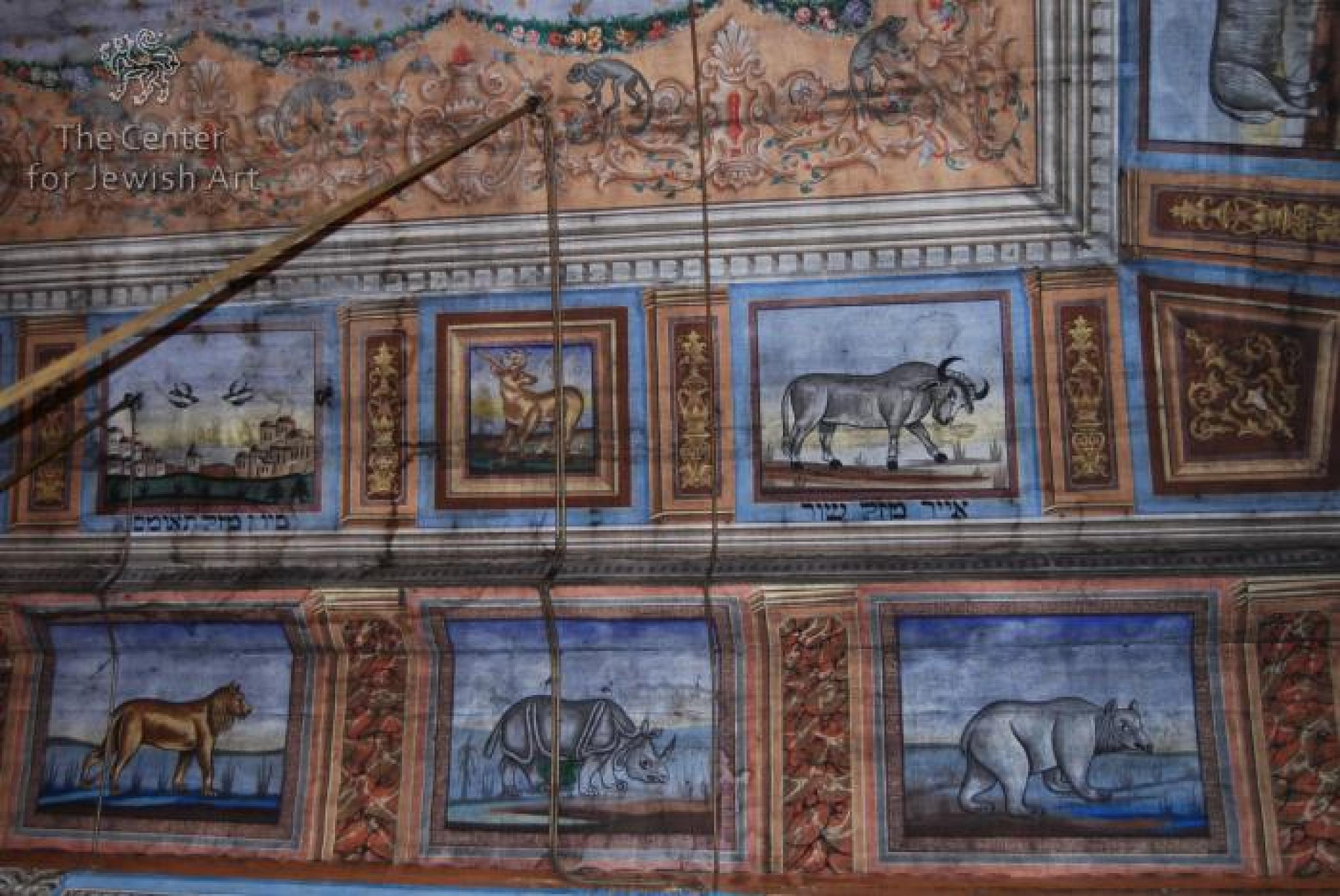
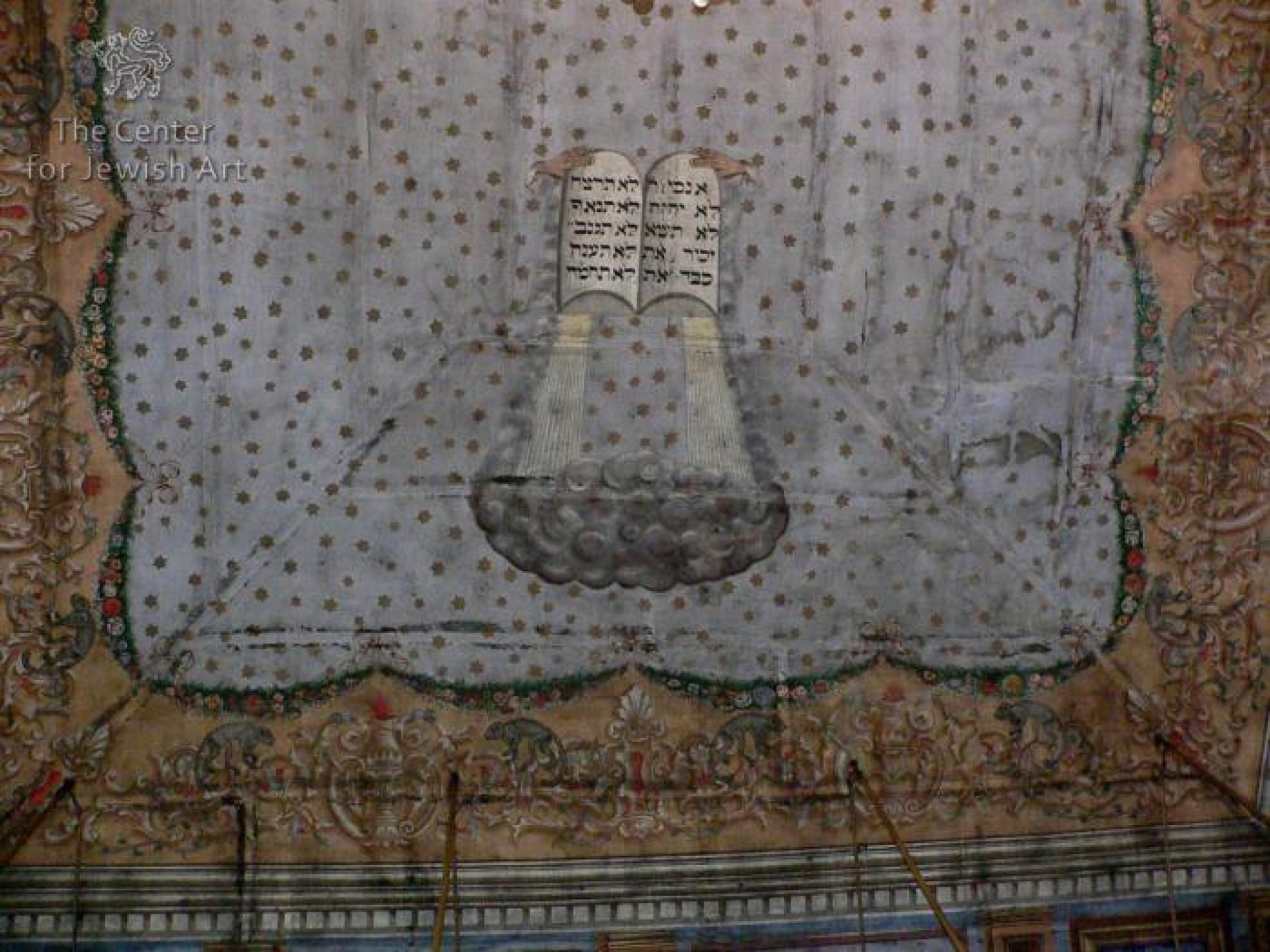
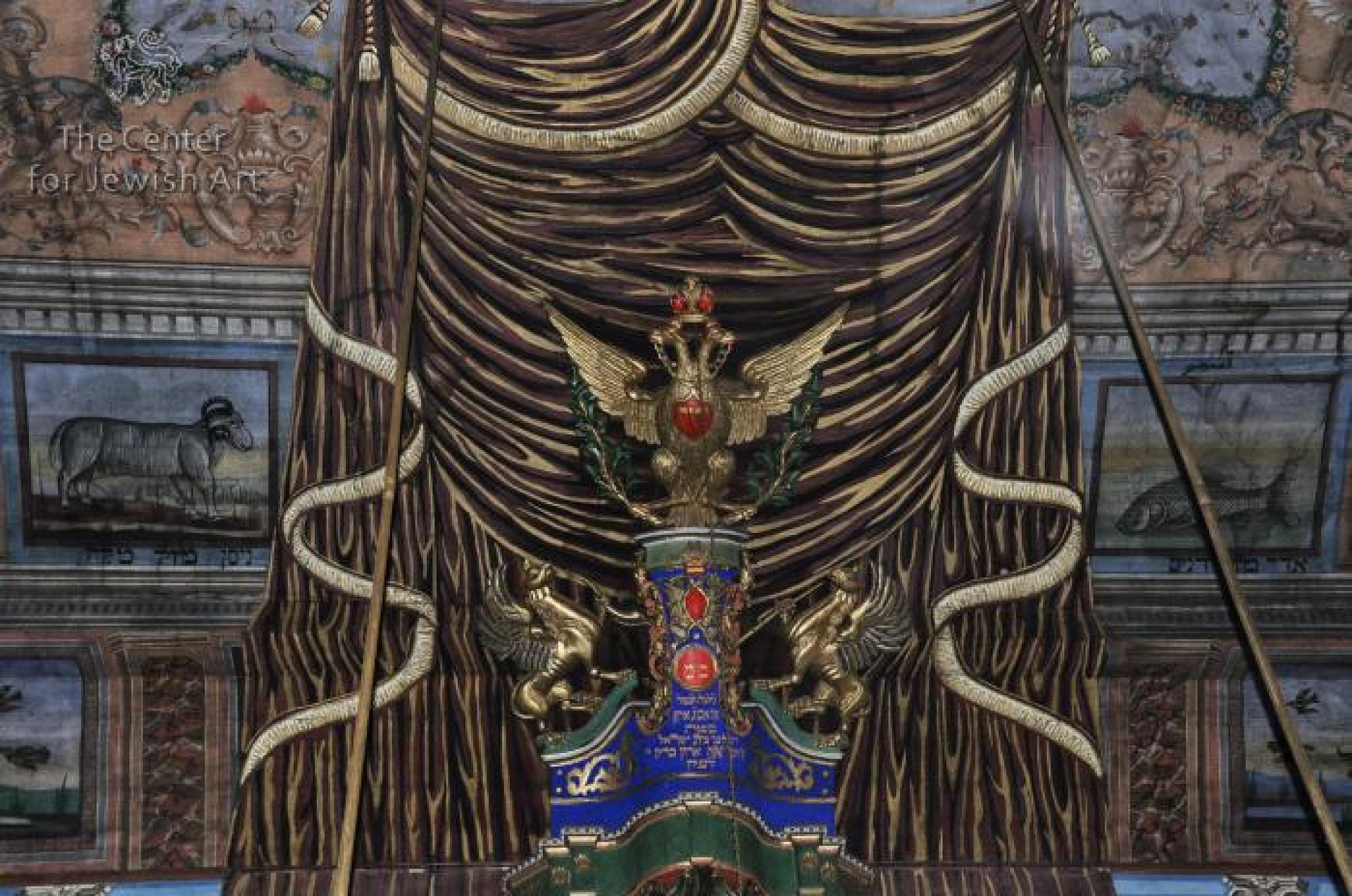
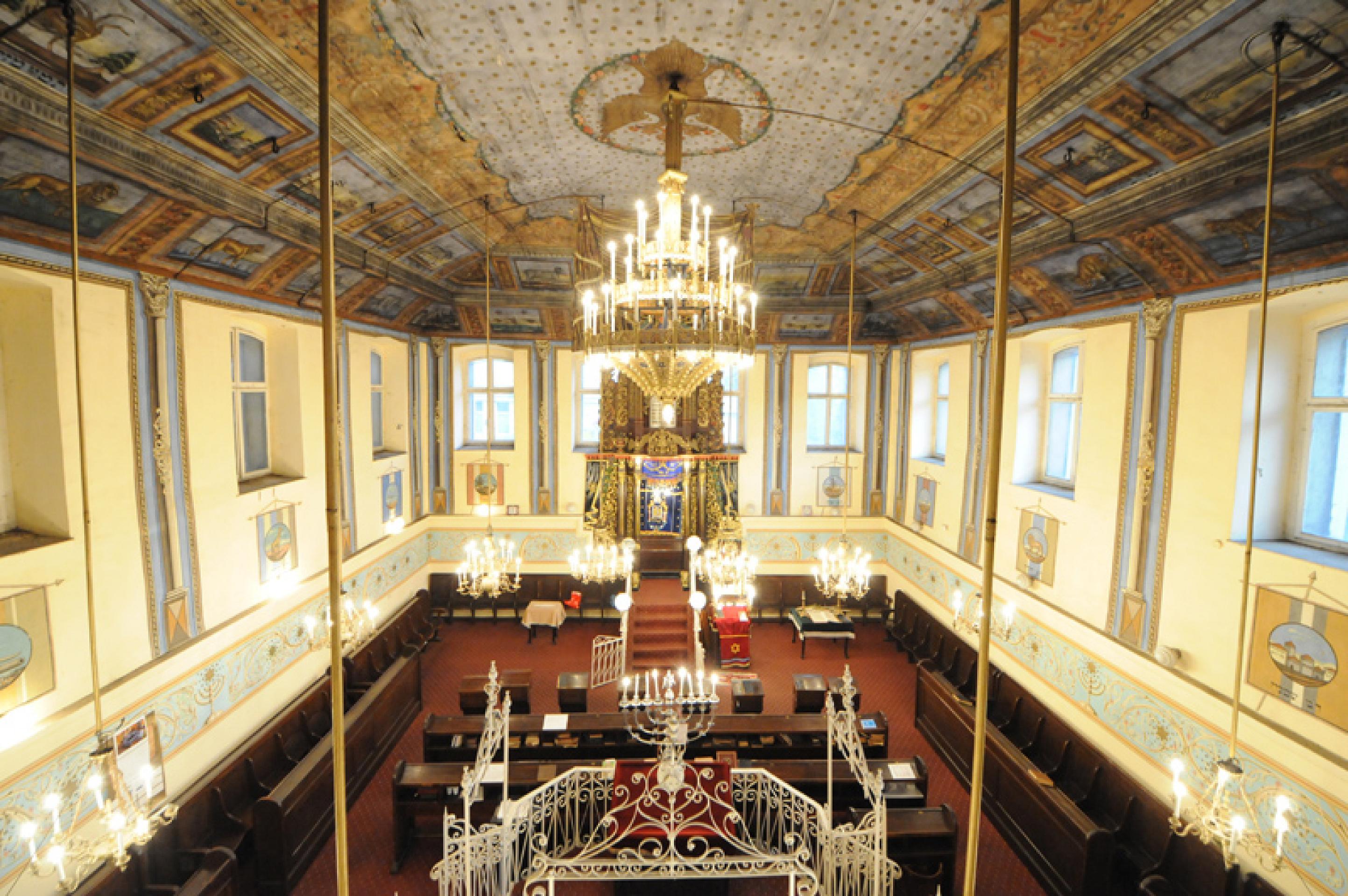
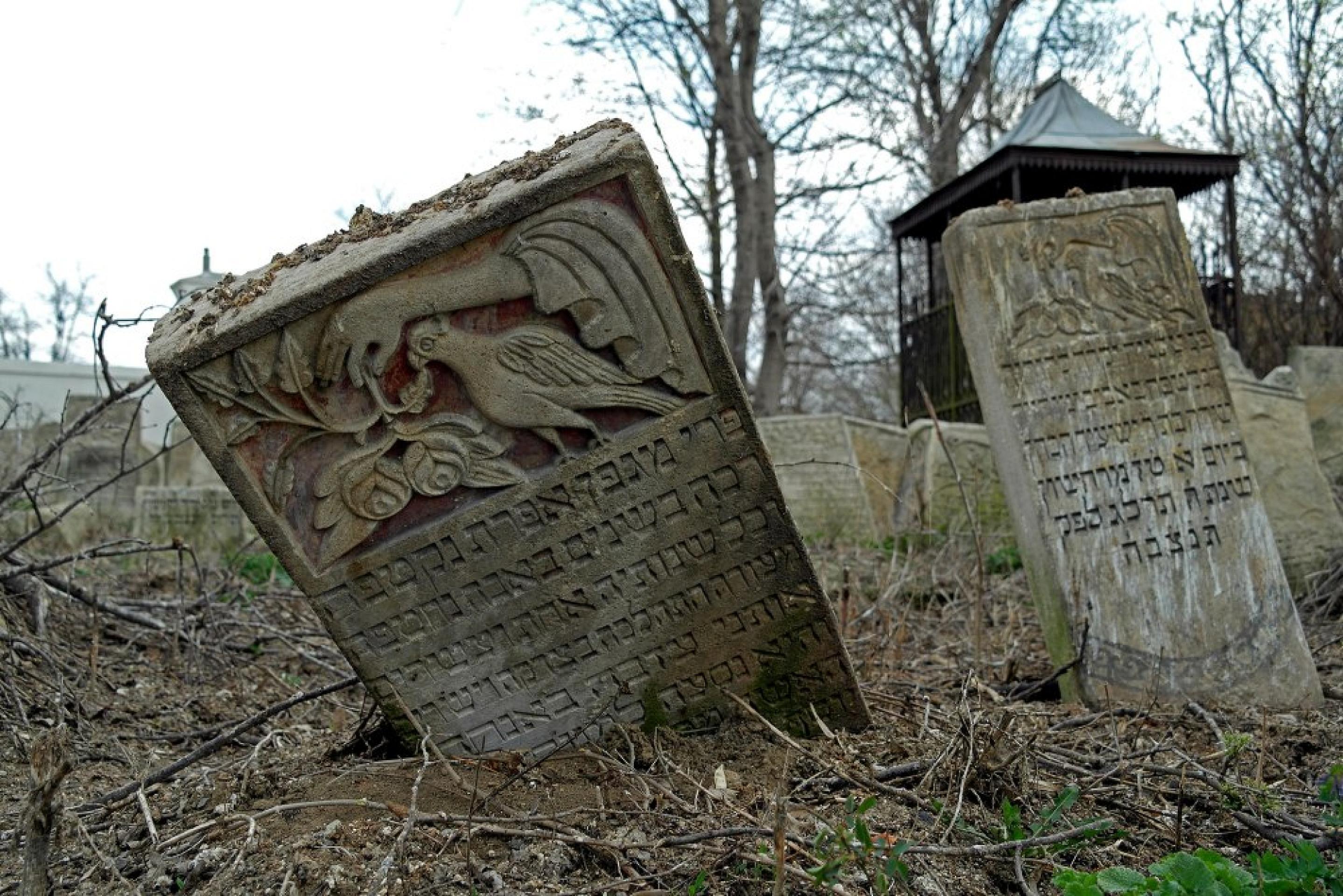
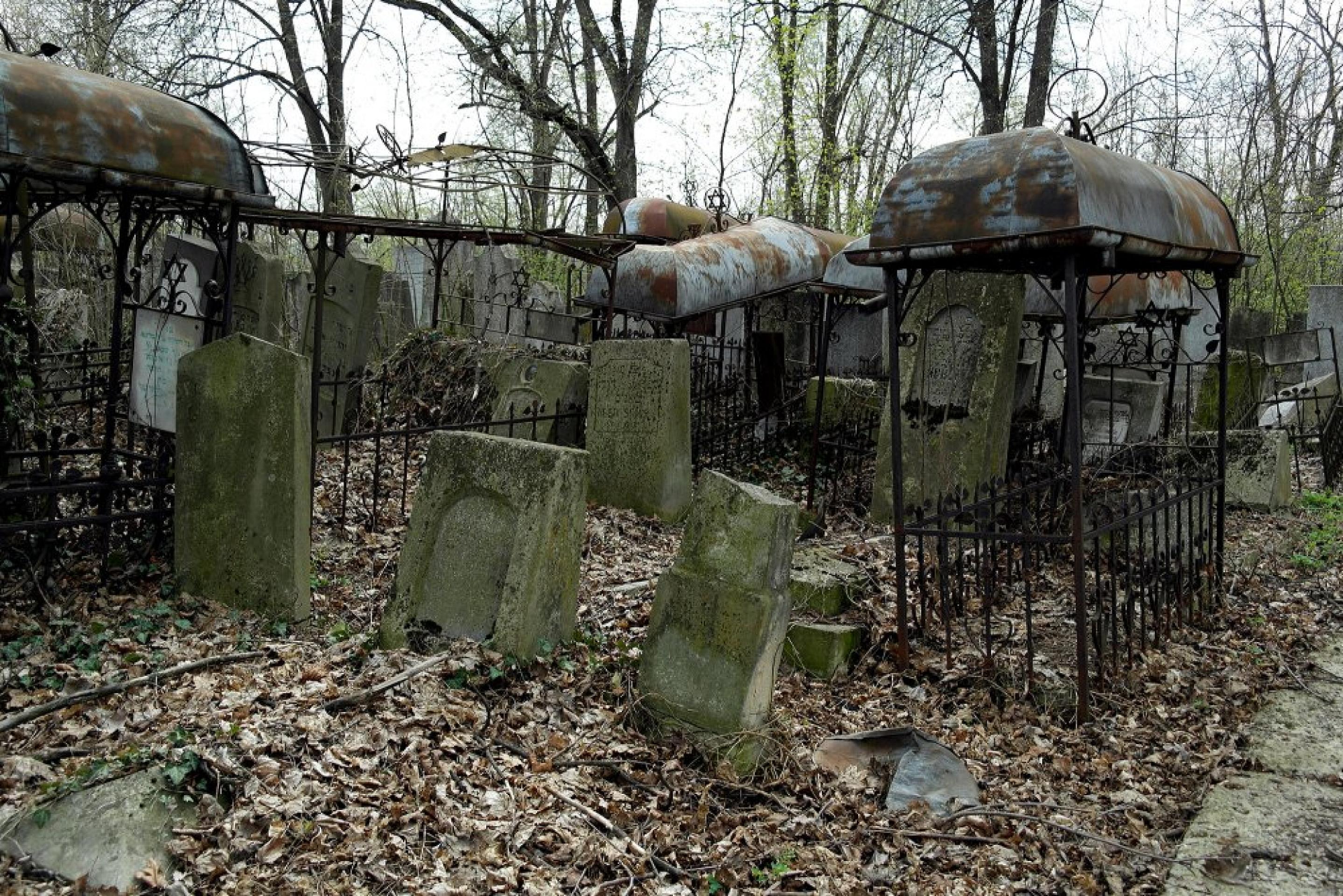
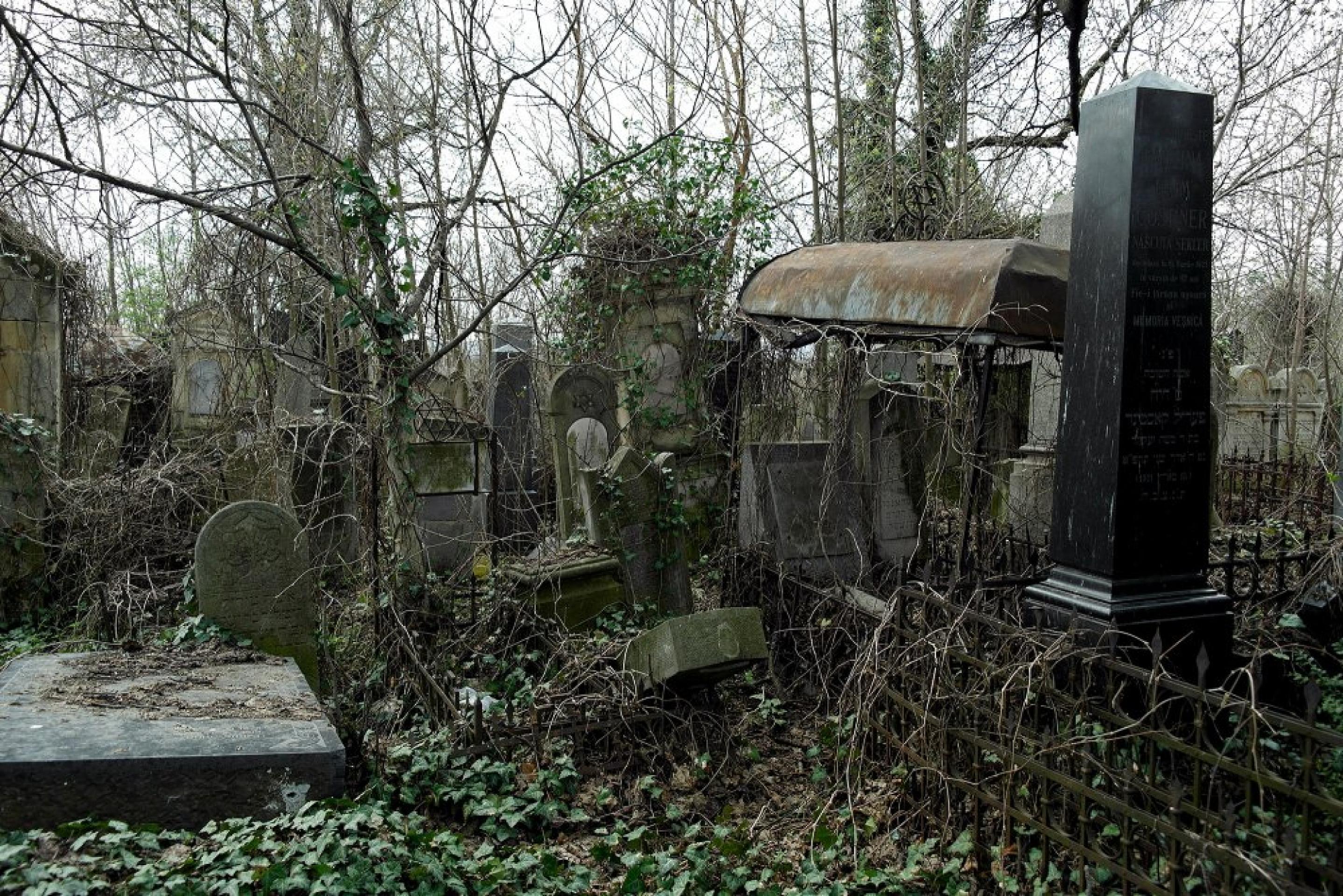
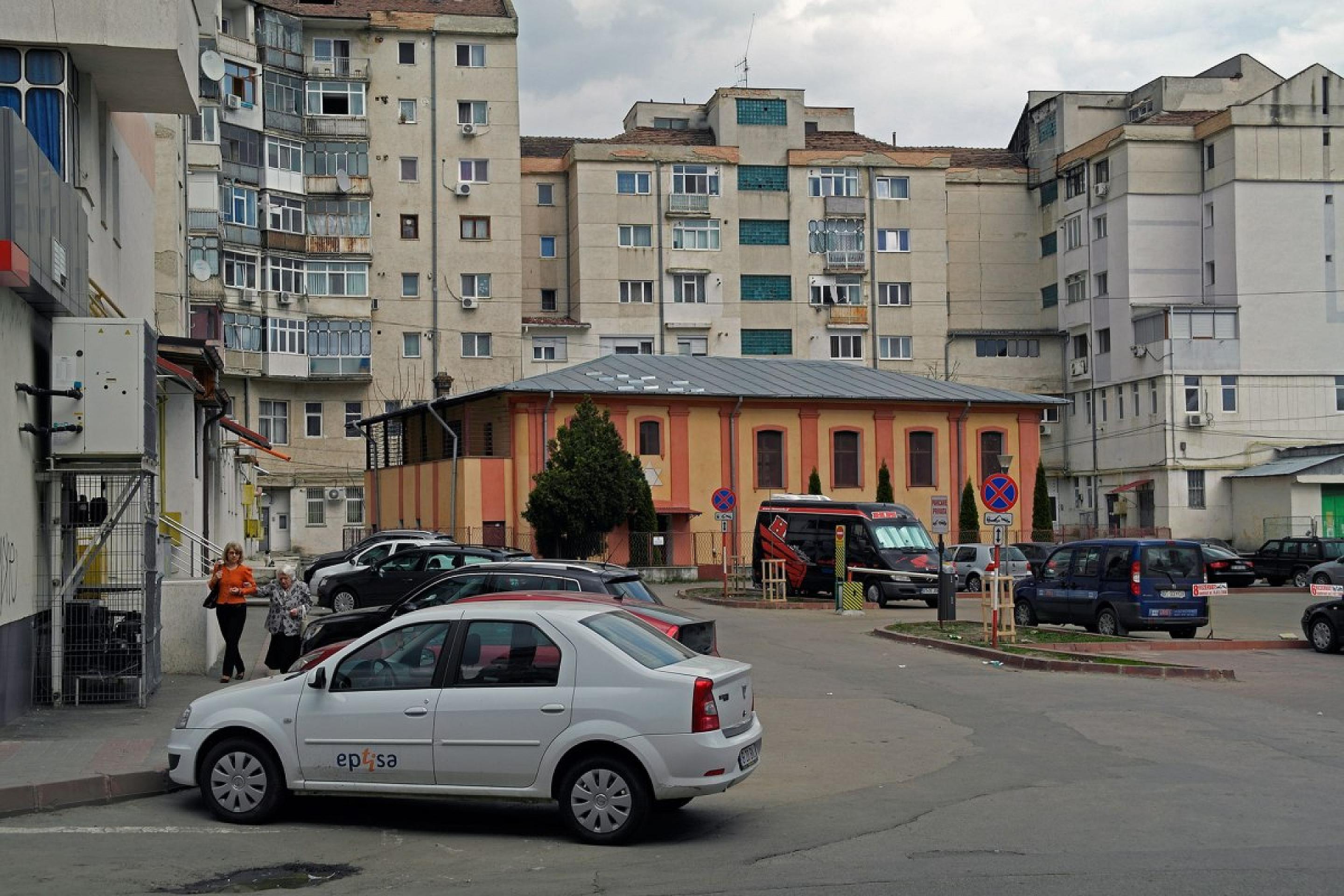
The Red Army conquered the city on April 7, 1944. After the war, when many Jews returned from Transnistria and many Jews moved from the countryside to the city, the Jewish community counted more than 19,000 members. The majority emigrated to Israel a short time later. In 1969, 500 Jewish families were still living in the city. Today there is still a small Jewish community in Botoșani. Of the original four synagogues, only the synagogue »Hoihe Sil« (today also called »Mare«, i.e. »Great Synagogue«) has survived. It was built in 1834 and is therefore one of the oldest in the region. The interior in neo-Renaissance style consists of paintings and ceiling frescoes depicting scenes from Jerusalem and religious symbols. A finely crafted chandelier hangs from the high ceiling. The synagogue, surrounded by tall new buildings from the socialist era, was restored between 2008 and 2012. Two Jewish cemeteries are still preserved. They are characterized by metal tombs, but many have suffered from weather and vandalism. The dating of the gravestones on the newer cemetery goes back to the 19th century, the date of origin of the older cemetery cannot be determined precisely.
Open
The synagogue and the cemeteries are accessible during their respective opening hours.
Contact
http://cja.huji.ac.il/browser.php?mode=treefriend&id=5693&f=origin
Sinagoga Mare, Strada Marchian 1
710210 Botoșani