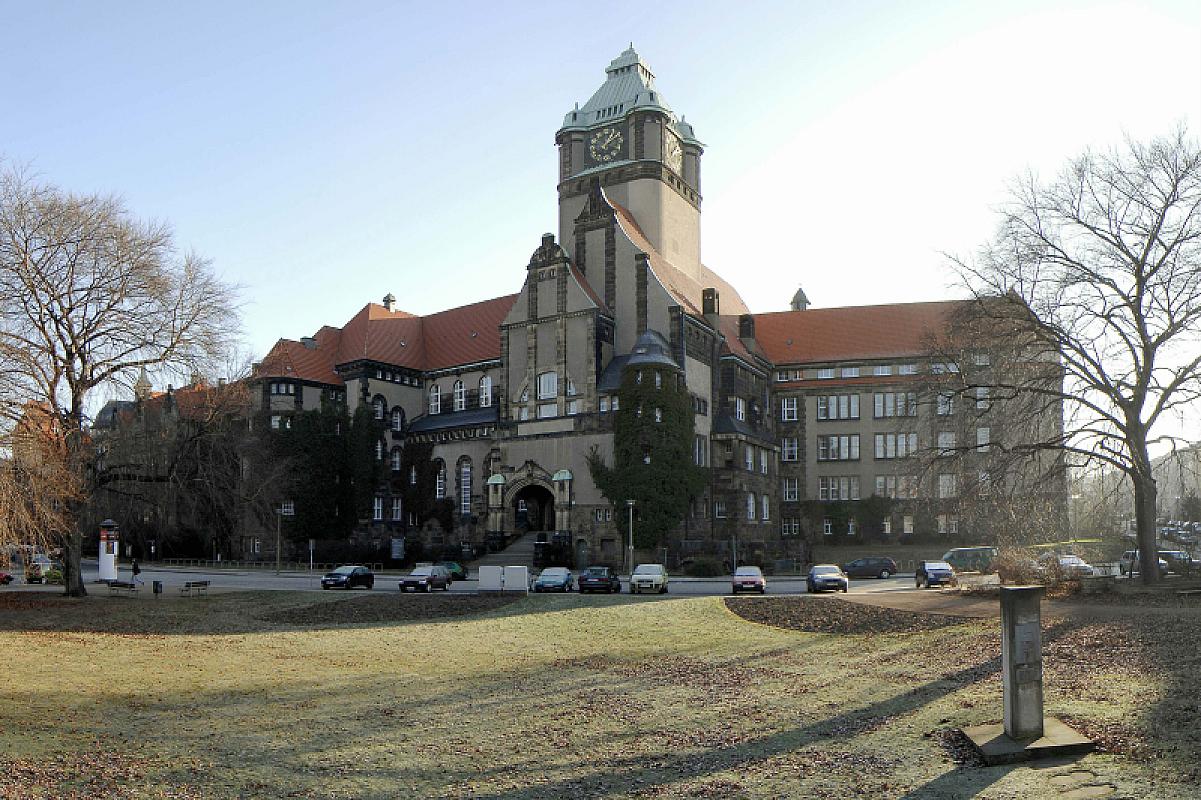
Memorial to the murdered Jews of Busk
Меморіал жертвам Голокосту на єврейському кладовищі у Буську
In the small town of Busk a memorial on one of the oldest Jewish cemeteries in the Ukraine remembers the town's murdered Jews.
History
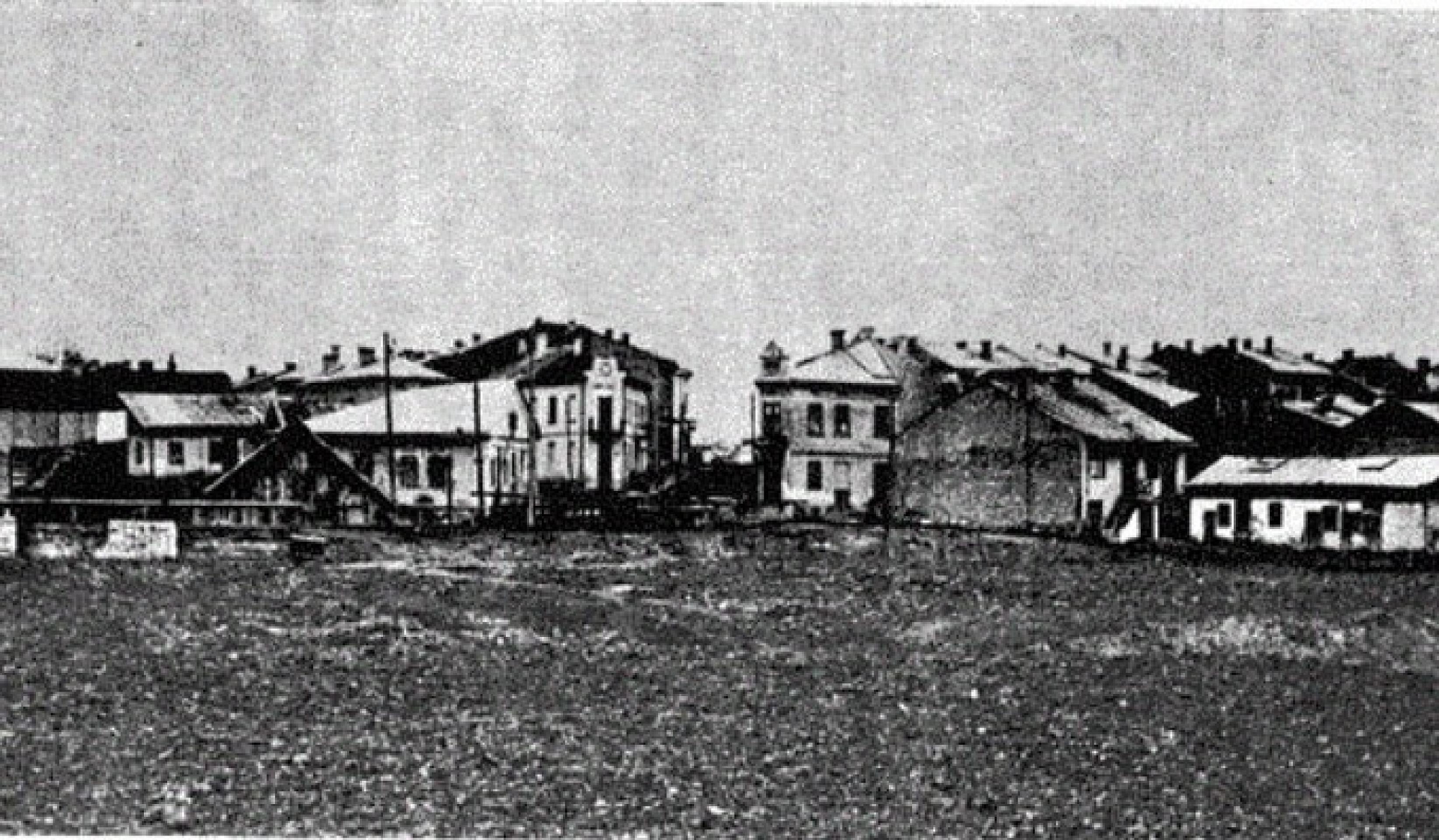
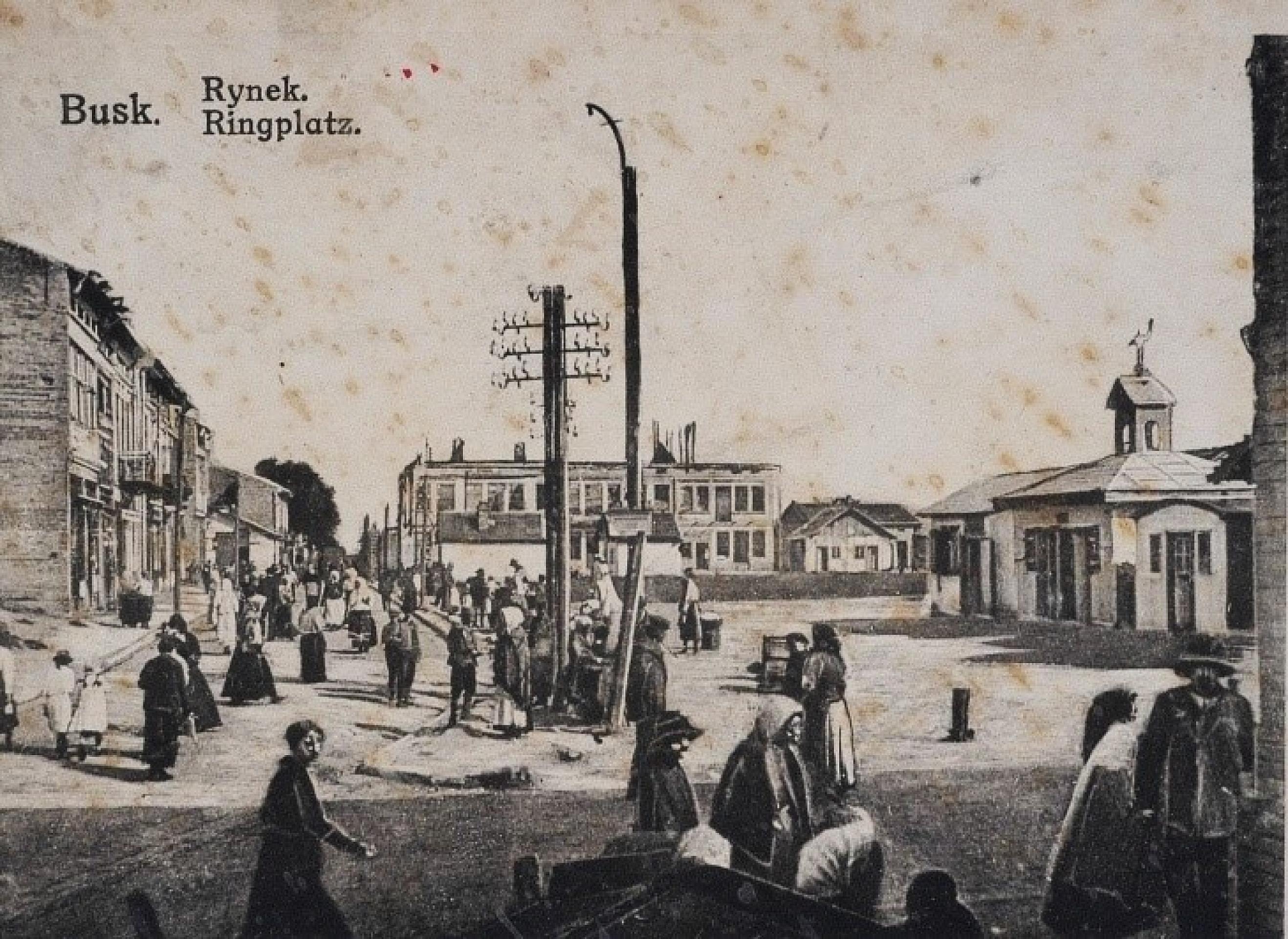
Busk, located in the historic region of Galicia, not far from Lviv (Polish: Lwów, Russian: Lvov), belonged prior to the First World War to Austria-Hungary, before it became Polish in 1920 and in the wake of the Molotov-Ribbentrop Pact it fell to the Soviet Union. The place was first mentioned in 1097, Jews lived there from the 16th century. In the beginning of the 20th century many of the Busk Jews emigrated to the USA. In 1931 the Jewish community counted approximately 2,600 members out of a total population of 8,000.
The Wehrmacht occupied the city on June 30, 1941. At that time 1,800 Jews were still in town. The occupiers forced them to form a Jewish Council and they had to conduct forced labour. The occupiers deployed an Ukrainian police force which soon after actively participated in the persecution and murder of the Jews.
In autumn of 1941 there were anti-Semitic excesses in town. Afterwards units of the SS murdered 30 Jews and a rabbi under the pretext that they had been supporters of the Soviet system. On August 21, 1942 German and Ukrainian police units shot more Jews from Busk in the village of Zabuzhe near the town of Kamianka-Strumilova (today: Kamianka-Buzka) about 25 kilometres away. On December 1, 1942 the Germans established a closed-off ghetto. One month later they murdered all patients of the ghetto hospital.
In May 1943 the ghetto was violently liquidated. Units of the SS shot about 1,200 Jews, particularly women and children and buried their corpses at the town's Jewish cemetery. 300 Jewish men were abducted to the forced labour camp of Janovska in Lviv 36 kilometres away. The Jewish community of Busk was annihilated.
Victims
Middle of September 1941 units of the SS murdered about 30 Jews who belonged to the elite of the Jewish community together with their rabbi. According to eyewitness-accounts Ukrainian inhabitants of Busk had compiled the list. In September 1942 German and Ukrainian police units shot up to 800 Jews in the village of Zabuzh about 25 kilometres away. In the beginning of 1942 all patients of the hospital in the ghetto were murdered. In May 1943 German units aided by Ukrainian police liquidated the ghetto, murdering 1,200 Jews, almost exclusively women and children, at the Jewish cemetery. On June 7, 1943 the Kreishauptmann (district commissioner) Nehring declared his administrative area to be »judenfrei« (frei of Jews). Responsible for the murder of the Busk' Jews was SS-Gruppenführer Fritz Katzmann (1906–1957).
Remembrance
The person mainly responsible for the murder of the Jews of Busk was SS-Gruppenführer (major general of the SS) Fritz Katzmann (1906–1957). He was never held accountable for his war crimes.
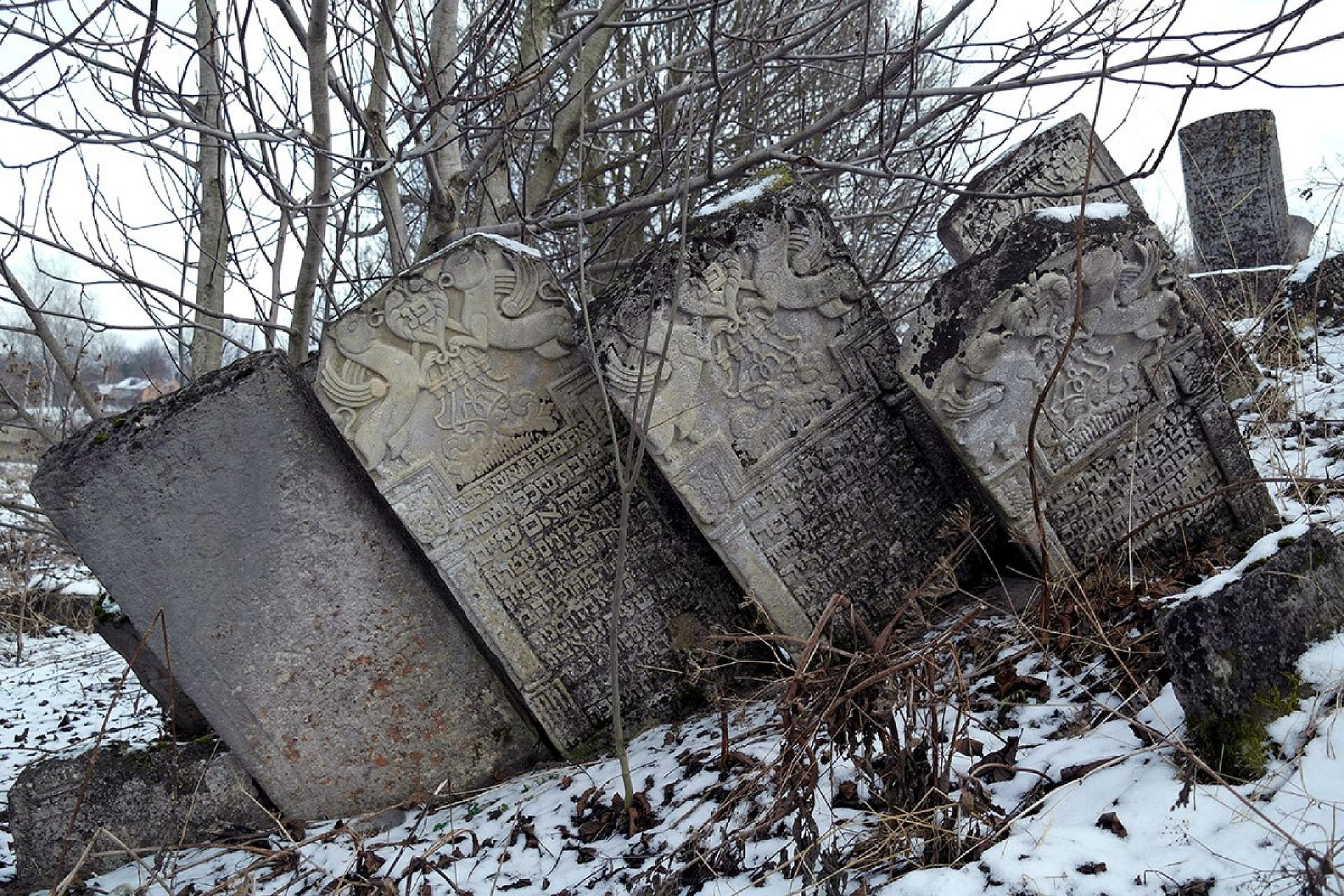
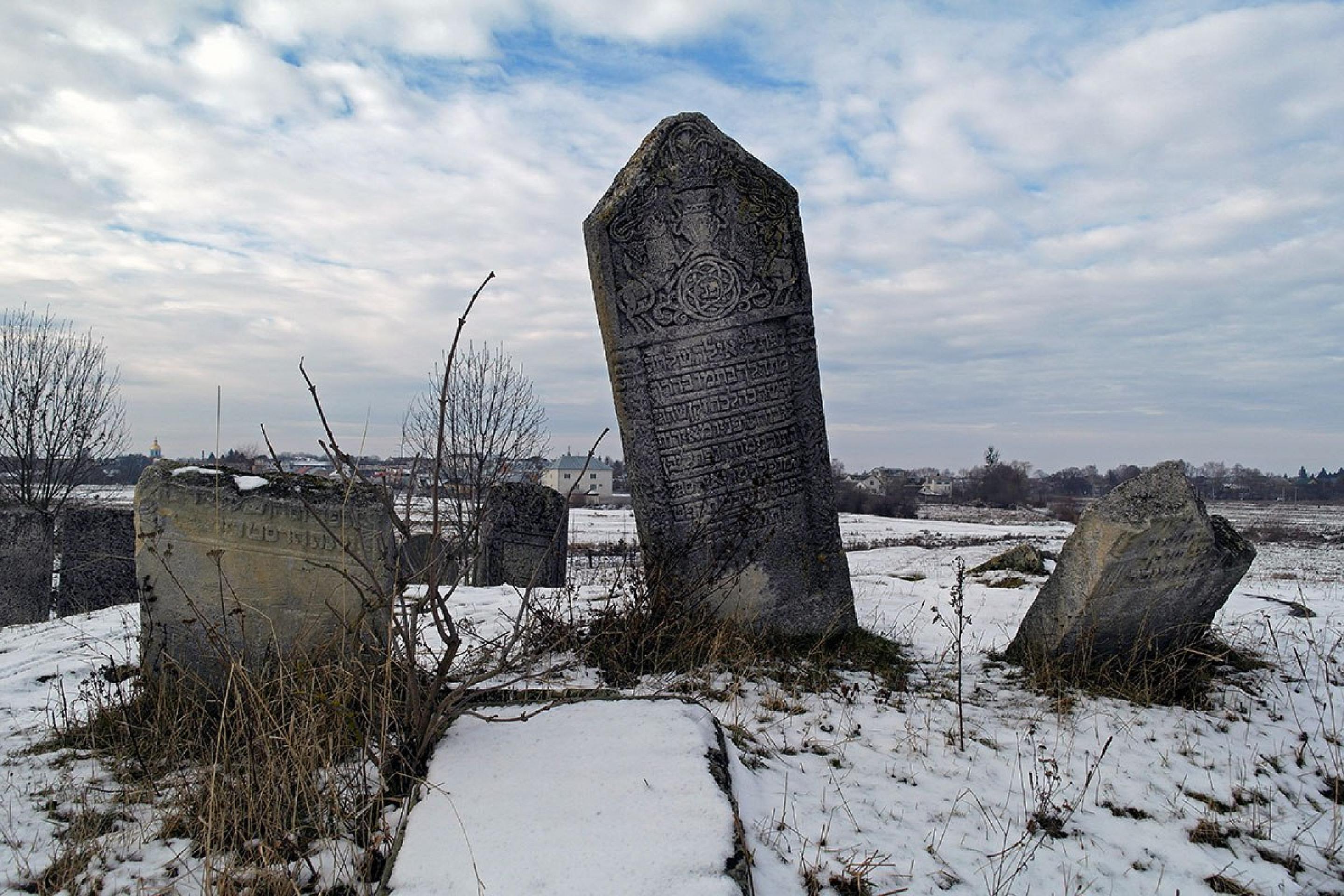
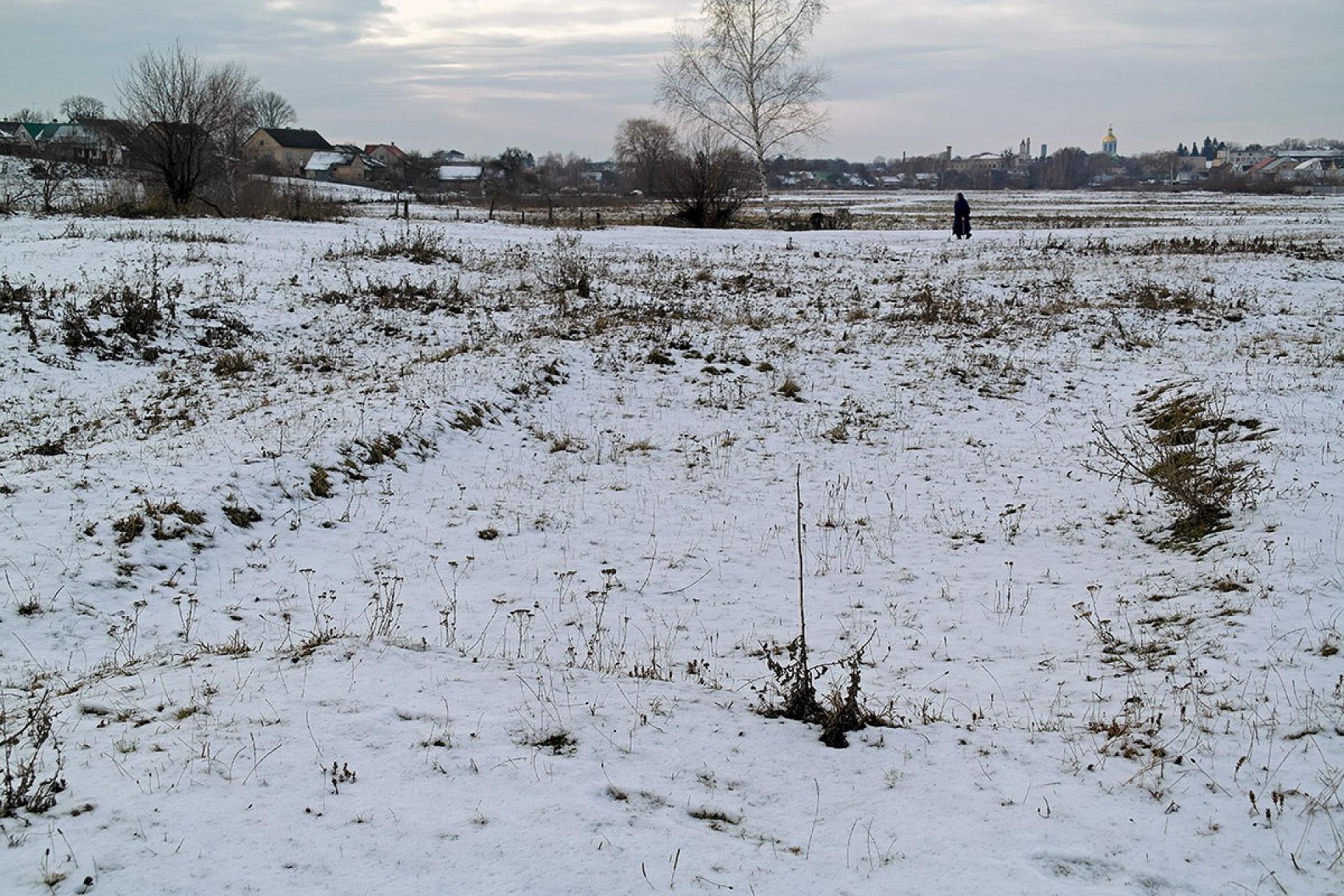
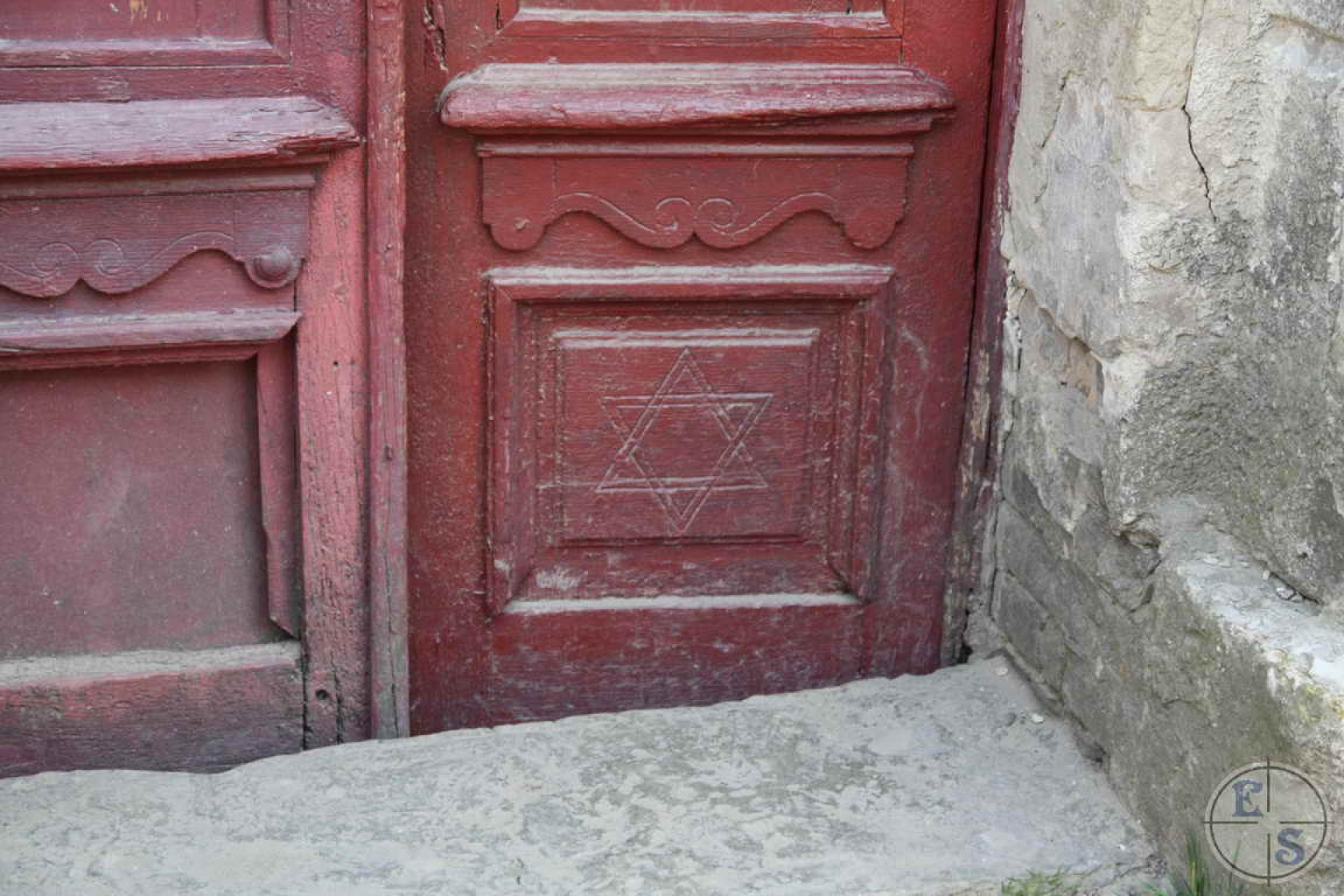
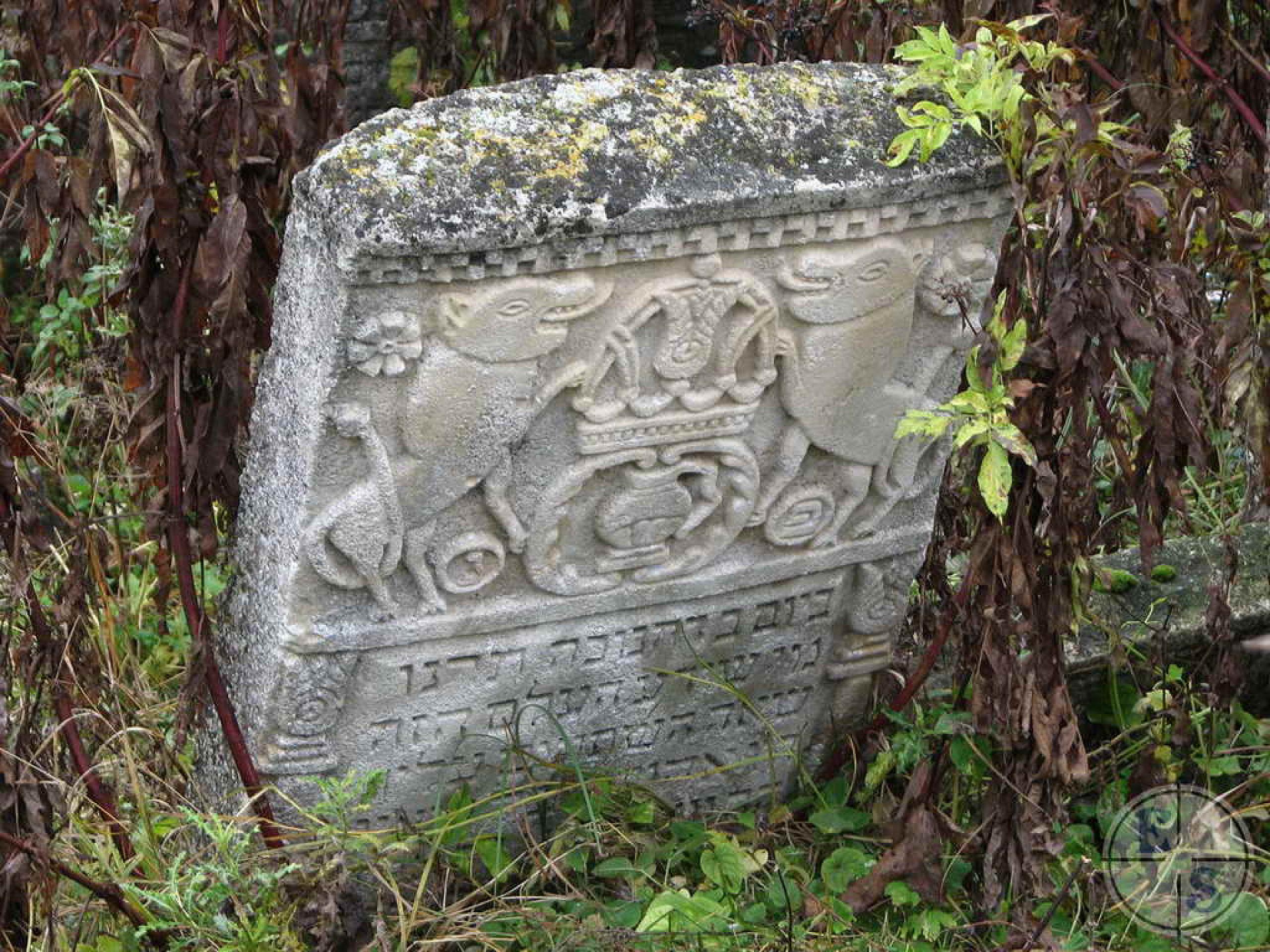
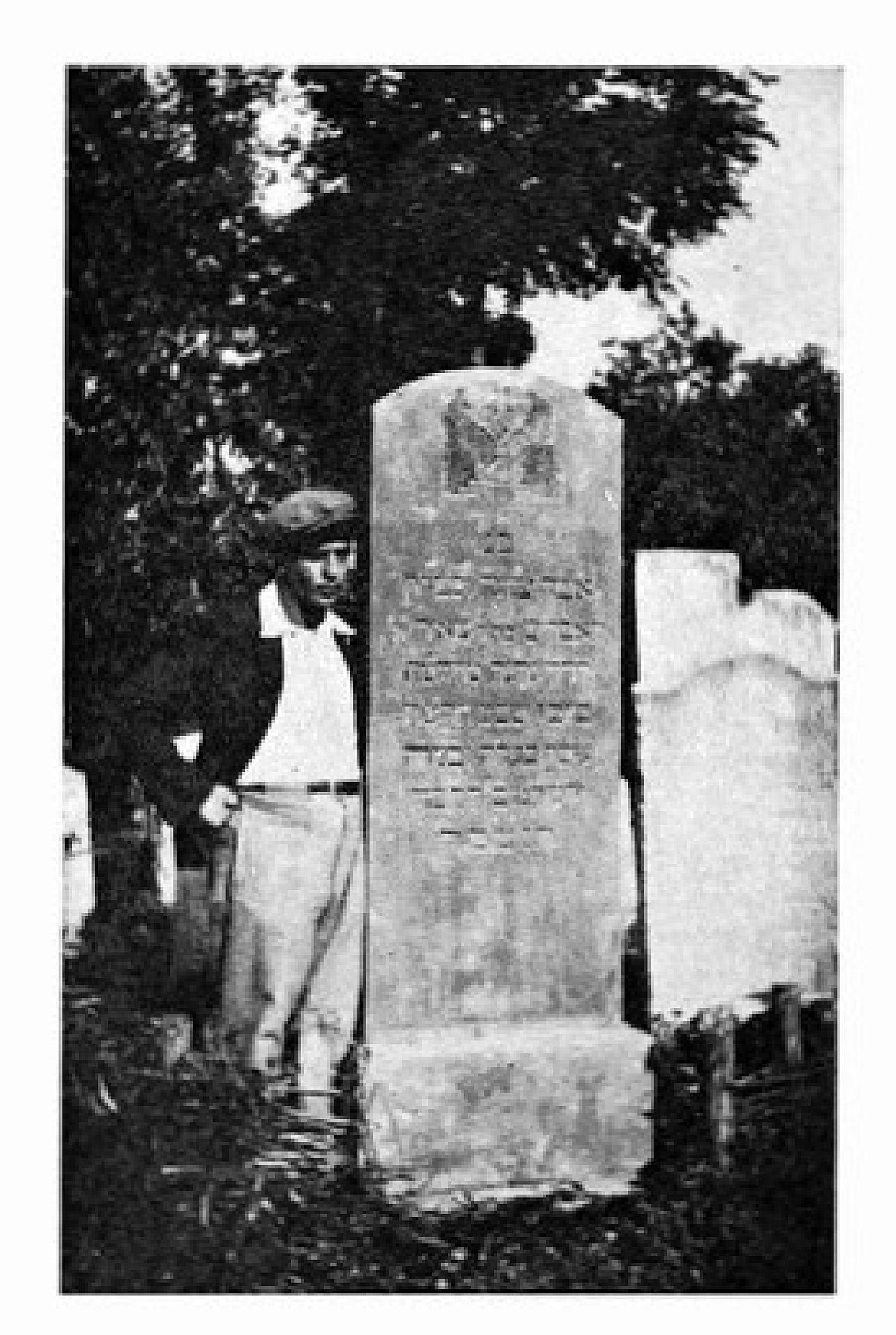
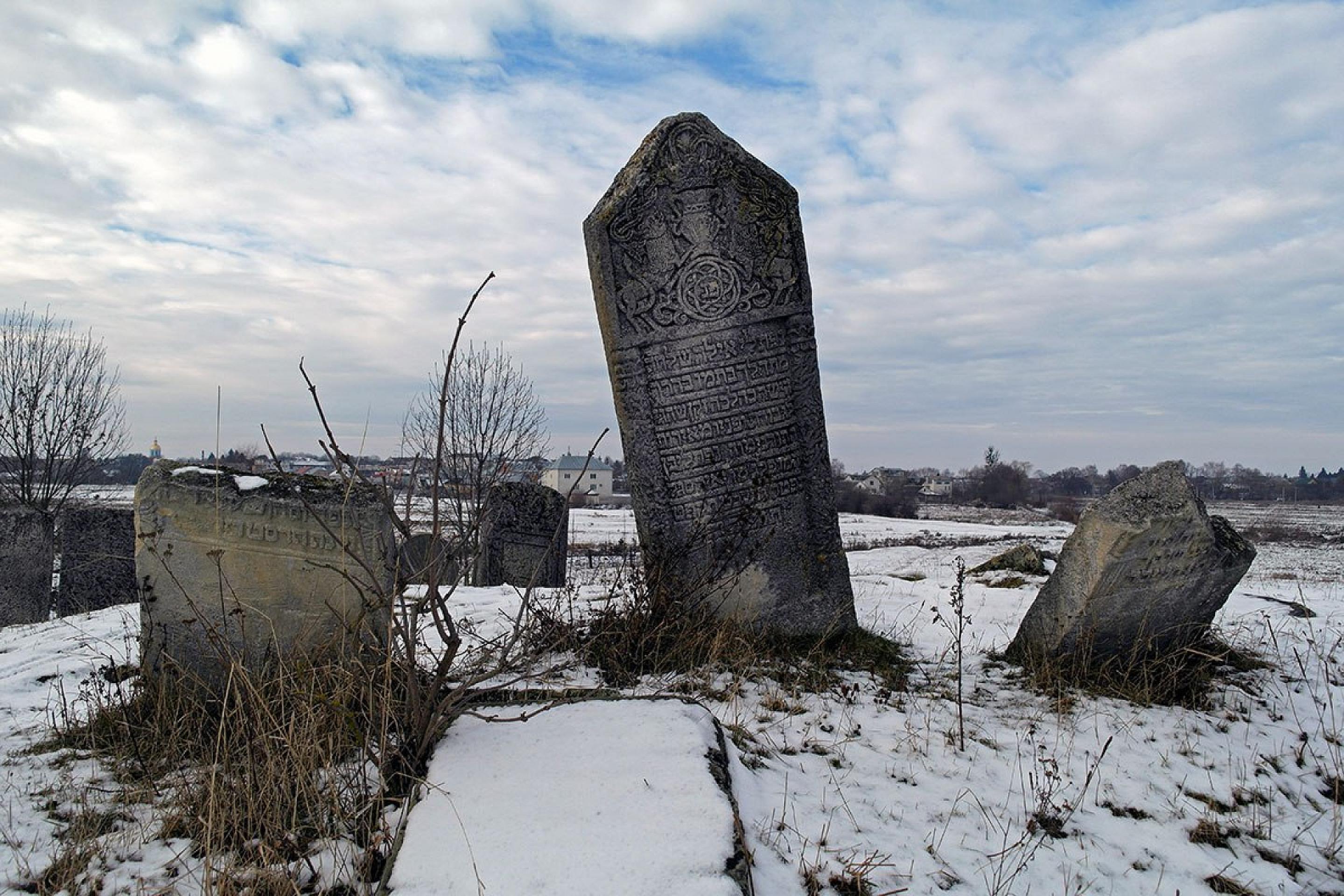
After the war communities of survivors from Busk formed in New York and Israel. In the town itself little remembers the once thriving Jewish community. There are no Jews living there today. The former synagogue was alienated. Today one part of the synagogue is used as a residential house, the other part serves as an evangelical prayer house. The Jewish cemetery founded in 1521 is one of the oldest Jewish cemeteries in the Ukraine. It is located east of town on the banks of the river Slotvina. The area has over the years become overgrown, many of the gravestones have fallen over and are broken. For decades nothing remembered the victims of the mass shootings in May 1943. The site of the mass grave beside the Jewish cemetery remained unmarked, the land was used as a pasture.
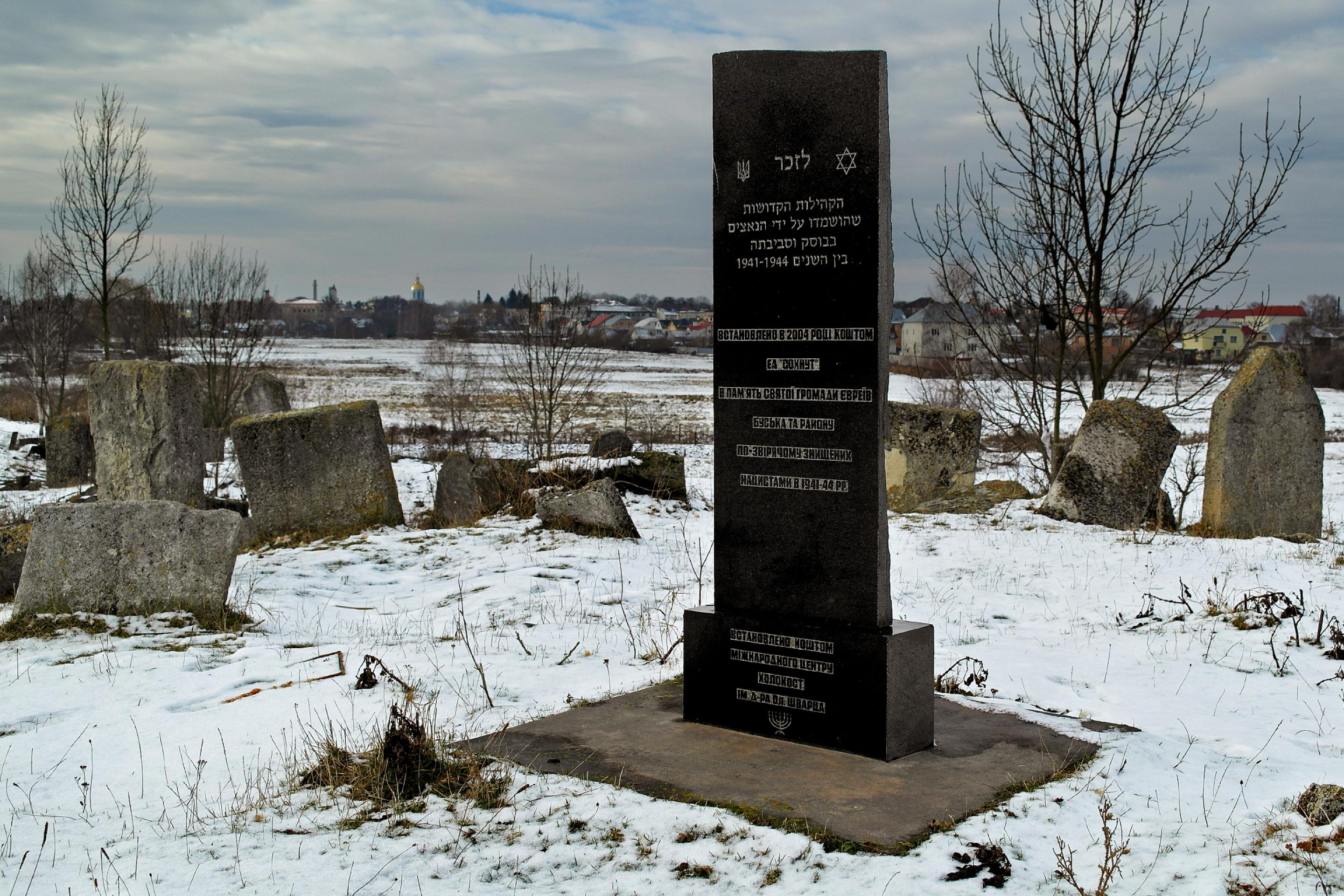
Only in 2004 a memorial was erected at the cemetery on the initiative of a Jewish organisation. The following year the organisation Yahad-In Unum initiated the opening of the 15 mass graves at the Jewish cemetery for forensic examinations. The results of the investigation were presented 2007 in the memorial site »Mémorial de la Shoah« in Paris.
Open
The memorial is accessible at all times.
Contact
vulitsa Tarasa Shevchenka
80501 Busk