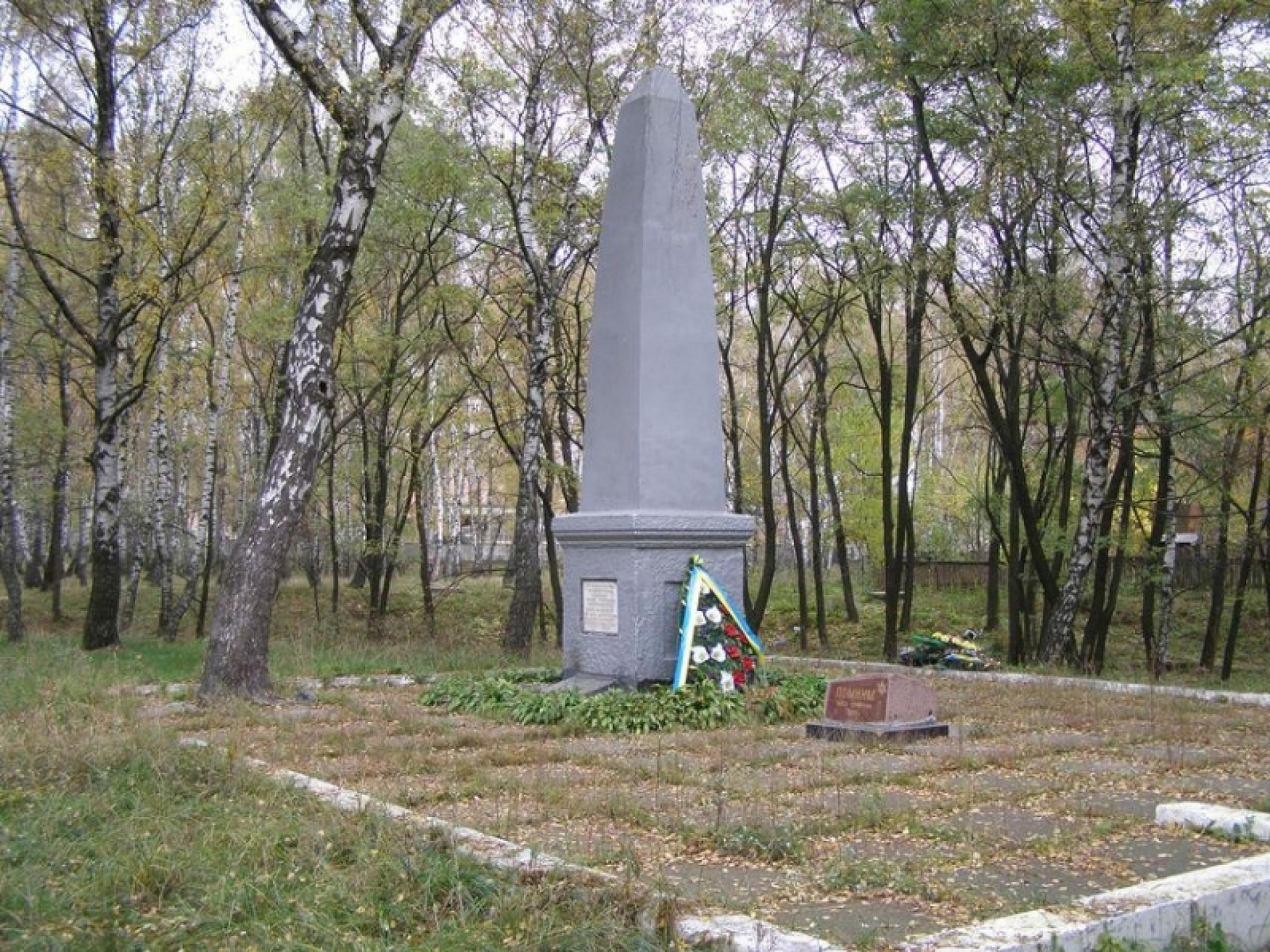
Memorial to the murdered Jews of Chernihiv
Братська могила мирних жителів, Березовий гай
In the Ukrainian major city of Chernihiv (Russian: Chernihov), a memorial remembers the murdered Jews of Chernihiv and surroundings. Other memorials commemorate the city's murdered Roma and the murdered patients of the local psychiatry, as well as the victims of a prisoner-of-war camp in the north of the city.
History
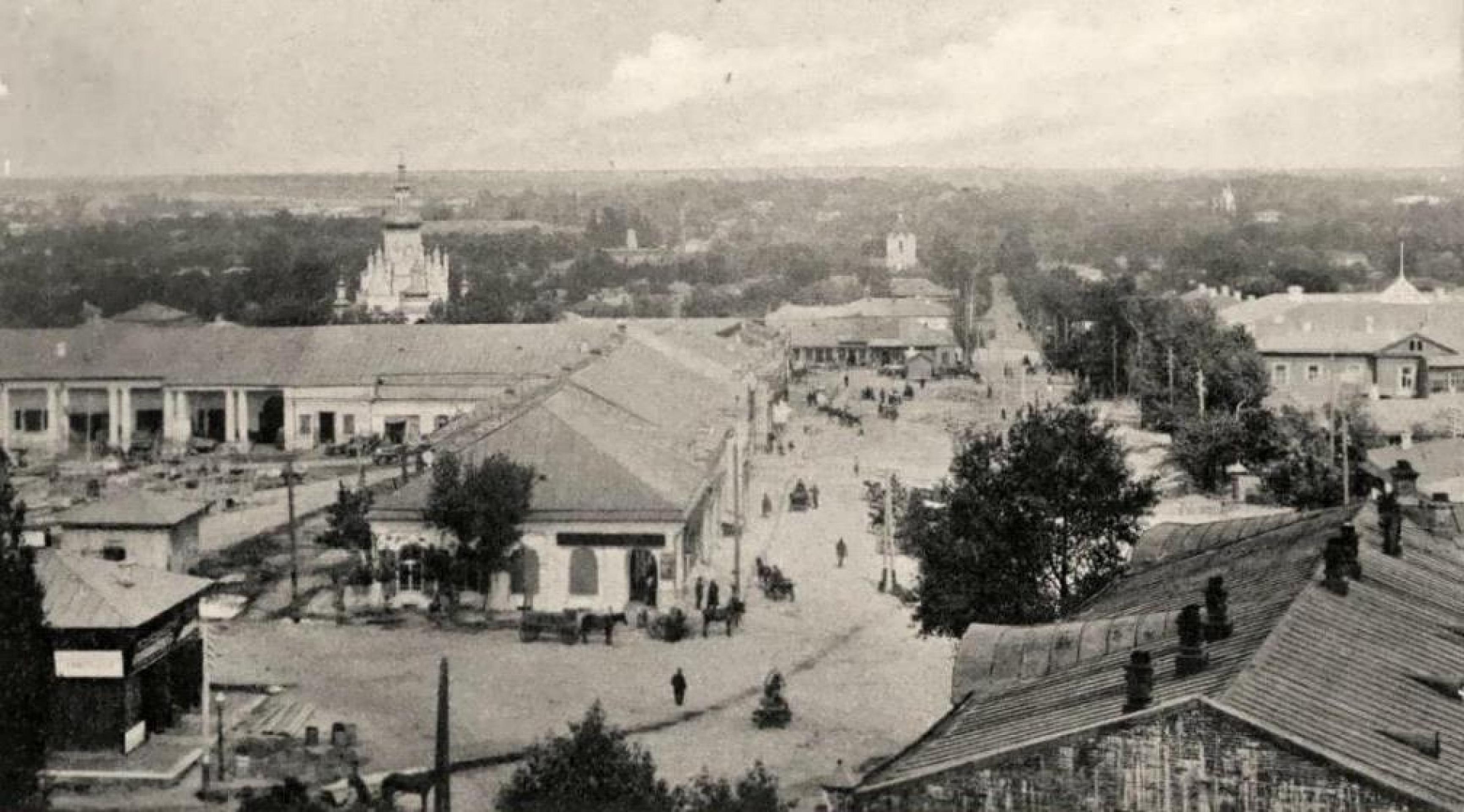
Chernihiv, located about 130 kilometres north of Kiev on the shore of the Desna river, was founded in the 9th century and was one of the most important cities of Kievan Rus in the Middle Ages. The first Jews settled there at the beginning of the 13th century, until the city was destroyed by the Mongols in 1239. A later Jewish community was destroyed during the Khmelnytsky uprising in 1648. A new one developed only at the end of the 18th century, and by 1897 a third of the city was Jewish.
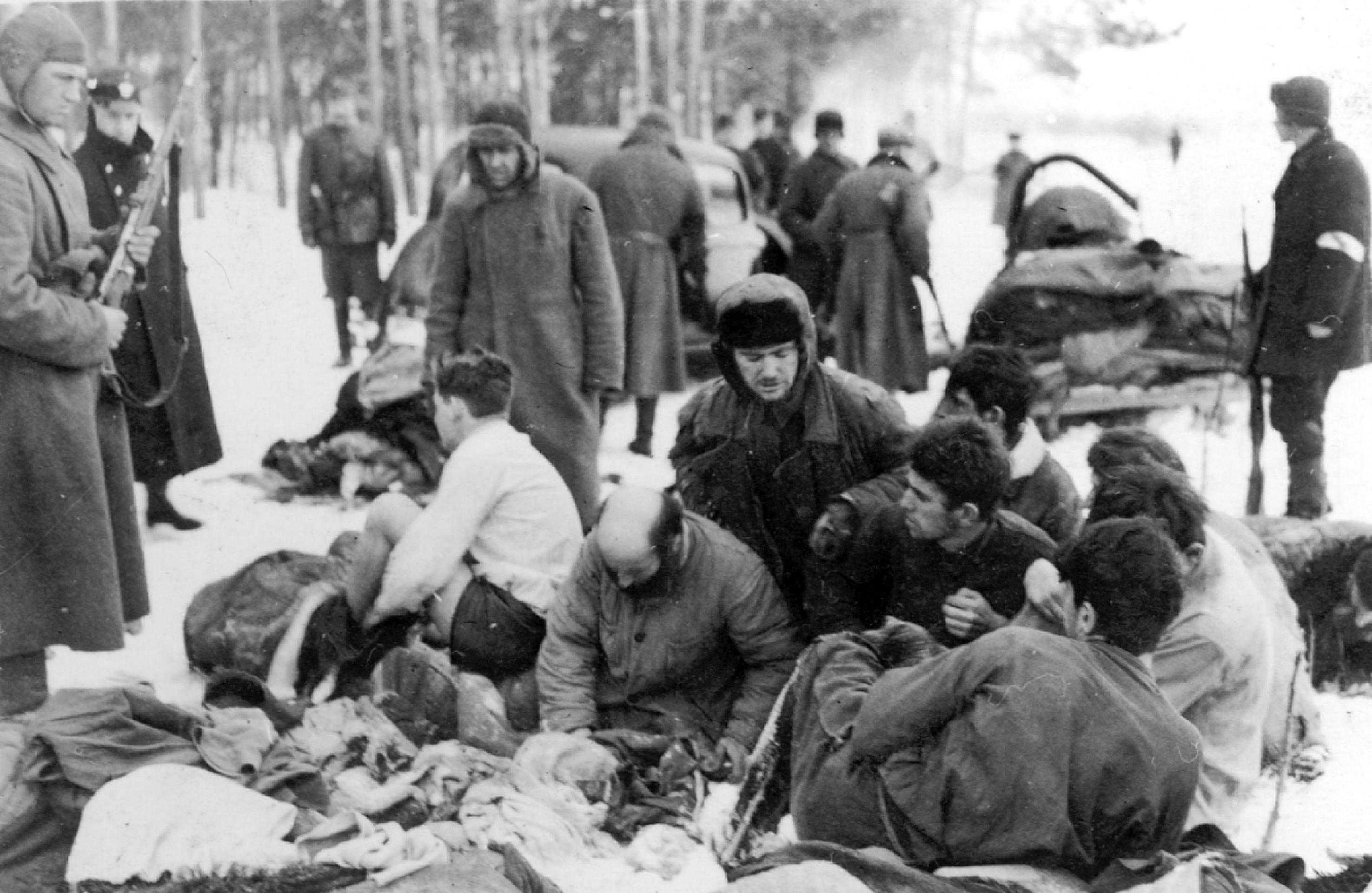
In 1939, on the eve of the Second World War, about 12,000 Jews lived in the city, accounting for approximately 20 percent of the population. The German Wehrmacht occupied Chernihiv on August 9, 1941. Most Jews could escape beforehand. The German occupiers forced the remaining Jews to register, to wear identification badges and to conduct forced labour. All Jews had to move to a neighbourhood near the market square. In the first two months, members of the Sonderkommando (special unit) 4b and Sonderkommando 7b of the Einsatzgruppe (mobile killing unit) B murdered several hundred of them. On November 18, 1941 the German occupiers forced all Jews to gather in the main square. Then they took the Jews to the »Berezovy Rov« valley, where they shot them all and buried them afterwards. Subsequently, the Germans murdered about 500 patients from local hospitals and psychiatric institutions. All the Jews who survived this »Großaktion« were imprisoned together with Soviet prisoners of war. The Germans murdered the remaining Jews of Chernihiv at the end of the year. The occupying forces set up a prisoner-of-war camp on the site of a factory, in which Jewish forced labourers from Hungary were also imprisoned. Many inmates died as a result of the catastrophic conditions or were murdered in the nearby »Krivulevshchina« grove. In the summer of 1942 the Germans imprisoned all registered Roma from Chernihiv and surroundings and shot them on September 30, 1942 at the edge of the Podusovka Forest.
Victims
In Chernihiv, the occupiers murdered thousands of Jews, patients, Roma, prisoners of war and political prisoners. The exact number of victims is difficult to determine due to the numerous mass graves with several groups of victims. Until the end of October 1941, members of the Sonderkommando (special unit) 4b and Sonderkommando 7b murdered up to 400 Jews. According to the Soviet commission of inquiry, 1,500 Jews were murdered during the »Großaktion« on November 18,1941. Apart from Jews, about 500 patients from the local hospital and psychiatry were shot or suffocated in so-called gas vans and buried in the same place. Some 57 Jews who were spared from this mass shooting were imprisoned in the central prison and murdered and buried nearby by the end of the year. In January 1942, all the other patients were murdered. In the summer of 1942 the German occupiers, supported by the Ukrainian municipal police, murdered up to 2,000 Roma from Chernihiv and the surrounding area.
Remembrance
The city was liberated by the Red Army on September 21,1943. In 1959, 6,600 out of a population of about 90,000 were Jews. In the same year the synagogue was closed. The Jewish cemetery has been overgrown over the years. Most Jews left the city in the 1990s. Today the Jewish community, which has recovered somewhat in the meantime, has approximately 3,500 members.
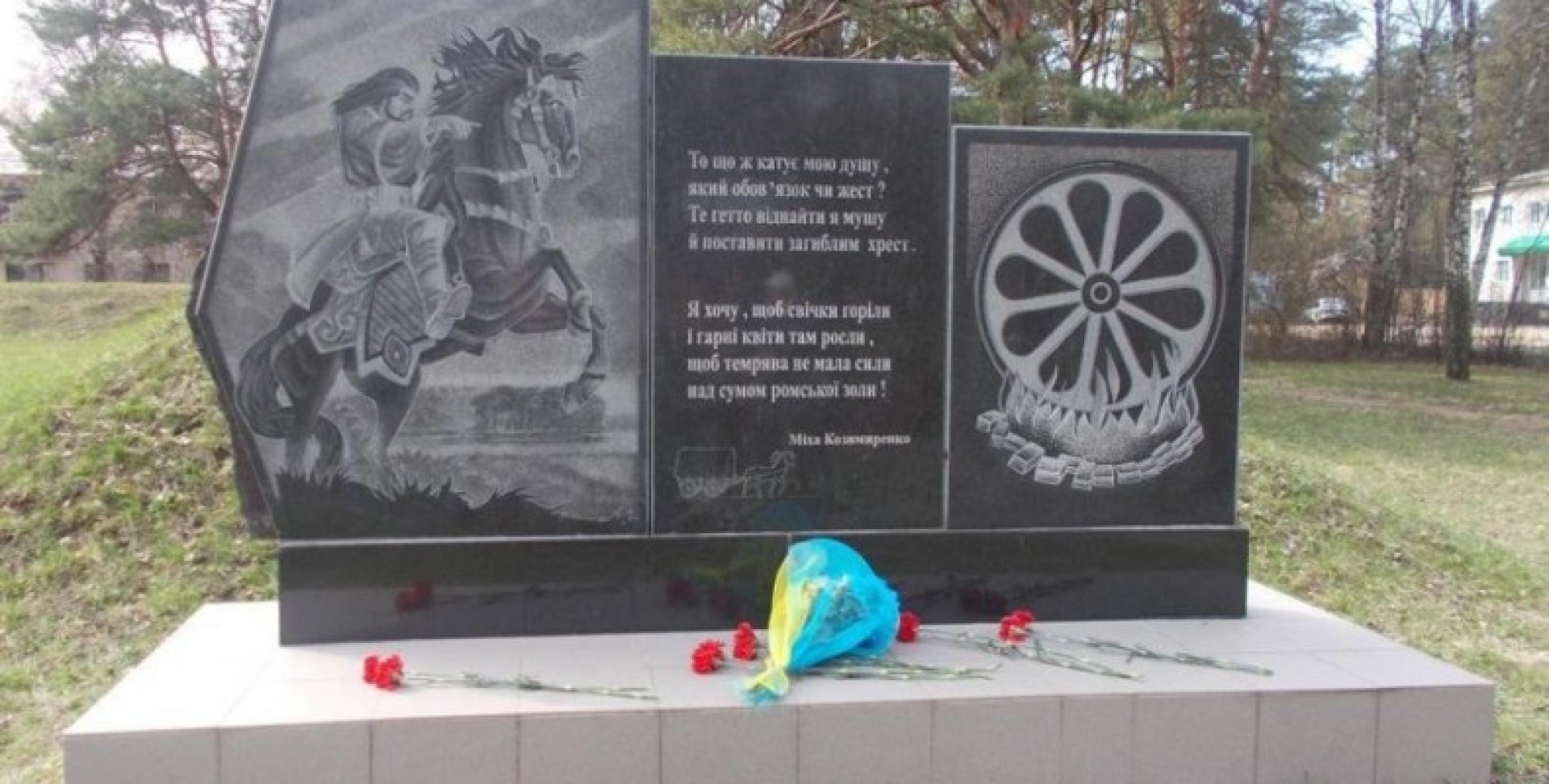
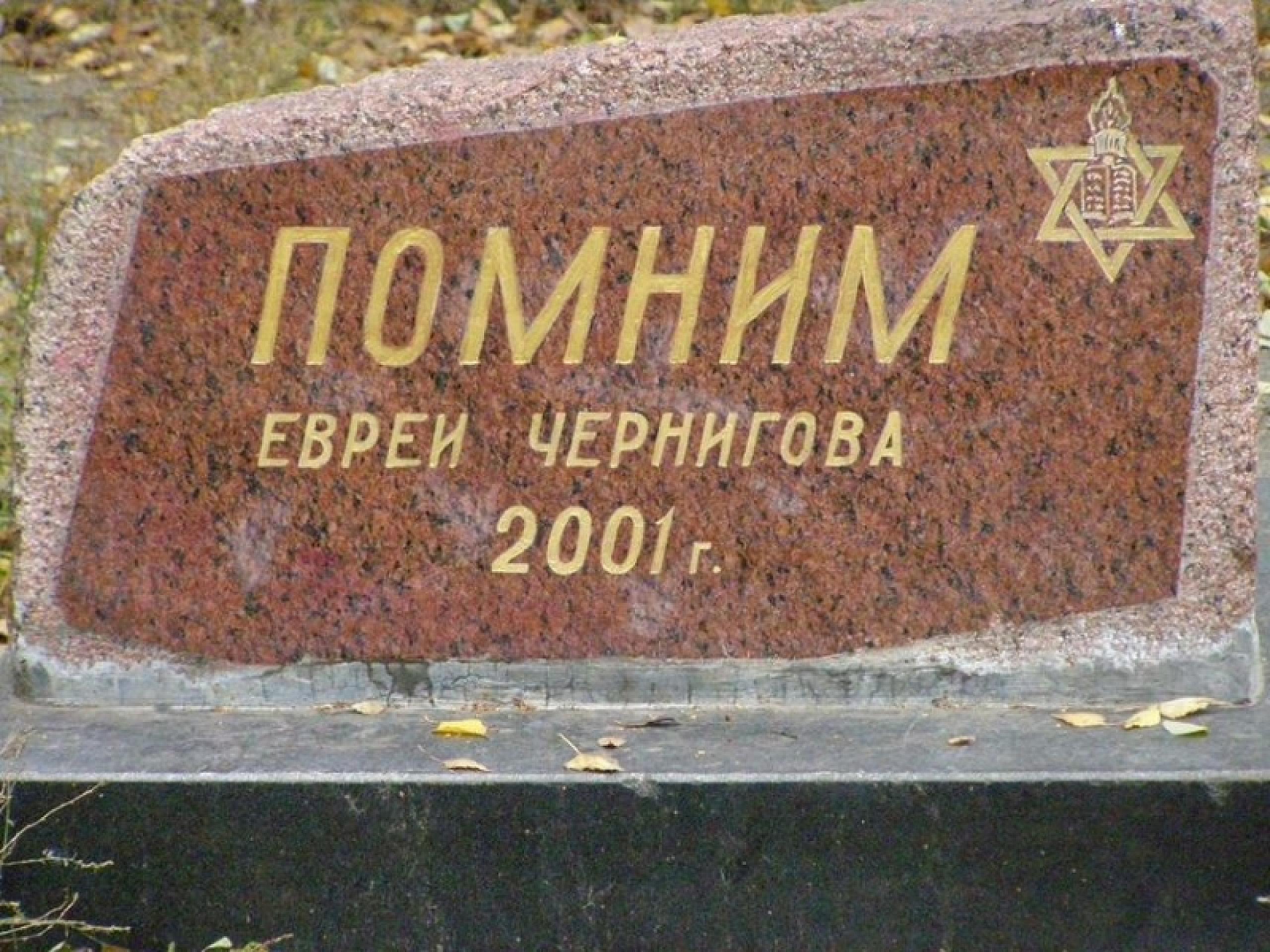
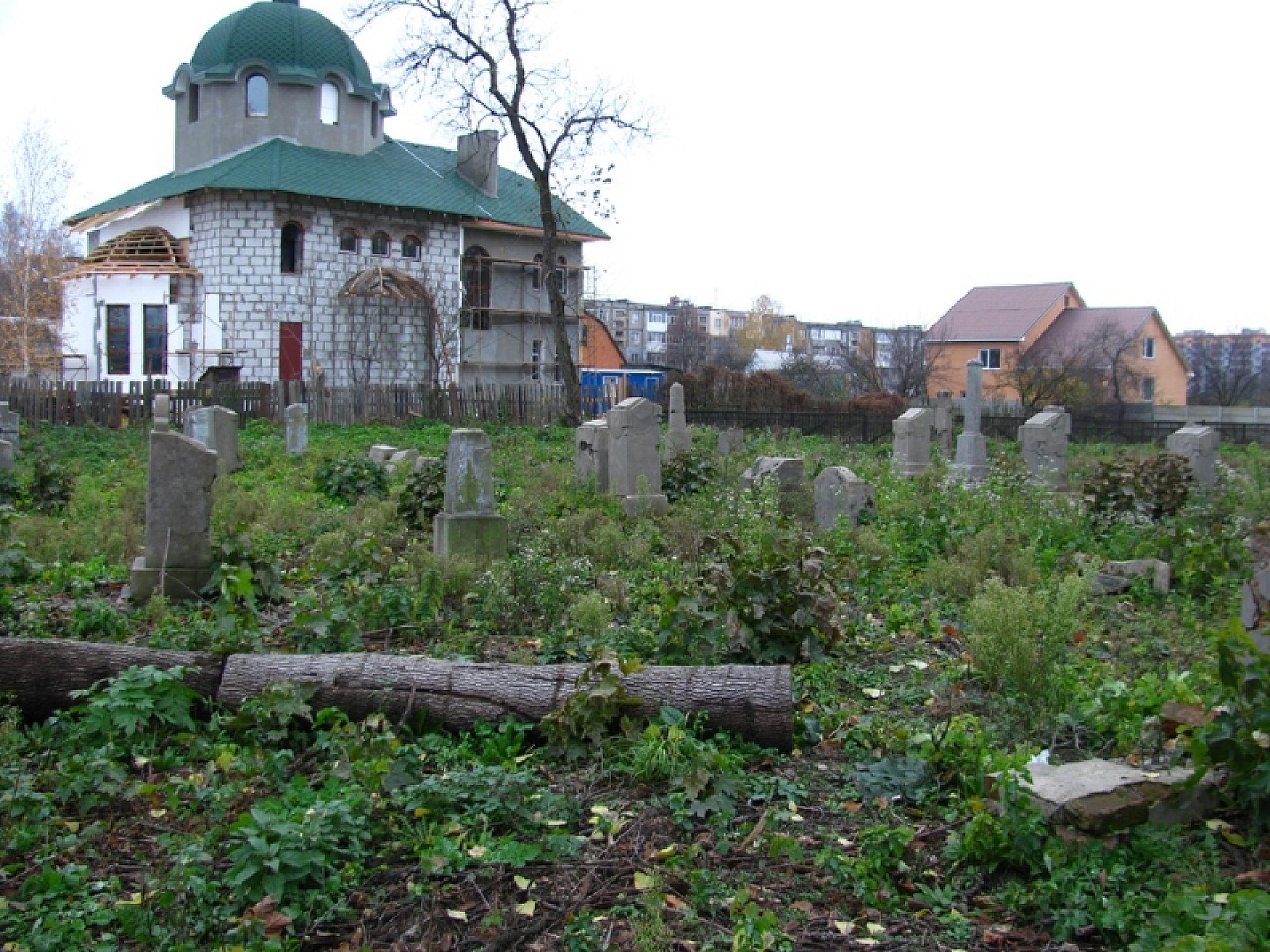
In 1963 a memorial was erected at the site of the mass shooting »Berezovy Rov«. It is an obelisk more than 4 metres high. The Ukrainian inscription reads: »More than 1,500 Soviet civilians are buried here, tortured by the German-Fascist occupiers in 1941. The memory of the people who were murdered for their struggle for freedom and for the independence of their homeland will forever remain in our hearts«. Another inscription was added in 1991 by the Jewish community remembering 800 Jews from Chernihiv who were murdered. It is engraved on the pedestal of the monument, above the writing there is a Star of David. Next to the monument is a memorial stone, erected by the Jewish community in November 2001. The Russian inscription reads: »We remember - Jews from Chernigov, 2001«. Another mass shooting site was located in the »Podusovka« forest. Among the victims are Roma, Jews and prisoners of war who were previously locked up in the prison 3 kilometres to the east. The first memorial was erected in 1975. In 2009, the organisation »Romano Drom« erected another monument remembering the Roma murdered here. On the monument there is a quote in Ukrainian by the Chernihiv-born Roma poet Mikha Kosimirenko (1938-2005). On the site of a pharmacy near the children's hospital, a commemorates remembers the murdered patients of the city. The memorial to the victims of the POW camp is located on the site of today's winter sports school in the north of the city. The mass graves are still not enclosed.
Open
The memorial is accessible at all times.
Contact
Prospekt Mira 235
14000 Tschernihiw