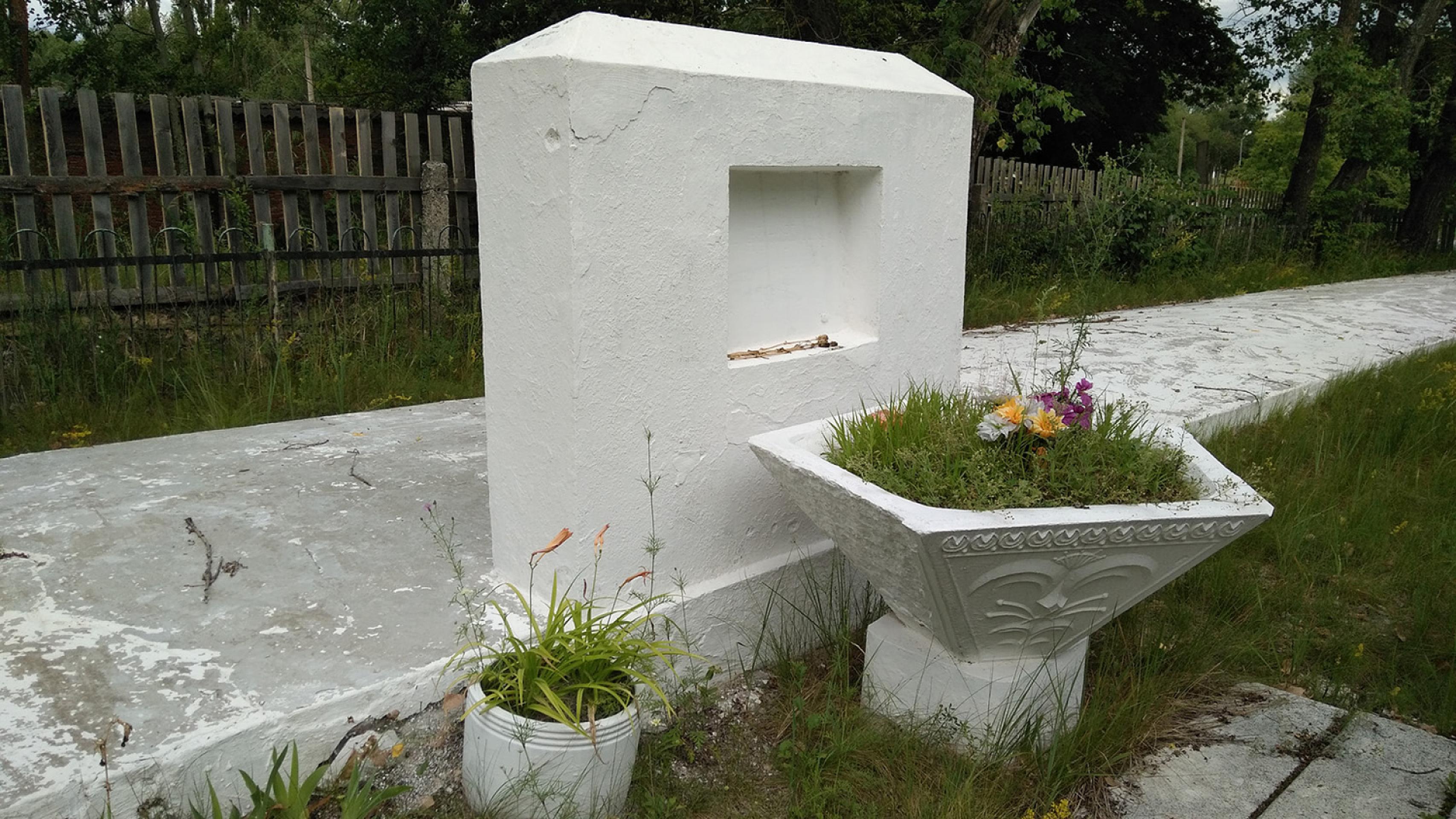
Memorial to the murdered Jews of Chernobyl
Пам'ять вбитих євреїв Чорнобиля
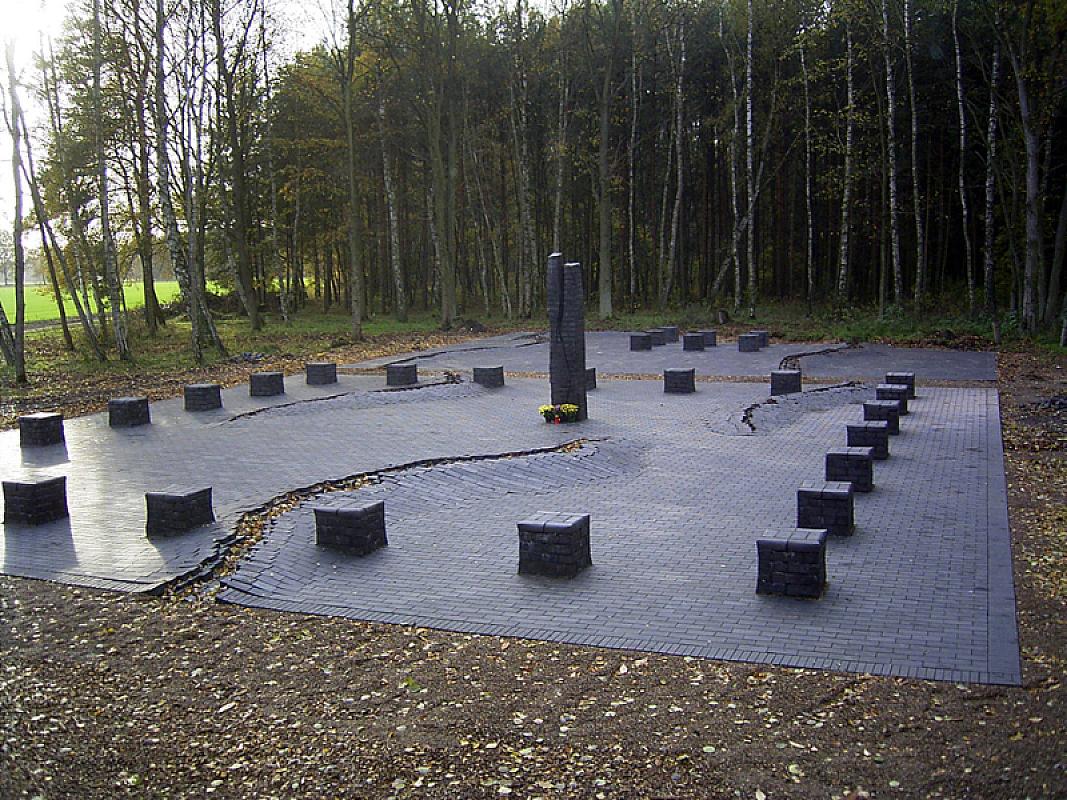
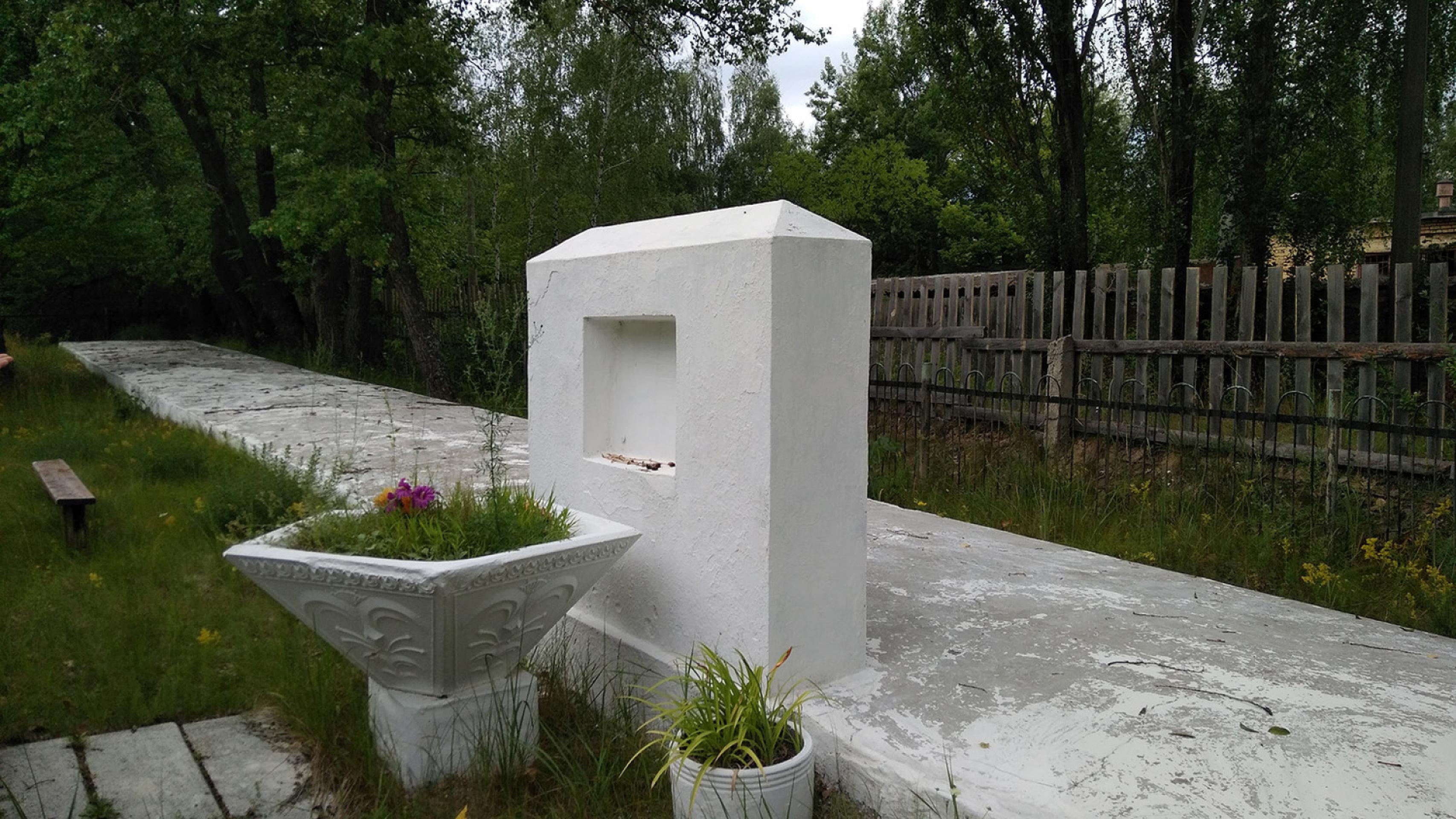
In Chernobyl (Ukrainian: Chornobyl), a monument in the old Jewish cemetery commemorates the murdered Jews of the city and its surroundings.
History
Chernobyl, located about 94 kilometres north of Kiev, was first mentioned in writing in 1193. The Jewish community was founded in the late 17th century. At the end of the 19th century more than 5,500 out of the 9,400 inhabitants were Jews. Menachem Nachum of Chernobyl (1730-1787) founded one of the most famous Hasidic dynasties here, the Twersky dynasty.
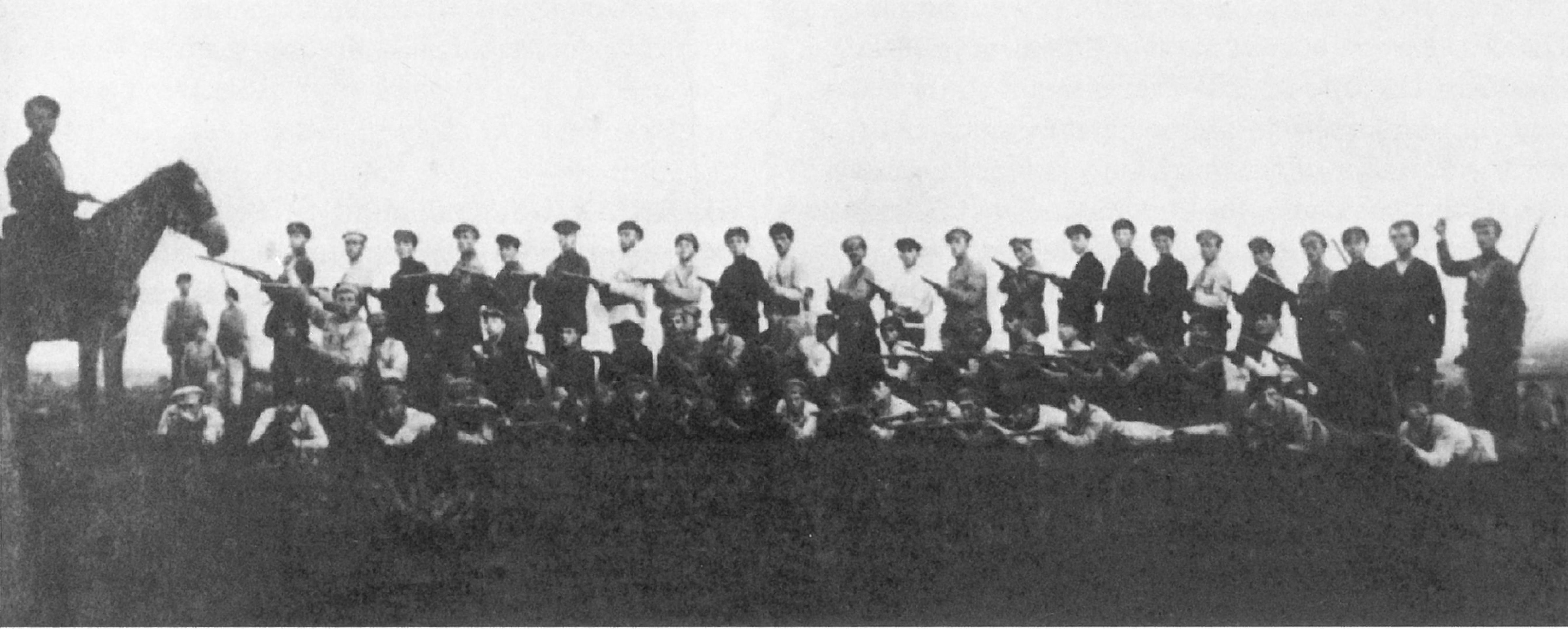
On April 1, 1919, during the civil war, members of the White Army murdered about 150 Jews in Chernobyl. Subsequently, the Twersky families left the city. In 1916, a rabbi founded the first Hasidic religious school in Chernobyl. It was closed a few years later by the Soviet authorities and converted into a secular Yiddish school. Some Jewish families founded a kolkhoz which they called »Nae Welt«. Yiddish remained an approved administrative language until 1937, after which all Jewish institutions were closed. On the eve of the Second World War, about 1,780 Jews lived in the city, representing about one-fifth of the population.
On August 25, 1941, two months after the attack on the Soviet Union, the German Wehrmacht occupied the city. The Jews were coerced into forced labour and had to wear badges. On November 19, 1941, Ukrainian policemen gathered all Jews in the yard of the Jewish kolkhoz. Under the supervision of German units, the Jews were driven to the cemetery west of the city. There the German units shot all Jews while local police closed off the area. The bodies were buried on the spot. In the following weeks, the Germans and their accomplices captured all the Jews who had managed to save themselves from the »Aktion« and shot them. The Jewish community of Chernobyl was thus annihilated.
Victims
Members of German units murdered some 400 to 450 Jews during the »Aktion«on November 19, 1941 with the help of the local police. At the beginning of December, they murdered another twenty Jews who had been able to escape the murder operation.
Remembrance
The Red Army liberated Chernobyl on September 28, 1943. After the war some Jews who had been able to leave the city before the Wehrmacht arrived returned to Chernobyl. In 1970, approximately 150 Jews still lived in Chernobyl.
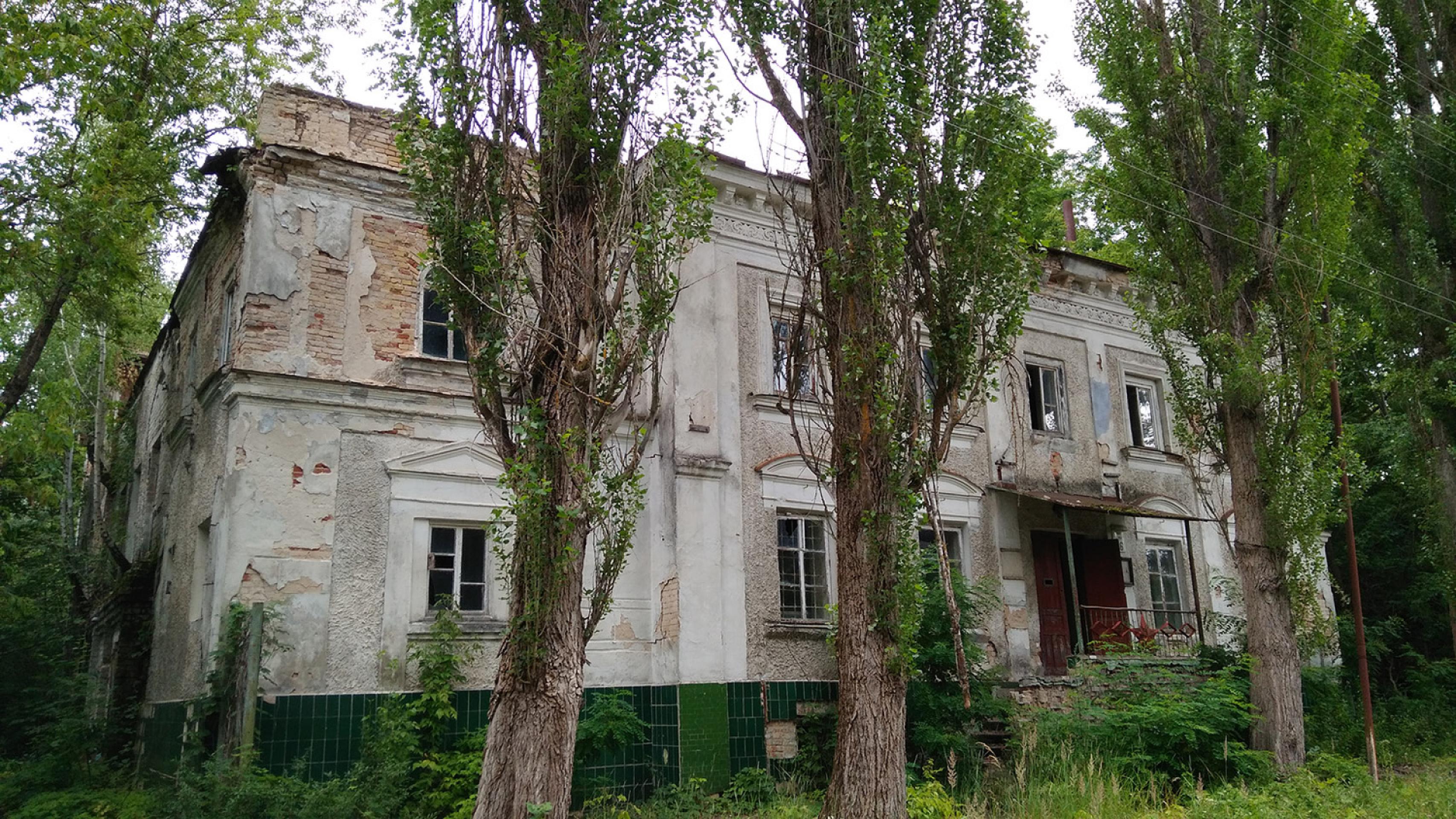
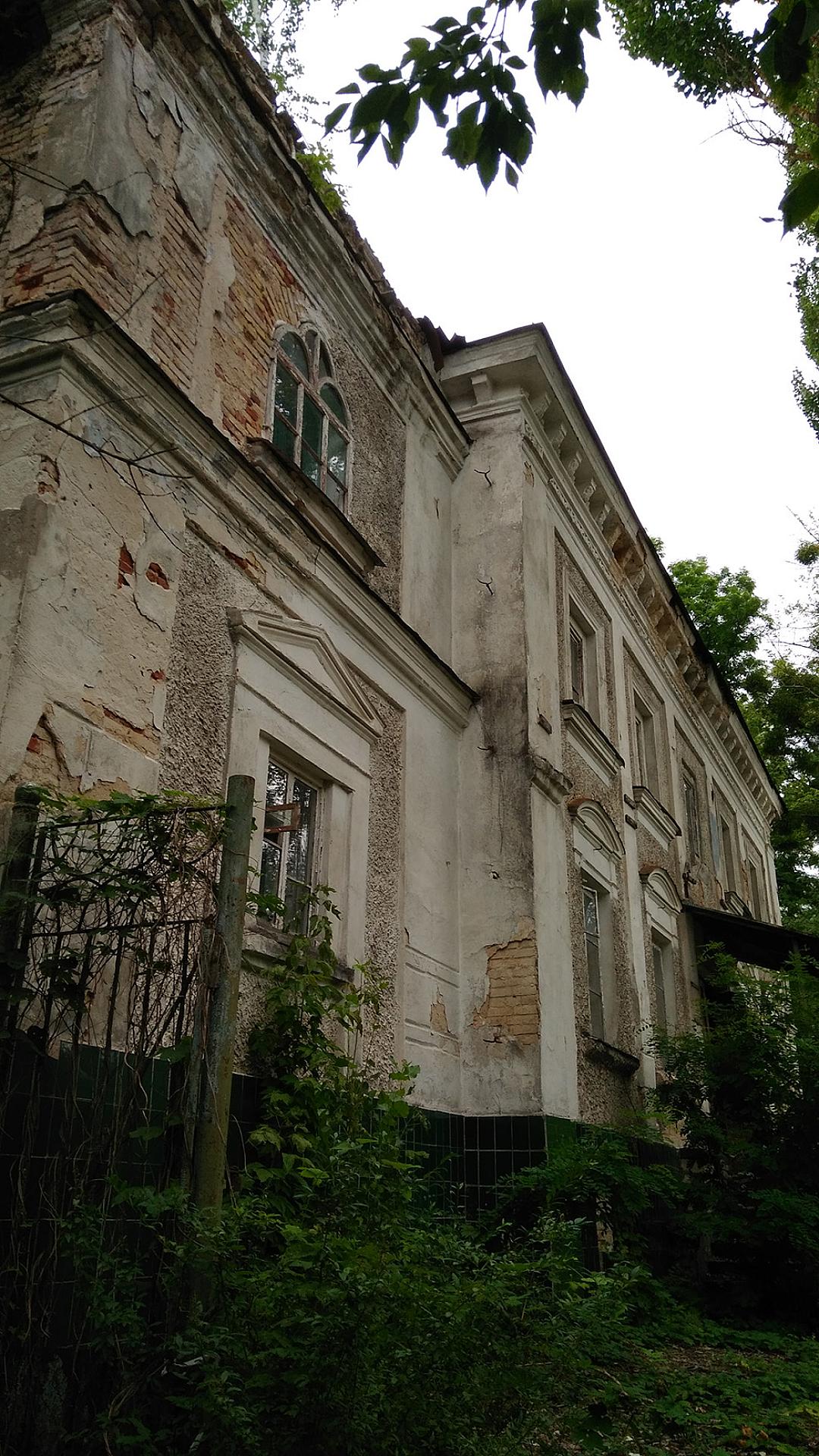
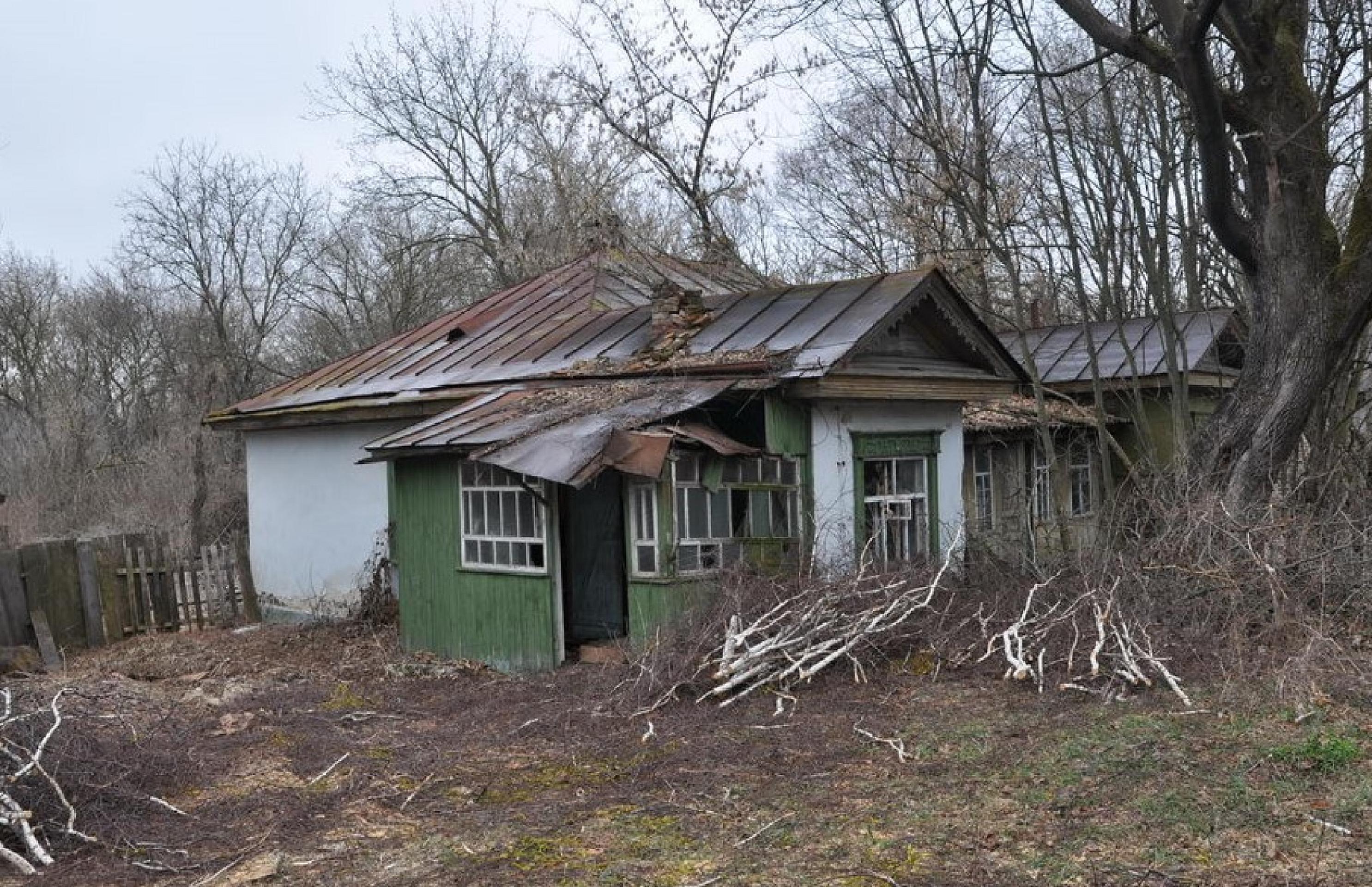
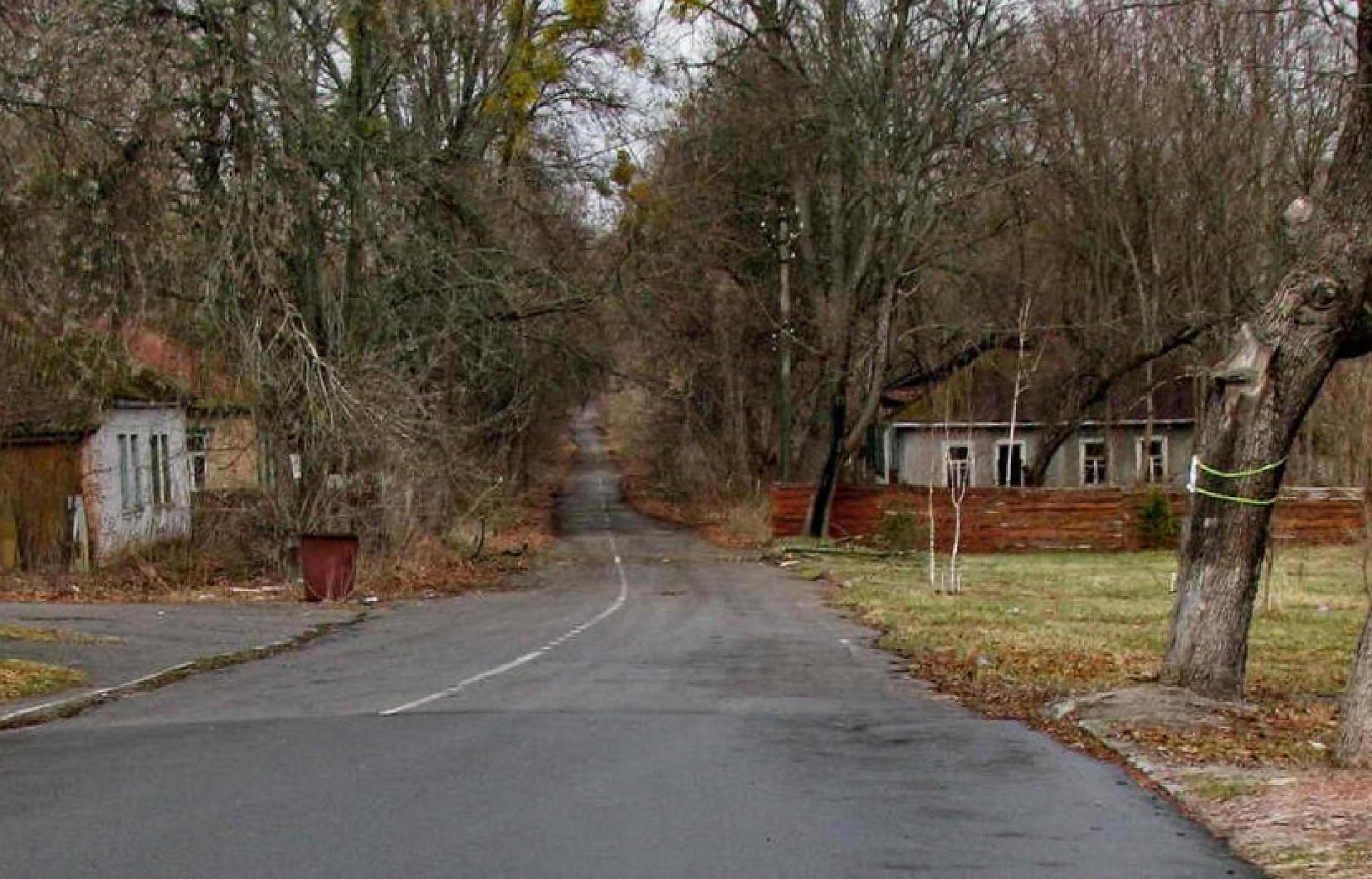
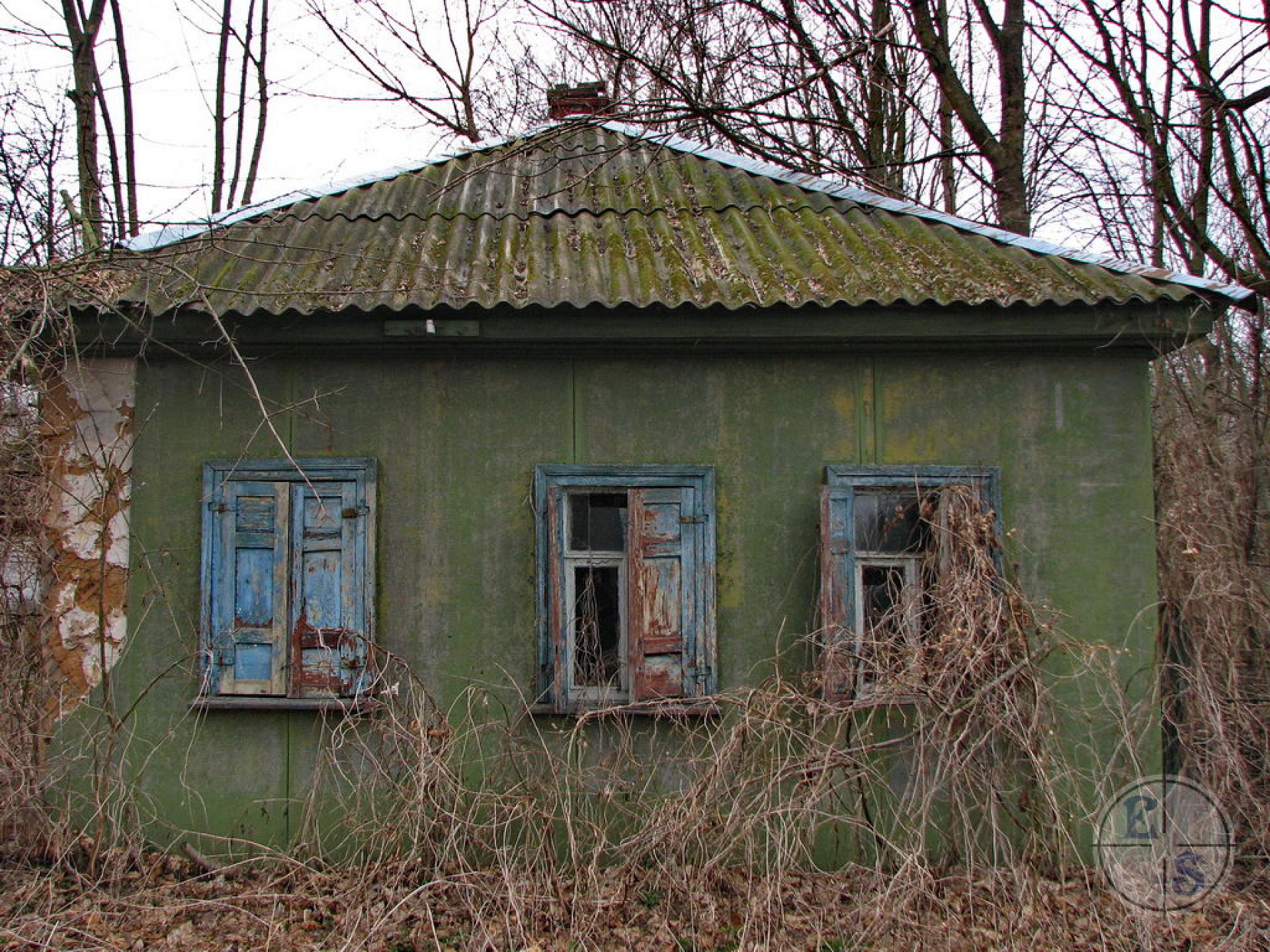
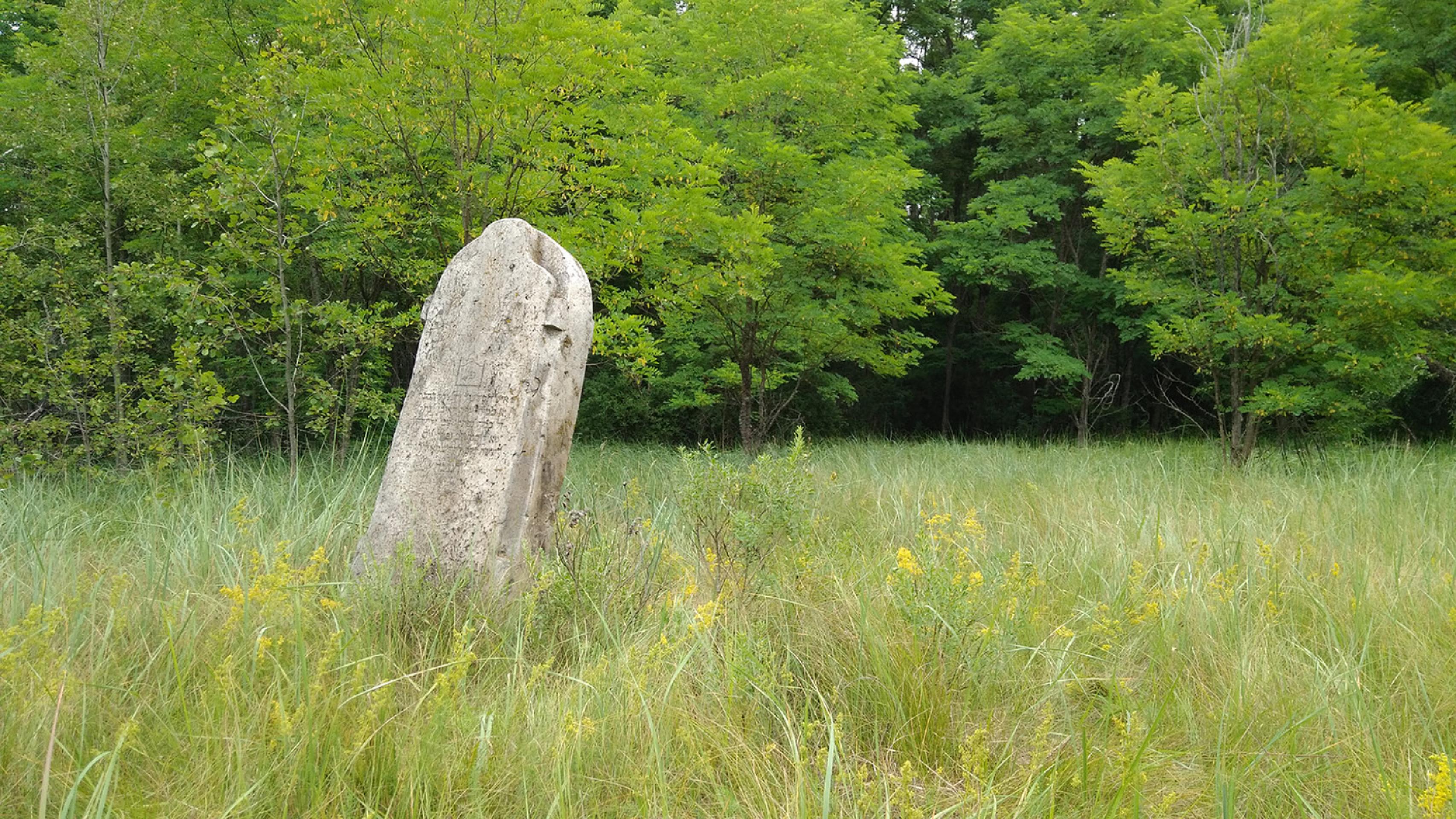
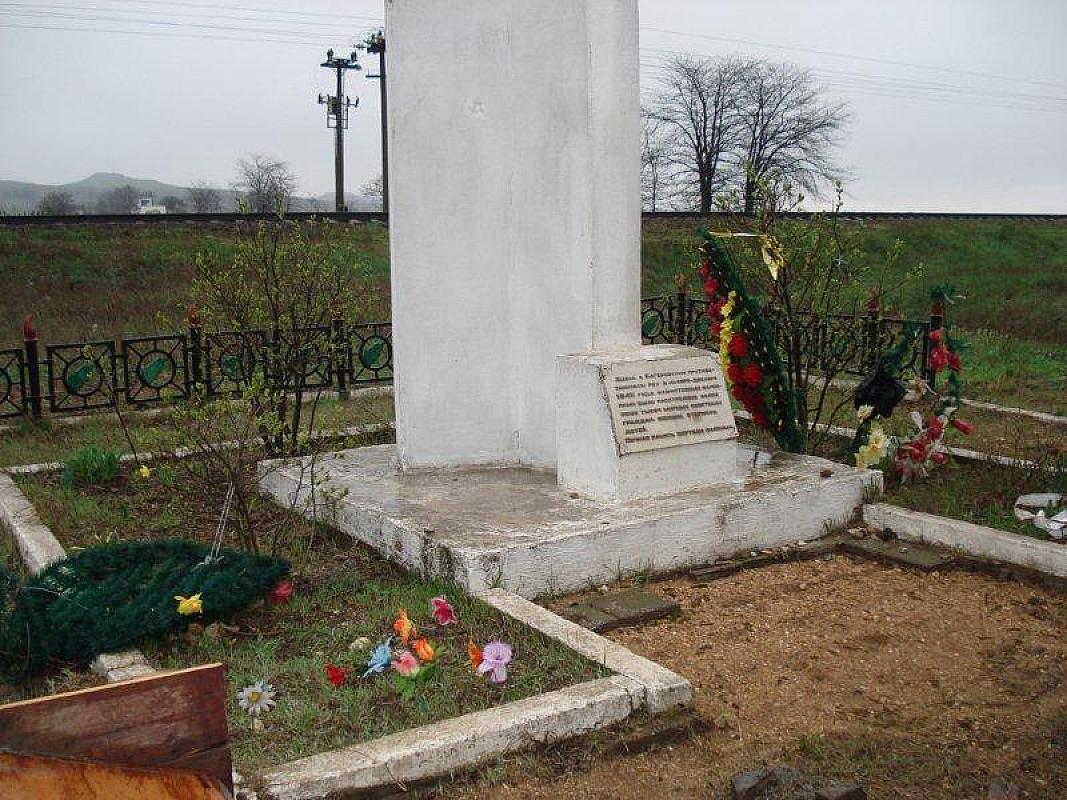
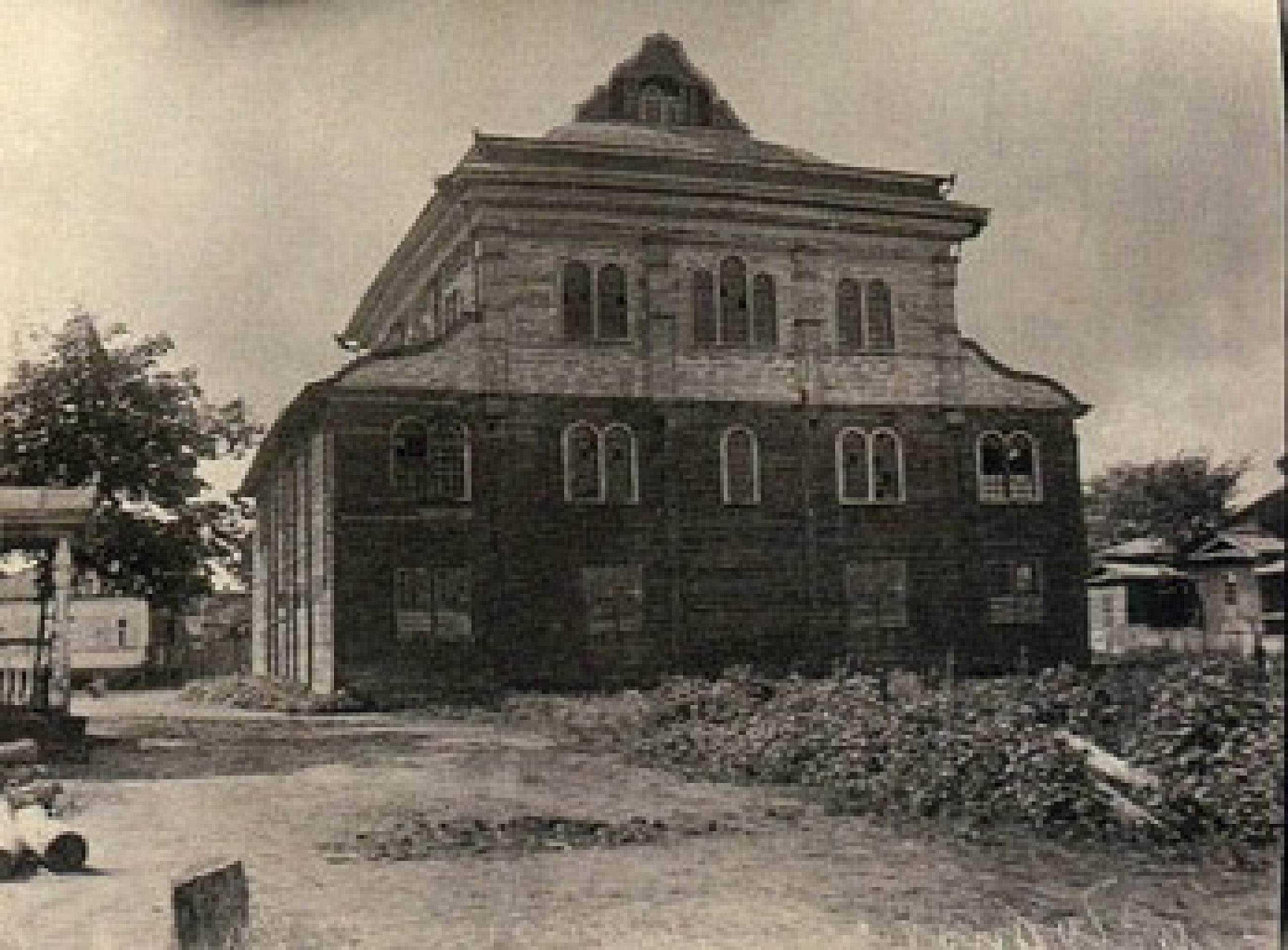
A few days after the nuclear disaster at the nearby nuclear power plant on April 26, 1986, all inhabitants of Chernobyl were evacuated. Although the city is now located within the 30 km wide restricted area, some hundred mainly elderly people are living there again. A Jewish community no longer exists. At the beginning of the 20th century, the Jewish community maintained five synagogues and a house of prayer. Today, only the façade of one of the synagogues has survived. In Soviet times the building was used as a recruitment centre for the army. The old Jewish cemetery is no longer preserved except for two resting places of the Twersky dynasty. On the site there was a school until 1986. In the Soviet era, the Jewish community centre »Kahal« housed the city's cultural centre. The second Jewish cemetery where the Holocaust monument is located is situated on the western outskirts of the city. The monument was built after the war by relatives of the murdered. The date of the mass shooting and the Hebrew inscription could be seen on the faded memorial plaque until only recently, when the monument was repainted and the inscription painted over. The memory of the Jewish community from Chernobyl is still remembered by members of the Twersky dynasty and other Hasidic Jews. In their tradition, the city still enjoys a high status to this day.
Open
The memorial is located in the 30-kilometre wide restricted area, which visitors are only allowed to visit with a special permit.
Contact
redactor@chornobyl.in.ua