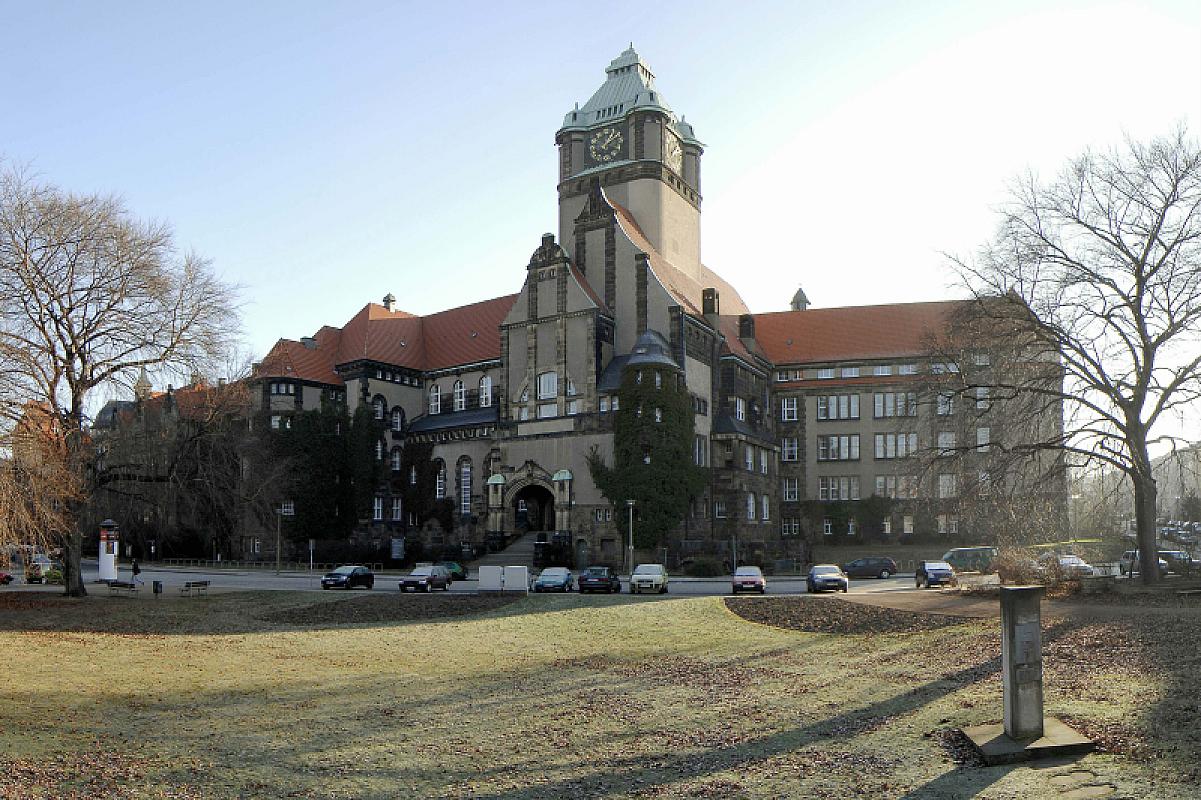
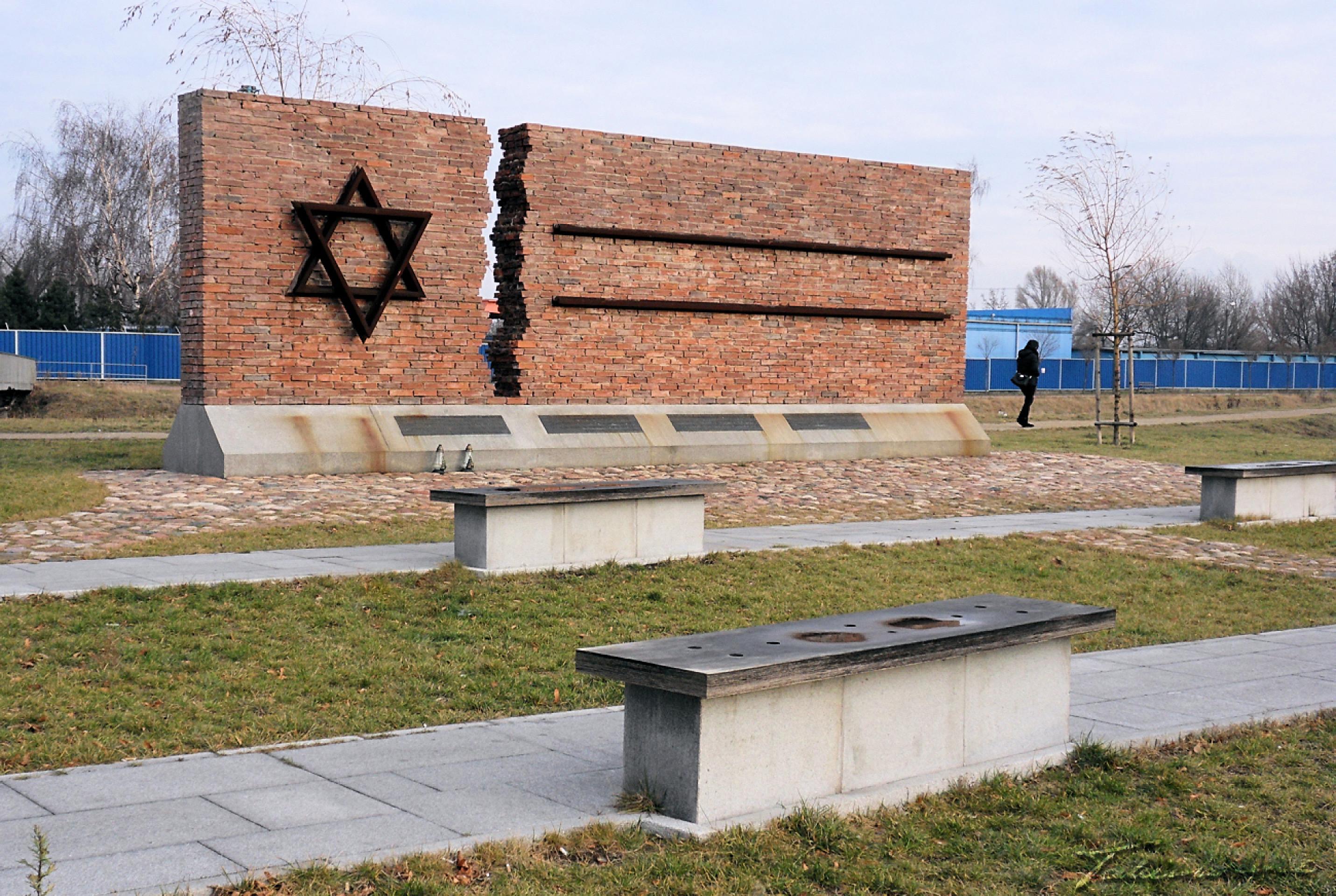
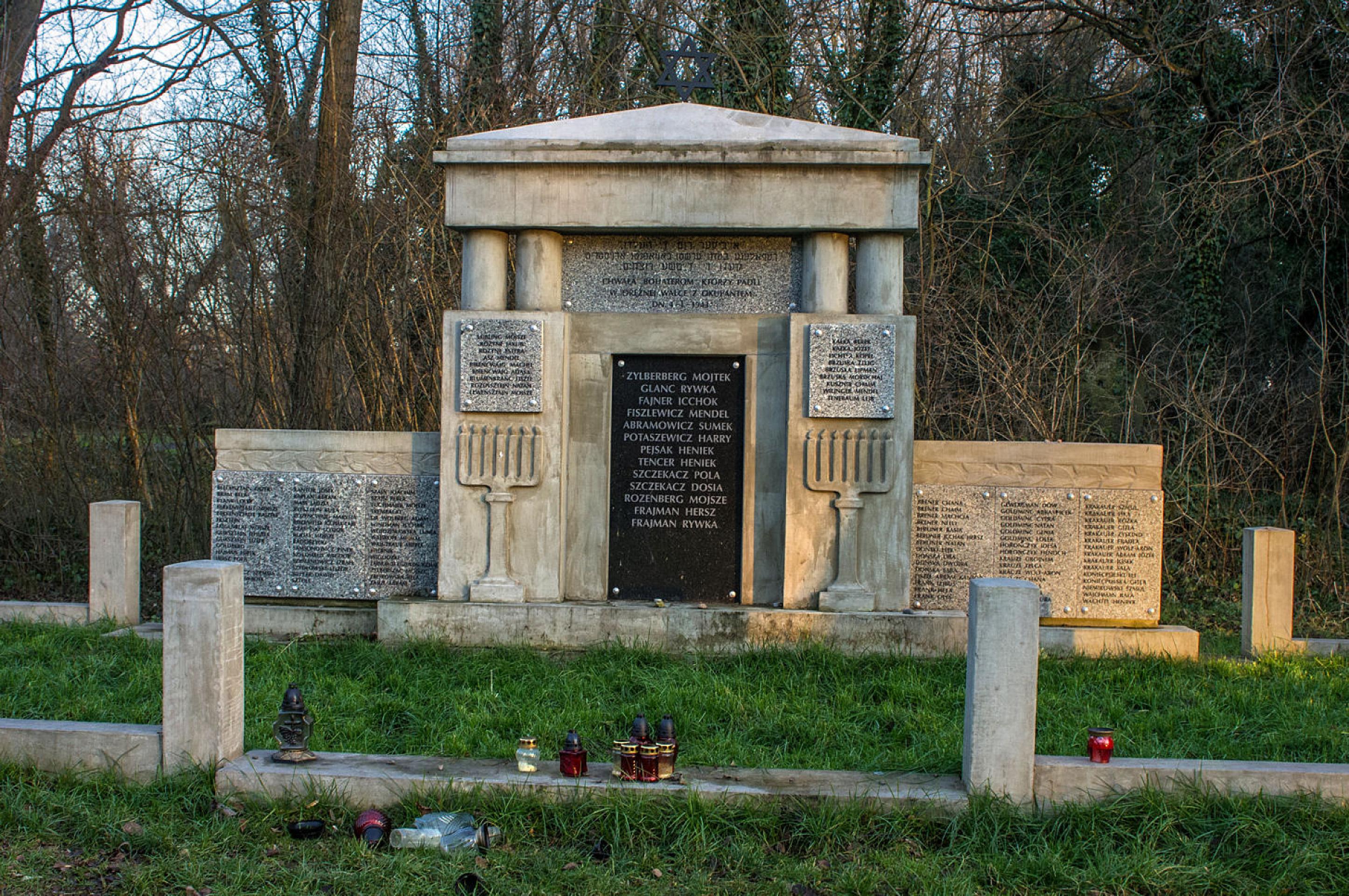
Memorial to the murdered Jews of Częstochowa
Miejsca upamiętniające ofiary Holocaustu w Częstochowie
In Częstochowa a few memorials remember the once important Jewish community and the city's approximately 40,000 murdered Jews.
History
Since the middle ages the city of Częstochowa, located on the banks of the river Warta in the south of Poland, is one of the most important pilgrimage sites for Catholic Poles. Jews lived here probably since the beginning of the 18th century. In the course of the First Partition of Poland the city initially became part of Prussia in 1793 but passed to the Russian Empire in 1815. In the 19th century the Jews of Częstochowa were considered to be mainly liberal and assimilated.
At the time of the German attack on Poland there were approximately 28,500 Jews living in Częstochowa, making up one fifth of the entire population. Since the city was located close to the border it fell into the hands of the Wehrmacht as early as December 3, 1939. The next day, which went down in history as »Bloody Monday«, the Wehrmacht staged a bloodbath, killing more than 1,000 inhabitants of Częstochowa, among them about 150 Jews. The massacre was said to have been triggered by shots fired from houses occupied by Jews.
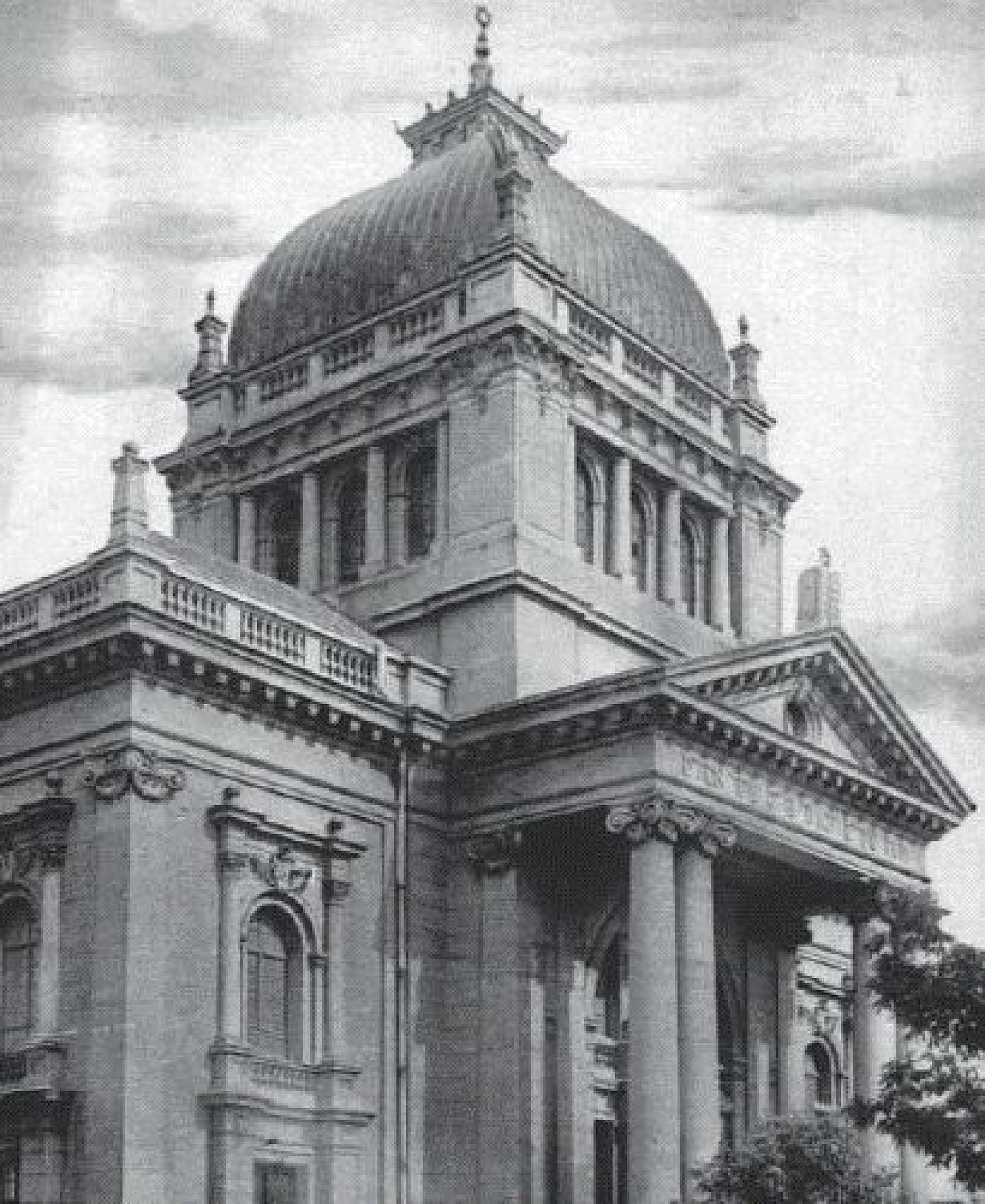
The city was incorporated into the German Reich, the condition for the the Jews deteriorated steadily and drastically. The most important synagogues were destroyed and a Jewish Council and a Jewish police force were created to enforce German orders. In 1941 the occupiers established a ghetto for the 40,000 Jews of the city and its environs. The living conditions were catastrophic, hundreds died of diseases.
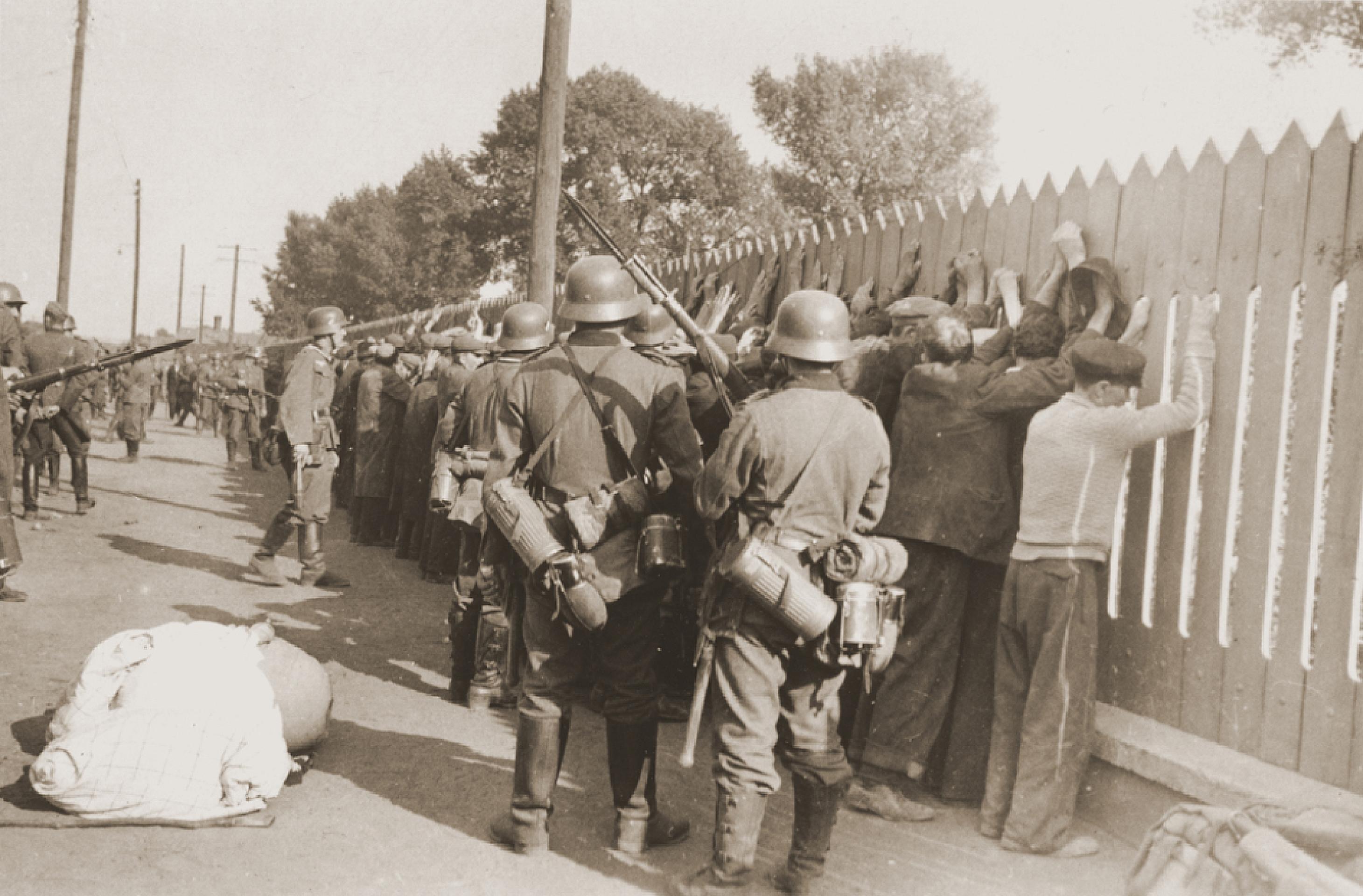
Between September 22 and October 8, 1942 the ghetto was liquidated. The vast majority of the ghetto's residents, approximately 38,500 Jews were deported to the extermination camp of Treblinka near Warsaw, where the SS murdered almost all of them on their arrival with carbon monoxide. 2,000 Jews were shot on site during the »Aktion«. Only some thousand Jews who were fit for work remained in Częstochowa, they were gradually deported or murdered.
Victims
Most of the Jews from Częstochowa were murdered during the German occupation. The SS murdered as many as 38,500 residents of the Częstochowa ghetto by poison gas in the extermination camp of Treblinka. Several thousand Jews were shot on site during various »Aktionen«, 150 already at »Bloody Monday« in September 1939 and about 2,000, mainly children and elderly people, during the ghetto's liquidation in autumn 1942. When the Jews put up armed resistance during the liquidation of the small ghetto in June 1943, approximately 500 of them burned alive as the uprising was suppressed. How many of the Jews who were deported over the years from Częstochowa to other ghettos and labour camps died is not known.
Remembrance
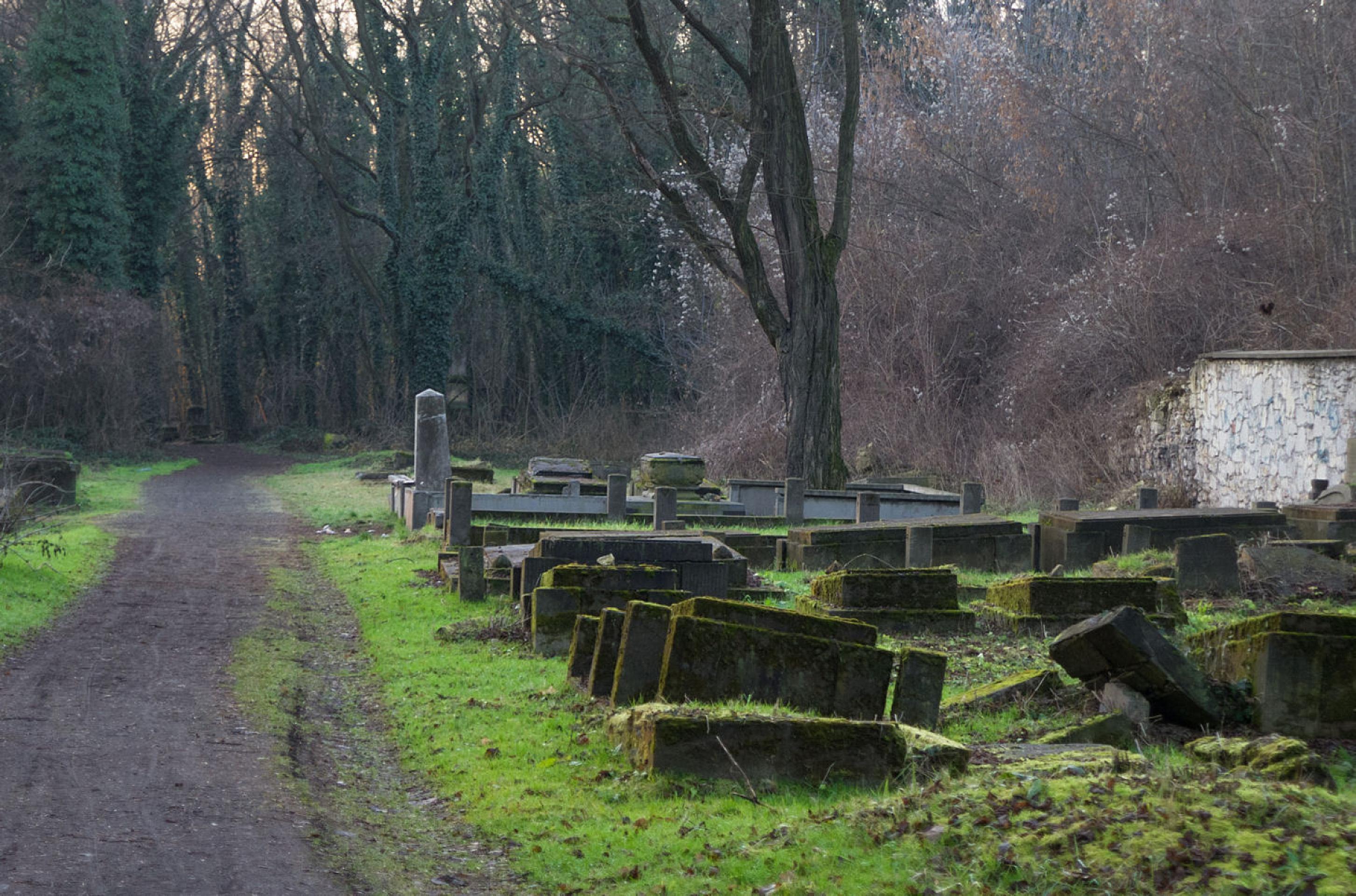
At the end of war about 5,000 Jewish prisoners were liberated in Częstochowa, most of them had been deported to the city shortly before. By the middle of 1946 the number of Jews stabilized at 2,000 and many Jewish institutions resumed their work. However, after anti-Semitic riots and especially after the pogrom in the nearby town of Kielce in July 1946 most of the Jews decided to emigrate. During the times of the communist dictatorship all Jewish life in Częstochowa vanished. Since the great synagogues were destroyed during the German occupation, only the large Jewish cemetery bears witness to the former importance of the Jewish community of Częstochowa. On the cemetery, which was the scene of various murder operations during the occupation are several gravestones and memorials remembering the victims.
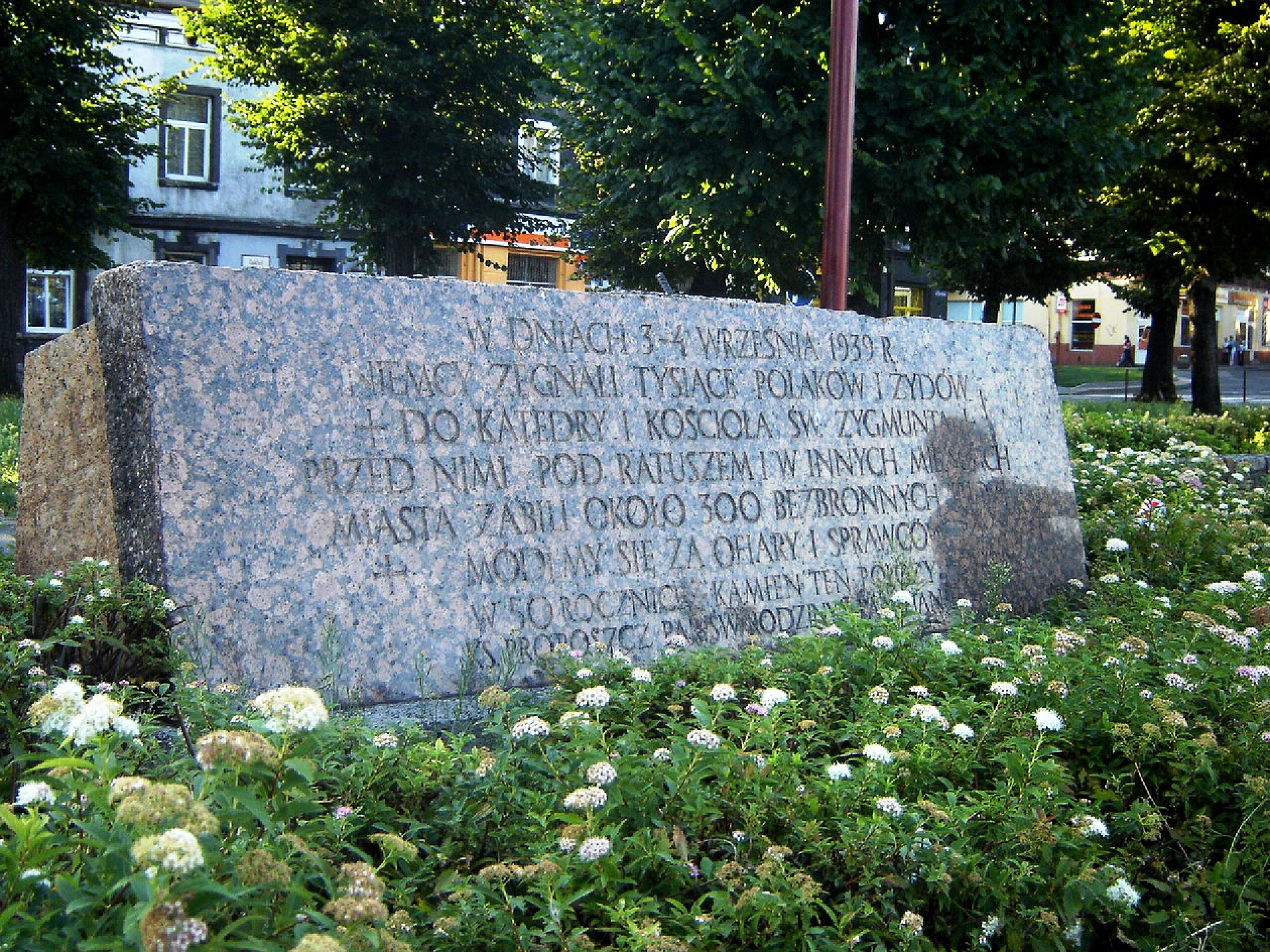
On the square in front of the city's cathedral a memorial stone was erected in 1989, remembering the victims of »Bloody Monday«, especially the 300 of them who were killed by soldiers of the Wehrmacht in the close proximity.
In 2009 a Holocaust memorial was dedicated at the edge of the site of the former ghetto. It consists of a torn clinker wall on which a large Star of David is mounted. The memorial was designed by the Częstochowa-born artist Samuel Willenberg (*1923), one of the last survivors of the 1943 uprising in the extermination camp of Treblinka.
Open
The memorials are accessible at all times.
Contact
ul. Strażacka (Pomnik ofiar getta)
42-200 Częstochowa