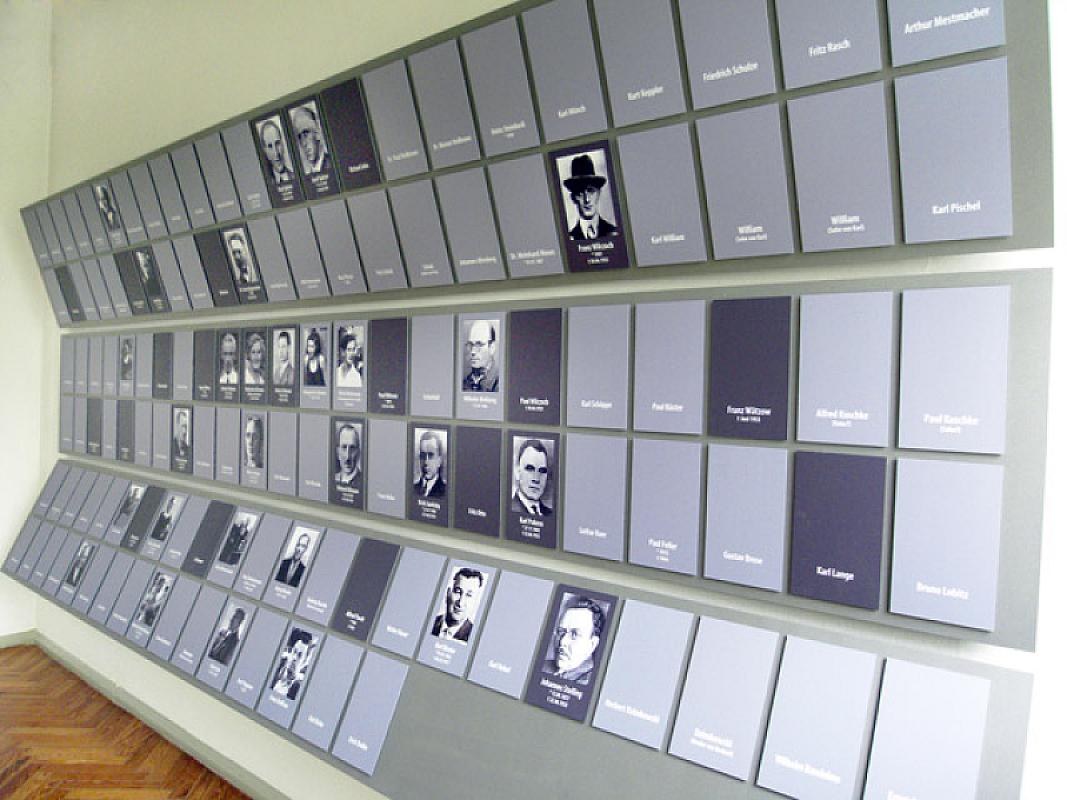
In the industrial town of Dnipro (until 2016: Dnipropetrovsk) several memorials remember the more than 10,000 Jews who were killed by SS-Einsatzgruppen (mobile killing units) during the German occupation from 1941 to 1943.
History
Dnipro, which was until 2016 called Dnipropetrovsk (Russian: Dnepropetrovsk), is located 400 kilometres southeast of the Ukrainian capital of Kiev on both banks of the river Dnieper. Until 1926 the town was called Yekaterinoslav. Shortly after the town's founding by Catherine the Great in the 18th century Jews started settling there. Until the beginning of the 20th century the town developed into a populous industrial town, particularly known for metal working. More and more Jews moved to the city: the large Jewish community and the many Jewish schools, houses of prayer and societies made Yekaterinoslav/Dnipropetrovsk an important regional centre of Jewish culture, which it stayed also during Soviet times. The Jewish population in 1939 was approximately 89,000 out of a total of 526,000.
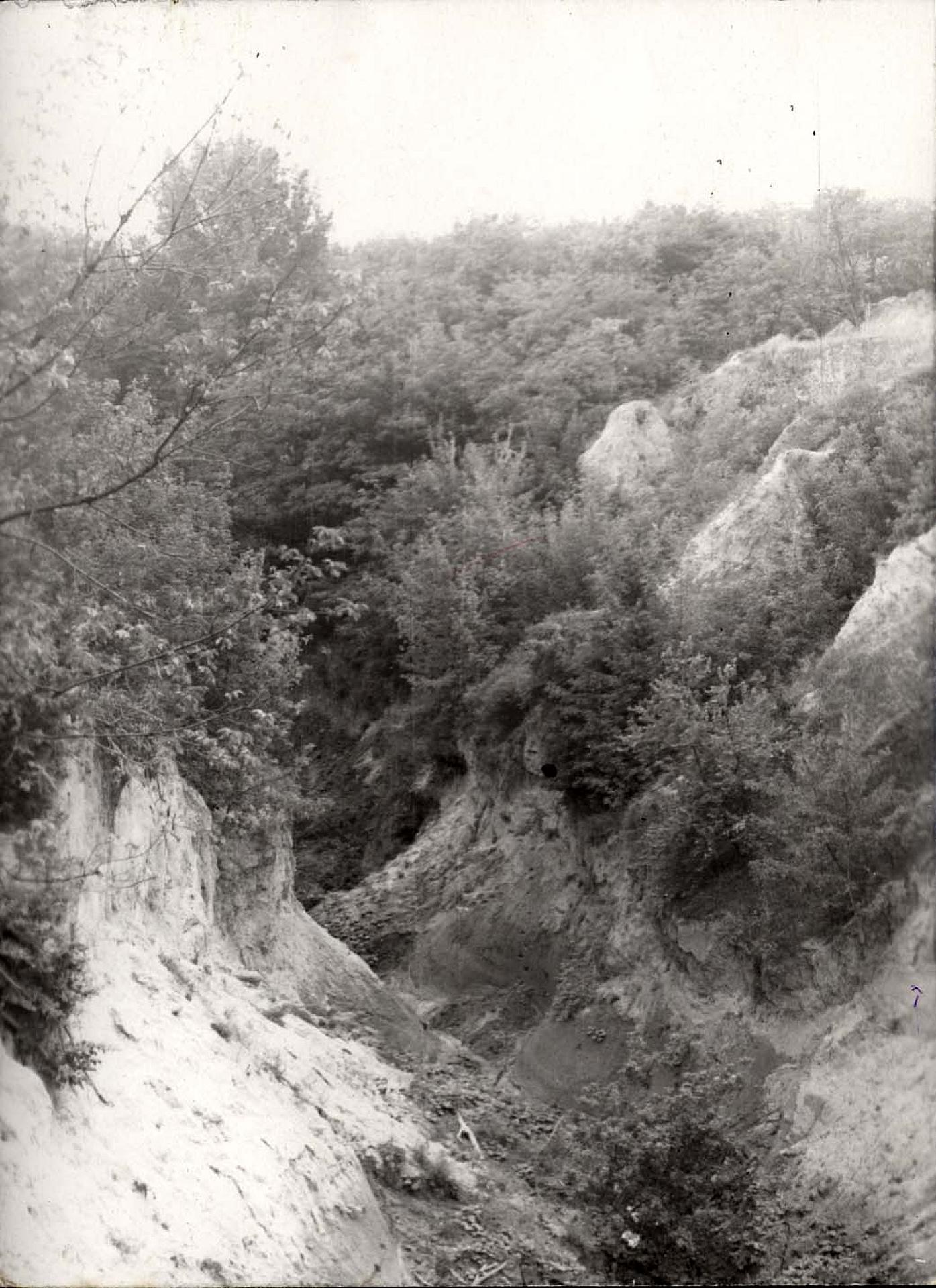
Prior to the town's capture by the German Wehrmacht on August 25, 1941 hundreds of thousands inhabitants were able to flee or were evacuated by Soviet authorities, up to 60,000 Jews left the town. When the Wehrmacht invaded the town only half of the population of Dnipropetrovsk was left, 30,000 to 35,000 Jews among them. Along with the Wehrmacht units of the SS-Einsatzgruppe C (mobile killing units) moved into the town. Already in September 1941 their members shot more than 170 Jews. After the Jews of Dnipropetrovsk had to pay horrendous dues to the occupying forces in October 1941 the Higher SS and Police Leader Jeckeln ordered all Jews to assemble near a large department store on October 13. From there the Jewish men, women and children were taken to the botanic garden by members of the Police Battalion 314 and Ukrainian auxiliary policemen and shot there. The murderers killed some of the Jews on the old Jewish cemetery. All in all about 12,000 Jews from Dnipropetrovsk were shot on October 13 and 14, 1941. On October 19, 1941 the Wehrmacht said that the »Jewish Question« in the town of Dnipropetrovsk was »basically solved«.
Victims
The exact number of Jewish victims in Dnipropetrovsk is not known. In the summer of 1943 the SS tried to obliterate the traces of mass murders under the code name Sonderkommando 1005 (Special Action 1005): Jewish forced labourers had to exhume the mass graves of 1941 and burn the bodies. The perpetrators themselves stated in their reports to have killed about 15,000 Jews from Dnipropetrovsk. The town was liberated by the Red Army in October 1943.
Remembrance
After the end of the Second World War many Jews returned or moved to Dnipropetrovsk. In 1970 about 70,000 Jews lived in the town again but there was only one synagogue. It was the only Jewish institution in the city at all. In the 1970s and 1980s more and more Jews emigrated to Israel.
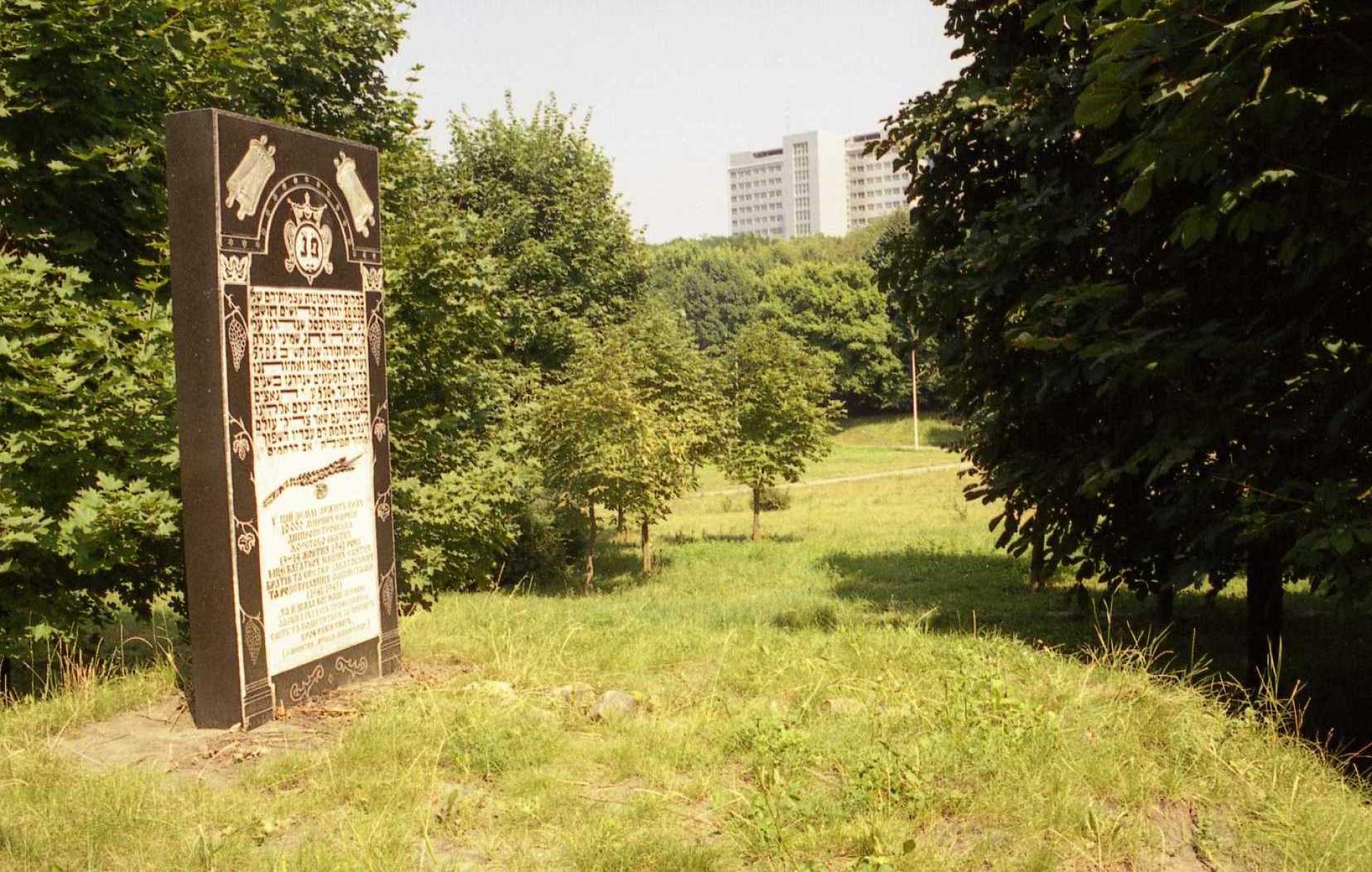
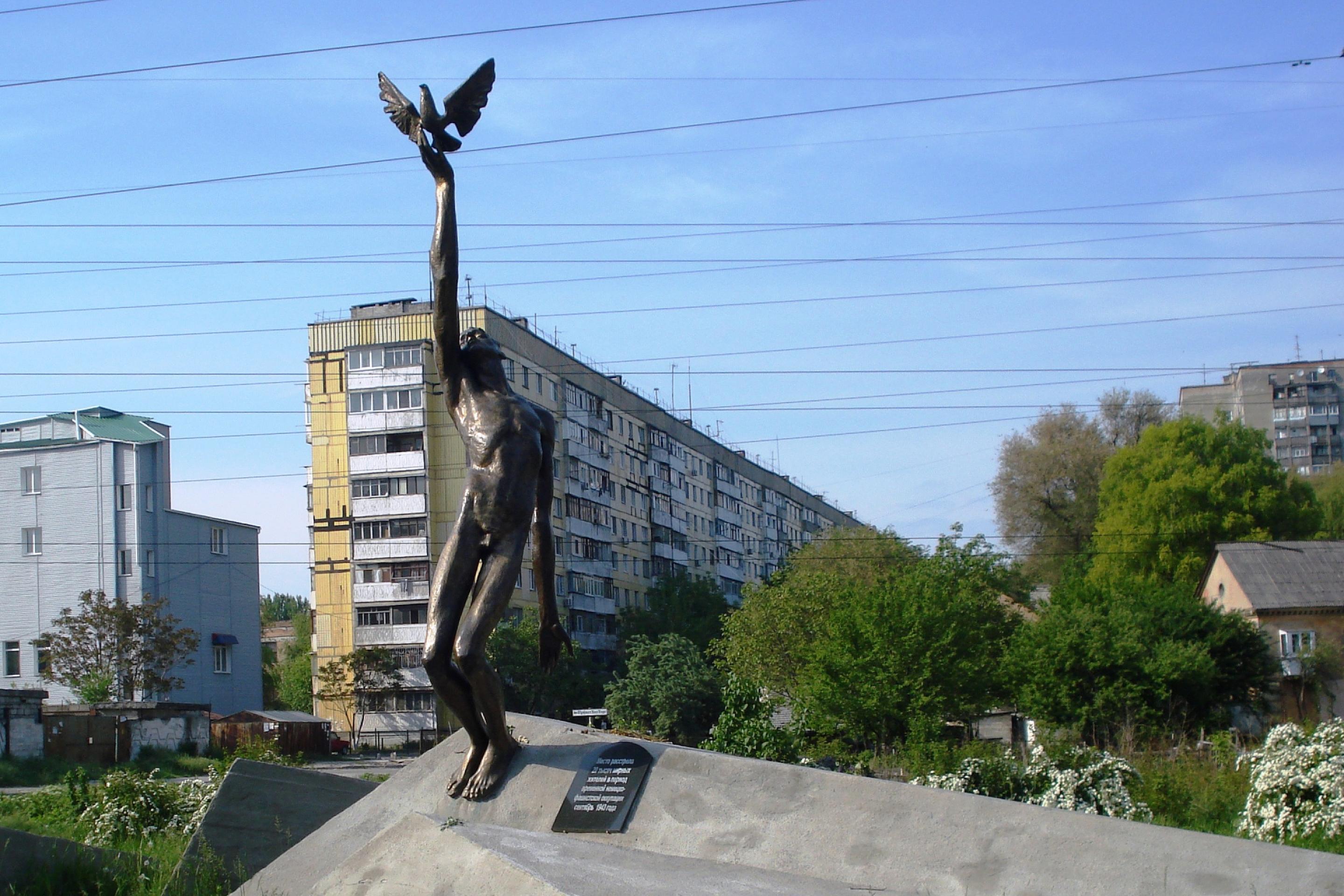
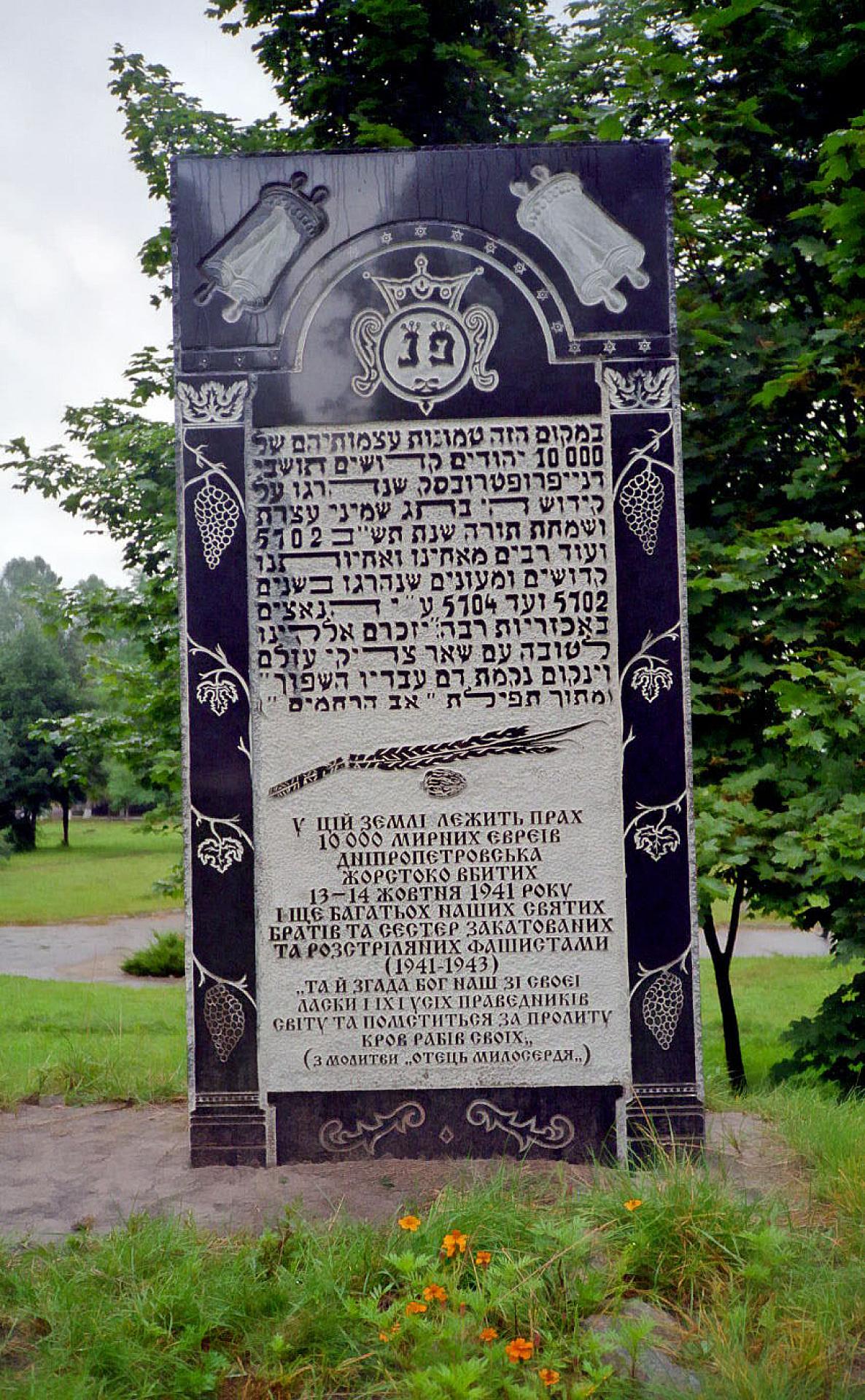
Various memorials erected at different times remember the murdered Jews of Dnipro. The first memorial was erected by Jewish soldiers of the Red Army immediately after the town's liberation, the Hebrew and Russian inscription explicitly spoke of Jewish victims. Soon after the plaque was removed since it didn't fit in with the official Soviet propaganda which suppressed the systematic genocide of the Jews. Instead a stele in the Yuri Gagarin Park near the botanic garden remembers the »Victims of Fascism«. Only after Ukraine's independence was it possible to erect a stele mentioning Jewish victims. It is nearby and bears inscription in Hebrew and Ukrainian. On the new Jewish cemetery is another memorial from Soviet times: The metal gaunt figure is raising one hand to the sky and releases a bird. Also in this case victims are not referred to as Jews but as »peaceful citizens«. In 2009 the Jewish community raised a monument in the Pisarzhevsky park, the former old Jewish cemetery.
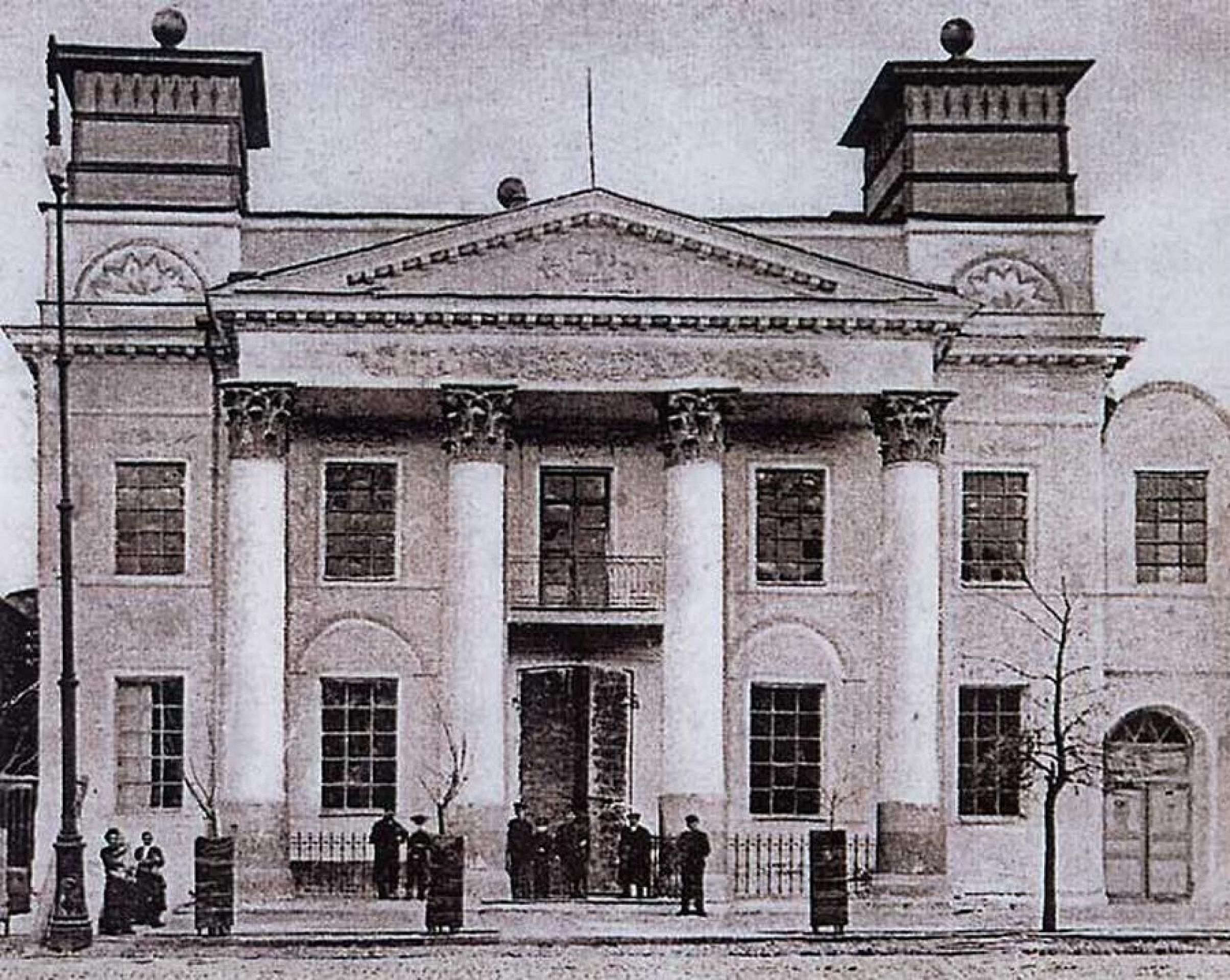
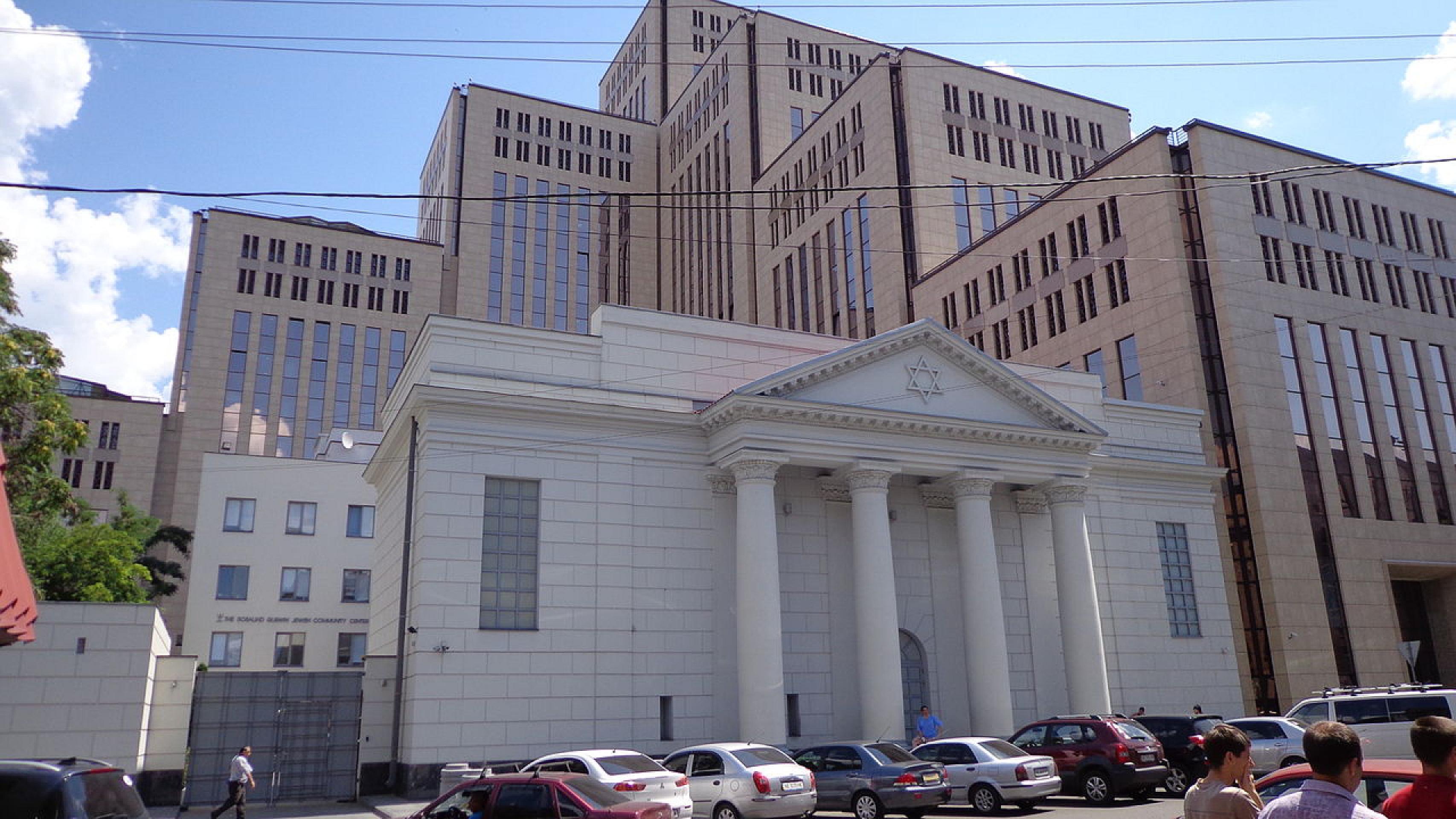
In 2012 the – by it's own account – largest Jewish cultural centre in the world was opened in Dnipro. The ensemble consisting of five towers is called »Menorah Centre« and was built around the old synagogue. The centre which was built thanks to the donations of two Ukrainian businessmen hosts a hotel, a congress centre and the »Jewish Memory and Holocaust in Ukraine Museum« among other things.
Possibilities
Guided tours
Open
The memorials are accessible at all times. The »Jewish Memory and Holocaust in Ukraine Museum«: Tuesday, Thursday and Sunday 10 a.m. to 7 p.m.
Contact
tkuma@tkuma.com
+38 056 452 2163
ul. Sholom Aleykhem 4
49000 Dnipro