Memorial to the murdered Jews of Edineț
Memoria evreilor uciși din Edineț
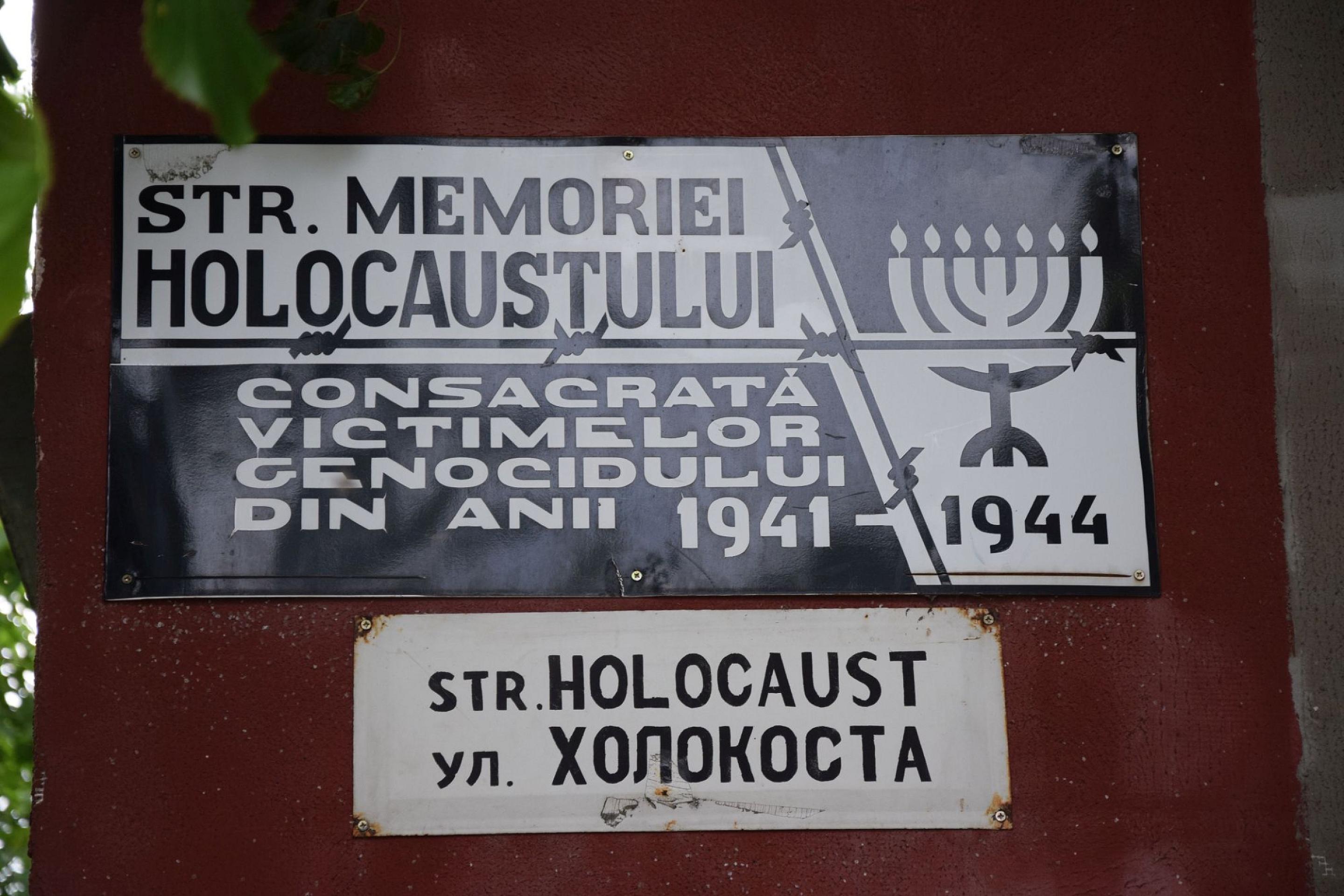
Since 2003 the street name »Holocaust Street« in Edineț (Russian: Yedinets) commemorates the Jews from Bessarabia and Bukovina murdered in the city in 1941.
History
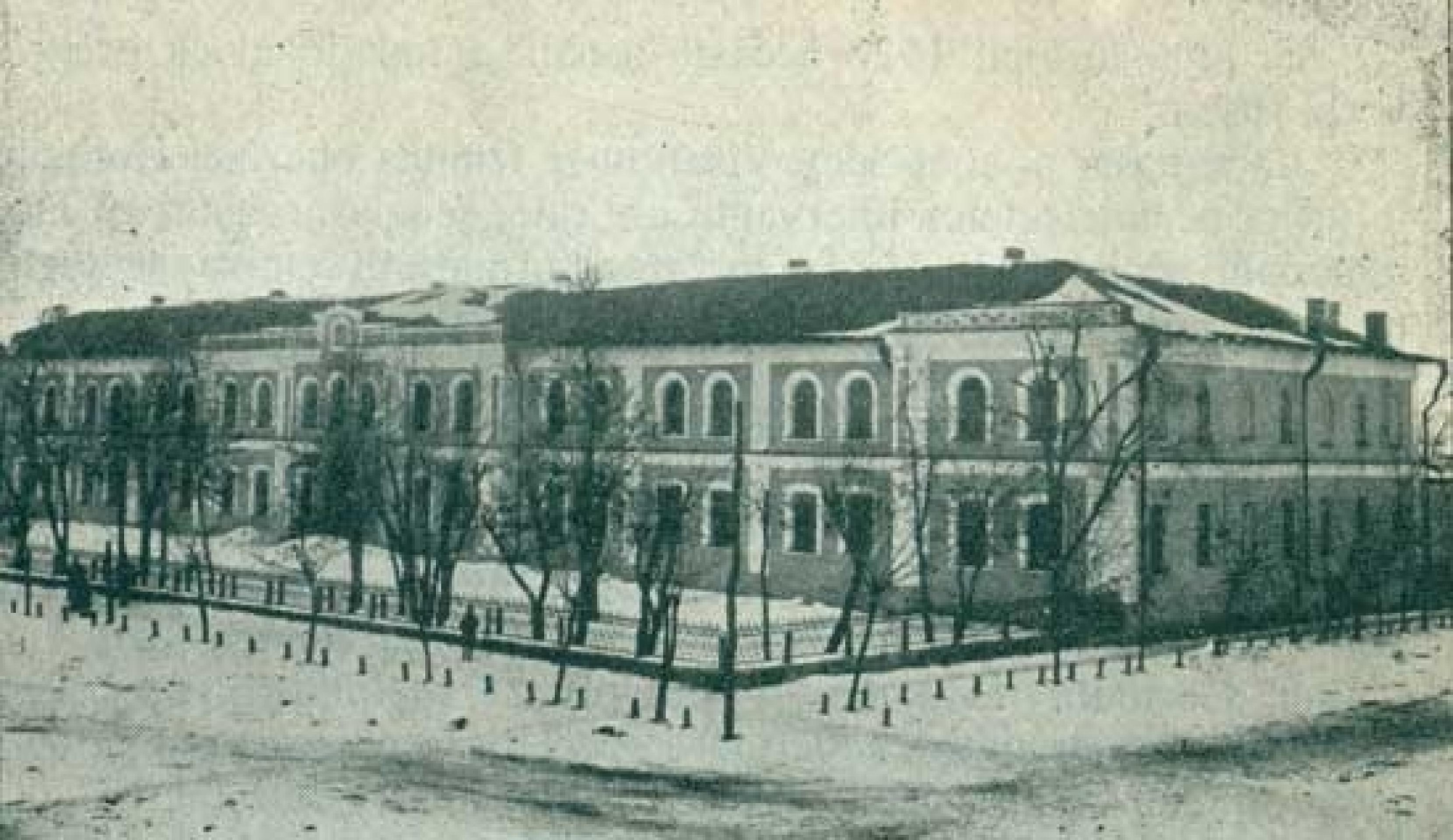
Edineț is located in the north of the historical region of Bessarabia. Jews have lived in this place since its founding at the beginning of the 19th century. At the beginning of the 20th century and during the First World War there were several attacks on Jews. After the First World War, Bessarabia belonged to Romania. At that time more than 90 percent of the city's nearly 6,000 inhabitants were Jews. In 1940 Romania was forced to cede Bessarabia to the Soviet Union. The Soviet authorities closed the prayer houses and deported many inhabitants of Edineț to Siberia, among them many Jews, especially wealthier citizens and alleged political opponents.
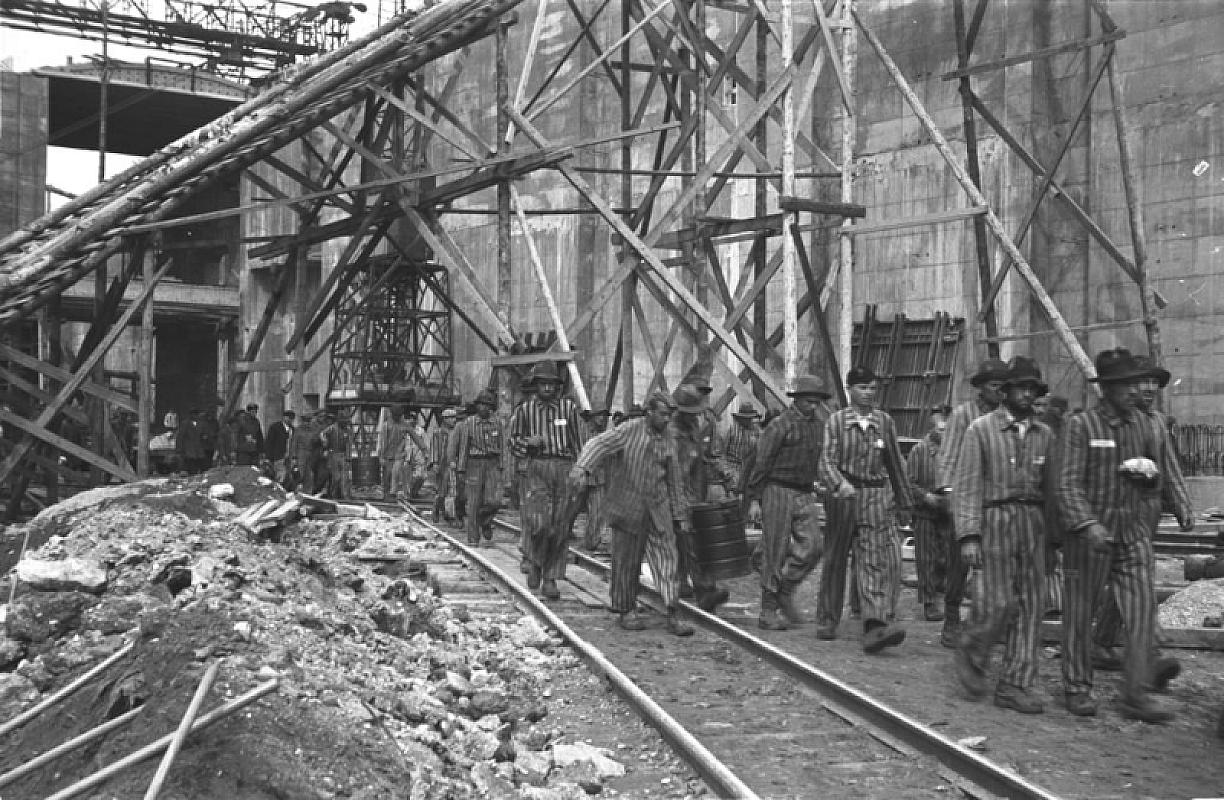
On June 22, 1941, the day the Axis Powers attacked the Soviet Union, the Red Army withdrew from the city. Many civilians joined them but the majority of the Jews remained in the city, approximately 5,000 of them. On July 6, Romanian troops marched into Edineț and killed numerous civilians. The non-Jewish population was encouraged to participate in »revenge actions« against Jews. During the following two days, several Jews were murdered, their houses looted, and many Jewish women and girls raped. Thereafter anti-Jewish regulations came into force. Jewish men were assigned to conduct forced labour in the countryside. Two weeks later, all Jews from Edineț were ordered to gather in two places in the city. From there they were driven in the direction of the border river Dnjestr. Some Jews managed to escape, but their chances of survival were low. In mid-August 1941, the Romanian authorities set up a transit camp in Edineț with over 11,000 Jewish prisoners. From here they were to be deported to Transnistria, the Romanian occupied territory of Ukraine. The living conditions there were catastrophic, with over 70 people dying every day of hunger, thirst and diseases. Only a few survived the war.
Victims
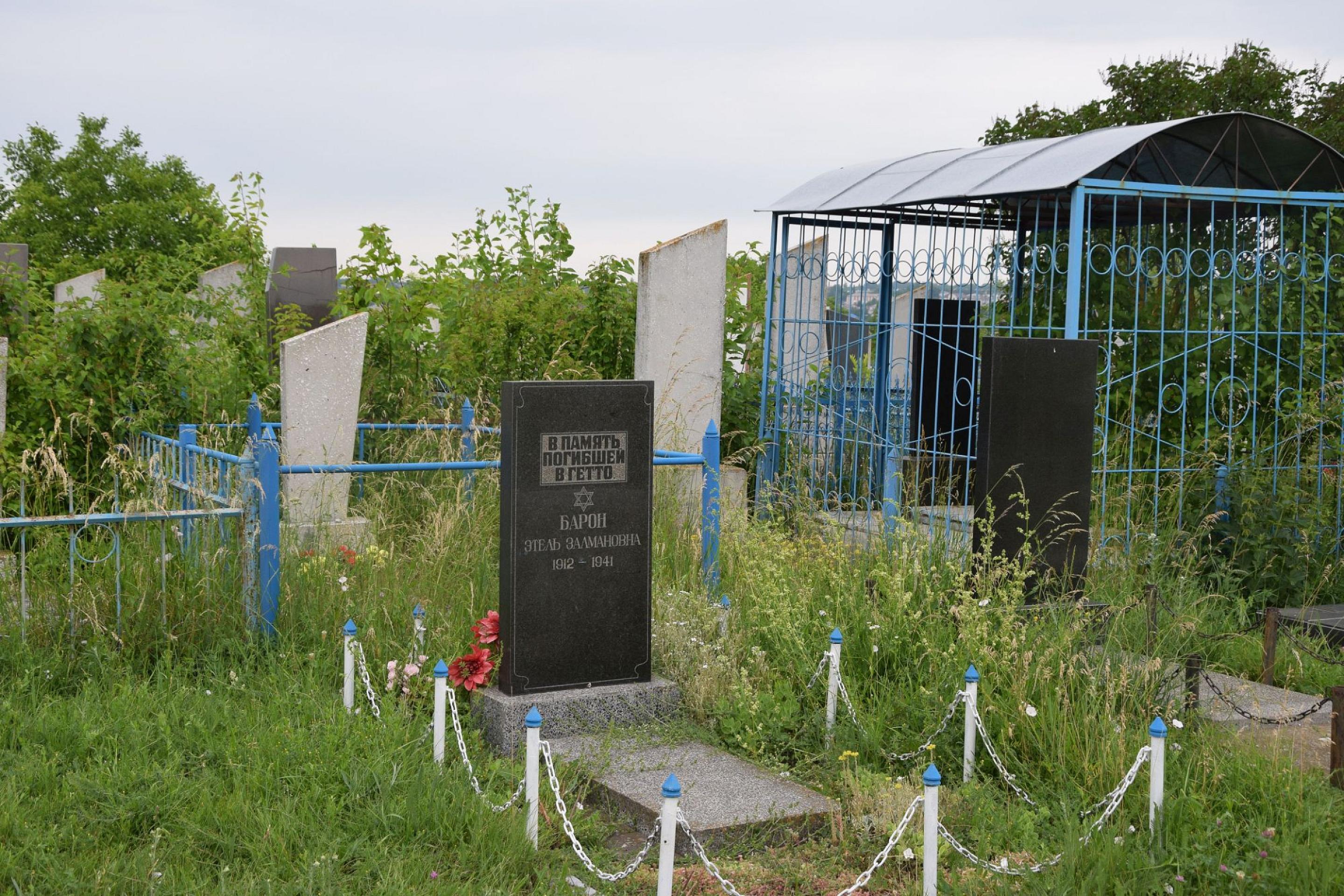
During their invasion, Romanian soldiers looted the city for two days. They and members of the local population murdered about 500 Jews and raped Jewish women and girls. The victims were buried by relatives in a mass grave in the Jewish cemetery. A total of about 1,000 Jews were murdered in the first two weeks after the invasion of the Romanian army. Thereafter a camp was set up in Edineț where all surviving Jews from Edineț as well as other Jews from Bukovina and Bessarabia were kept imprisoned. At the end of August, the military governor of Bessarabia, General Constantin Voiculescu (1890-1955), reported that the »Jewish problem« in Bessarabia had been solved by completely expelling Jews from the villages or interning them in ghettos in the city. Many Jews deported to Transnistria died in Romanian camps or were murdered by German units.
Remembrance
Only a few Jewish families returned to Edineț after the war. In the 1960s approximately 200 Jews lived in the city, today only a few. In 2003, a street in Edineț in the vicinity of the former ghetto was renamed Holocaust Street in memory of the Jewish victims. In addition to the street name, a plaque in Romanian commemorates the victims of the »genocide of 1941-1944«. The writing is separated by a barbed wire printed black on white, which also splits the menorah on the right hand side of the plaque. The fact that the perpetrators were Romanian soldiers and neighbours remains unmentioned. Originally, a plaque was also attached to the building of the former synagogue, but it was removed by unknown persons.
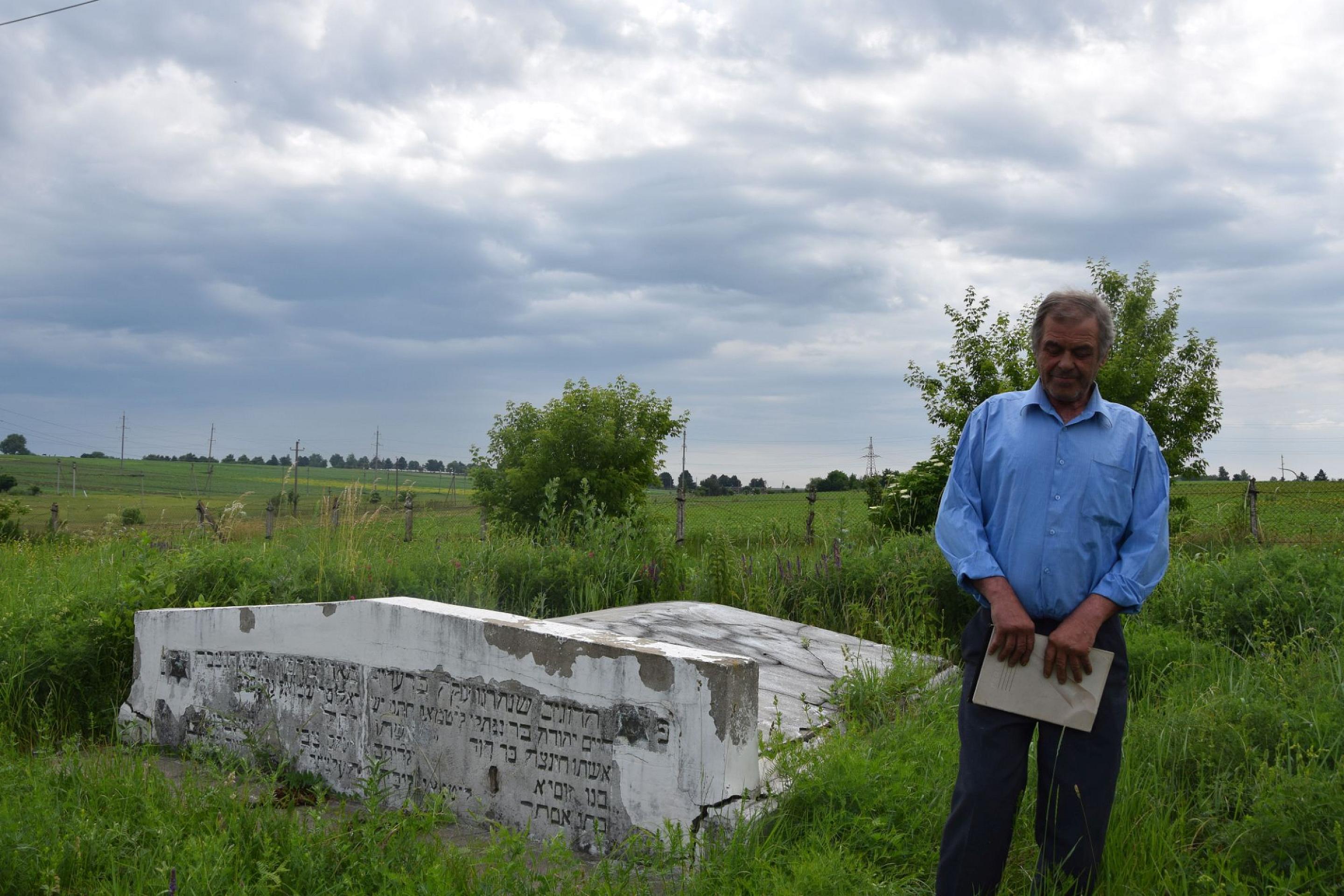
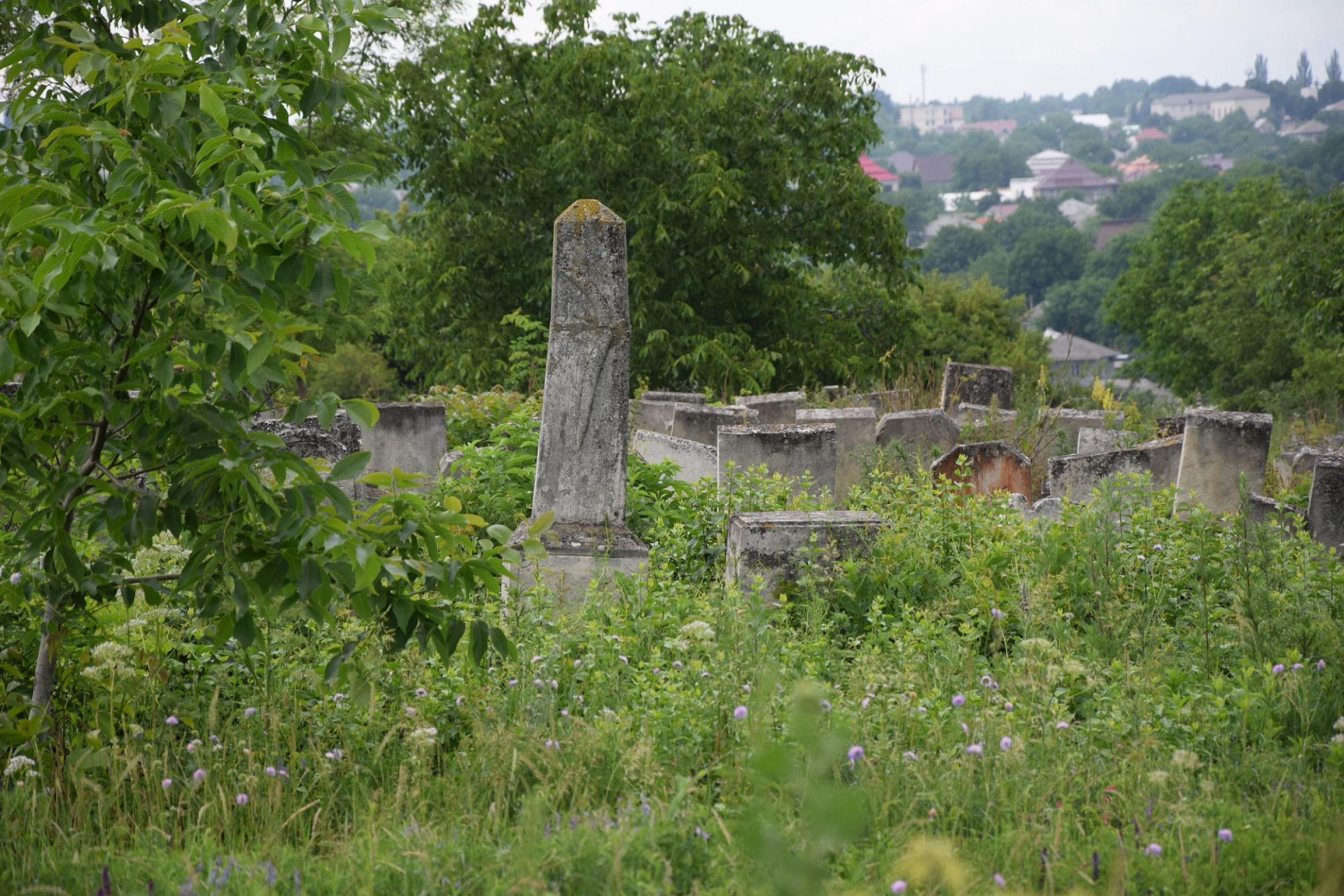
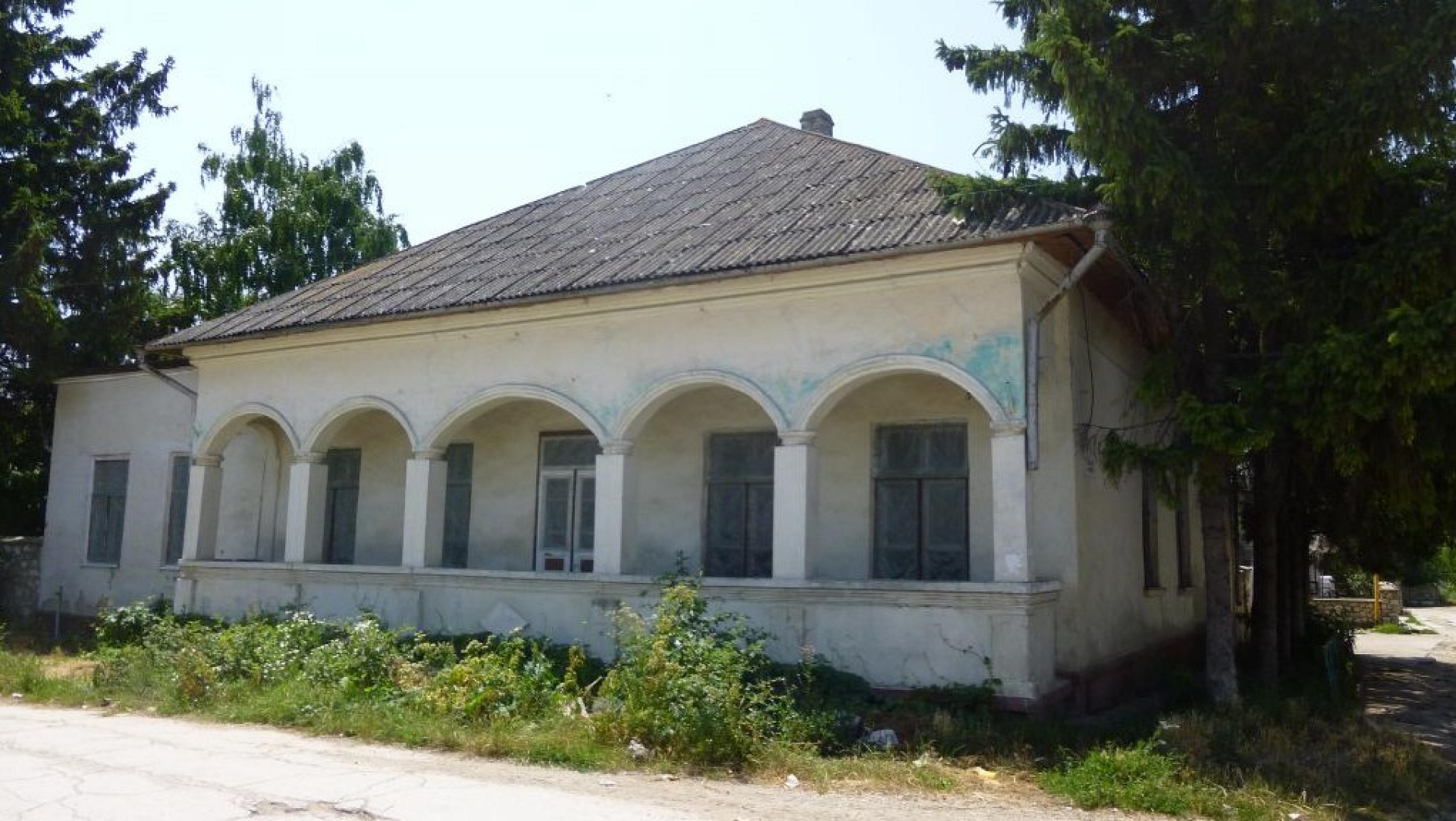
The synagogue was desecrated after the war and used as an office building of a textile factory. There is another former synagogue in the city which now houses the municipal museum. The city used to have six synagogues. To the south of Edineț there is a Jewish cemetery with about 3,000 gravestones, which is mainly taken care of by an elderly couple. In the post-war period, a marble gravestone bearing a Hebrew text was erected on the mass grave of 1941.
Contact