Skip to content

Memorial to the Murdered Jews of Europe

Denkmal für die ermordeten Juden Europas


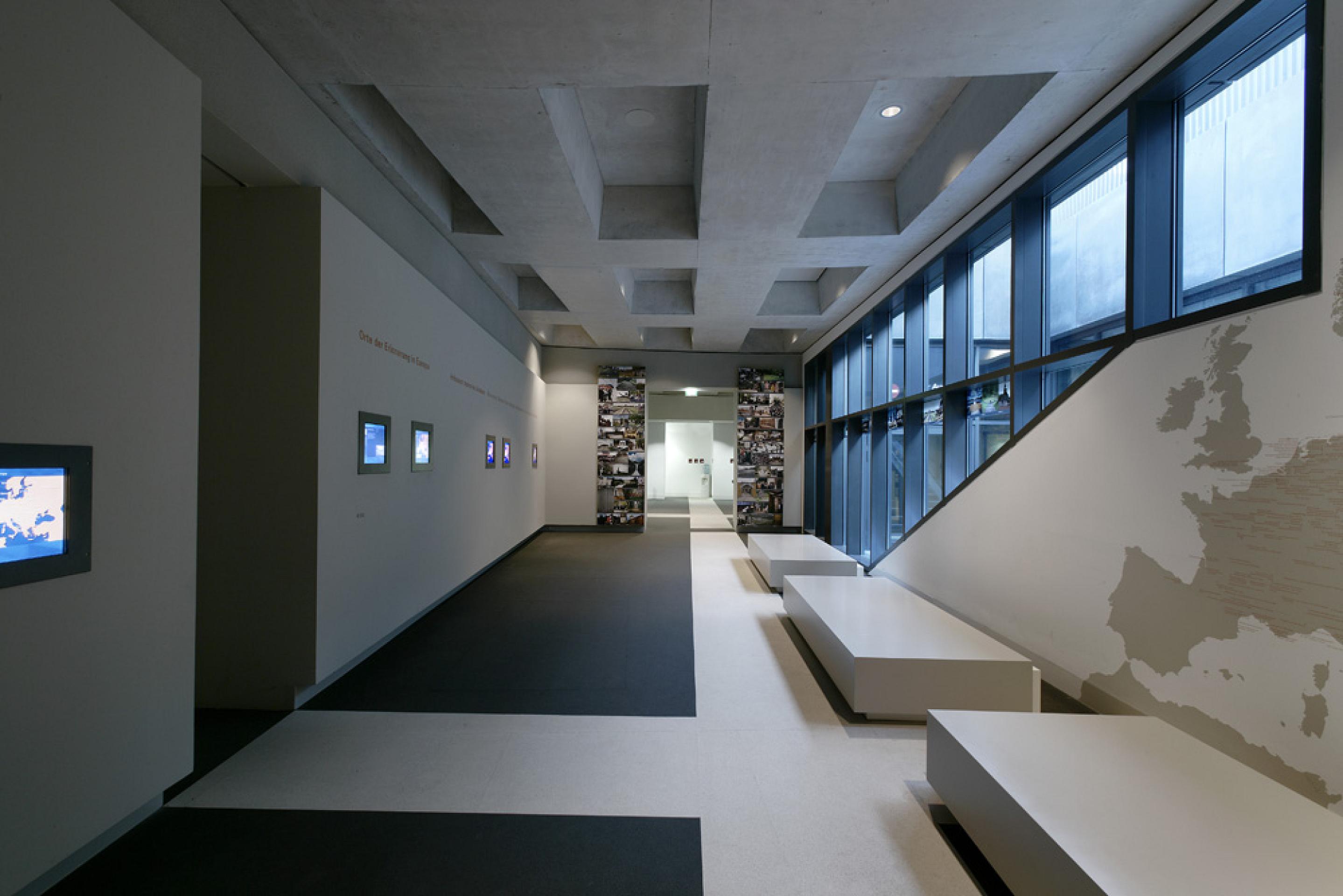
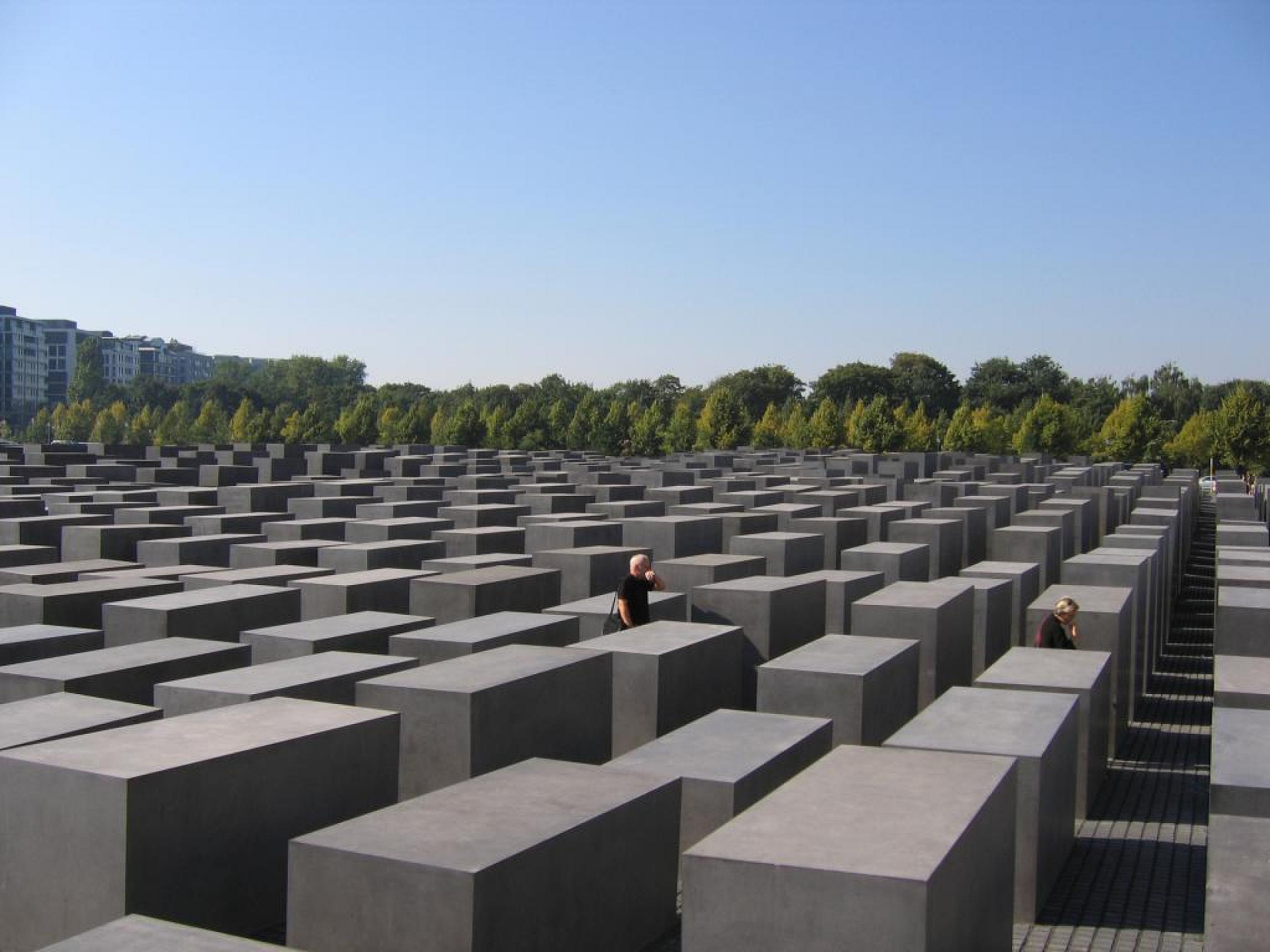
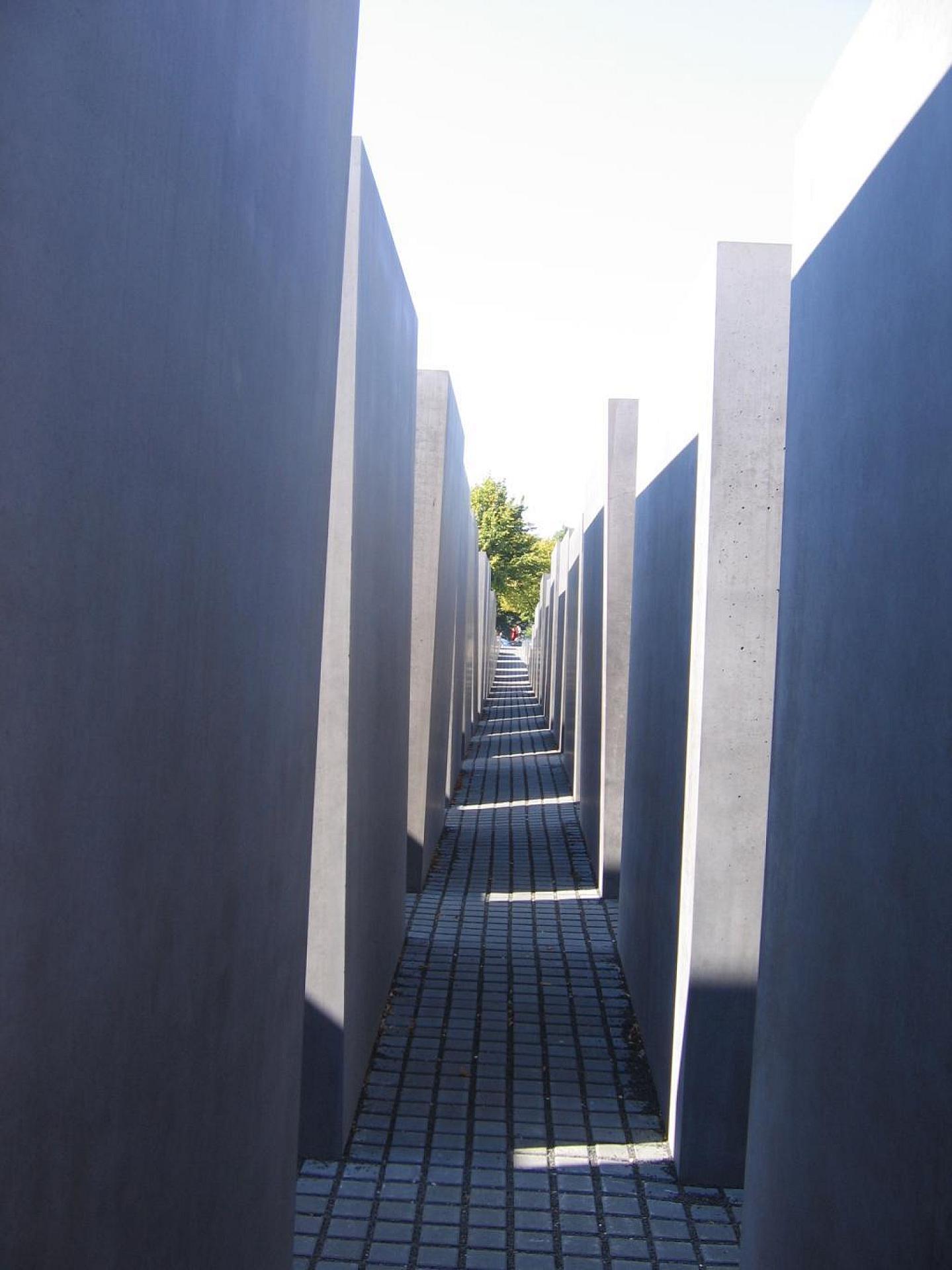
On June 25, 1999, following long debates, the German Bundestag came to an all-party decision on the establishment of a »Memorial to the Murdered Jews of Europe«. Located in direct vicinity of the Brandenburg Gate and the Reichstag building, the Field of Stelae, designed by New York architect Peter Eisenman, was constructed between April 2003 and May 2005 and complemented by an underground »Information Centre«.

History

The National Socialist genocide was perpetrated at thousands of sites all over Europe. With the aim of complete annihilation, Jews were deported, shot or murdered with poison gas.
The murders took place in gas chambers in the death camps, in countless mass shooting pits in forests in Poland, Lithuania, Latvia, Romania, Belarus and Ukraine, as well as in hundreds of sealed-off ghetto districts. Millions met a violent death in deportation trains and mobile gas vans, during pogroms and »reprisal operations«, in concentration and forced labour camps.
Victims

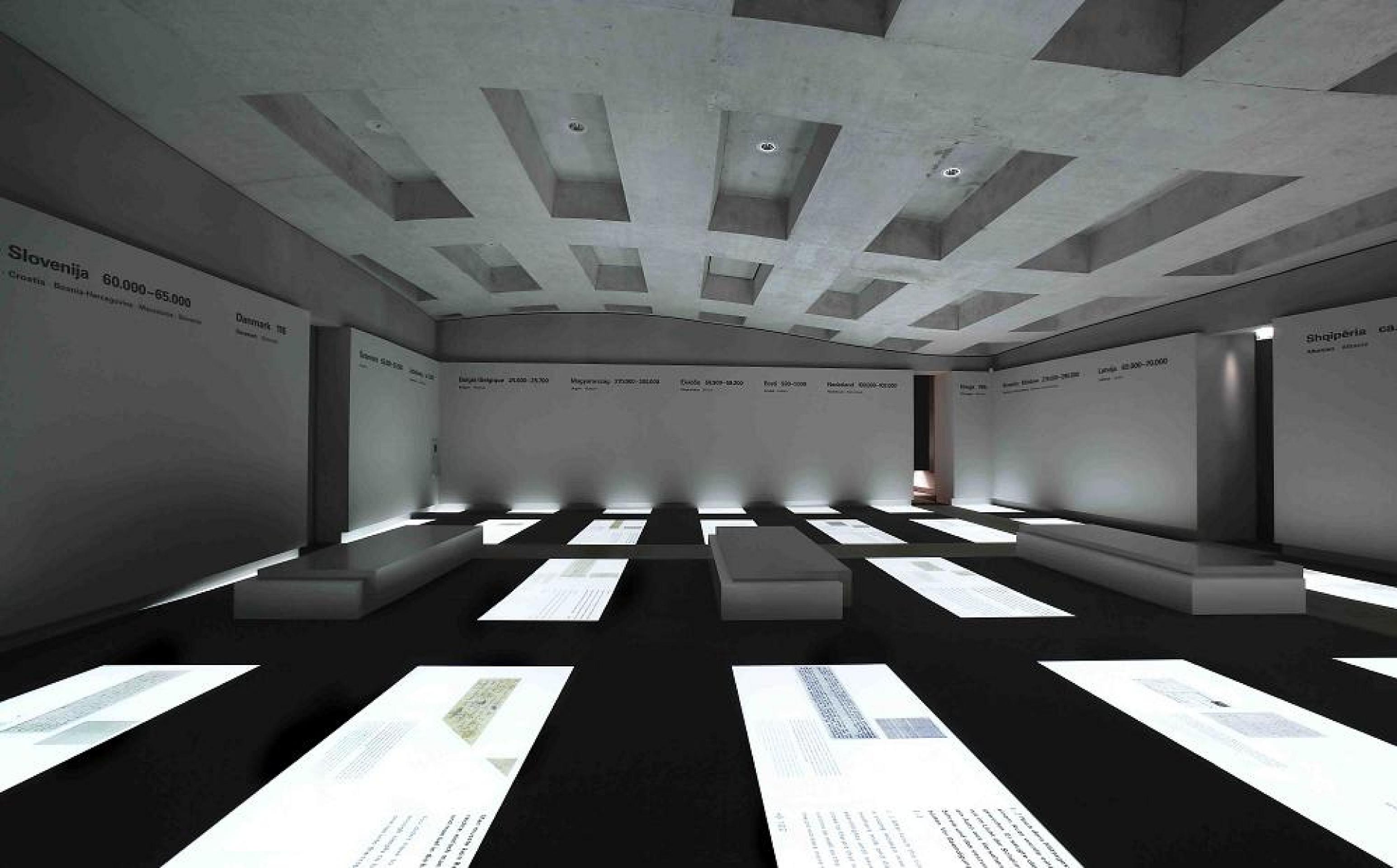
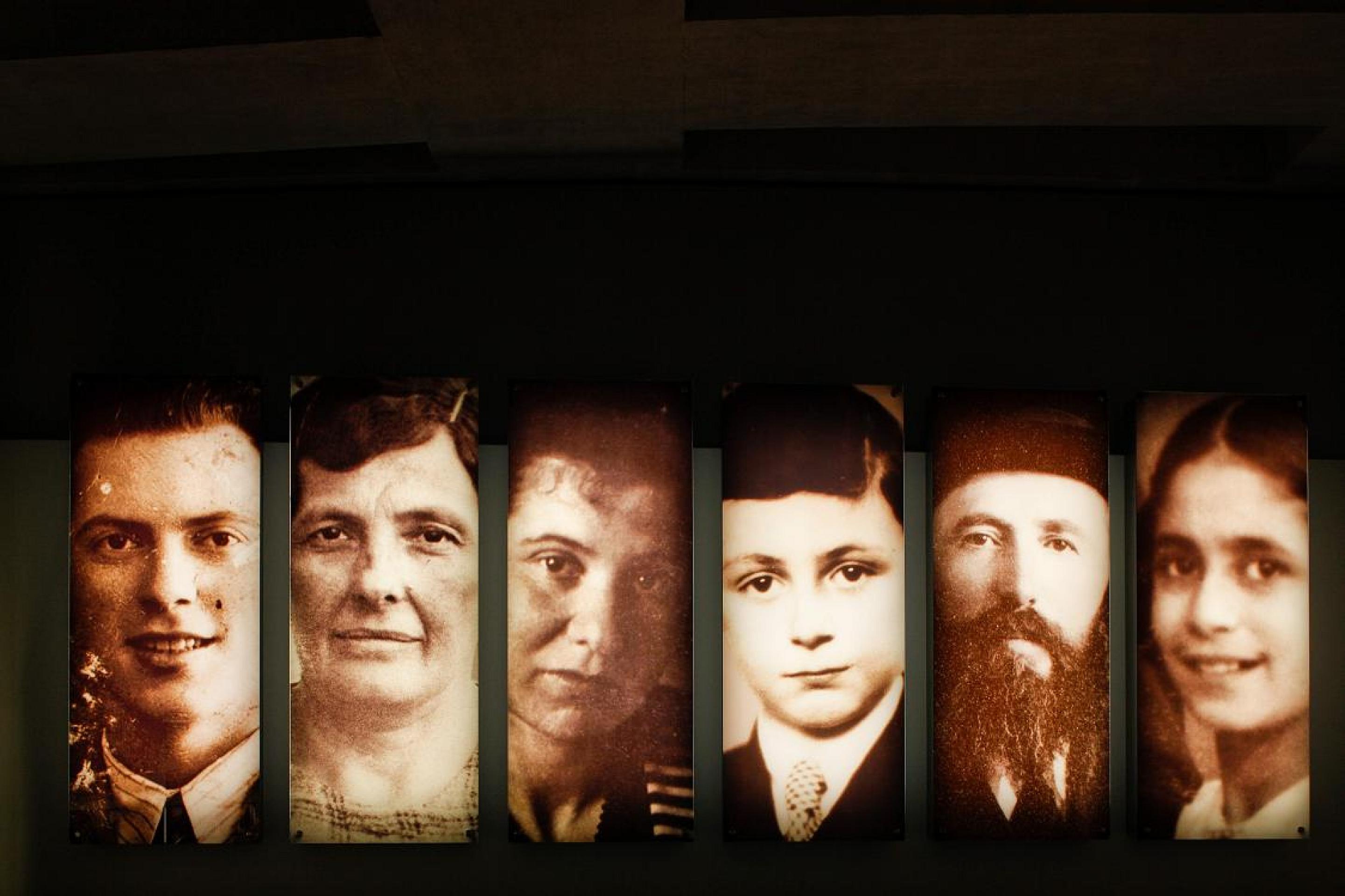
Of most of those deported to their deaths, there are no traces left. Between 5.4 and 6 million Jews were murdered in Europe under the National Socialist regime. The figures are based on documents of the perpetrators and statistical data gathered by the then 20 and today 28 European states from which the victims stemmed. Those figures also have gaps. The perpetrators intentionally eliminated anything pointing to the people murdered and their lives. Many documents were destroyed or lost during the war.

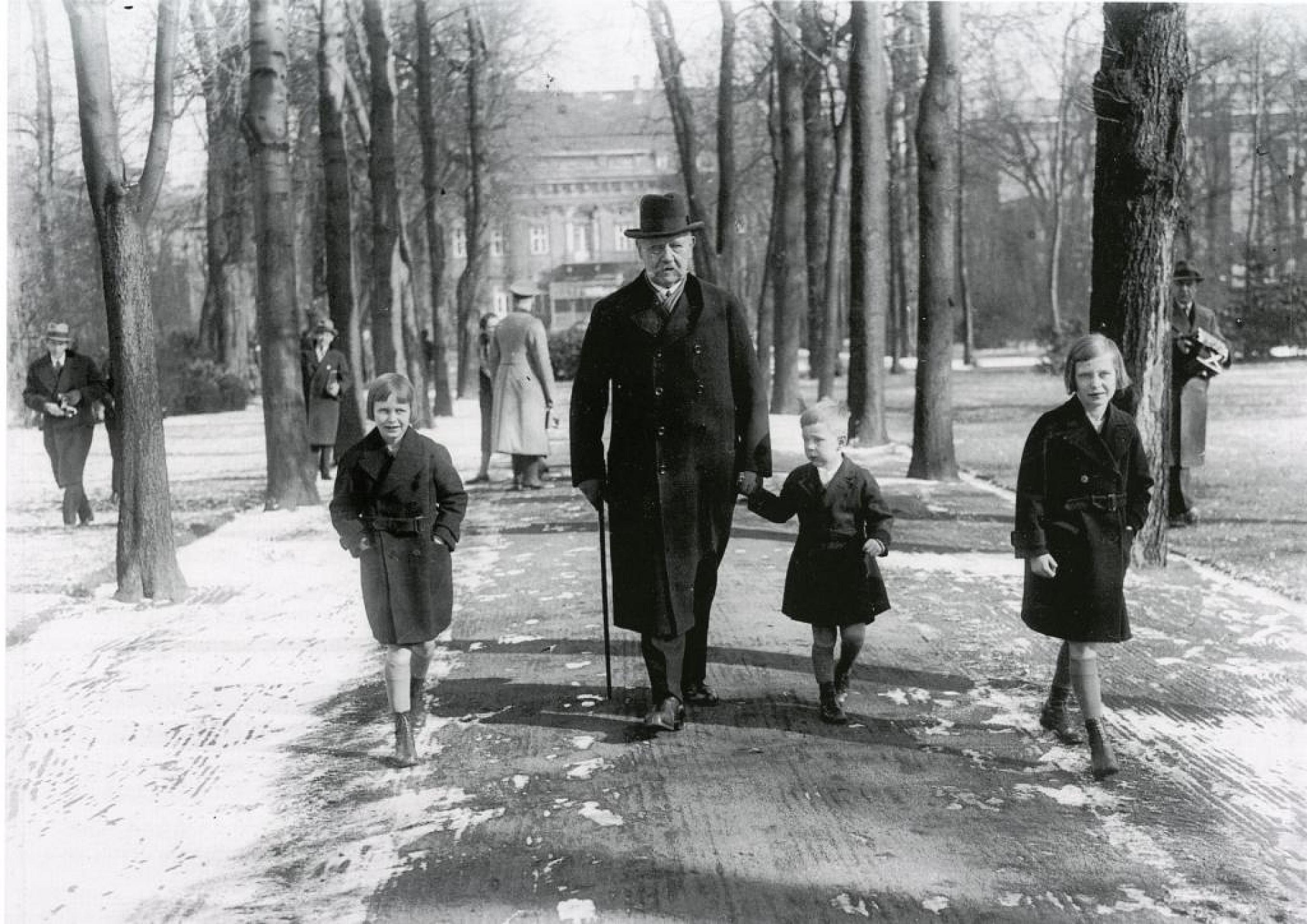
The entry to power of the National Socialists in 1933 heralded the state persecution of opponents of the regime, Jews, Roma – who were classed as »gypsies« -, the sick and many other groups. For the first time, anti-semitism became part of the government policy of a modern state and the persecution of all groups was progressively heightened. The process was characterised by the interplay between state regulation, violence from supporters of the regime and rabble-rousing propaganda from the press. The acts of terror against the Jews in November 1938 (»The Night of the Broken Glass«), culminating in around one hundred deaths, marked the prelude to the complete exclusion and murder of the Jewish minority. With the outbreak of the Second World War in September 1939, large parts of Europe fell under German control. In Eastern Europe in particular a multi-tiered system of camps and extermination sites was established, in which the SS murdered up to six million Jews, among them around 165,000 German Jews. It is estimated that around seven million Germans lost their lives in the war, including almost 3.5 million civilians. Around 28 million residents of the occupied Soviet Union (both soldiers and civilians) and three million non-Jewish Poles met a violent death. These groups are still barely commemorated in Germany. Germany came under Allied occupation in 1945 and 1949 saw the foundation of the German Democratic Republic (GDR) and the Federal Republic of Germany (FRG), who had very different cultures of remembrance. The GDR profiled itself as an »antifascist« state. The former concentration camps at Buchenwald, Ravensbrück and Sachsenhausen became »National Memorials« and primarily documented the communist resistance during the war. In the Federal Republic, the dominant memory was initially of the victims of Allied bombing raids and those who had fled or been expelled from their homes in the former territory of the Third Reich. It was left to specific groups to remember Nazi persecution, the Holocaust or the resistance. With the exception of the war crimes trials, there was no public discussion of perpetrators or involvement in crimes. However, the situation was to change in the mid-1960s, when the statute of limitations for murder was lifted following a lengthy debate. Also during this period, memorial sites were established at former concentration camps (1965: Dachau and Neuengamme; 1966: Bergen-Belsen) and the German Resistance Memorial Centre was opened in 1968 in West Berlin. However, it was not until the 1980s that a diverse and often small-scale landscape of memory developed as the result of local initiatives. Following German unification in 1990, a national memorial site concept was developed and there was a major review of German sites of memory. The Memorial to the Murdered Jews of Europe in Berlin was inaugurated in 2005. The Topography of Terror, a comprehensive documentation of National Socialist crimes and perpetrators, has opened with a new centre in May 2010; the documentation centre »Flight, Expulsion, Reconciliation« followed suit in 2021. In the meantime, central memorials in Berlin have been erected to commemorate further groups of Nazi victims as well: the murdered Sinti and Roma, the patients murdered in the context of the Nazi’s »Euthanasia« killings and the persecuted homosexuals. The German victims of National Socialist terror in the former Eastern territories of the Third Reich were forgotten by both German states after the end of the war. For decades, memory of these victims was only preserved by West German associations for Germans born in these territories and it mainly excluded the period from 1933 to 1945.

Remembrance

The creation of the Memorial to the Murdered Jews of Europe was set in motion by an initiative led by publicist Lea Rosh in 1988. In the following years, they managed to convince a majority of the public of the necessity of establishing an »unmissable Memorial to the Murdered Jews of Europe«.
After German reunification and the Bundestag's decision to move the federal government to Berlin, discussions surrounding the establishment of a central Holocaust memorial in the new capital picked up pace. At the same time, lengthy tender procedures were organised in the search of an appropriate artistic concept for the memorial.
On June 25, 1999, the German Bundestag passed a resolution by a large majority on realising the concept of American architect Peter Eisenman. Upon insistence of the parliament, the memorial consisting of 2,711 stelae was complemented by an »Information Centre«, with the aim of presenting information about the victims honoured by the memorial and authentic sites of remembrance. In order to implement the resolution, the federal »Foundation Memorial to the Murdered Jews of Europe« was set up.
The Memorial's construction took three years. On May 10, 2005, an opening ceremony was held, which was attended by 1,200 guests from Germany and abroad.
Possibilities

Educational offer for secondary school students, adults and professionals, workshops and all-day seminars, guided tours in several languages, materials for schools on the Memorial

Open

The Field of Stelae is accessible at all times. Information Centre April to September Tuesday to Sunday 10 a.m. to 8 p.m., October to March Tuesday to Sunday 10 a.m. to 7 p.m.,
last admission 45 minutes before closing.

Contact

http://www.stiftung-denkmal.de

besucherservice@stiftung-denkmal.de

+49 (0) 30 263 943 36

Cora-Berliner-Straße 1
10117 Berlin