Memorial to the murdered Jews of Kirovograd
Пам'ятник євреям - жертвам нацизму
In the city of Kropyvnytskyi (until 2016: Kirovohrad) a memorial and a plaque remember the murdered Jews of Kirovograd. The memorials are very close together and most likely in the close proximity of the sites of the mass shootings.
History
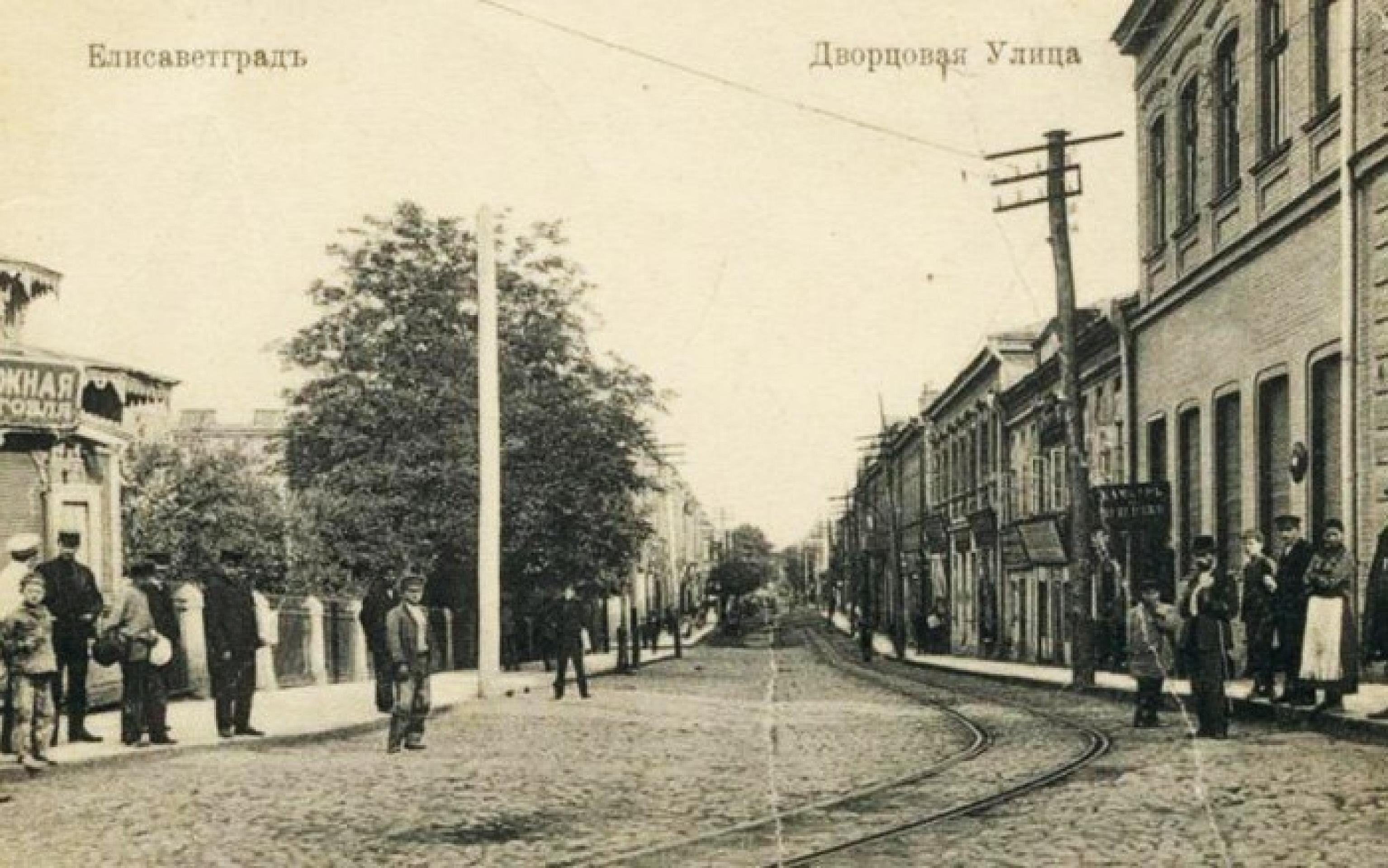
Kropyvnytskyi is an industrial city in central Ukraine. The city was founded in 1754 under the name of Elizabethgrad. In Soviet times it was renamed Kirovograd in honour of a murdered Soviet politician. In 2016 it was named Kropyvnytskyi after a Ukrainian writer and playwright. Jews settled in the city since the middle of the 18th century. In the early 20th century there were anti-Jewish excesses, many Jews left the city. In 1939 the city had a population of about 100,000 inhabitants, 15,000 of them Jews.
The German Wehrmacht occupied the city on August 14, 1941. At that time approximately 40% of the Jewish population still remained in the city, the majority had fled or had joined the Red Army. The German occupiers registered about 5,000 Jews. In addition they deployed a Ukrainian Schutzpolizei (municipal police) which actively participated in all anti-Jewish »Aktionen«. In the first two months units of the Sonderkommando (special unit) 4b murdered several hundred Jews. The victims were most notably members of the educated upper layers of society. Jewish men who were fit for work were interned in the Kushevka labour camp southeast of the city. During the month members of the German military police and SS murdered all interned Jews in an anti-tank ditch on the site of the former fortification St. Elizabeth. In late September 1941 the police battalion 304 murdered the remaining Jewish children, women and men. They were forced to assemble at various places in the city under the pretext to resettle them to Odessa. Then they were transported in lorries to an anti-tank ditch at the end of Rovenskaya Street where they were murdered and buried. Jews who were captured later were murdered by the SD (Security Service of the SS) in prison in today's Kamarova Street northwest of the other murder sites. They also were buried in an anti-tank ditch near the prison site.
Victims
From late August until September 12, 1941 units of the Sonderkommando (special unit) 4b murdered up to 750 Jews. The date of their murder and the number of Jewish victims in the Kushevka labour camp are controversial. Presumably on September 19, 1941 about 370 male Jews were murdered by the SS and military police. The most extensive »Aktion« took place on September 30, 1941. The police battalion 304 murdered up to 4,000 Jewish children, women and men. Jews who escaped the mass shootings were captured and murdered near the SD (Security Service of the SS) prison. Up to 150 Jewish POWs were murdered in Stalag 305 in Adabash. Ukrainian Schutzpolizei (municipal police) was involved in all »Aktionen«. According to Soviet authorities the Germans murdered 5,000 Jews in Kirovograd between August and September 1941.
Remembrance
Kirovograd was liberated by the Red Army on January 8, 1944. Less than a dozen Jews had survived the German occupation. In 1970 again up to 10,000 Jews lived in the city. In 1988 a memorial plaque was unveiled in front of the former SD (Security Service of the SS) prison, now a dermatological clinic. The memorial consists of a granite stone to which a marble slab is attached remembering 2,000 Soviet victims. The fact that the victims were Jewish went unmentioned on memorials until the end of the Soviet Union.
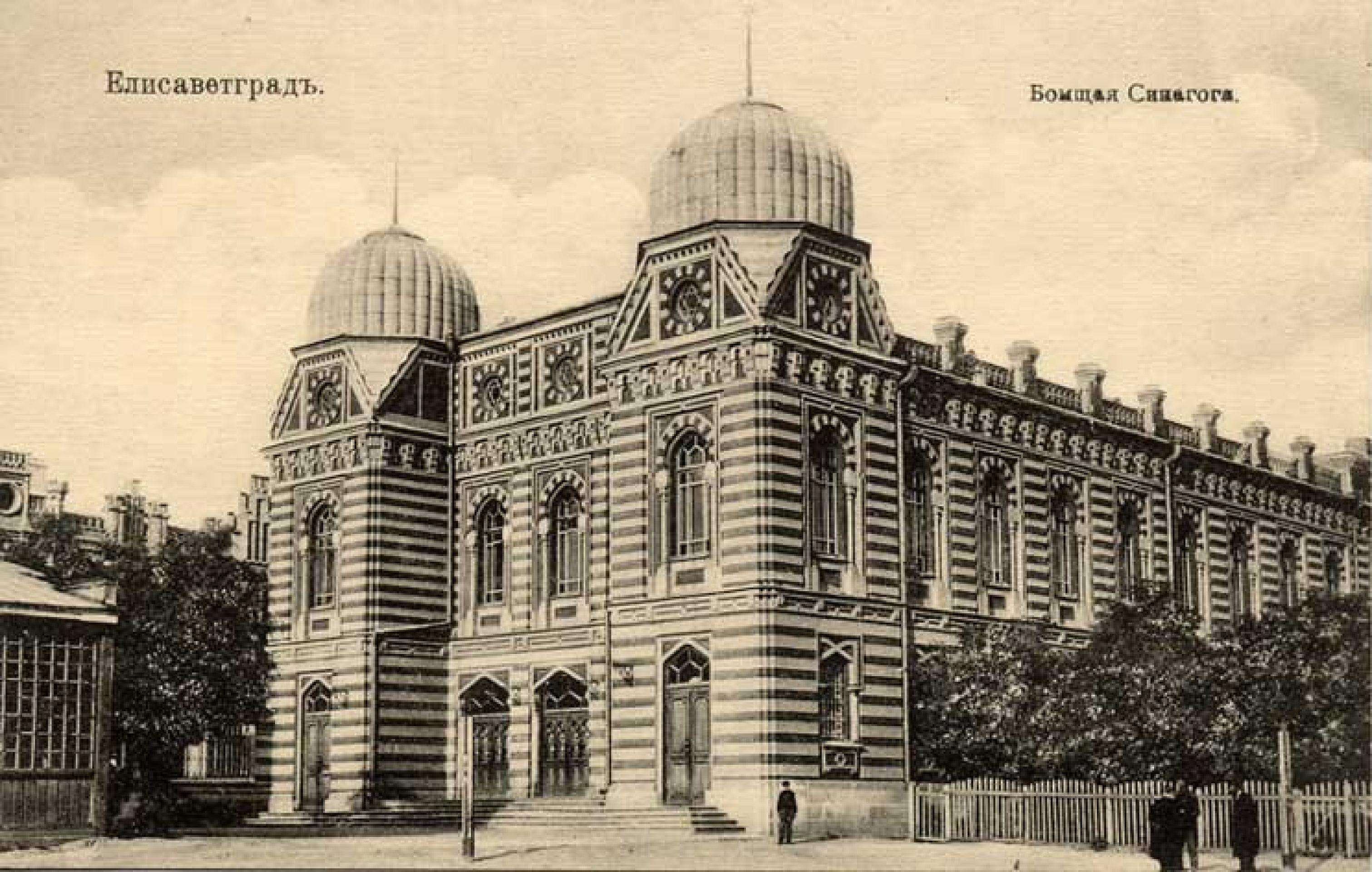
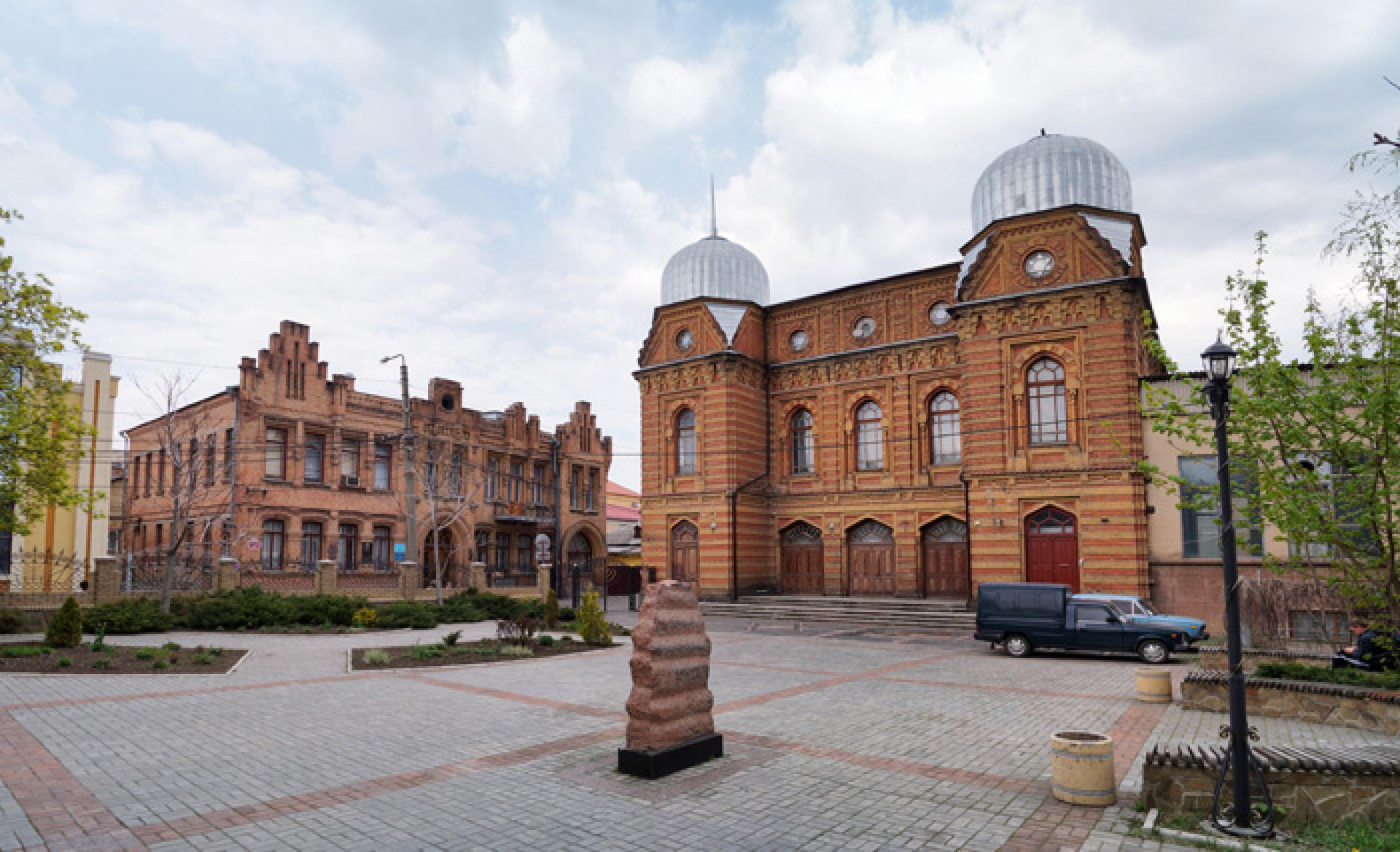
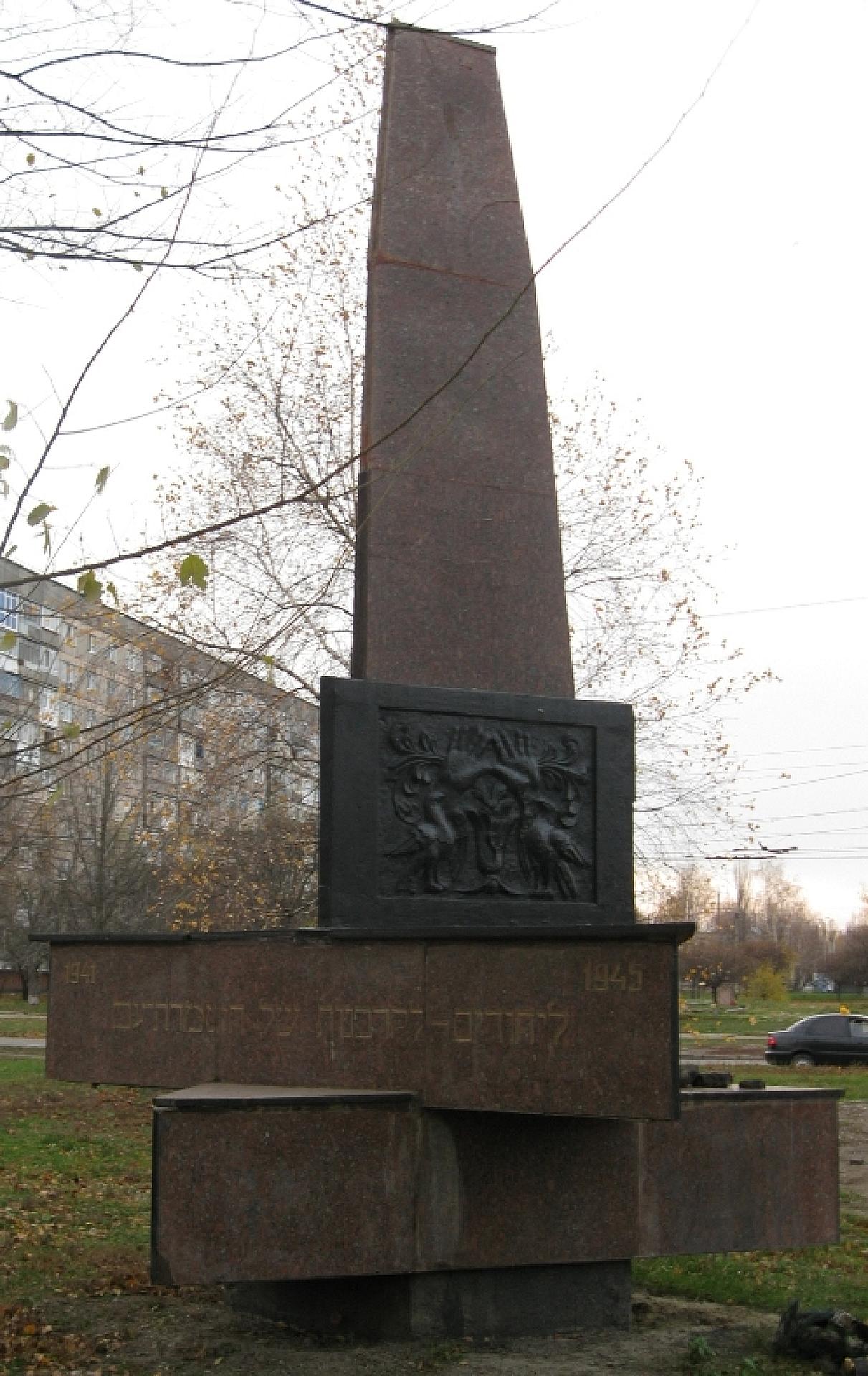
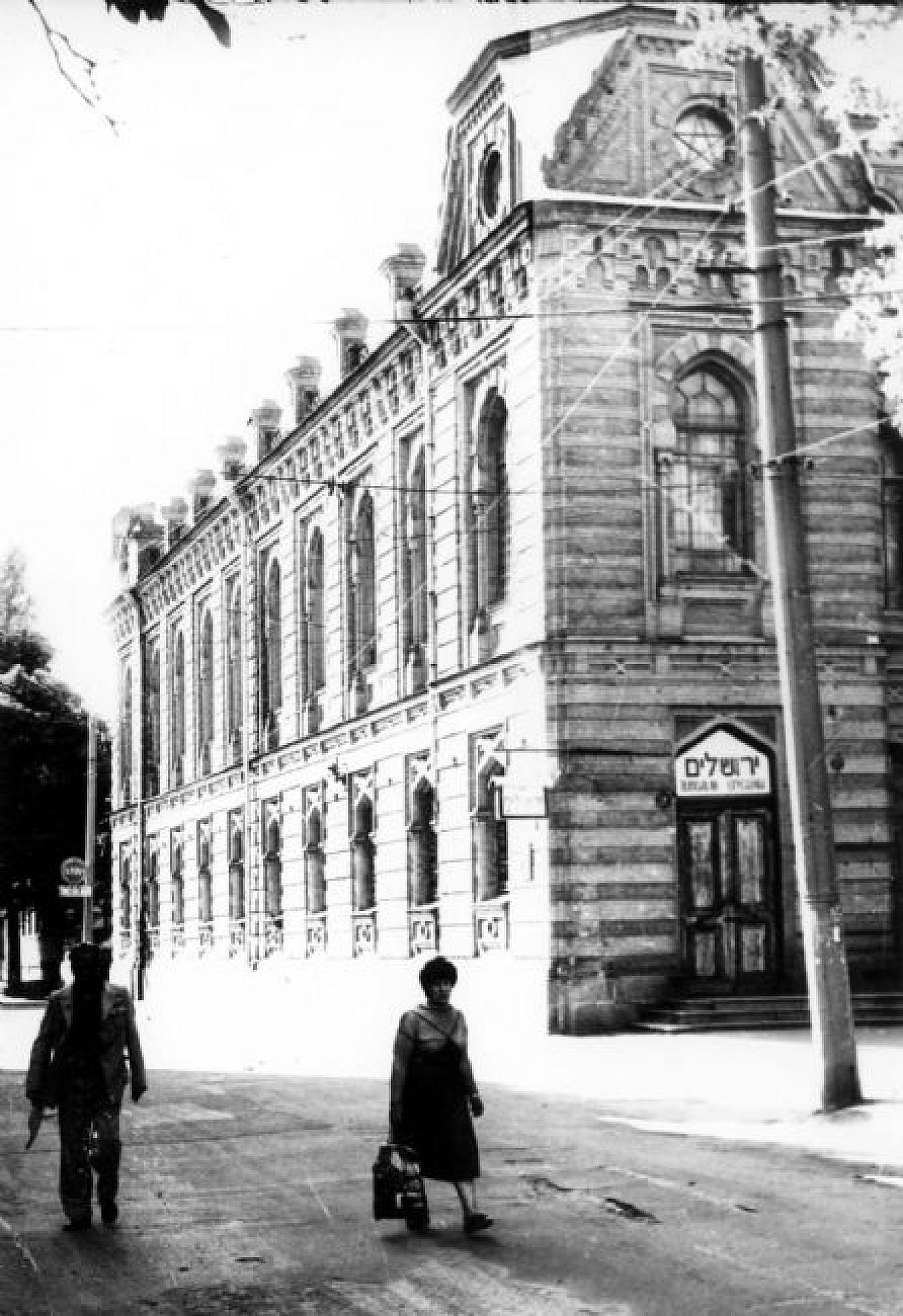
The synagogue was closed by the Soviet administration due to dilapidation and only opened again in 1991 on initiative of the Jewish community. The museum »Elizabethgrad Jews« is located in the synagogue. In the same year a memorial remembering the murdered Jews of Kirovograd was erected. The lower part of the memorial consists of two triangles arranged in such a way that they resemble a Star of David when viewed from above. The upper part consists of an angular pillar whose lower sides are decorated with bas-reliefs. On these two palms, two birds and ornaments are engraved. The memorial has a height of 6,5 meters.
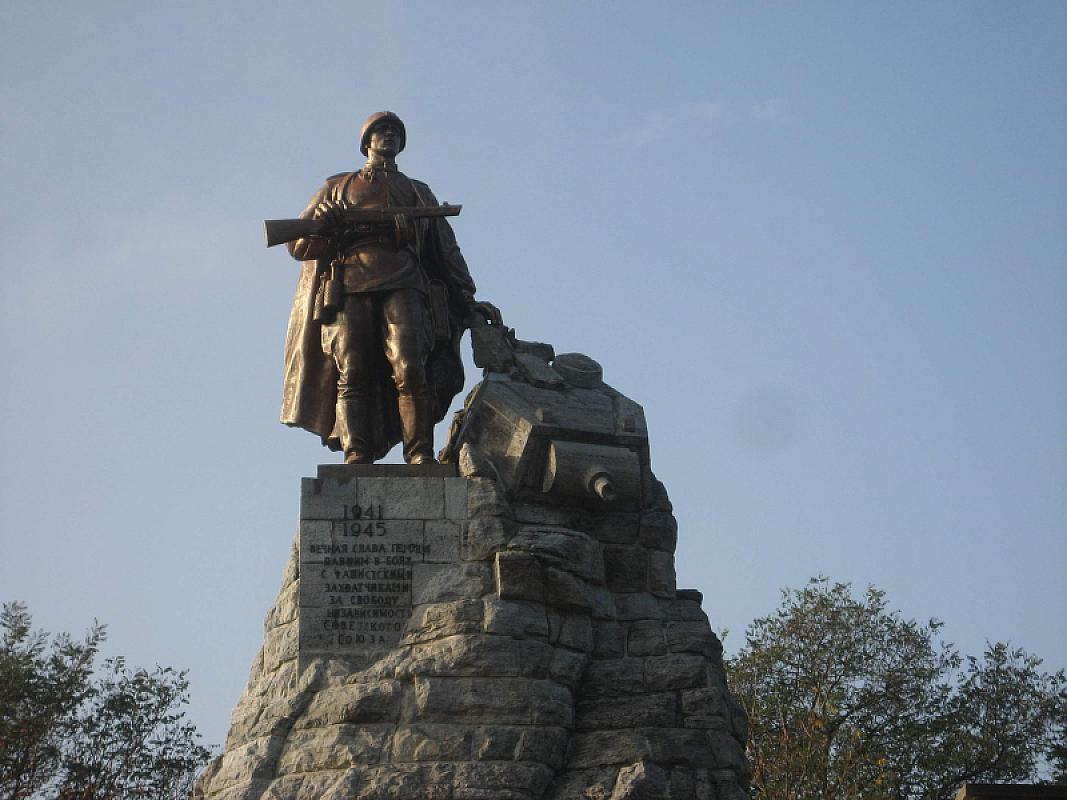
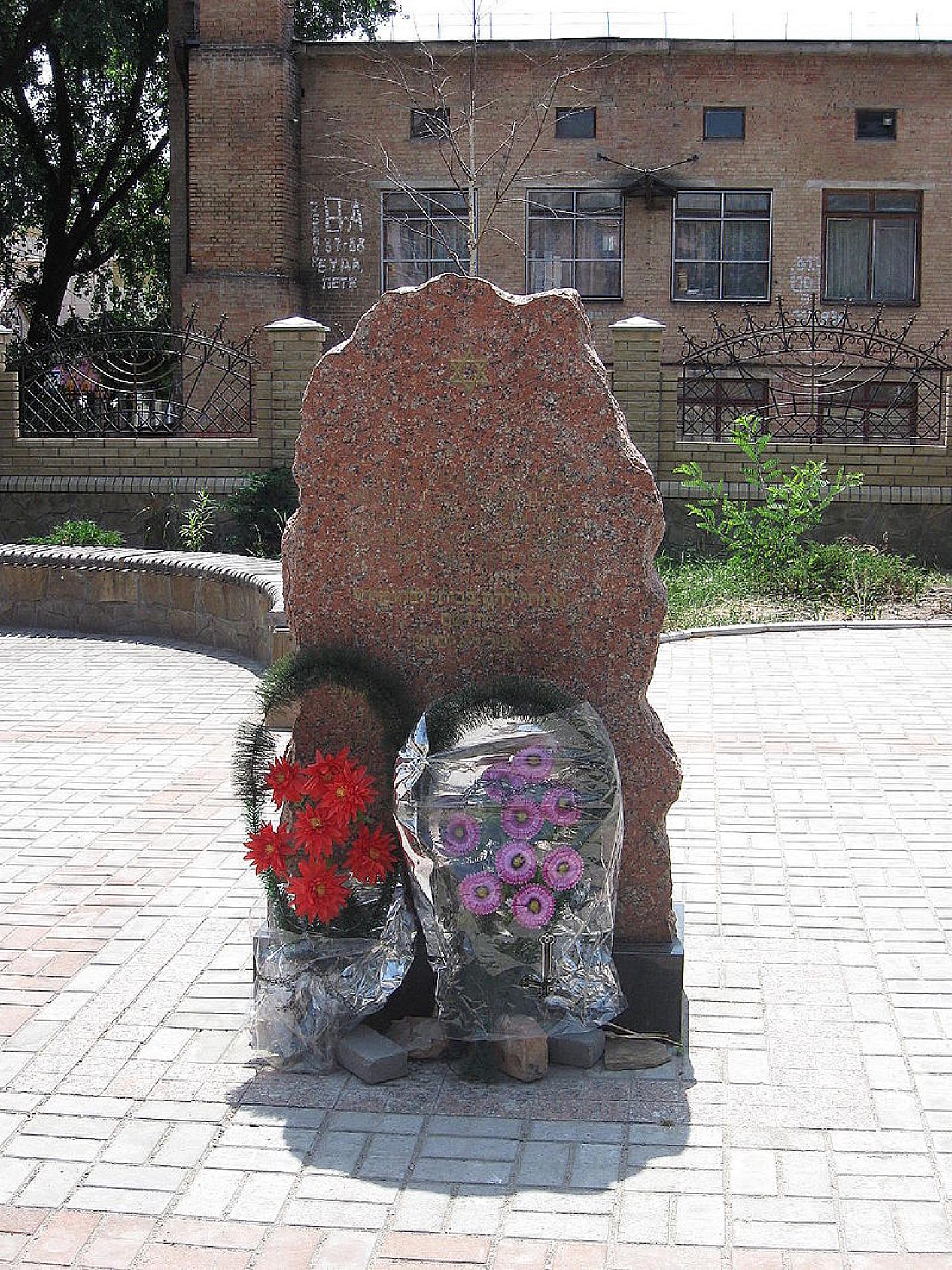
In 2005 a memorial was erected on the square in front of the synagogue. The Russian inscription remembers the Jews who had to assemble in this square prior to their murder. On the stone a biblical quotation in Hebrew is engraved also. A further memorial is located on the site of the former fortification St Elizabeth. The memorial plaque remembers according to its inscription the 50,000 Soviet inhabitants who were murdered between 1941 and 1944 and who are presumed to be buried there. All memorials are located within the city centre.
Open
The memorial is accessible at all times.
Contact
ujew@ujew.com.ua
+38 (068) 2-770-770