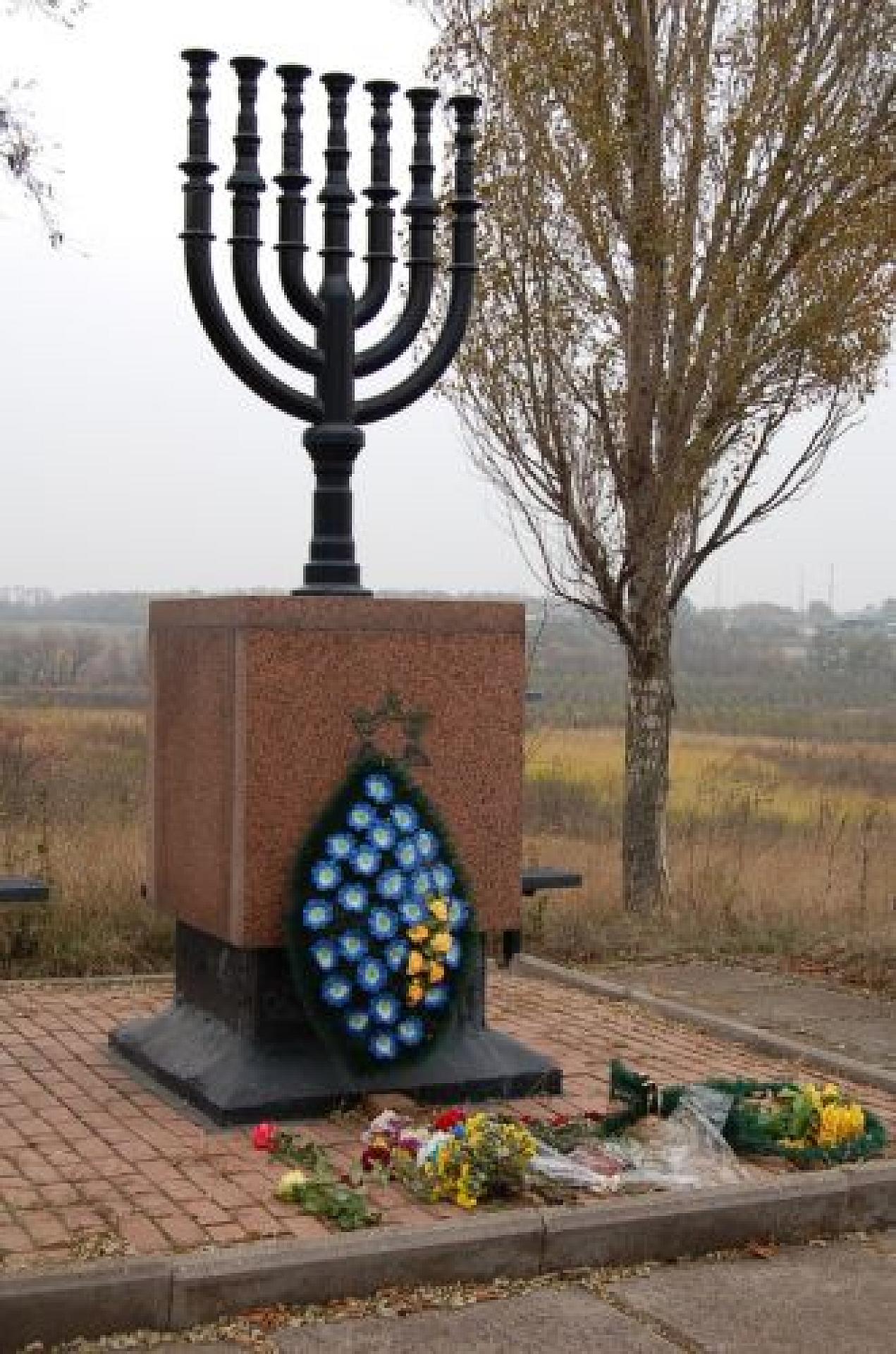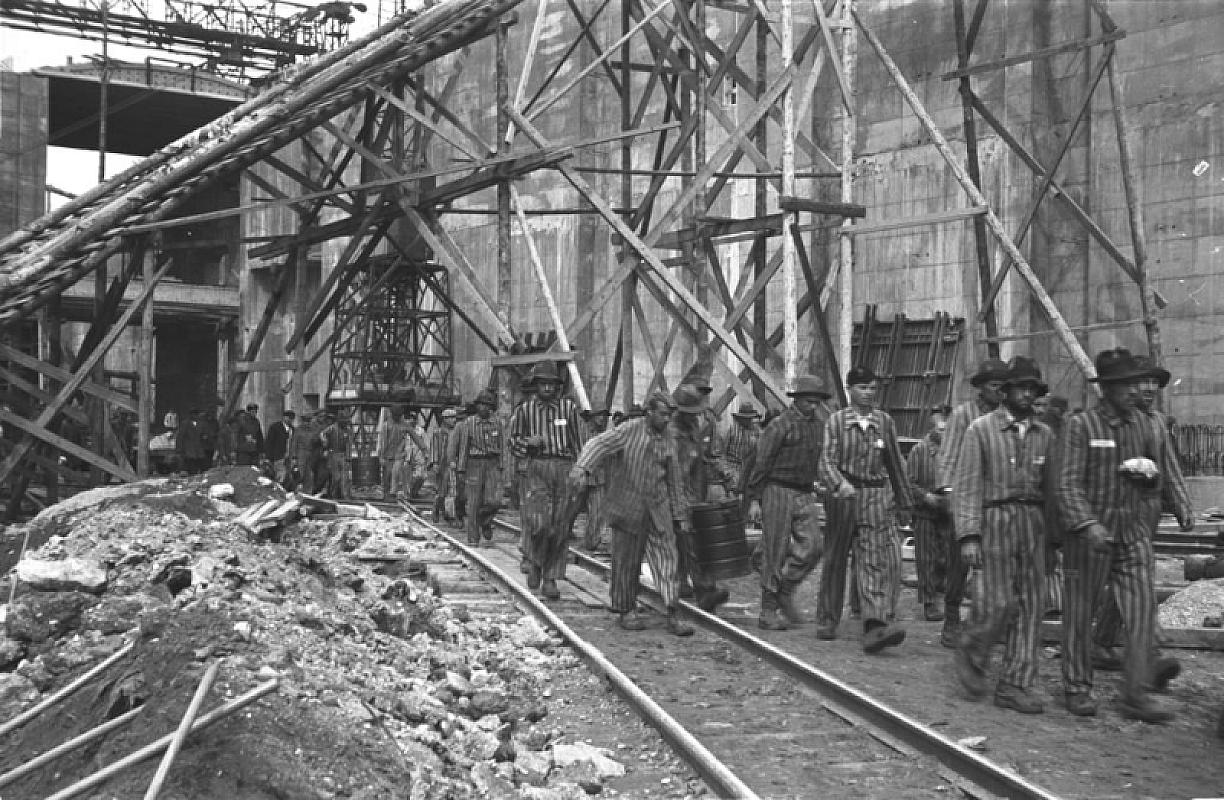
Two memorials in the industrial city of Mariupol and in its suburb Agrobaza commemorate the 9,000 Jews who were shot there in October 1941.
History
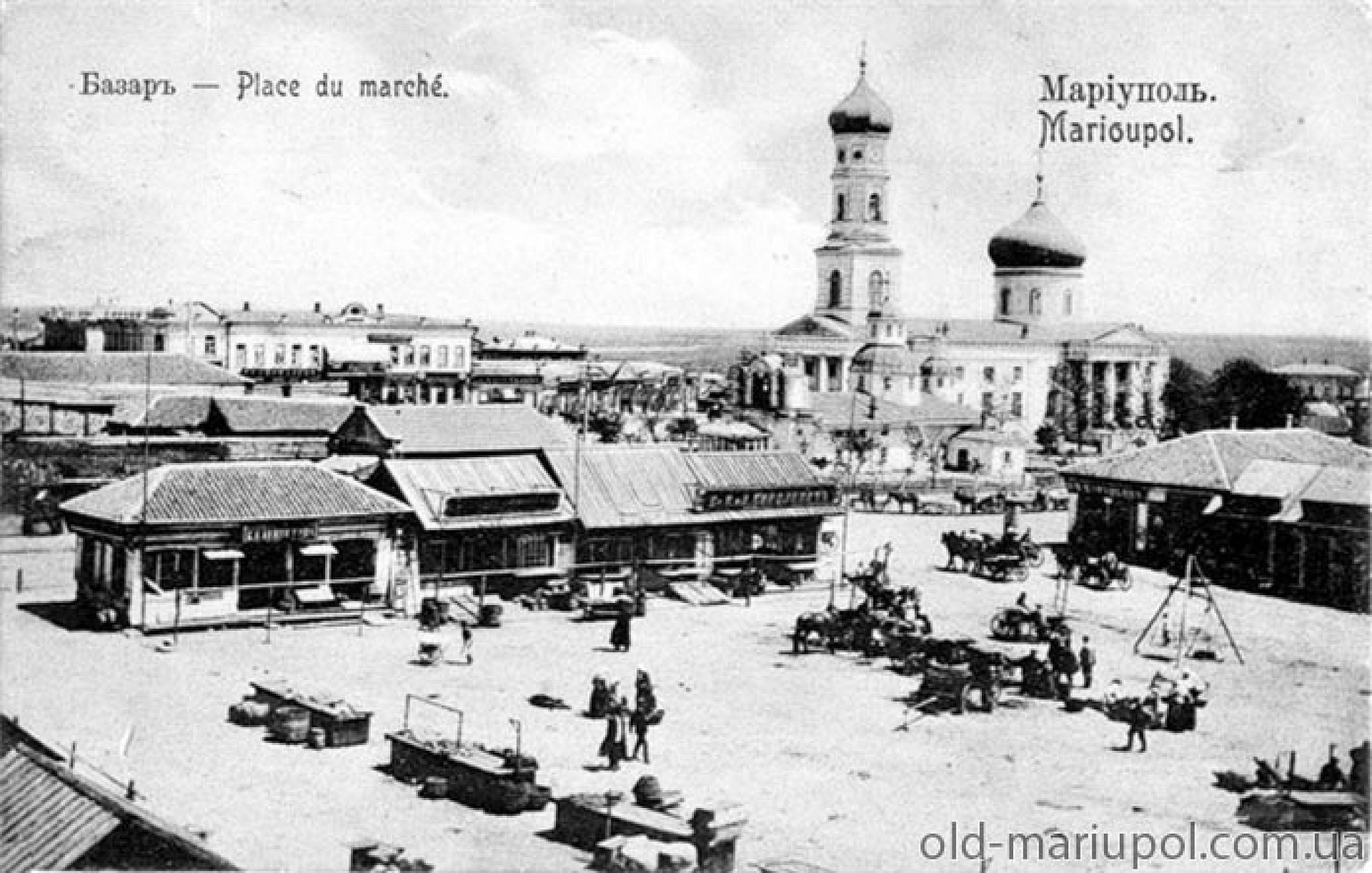
Mariupol, located on the shores of the Sea of Azov in south-east Ukraine was founded in 1789 and was given its name by Greek immigrants from Crimea. Jews settled in Mariupol – which developed into an industrial centre – from the middle of the 19th century onwards.
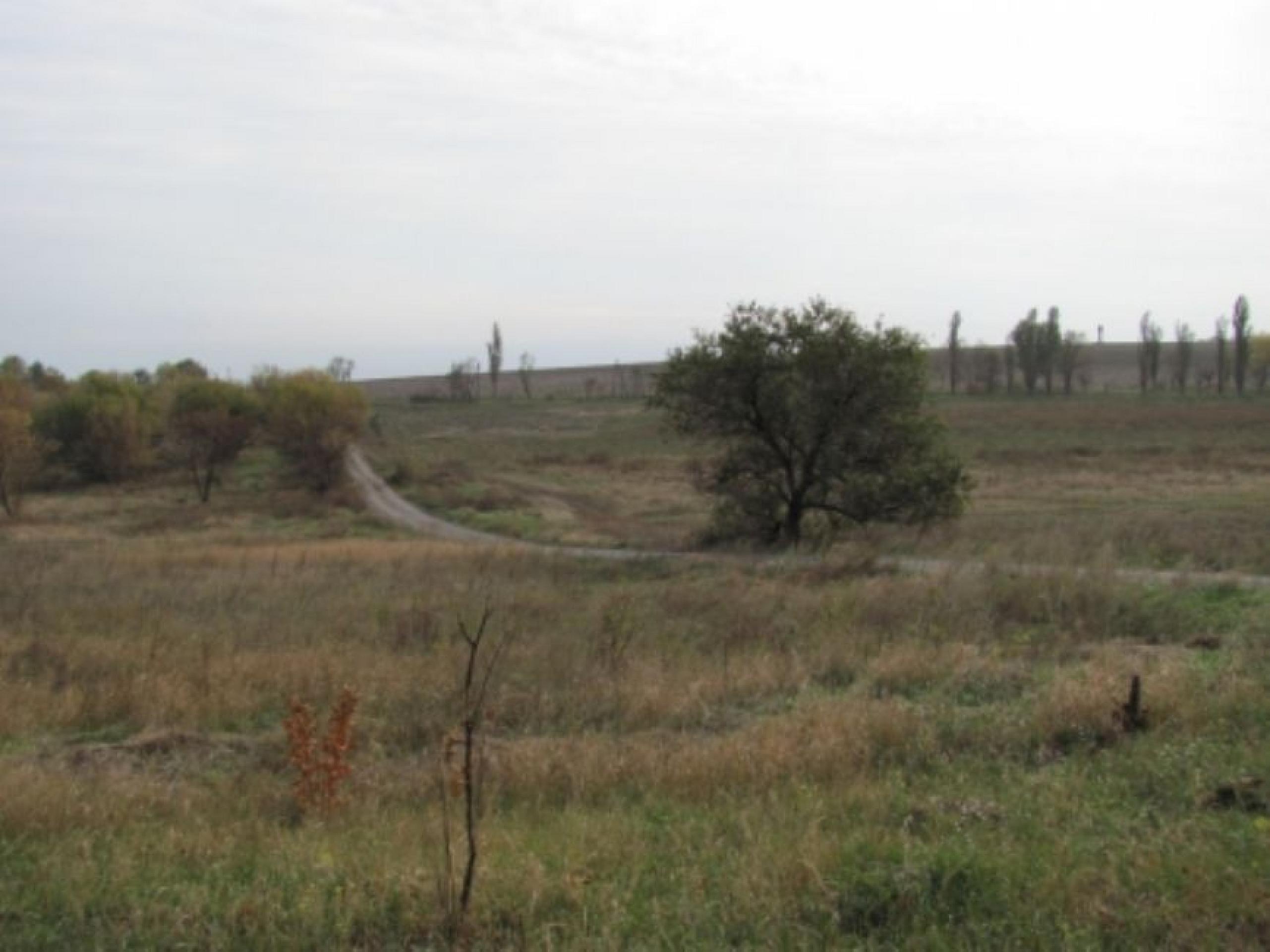
In 1939 the city had a Jewish population of 10,444, accounting for approximately 5% of the total population. On October 8, 1941 German troops occupied the city. Many Jews managed to flee eastwards beforehand. At the same time many Jewish refugees from western Ukraine were in the city. The German military administration organised a Ukrainian auxiliary police and a local municipal administration which actively took part in the persecution of Jews. In the first few days the occupiers enforced the marking of the Jews and murdered about 30 civilians, among them also Jews. Two days later they forced the Jews to register themselves. That way approximately 9,000 Jews were recorded. On October 18, 1941 under the pretext that they would be relocated they forced the Jewish population to hand over their valuables and to gather with provisions and clothing in the square in front of the University of Technology. They were kept prisoner for two days in barracks at the assembly point before the Germans and their local helpers took them by foot or car to the suburb of Agrobaza about 6 kilometres away. Under the command of Heinz Seetzen (1906-1945) who participated in the murders himself, the Sonderkommando (»special unit«) 10a and the Leibstandarte SS Adolf Hitler shot the Jewish children, women and men in anti-tank trenches. On the following days another 1,000 Jews were shot on the same site. On October 31, 1941 the Einsatzgruppe (»mobile killing unit«) D declared the city to be »judenfrei« (free of Jews).
Victims
The data as to the number of victims range between 8,000 and 15,000. According to the report of the German local command dated October 29, 1941, 8,000 Jews were murdered on October 20 and 21. The official Soviet investigative commission stated the number to be 15,000.
Remembrance
Some Jews managed to escape their murder with the aid of the non-Jewish population. Some joined the partisans while others managed to cross the front line like Sarra Gleykh, who managed to escape from the mass grave. Her written account, put down after her escape is now stored in the archive of the Israeli memorial centre Yad Vashem.
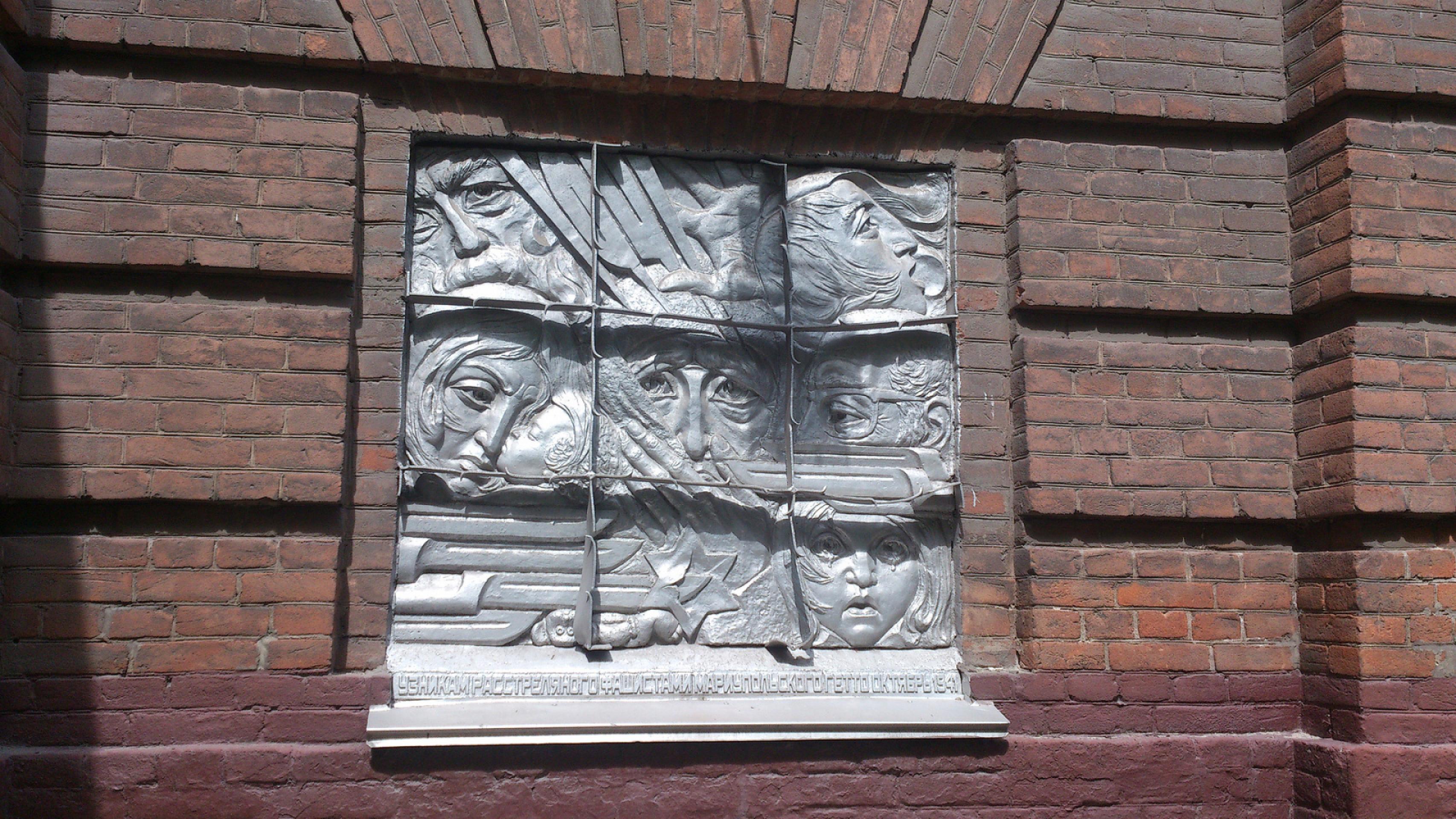
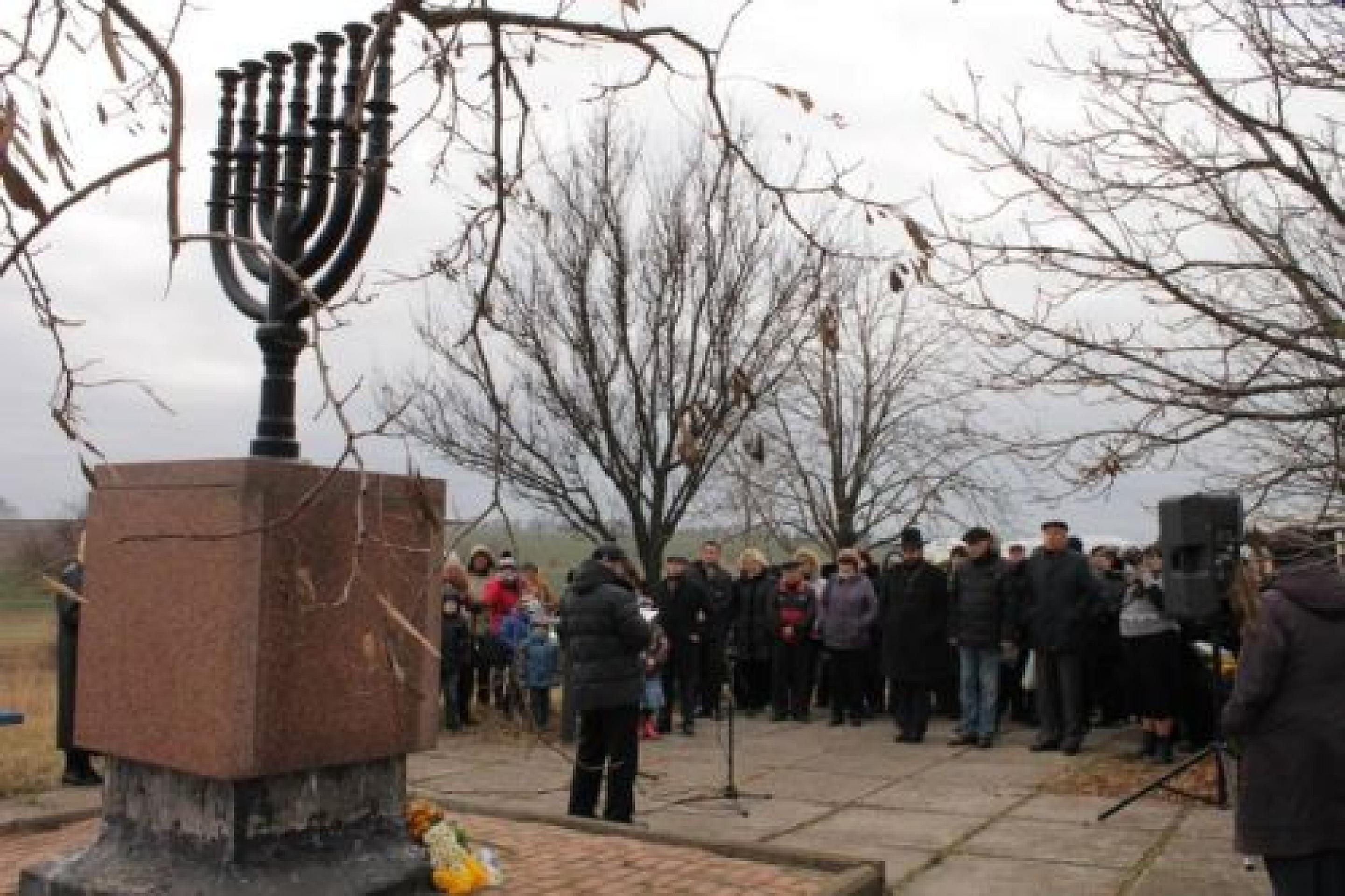
Mariupol was liberated by the Red Army on September 10, 1943. In 1949 an obelisk was erected at the site of the mass shootings at Agrobaza, remembering the »Victims of Fascism«. It is not mentioned on the memorial that the victims were Jewish. After the collapse of the Soviet Union the Jewish community of Mariupol gathered information on the victims and the mass shootings and suggested the creation of two memorials. On May 8, 1996 a plaque with a relief was unveiled at the square in front of the Technical Universtity where the Jews had to gather prior to their shooting. Two years later a stone menorah was erected at the site of the mass shooting in Agrobaza. Engraved on the memorial is a quote from the Hebrew bible. In 2001 the Jewish community counted 1,800 members out of a total population of 510,835.
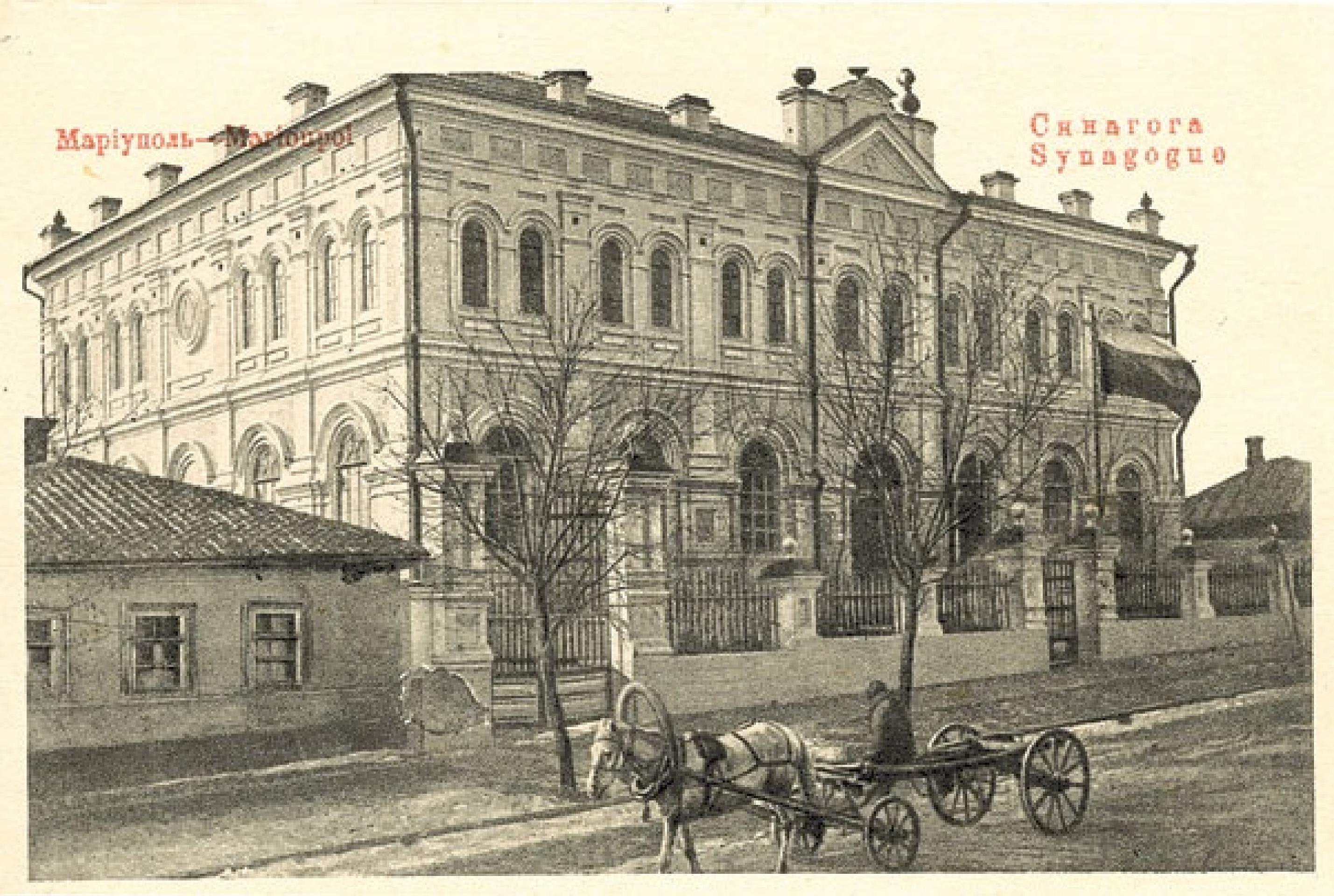
Due to its strategic location, Mariupol has been the target of several Russian attacks since 2014. In the course of the full-scale Russian war of aggression, the city was largely destroyed in spring 2022 and has been under Russian occupation since. The synagogue of the Jewish community was also destroyed in March 2022, presumably in a Russian missile attack.
Open
The memorials are accessible at all times.
Contact
jewishmariupol@gmail.com
+380 (0629)412 040
ul. Universitetska 7
87500 Mariupol