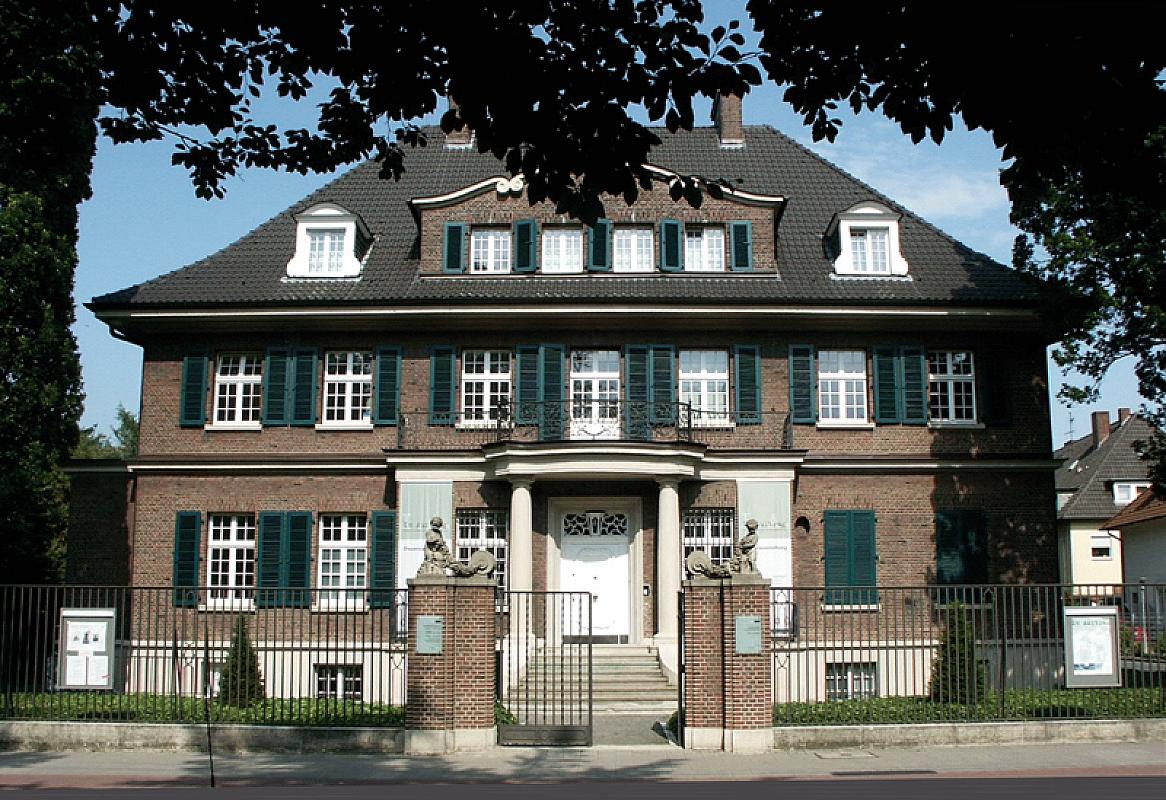
Memorial to the murdered Jews of Mir
Память забитых евреев Мира / Памяць забітых яўрэяў ў Міры
In the small Belarusian town of Mir, three memorials commemorate more than 2,500 Jews who were murdered there between the summer of 1941 and August 13, 1942 by the Germans and their local accomplices.
History
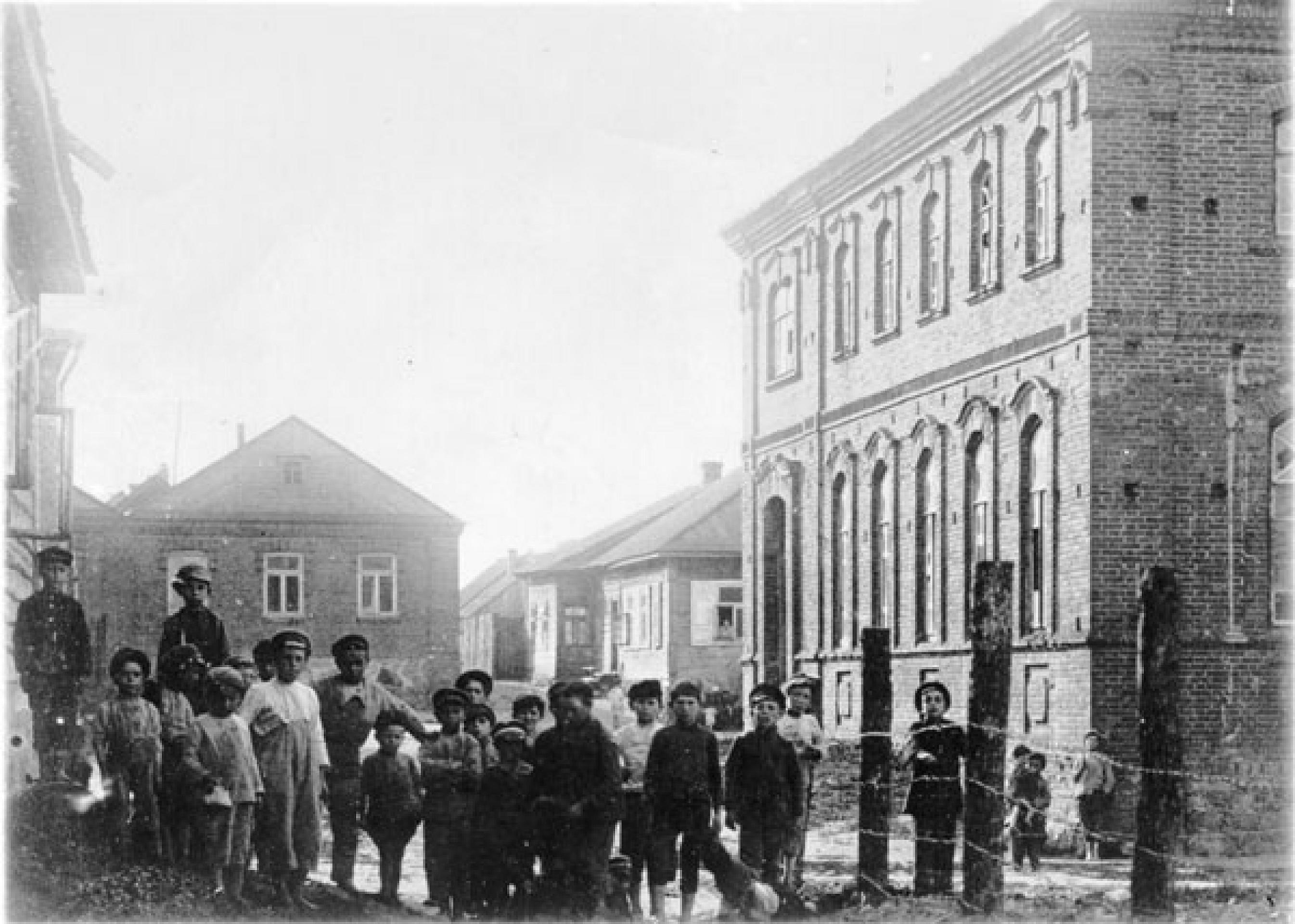
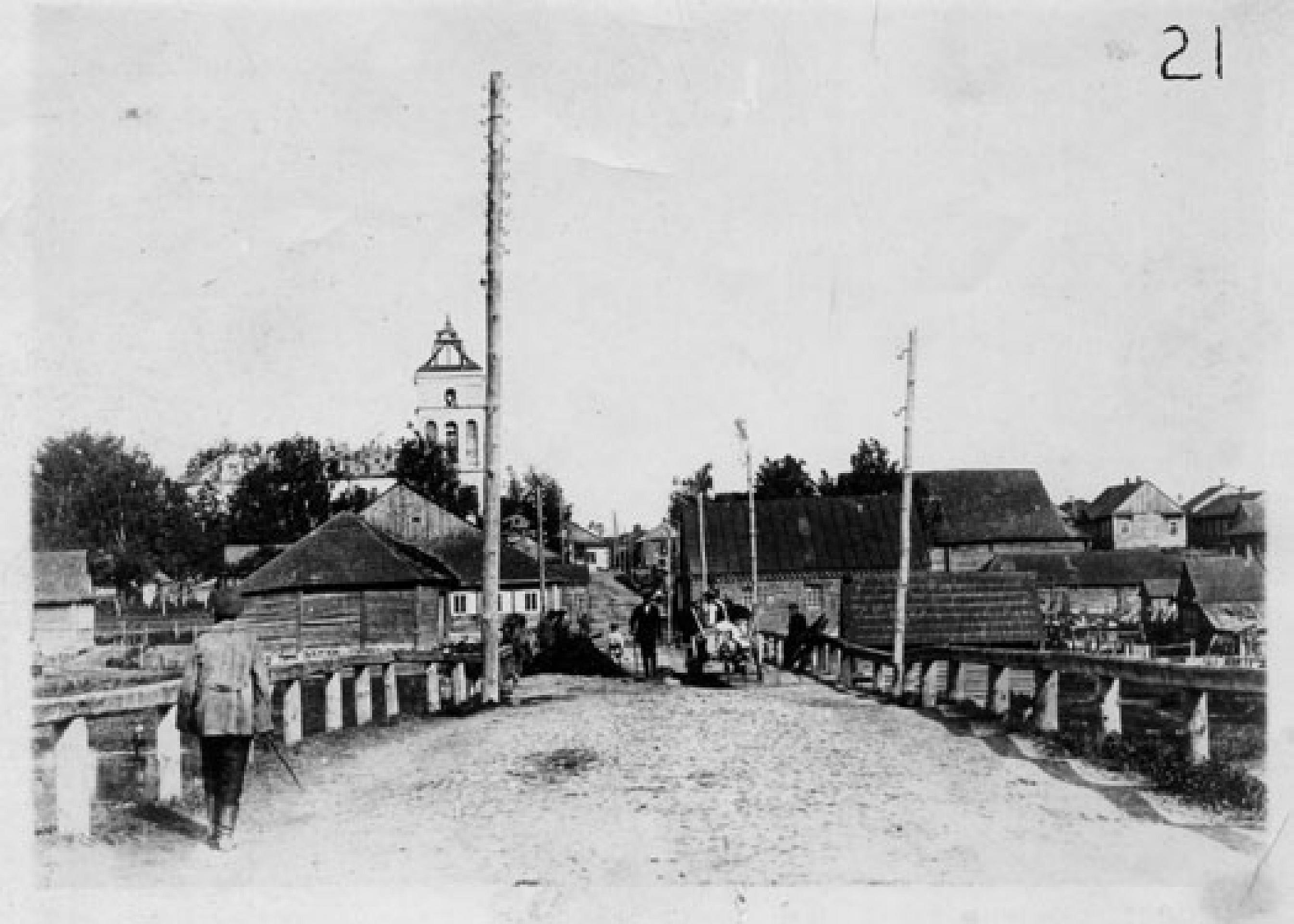
Mir, about 85 kilometers southwest of Minsk on the banks of the Miranka River, was founded in 1395. Jews lived there from the 17th century. In 1921 Jews made up about half of Mir's 4,000 inhabitants.
In the interwar period Mir belonged to Poland, but became Soviet in autumn of 1939 as a result of the Molotov-Ribbentrop Pact. On the eve of the German attack, many Jewish refugees from the German-occupied part of Poland stayed in the city. The German Wehrmacht occupied Mir on June 26, 1941, four days after their invasion of the Soviet Union. A few days later, the Germans had a local auxiliary police force set up with the help of which they went on to expropriate the Jewish inhabitants and forced them to wear identification.
On July 20, 1941 German units shot 19 Jews, mainly intellectuals.
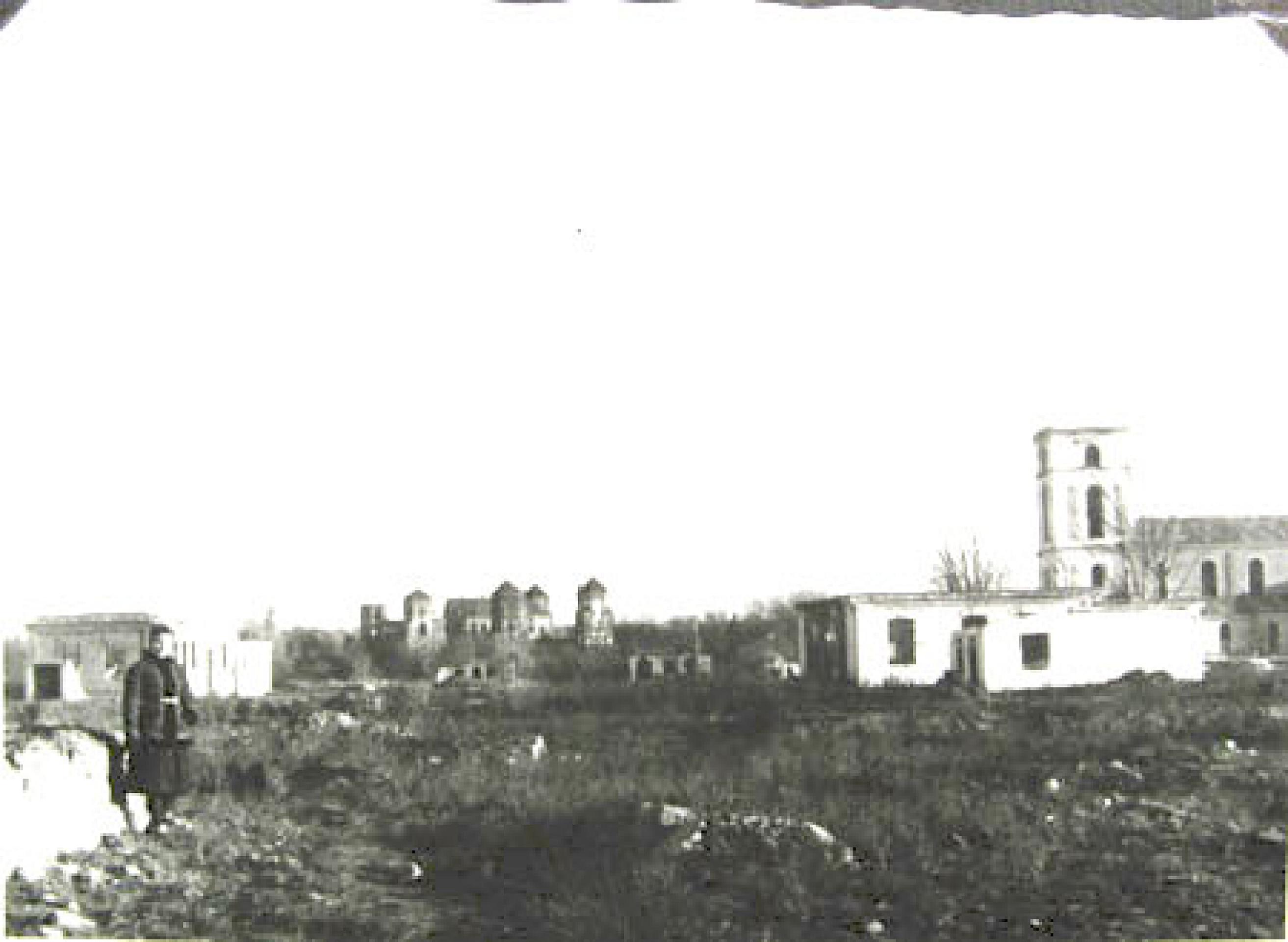
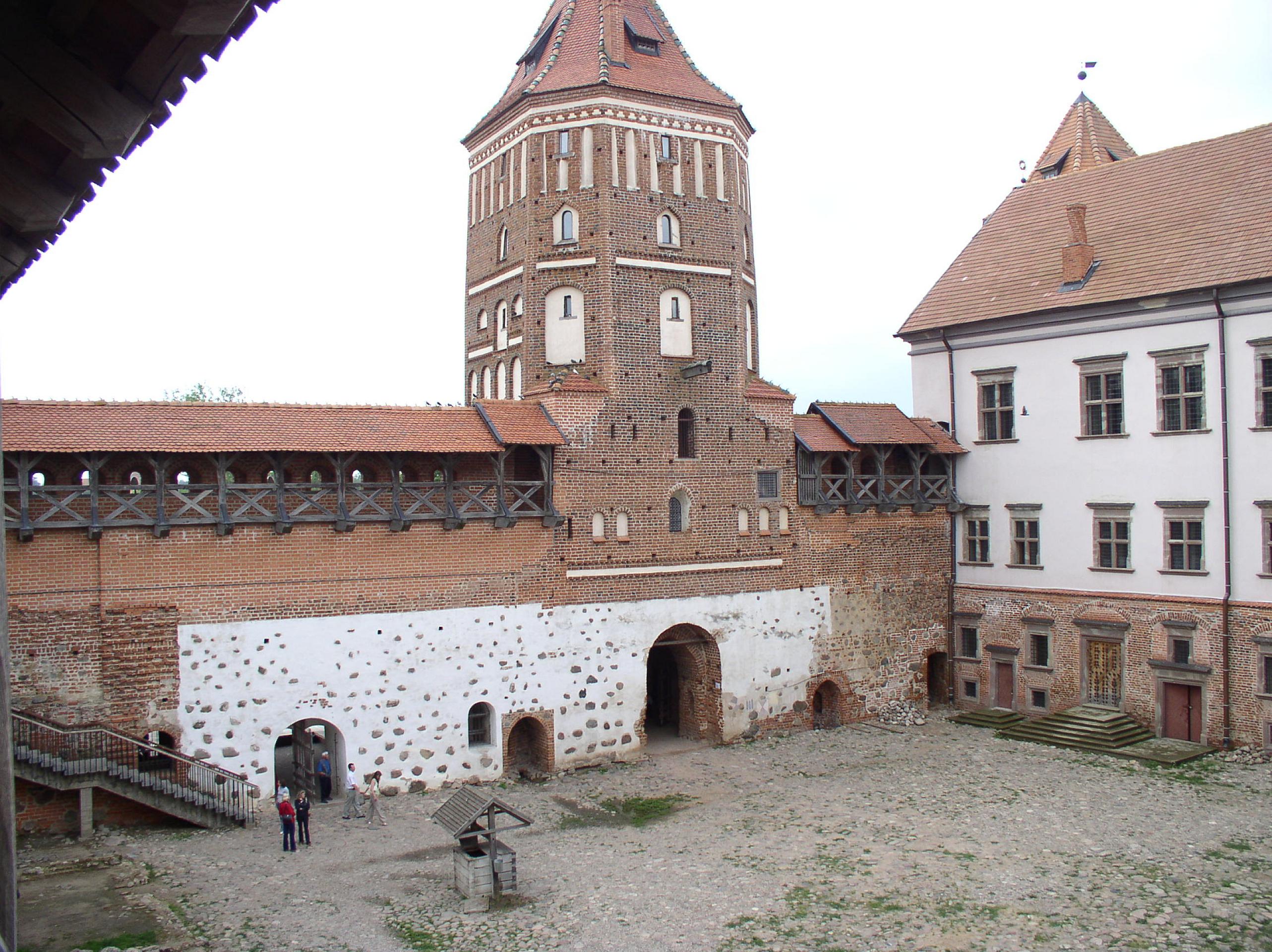
During a mass shooting on November 9, 1941 the Germans and their local helpers murdered most of the Jewish population. The auxiliary policemen drove the Jews from their homes to the market square or shot them directly in the streets. 85 Jews were sorted out as skilled workers and locked away. They shot the other Jews directly on the market square or drove them to other shooting sites, such as the Jewish and Tartar cemetery of the city. About 800 Jews were spared from the »Aktion«. A few days later they had to move to a ghetto, which was relocated to Mir Castle in May 1942. The living conditions there were considerably worse but the walls also protected them from arbitrary attacks by auxiliary policemen. On August 10, 1942 a newly founded resistance group in the ghetto ventured an outbreak in which up to 300 people managed to escape. All the Jews left in the castle were murdered. The Jewish community of Mir was obliterated.
Victims
On July 20, 1941, German units murdered about 19 Jews. On November 9, 1941, members of the local command of Stolbtsy (Belarusian: Stowbtsy) located near Mir, supported by local auxiliary policemen, murdered about 1,500 Jews and thus the majority of the Jewish population of Mir. In May 1942, the previously unguarded ghetto was moved to a few rooms of the city palace and the Jews were confined there in a very narrow space. Despite the miserable circumstances, a resistance group was formed. In the summer of 1942 they learned from Oswald (also: Shmuel) Rufeisen (1922–1998), who disguised himself as a German national with the name Josef Oswald and worked for the Germans as a translator, that the extermination of the ghetto was imminent. Many ghetto inhabitants were unable to flee or mistrusted Rufeisen yet on August 10, 1942 150 to 300 Jews fled into the woods. There they tried to join partisan groups but didn't succeed. About 65 Jews were arrested again by the German gendarmerie and their helpers on the following days. Local civilians also participated in the pursuit. Only about 40 survived the war. Among them was also Rufeisen who was hiding in Mir. A few days later, on August 13, 1942, members of the German gendarmerie and their helpers murdered all approximately 560 Jews left behind in the ghetto in the small forest of Jablonovchina near the town.
Remembrance
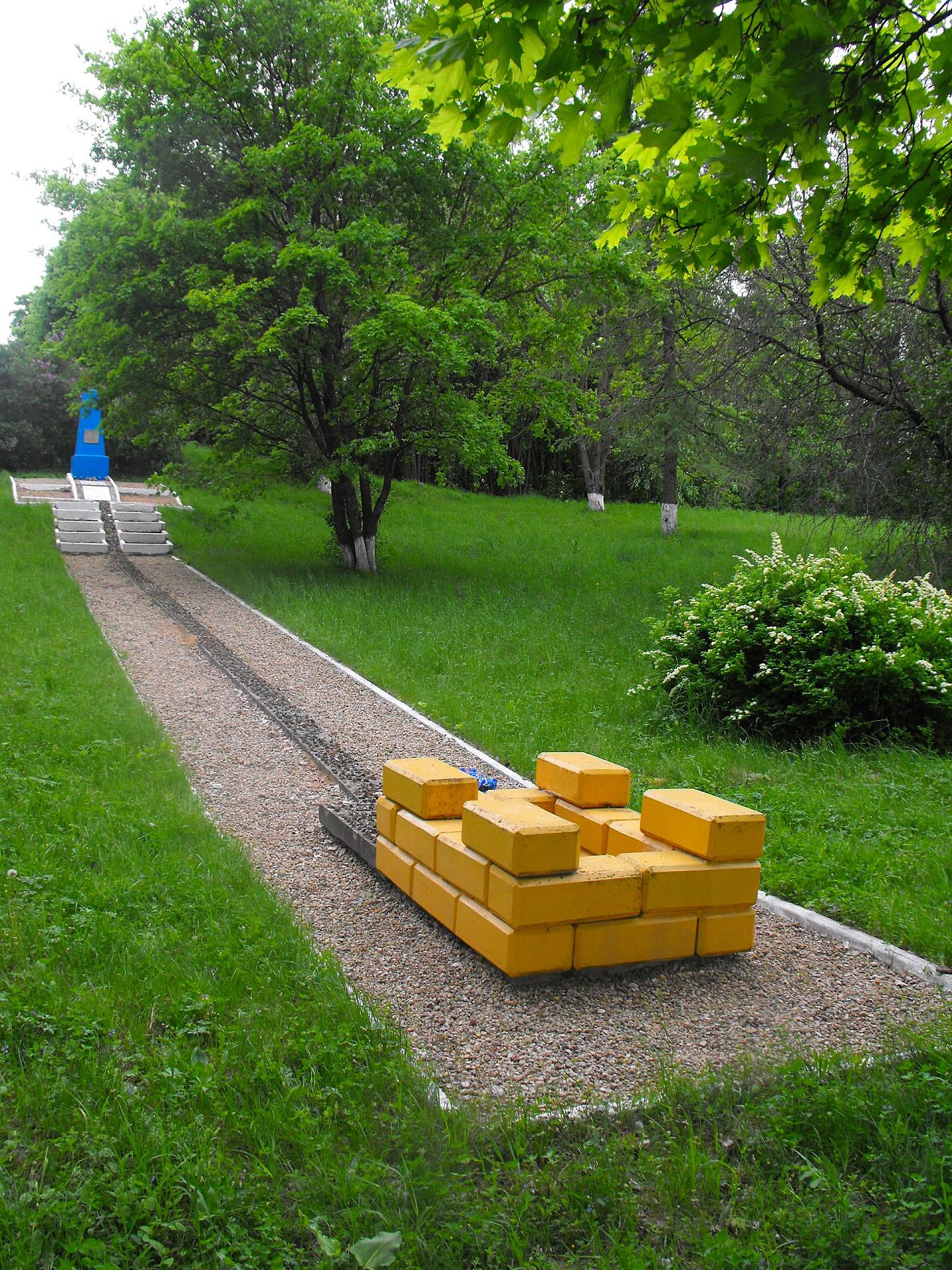
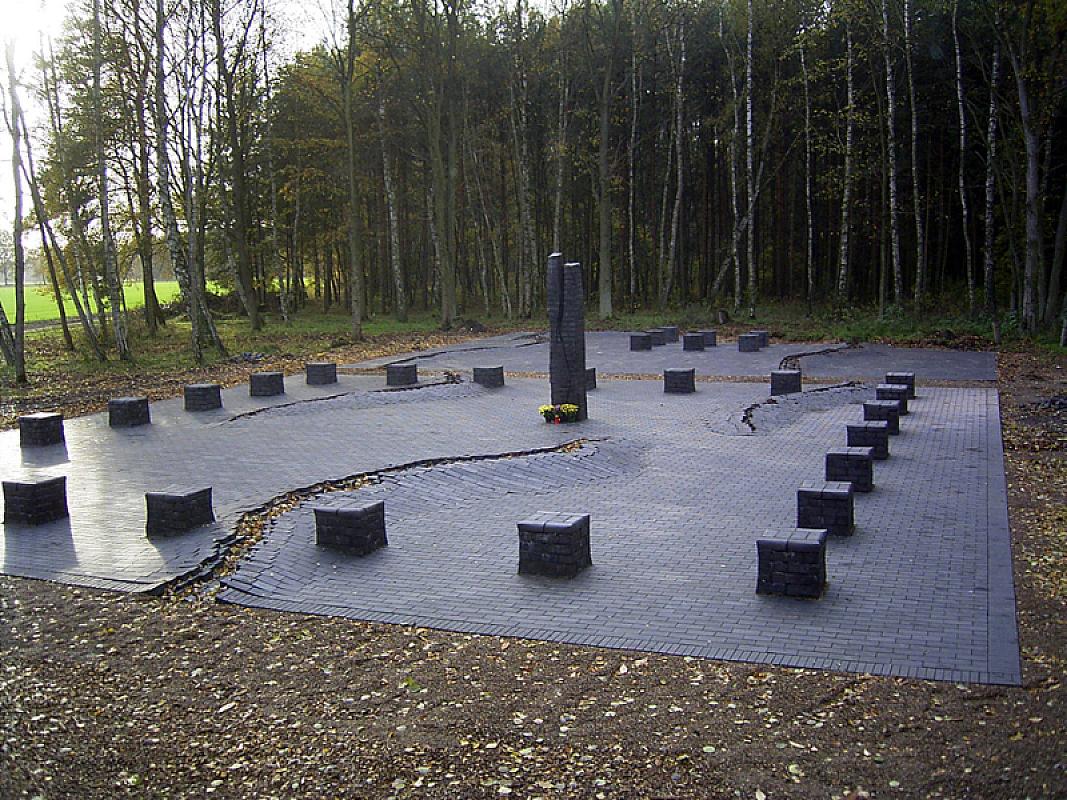
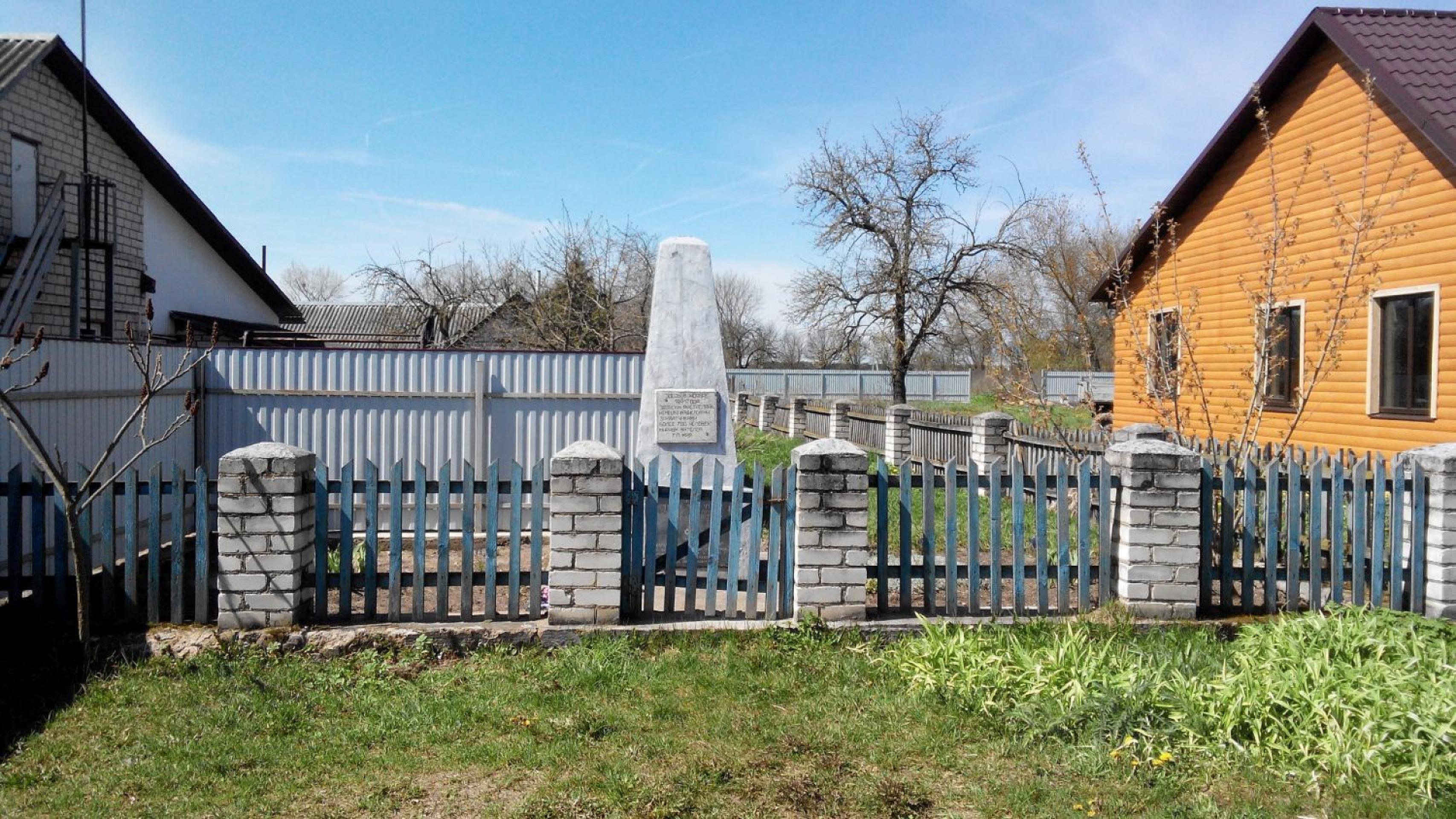
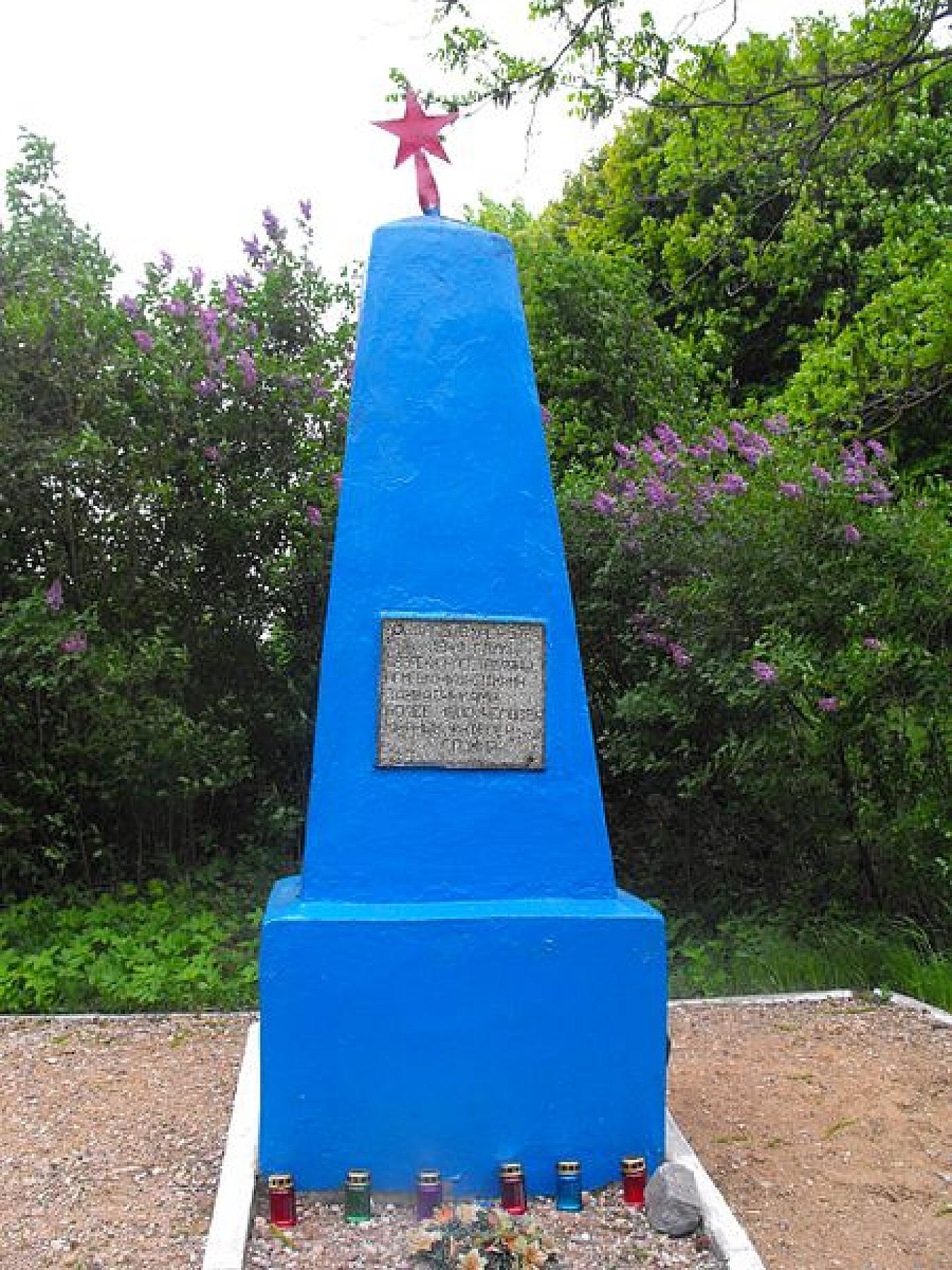
The Red Army recaptured Mir on June 26, 1944. After the war, Soviet and Polish courts sentenced several members of the local auxiliary police who had supported the Germans in murder operations. Two of the known former mass shooting sites are located near the famous Mir Castle. In 1966 and 1967 an obelisk was erected in each of these places. Since 1966 another memorial is located one kilometer southeast of Mir in the small forest of Yablonovchina, where the victims of the last mass shooting in summer 1942 are buried.
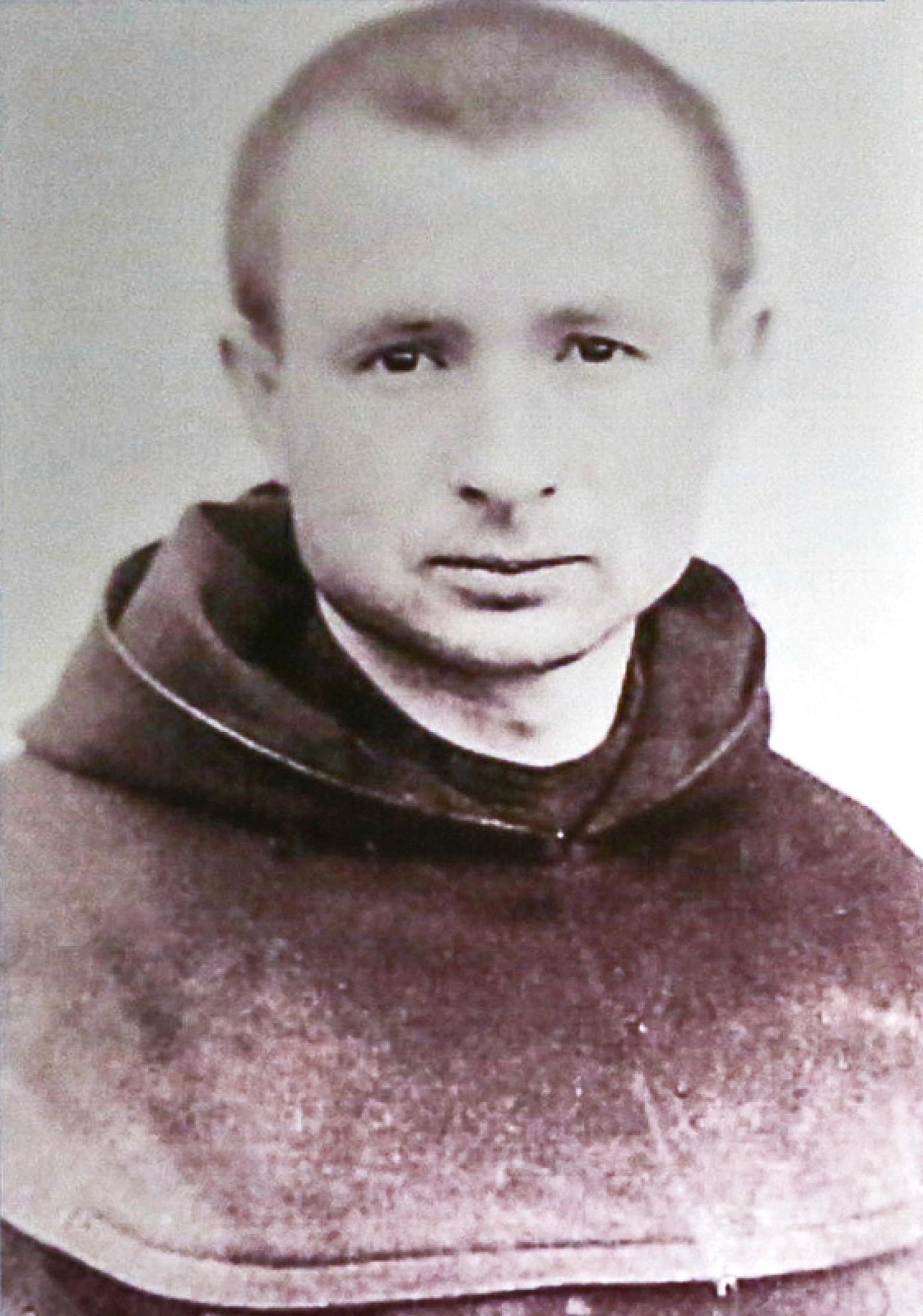
Oswald Rufeisen, with whose help about 200 Jews had escaped from the ghetto, survived the war, hidden by a nun. He converted to Catholicism and moved to Poland after the war to become a priest. In the 1960s he emigrated to Israel. Until his death in 1998 he lived as a monk with the Carmelites and was a priest of a Catholic parish in Haifa. In 1992 the survivors of the ghetto of Mir gathered to personally thank Rufeisen. He was also honoured in books and films, the Israeli memorial Yad Vashem produced a documentary film about his life. The Russian writer Lyudmila Ulizkaya based her main character of her novel »Daniel Stein, Interpreter« on the person of Rufeisen. In 2002, the nun Yelisaveta Bartikova, who had hidden Rufeisen, received the Israeli award »Righteous Among the Nations«.
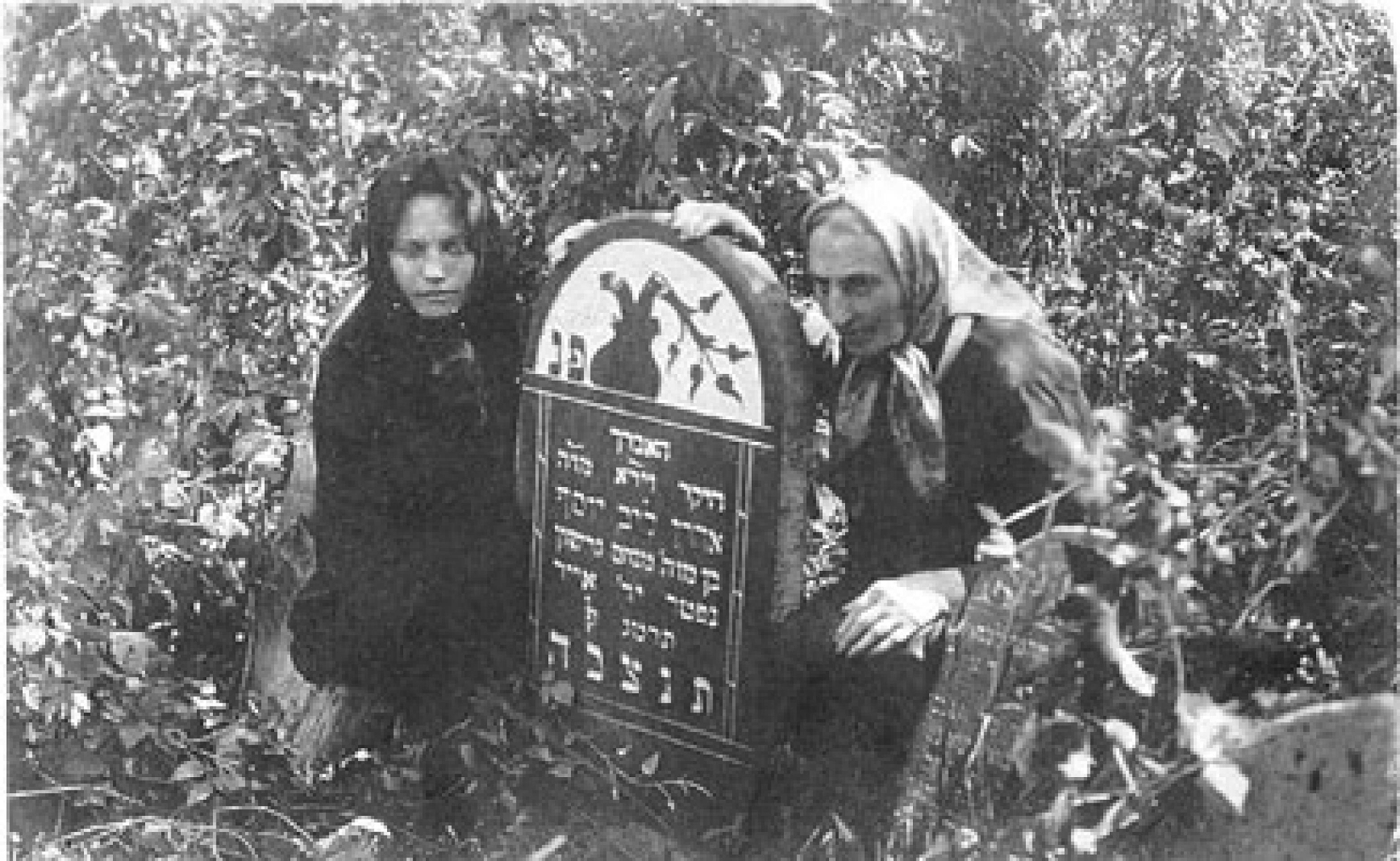
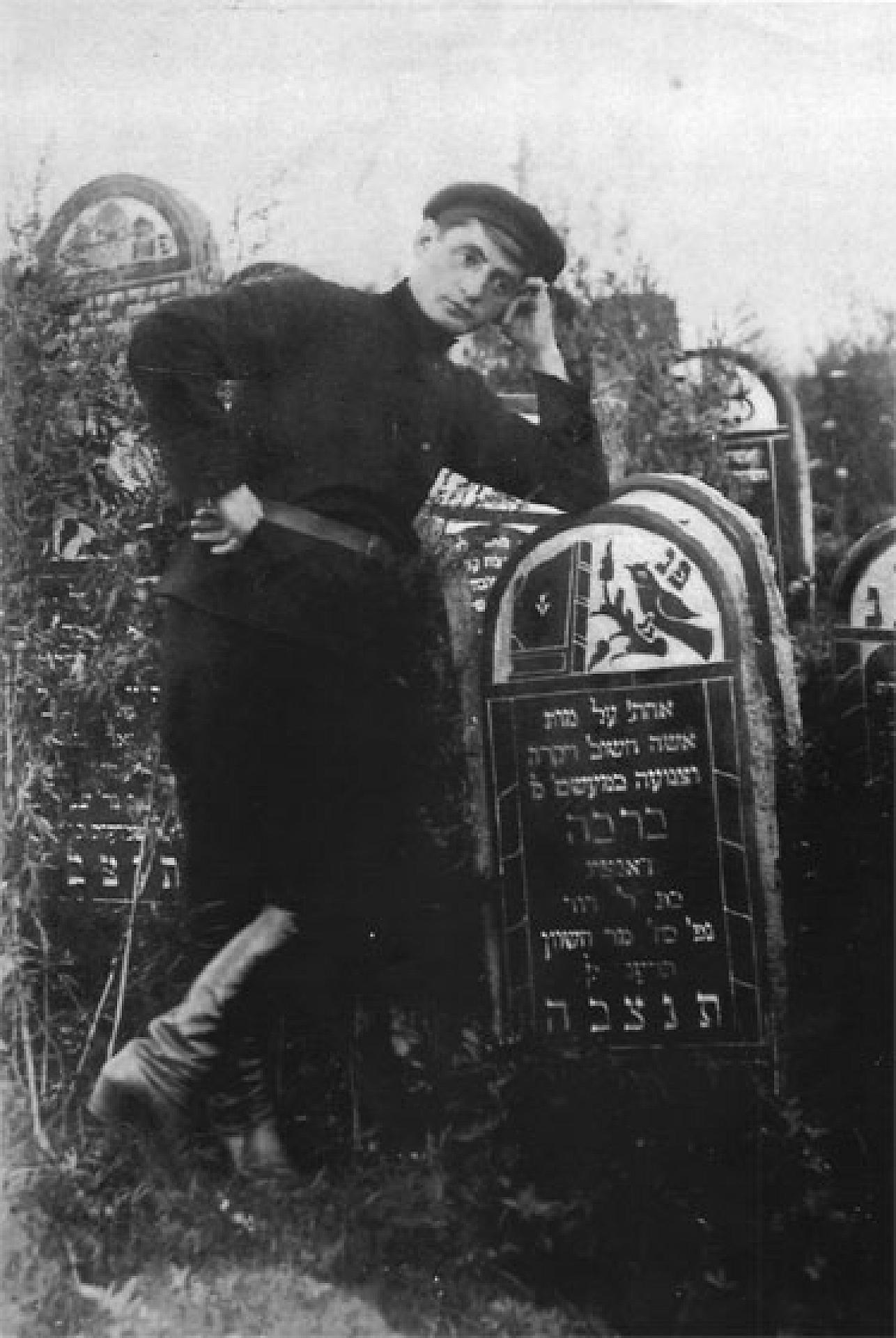
Today Mir has about 2,300 inhabitants but there is no longer a Jewish community. A private museum run by Viktor Sakel tells also about the Jewish past of the town. There are four cemeteries in Mir, one Jewish, one Christian Orthodox, one Catholic and one Tartar. Although many tombstones of the Jewish cemetery were stolen during and after the Second World War, more than one hundred are still preserved there.
Open
The memorials are accessible at all times.
Contact
http://pages.uoregon.edu/rkimble/Mirweb/MirSiteMap.html
rkimble@uoregon.edu
Uliza Tankistow
231444 Mir