Memorial to the murdered Jews of Mohyliv-Podilskyi
Пам'ятник євреям, загиблим у гетто Могилева-Подільського
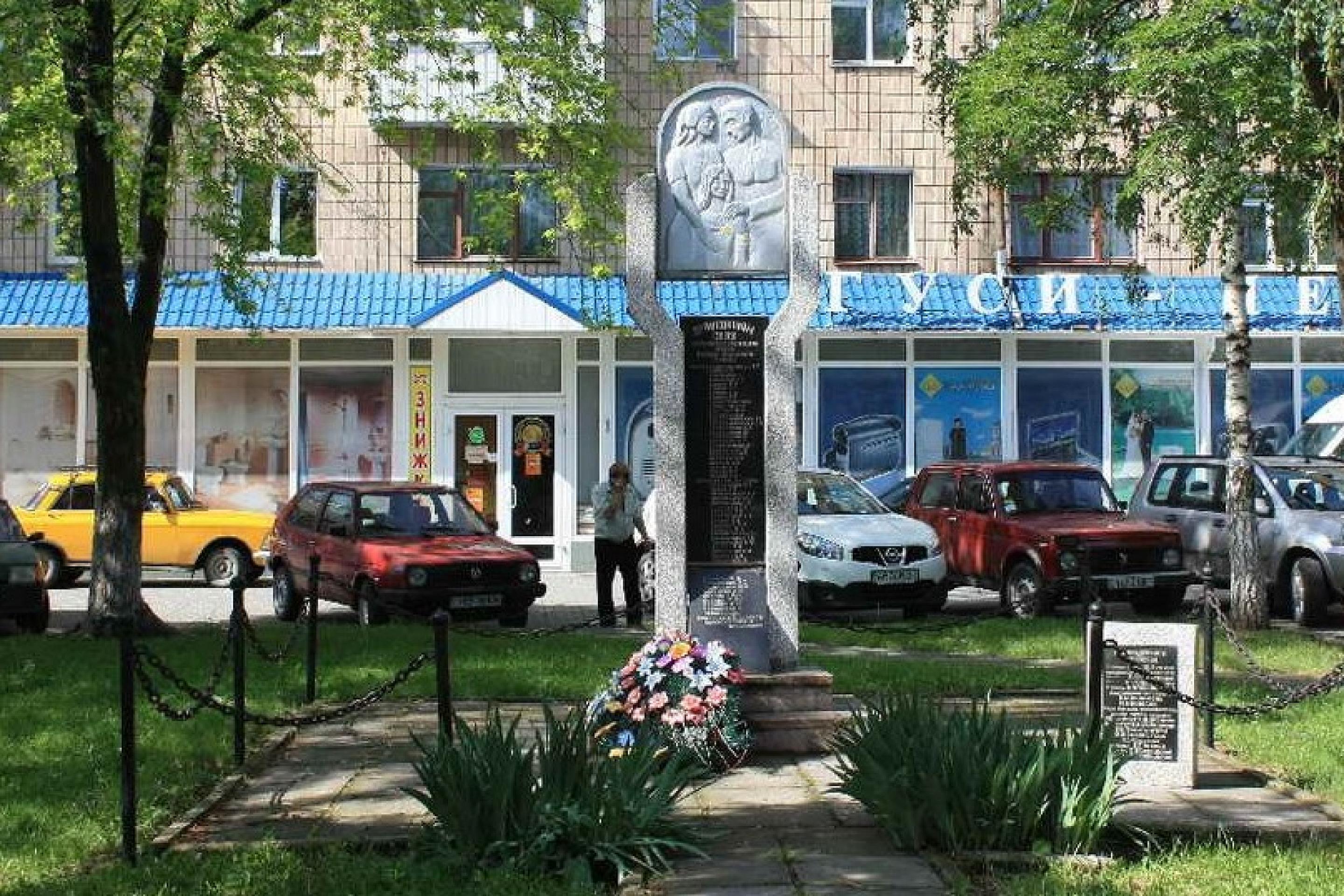
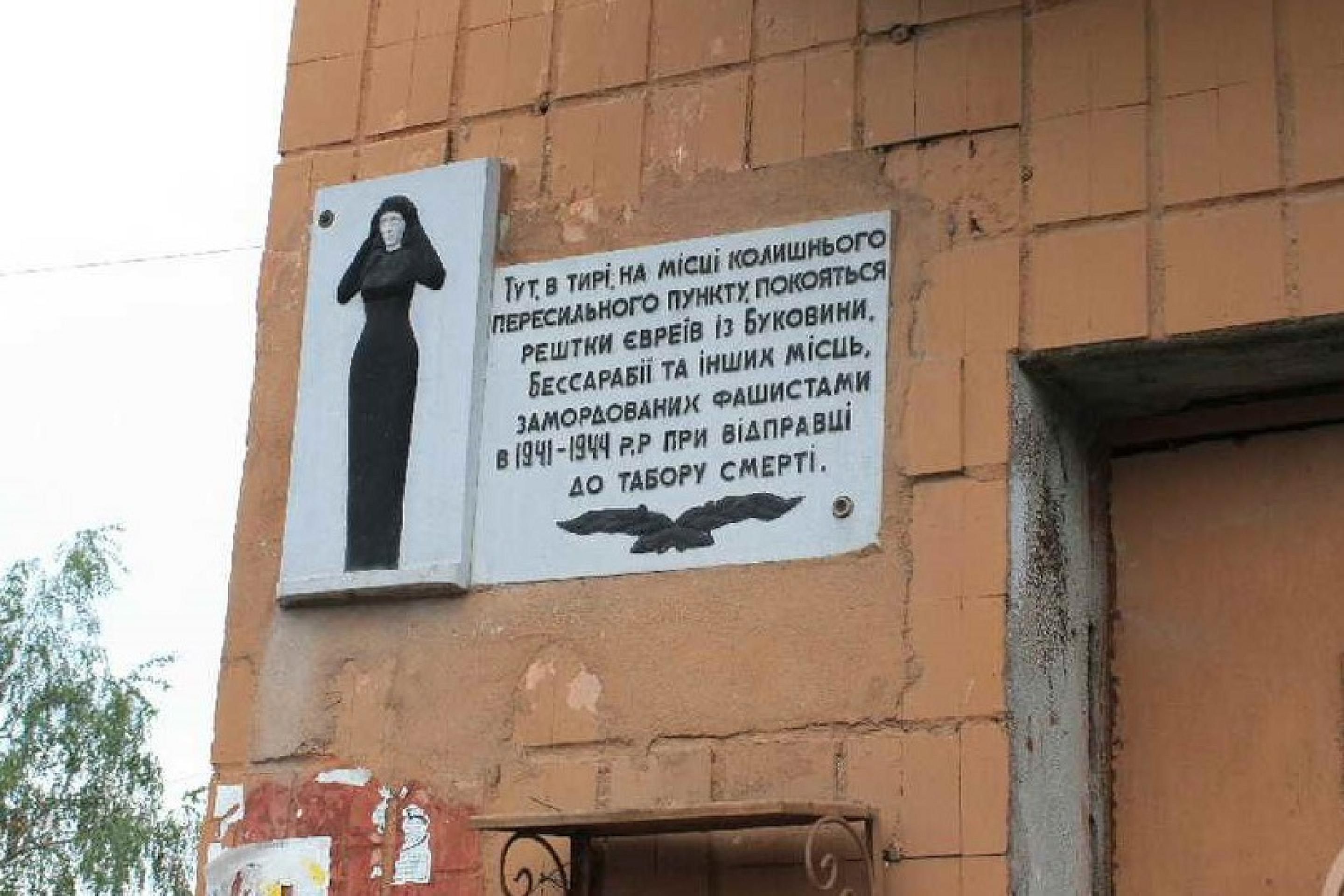
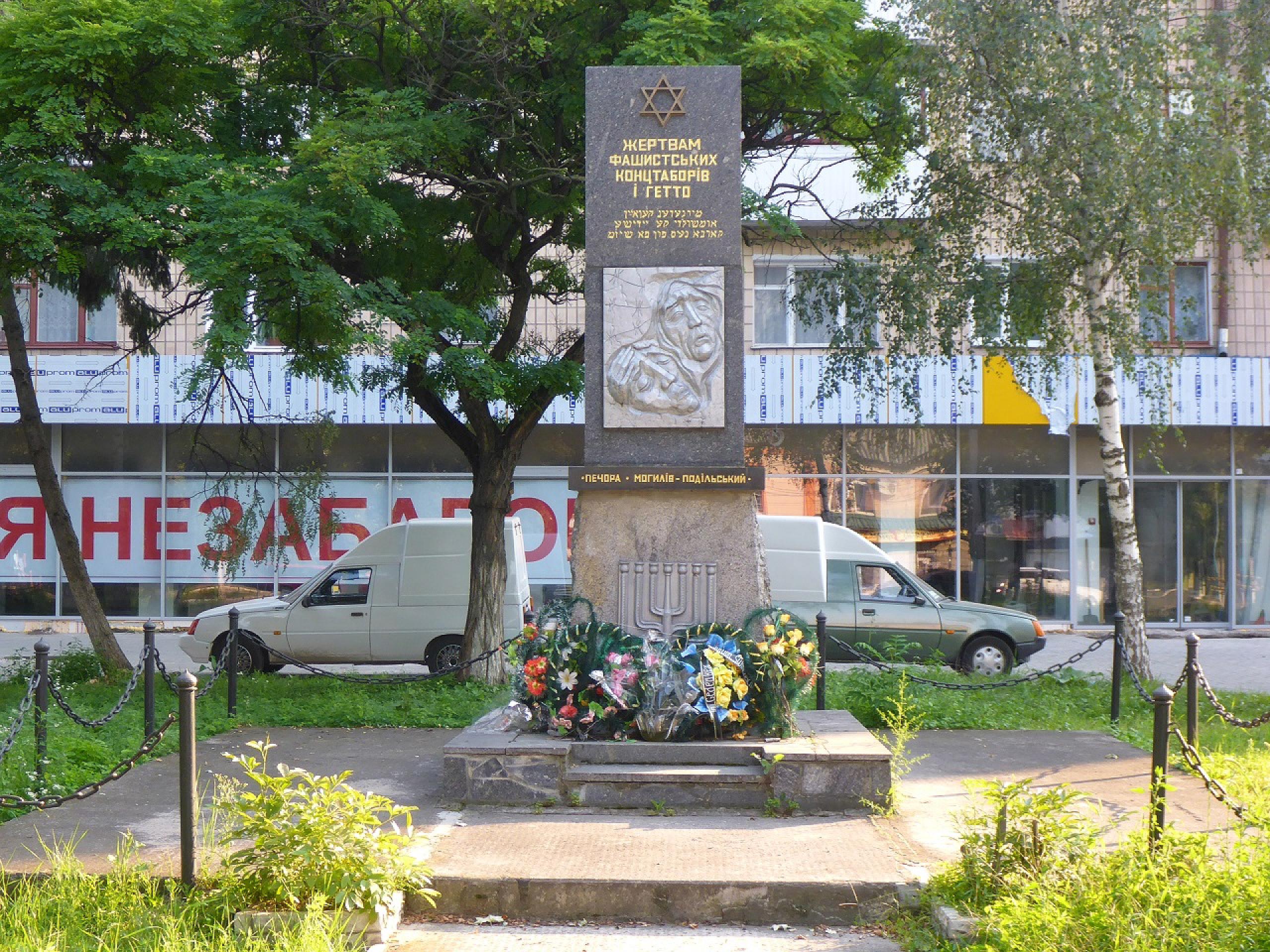
In Mohyliv-Podilskyi (Russian: Mogilyov-Podolskiy) two memorials and two memorial plaques commemorate the victims of the biggest transit ghetto in the Romanian occupied region of Transnistria. Another memorial commemorates local »Righteous among the Nations« who helped to save Jews.
History
Mohyliv-Podilskyi located on the Dniester River opposite the Moldavian town of Otaci was founded by prince Jeremia Movilă in 1595. The first Jews settled here in the early 17th century. Shortly afterwards the first Jewish community was annihilated during the Khmelnytsky Uprising of 1648. A new community formed in the second half of the century. In the 1770s they built two synagogues. The town was part of the Russian Empire. In the early 20th century there were anti-Jewish pogroms. In Soviet times prior to the Second World War more than 9,600 Jews lived in Mohyliv-Podilskyi, equating to 40% of the population.
The German Wehrmacht and the Romanian Army occupied Mohyliv-Podilskyi on July 19, 1941. Many Jews managed to flee beforehand but approximately 5,000 Jews remained in town. A few days later the German Sonderkommando (special unit) 10b arrived and killed about 1,000 Jews in the region.
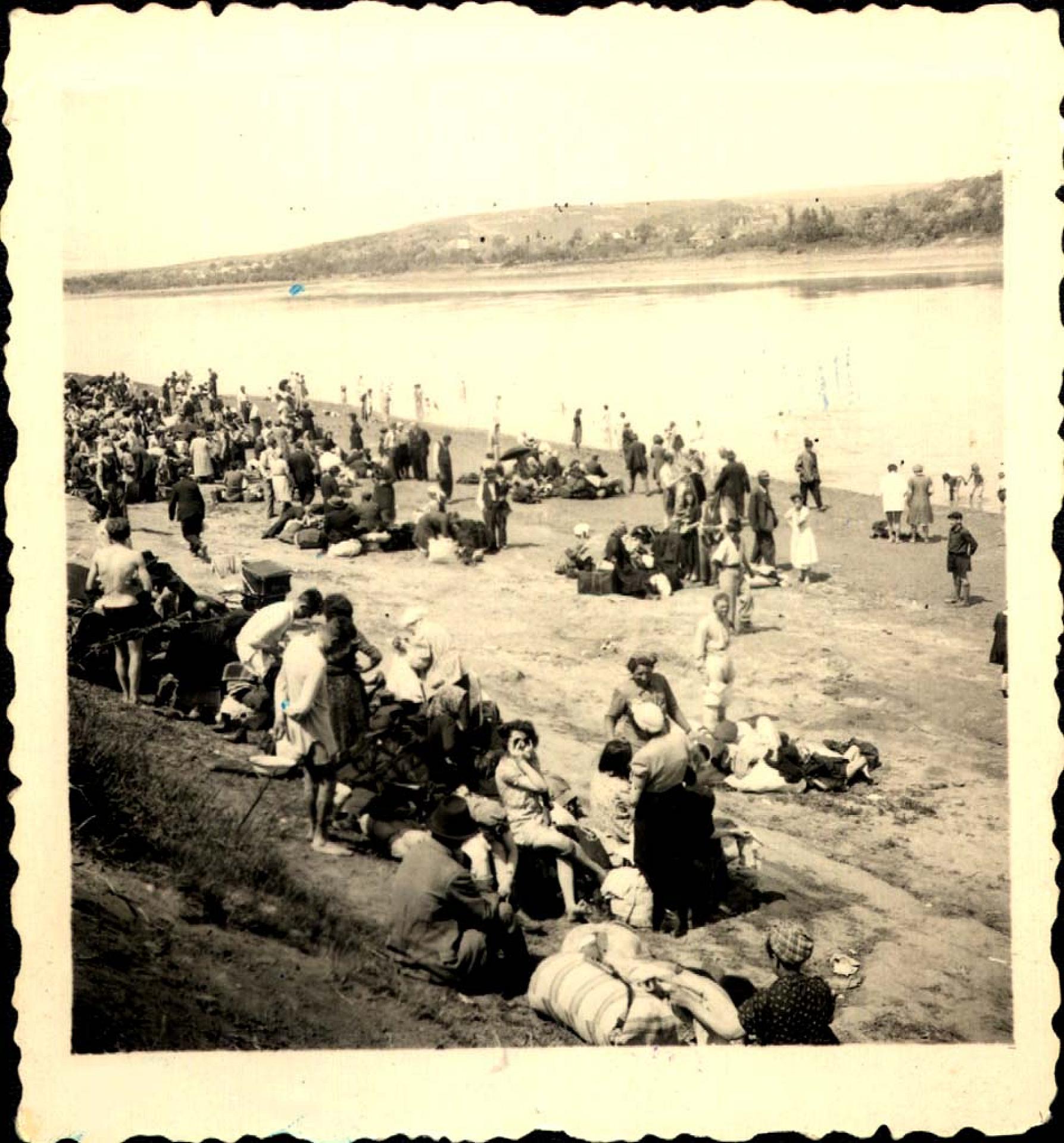
In September 1941 Mohyliv-Podilskyi became part of the Romanian-occupied Ukrainian area of Transnistria. Shortly afterwards the Romanian occupiers established a transit ghetto for Jews from Bessarabia and Bukovina who were expelled from their homeland and deported over the Dniester River to Transnistria. It was the biggest of five such transit ghettos on the border to Transnistria along the river. The inhabitants of the ghetto lived in the tightest of spaces in derelict barracks, incessantly subjected to the harassments of the Romanian constabulary. Still, the conditions were better than in the German-occupied area east of the Bug River. In May 1942 the ghetto was to be reduced in size because of an epidemic. The Romanians deported about 7,500 Jews to other camps. The deportations were stopped after the Soviet victory in the Battle of Stalingrad. In January 1943 approximately 3,000 local Jews and 12,000 Jews expelled from other areas were still living in the ghetto.
Victims
From August to September 1941 the Sonderkommando (special unit) 10b murdered more than 1,000 Jews in the town and its surroundings. Most of the victims were expellees from the Romanian occupied areas opposite the Dniester River. In December the ghetto had about 3,700 local Jewish inhabitants and about 15,000 Jews from Bessarabia and Bukovina. All in all approximately 55,000 Jews passed through the ghetto between September 15, 1941 and February 15, 1942. From late 1941 until June 1942 about 1,200 Jews died in the ghetto because of a typhus epidemic. From May 1942 until May 1943 the Romanian occupiers deported about 7,500 Jews to other camps, including the Pechora camp, where all Jews died of starvation or were murdered within a year. The victims were mainly local Jews belonging to the poorest and not having the benefit of being able to communicate with the Romanian occupiers.
The transit ghetto of Mohyliv-Podilskyi had a permanent population of approximately 15,000 Jews. While 2,000 – 3,000 of them had residence permits thanks to a job, the vast majority lived in constant fear of their deportation. The Extraordinary Soviet State Commission later quoted the number of 4,394 victims in the transit camp of Mohyliv-Podilskyi.
Remembrance
After the defeat of the axis powers in the Battle of Stalingrad the Romanian policy towards Jews changed. The government allowed Jewish aid agencies from Romania to help Jews in Transnistria. Some Jews were even allowed to return to their homes.
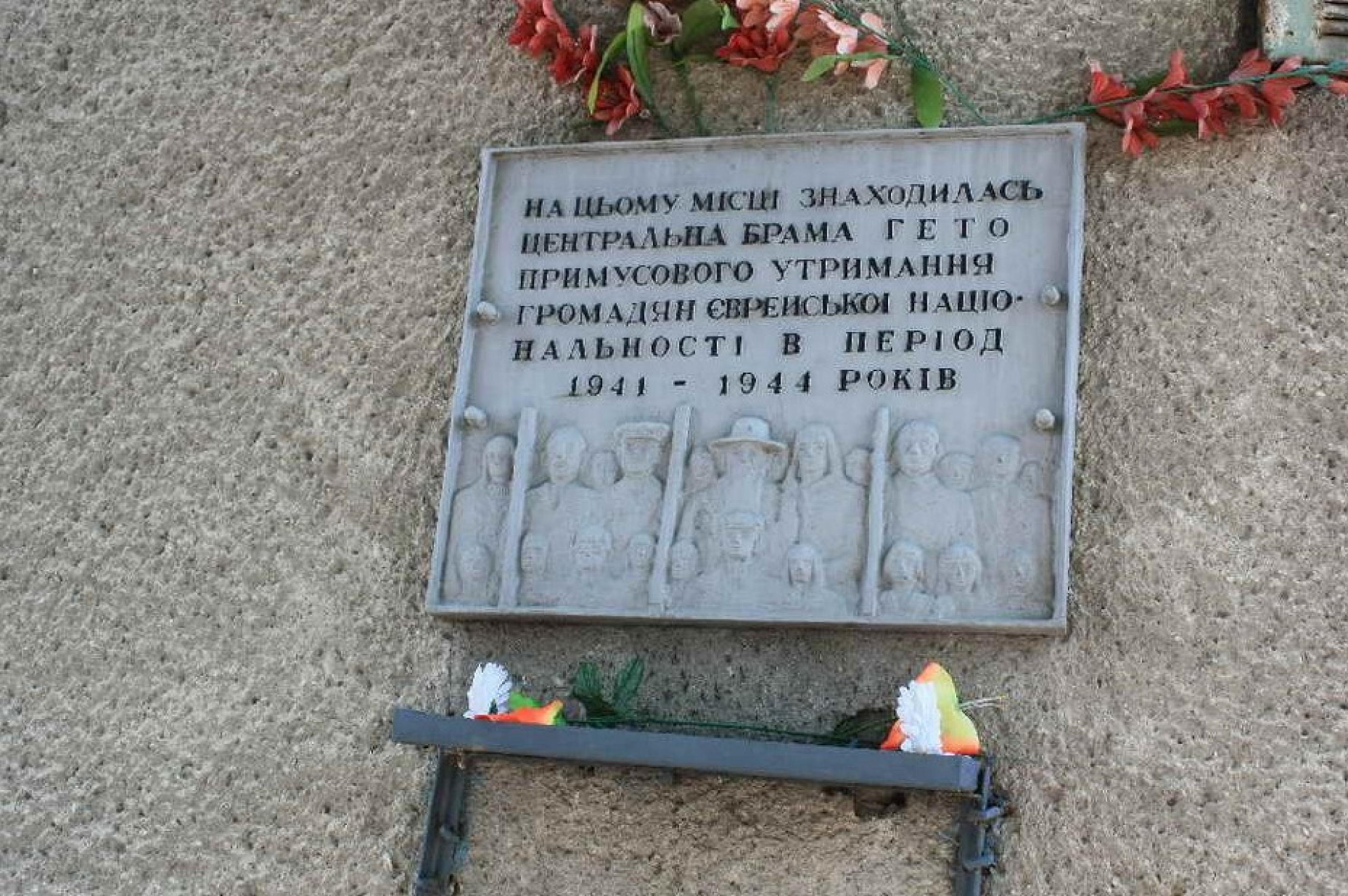
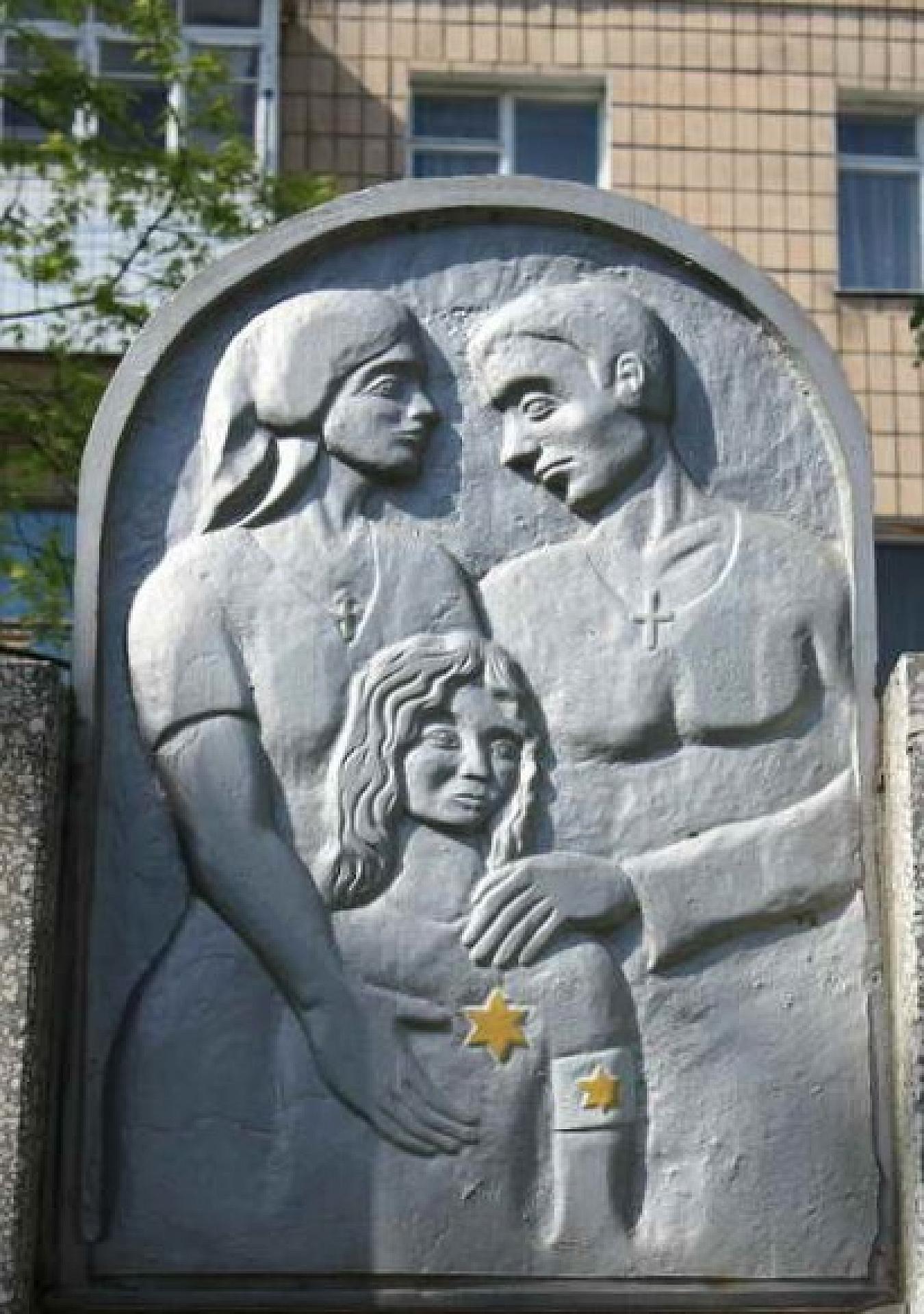
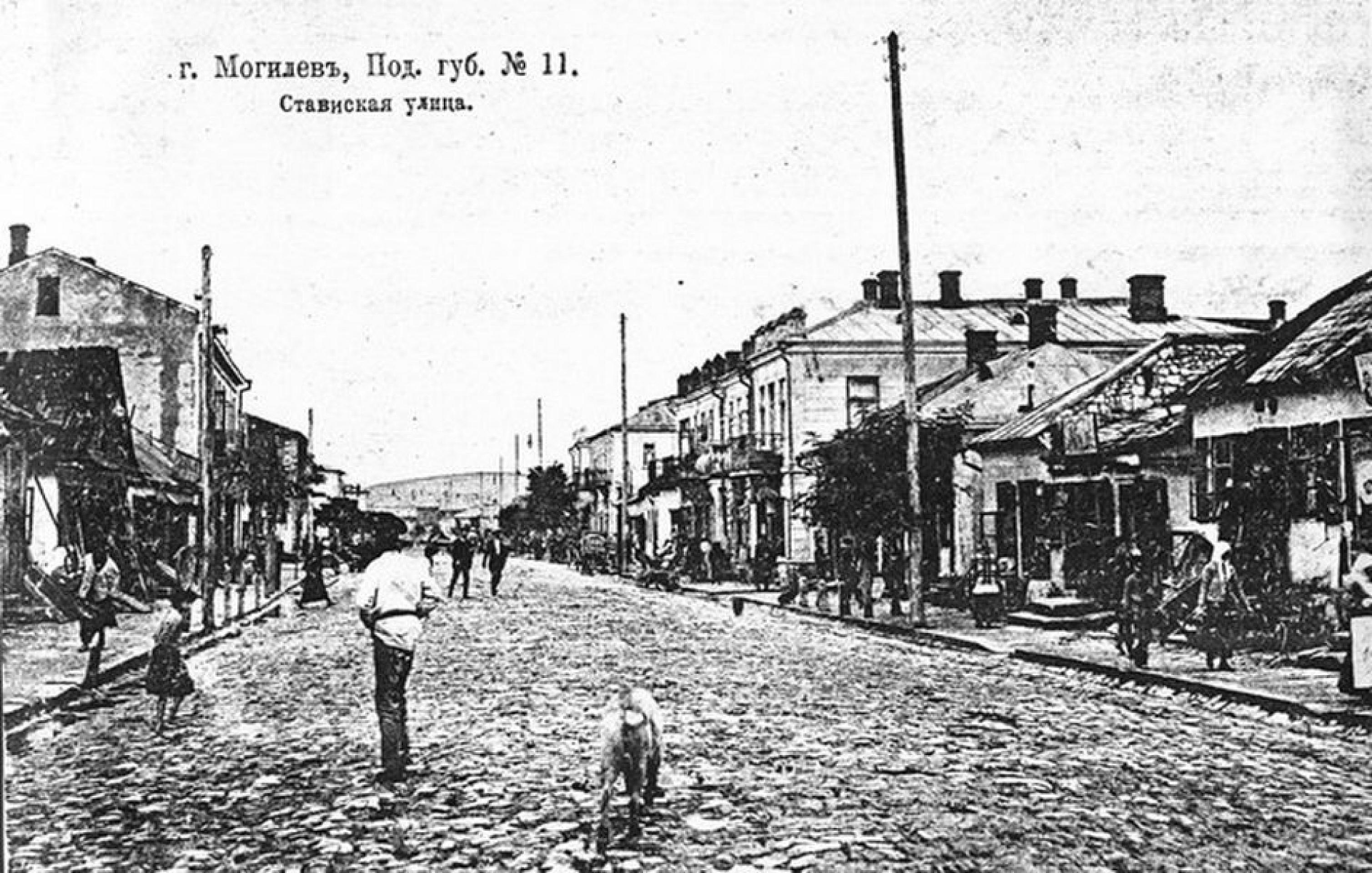
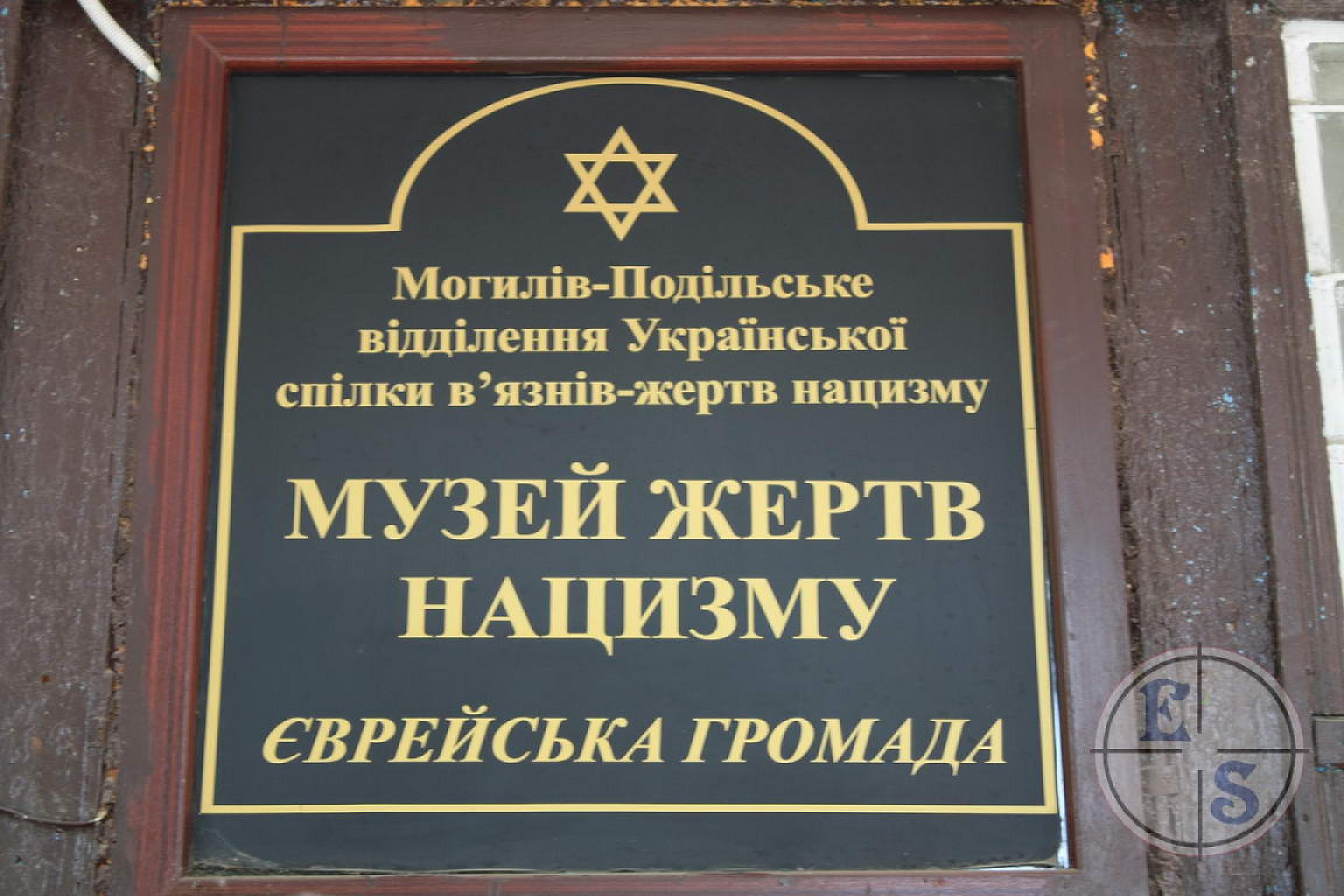
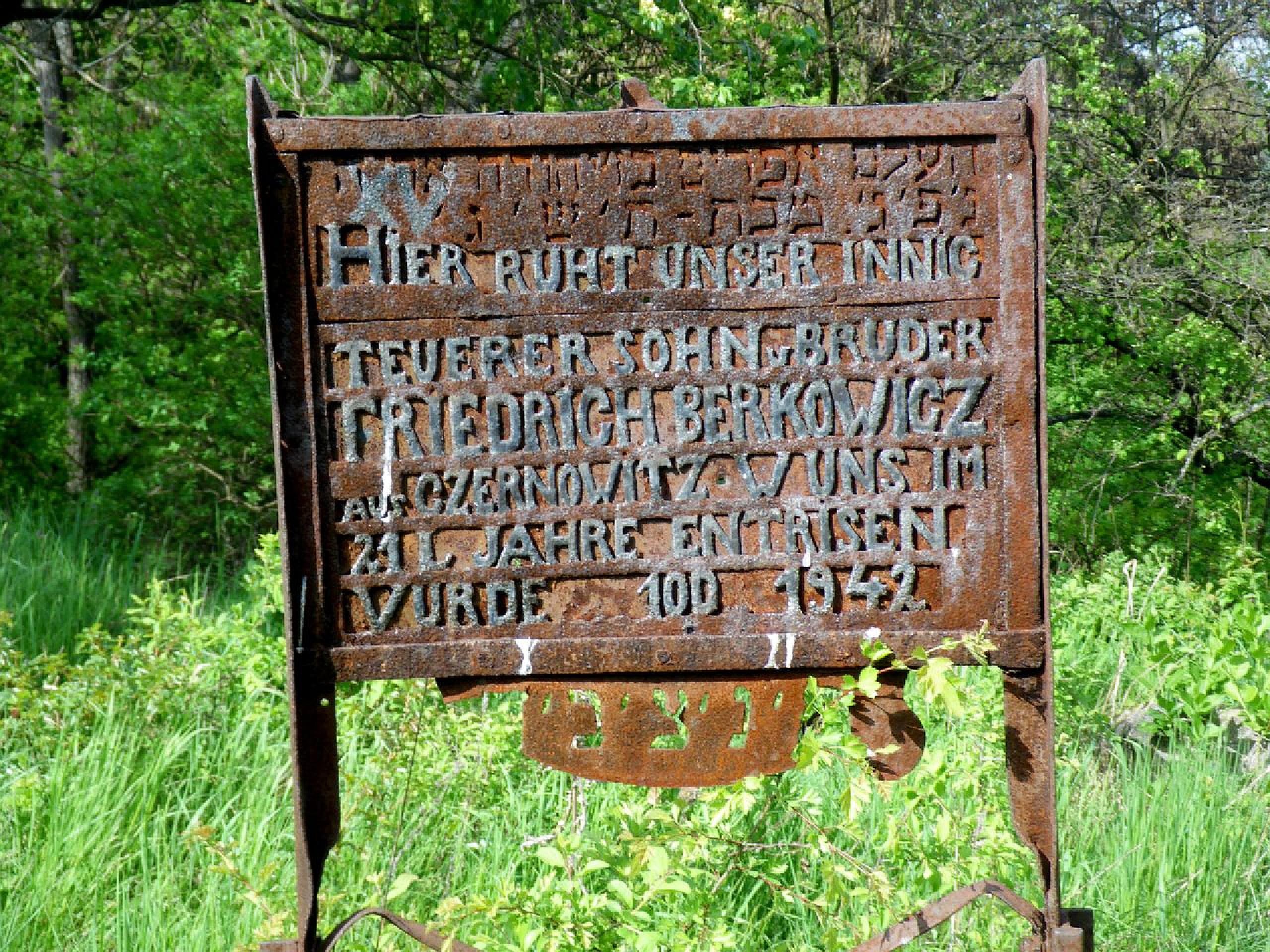
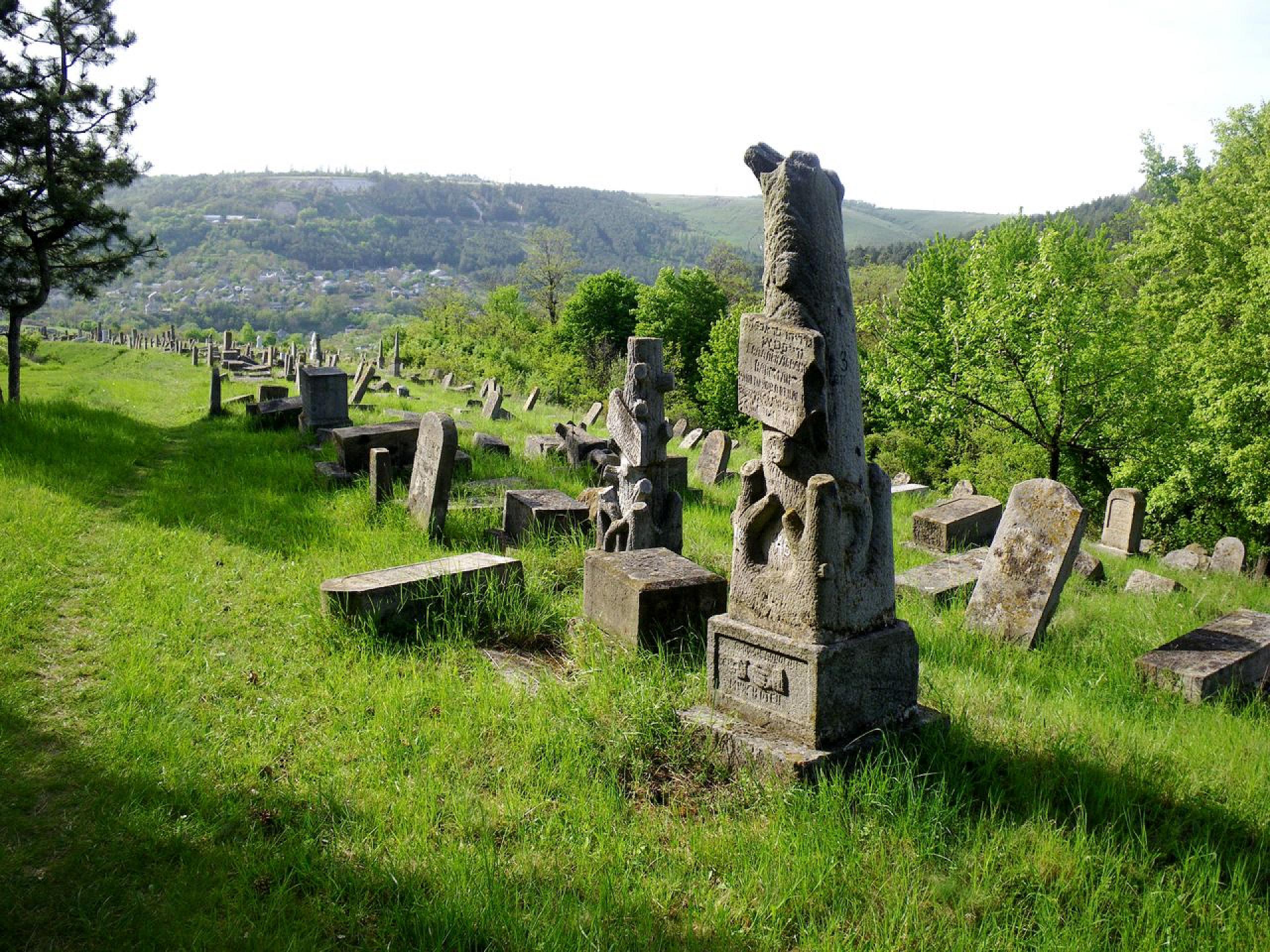
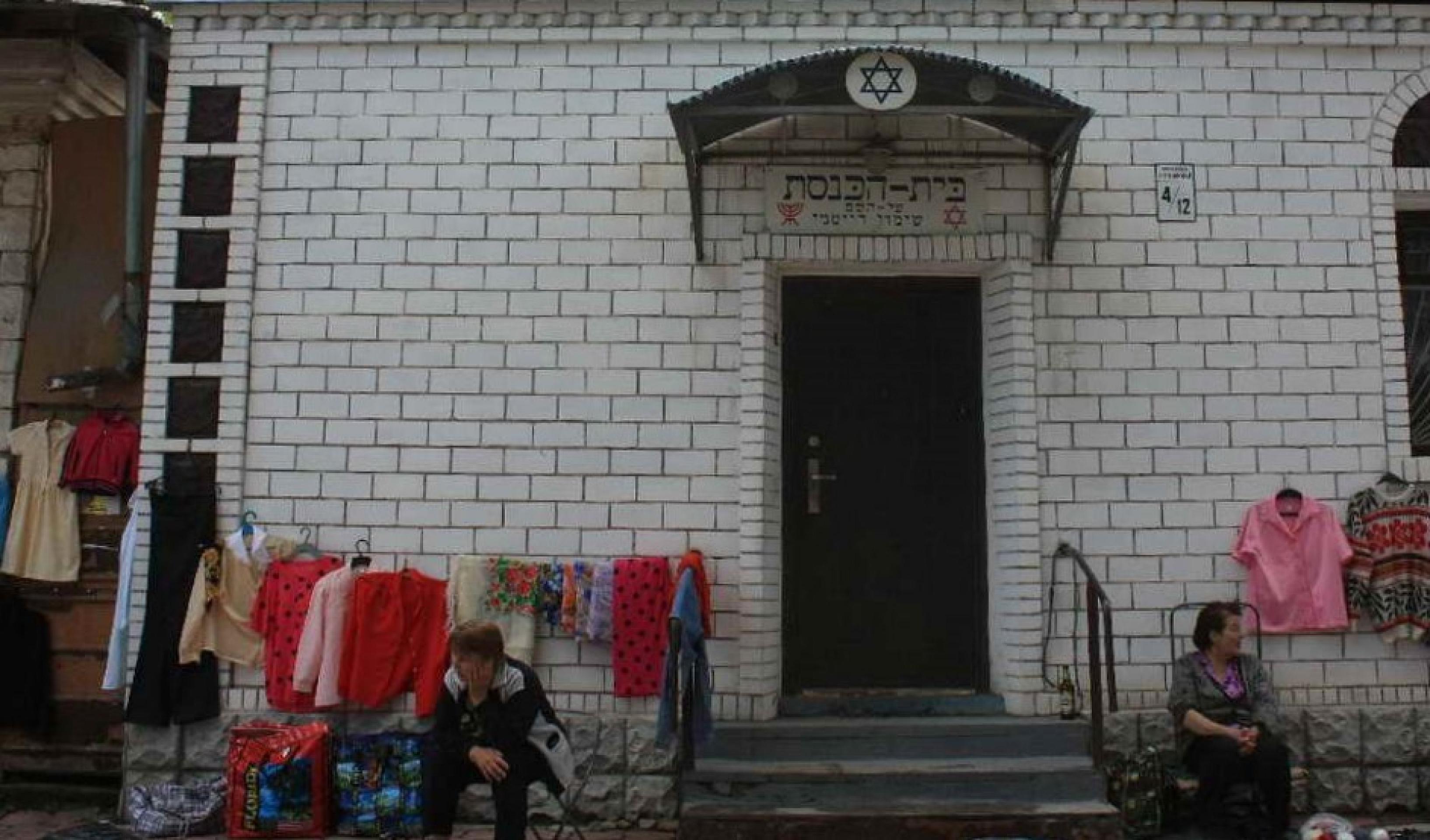
On March 19, 1944 the Red Army liberated the transit ghetto of Mohyliv-Podilskyi. In the 1950s about 5,000 Jews lived in Mohyliv-Podilskyi, approximately one quarter of the population. In the 1970s a synagogue was set up in a residential house. The Jewish community re-established itself when the Ukraine became independent, however its numbers declined: In 1989 the town had a Jewish population of 2,830. Most of them emigrated in the 1990s to the USA or to Israel. In 2001 only 300 Jews lived in the town. In 1991 a memorial plaque was mounted at the former main entrance to the ghetto on the initiative of the organisation »Association of Former Underage Prisoners of Fascism«. Also on the former site of the ghetto, in Stawiskoy Street, a memorial commemorating the victims of the transit ghetto was erected a year later. In 1995 a further memorial was dedicated on the former Jewish cemetery in the eastern part of town where more than 1,000 victims of the ghetto are buried. At the coach station a memorial plaque commemorates the Jews from Bessarabia and Bukovina who were collected there to be deported further east. In 2002 a memorial for the »Righteous among the Nations« was erected, next to the existing one in Stawiskoy Street, to honour locals who saved Jews. Abram Kaplan, chairman of the Jewish community and since 1990 head of the organisation »Association of Former Underage Prisoners of Fascism« cares for the preservation of the memorials. Together with the organisation and the Jewish community he has erected 12 memorials in the town and the surrounding villages.
Open
The memorials are accessible at all times.
Contact
http://myshtetl.org/vinnitskaja/mogilev.html
Wulizja Stawiska 34
24001 Mohyliw-Podilskyj