Memorial to the murdered Jews of Orsha
Память убитых евреев Орши / Памяць забітых яўрэяў Оршы
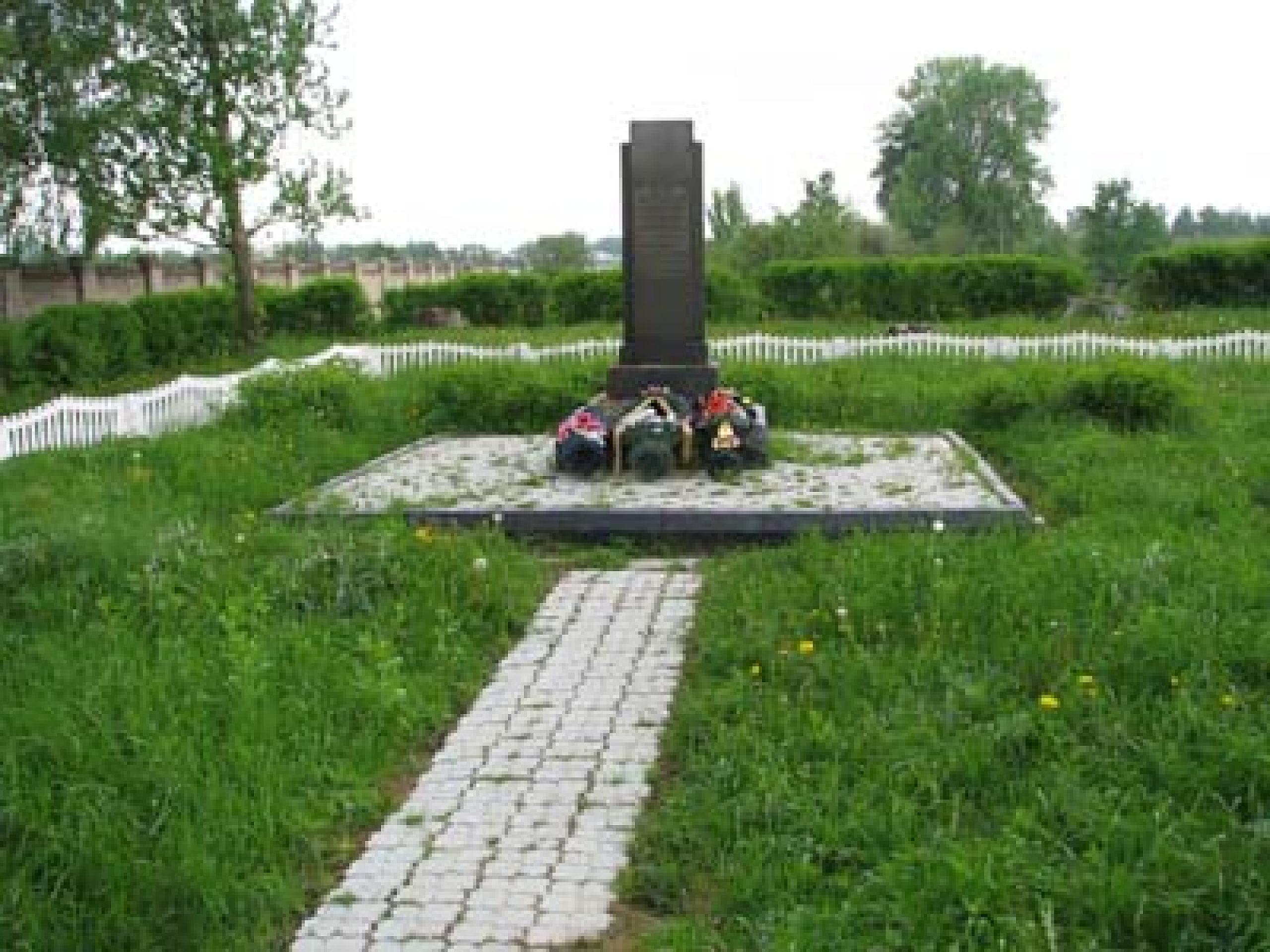
A memorial in the Belarusian industrial city of Orsha is dedicated the city's murdered Jewish children while a memorial from Soviet times commemorates the victims of the mass shootings of 1941.
History
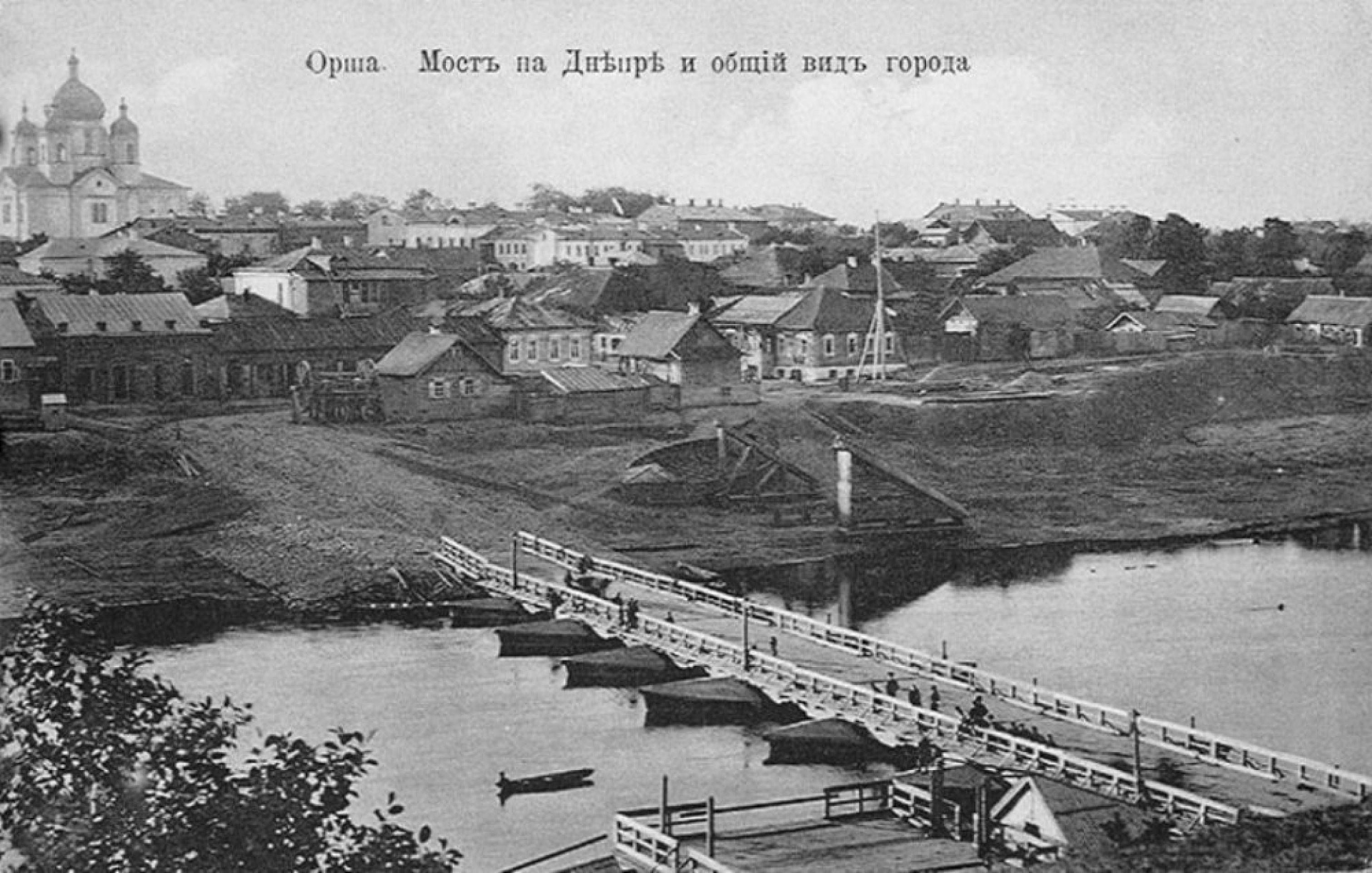
Orsha, located at the fork of the Dnieper and the Arshytsa rivers near the Russian border, was first mentioned by name in 1067. Jews lived there from the 16th century onwards and at the end of the 19th century they made up more than half of the population. On the eve of the Second World War about 8,000 Jews lived in the city.
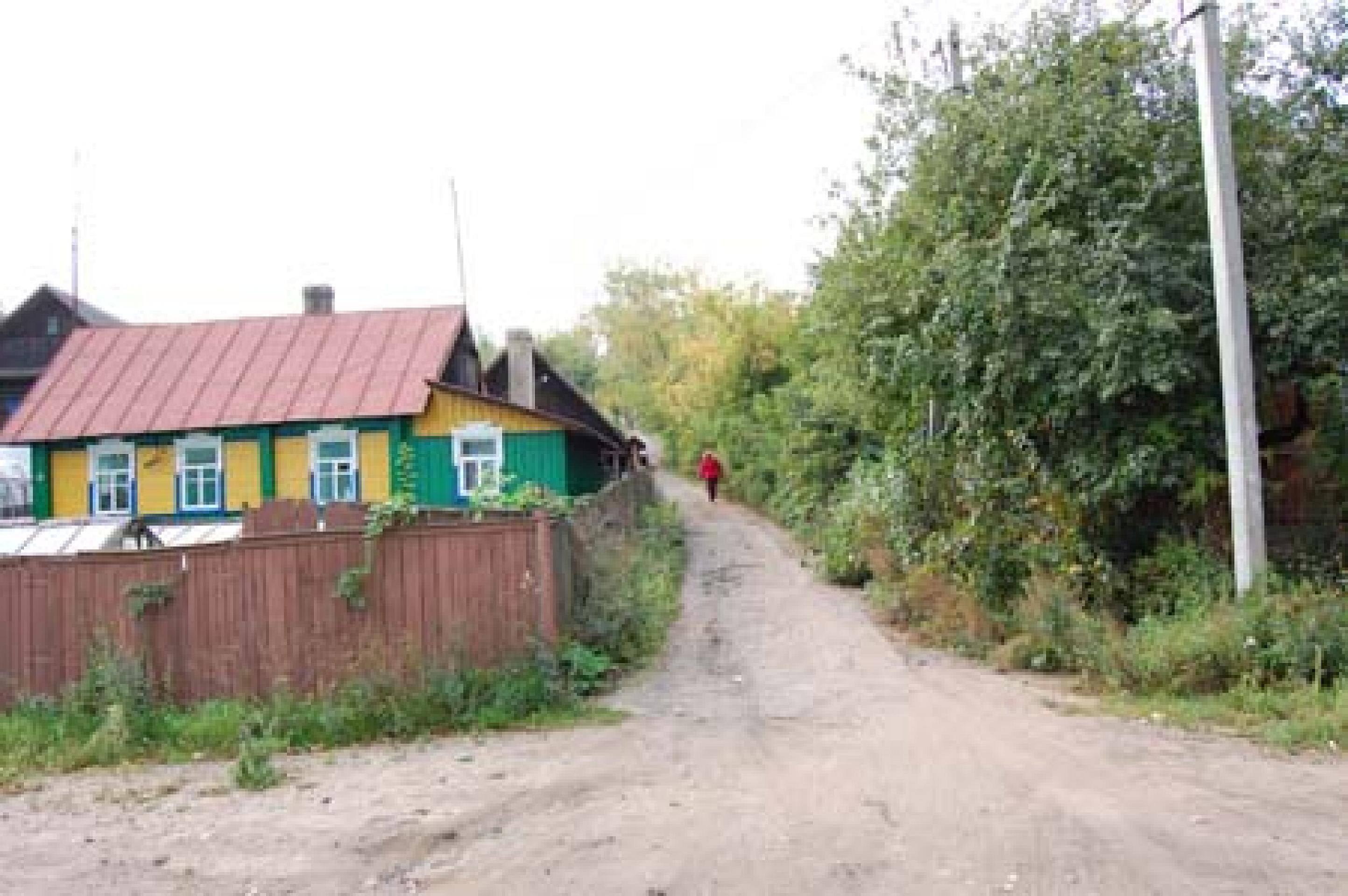
The German Wehrmacht occupied the city on July 16, 1941. About one third of the Jews had managed to flee to the East, while many Jewish men were drafted into the Red Army. The Jews who remained in the city had to wear identifying badges, hand over their valuables and conduct forced labour. At the end of August, Einsatzkommando (sub-group of Einsatzgruppe) 8 of Einsatzgruppe (mobile killing unit) B murdered 43 Jews in the forest near the village of Ponisovye. The remaining Jews from Orsha were crammed together in what is today Friedrich Engels Street in the western part of the city. In about 25 houses fenced with barbed wire, approximately 2,000 people had to live in a confined space. Caused by hunger and the miserable living conditions, a typhoid epidemic spread in the ghetto in the following months, killing many. In addition, the inhabitants of the ghetto suffered under the arbitrary violence of German and Belarusian policemen.
In September 1941, members of the Einsatzkommando 8 drove hundreds of Jews to a pit at the mouth of the Arshytsa into the Dnieper and shot them there. On November 25, 1941 the Security Service of the SS (SD) under Obersturmführer (Lieutenant of the SS) Reschke took command of the ghetto. On November 26/27 the ghetto was dissolved and its inhabitants murdered save for 30 skilled workers. The Jews were driven by German and Belarusian policemen to the Jewish cemetery, where members of Einsatzkommando 8 shot them. At the beginning of October 1943 the Sonderkommando (special unit) 1005 arrived in Orsha, whose task was to destroy the evidence of the mass shootings by opening the mass graves and burning the bodies.
Victims
At the end of August, members of Einsatzkommando 8 of Einsatzgruppe B shot 43 Jews, accusing them of sabotage and communist activities. About one month later Einsatzkommando 8 shot about 800 Jews in Orsha. 2,000 Jews were confined into the ghetto, many dying of hunger and disease. On November 26 and 27, 1941 members of Einsatzkommando 8 shot all the Jews of the ghetto. In the days that followed all children from Christian-Jewish imxed marriages were murdered. According to the Soviet Extraordinary Commission, which investigated the occupation crimes after the liberation of Orsha, a total of approximately 6,000 Jews might have been murdered in Orsha.
Remembrance
The Red Army recaptured Orscha on June 27, 1944. Only a few of the city's Jews had survived the Holocaust. Some had managed to hide among the inhabitants or to cross the front lines and flee to the interior of the Soviet Union. Still others had joined the Red Army or partisan units. After the end of the war some Jews returned to Orsha so that in 1970 the city's Jewish population numbered up to 1,000 again. After the end of the Soviet Union many Jews emigrated from Orsha and Belarus.
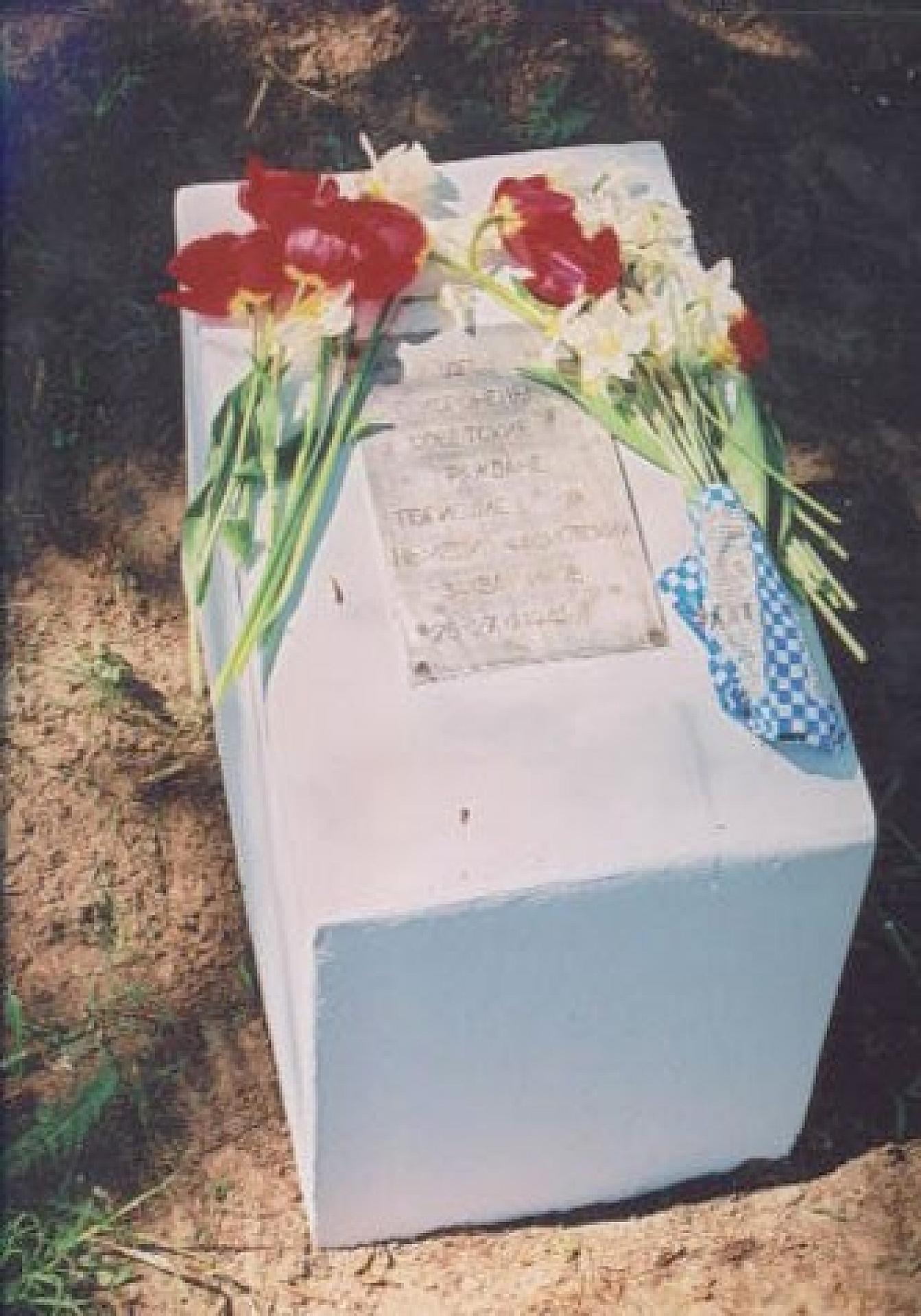
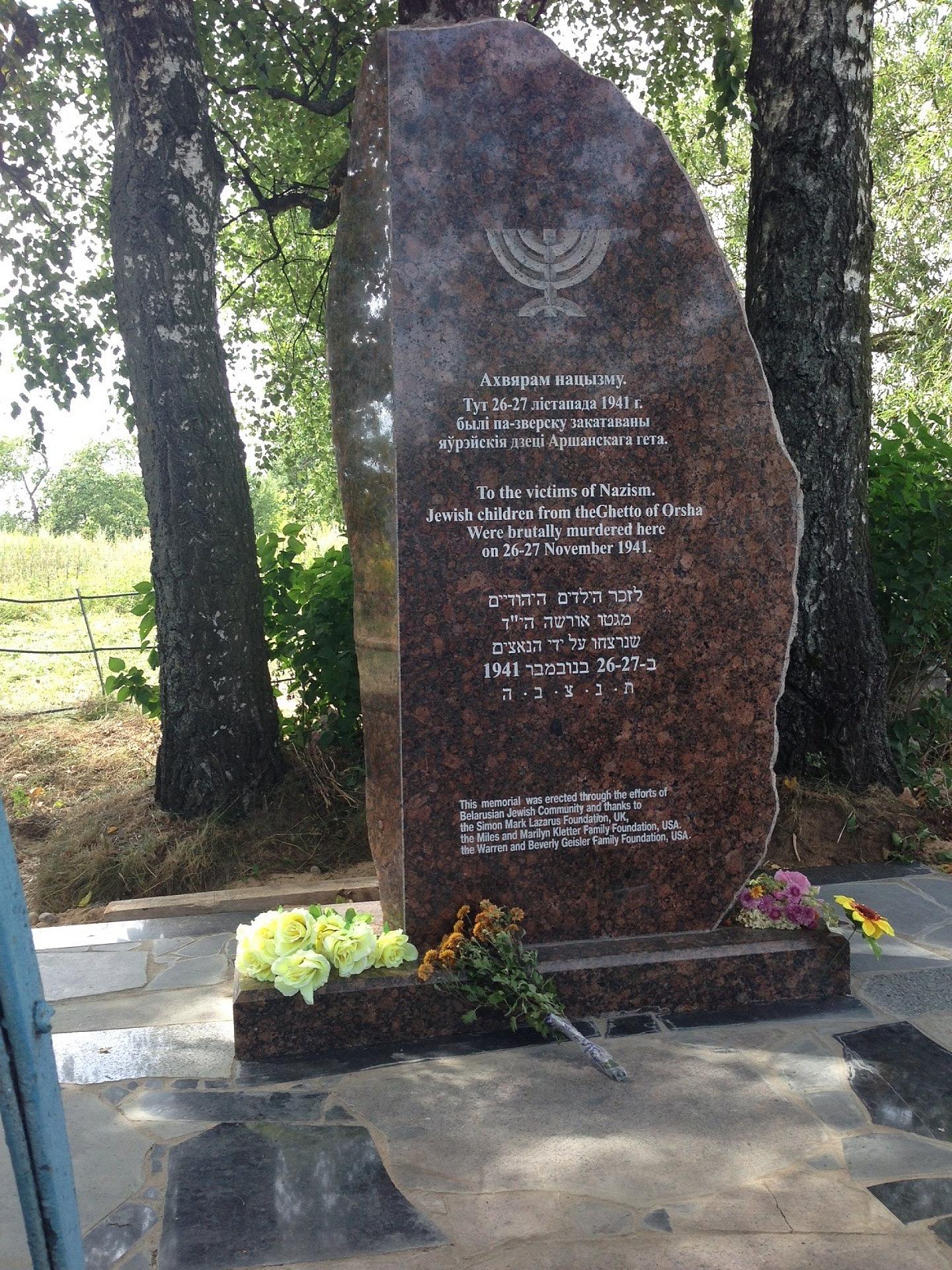
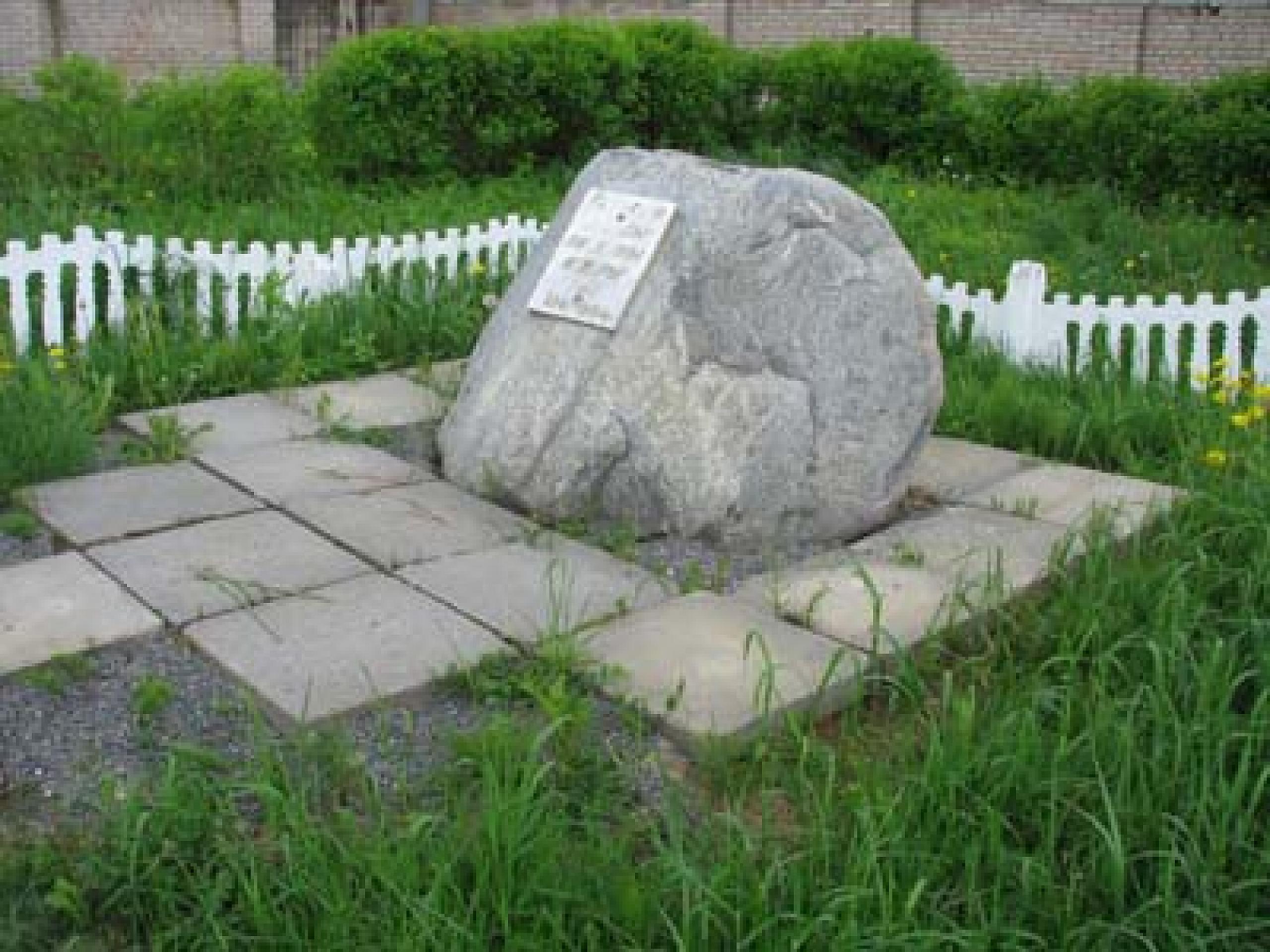
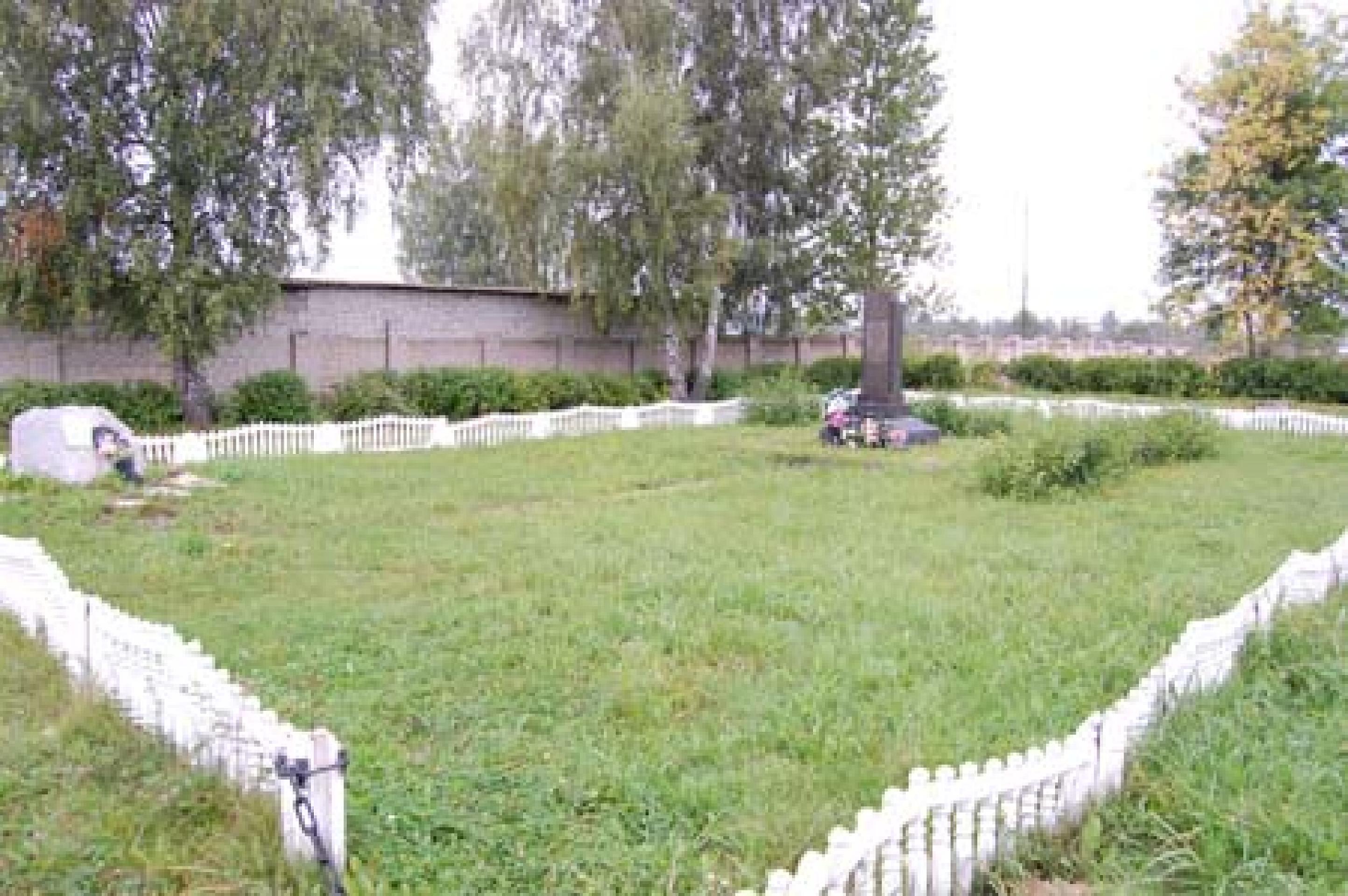
The Jewish community erected the memorial on the site of the mass shootings of November 26 and 27, 1941 in the Jewish cemetery in 1968. The memorial stone and the obelisk are surrounded by a white fence. The Russian inscription on the obelisk reads: »Soviet citizens are buried here, perished at the hands of the German-Fascist invaders«. In a grove next to the cemetery there was another memorial stone. It was replaced by a new monument in 2014 erected by the Union of Belarusian Jewish Community Organizations together with the Jewish community from Orsha. It is dedicated in Belarusian, English and Hebrew to the Jewish children from Orsha, murdered in November 1941.
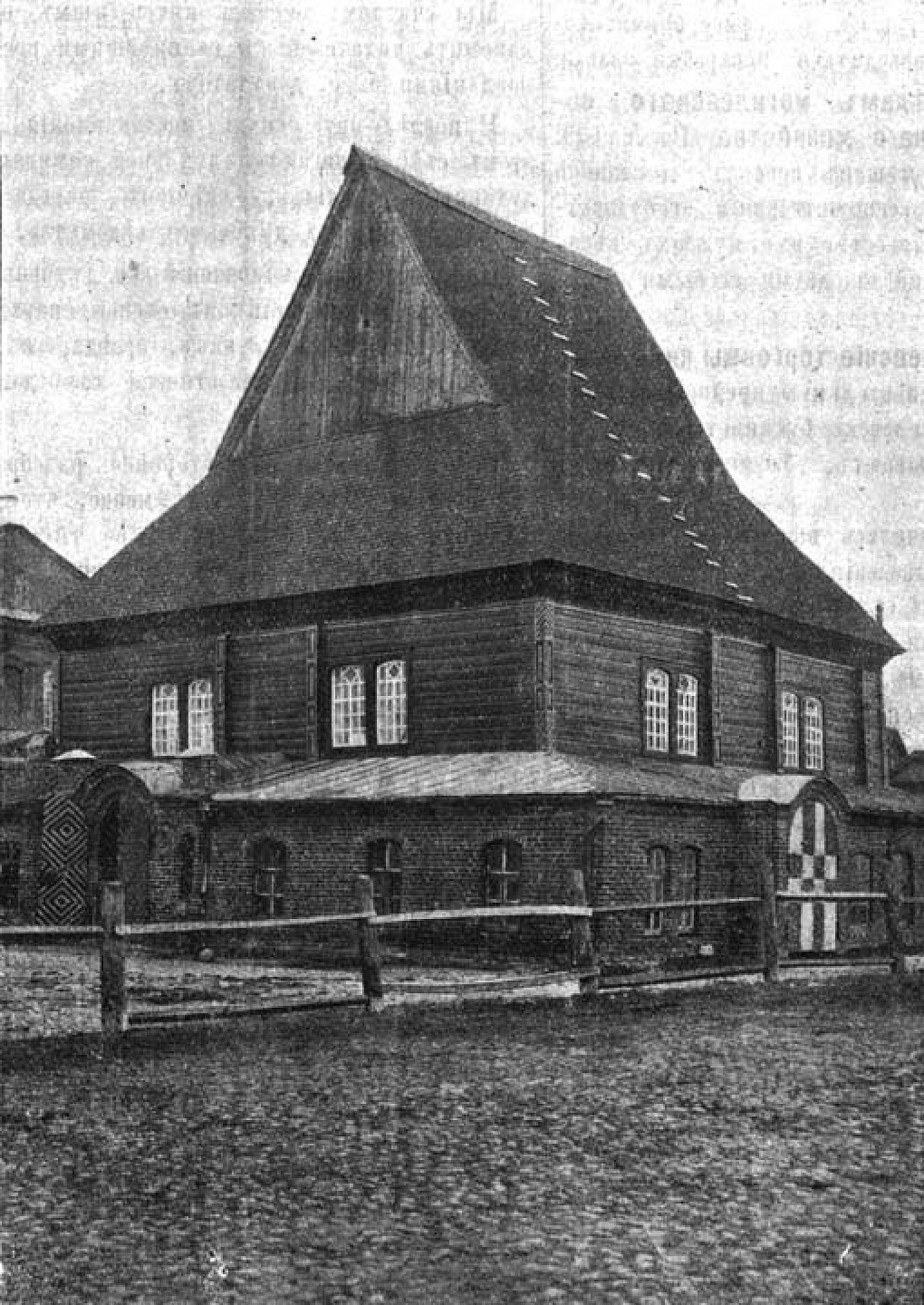
In 2005 the Jewish community in Orsha regained the building of its synagogue from pre-war times. Today it also takes care of the preservation and care of the Jewish cemetery on Friedrich Engels Steeet and is involved in the restoration of memorials in the surroundings of Orsha.
Open
The memorials are accessible at all times.
Contact
Friedrich Engels Ulitsa
211030 Orscha