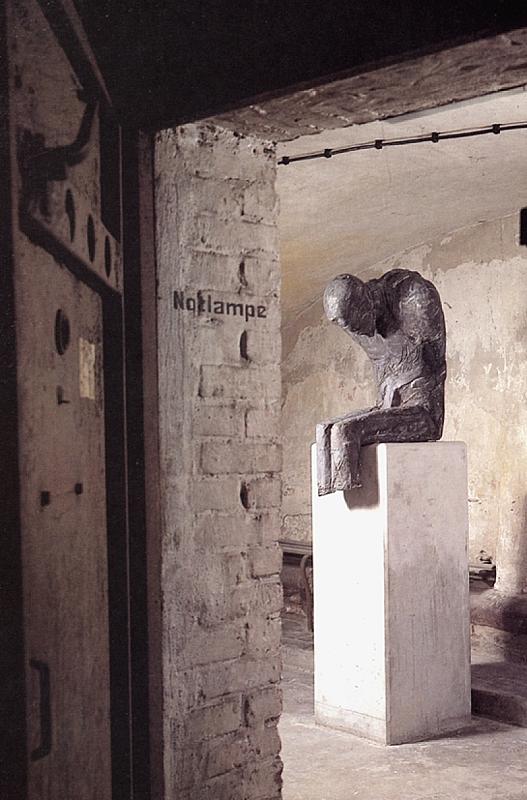
Memorial to the murdered Jews of Plyskiv
Меморіали жертвам Голокосту у Плискові
In the small Ukrainian town of Plyskiv, memorials at two former sites of mass executions of Jews commemorate the victims.
History
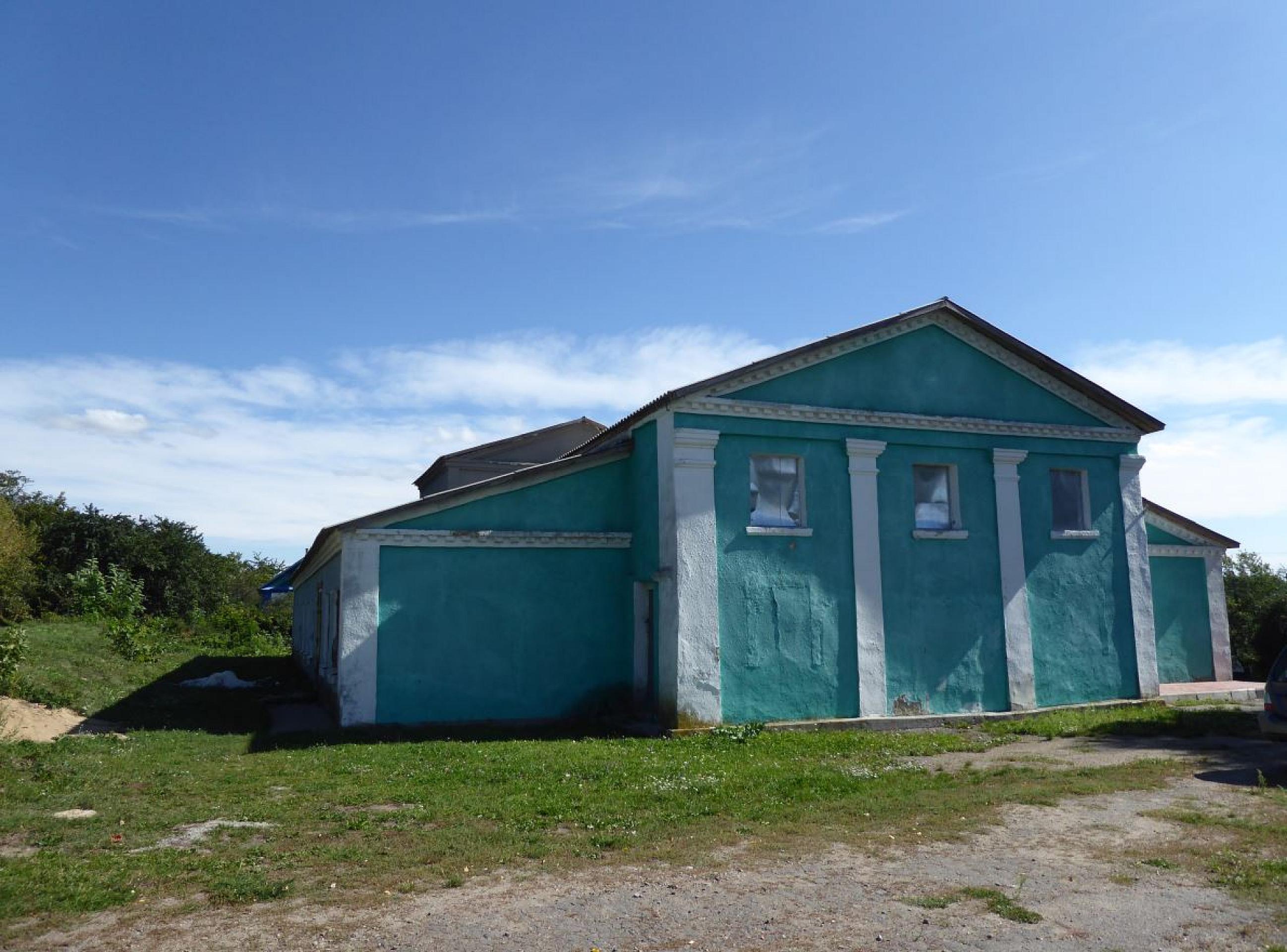
Plyskiv is a small town located 55 kilometers northeast of Vinnytsya. In 1897 almost half of the approximately 4,000 inhabitants of Plyskiv were Jews. In 1919 and 1920 there were at least five targeted attacks on Jews: the perpetrators were Ukrainian nationalists, marauding Polish troops or members of the Red Army, depending on the course of the front during the Russian civil war. By 1926 only about a third of the population was still Jewish and by 1939 their number had fallen to less than a quarter, as many Jews moved to large cities.
The German Wehrmacht occupied Plyskiv on July 23, 1941, at which time about 600 Jews resided there, while approximately 300 Jews had managed to escape or join the Red Army earlier. The Germans set up a Ukrainian police unit, Jews had to conduct forced labour. In late August or early September 1941, men of Einsatzkommando (sub-group of Einsatzgruppe) 5 of Einsatzgruppe (mobile killing unit) C shot and killed 20-25 young Jewish men at an unknown location. Presumably on September 8, another group of 20-25 Jews was shot dead.
On October 22, German units shot and killed about 500 Jews, the vast majority of the Jews living in Plyskiv, in the woods north of the city near a livestock cemetery. Previously, German and Ukrainian police had looted Jewish houses for two days. Excesses of violence occurred: numerous Jews were beaten to death, women and girls were raped. The next day the killing continued: at least 120 Jews were shot dead in the yard of the former NKVD (Soviet Ministry of the Interior) building. After that, several hundred Jews, many of them from outside the city, lived in an overcrowded ghetto in Plyskiv. On May 27, 1942 most of them, a total of 360 Jews from Plyskiv, Dziunkiv and Spychyntsi, were murdered in the woods. The perpetrators were probably members of the German Security Police stationed in Vinnytsya.
Victims
Between late summer 1941 and spring 1942 there were several murder operations against Jews in Plyskiv. In total, German units murdered about 1,000 Jewish children, women and men in Plyskiv.
Remembrance
Only about 16 Jews in and around Plyskiv survived the Holocaust. After the liberation of the city by the Red Army in January 1944, a Soviet commission of inquiry investigated the city, but its findings remained vague and contradictory. Neither at the war crimes trials in Nuremberg, nor at later trials in West Germany were perpetrators ever explicitly held responsible for crimes committed in Plyskiv.
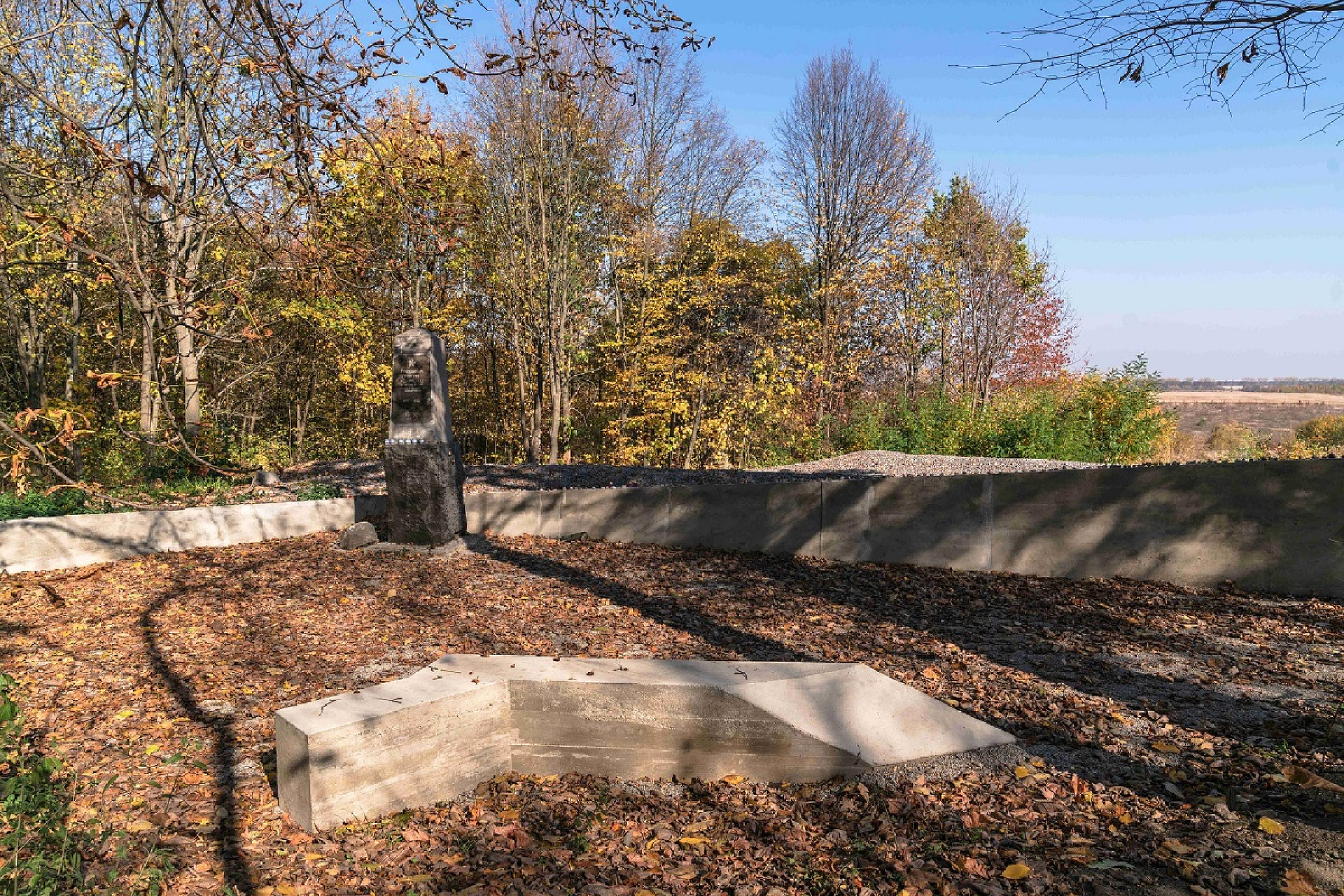
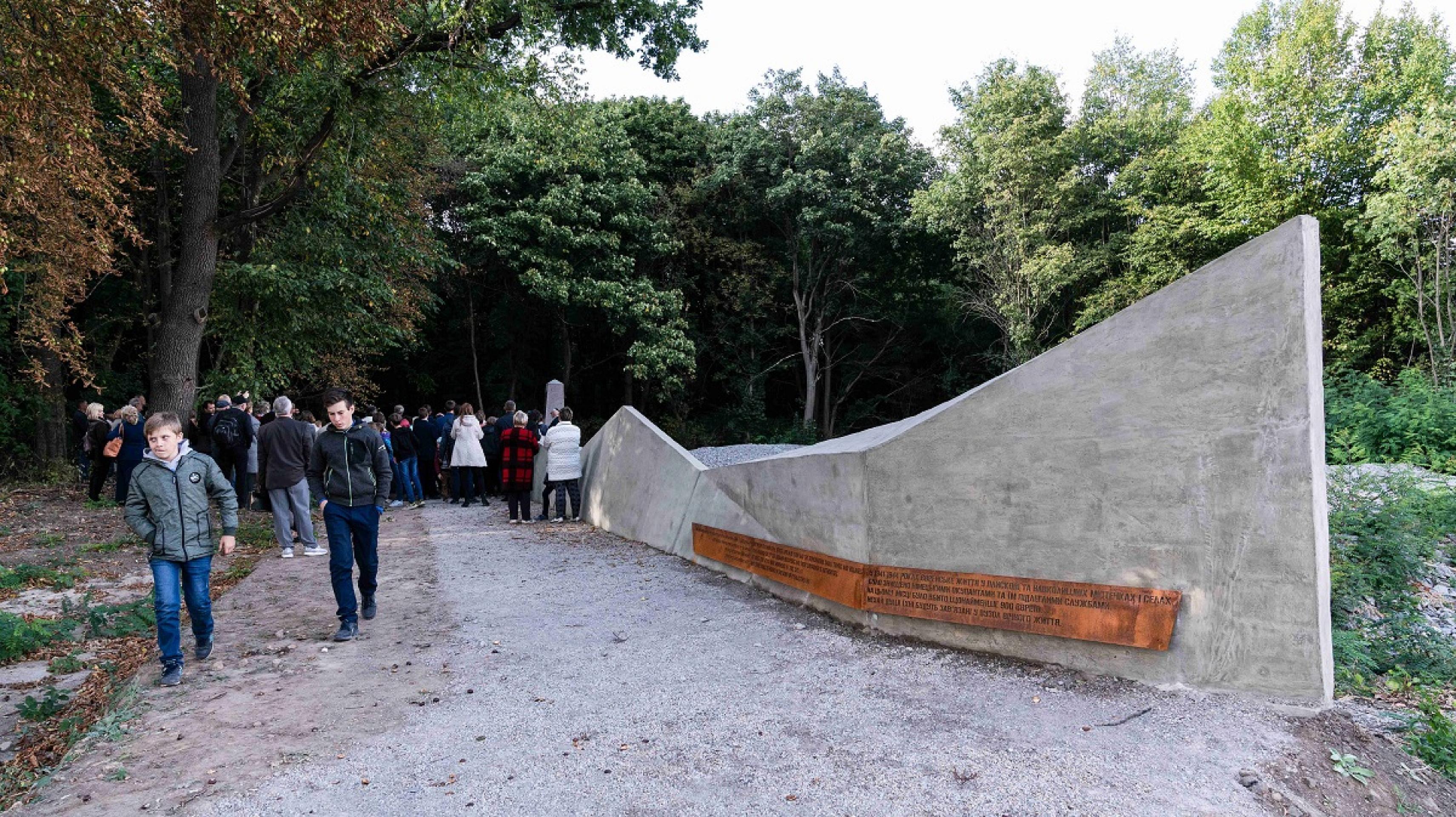
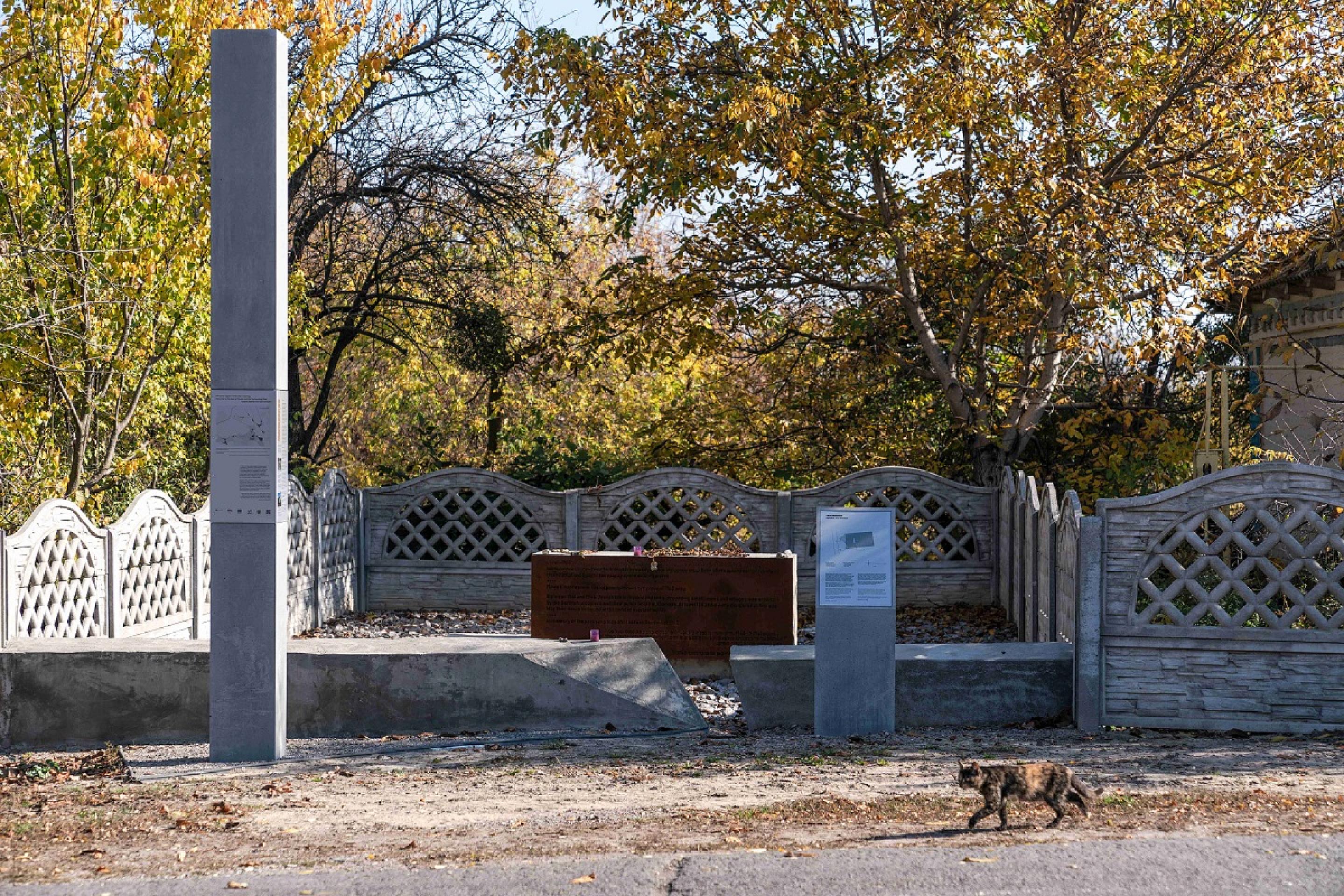
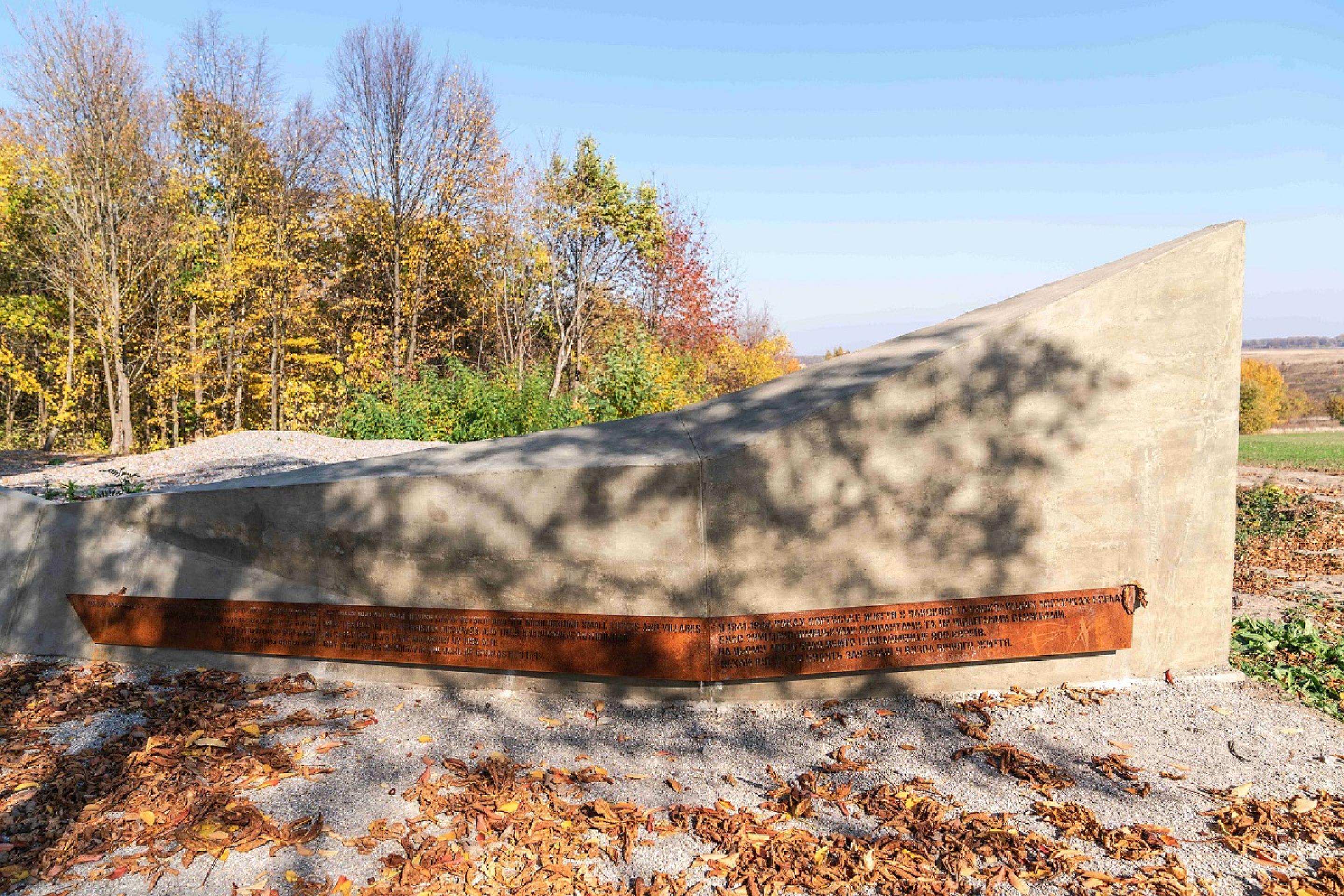
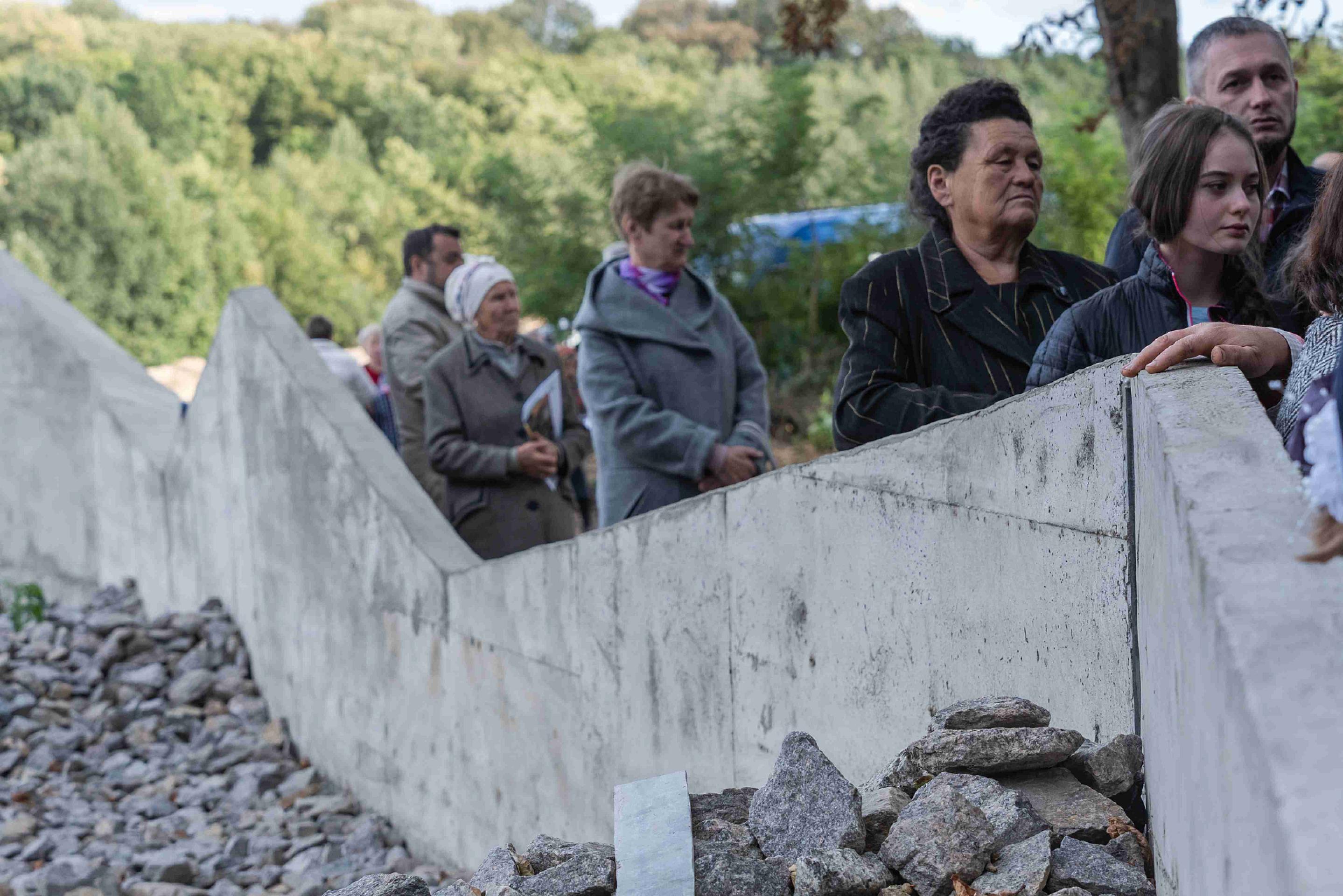
In Soviet times, memorials for the Jewish victims were created in two places. Probably in 1976 a memorial was erected at the site of the large mass shootings in the forest. The obelisk bore a five-pointed star and a Russian inscription, but this did not indicate the Jewish identity of the victims. The second memorial was created at the site of the mass shooting of October 23, 1941, where the presumed site of a mass grave was fenced in. Except for the fence, nothing indicated the crimes committed here. As part of the »Protecting Memory« project, which is based at the Berlin office of the Foundation Memorial to the Murdered Jews of Europe", non-invasive archaeological investigations were carried out at both sites in 2016 and 2017. In both places the presence of mass graves could be scientifically confirmed. As a next step, new monuments and information stelae were erected at the two sites as part of the »Protecting Memory« project, which were inaugurated in September 2019.
Open
The memorials are accessible at all times.
Contact
https://netzwerk-erinnerung.de/places/plyskiw/
kontakt@netzwerk-erinnerung.de