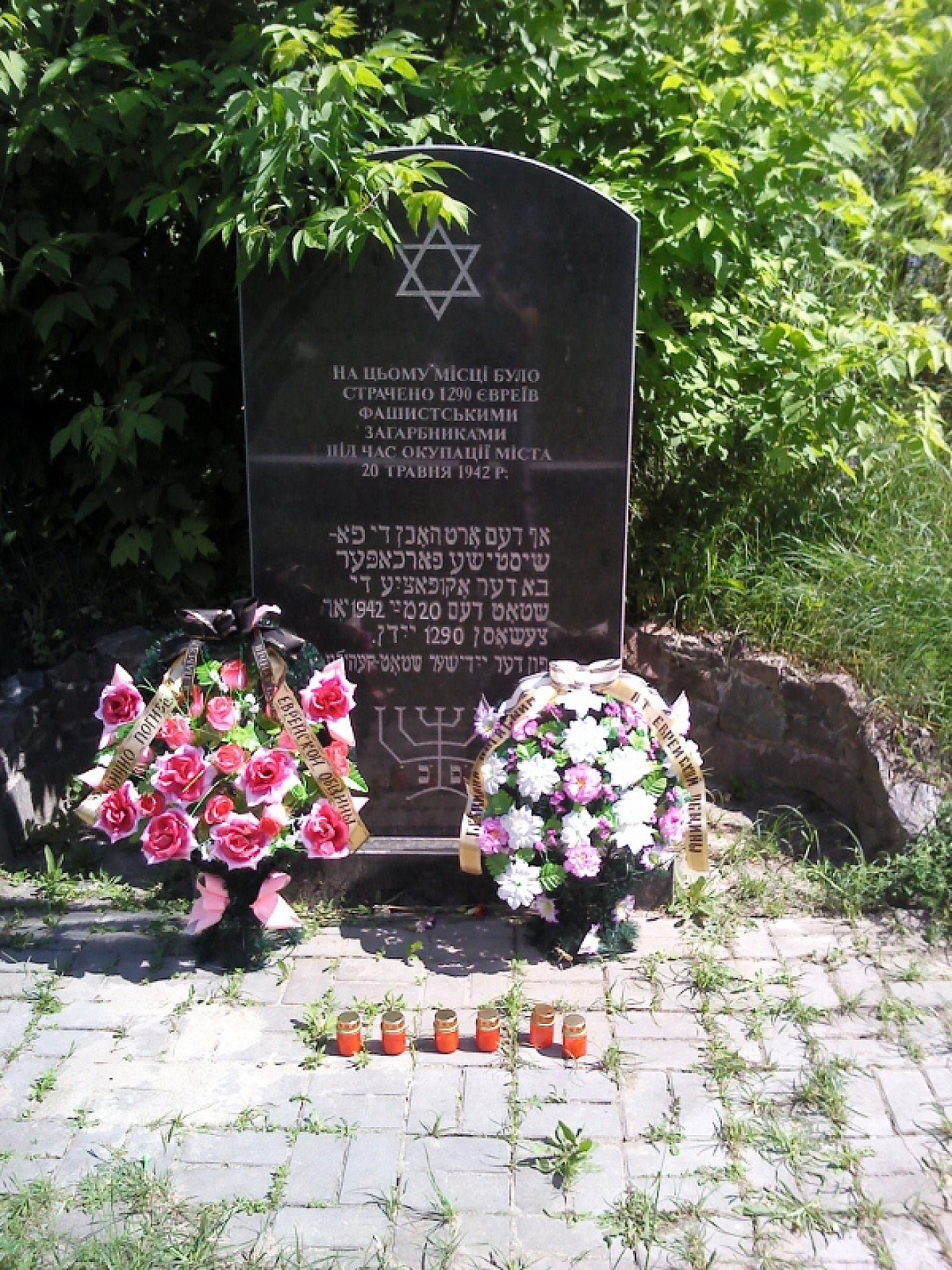
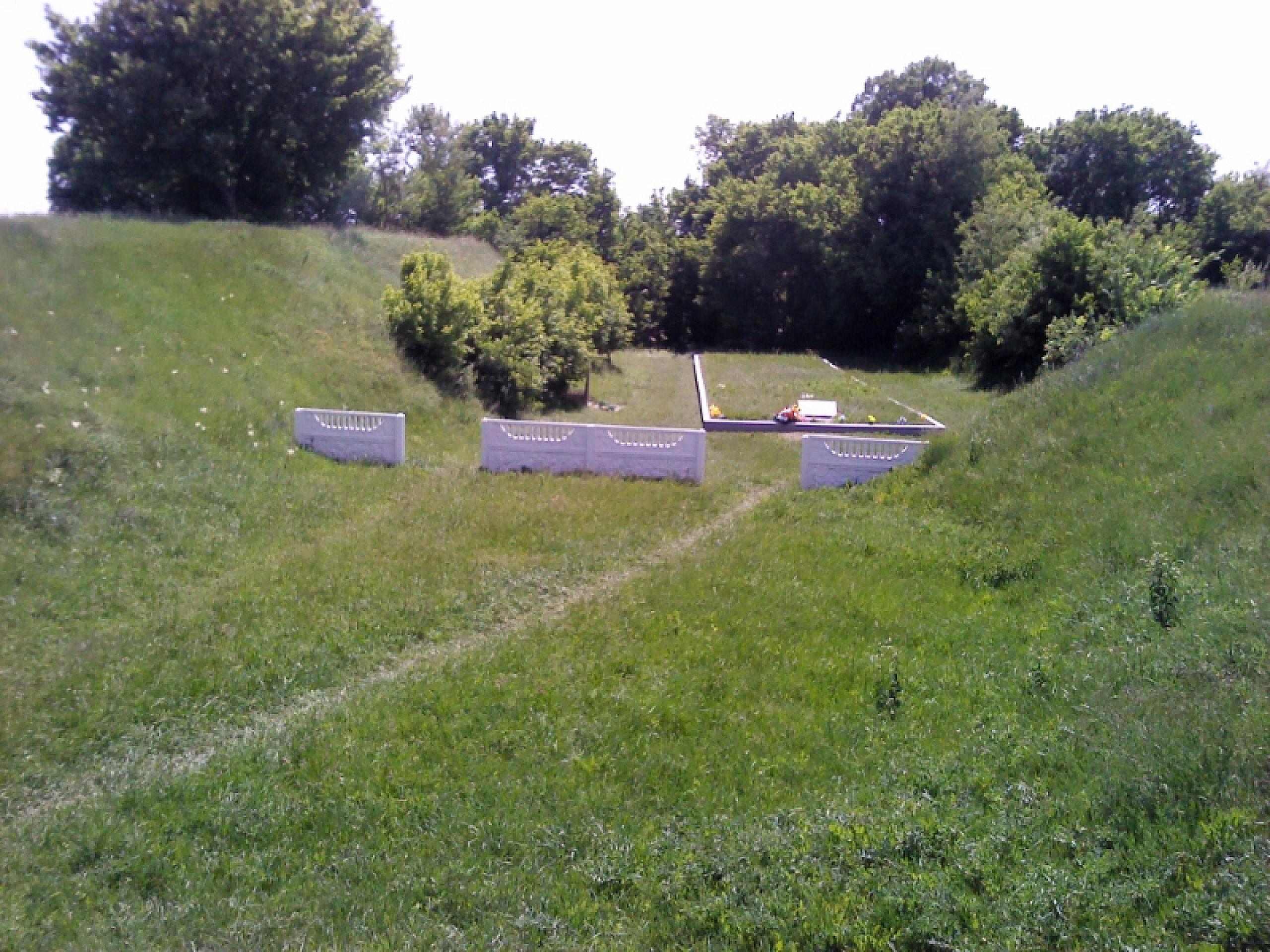
Since 2005 a memorial on the eastern outskirts of Pryluky (Russian: Priluki), in a depression called »Pliskunowka«, commemorates the approximately 1,290 Jews who were shot there by German units on May 20, 1942.
History
Pryluky, located about 120 kilometres north-east of Kiev on the shore of the Udai River, is an important industrial centre in the region. The city was first mentioned in 1085, Jews lived there from the 17th century. The Jewish community was almost extinguished during the Khmelnytsky uprising in 1648. When Pryluky was part of the Russian tsarist empire, Pryluky's Jews experienced a period of economic prosperity. In the turmoil after the October Revolution of 1917, many Jews perished in anti-Jewish pogroms and famines.
In 1939, the number of Jewish inhabitants was approximately 6,140, which was about 17 percent of the city's population. After the invasion of the Soviet Union, the German Wehrmacht occupied the city on September 18, 1941. Most of the Jews had fled to the East before or joined the Red Army. The German military administration set up a Ukrainian police force and forced the remaining Jews to wear badges and conduct forced labour. On January 1, 1942 the German occupying forces set up a ghetto. Members of the Ukrainian uniformed police forced all Jews to move to the quarter around the market hall. Afterwards it was fenced with barbed wire. Many Jews were saved from starvation because non-Jewish inhabitants of Pryluky smuggled food into the ghetto through underground tunnels. A month later, the field commander's office counted 1,178 Jews in the city. Shortly afterwards, most of the Jewish men were murdered in by military police and buried at a racetrack behind the local prison together with non-Jewish victims. On May 20, 1942 the occupiers and their accomplices gathered all the Jews of the ghetto who were still alive under the pretext that they would be resettled. Afterwards, they took the inhabitants of the ghetto together with Jews from surrounding villages to a sink called »Pliskunovka« on the eastern outskirts of the city where they shot all of them and buried them in several pits. In the following months, the Germans murdered further Jews who had previously managed to escape.
Victims
In Pryluky not only Jews from the city itself but also Jews from other places in the Chernigov region were murdered. The total number of victims is unknown. On May 20, 1942 members of the SD- Sonderkommando Plath (special unit of the Security Service of the SS) under the command of SS Hauptsturmführer Julius Plath murdered all inhabitants of the Pryluky ghetto, as well as Jews from surrounding places. They were supported by local helpers and members of the German military police. About 1,290 Jews were shot this day altogether.
Remembrance
On September 18,1943 the Red Army liberated Pryluky. Only few Jews survived the German occupation. After the war, many Jews who had previously fled into the interior of the country returned. In 1959 the city had about 2,000 Jewish inhabitants. In the late 1980s, a new Jewish community was founded. In the 1990s, many Jewish residents emigrated to Israel, Germany and the USA.
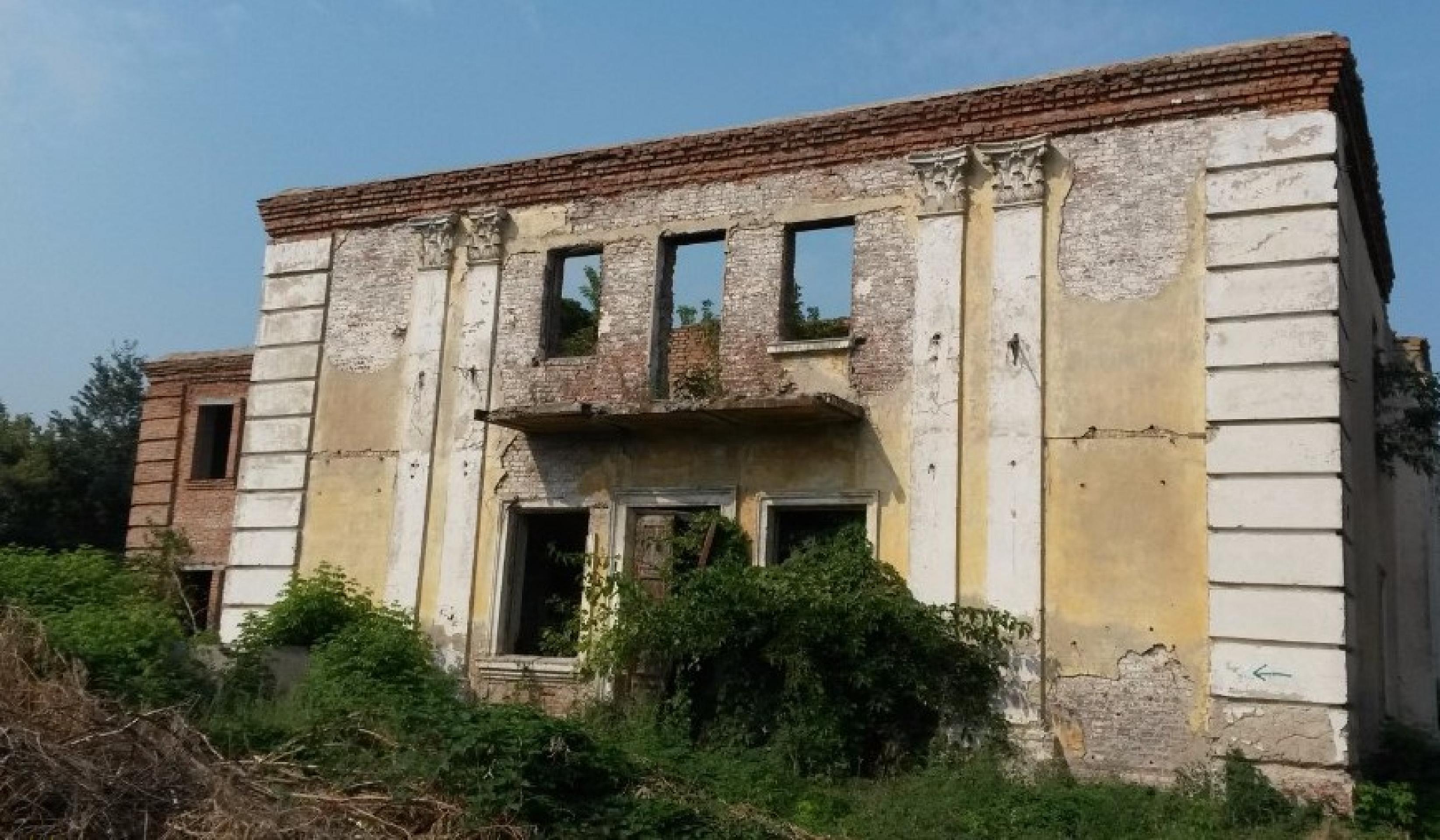
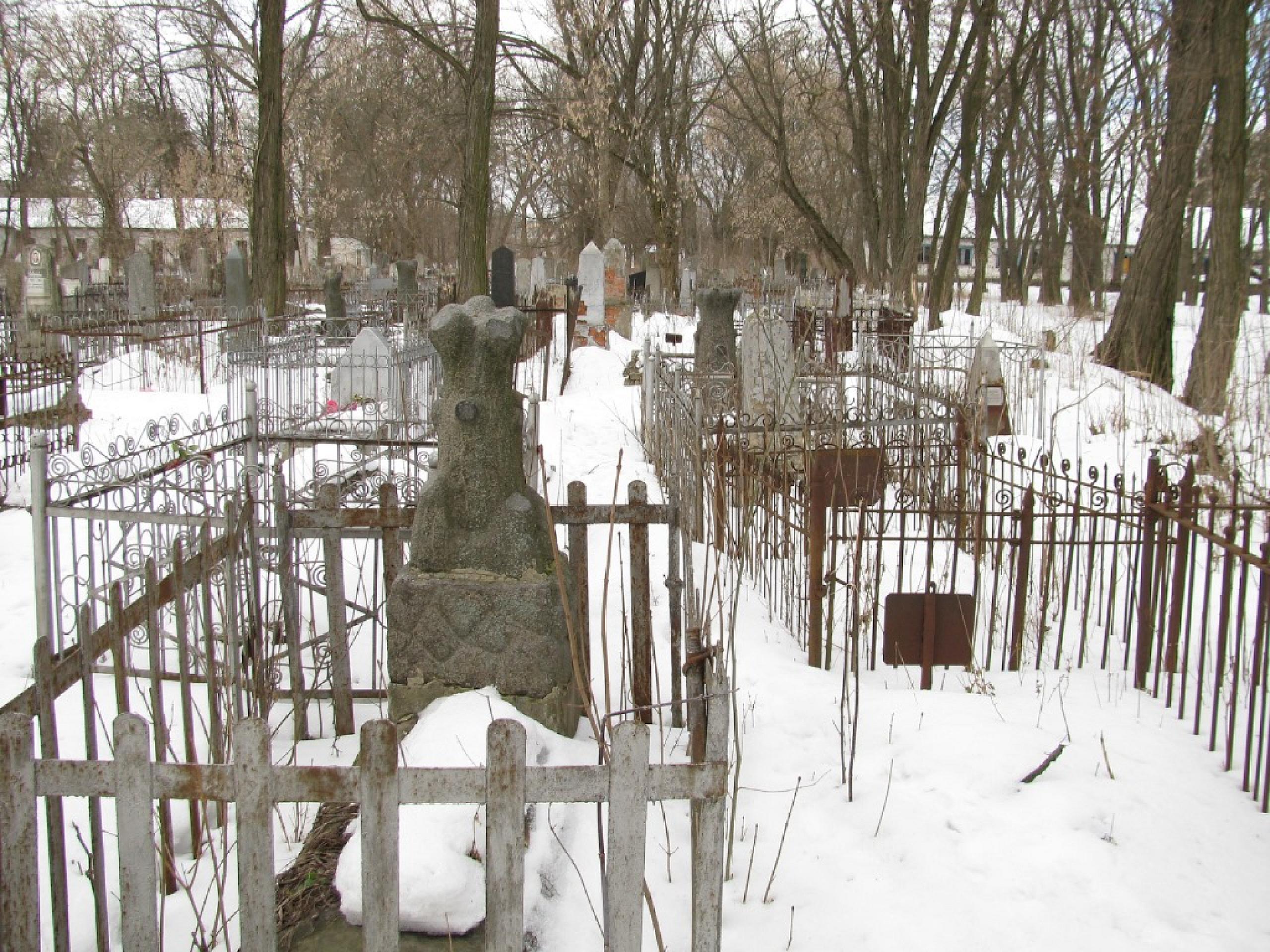
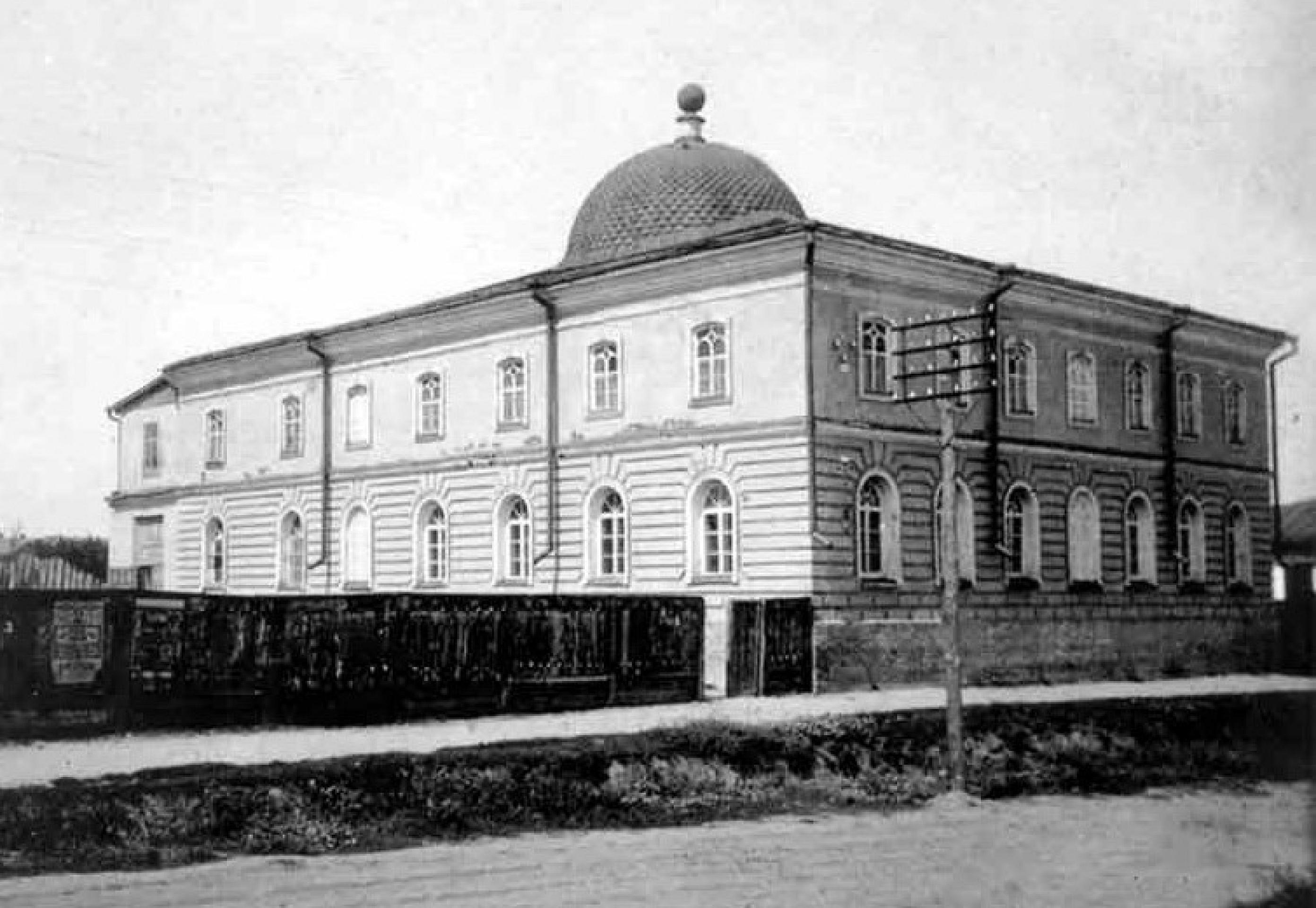
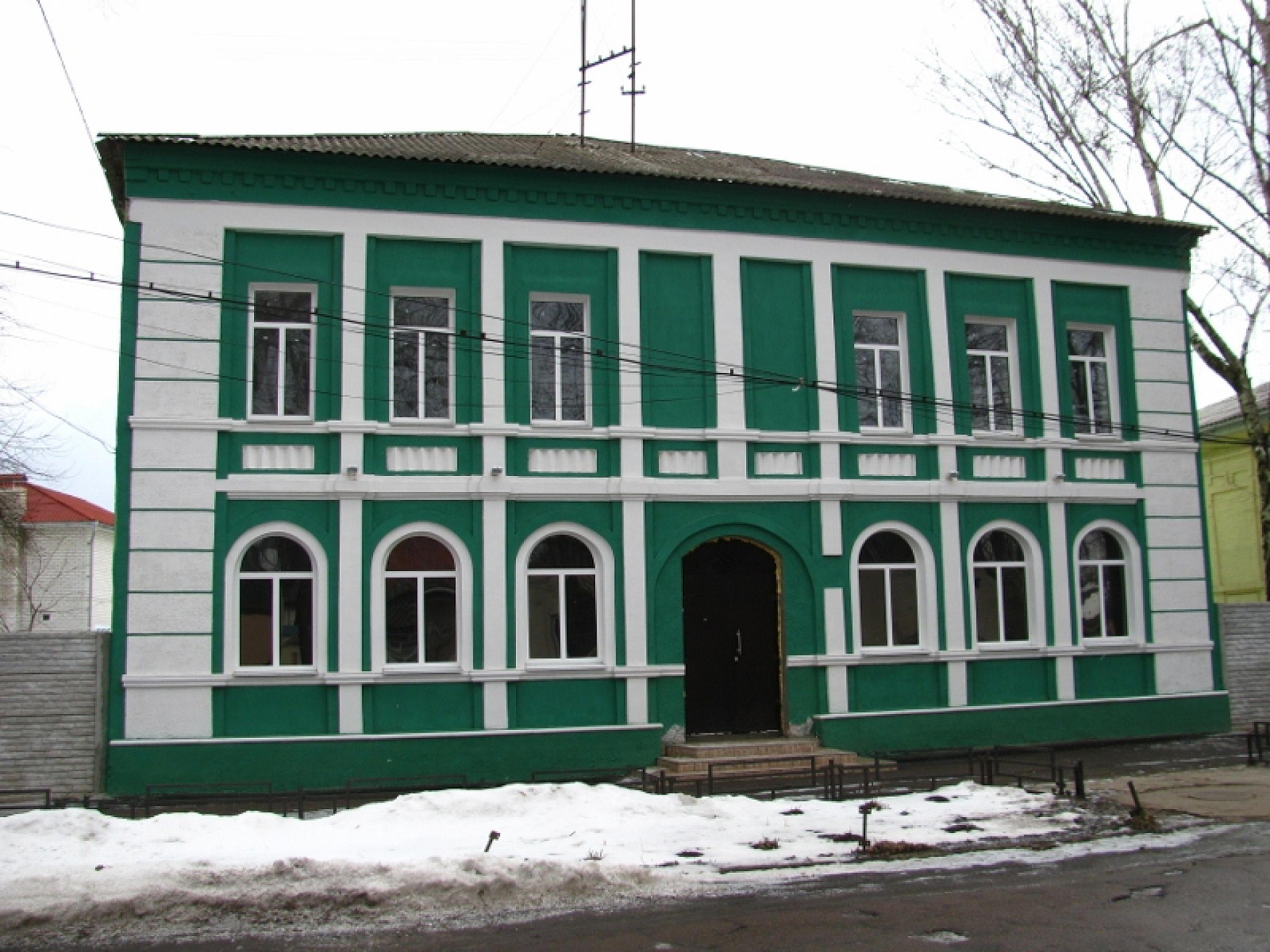
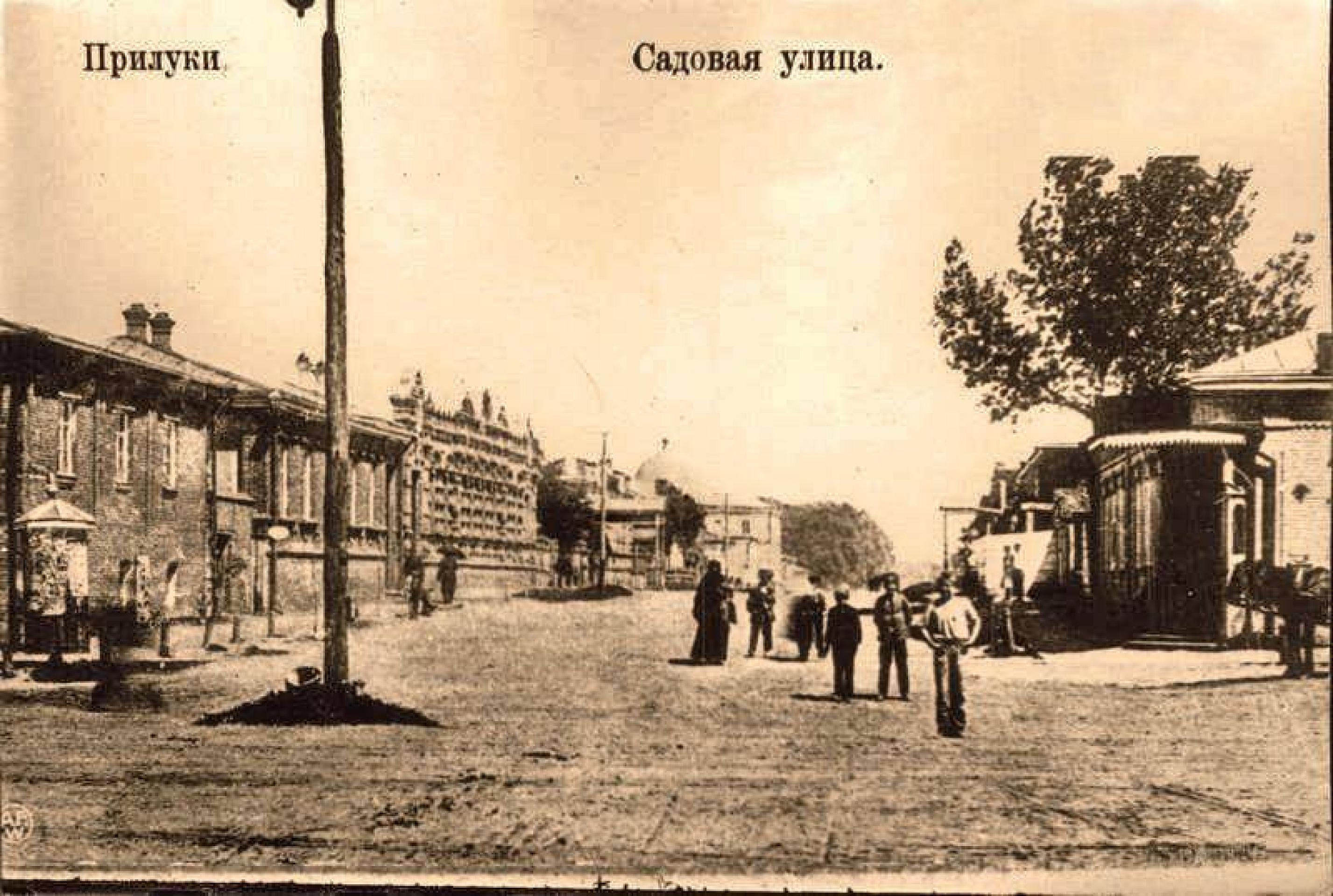
Some traces of the old Jewish community can still be seen. At the beginning of the 20th century there were several synagogues and prayer houses in Pryluky. In the 1920s they were transformed into public institutions. The town's central synagogue was built in 1861. In the 1920s it was converted into a workers' club and after the war into a cinema, which closed in 1990. Today only the façade is preserved. The building of today's music school used to be the »Fratkinskiy« synagogue. At the beginning of the 19th century, a Jewish cemetery was founded in the west of the city and has been preserved to this day.
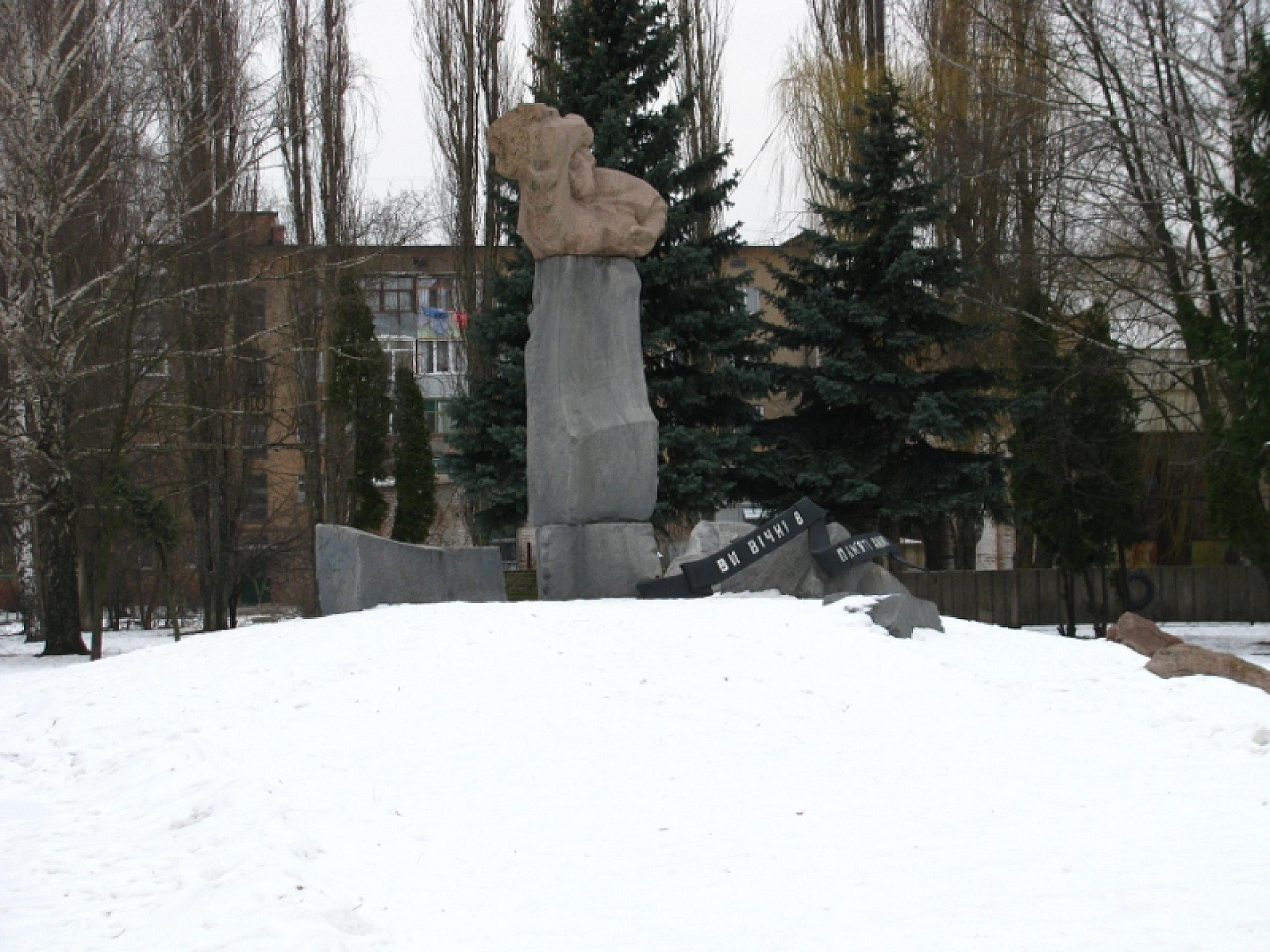
The mass shooting site »Pliskunovka« is located in the east of the city on Aeroflotska Street. The mass grave was fenced in by relatives in June 1944 and planted with flowers. In 1948, all the bodies were buried in a common grave in the depression. In 1967, the two survivors Leonid Briskin and Vladimir Entin erected a cast-iron memorial stone without the official permission of the Soviet authorities with the following inscription: »Here are buried the victims of fascism who were shot by Hitler's soldiers during the occupation of Pryluky in 1941-1943. May their memory be preserved forever«. The fact that the victims were Jews remained unmentioned until a new monument was erected in 2005. The new marble memorial bears a Ukrainian and Hebrew inscription: »On this site 1,290 Jews were murdered by fascist occupiers during the occupation on 20 May 1942«. In 1978, the Soviet authorities erected a memorial dedicated to the victims of fascism at the shooting site itself, the former racetrack behind a prison building.
Open
The memorial is accessible at all times.
Contact