Memorial to the murdered Jews of Samhorodok
Меморіал на місці масового розстрілу євреїв Самгородка
In Samhorodok, two memorials remember the up to 700 Jews of the village who were murdered there between 1941 and 1943.
History
Samhorodok is a village 40 kilometers northeast of Vinnytsya, which was founded in the early 17th century. In 1897, out of 3,605 inhabitants of Samhorodok, 1,234 were Jews, just over a third of the total population. During the Russian Civil War there was a pogrom in the village: in October 1920 Red Army soldiers looted Jewish houses. There were fatalities, several women were raped.
During the early Soviet period, the number of Jews in the countryside continued to decrease as many Jews moved to the cities. On the eve of the Second World War only about 800 Jews were still living in Samhorodok.
The German Wehrmacht occupied Samhorodok on July 22, 1941. At that time there were about 700 Jews on site, who had to move to an open ghetto only a short time later. While many Jewish communities in the region were wiped out in a wave of mass executions in autumn 1941, Samhorodok remained relatively quiet for a long time. On May 16, 1942 however, the Jews were forced to move to a particularly squalid part of the village. From this point on, the living conditions of the people in the ghetto were catastrophic and after only a few days they were physically very weakened. On June 4, the ghetto was violently dissolved. German gendarmes, Hungarian soldiers and local Ukrainian policemen participated in the action. Old and infirm people who could no longer walk were shot on the spot. All others were driven to the nearby settlement of Hermanivka (then called Lozivka). Here farmers had to dig a pit beforehand. Hungarian soldiers sealed off the area. The approximately 500 Jewish children, women and men had to undress here and lay down in the pit before they were murdered by German gendarmes with a shot in the neck. In the weeks that followed, individual Jews in the area were repeatedly caught and shot in the Jewish cemetery of Samhorodok.
Victims
After many Jews had already lost their lives because of the catastrophic conditions in the ghetto, German gendarmes murdered about 500 Jewish children, women and men in the mass shooting of June 4, 1942. After that, individual Jews were captured repeatedly and shot at the Jewish cemetery. With the exception of about 10 persons, all up to 700 Jews who lived in Samhorodok at the beginning of the German occupation were murdered.
Remembrance
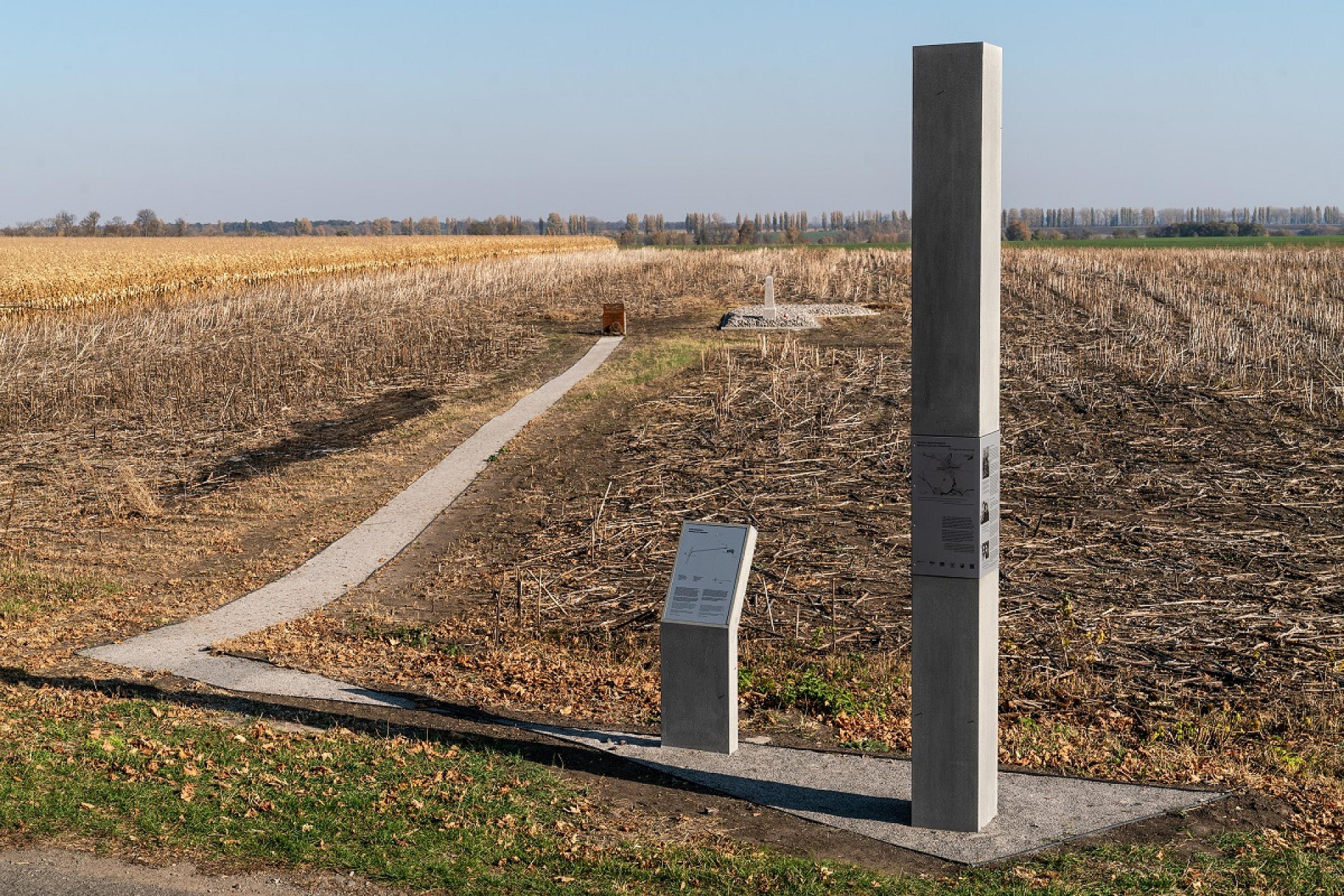
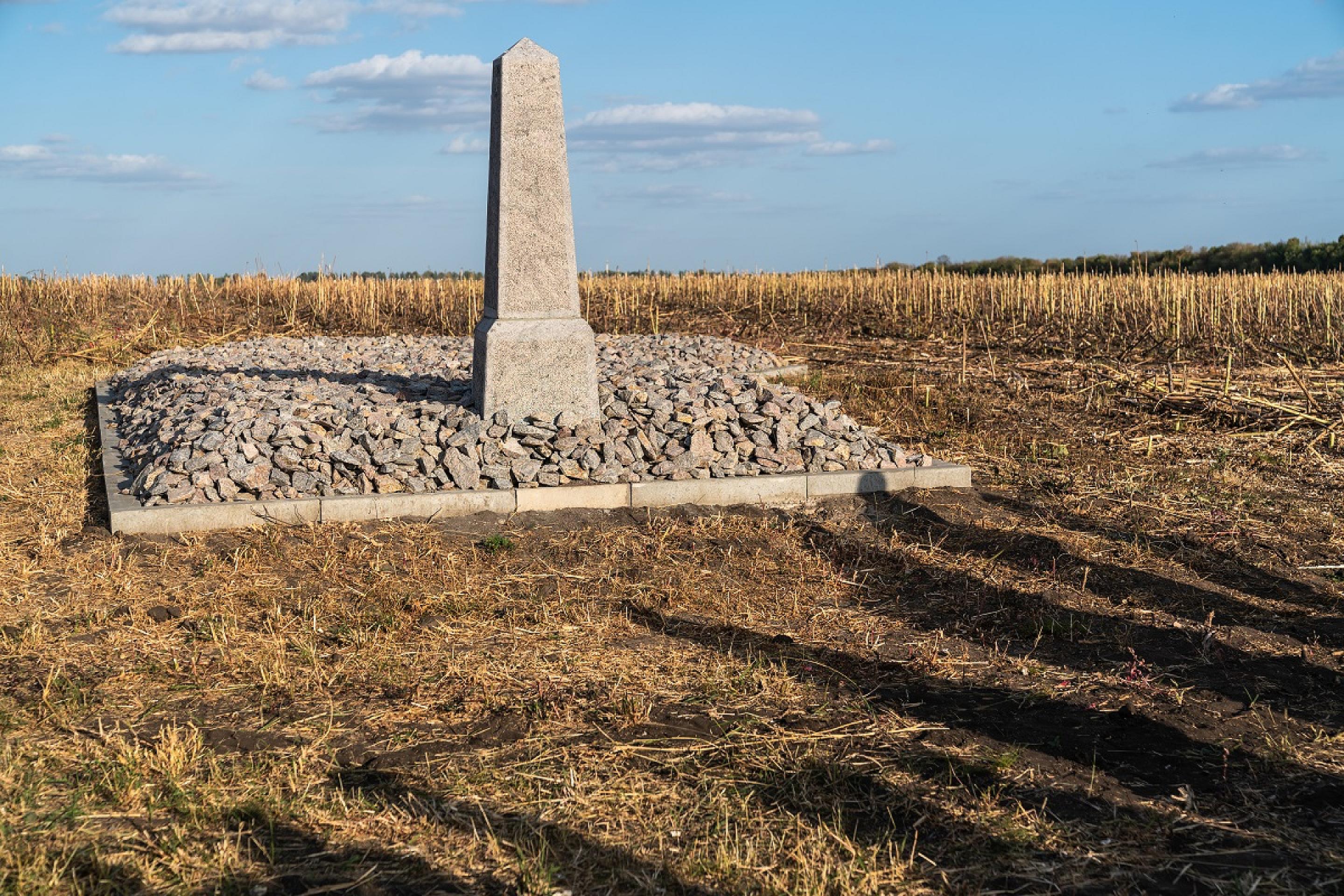
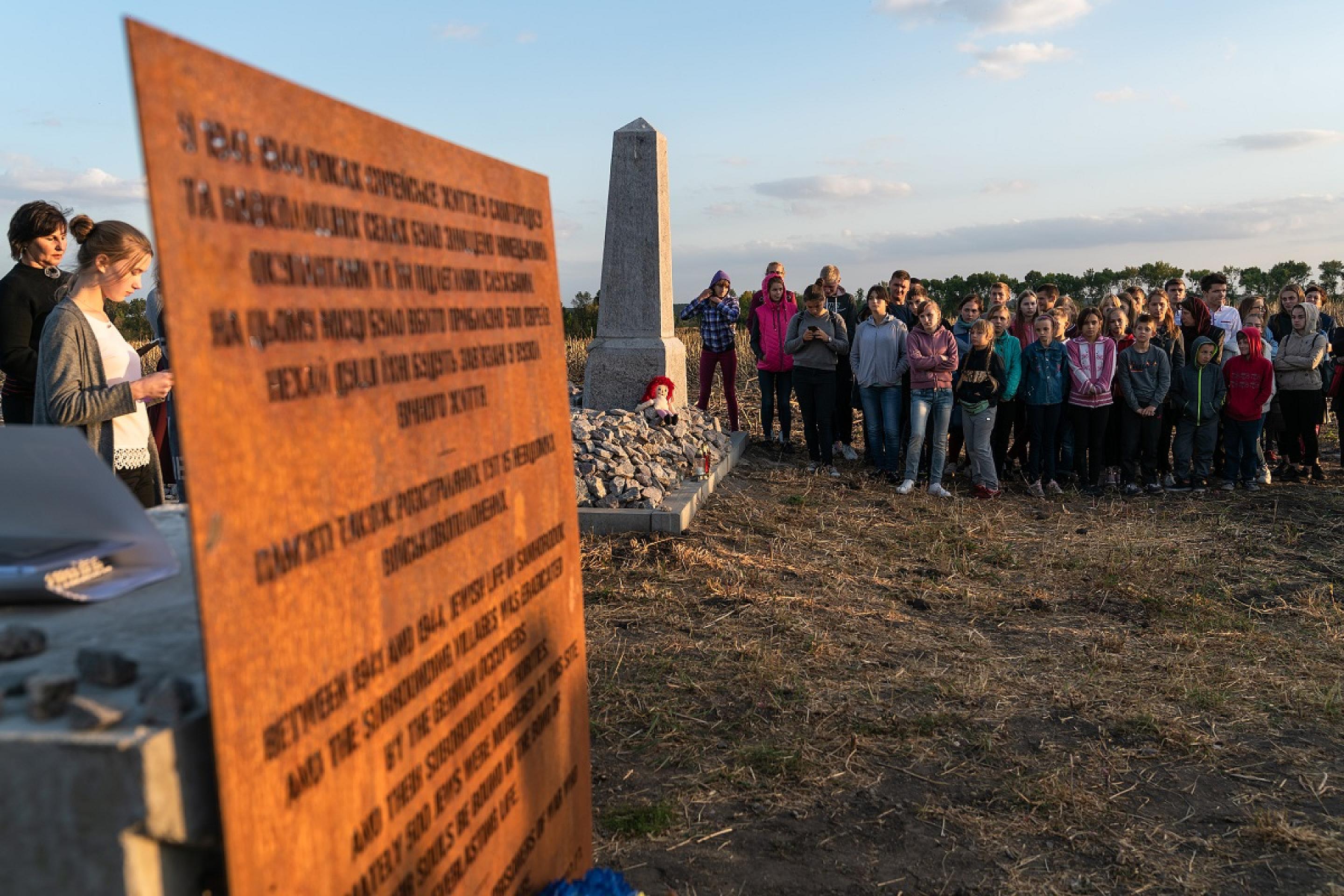
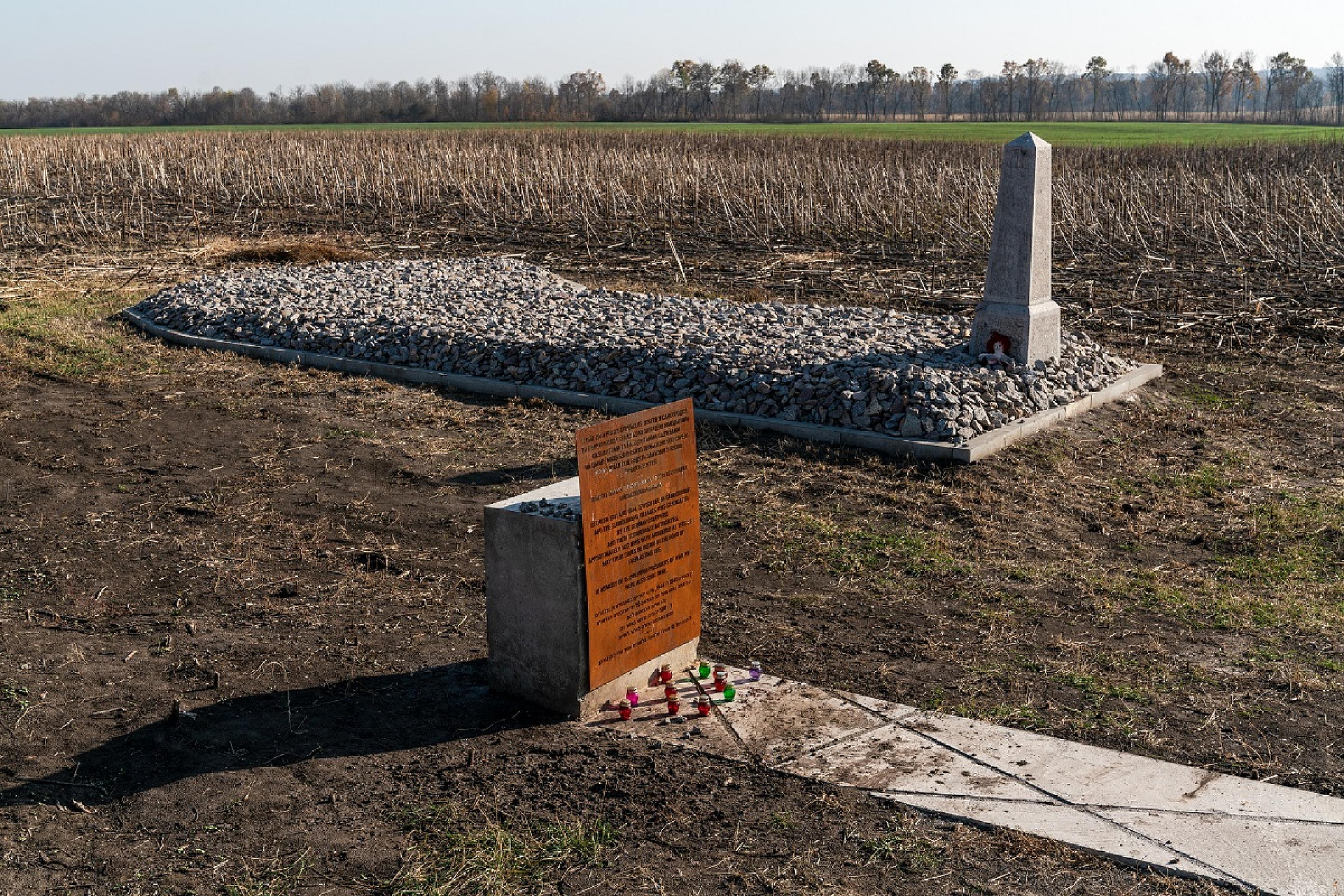
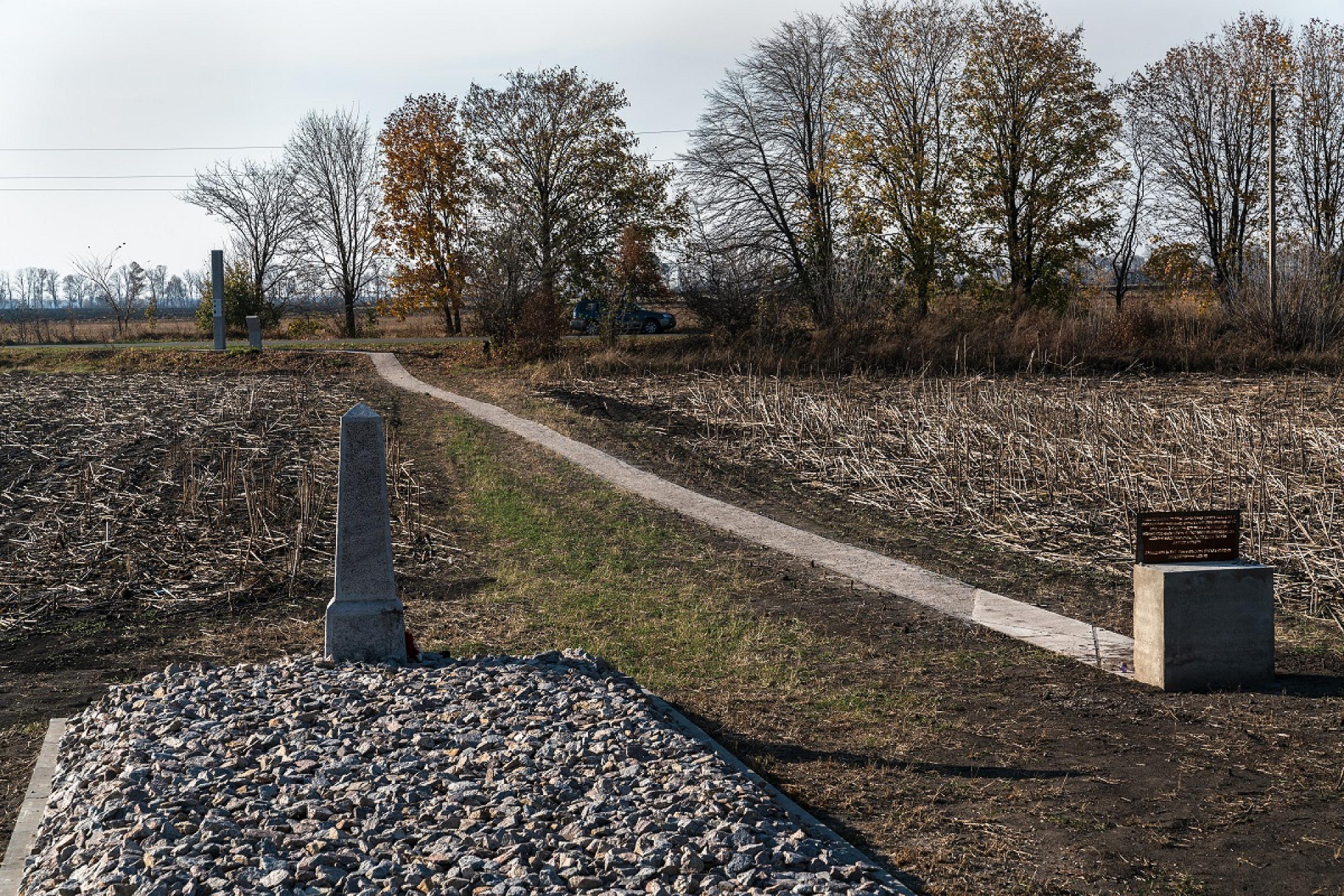
The Red Army reconquered Samhorodok on January 1, 1944. Only about 10 Jews from Samhorodok lived to see this day. Even before the end of the war, a Soviet commission of inquiry investigated in Samhorodok to collect evidence of German crimes. The testimony of a Jewish survivor was also recorded, which was very rare in such investigations. Several local collaborators were also arrested. In the immediate post-war years, an obelisk was erected at the site of the mass shooting on June 4. No one can say with certainty which inscription this monument had and in which language, not even who took the initiative for the memorial. Later, this obelisk, which stood in the middle of an agricultural field, was supplemented by a concrete slab and fenced in.
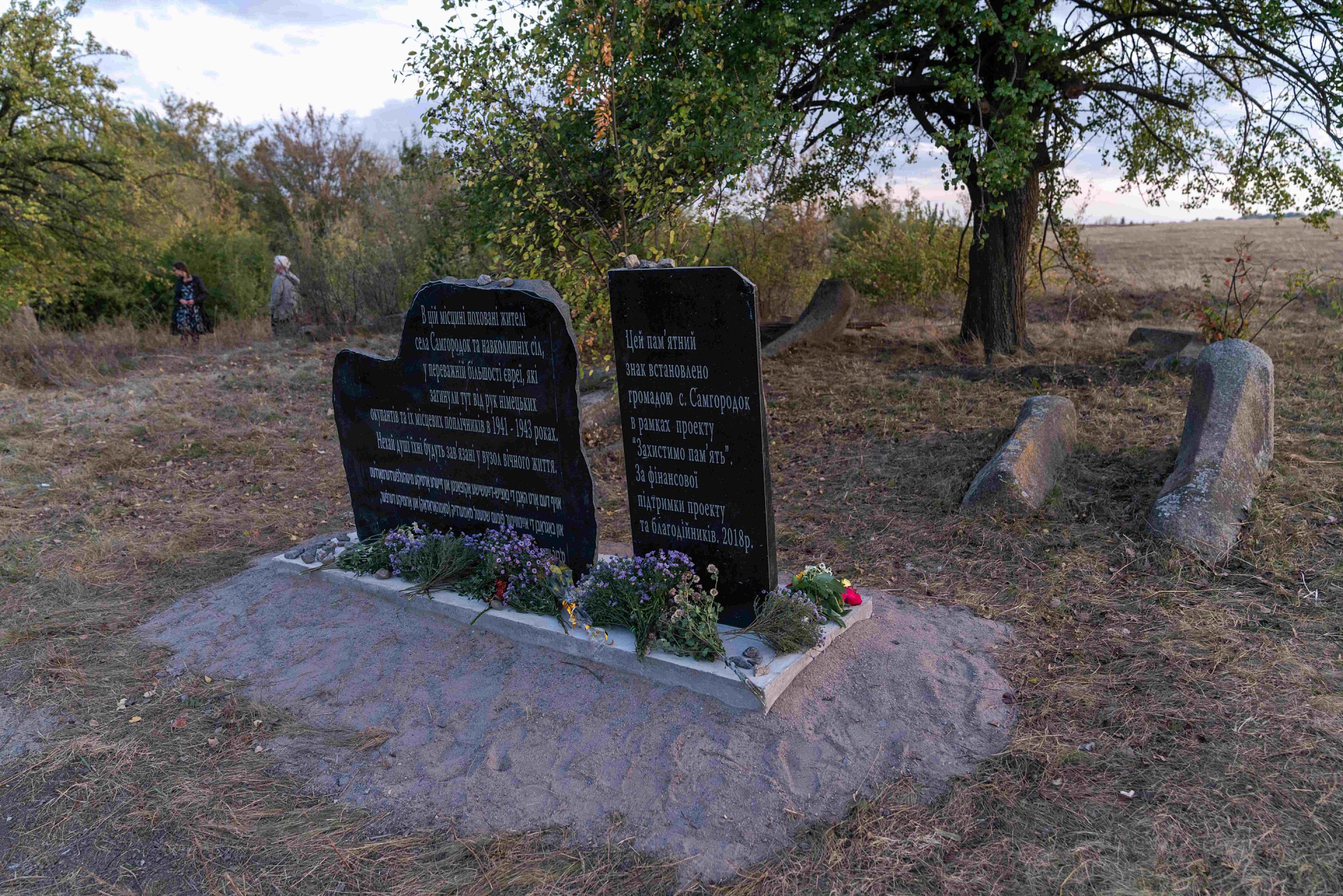
Non-invasive archaeological investigations in 2016 and 2017 revealed that the concrete slab was indeed on the mass grave, but did not cover it entirely. In September 2019 a new memorial was solemnly dedicated here. The memorial was supplemented by an information stele, which informs about the fate of Samhorodok's Jews in Ukrainian, English and Hebrew. The investigations as well as the erection of the new memorial were carried out within the framework of the »Protecting Memory« project, which is based at the Berlin office of the Foundation Memorial to the Murdered Jews of Europe". A memorial stone in the Jewish cemetery now also remembers the Jews murdered there during the German occupation.
Open
The memorial is accessible at all times.
Contact
https://www.erinnerungbewahren.de/samhorodok/
info@erinnerung-bewahren.de
Samhorodok