Memorial to the murdered Jews of Subotica
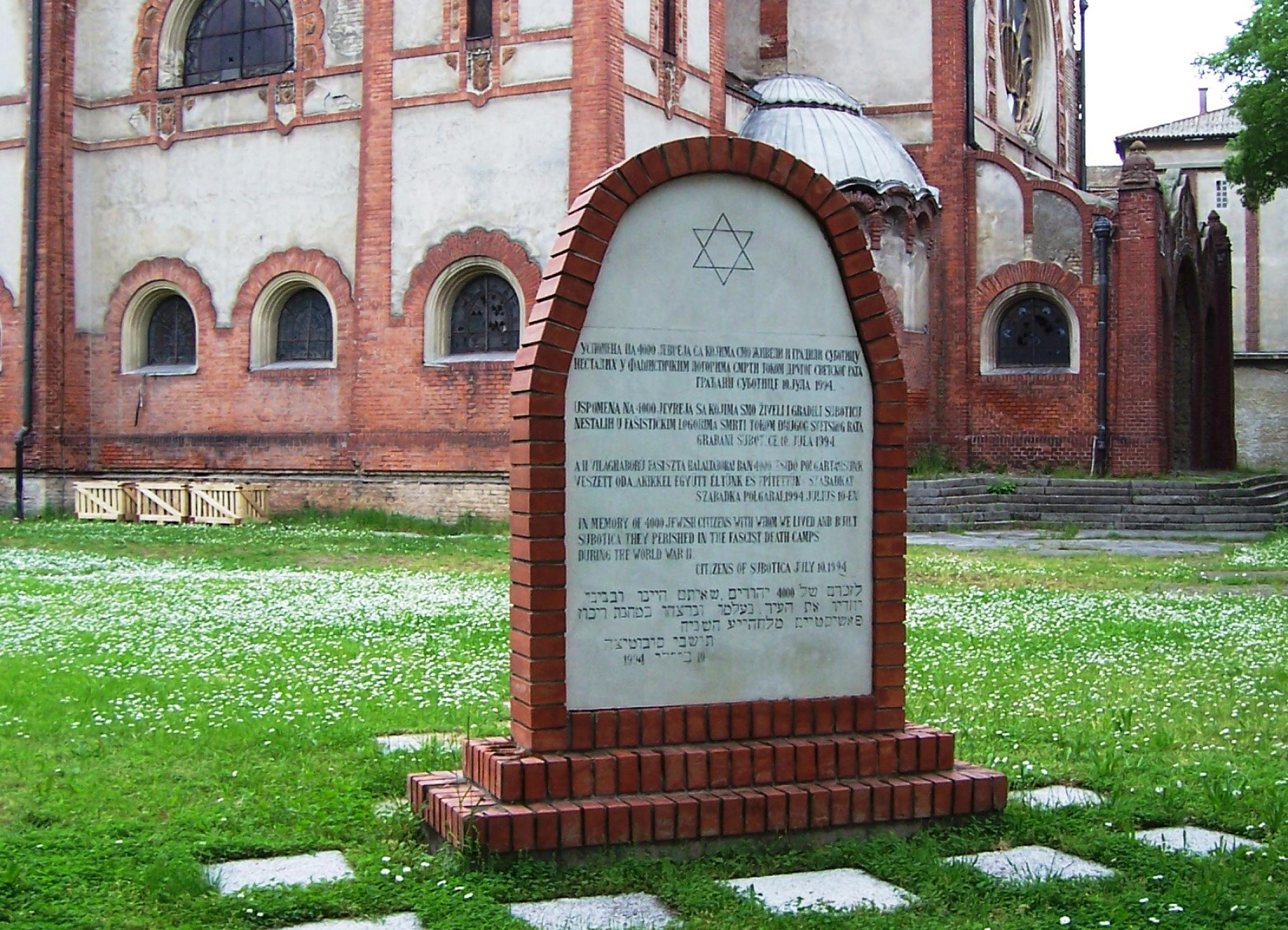
Spomenik holokaustu ispred sinagogi u Subotici / Szabadkai holokauszt-emlékművek és a zsinagóga
In Subotica (Hungarian: Szabadka, German until 1918: Maria-Theresiopel) several monuments remember the deported and murdered Jews from Subotica and the Bačka region.
History
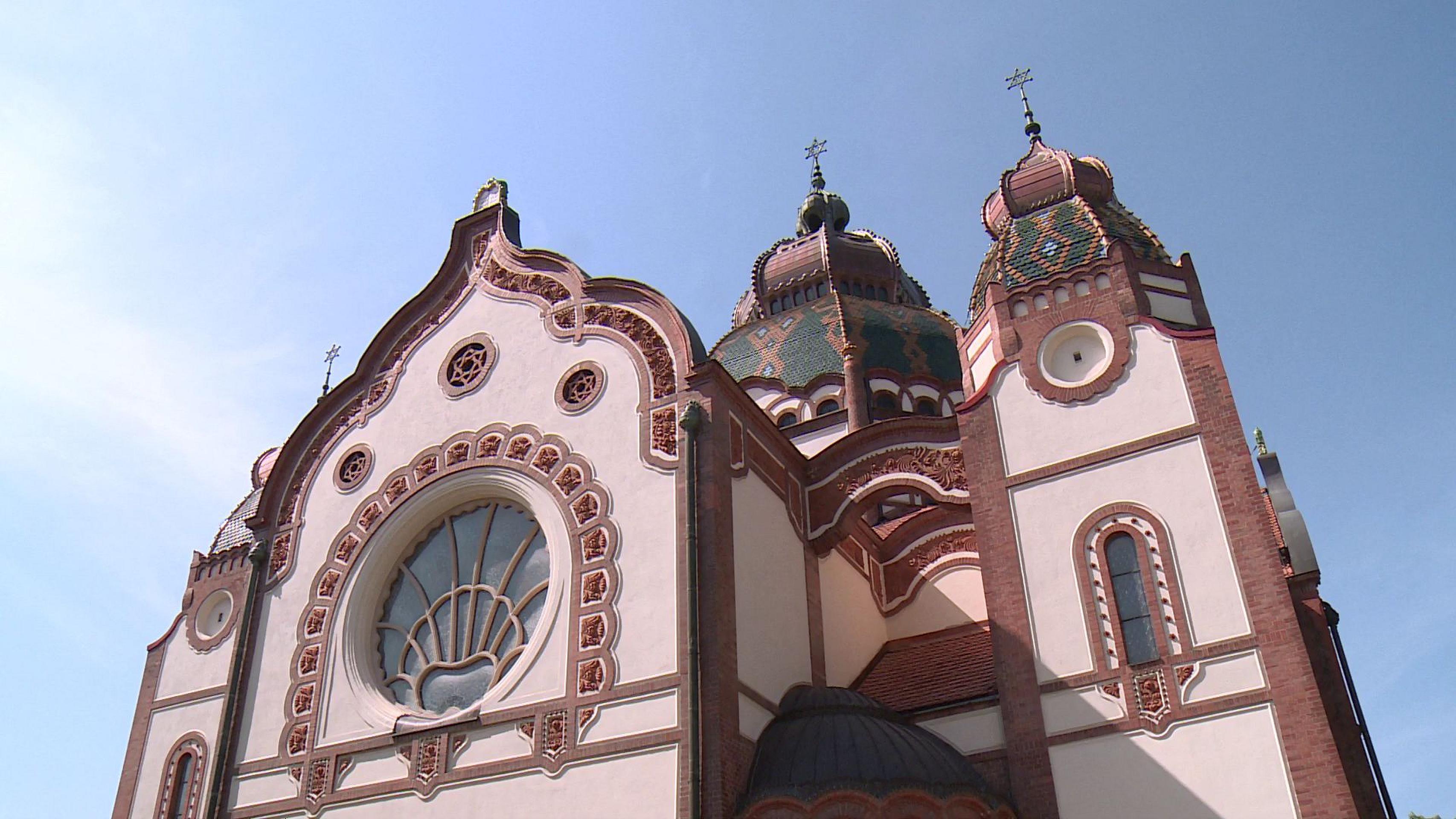
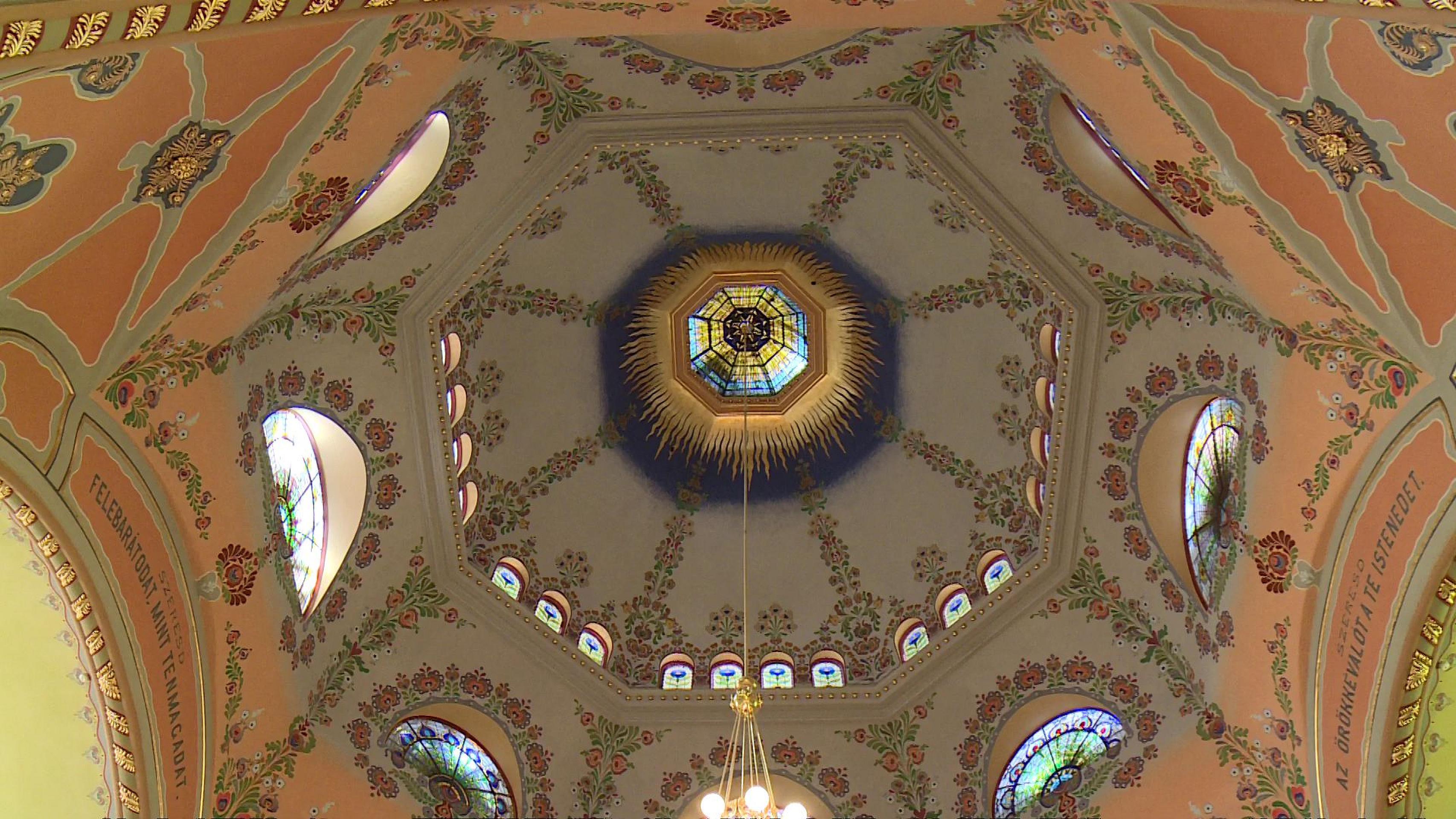
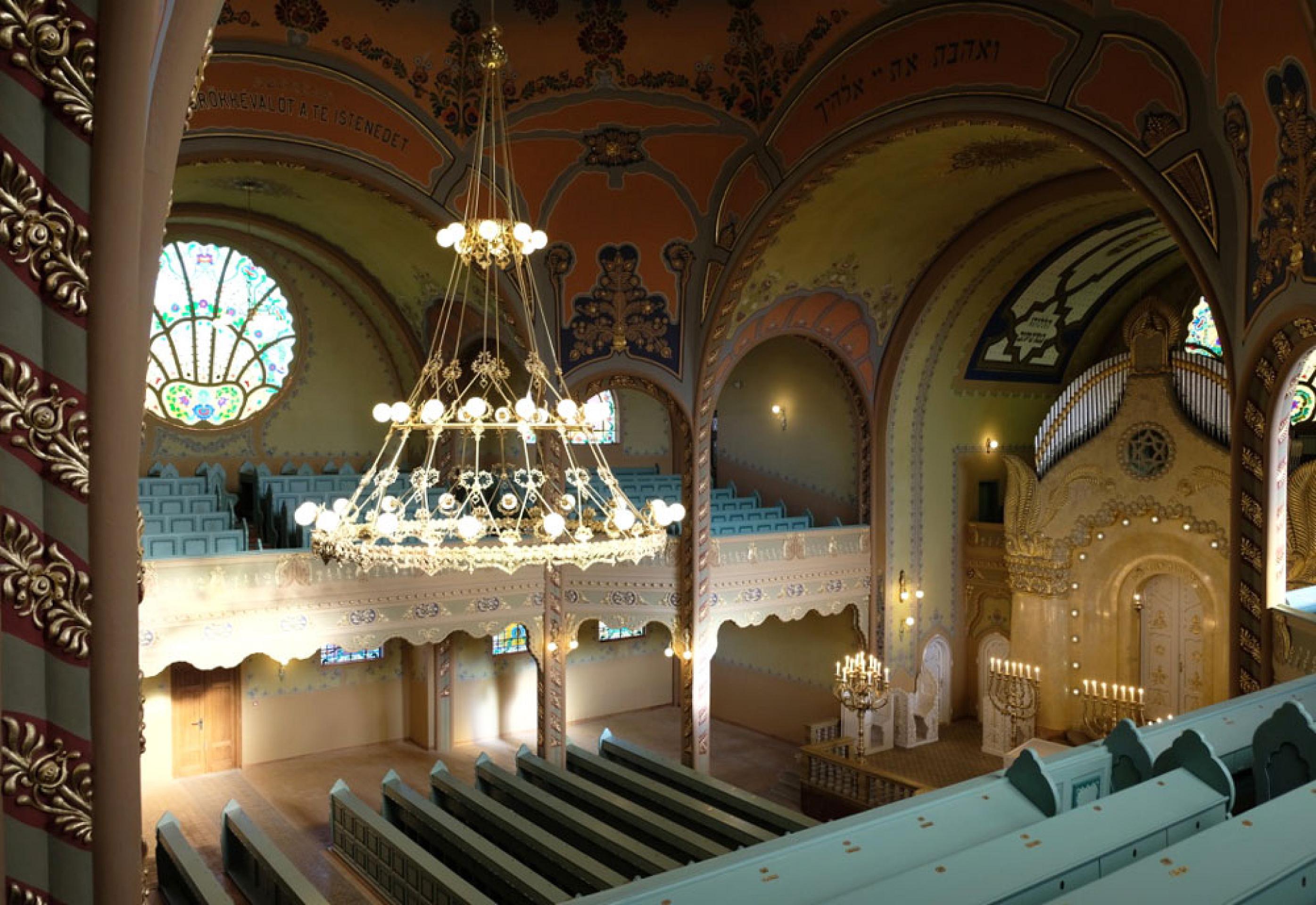
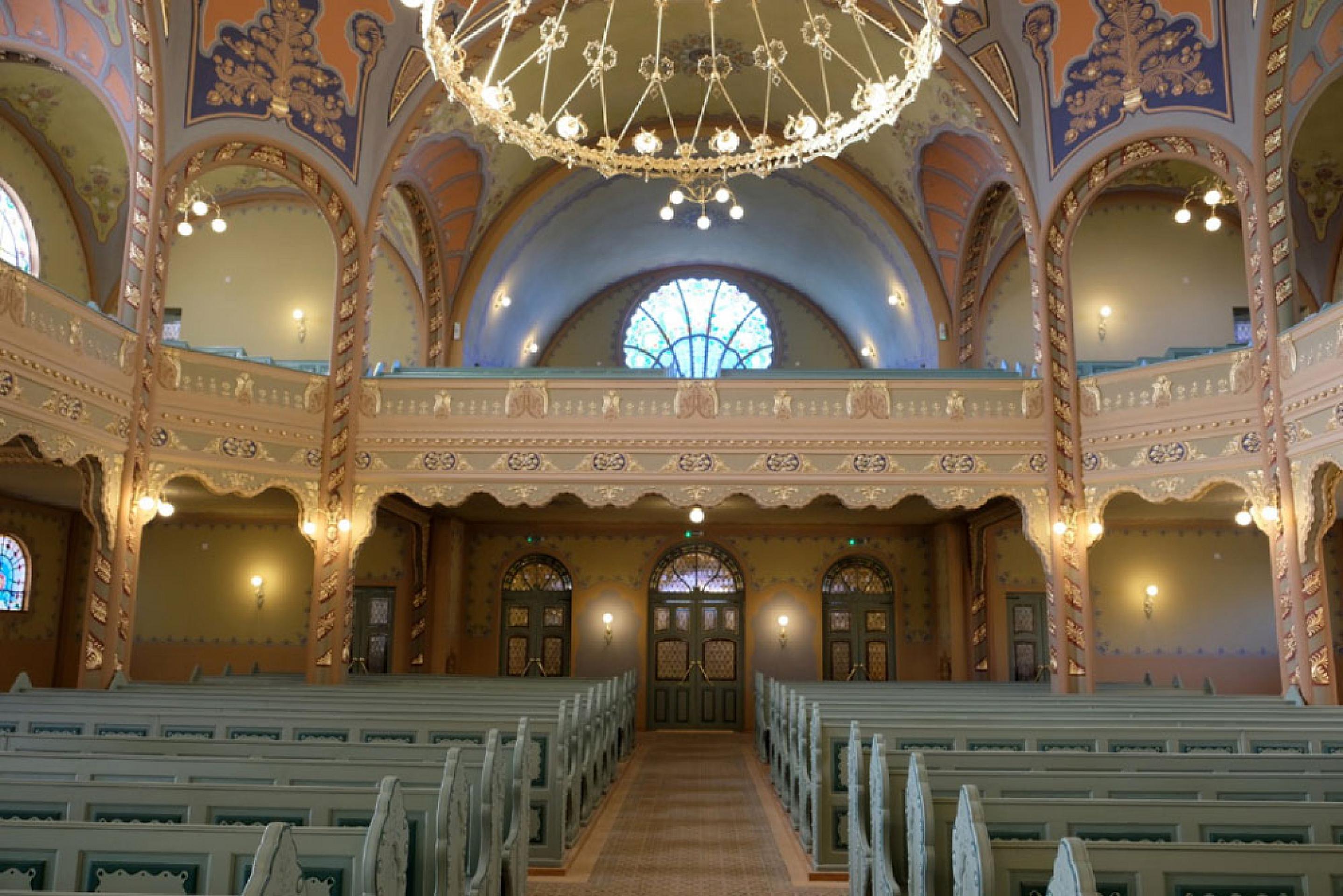
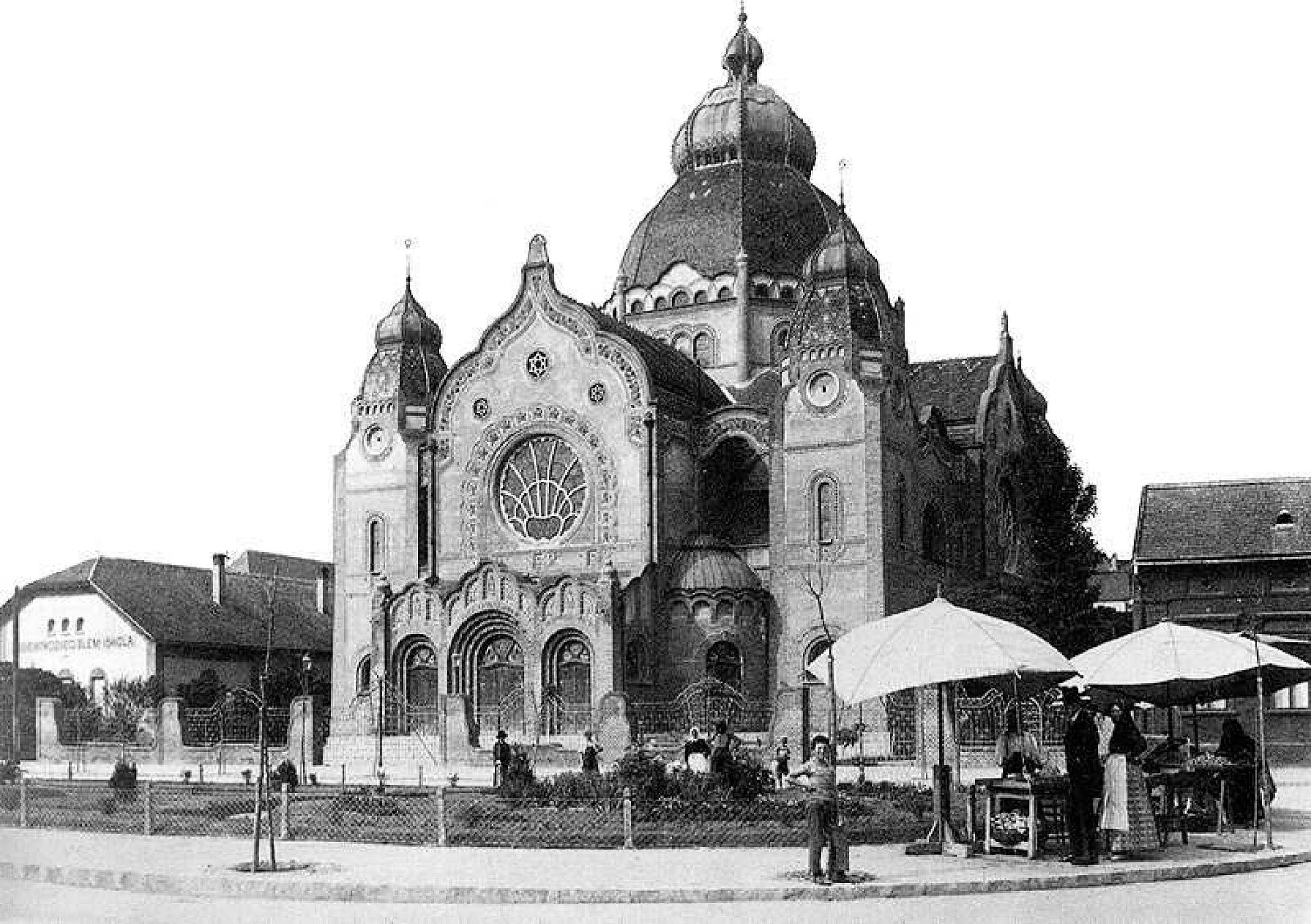
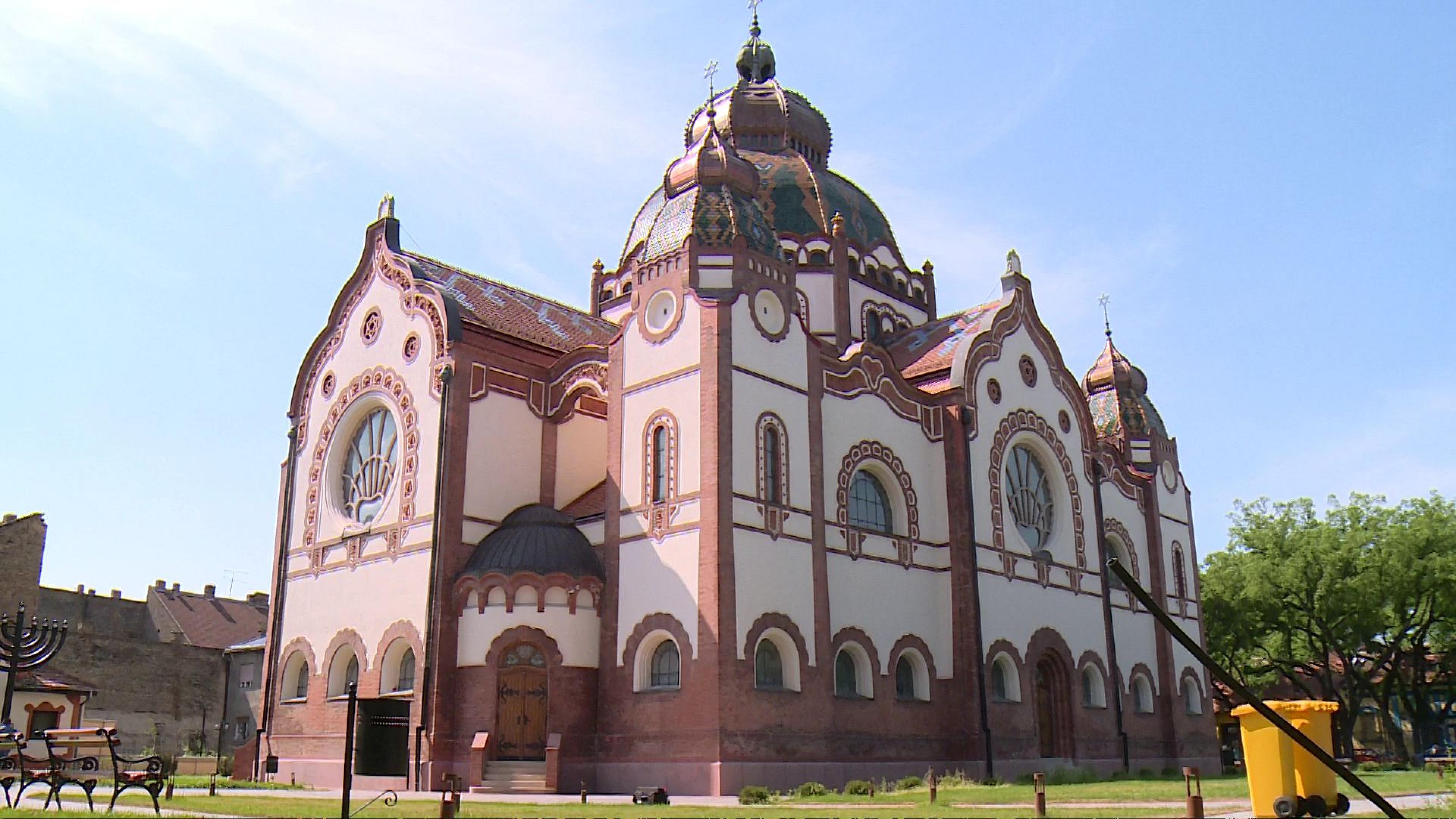
After Novi Sad (Hungarian: Újvidék) Subotica is the second largest city in the autonomous province of Vojvodina. Before the First World War, the city belonged to Austria-Hungary under the name of Maria-Theresiopel, then to Yugoslavia. The first Jews in Subotica settled in the middle of the 18th century. By 1830 the number of Jewish inhabitants had increased to 464. In 1848-49, many Jews from Subotica took part in the Hungarian war of independence against Habsburg. In 1902 the magnificent synagogue, built in Art Nouveau style, was inaugurated. With its Hungarian style elements, it was also a symbol of the strong identification of many Jews with Hungary.
In April 1941 the Axis powers attacked Yugoslavia. At that time 3,549 Israelites and 360 inhabitants with Jewish roots who had converted to Christianity lived in the city. The region of Bačka again became part of Hungary, so the anti-Jewish laws of Hungary applied immediately to the Jews of Subotica. Many Jewish men were drafted into forced labour in the Hungarian army, which for some of them ended in death.
In March 1944 Hungary was occupied by the German Wehrmacht. In the following months almost the entire Jewish population of Hungary was deported with the help of the Hungarian authorities. In Subotica, a ghetto for the Jews was established as early as April 27, 1944, which was finally sealed off on May 10. In the beginning, some Christian inhabitants of the city tried to supply the people in the ghetto with food, which was stopped soon. At the beginning of May, all previously interned Jews from the Bačka region were deported to the Subotica Ghetto or to Baja in Southern Hungary. After about 500 men were sent to conduct forced labour on June 7, 1944, the number of prisoners in the ghetto dropped to 2,234. On June 20 all Jews from the Subotica ghetto were deported to Bácsalmás and six days later from there to German labour and extermination camps.
Victims
German and Hungarian authorities deported up to 4,000 Jews from the entire Bačka region. Of the approximately 3,500 Jews from Subotica, about 2,000 were murdered in the Holocaust.
Remembrance
After 1945 Subotica belonged again to Yugoslavia, and since its disintegration to Serbia. The town of about 100,000 inhabitants, directly on the border with Hungary, is still multiethnic today: Hungarians and Serbs each make up about a third of the population, and besides them there are Croats, Bunjevci and Roma living there. The Jewish community has about 250 members.
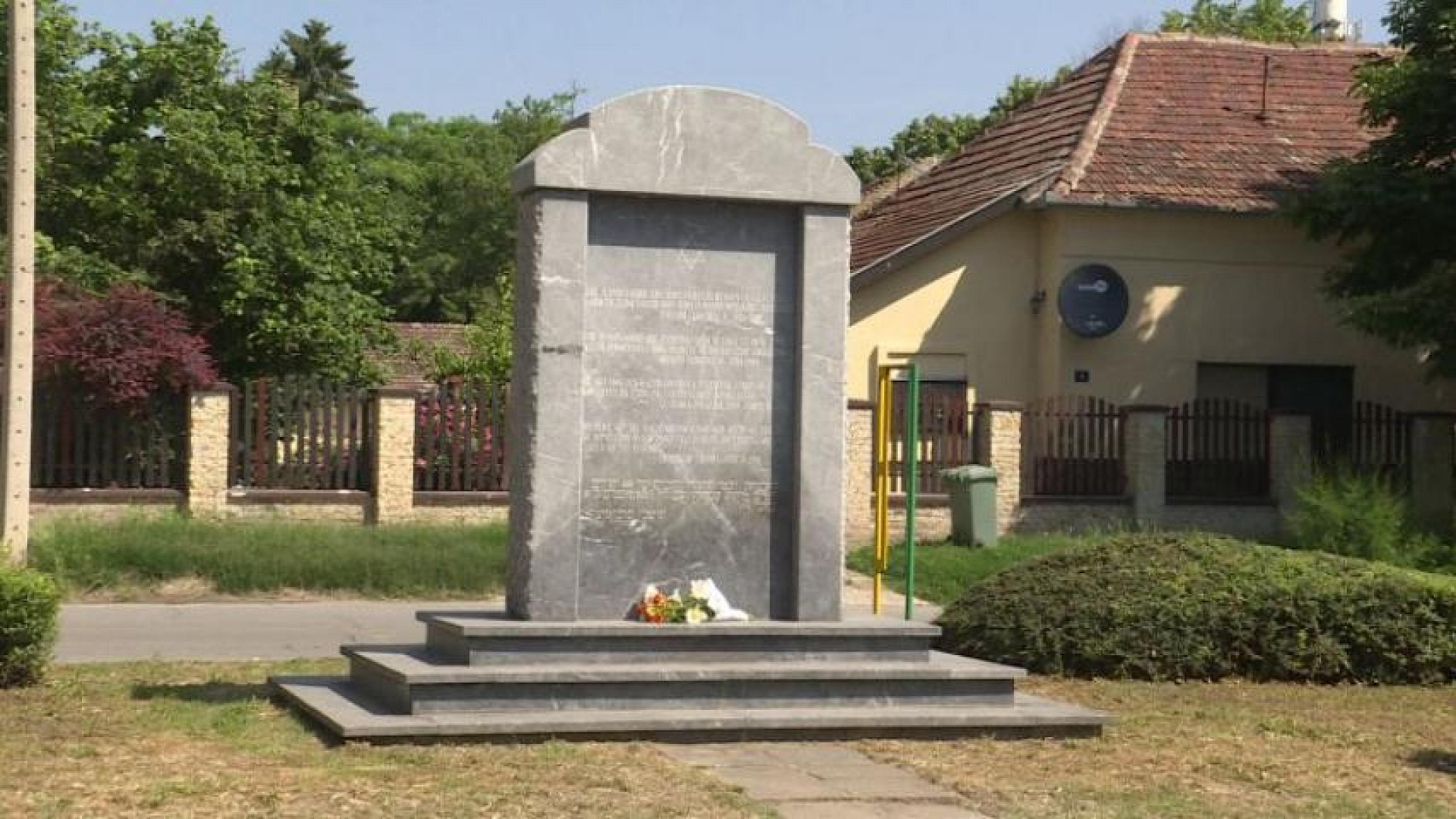
In 1948 a first memorial to the victims of the Holocaust was inaugurated in the city's Jewish cemetery. In 1994, fifty years after the deportations, a memorial stone was placed in Pal Pap Street in memory of the estimated 4,000 Jews imprisoned and deported in the ghetto. Also in 1994, a memorial in the form of a tombstone was erected in the courtyard of the synagogue, in memory of the 4,000 Jews deported from Subotica or the Bačka region.
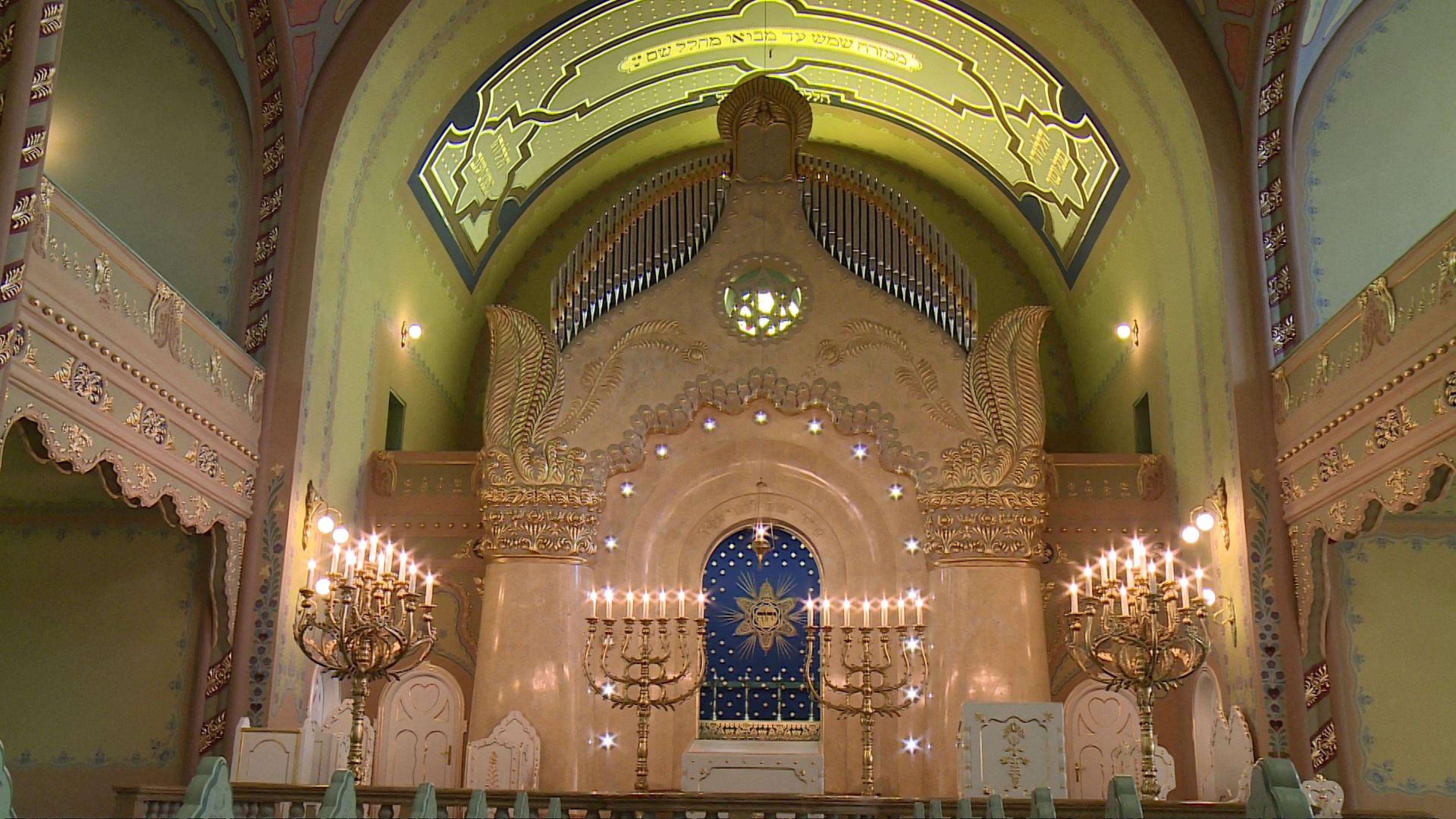
In 2015, a commemoration of the 70th anniversary of the deportation of the Jews from Subotica took place, attended among others by representatives of Jewish communities, the city of Subotica and the Republic of Serbia. Between 2014 and 2018, the magnificent and internationally renowned synagogue was completely restored after it had been in severe danger of collapsing for decades. The necessary funds were provided by Jewish organizations, the European Union, the Republic of Serbia and Hungary. The synagogue was jointly handed over to the public in March 2018 by Serbian President Aleksandar Vučić and Hungarian Prime Minister Viktor Orbán during a grand ceremony.
Today there is no rabbi in Subotica, but the Jewish community remains very lively and multi-ethnic, while the exchange with other Jewish communities in the border region is very intensive.
Open
Opening hours of the synagogue:
Tuesdays to Fridays 10.00 a.m. to 6.00 p.m.
Saturdays and Sundays 10.00 a.m. to 2.00 p.m.
Contact
http://www.szabadkaizsinagoga.rs/
info@szabadkaizsinagoga.rs
+381 (0)65 2 788 416