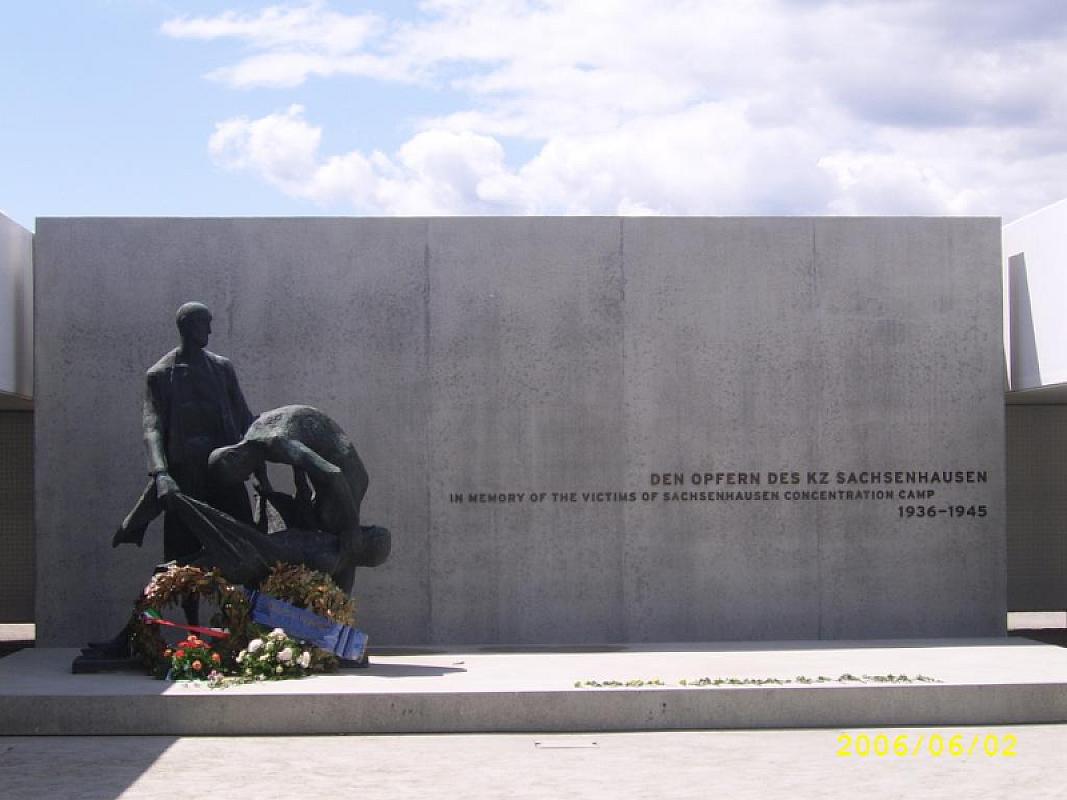
The city of Tarnów had the highest Jewish share of population in the historic region of Galicia. During the German occupation almost all Jewish inhabitants of Tarnów were murdered. In the city there is little remaining evidence of the once vibrant Jewish life.
History
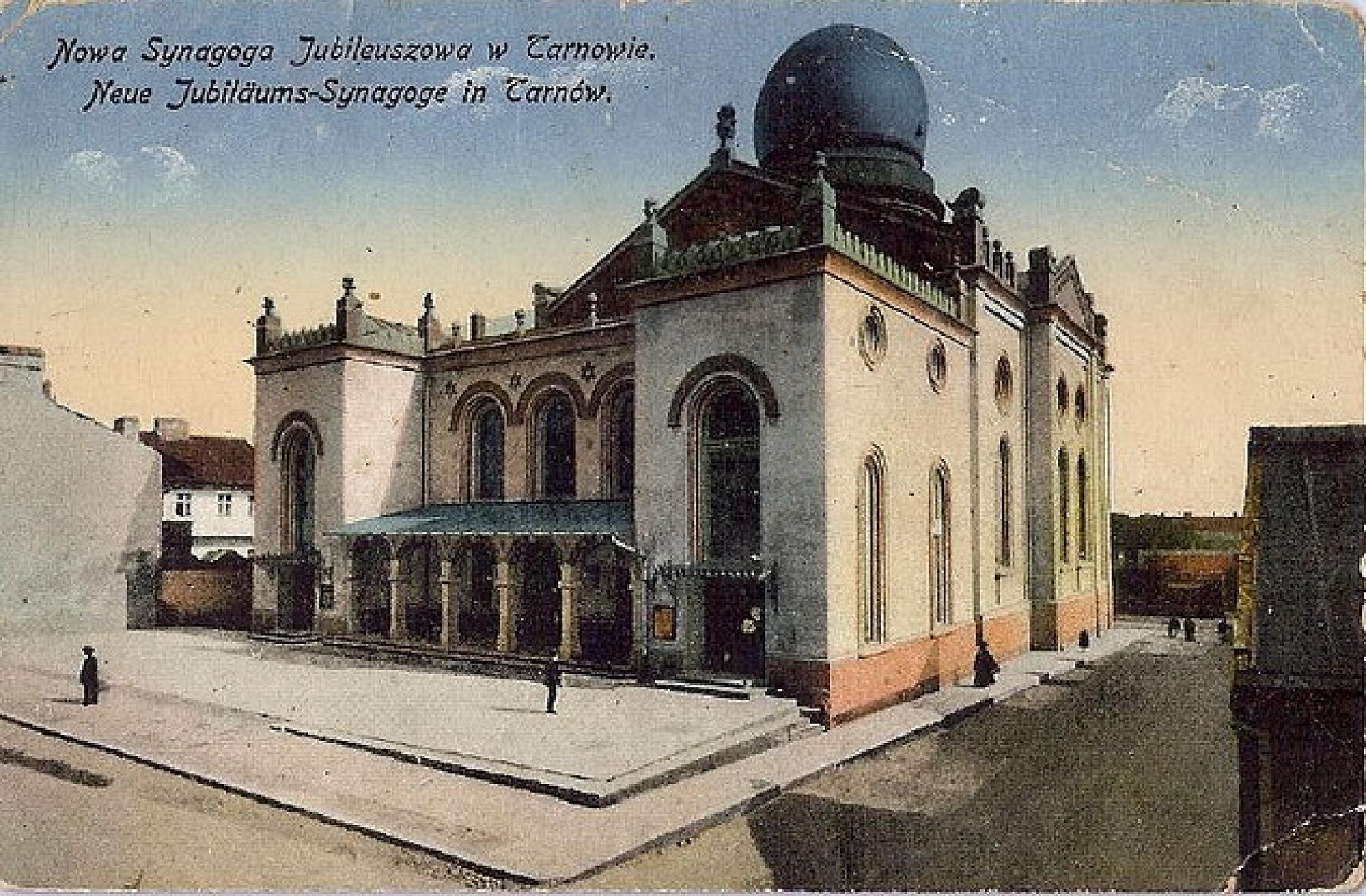
On the eve of the Second World War the city of Tarnów, approximately 65 km east of Cracow, had a pronounced Jewish character, due to their share of more than 50% of the population. Jews lived there since the middle of the 15th century. When Tarnów was part of the Habsburg Empire the city became a centre of trade with Jews playing an important role. At the end of the 19th century the Zionist movement gained strength, so much that in the period between the two world wars up to 150 Jews from Tarnów emigrated to Palestine every year. In 1908 the New Synagogue was completed, the largest house of prayer for the Jews of Tarnów.
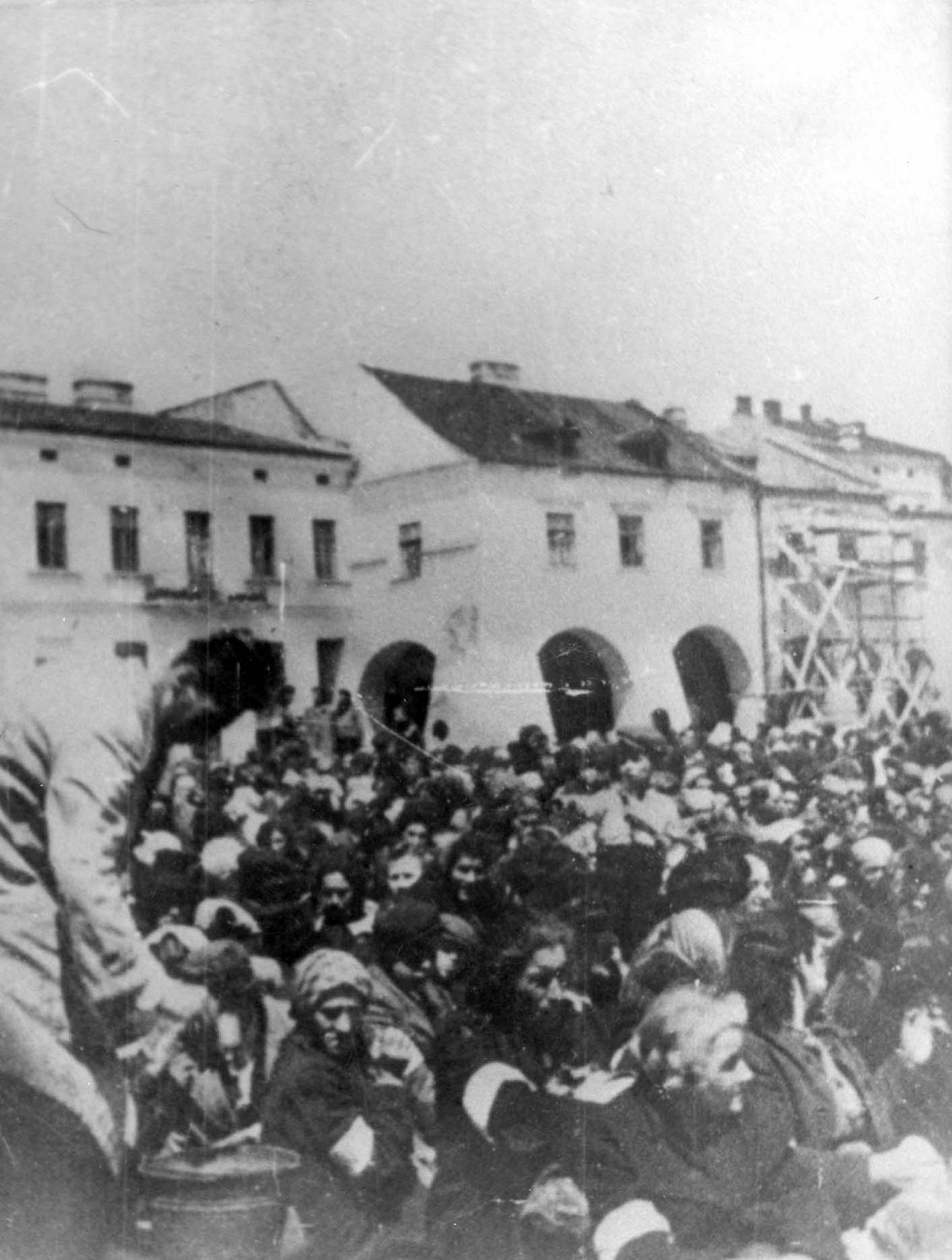
The German Wehrmacht occupied Tarnów on September 7, 1939. Many of the Tarnów Jews had fled before, however, many Jewish refugees entered the city as well. As early as by November 1939 all 40 synagogues and houses of prayer were destroyed, Jews were drafted for forced labour. In May 1940 the occupation authorities deported several members of the Jewish elite to the Auschwitz concentration camp. In March 1941 they established a ghetto where 40,000 Jews from Tarnów and its surroundings were concentrated in. On June 11, 1942 the mass murder of the Tarnów Jews started. The SS deported more than 3,500 of them to the Bełżec extermination camp and shot hundreds on the Jewish cemetery. A few days later a second »Aktion« followed when further 10,000 Jews were deported to Bełżec. The approximately 20,000 survivors were cordoned off in the ghetto. Until its final liquidation on September 2, 1943 the deportations to the extermination camps continued. On that day the SS deported about 7,000 Jews to Auschwitz and 3,000 to the Płaszów concentration camp. At the same time about 10,000 Jews were shot on the Jewish cemetery. Shortly afterwards, after the deportation of the last Jewish forced labourers to Płaszów, Tarnów was declared »judenrein« (free of Jews).
Victims
Before 1939 Tarnów had a Jewish population estimated at 25,000. During the war, thousands of Jews came as refugees into the the city while others were brought there by force. The majority of Jews were either shot on site or murdered by poison gas in the extermination camps of Bełżec and Auschwitz-Birkenau. Only the few who were assigned to forced labour had a chance to survive. Exact numbers are not known.
Remembrance
Approximately 700 Jews returned to Tarnów after the war, first and foremost to look for surviving relatives. Most of them did not stay long, particularly since the Polish government supported emigrants to Palestine financially. By the middle of the 1970s only 35 Jews lived in Tarnów, the last of them died in 1993.
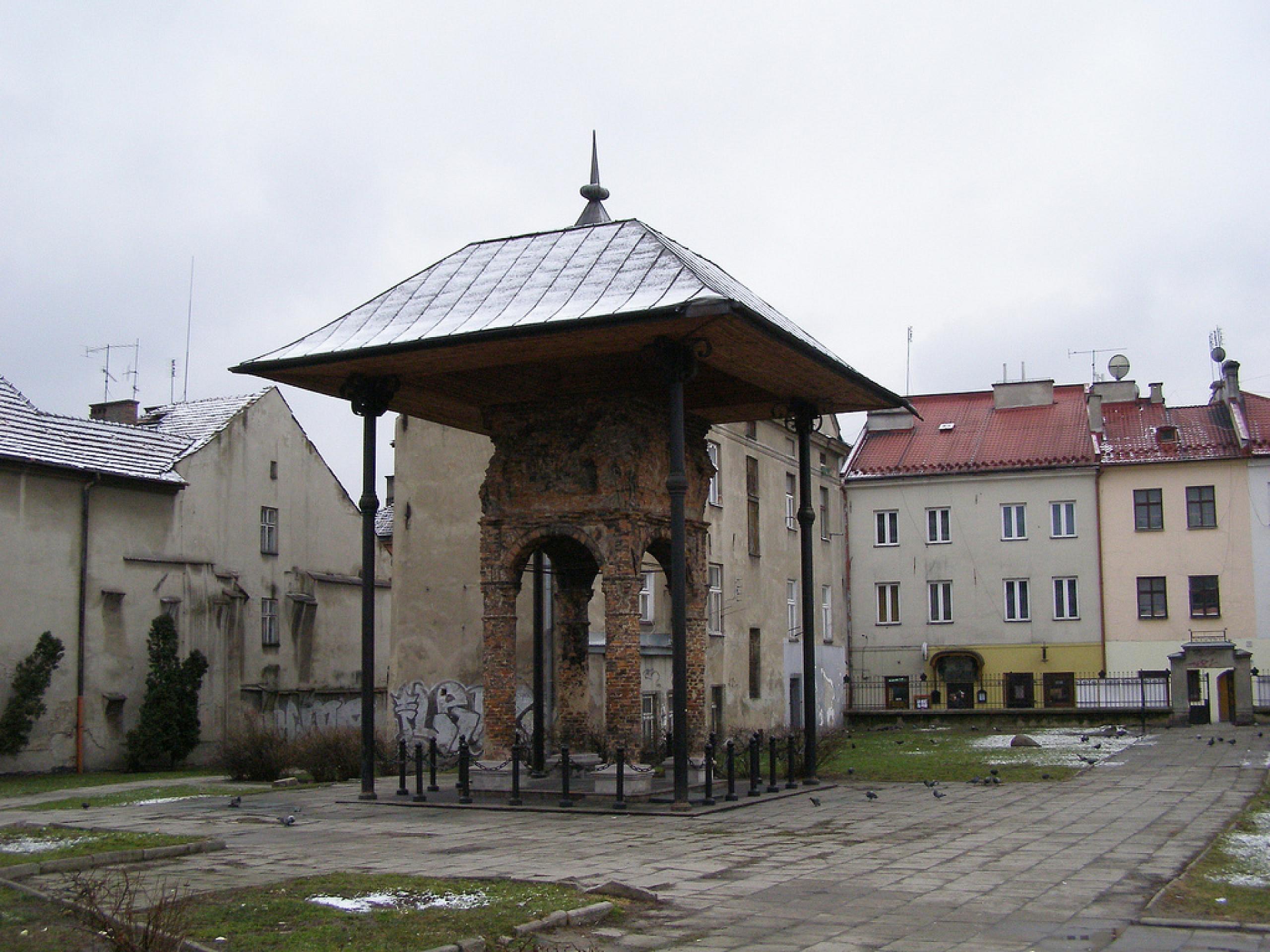
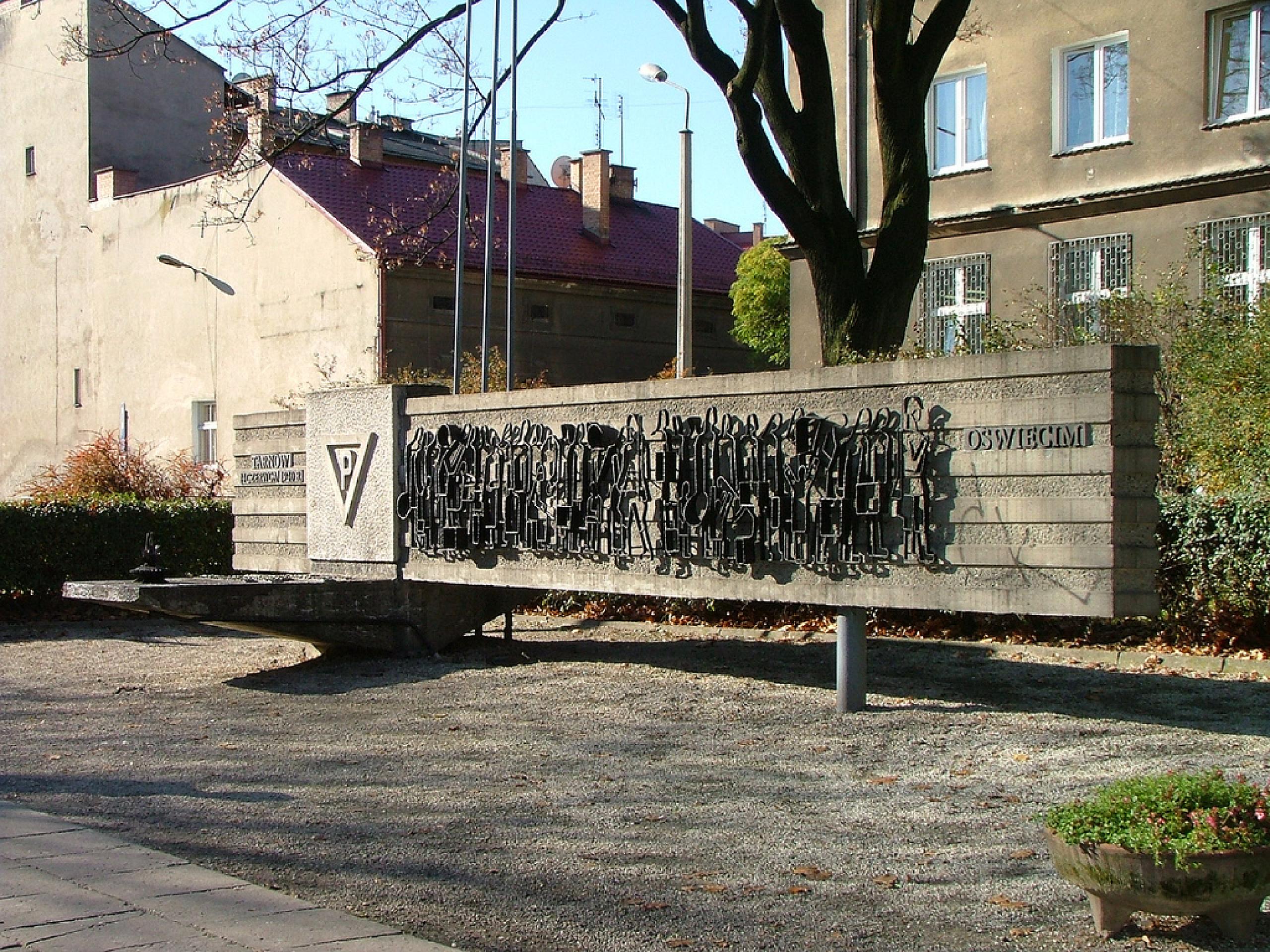
In the city there is little remaining evidence that Tarnów once was a centre of Jewish life. The site of the ghetto which is remembered in a few plaques is built-over by houses built during the socialist period. During German occupation all the city's synagogues were destroyed, only the bimah (the place where the Torah is being read from during services) of the Old Synagogue survived. It was restored in the 1980s and covered with a roof. Also the building of the mikvah, the bath used for the purpose of ritual immersion, still exists and serves as a trade centre. In this building more than 750 men were gathered in 1940 before being deported to the Auschwitz concentration camp, among them some Jewish intellectuals. This was the first deportation to Auschwitz ever and is remembered by a memorial erected in 1975 opposite the mikvah.
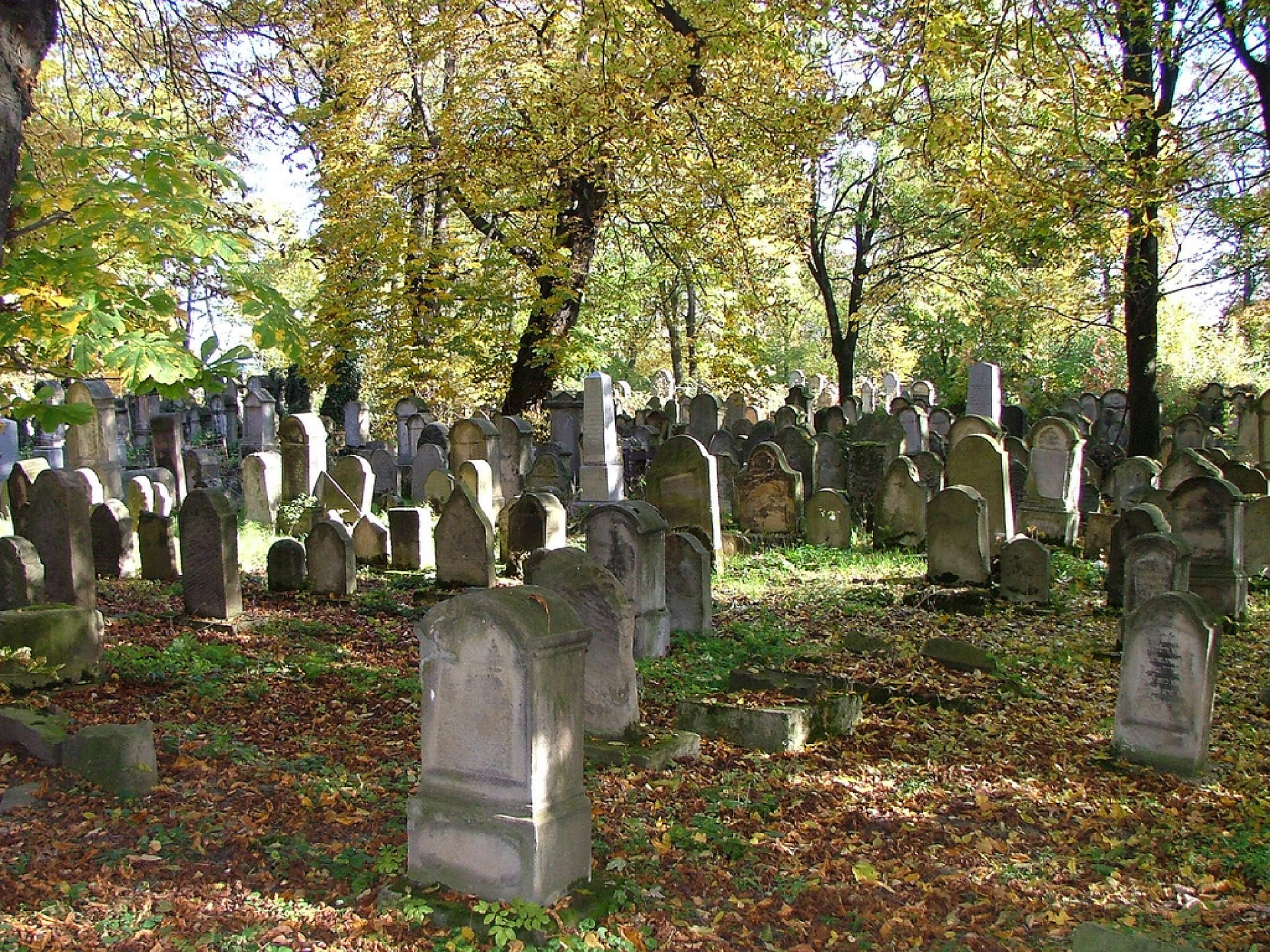
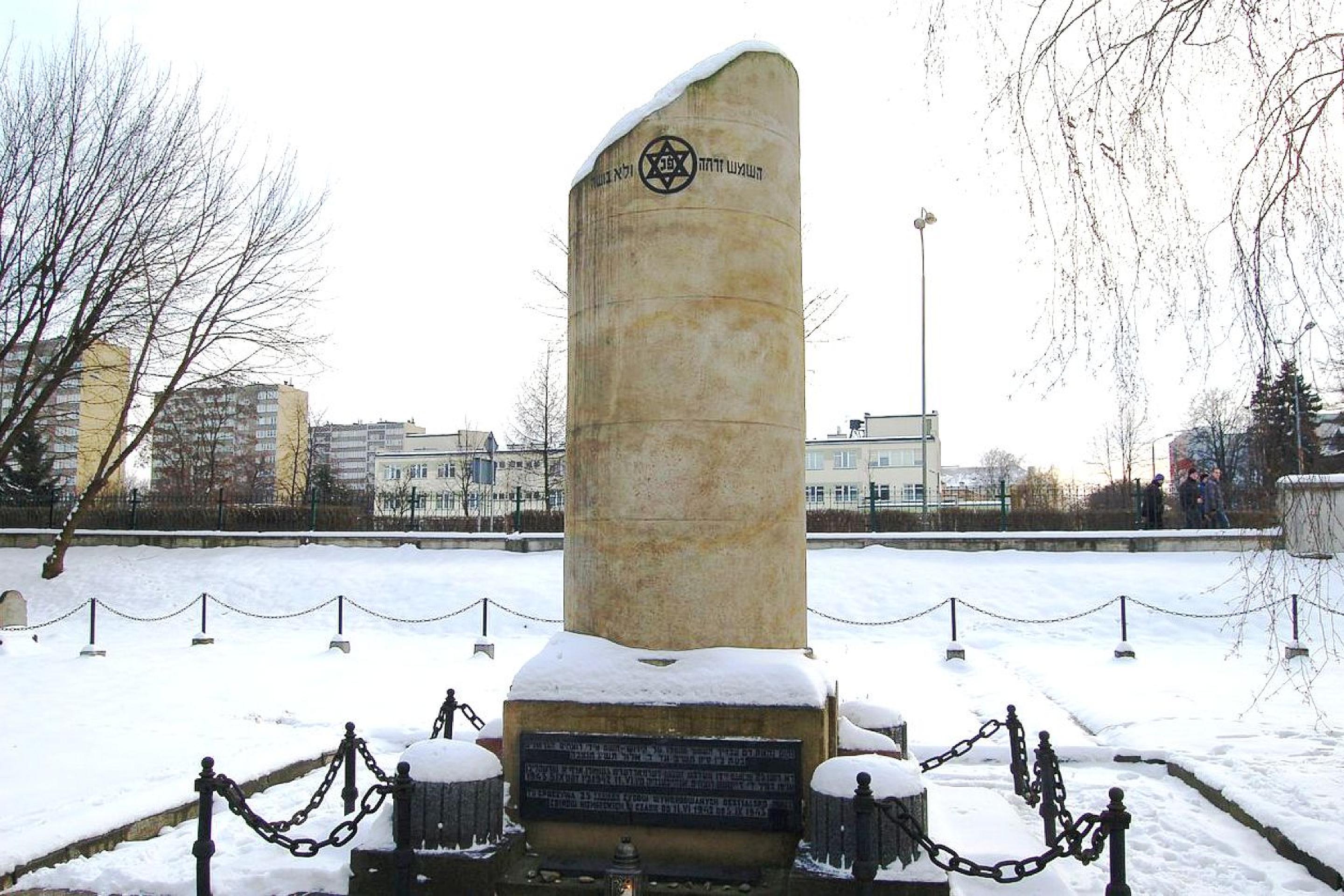
The Jewish cemetery of Tarnów, one of the biggest and oldest in Poland has been largely preserved. In memory to the thousands of Jews murdered on this cemetery survivors erected a memorial in 1946. The central element is a column fragment from the destroyed New Synagogue. In front of the column is a granite slab bearing the following inscription in Hebrew and Polish: »25,000 Jews who were brutally murdered by the German bandits between June 11, 1942 and November 5, 1943 rest here«. Above it a quote from a poem by the Jewish poet Nachman Bialik (1873-1934) in Hebrew: »And the sun shone and was not ashamed«.
Open
The memorials in the city centre are accessible at all times. The keys to the Jewish cemetery is available at the local Tourist Information Centre »Tarnowskie Centrum Informacijne« (see contact details)
Contact
http://www.it.tarnow.pl/index.php
centrum@it.tarnow.pl
+48 (0)14 688 90 90
ul. Rynek 7
33-100 Tarnów