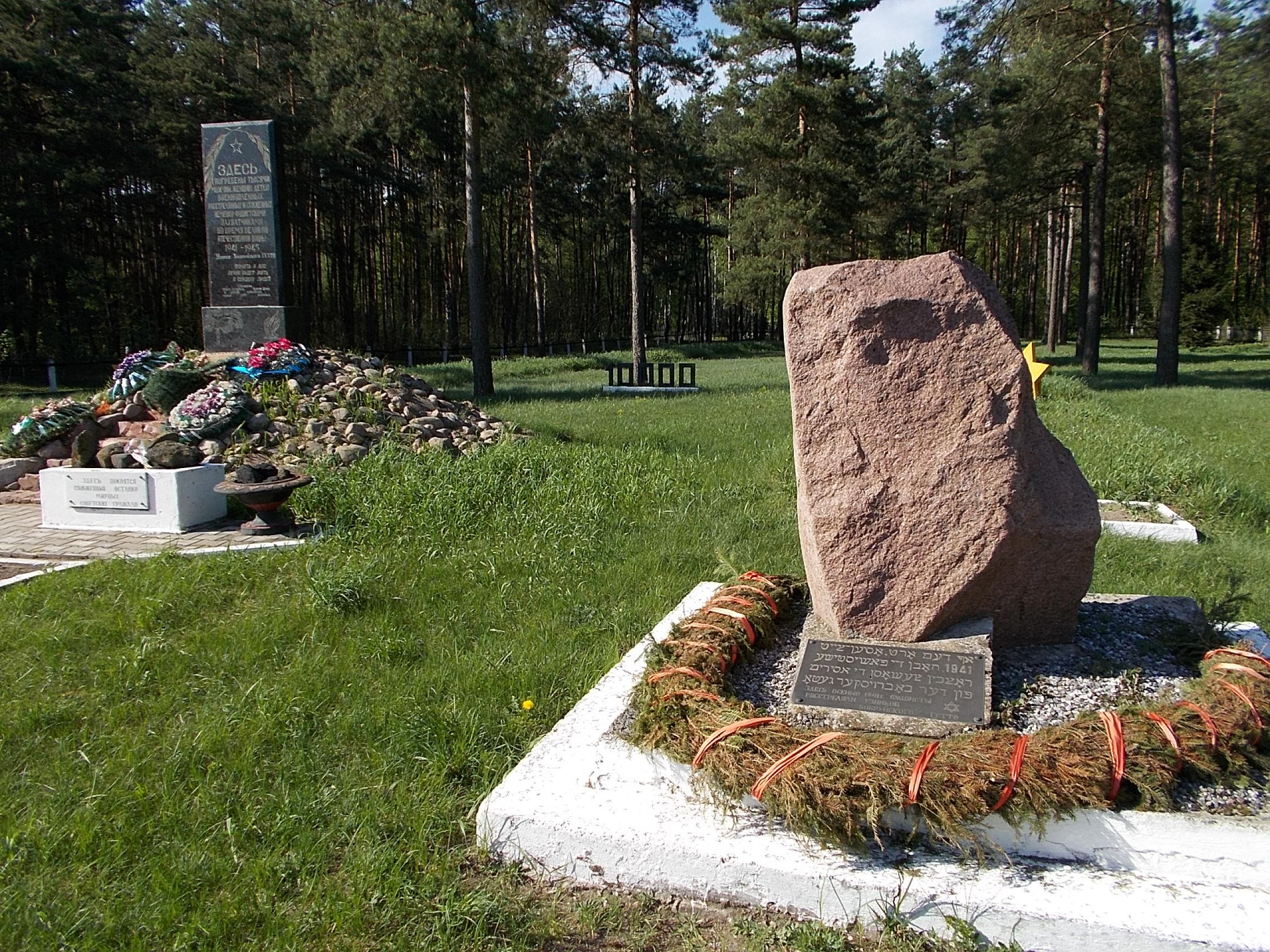
Memorial to the Murdered Jews of the Babruysk Ghetto in the Village of Kamenka
Памяти убитых евреев бобруйского гетто / Памяці забітых яўрэяў бабруйскага гета
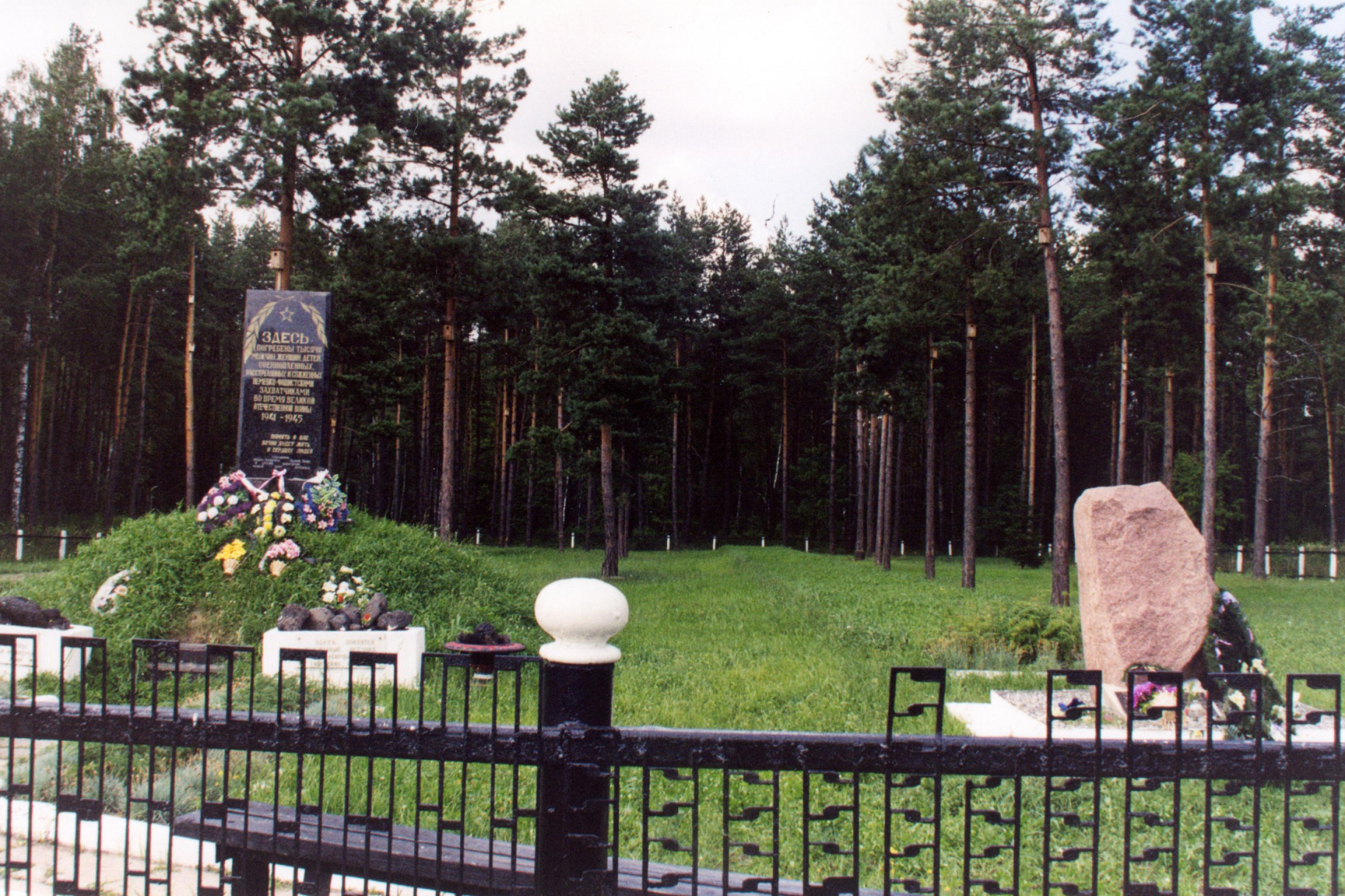
In 1960, a memorial was dedicated by the Jewish community of Babruysk to the approximately 14,000 Jews who were murdered by German Einsatzgruppen (mobile killing squads) in 1941 and 1942. Since then, several further memorials have been built to honour the victims.
History
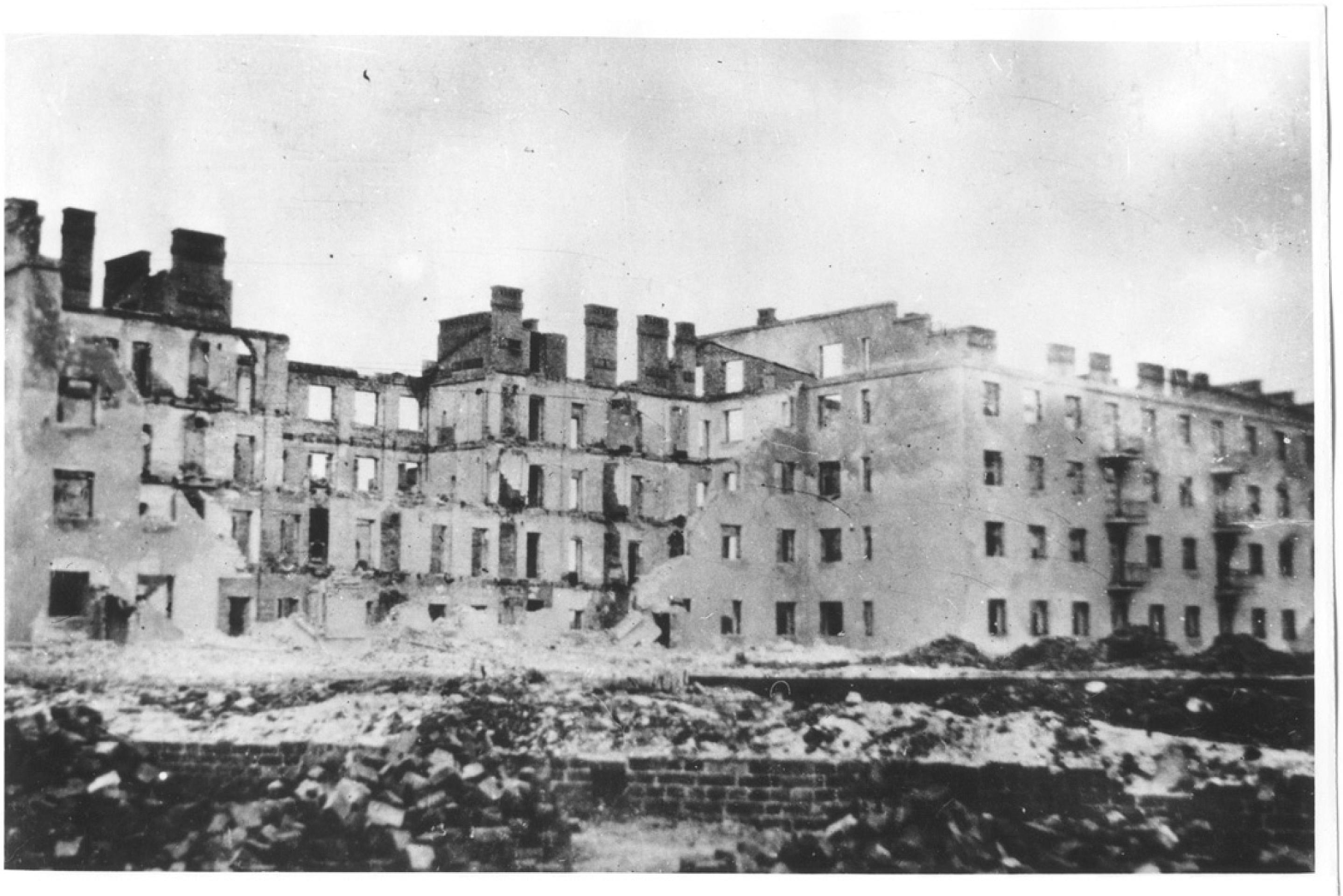
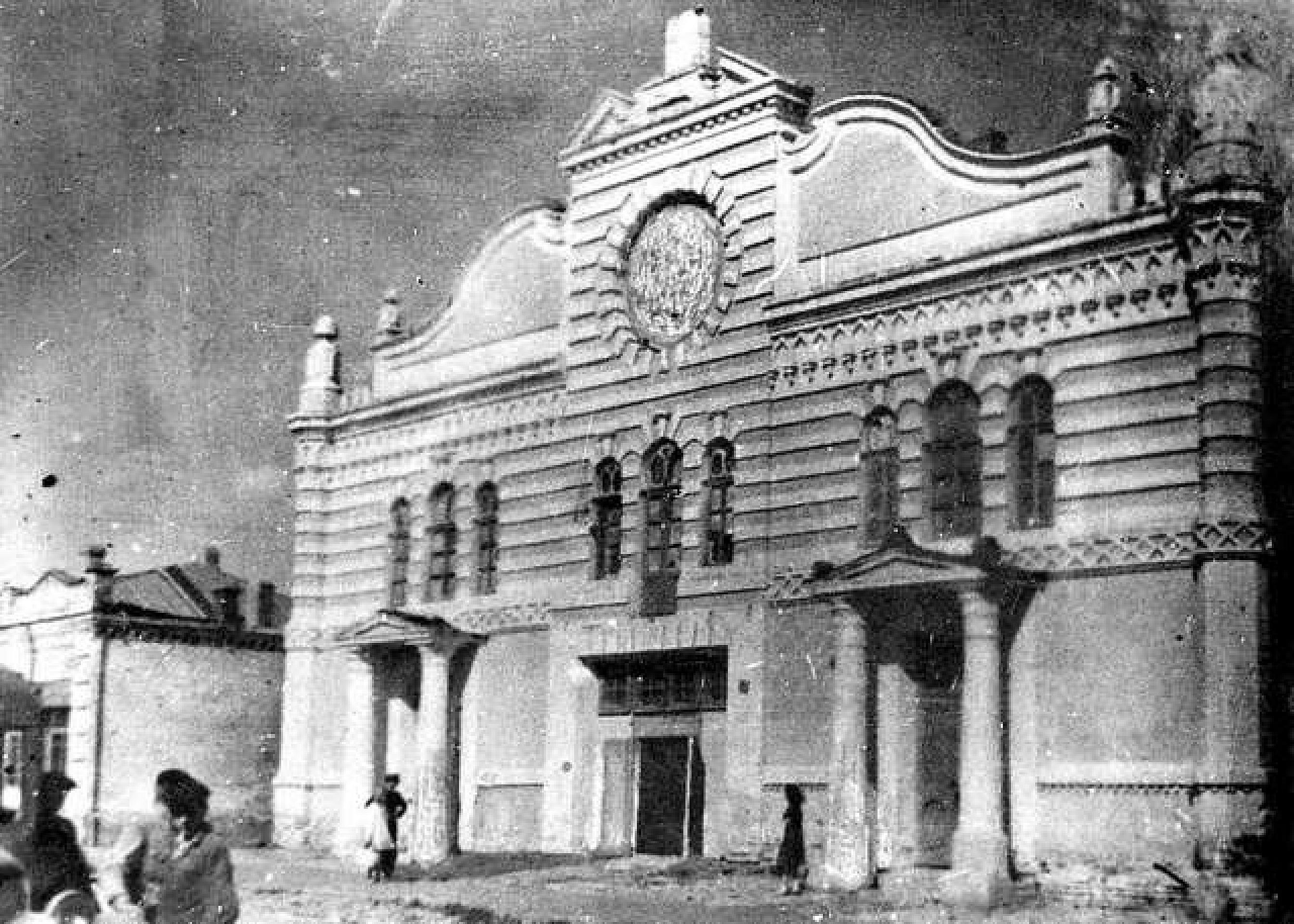
In 1939, around 26,000 Jews lived in Babruysk (Russian: Bobruisk), making up about a third of the city's population. Home to more than 30 synagogues, the city was considered an important centre of Jewish culture. At the time, only few Jews had fled from the approaching German army. On June 29, 1941, the German Wehrmacht took the city. In August 1941, a ghetto for the Jewish population was established. That same month, members of the Sicherheitsdienst of the SS (SD, security service) and of police battalion 307 arrested about 50 Jewish men. They were taken away in trucks and most probably shot by the SD men. The SS cavalry brigade shot 7,000 Jews in the vicinity of an airfield in September 1941. In September and October 1941, a subgroup of SS Einsatzkommando 8 (EK, mobile killing unit) under the command of Carl Ruhrberg was stationed in Babruysk. The members of EK 8 shot 2,000 Jews from Babruysk and surrounding areas in several operations. Between November 5 and 7, 1941, 5,800 Jews were shot, probably by police battalion 316 and EK 8. In the report for December 1941, Einsatzgruppe B (mobile killing squad) declared Babruysk »judenfrei« (»free of Jews«). Despite this, EK 8 continued murdering in the years 1942/43: several times, Jews were collected from labour camps and smaller ghettos in the area of Babruysk and shot.
Victims
The exact number of people murdered in Babruysk and surrounding areas is not known. Members of Einsatzkommando 8 (mobile killing unit) murdered about 250 Jews in July 1941 and 5,800 Jews probably in November 1941. The total number of murdered Jews from Babruysk is at least 14,000.
Remembrance
The Red Army liberated Babruysk on June 29, 1944. After the end of the war, many Jews returned to the city.
Already in 1960, Meir Zeliger began advocating the construction of a memorial at the former site of shootings. He himself had been able to flee prior to the invasion of the German Wehrmacht in Babruysk and thus survived the Holocaust. With financial support of the remaining Jewish community, the memorial in Kamenka could be established. However, the Jewish identity of the victims was not mentioned in the inscription. After Zelinger's death in 1978, Maria Mints, a survivor of the Babruysk ghetto herself, took care of the mass graves and memorials. She supported the erection of a further memorial in Kamenka, which was dedicated in 1988.
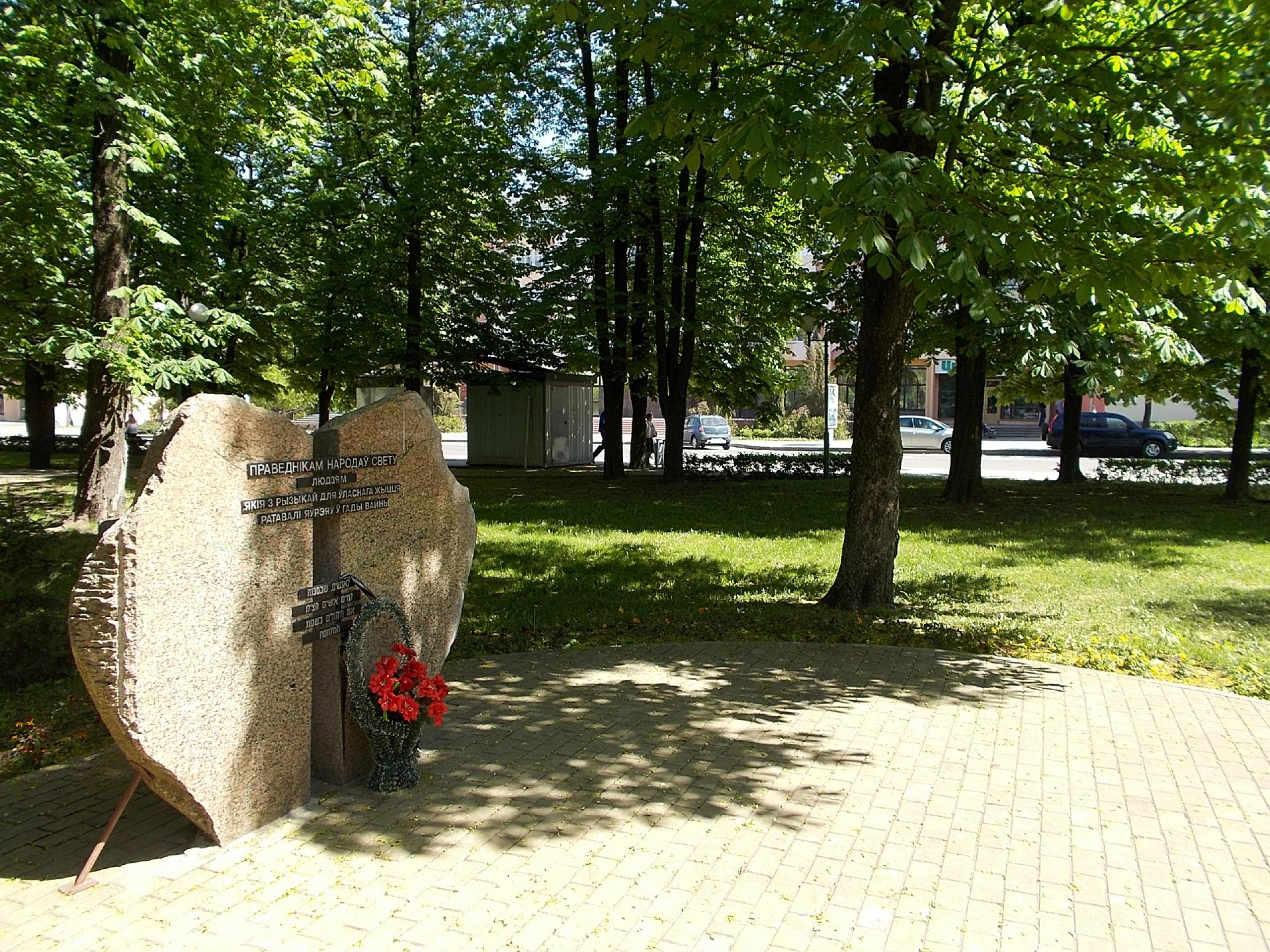
During the war, some Jews were saved by non-Jewish local citizens. In 2005, a memorial for the »Righteous Among Nations« was inaugurated in their honour in the centre of town.
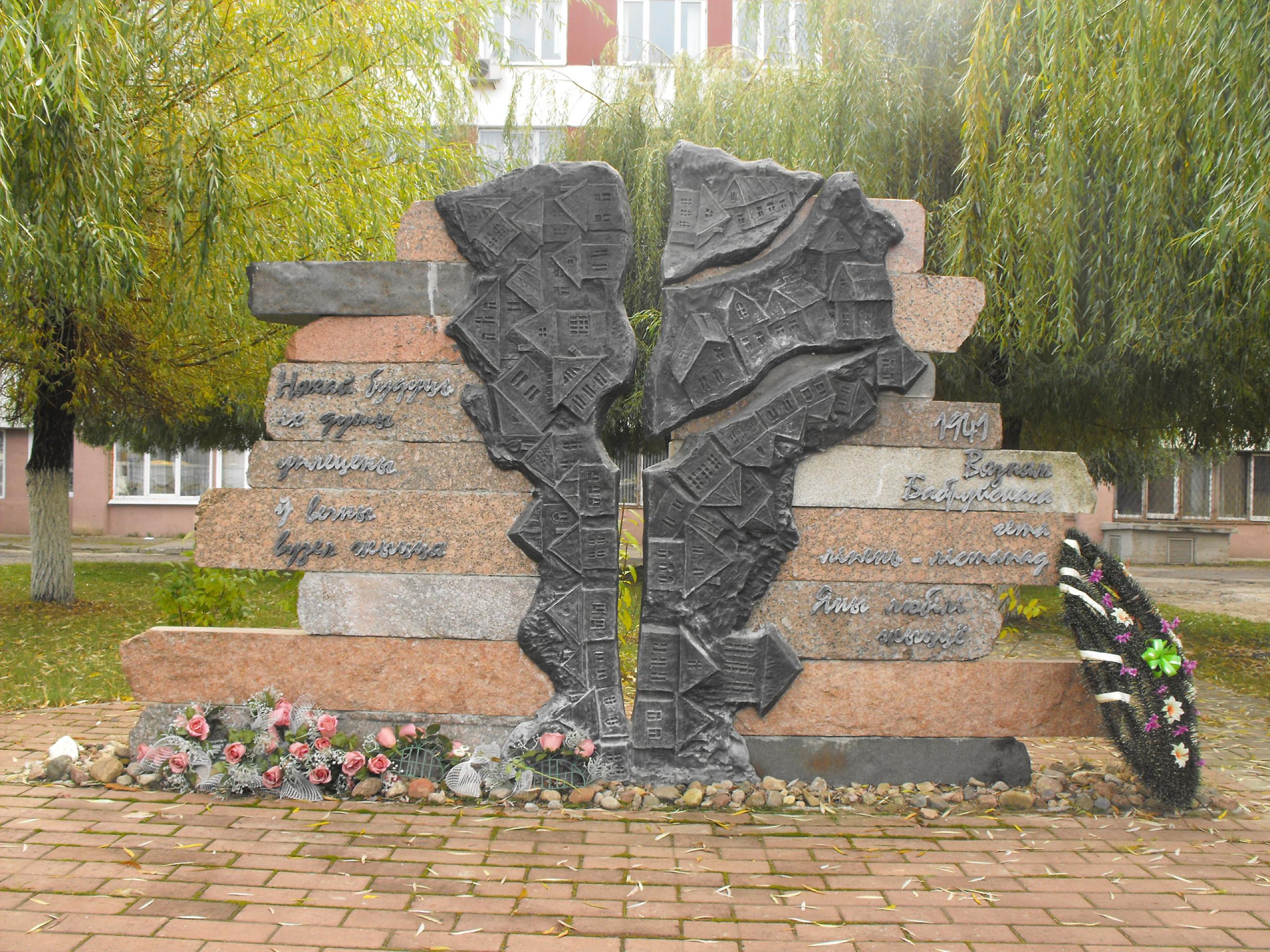
On October 19, 2008, a further memorial was unveiled. It is situated near the former entrance to the ghetto in the south-western part of Babruysk. The memorial is reminiscent of a tree, symbolizing life and suffering. Houses are to be seen, while there is a split through the middle of the stone. The inscription in Belarusian reads: »1941. For the prisoners of the Babruysk ghetto. They loved life«. On the other side of the memorial, there is a further inscription: »May their souls live forever, woven into the eternal knot of life«.
The Jewish cemetery is in the northern part of town. The victims of several mass shootings are buried there, after their relatives organized the transfer of their remains there in the 1970s.
Although many Jews emigrated abroad from Babruysk in the 1990s, there are about 700 Jews living in the city which is also home to two functioning synagogues.
Open
The memorials are accessible at all times.
Contact
vulica Bacharava; Sacyjalistyčnaja vulica; vioska Slabodka
Bobruisk