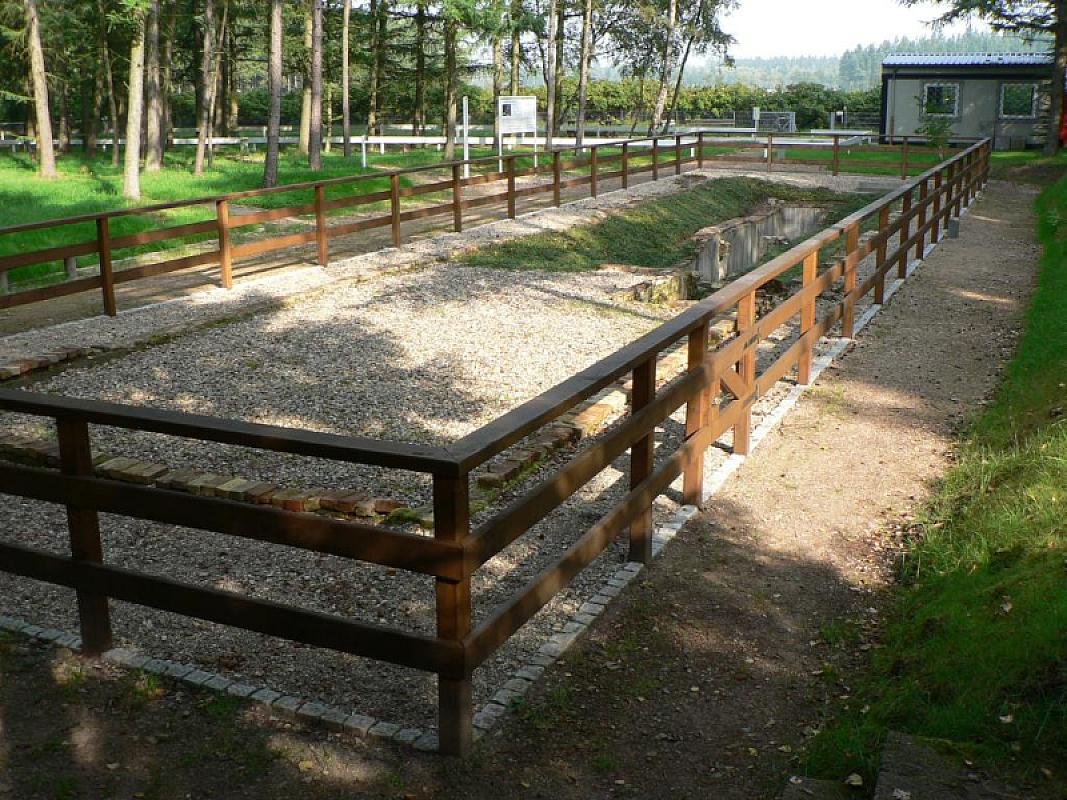
Memorial to the murdered Jews of Tiraspol
Память забытых евреев Тирасполя / Memoria evreilor uciși din Tiraspol
In Tiraspol, several memorials in the Jewish cemetery and a memorial inaugurated in 2018 remember the Jews murdered in the city between 1941 and 1944.
History
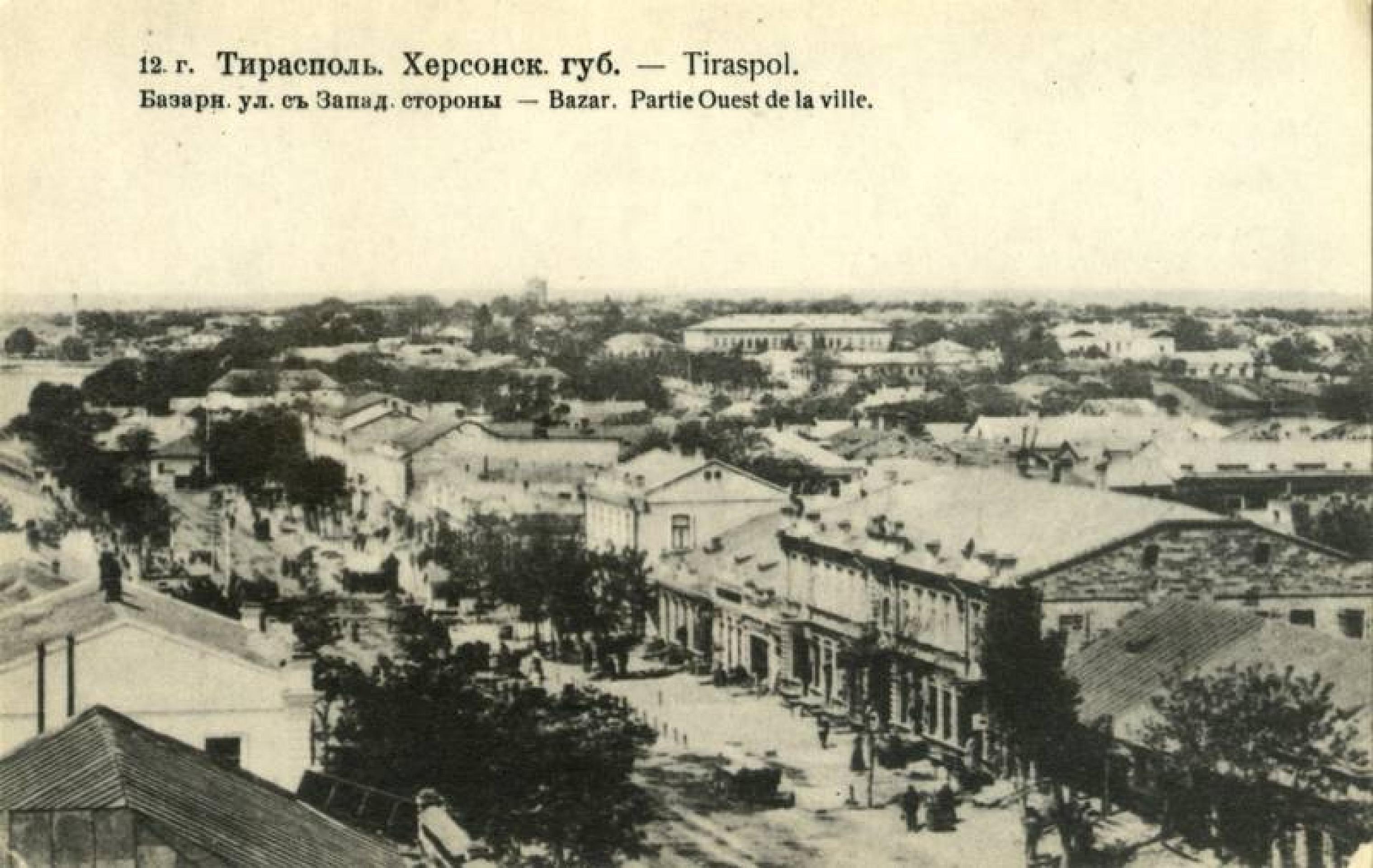
Tiraspol, situated on the banks of the Dniester, was founded in 1792. Jews lived in the city from the start. In contrast to most of today's Republic of Moldova, Tiraspol belonged to the Soviet Union already after the Russian Revolution. Before the Second World War, more than a quarter of the 43,500 inhabitants were Jews.
Romanian and German troops occupied Tiraspol on August 8, 1941. The majority of the Jews living in Tiraspol managed to flee to the interior of the Soviet Union beforehand. Many Jewish men were drafted into the Red Army. After their invasion, the German and Romanian occupiers drove hundreds of Jews to a place called »Kirpitshnoya Slobodka« and shot them there. On September 1, 1941 Tiraspol was assigned to the newly founded, Romanian-controlled »Transnistria Governorate«. From then on, the city marked one of the crossings over the Dniester to Transnistria. Many Jews who were deported by the Romanian authorities, mainly from Bessarabia and Bukovina, passed through Tiraspol without receiving permission to stay in the city. By the end of January 1942 there were about 870 deported and some local Jews in the city. The Romanian occupiers gave permission to approximately 100 Jews with certain professions to stay in Tiraspol and sent them to a ghetto. The number of ghetto inhabitants rose to over 800 by the end of the year. The Jews had to conduct forced labour outside the ghetto, otherwise the conditions in the ghetto were bearable compared to other camps and ghettos in Transnistria, thanks to the goodwill of individual police officers. Many Jews therefore tried to obtain the right to stay in Tiraspol. From December 1943, the ghetto was also allowed to receive material support from a welfare committee in Bucharest. On March 19, 1944 the Romanian troops withdrew from Tiraspol and left the city to the Germans, who during their withdrawal less than a month later murdered most of the Jews in Tiraspol in the local prison.
Victims
In the first days after the capture of the city, German and Romanian units murdered over 500 Jews in Tiraspol. Until the Romanian troops left, there was a ghetto in Tiraspol but there were no more mass executions. A total of about 2,000 Jews perished in Tiraspol during the Romanian and German occupation.
Remembrance
On April 12, 1944, the Red Army recaptured Tiraspol. The city became part of the Soviet Republic of Moldova. In the 1960s about 1,500 Jews lived in the city again. Many emigrated in the 1980s and 1990s. After the collapse of the Soviet Union, a war broke out in 1992 in which the predominantly Russian-speaking area on the eastern bank of the Dniester detached itself from Moldova. Since then, Tiraspol has been the capital of the breakaway and internationally unrecognised Republic of Transnistria. Russian army units are permanently stationed in the area.
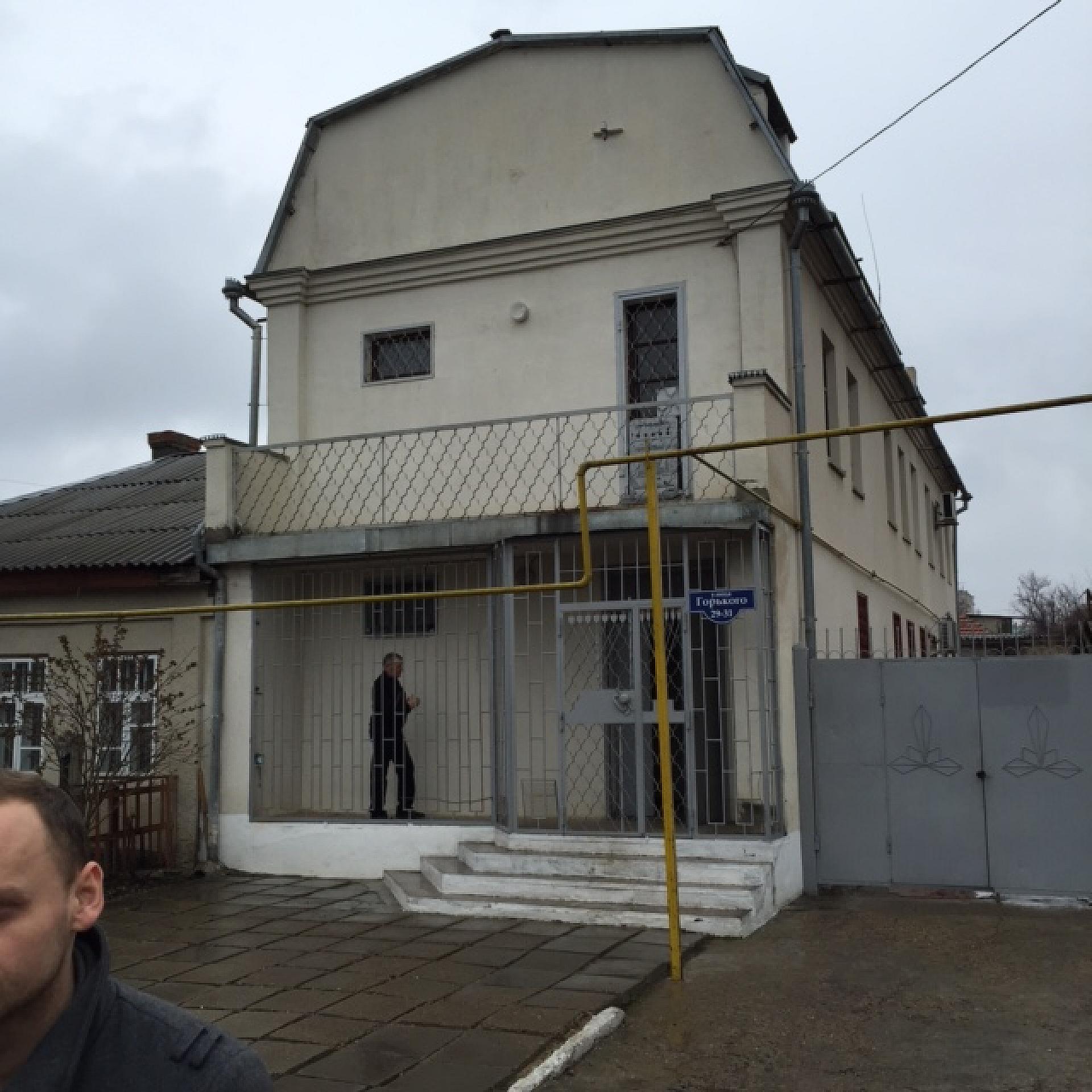
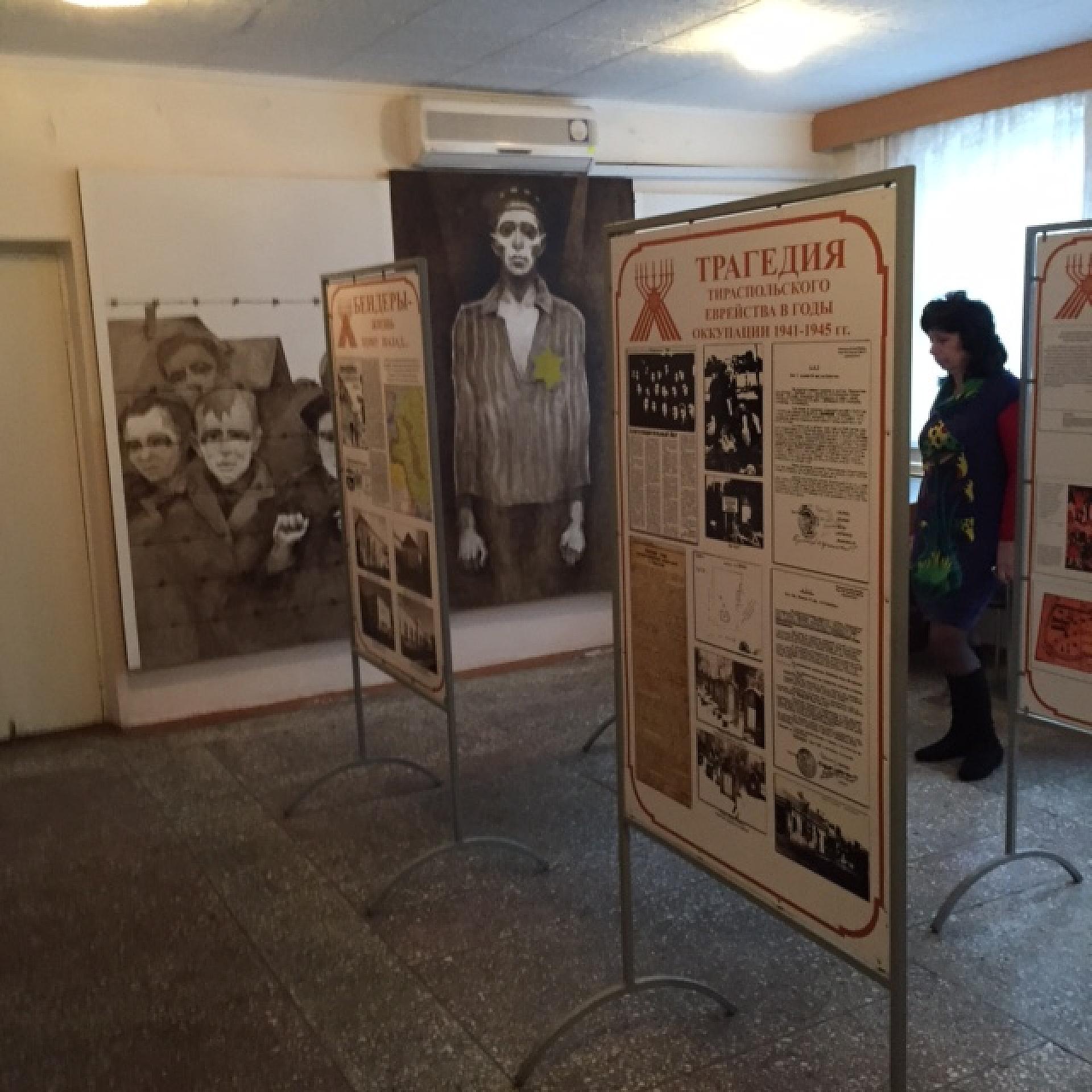
Since the early 1990s there has been visible Jewish life again in Tiraspol. Two Jewish communities were re-established which had not been tolerated in the Soviet Union for decades. At the end of the 1990s a synagogue was opened, a Jewish cultural centre followed in 2001. An exhibition on the Holocaust can be seen in the premises of the »Hesed« community.
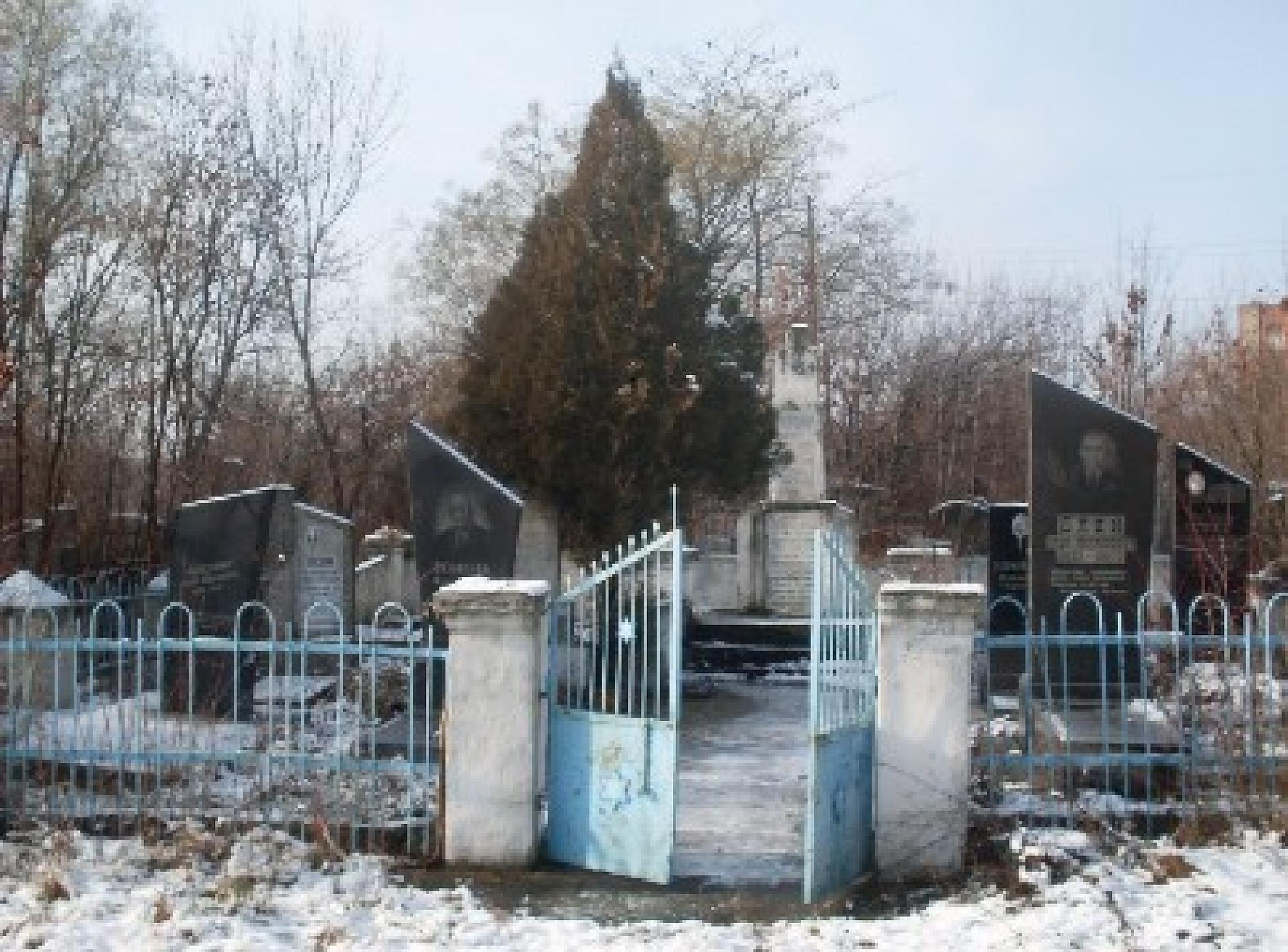
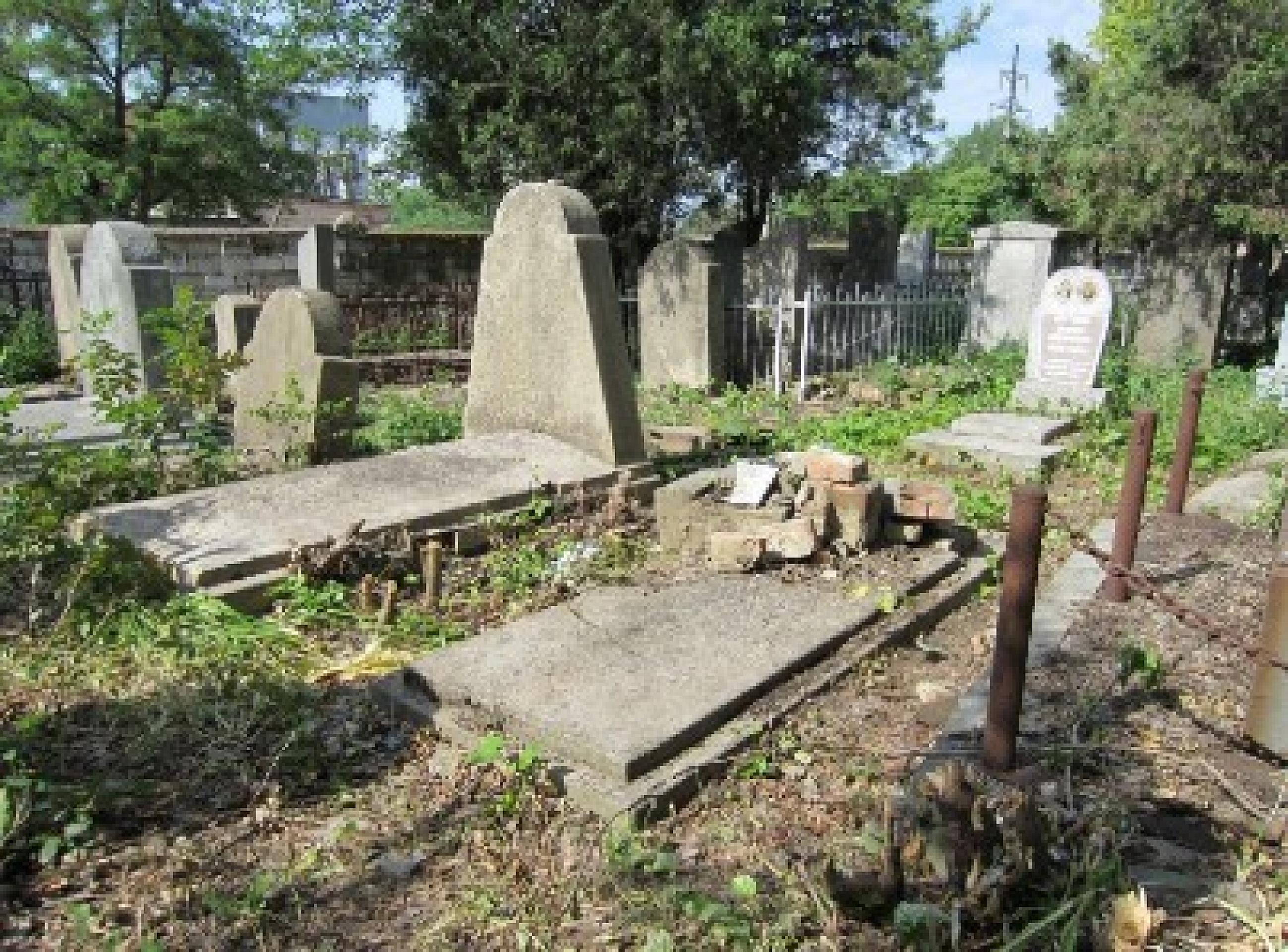
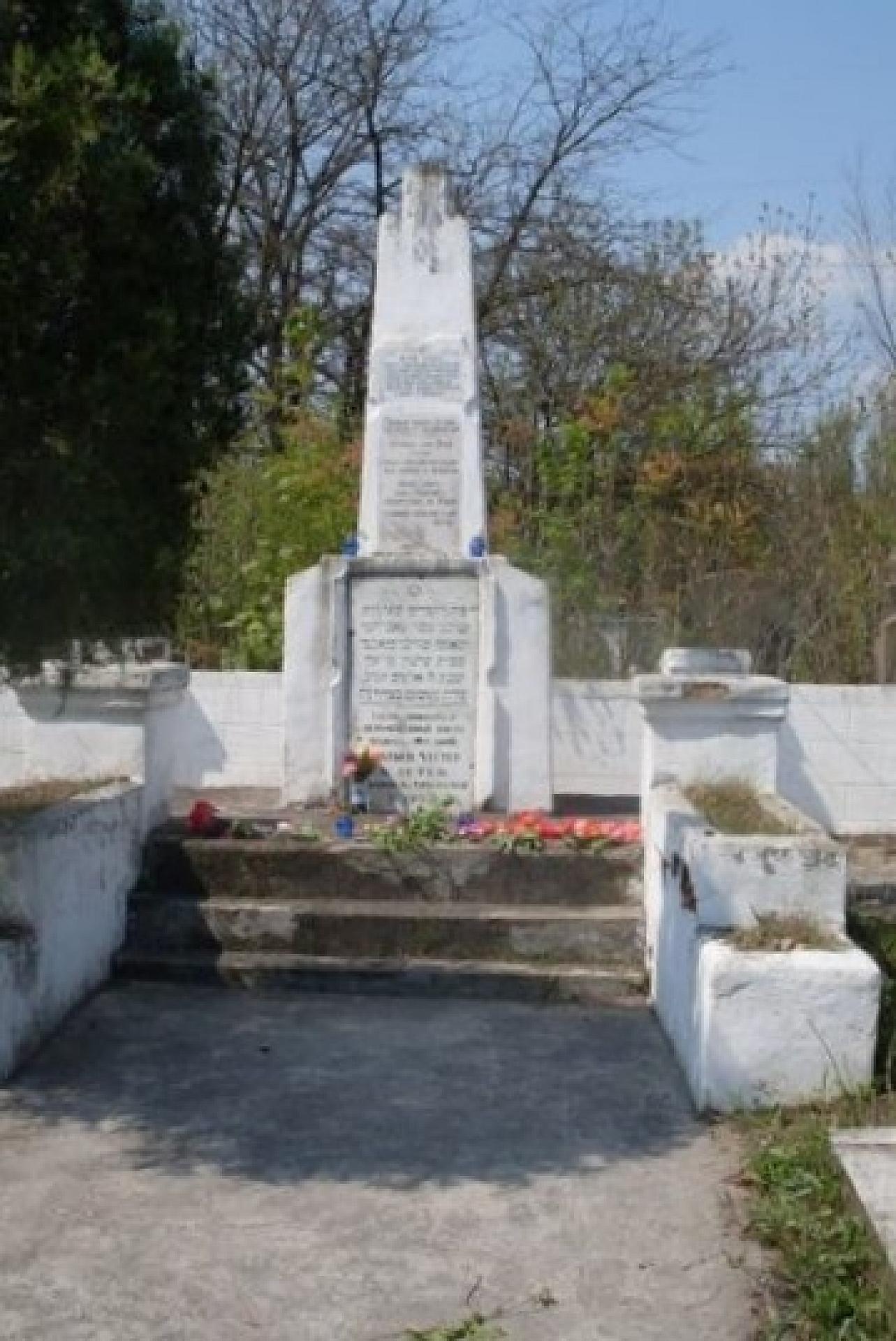
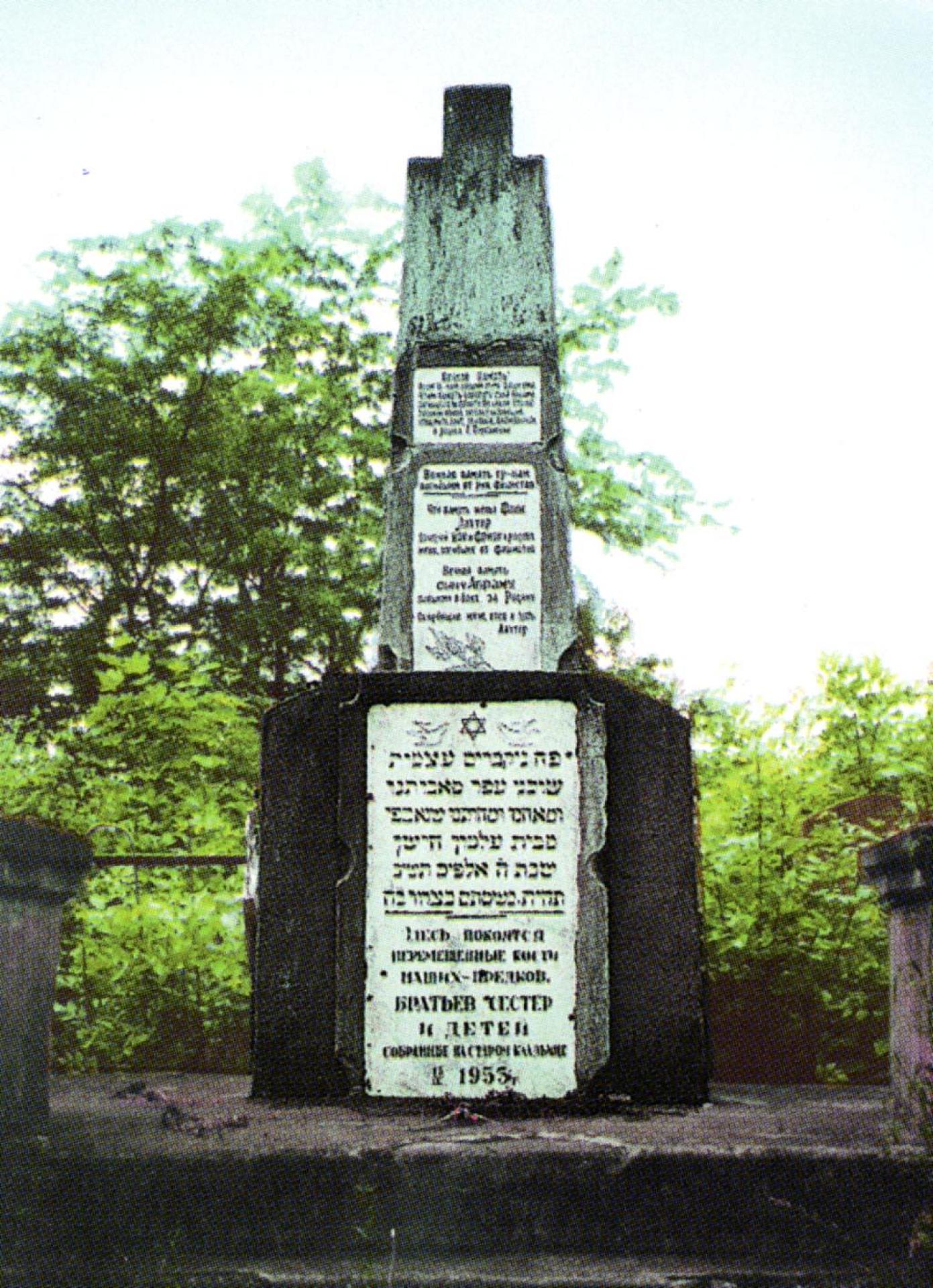
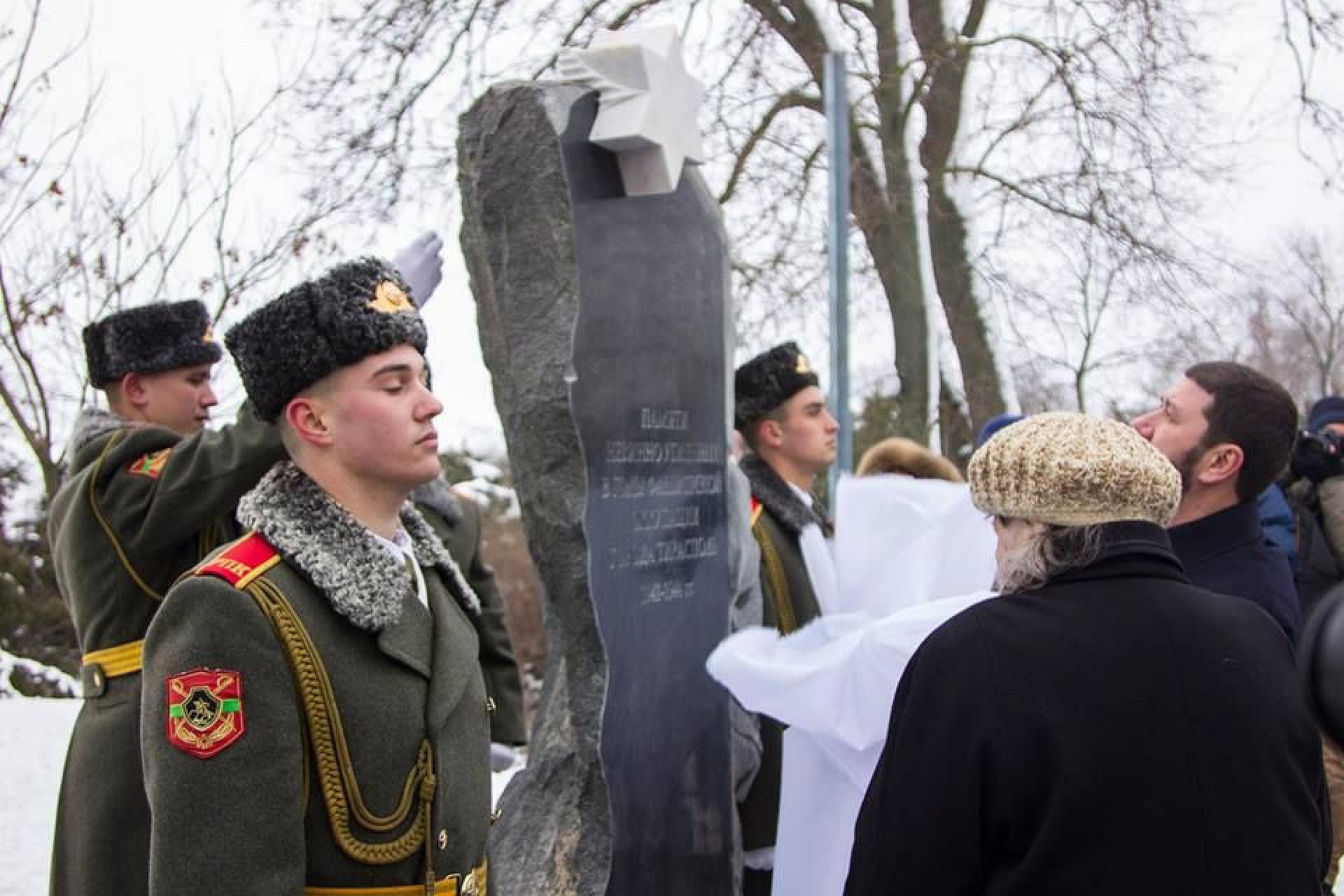
On the over 100 year old Jewish cemetery there are about 2,000 gravestones. The cemetery is closed since the end of the 1980s and is partly overgrown, but is still being maintained. In the middle of the cemetery there are several memorials. In a collective grave lie the remains of Jews who were murdered by German and Romanian units between 1941 and 1944 and who were transferred to the Jewish cemetery by their relatives in 1945. Nearby is another memorial dedicated to the victims of Stalinist terror at the end of the 1930s. On January 28, 2018 a new memorial was opened by the chairman of the Jewish community in Moldova and a Holocaust survivor from Tiraspol, Susanne Lebedova. It is situated at one of the former mass shooting sites of the city. The Russian inscription reads: »In memory of those innocently murdered during the fascist occupation of Tiraspol in 1941-1944«. A star of David on the upper edge of the black marble stele indicates that the monument is dedicated to Jewish victims.
Open
The memorial is accessible at all times.
Contact
http://tirasfeld.org/index.htm