Skip to content

Memorial to the murdered patients of the psychiatric hospital Novinki

Mемориальный знак в память о пациентах психиатрической больницы, погибших в годы Великой Отечественной войны / Mемарыяльны знак у памяць аб пацыентах псіхіятрычнай бальніцы, якія загінулі ў гады Вялікай Айчыннай вайны


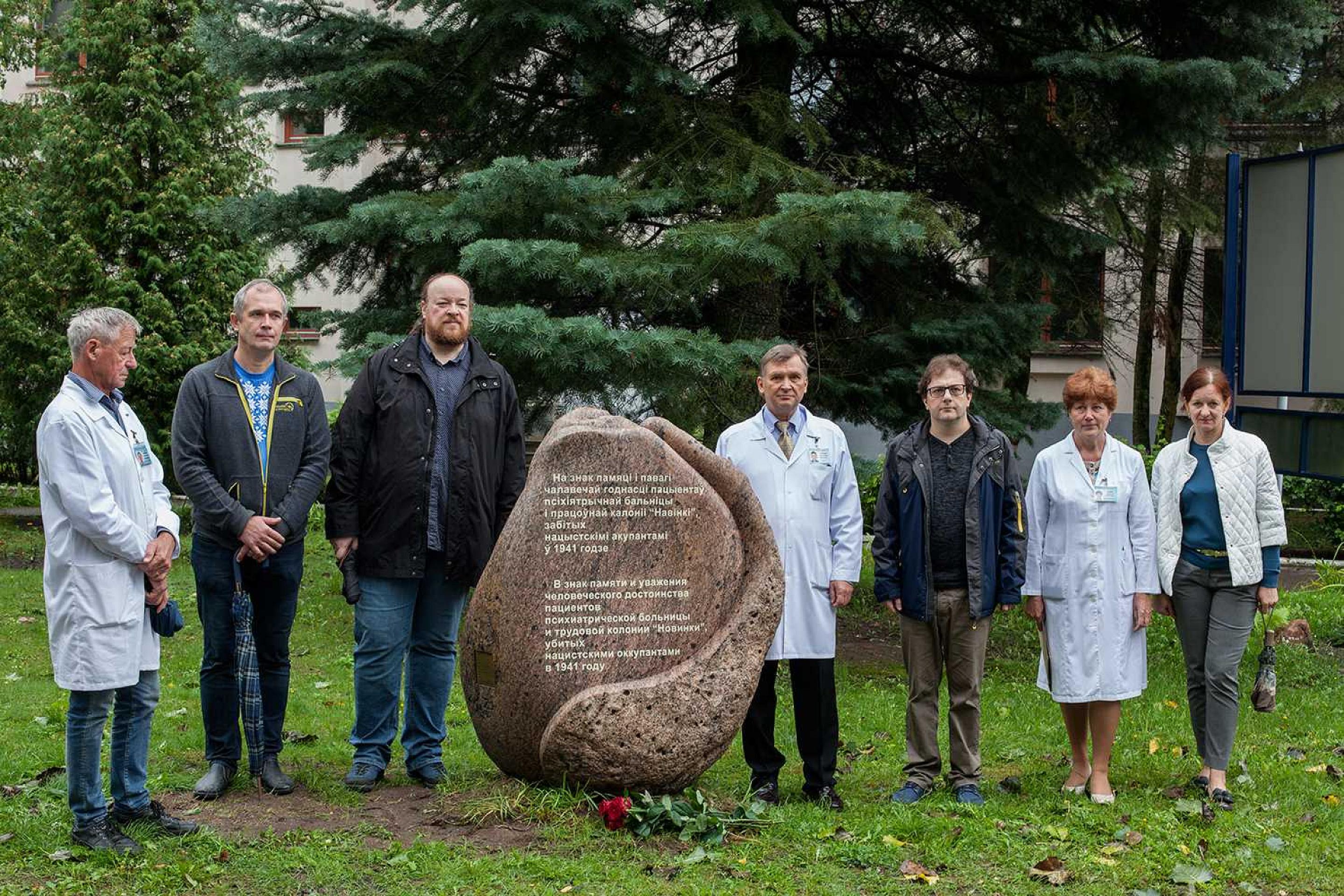
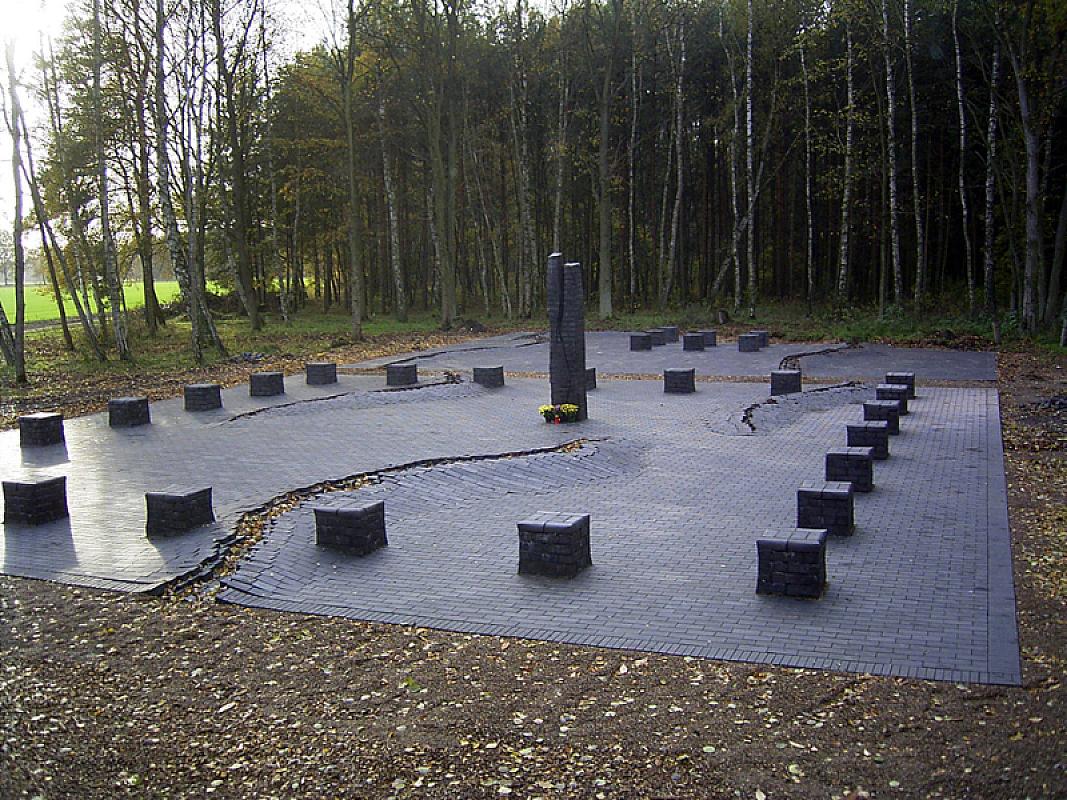
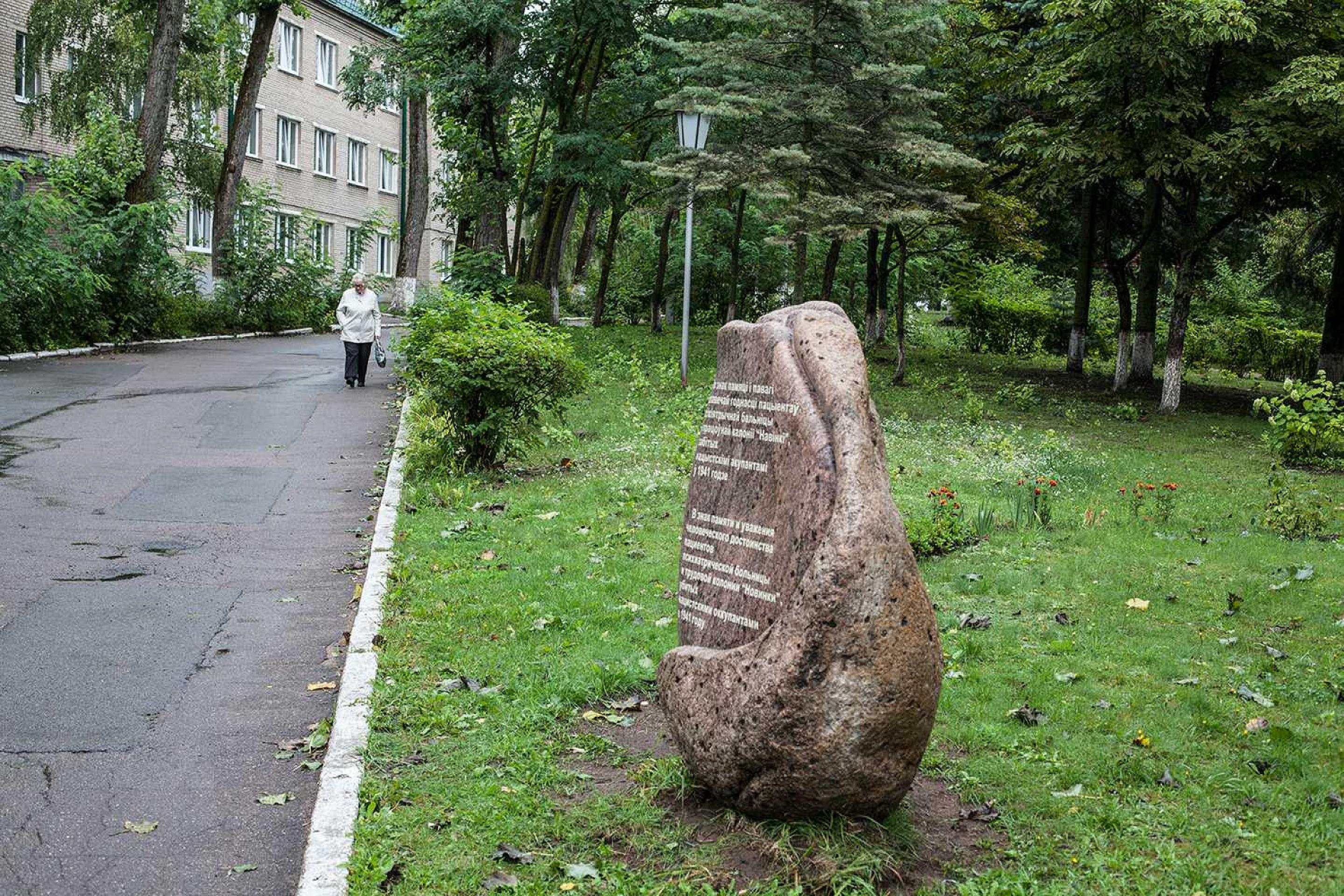
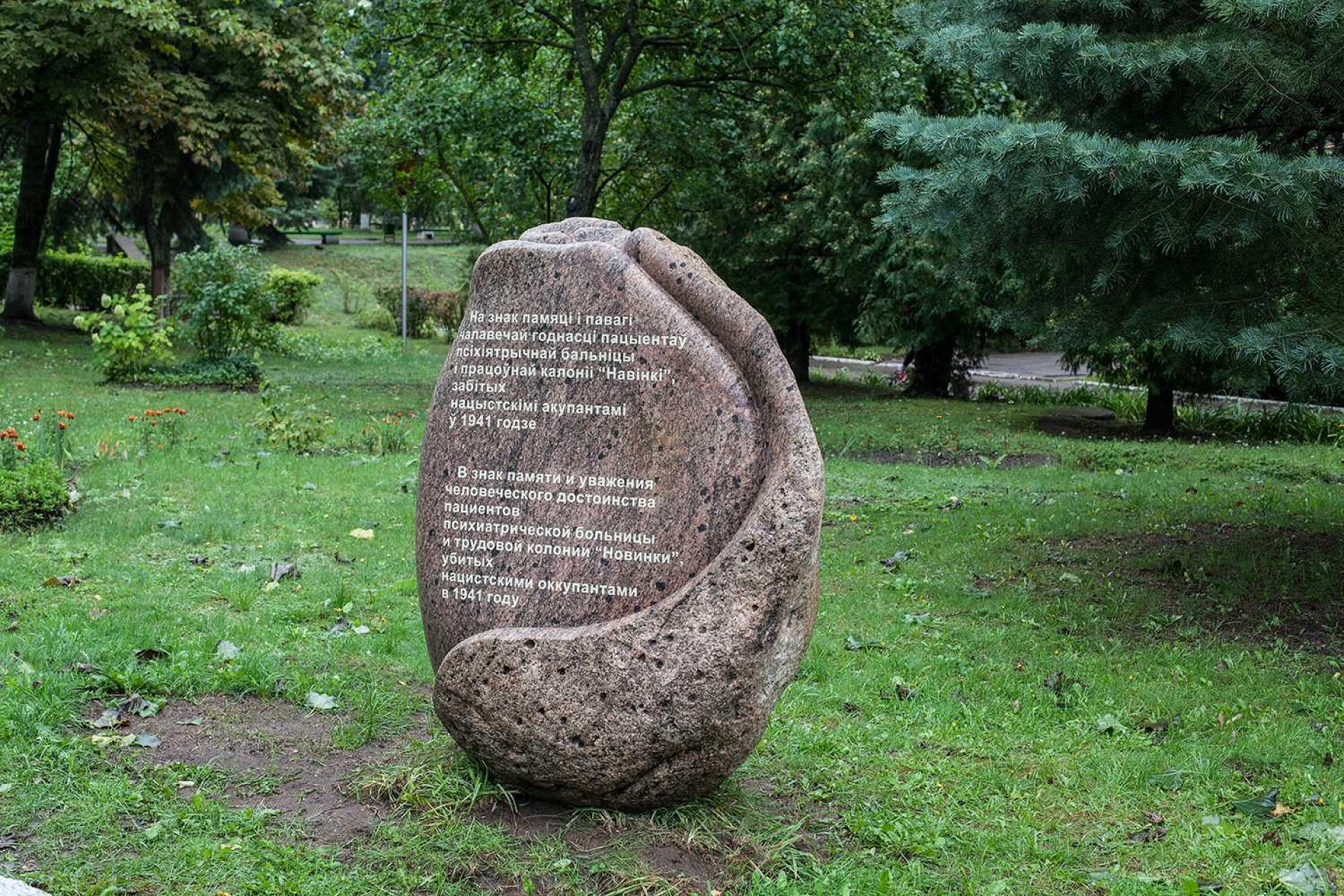
Since 2017, a memorial stone on the premises of the psychiatric hospital Novinki in Minsk remembers the patients murdered by German occupying forces.

History

In the context of the »Euthanasia« program, some 70.000 people with disabilities and mental illness were murdered in Germany until the killings were halted in August 1941. But even after the official end, the killing of patients continued not only in Germany but also in the occupied territories. Especially in occupied Eastern Europe the patients of entire institutions were murdered in a systematic manner.
The German Wehrmacht conquered the Belarusian capital Minsk just a few days after its attack on the Soviet Union. In Belarus, one of the most brutal occupying regimes was established and during the foloowing three years, about a quarter of the population perished.
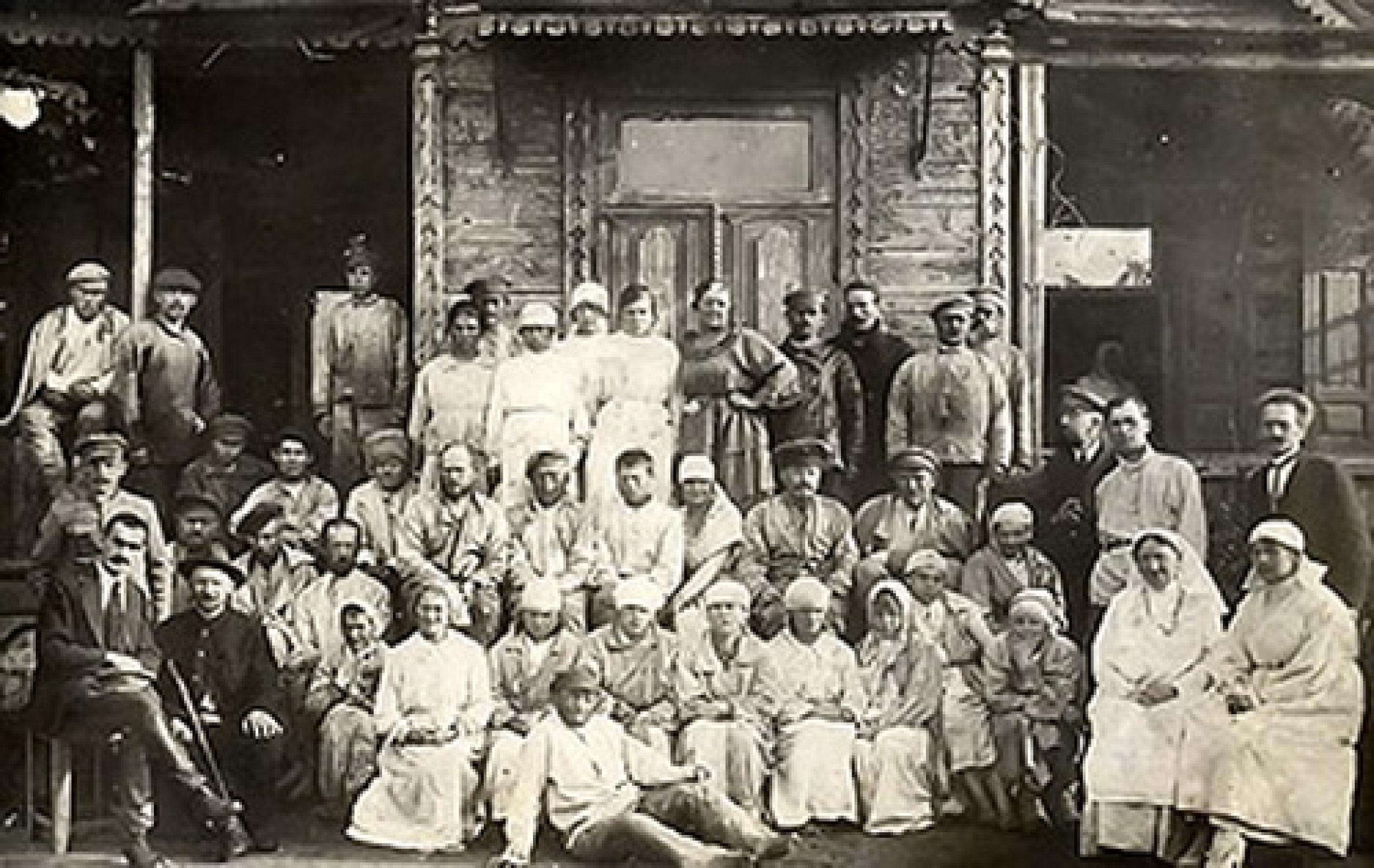
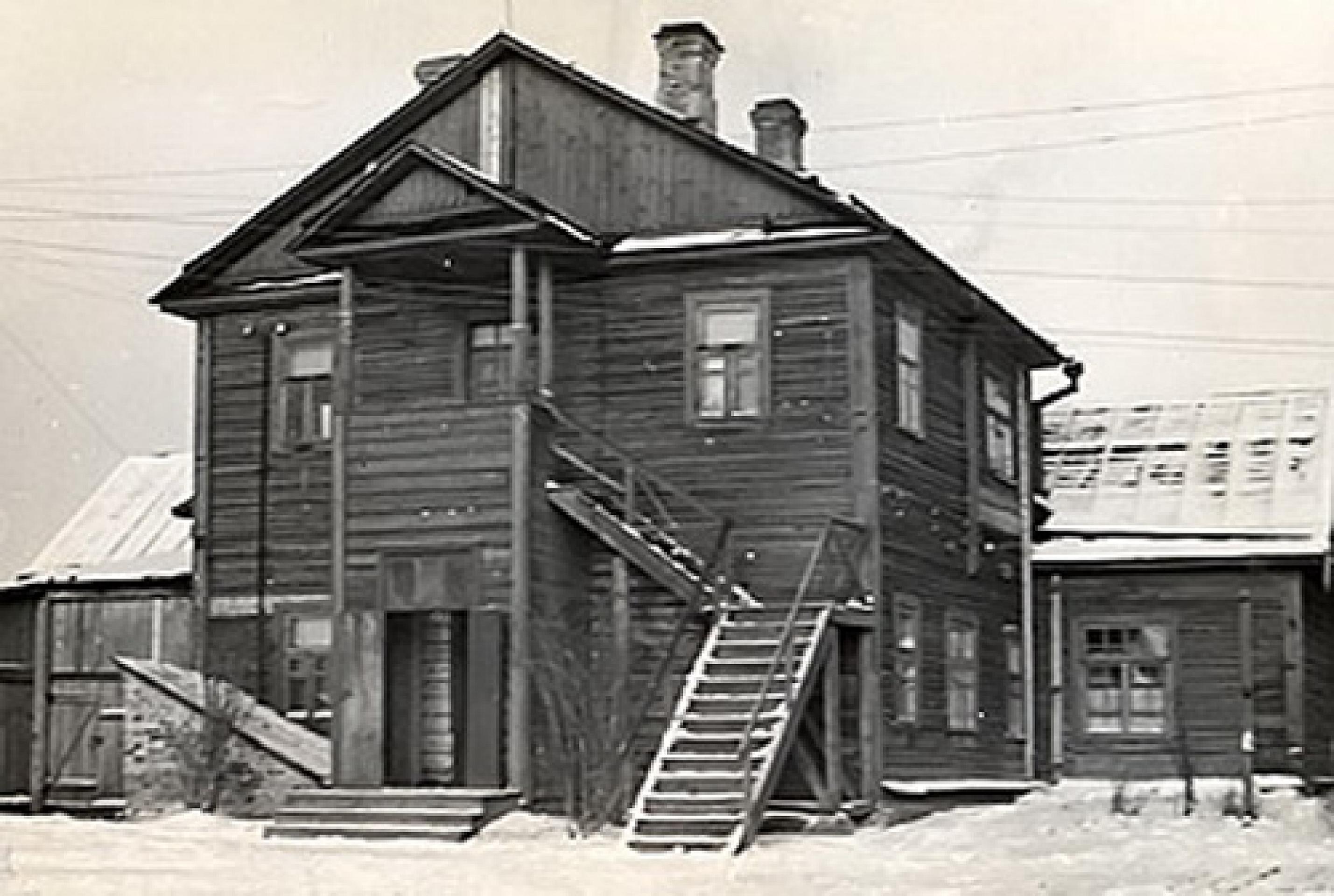
Patients of psychiatric institutions were systematically murdered in the occupied Soviet territories. Arthur Nebe, commander of Einsatzgruppe (mobile killing unit) B, which was deployed in Belarus in order to murder political opponents and Jews, conferred with Albert Widmann, one of the main perpetrators of the »Euthanasia« program in the German Reich, about the subject. Widmann traveled to Minsk in the autumn of 1941 to prepare the murders of patients. In September 1941, Nebe's men murdered patients of the local institution in Mogilev with car exhaust fumes. Afterwards they murdered the patients of the Minsk psychiatric hospital Novinki in a nearby forest with explosives. However, as this method proved to be impractical for the perpetrators, another group of more than 100 patients were killed with poison gas on September 18, 1941 in a bathhouse of the institution. Few days later another 80 patients of Novinki, among them all Jewish patients, were shot. Some days later psychiatric patients of another Minsk hospital were murdered.
Victims

In 1941 about 200 patients were murdered on the site of the psychiatric hospital Novinki in Minsk. The exact number of patients murdered during the German occupation in Minsk or throughout Belarus is unknown.

With the outbreak of the Second World War in September 1939 and the Red Army’s invasion of eastern Poland the north-east of the country was annexed to Soviet Belarus. In summer 1941 the whole of Belarus was occupied by German troops. Over the next three years between one in four and one in three residents met a violent death. Almost all of the towns were completely destroyed. The Wehrmacht or SS systematically annihilated around 620 villages together with theor inhabitants, including Chatyn. The largest extermination camp on occupied Soviet territory was located in Maly Trostenets outside the Belarusian capital Minsk. It is now presumed that at least 60,000 German and Belarusian Jews were murdered there. Up to 85,000 Jews are estimated to have died in Minsk and 230,000 in the country as a whole. From 1941, Belarus was at the heart of the Soviet partisan struggle against the German occupation with over a thousand active partisan groups. The Red Army began to recapture the country at the end of 1943 and the German occupation was considered over by summer 1944. The country was largely destroyed, the society shattered and the people traumatised. Belarus was reincorporated into the Soviet Union in 1944. A large part of the Polish territory annexed in 1939 remained part of the country. National memorial and memory culture in post-war Belarus were dominated by the liberation of the country on 3 July 1944 and the day of victory on 9 May 1945 as the end of a »heroic« struggle in the Great Patriotic War. Memory of the partisan war was also of key importance. The genocide of the Jews was not mentioned directly in the Soviet republics. An obelisk put up at the »Yama«, a pit where mass murders took place in the Minsk ghetto, was therefore an exception in the former Soviet Union. It was erected as early as 1946 and for decades was the sole memorial with a Yiddish inscription and a direct reference to the murdered Jews. The memorial site at Khatyn is also unusual. Here,153 people were burnt alive in March 1943. The memorial site, established in 1969, is notable for its simplicity, its concentration on the human dimension of the plight of the victims amidst the horrors of war and the absence of monumental features otherwise common in the former Soviet Union. After Belarus claimed independence in 1991 the search began for an independent national identity. The number of victims plays a decisive role, especially those killed during the Second World War. However, there is consciously no distinction drawn between the territorial situation of the country pre- and post-1939. Both the crimes of the Stalinist regime and the Holocaust have come to the fore but the nature of the state has prevented public discussion of these aspects. State remembrance continues to be dominated by the war in the years 1941 to 1944. Its main symbol is the monumental new building of the Museum of the History of the Great Patriotic War, opened in 2014. In the meantime, however, the association of Jewish communities in Belarus has established a series of memorials to the victims of mass murder. Since the early 1990s, several German towns have also put up stelae in Minsk to remember the Jews deported and murdered there. The Berlin stele, financed by the federal state of Berlin and the Foundation Memorial to the Murdered Jews of Europe, was inaugurated in an official ceremony on June 25, 2009. There is also movement with regards to a fitting development of the Maly Trostenets area: In 2015, a memorial complex was inaugurated at the site. A second segment which was co-financed by Germany was opened in 2018 by the presidents of Belarus, Austria and Germany. Germany has also pledged to finance the renovation of the Historical Workshop’s historical building on the former territory of the Minsk ghetto, documenting the fates of its victims.

Remembrance

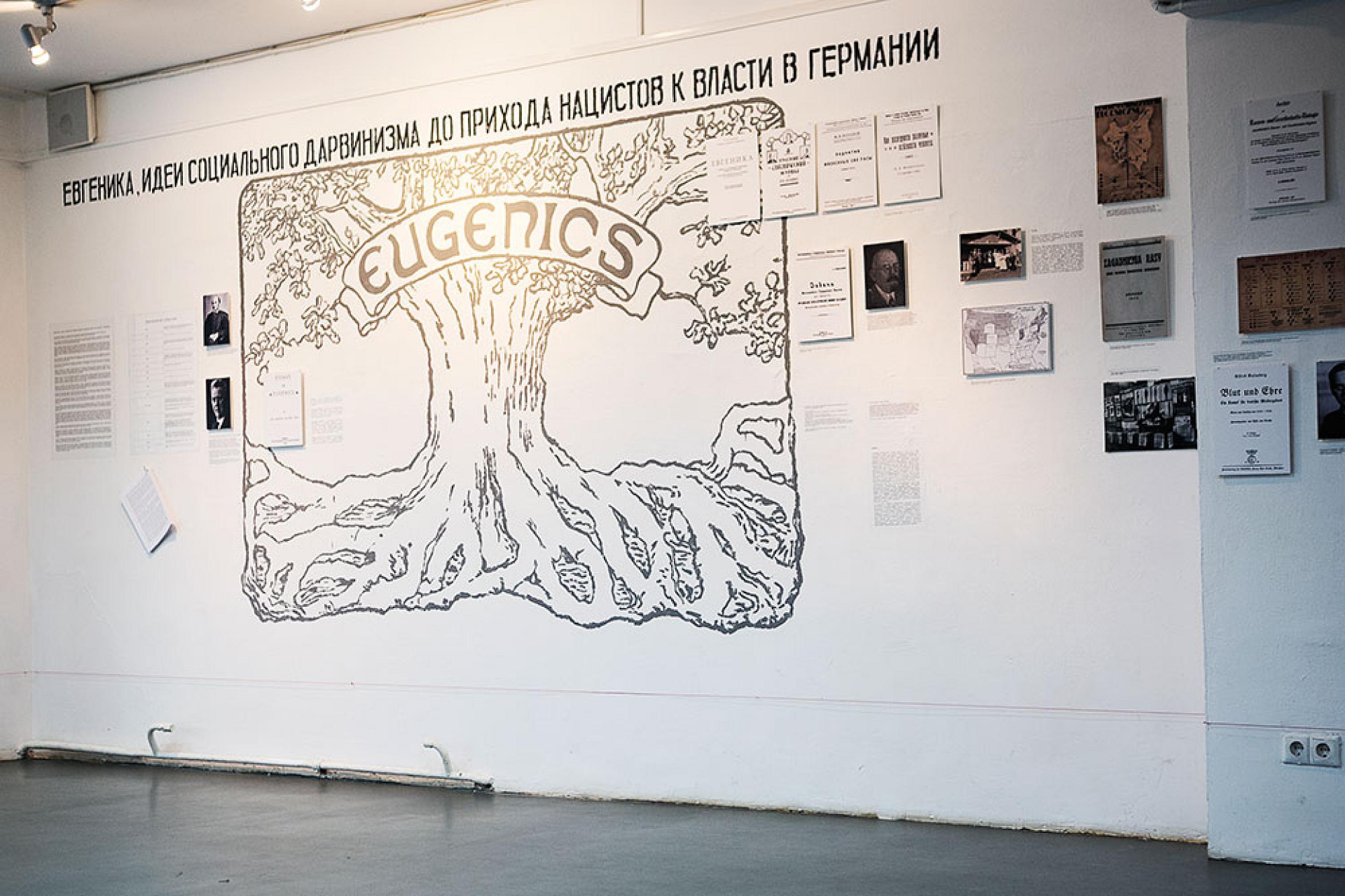
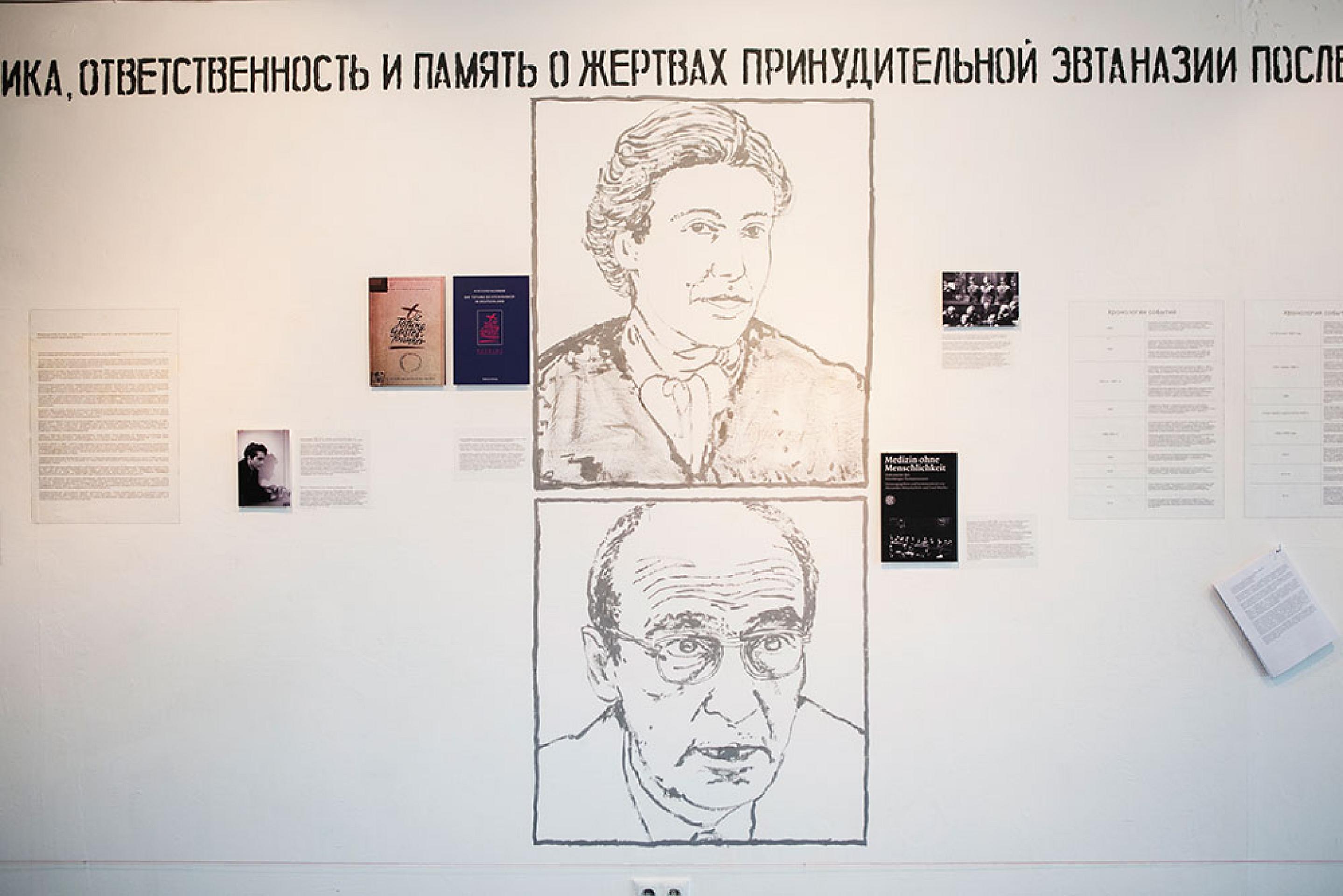
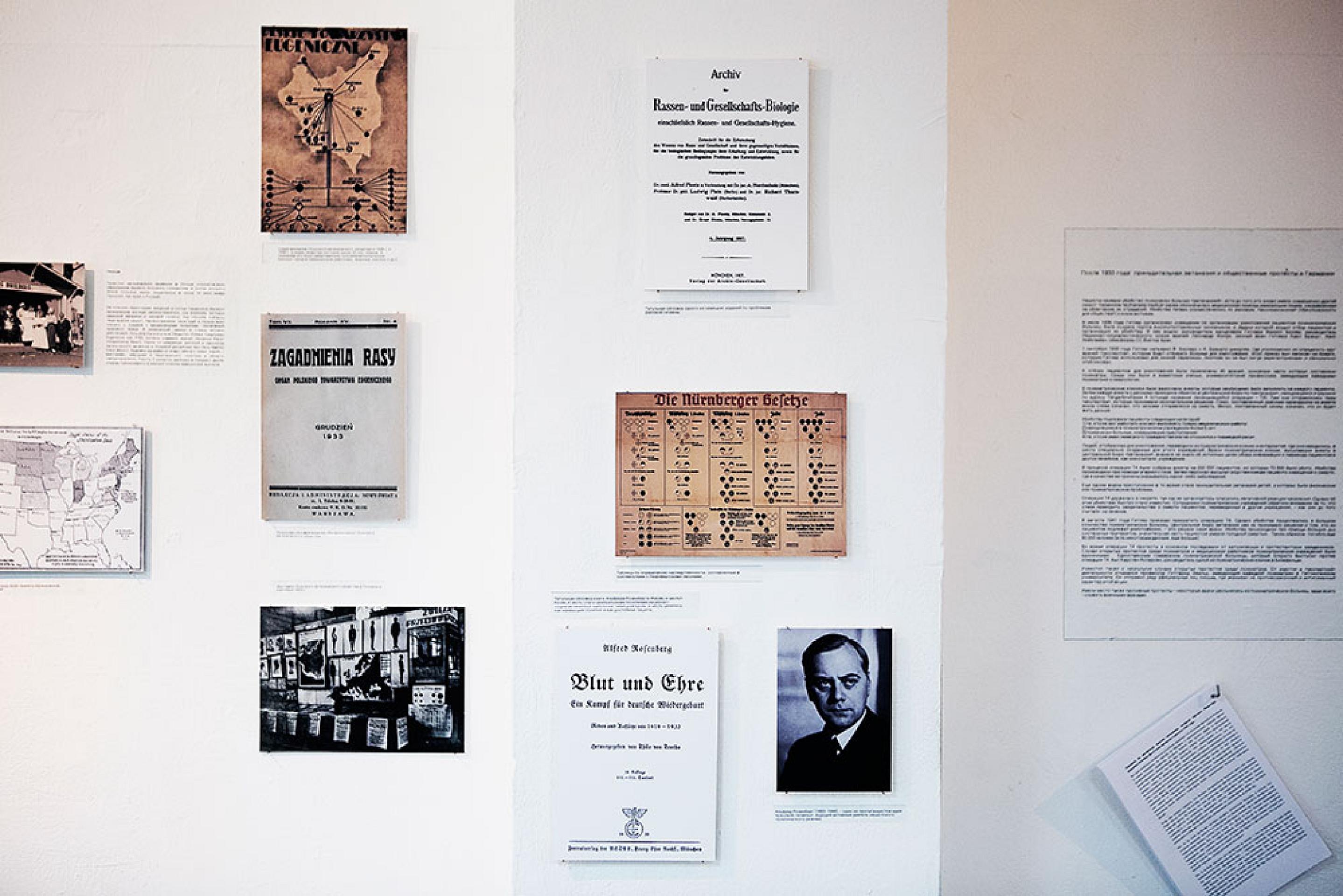
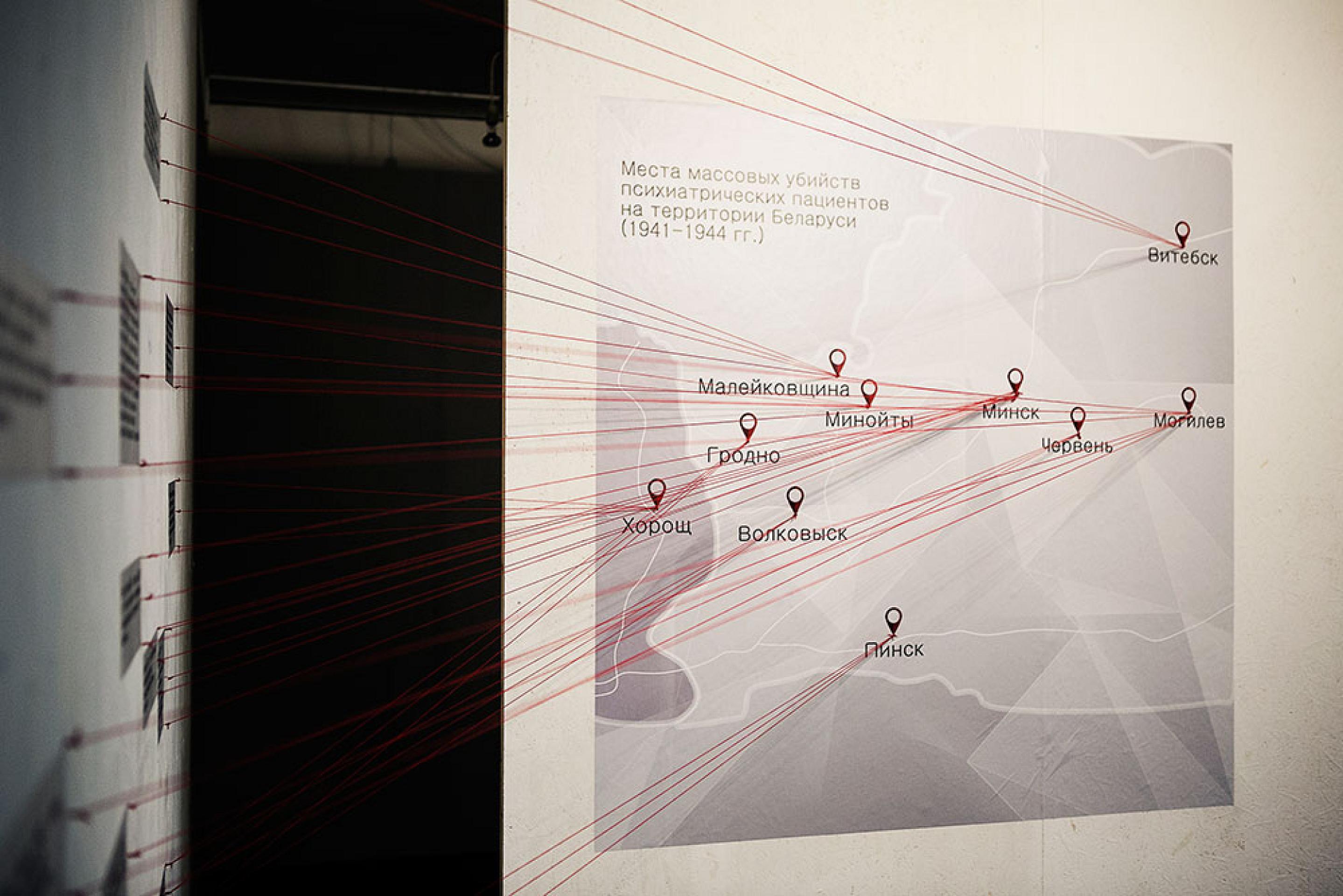
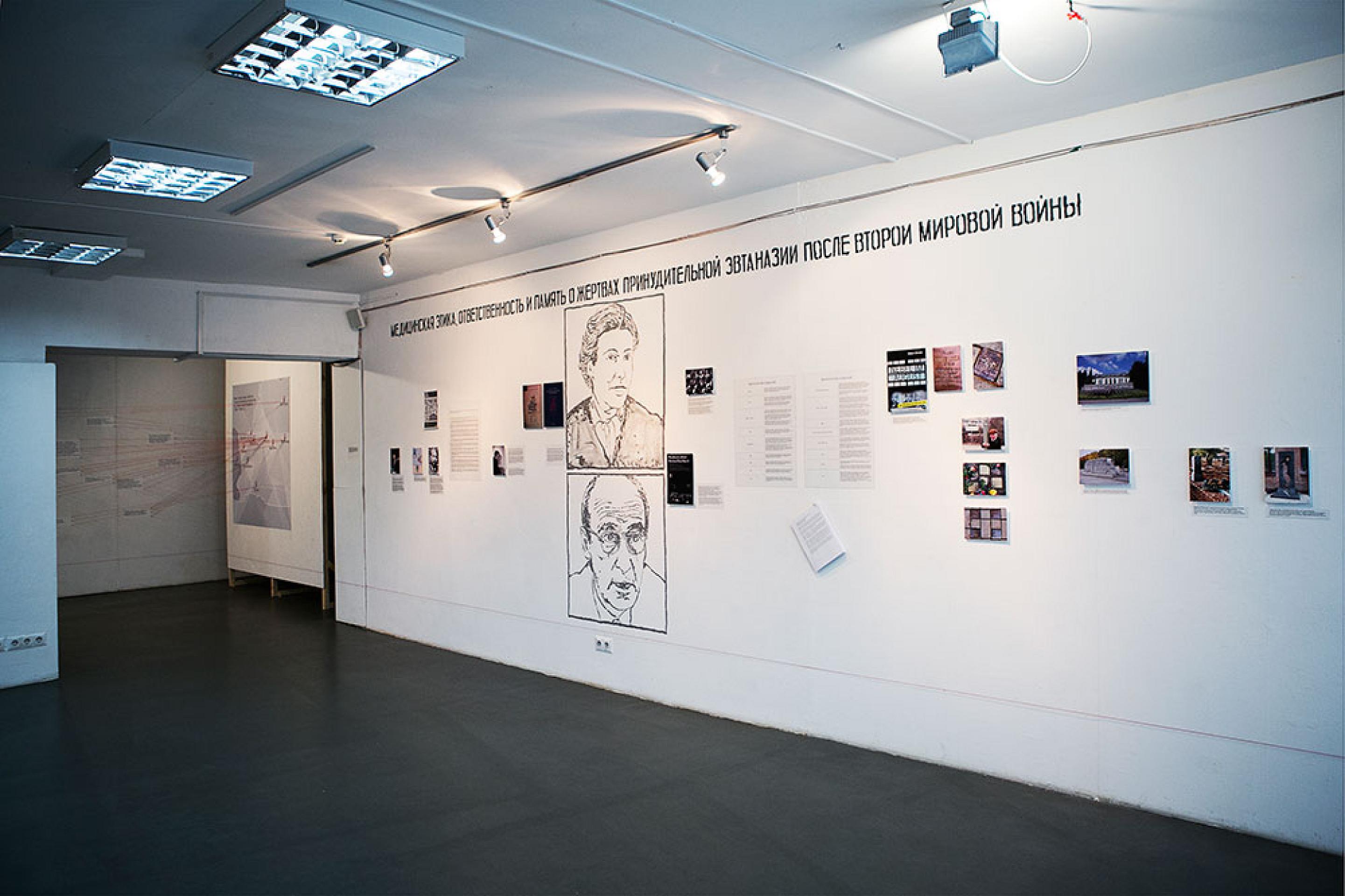
In the Soviet Union and during the first two decades of Belarusian independence the murder of patients during the German occupation had not been a public issue. It is primarily doctors, independent historians and civil society initiatives who have recently addressed the issue. In December 2016, an exhibition entitled »From Dehumanisation to Murder: The Fate of Psychiatric Patients in Belarus 1941-1944« was shown at an art gallery in Minsk. It was compiled jointly by Belarusian and German historians, doctors and artists and funded by the foundation »Remembrance, Responsibility and Future«. Less than a year later a memorial stone commemorating the institution's murdered patients was inaugurated on the site of the Novinki hospital. The inscription in Belarusian and Russian reads: »In memory and in respect of the human dignity of the patients of the psychiatric hospital and the labour colony Novinki who were murdered by the Nazi-Occupants in 1941«.
Outside of Minsk, there is only one other memorial in Belarus remembering the murdered patients, a statue in Mogilev.
Open

The memorial is accessible at all times.

Contact

http://mentalhealth.by/

rkpb@mail.belpak.by

+375(17) 289 80 48

Dawhinawski Trakt 152
220053 Minsk