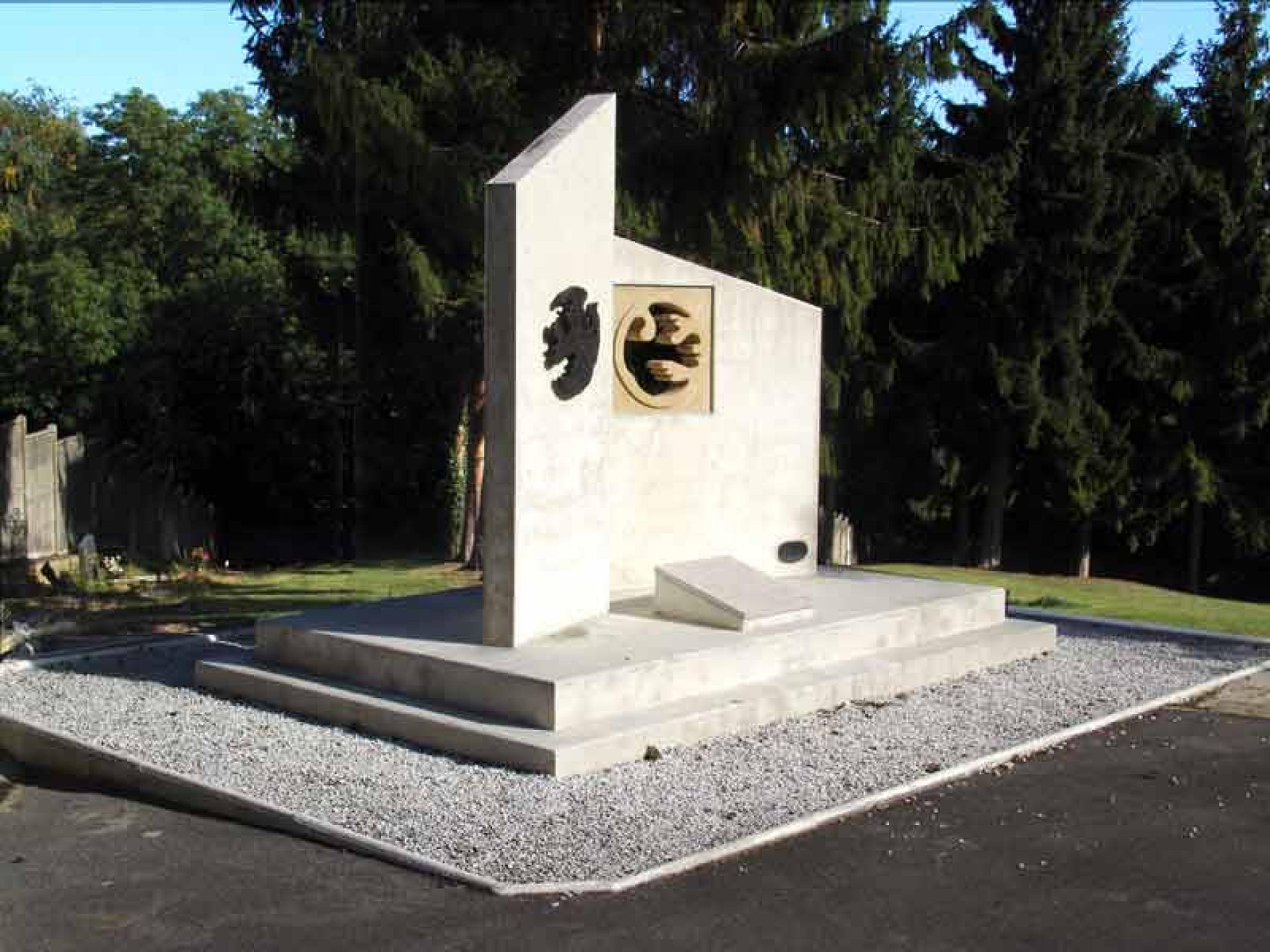
Memorial to the patients of the Clermont psychiatric ward who died in 1940-1944
Monument pour les malades d l'hôpital psychiatrique de Clermont morts entre 1940-1944
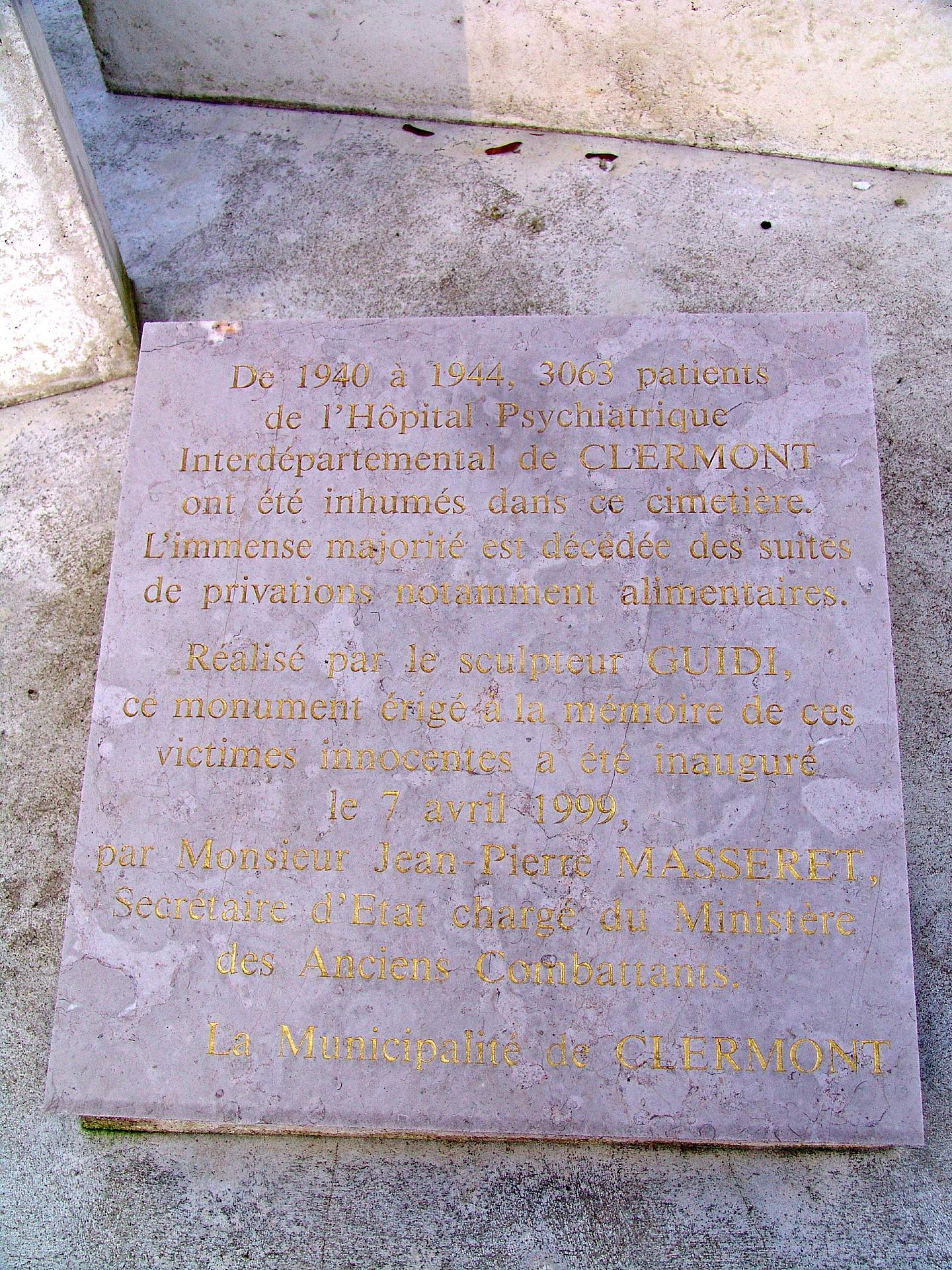
Since 1999 a memorial at the cemetery of Clermont-de-l'Oise remembers the more than 3,000 patients of the local psychiatric ward who died as a consequence of neglect during the time of German occupation. In the future Clermont will be home to the central French memorial site to this long disregarded group of victims.
History
Clermont is a commune in the Picardy region, about 60 km north of Paris. A psychiatric ward existed there since the 19th century, temporarily it was one of the largest of its kind in Europe. In 1940, the year of the German attack on France, the hospital had 4,484 patients.
Already in the months before the care for the patients started to deteriorate since many pharmaceuticals and physicians were seconded to the French Army in the course of the mobilisation. During the hostilities about 750 patients were evacuated, hundreds of the hospital's employees fled. After the defeat of France and its occupation by the Germans the supply crisis took on a dramatic scale. The hospital was looted, the Wehrmacht seized medical equipment and beds. Soon thereafter the collaborating Vichy Régime introduced food rationing. The rations for the patients of psychiatric wards were set at a very low level and often not allocated at all. The result were widespread deaths in those institutions. Until the end of the German occupation in 1944 the majority of patients in Clermont had died, most of them of starvation.
Whether the German occupation authorities or the French administration actively pursued the killing of the mentally ill patients by hunger and neglect or just approved of it in silence remains controversial. At the same time while thousands of patients starved to death in French mental institutions, the National Socialists murdered hundreds of thousands of handicapped and mentally ill persons in the German Reich as well as in occupied regions of Eastern Europe.
Victims
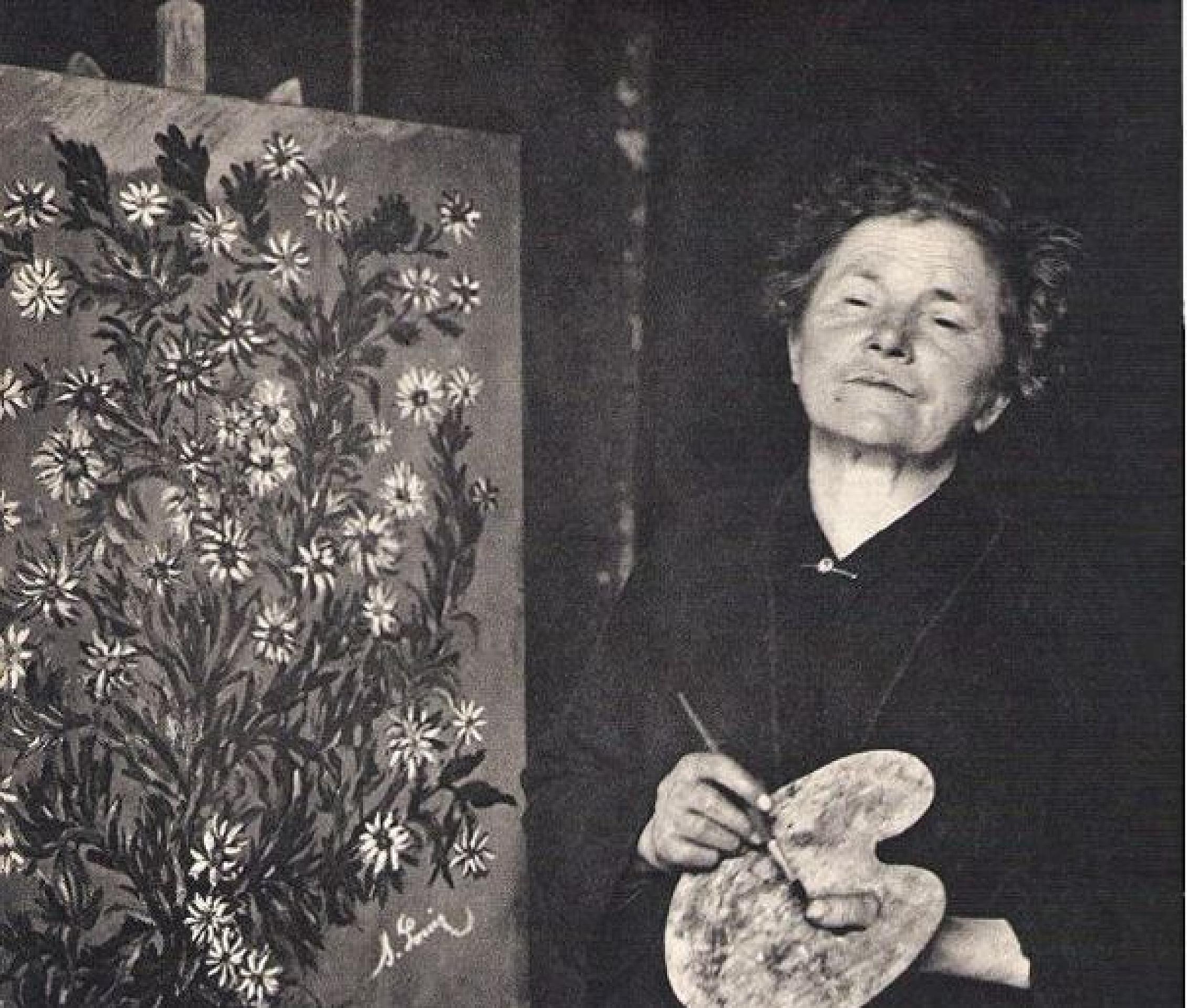
During the German occupation from 1940 to 1944, 3,063 patients of the Clermont psychiatric ward perished, most of them from malnutrition. Among the victims was the painter Séraphine Louis (also known as Séraphine de Senlis, 1864–1942) who had lived there since 1932. Researchers assume that up to 50,000 patients died from neglect in occupied France.
Remembrance
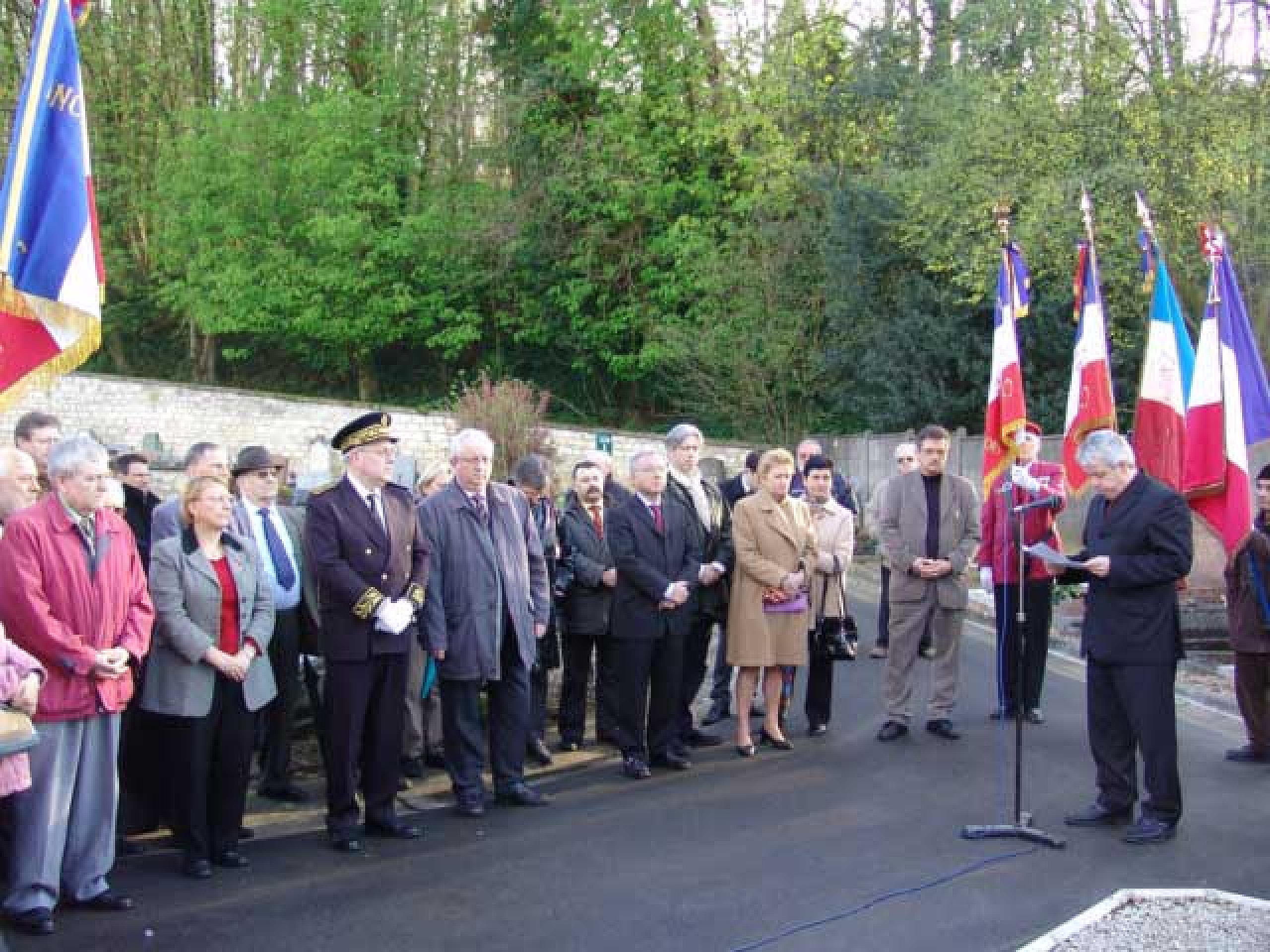
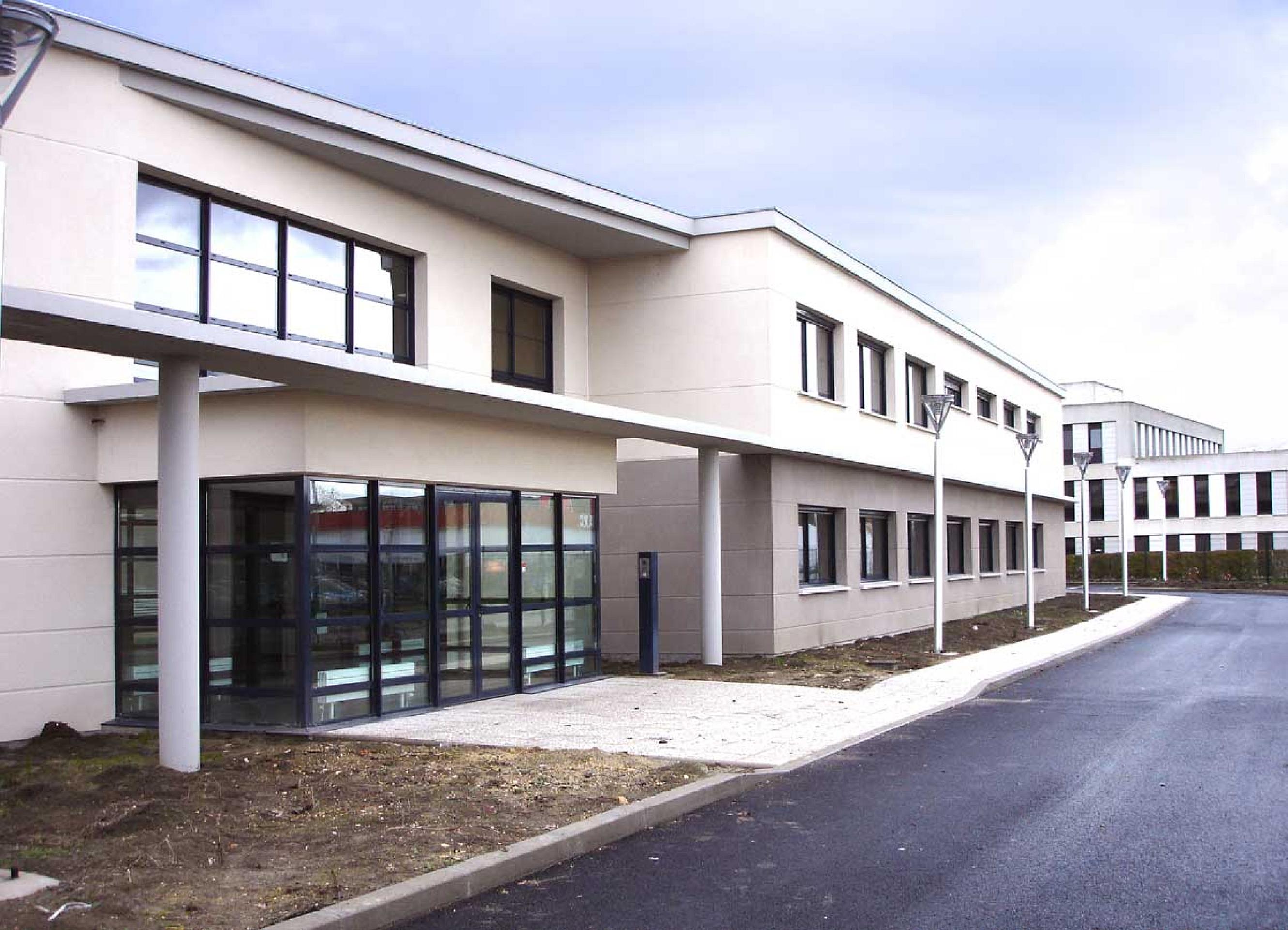
The Clermont psychiatric ward still exists today. On the municipal cemetery a memorial to the 3,063 patients who died during the time of the German occupation and who were buried on the cemetery was dedicated on April 7, 1999. It was designed by the local artist Roger Guidi. Each year on April 7 a commemorative ceremony takes place at the memorial. In the hospital's »Musée Henri-Theillou« a separate chapter is devoted to the events of 1940-1944.
For decades the death of up to 50,000 patients of psychiatric wards was a non-issue to the French public. Only in the 1980s a book was published which dealt with their fates. Other publications and memorials followed, like the one on the Clermont cemetery. In 2013 the anthropologist Charles Gardou launched a petition to erect a »memorial in honour of the handicapped victims of the Nazi- and Vichy Régime«. More than 80,000 persons signed, among them many celebrities. In February of 2015 French president François Hollande announced his support for the project. The site for the new memorial site will be Clermont.
Meanwhile the debates on the responsibility of the Vichy Régime for the death of the psychiatric patients continue. Whilst some people say that there was a proactive policy of murder by neglect, others vehemently oppose the comparison with the »Euthanasia«-programme pursued by the Nazis in the German Reich.
Open
The cemetery is open daily from 8:30 a.m. to 4 p.m.
Contact
communication@chi-clermont.fr
+33 (0)3 447 765 27