A memorial in the Serbian mining town of Bor, located about 200 kilometres south-east of Belgrade, honours the Hungarian poet Miklós Radnóti who, together with many other Jewish forced labourers, was held captive near Bor and killed on a death march in 1944.
History
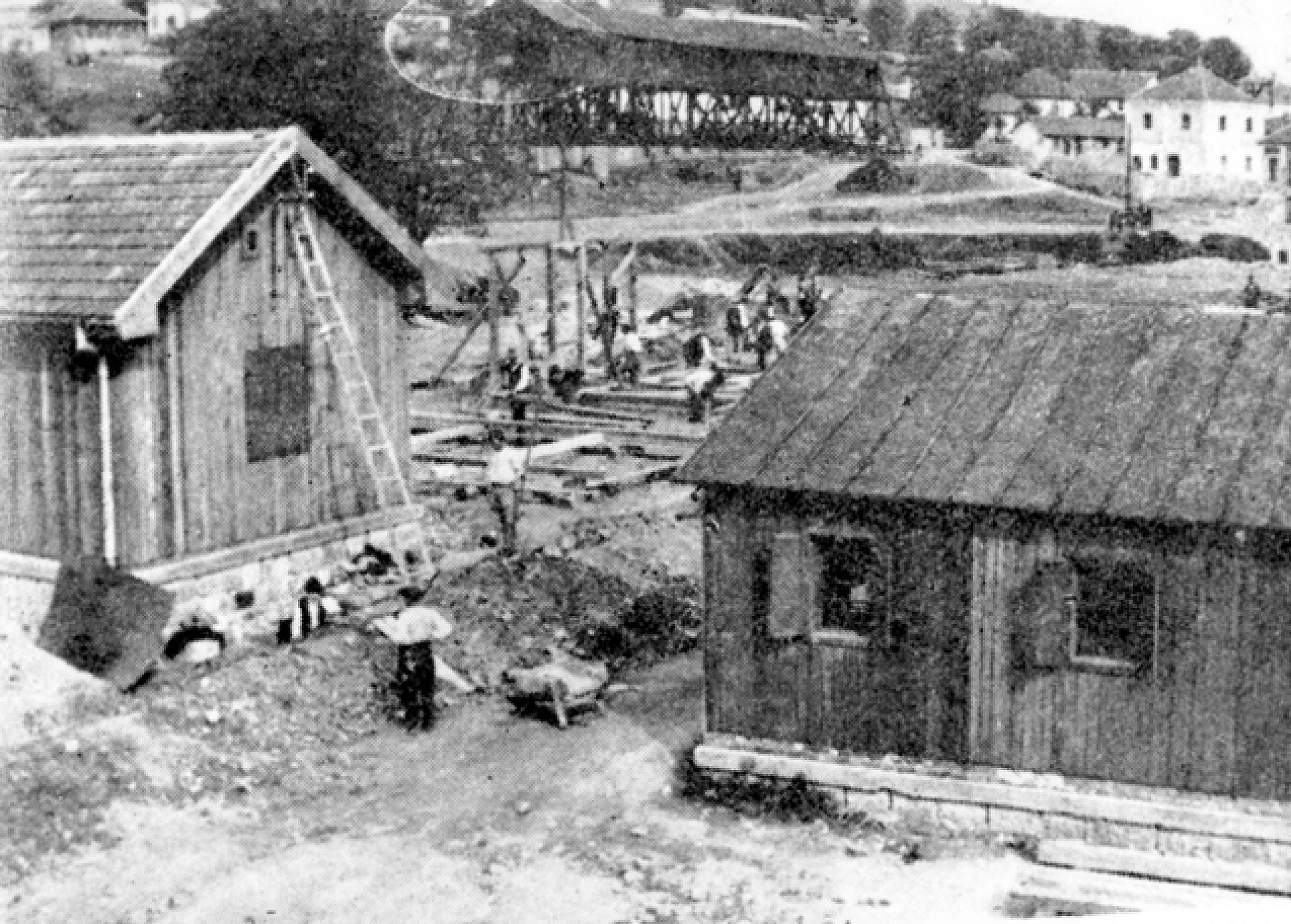
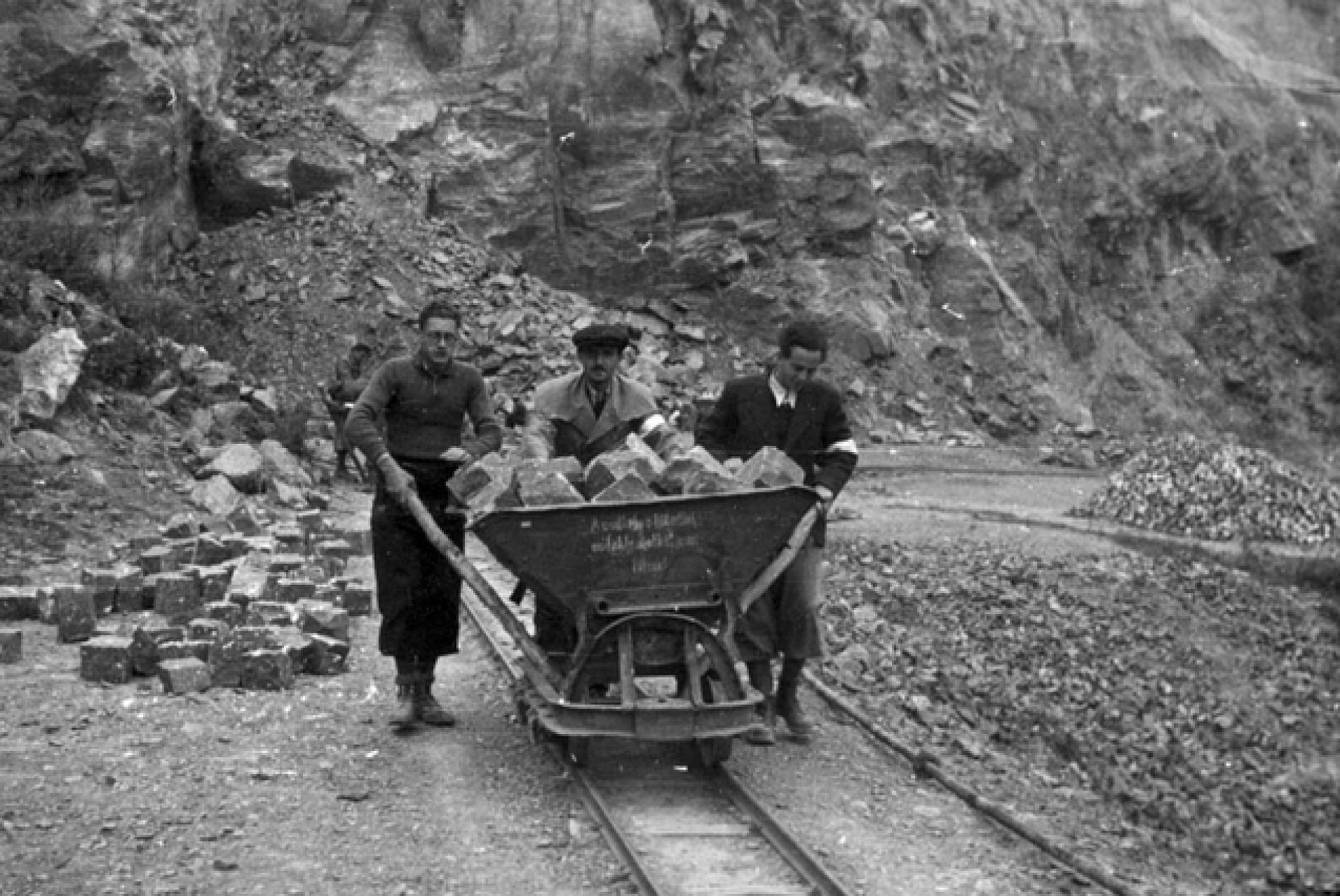
The city of Bor lies in the south-east of Serbia, next to one of the largest copper mines in Europe. The copper reserves were discovered in Bor in 1902 and extraction was begun soon afterwards. Germany was particularly interested in the region of Bor due to the fact that already before the war, Germany was one of the main buyers of the copper extracted there. After the occupation of Yugoslavia in 1941, the German occupying forces immediately put the copper mine back into operation. From December 1941 on, Serbian men were enlisted for labour, and many of them were deployed in Bor. The paramilitary Organisation Todt supervised the extraction efforts. The demand for workers at the copper mine grew constantly, so from February 1943 on, forced labourers were drafted: Soviet prisoners of war and about 6,200 Hungarian Jews. The latter were loaned to Organisation Todt by the Hungarian government and guarded by Hungarian troops. Beginning September 1943, Italian military internees, who had been taken into captivity after Italy's surrender, also had to work at the mines. The workers who were not originally employed at the mine or who didn't come from the Bor region were accommodated in barrack camps. Six penal camps were set up for political prisoners and supposed saboteurs – the conditions at these camps were particularly harsh. It is estimated that in July 1944, up to 80,000 people were deployed in the copper mine. However, most of them were so weak that they were hardly able to work any more.
In September 1944, the German occupying troops began retreating from Serbia and the forced labour camps were dismantled. The Hungarian guards sent the imprisoned Jews on death marches across Serbia and Hungary towards Austria. Along the way, many prisoners were murdered. The largest massacre took place in the city of Crvenka, where members of the SS shot up to 1,000 Jews in a pit.
Victims
Tens of thousands of people were deployed in the copper mines or in building railway tracks in Bor. The labourers at Bor came from Serbia and other parts of Yugoslavia. Russian prisoners of war, Italian military internees and about 6,200 Hungarian Jews had to conduct forced labour in Bor from 1943 on. They were accommodated in horrible conditions in camps near Bor. Anyone suspected of having committed sabotage was transferred to a penal camp, where the conditions were even more harsh and the prisoners were severely abused. Many of the Jewish forced labourers died on the death marches from Bor via Serbia and Hungary to Austria in autumn 1944. Between 700 and 1,000 of them were shot by the SS near Crvenka in the night of October 7/8, 1944.
Remembrance
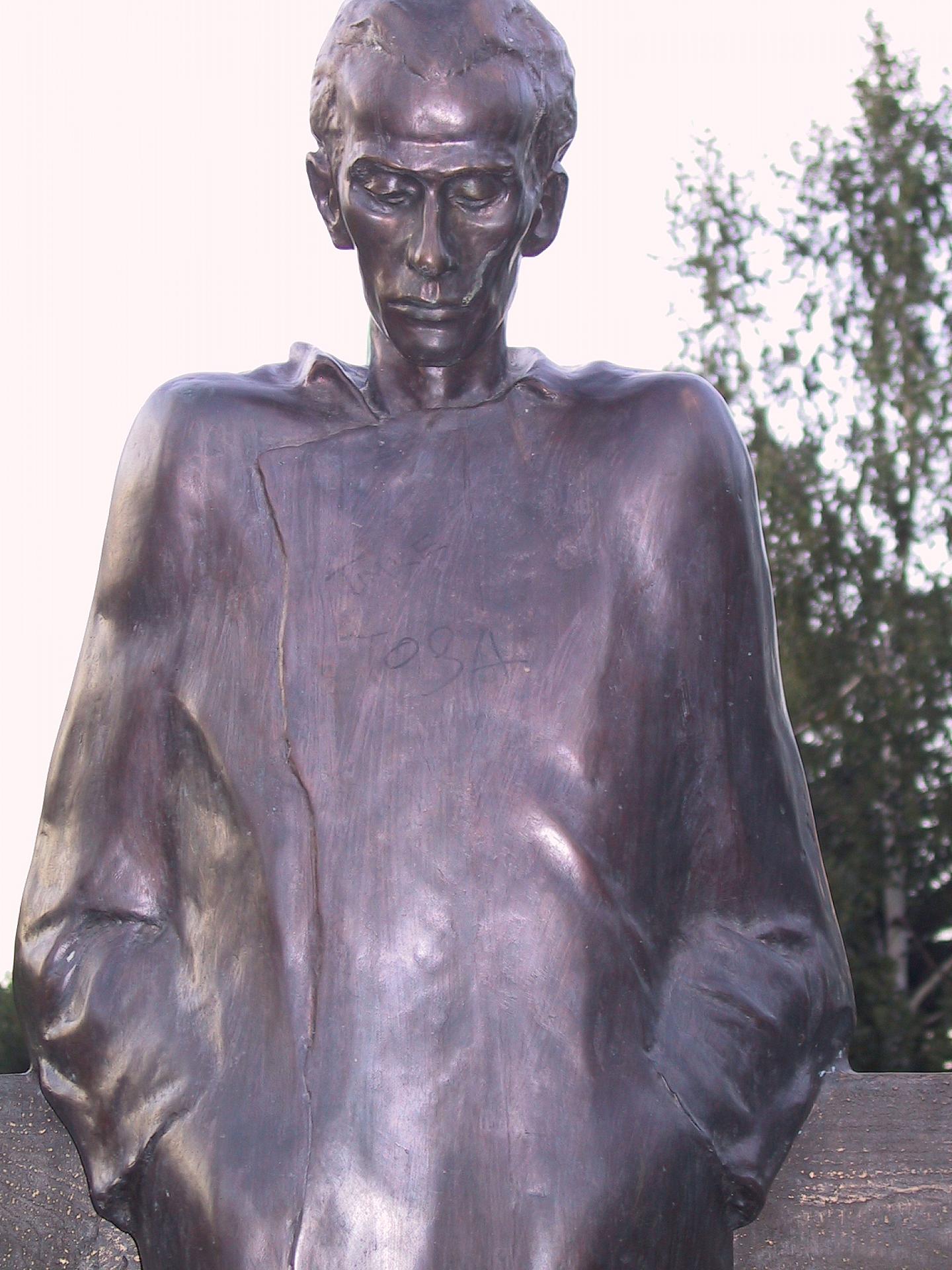
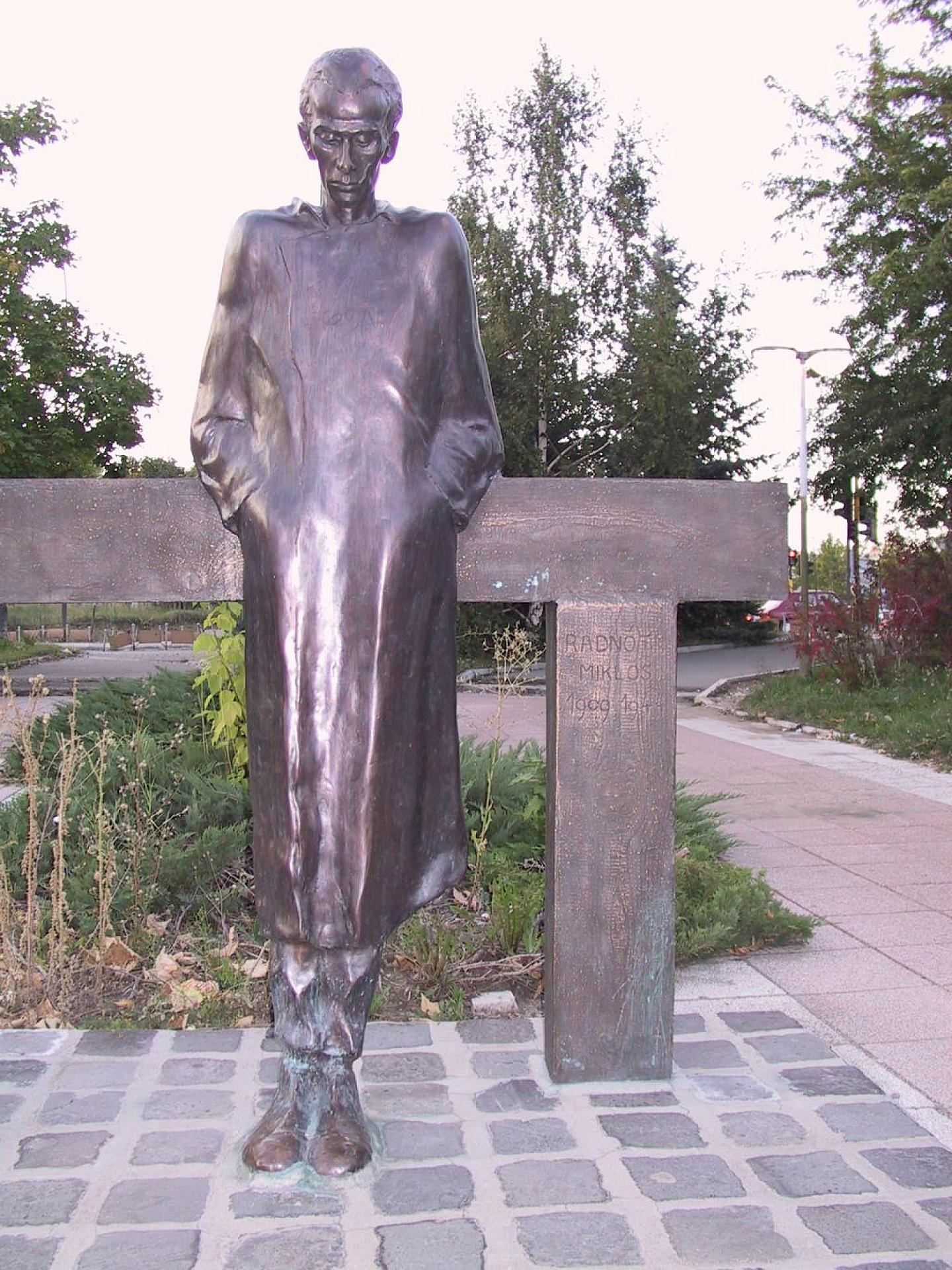
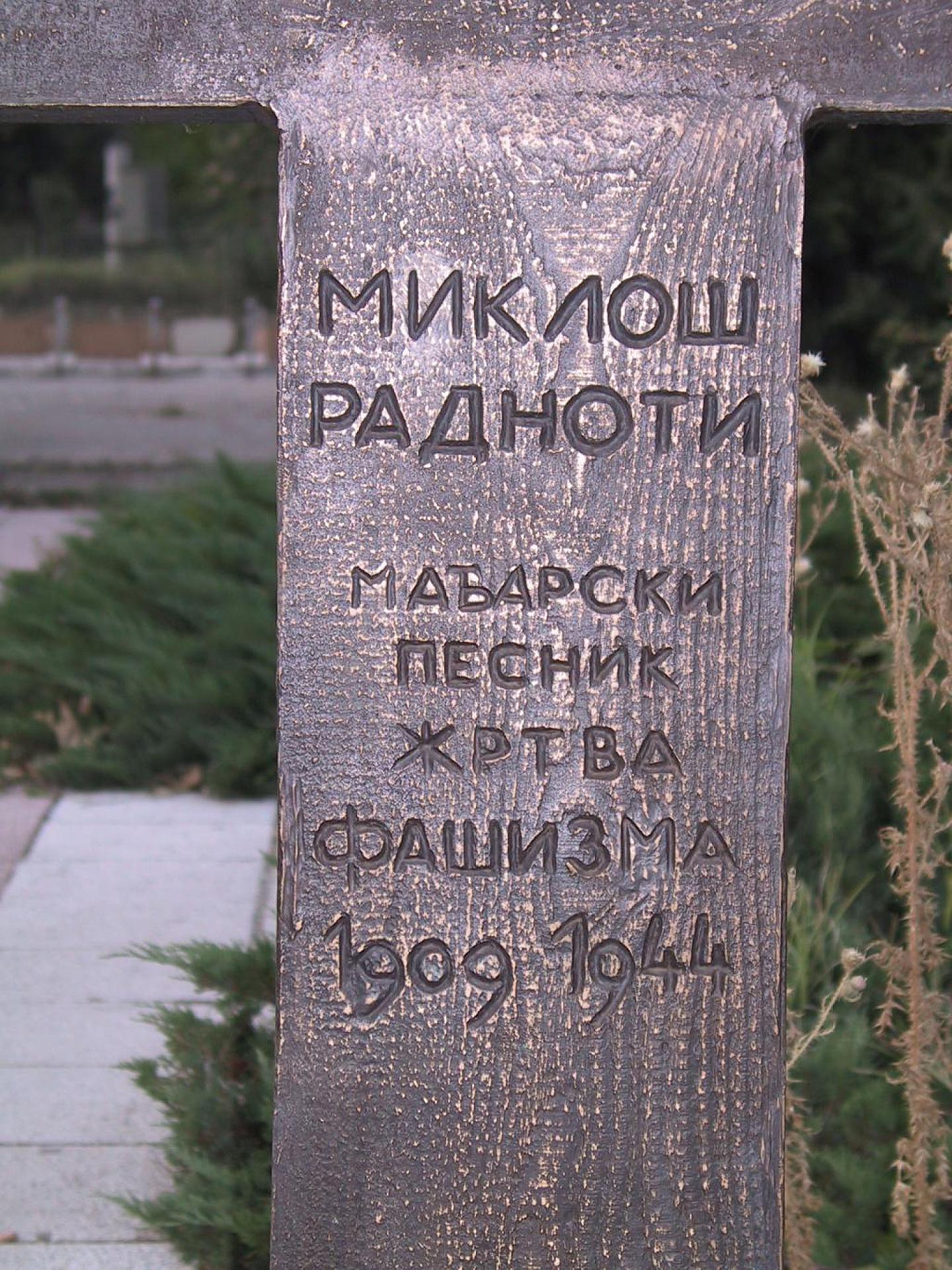
In 1979, a sculpture by Hungarian sculptor Imre Varga depicting Hungarian poet Miklós Radnóti (1909-1944) was unveiled in Bor. Radnóti was one of the Jewish forced labourers near Bor; in November 1944, he was shot on a death march close to the village of Abda in north-western Hungary. Radnóti's notebook, in which he recorded his last poems, was found on him when his body was exhumed in June 1946. The book, known as »Bori Notesz« (»The Bor Notebook«), became famous in Hungary.
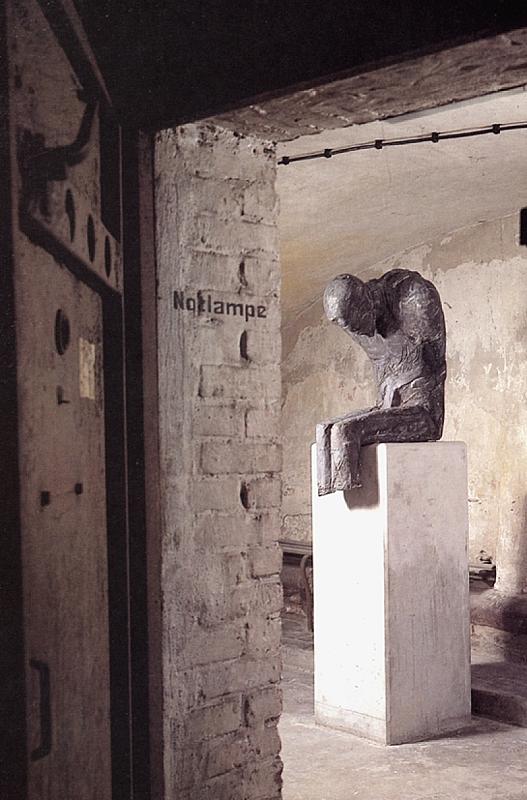
In 2001, the two metre high sculpture was stolen. It was cast anew and set up on another, more prominent site in Bor. Further monuments, some older versions of the same sculpture, are located in Radnóti's home town Budapest and along the trail of the death march, in the Hungarian town of Mohács. Copies of the sculpture have also been erected at sites unrelated to Radnóti's biography.
Open
The memorial is accessible at all times.
Contact