Memorial to the Roma and Sinti at Lackenbach »Gypsy Camp«
Mahnmal für Roma und Sinti - »Zigeunerlager« Lackenbach
In November 1940, the SS established a »Gypsy detention camp« in Lackenbach, a village in the southeast of Austria, close to the Hungarian border. At times there were up to 2,350 Roma and Sinti crowded into the camp. Most of them were later deported to the Łódź ghetto or perished in the German extermination camps in occupied Poland. On October 6, 1984, a monument to the victims of Lackenbach camp was dedicated on initiative of the Cultural Association of Austrian Roma.
History
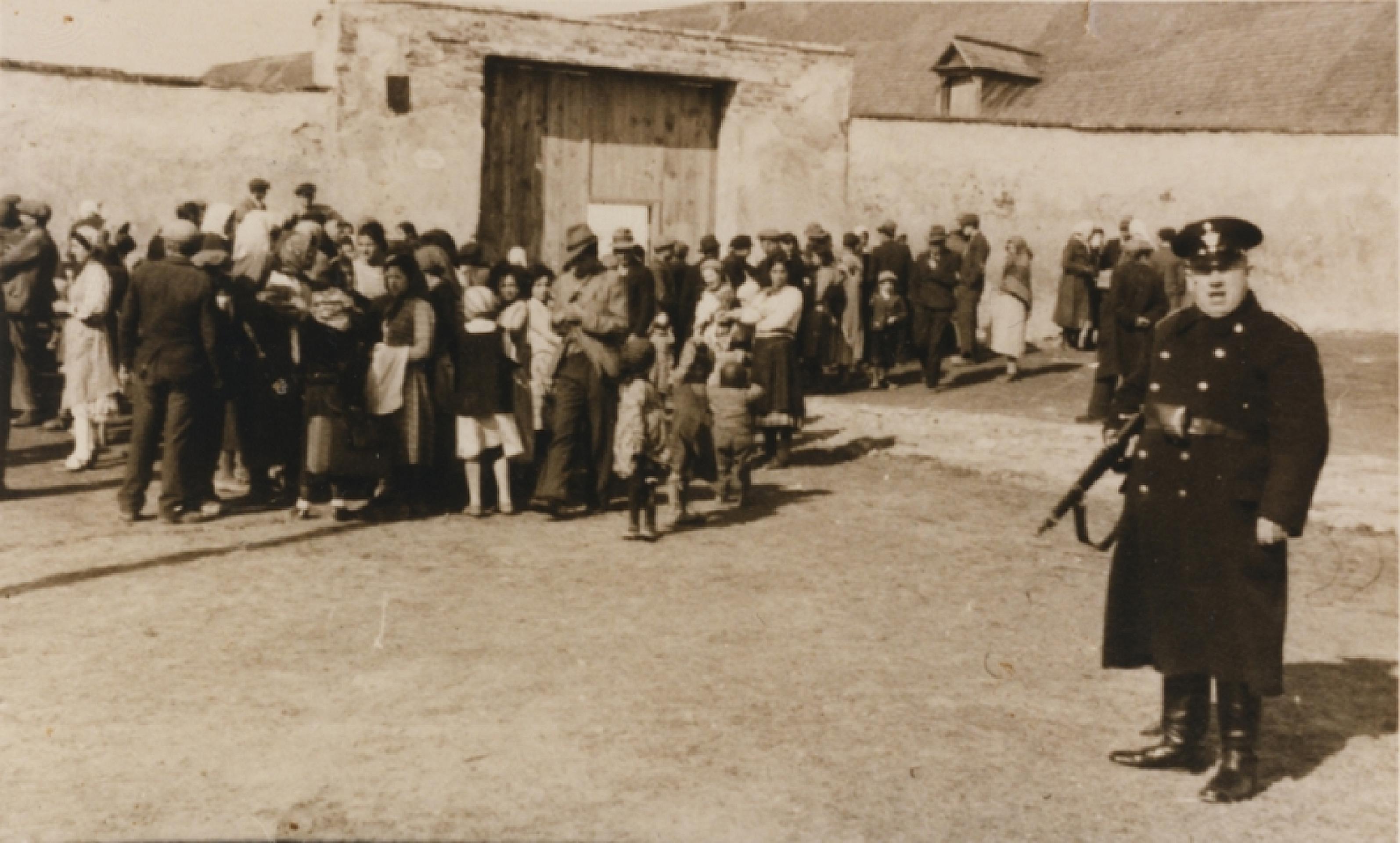
The »Gypsy detention camp« at Lackenbach was the largest collection camp for Sinti and Roma in Austria between 1940 and 1945. The SS established it in November 1940 on the site of a former farm. The camp directors and administration were under the command of the criminal police department of Vienna. The majority of those imprisoned were Roma from Burgenland, in addition many Sinti from other parts of Austria and southern Germany were held captive there. Already at the beginning of 1941, the Viennese criminal police ordered masses of people to be admitted into the camp, frequently whole families. In autumn 1941, there were about 2,350 men, women and children in Lackenbach. The prisoners had to perform forced labour for farms and companies in the area and were abused by the camp administration. The extremely poor living conditions - no sanitary facilities and an insufficient supply of food and drinking water - led to a typhus epidemic which claimed the lives of between 250 and 300 people. The majority of the approximately 4000 camp prisoners were deported to the Łódź ghetto between 1941 and 1943 or to the German extermination camps in occupied Poland. In April 1945, the Soviet army liberated the camp's survivors.
Victims
Around half of the approximately 4,000 Roma and Sinti, who were imprisoned in the camp between 1940 and 1945, perished. More than 230 died in the Lackenbach detention camp alone. The SS deported around 2,000 in two transports to the Łódź ghetto, where most of them died. The few that survived the ghetto were murdered in the Chełmno extermination camp. In 1943, the SS deported around 400 people to Auschwitz-Birkenau.
On March 12, 1938 the German Wehrmacht entered the Austrian Republic to a jubilant reaction from much of the population. The next day saw Austria’s »Anschluss« (»annexation«) to the Third Reich; the country was now known as »Ostmark«. Austrian Nazis immediately began to persecute the Jewish minority and opponents of the regime. From May 1938, German anti-Jewish legislation also applied to annexed Austria. Over 126,000 Jews, mainly from Vienna, had managed to escape the country by the end of 1939. The first deportations of Austrian Jews to occupied Poland began in the autumn of that year. By 1945, the SS had deported almost 48,600 Jews from Austria along with 16,600 others who had sought refuge abroad. They were deported to the occupied Eastern territories, where all but a few were murdered. Over 40,000 non-Jewish civilians died in the war, including more than 8,000 Sinti and Roma deported from the province of Burgenland.
In 1945, the Allies divided Austria into four occupation zones. The Soviet occupying powers erected a »Liberation Monument« in Vienna. Representatives of the provisional all-party government made up of the socialists, communists and the conservative People’s Party used the inauguration of this monument on August 19, 1945 to declare Austria as »the first free country to fall victim to Hitlerite aggression«. For decades, this perspective was broadly upheld by politicians and the general public.
However, the 1960s saw the start of bitter disputes on Austria’s involvement in National Socialism. The low point came during a demonstration in March 1965 when a far-right student fatally wounded the former concentration camp prisoner Ernst Kirchweger (*1898). Kirchweger became the first victim of politically-motivated murder in post-1945 Austria. Subsequently, the Austrian public became increasingly vocal in warning against a relativisation of the period 1938 to 1945. The country was rocked by a series of scandals related to the past of its political representatives, for example the »Waldheim Debate« between 1986 and 1992. The country was divided over claims that Kurt Waldheim (1918–2007), the Austrian President and former General Secretary of the United Nations, had been involved in war crimes in the Balkans. Waldheim responded that he had simply done his duty »like hundreds of thousands of other Austrians«. It was not until the early 1990s that the then Chancellor Franz Vranitzky (*1937) acknowledged Austria’s complicity in the Holocaust.
The Documentation Centre of Austrian Resistance was founded in 1963. This institution researches the history of the Holocaust and far-right extremism in Austria and has a small exhibition. For a long time, the permanent exhibition opened in 1970 at the former Mauthausen concentration camp was almost the only museum on the history of National Socialism in Austria. In 1983, the city council of Vienna voted to establish a »Memorial against War and Fascism«. Designed by the sculptor Alfred Hrdlicka (*1928), the memorial was inaugurated in 1991, the »Memorial to the Austrian Jewish Victims of the Shoah« followed suit in 2000 Laws governing compensation for confiscated property, compensation to former forced labourers and the work of a Historians’ Commission between 1998 and 2003 to investigate the expropriation of assets under National Socialism all point to a shift in Austrian national memory. In 2009, former deserters of the Wehrmacht were officially rehabilitated, and a memorial dedicated to them was unveiled in 2014.
Remembrance
The buildings of the former »Gypsy Camp« Lackenbach were torn down in the 1970s and single-family houses were built on part of the site.
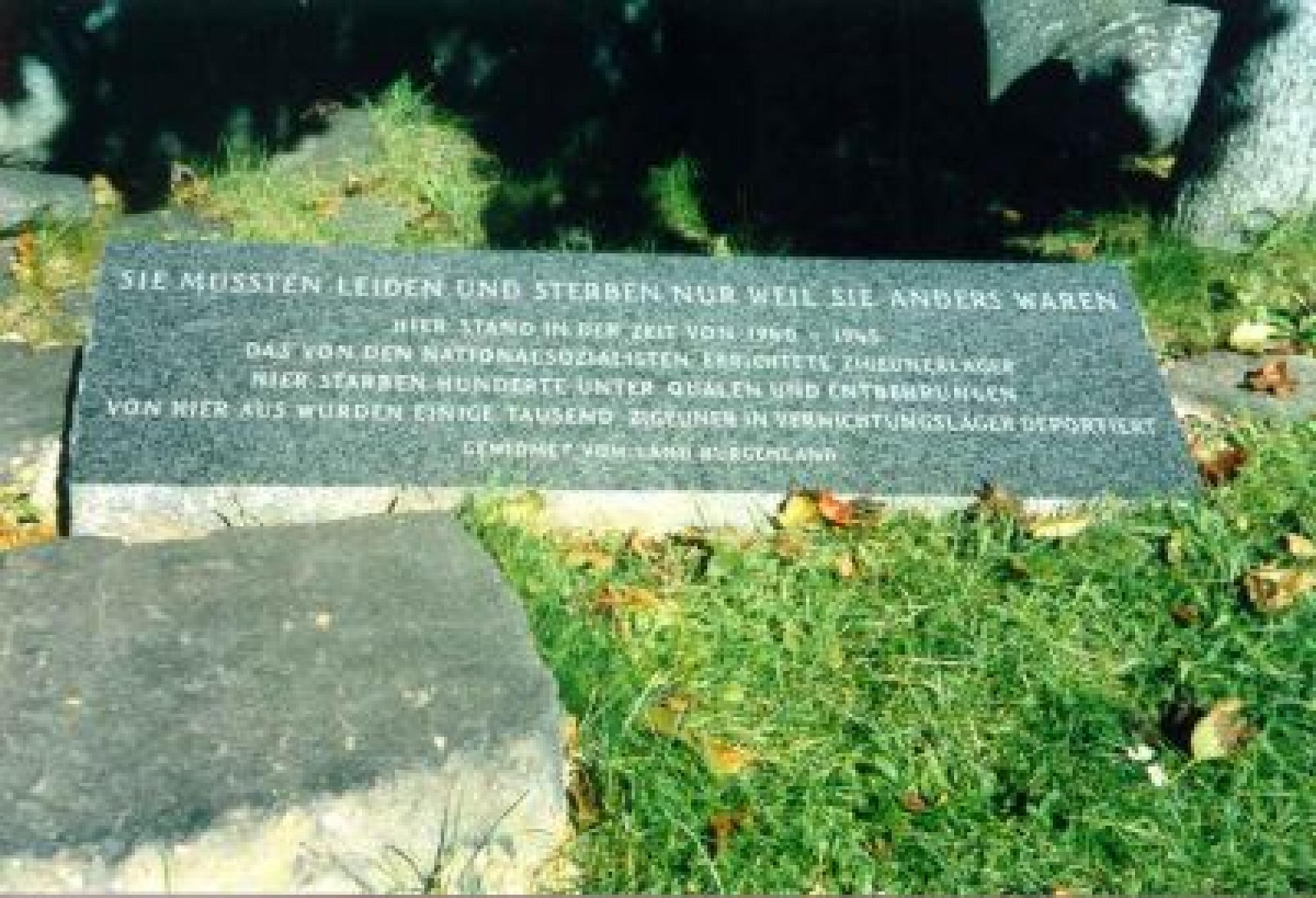
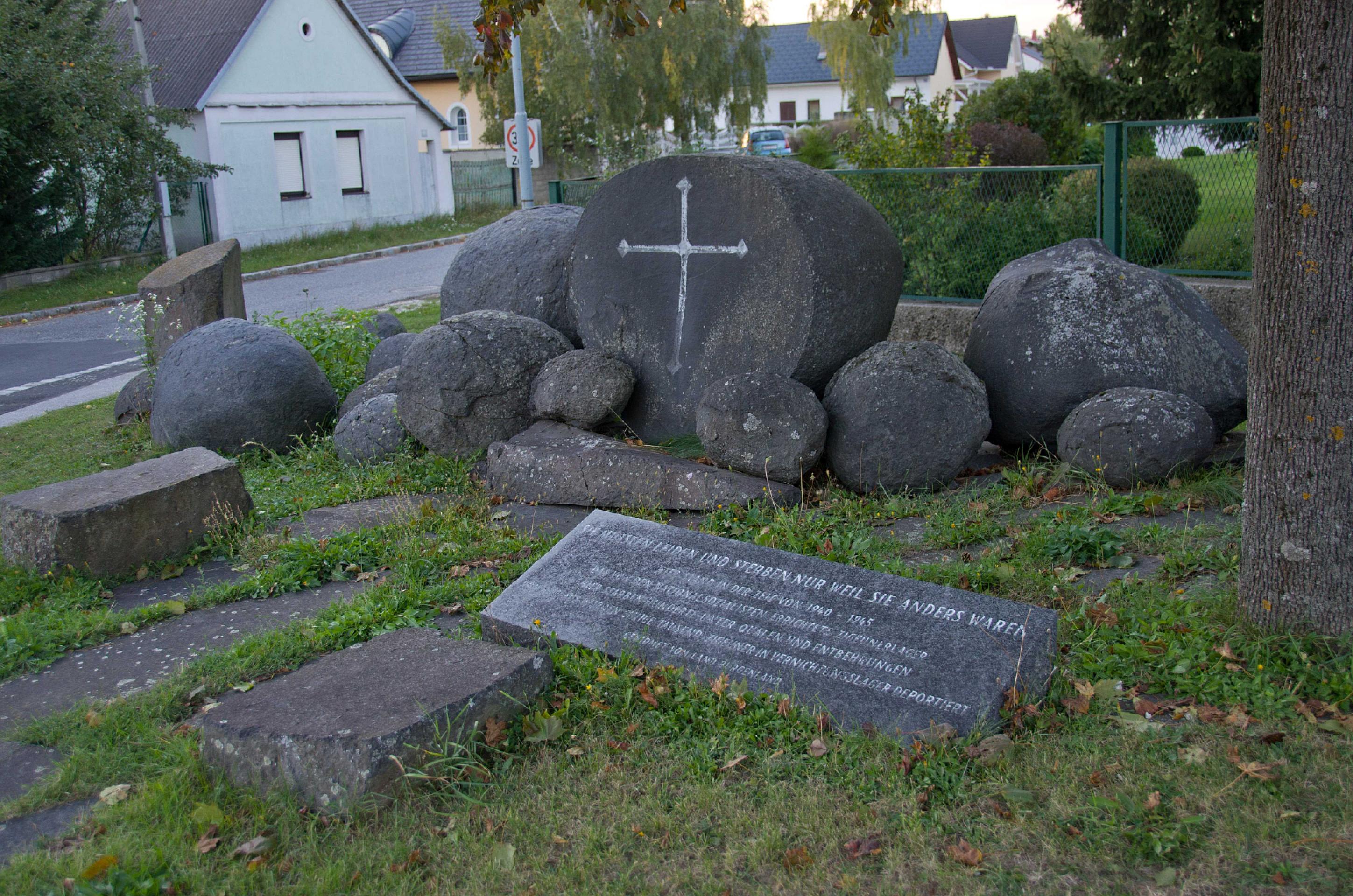
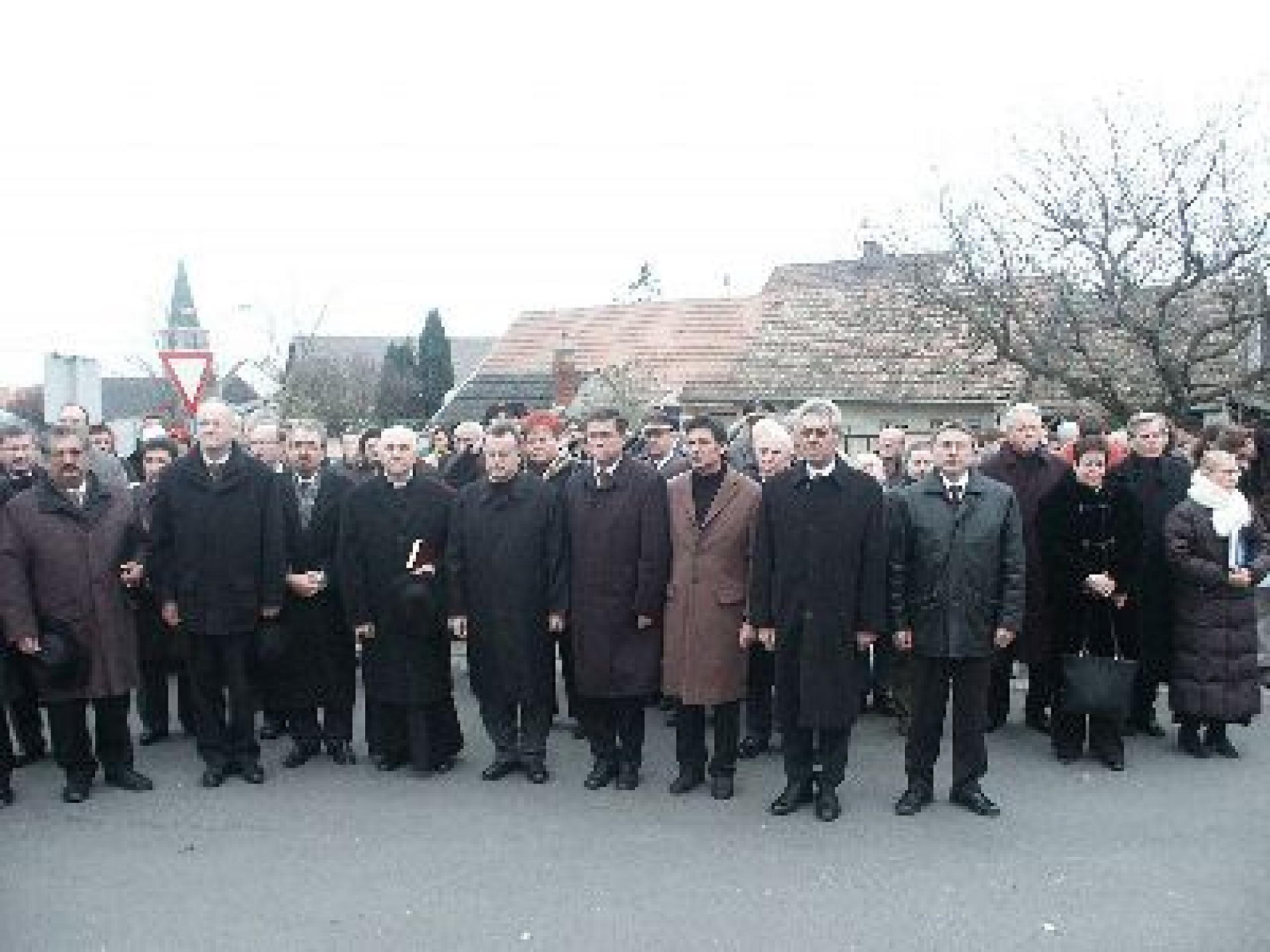
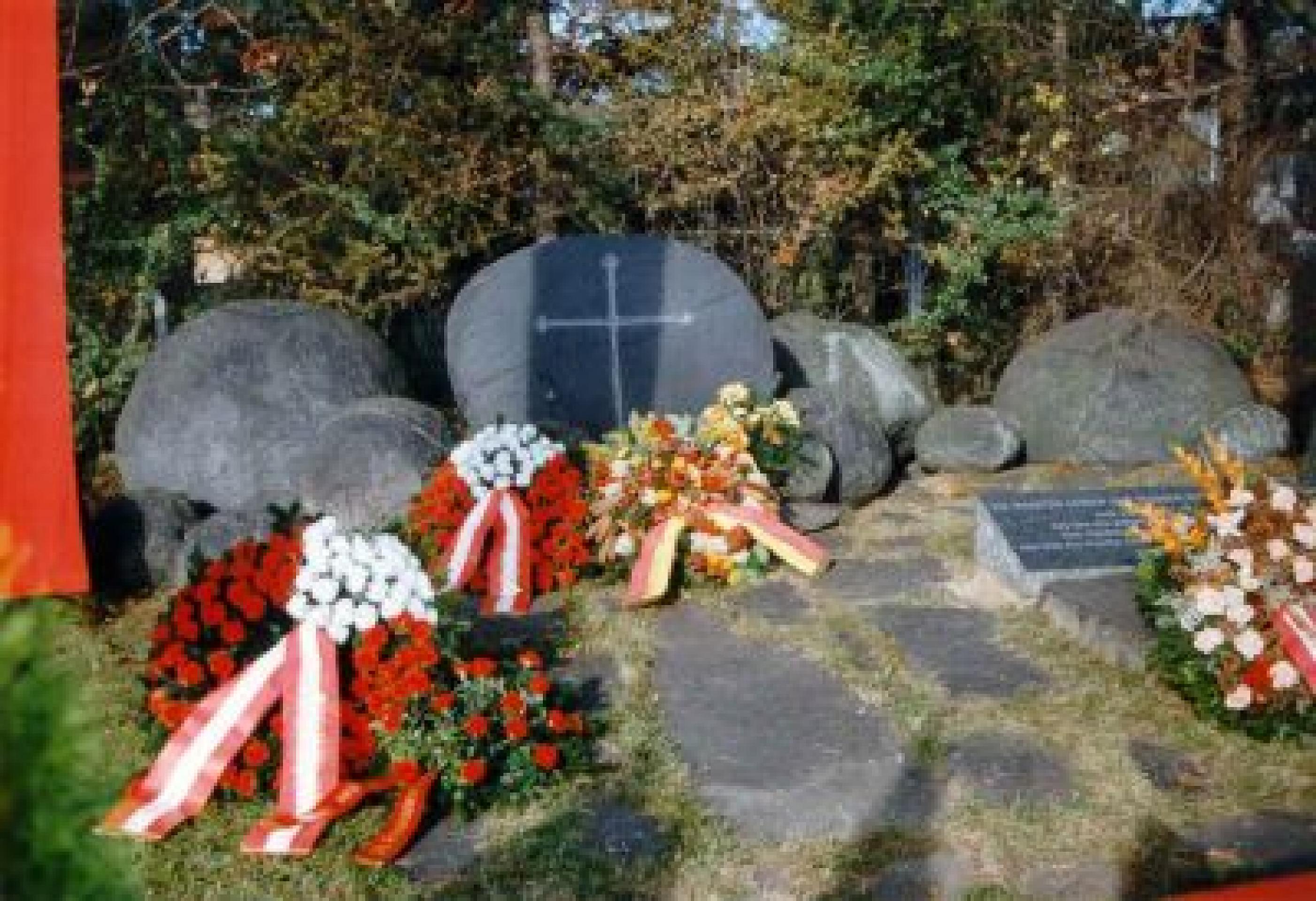
On October 6, 1984, thanks to the initiative of the Cultural Association of Austrian Roma, a memorial was dedicated near the former »Gypsy Camp« Lackenbach, in memory of the Roma and Sinti who were murdered there. For a long time, the memorial, created by architect Matthias Szauer, was Austria's only larger memorial to the Roma and Sinti who were persecuted and murdered under National Socialism. The memorial bears the inscription: »They had to suffer and die just because they were different. Here, in the years 1940-1945, stood the National Socialist Gypsy camp. Here, hundreds died in agony and deprivation. Several thousands of Gypsies were deported to extermination camps from here. Dedicated by the state of Burgenland.«