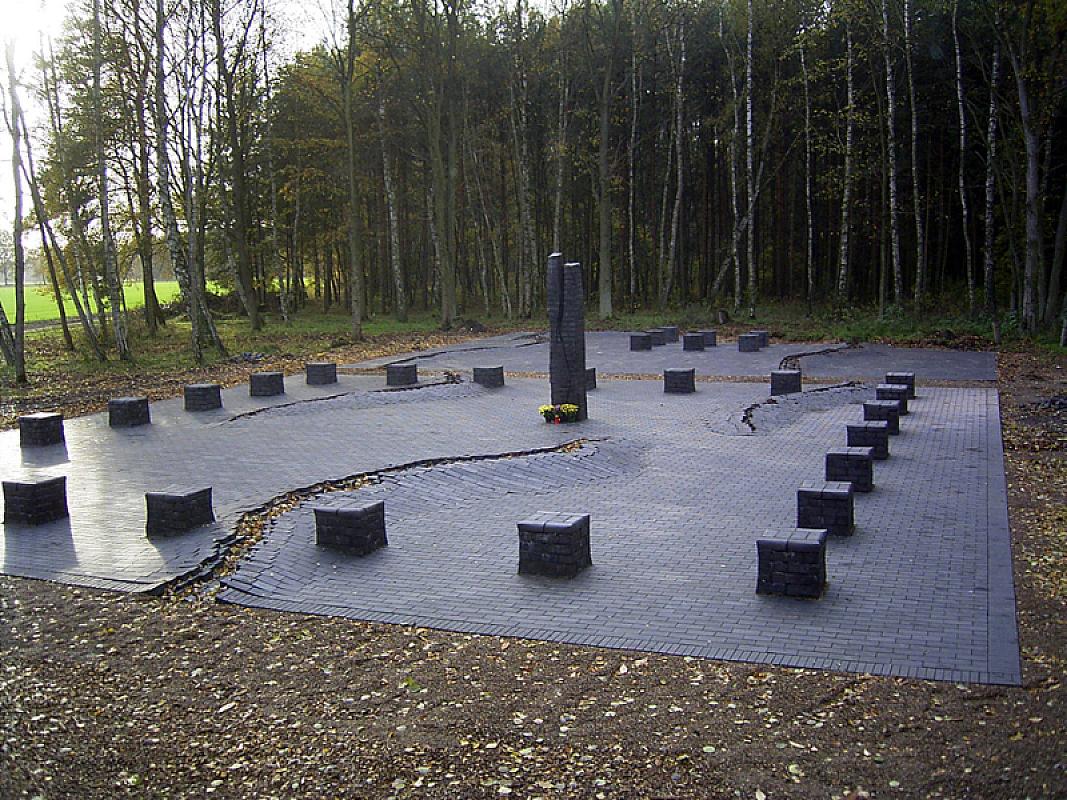
Memorial to the victims of fascism in Kranodar
Памятник 13 тысячам краснодарцев – жертвам фашистского террора
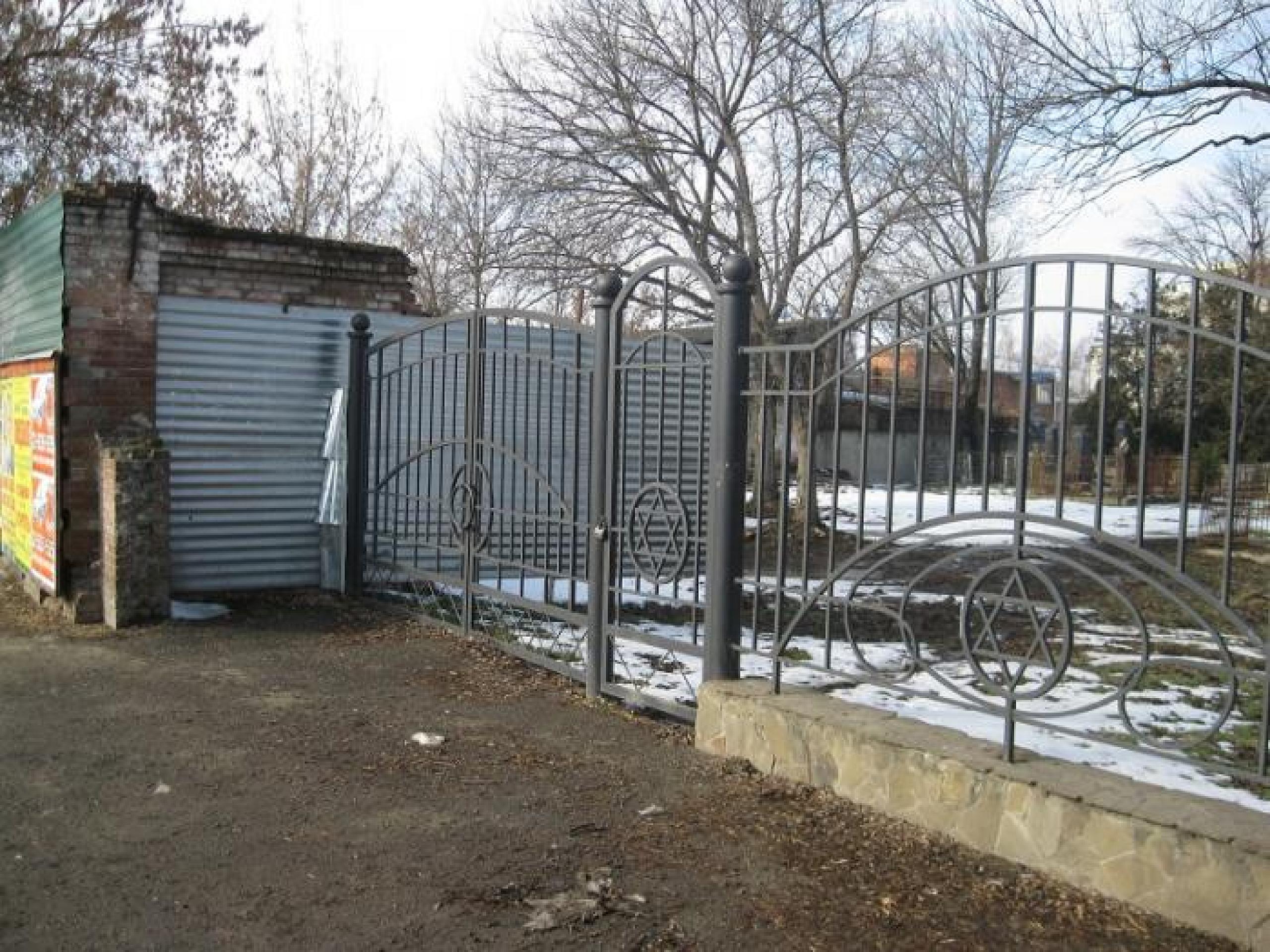
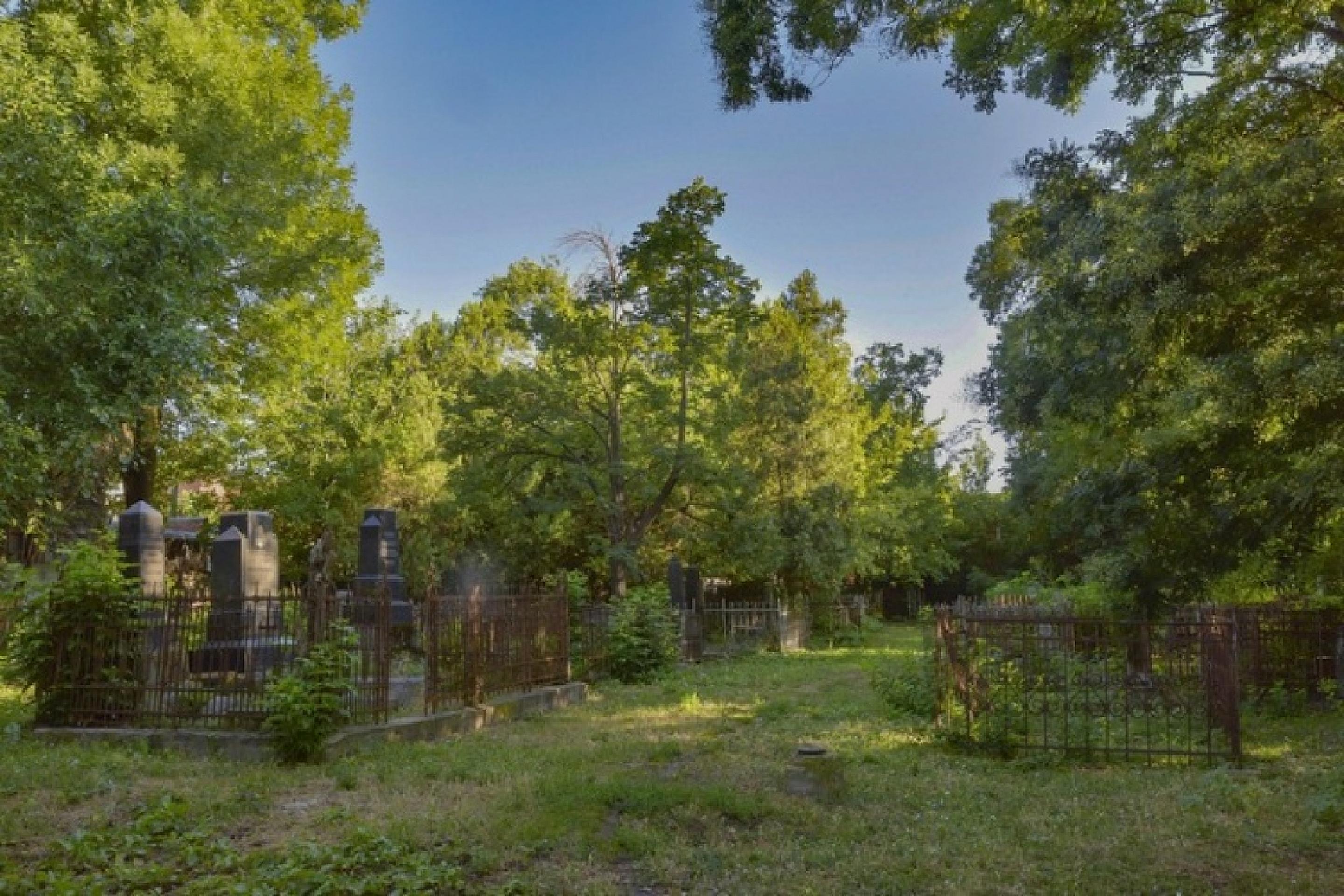
In the Russian major city of Krasnodar a memorial to the »victims of the fascists« commemorates amongst others the murdered Jews of the city. Nearby is a part of the once much larger Jewish cemetery. Some Jews who were murdered during the German occupation in 1942/43 are buried there.
History
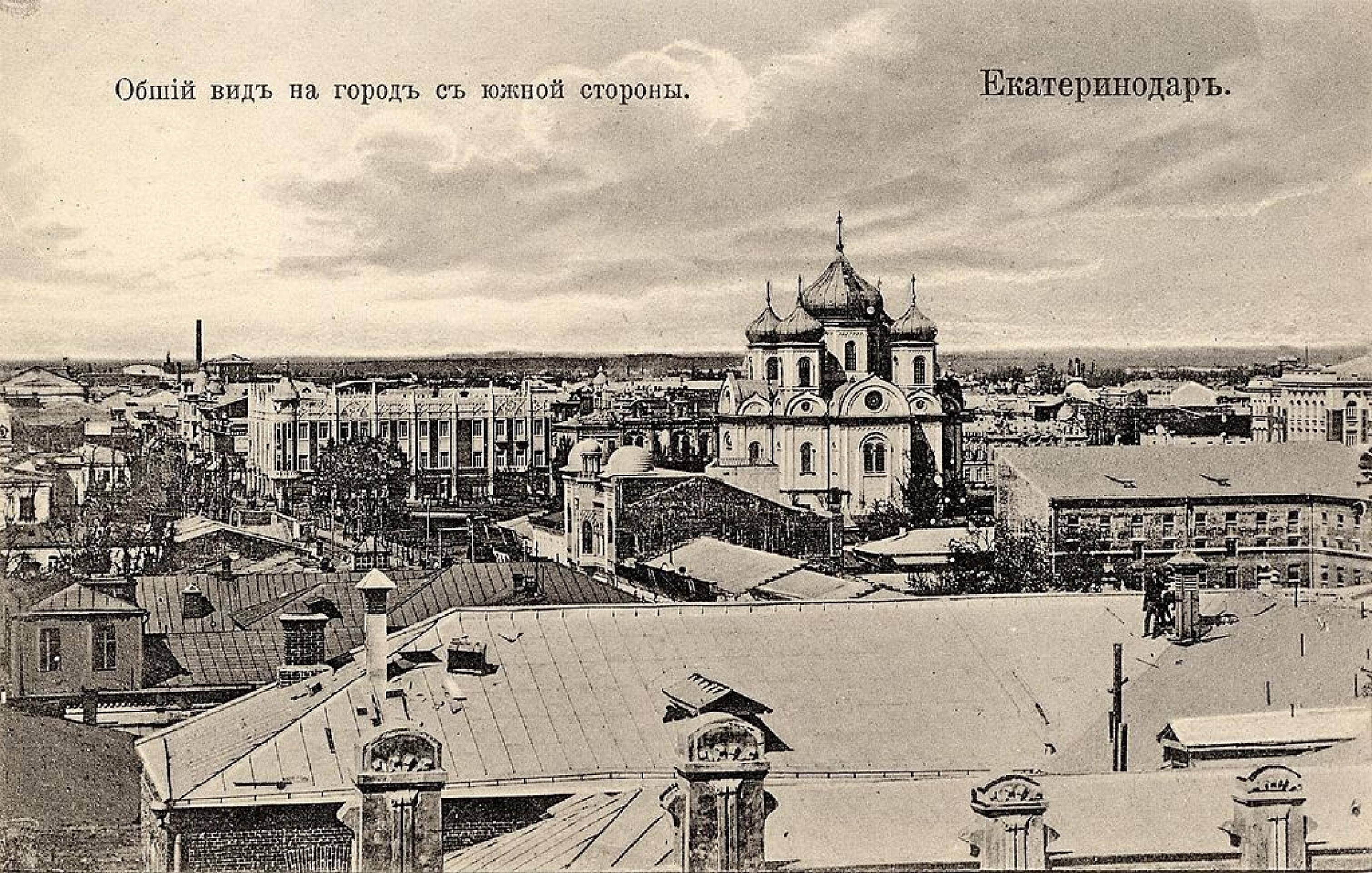
Krasnodar, located in the south of Russia between the Black Sea and the Caspian Sea, was founded in 1793 as a fortified town called Yekaterinodar. Jews already lived in the city in the 19th century. Most of them were soldiers and their families who were allowed to live outside the area where Jews had been given permission to settle by the Tsar. In 1926 approximately 1,750 Jews lived in the city, which had been called Krasnodar since 1920 and now had a population of more than 100,000.
The German Wehrmacht occupied the city on August 12, 1942 during its offensive in the direction of the Caucasus. It is unclear how many Jews remained in the city after the withdrawal of the Red Army, because Krasnodar, which had until then been considered safe, also hosted many Jews who had been brought into the city during the German offensive the year before. The occupiers now forced the Jews to register within a week on the pretext that they would be resettled. On August 21, 1942 Sonderkommando (special unit) 10a of Einsatzgruppe (mobile killing unit) D, under the command of SS-Obersturmbannführer (lieutenant colonel of the SS) Kurt Christmann, drove all Jews of Krasnodar in military vehicles to a factory north of the city centre. There they shot all the Jews in a city park called 1 May (today: Chistyakovskaya Rosha) and buried their corpses there in previously excavated trenches. Some Jews had managed to escape, but they were later caught and suffocated in a so-called gas van.
Victims
On August 21 and 22, 1942 members of Sonderkommando (special unit) 10a of Einsatzgruppe (mobile killing unit) D, supported by local helpers, murdered about 2,000 Jews. Between 30 and 60 Jews were caught afterwards on the run and suffocated in gas vans. In addition, the occupying forces murdered thousands of civilians, including patients and Roma. Many of the victims, especially patients, were murdered in the gas van carried by Einsatzgruppe D during this period. The total number of murdered civilians in and around Krasnodar has been estimated at around 13,000 since the end of the war.
Remembrance
The Wehrmacht occupied Krasnodar for only a few months, the Red Army reconquered the city on February 12, 1943. For the first time it organized a public tribunal, which condemned German prisoners of war and local collaborators and had many death sentences carried out. In 1980, the former SS-Obersturmbannführer (lieutenant colonel of the SS) Kurt Christmann was sentenced to ten years imprisonment in the Federal Republic of Germany for the crimes committed in Krasnodar.
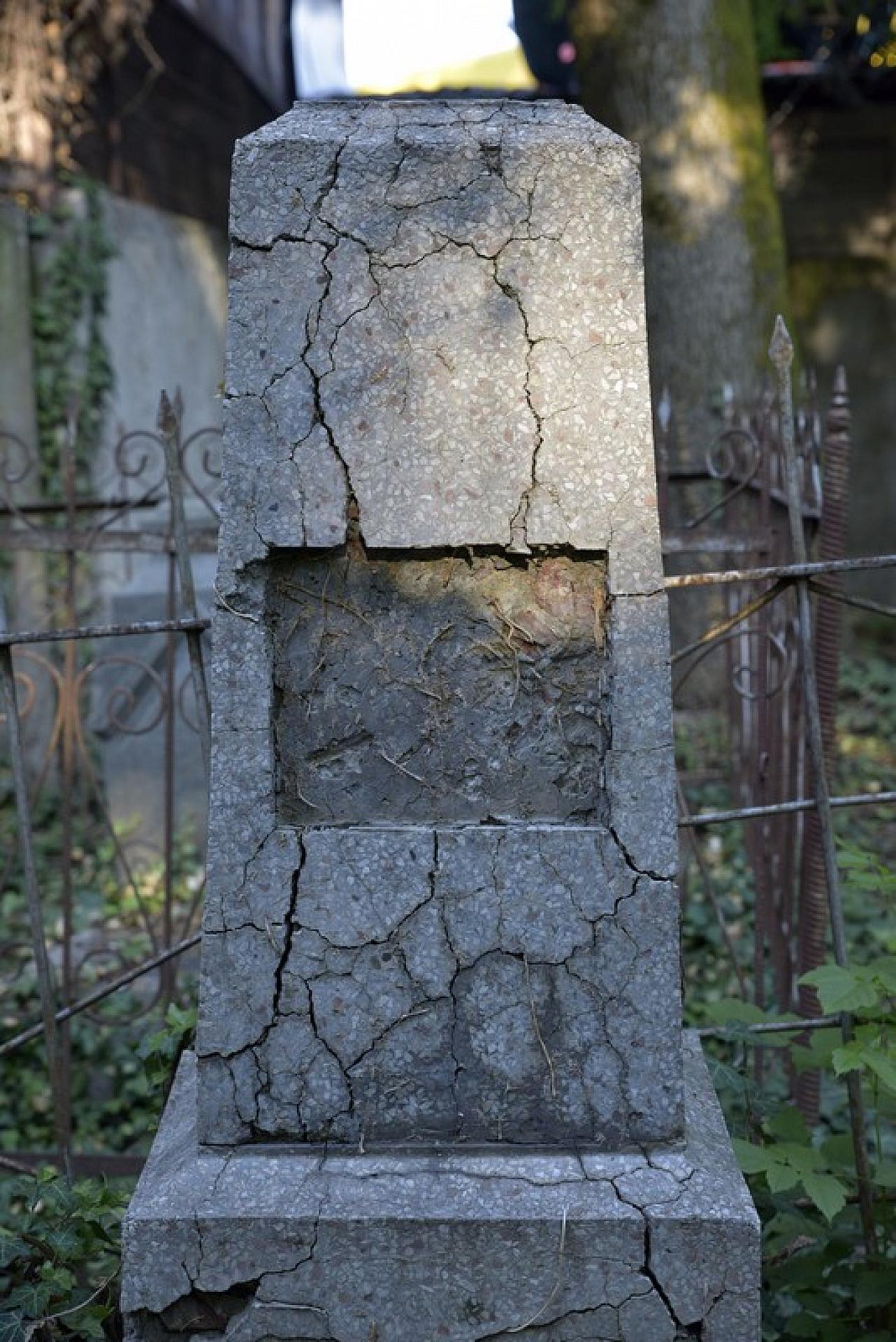
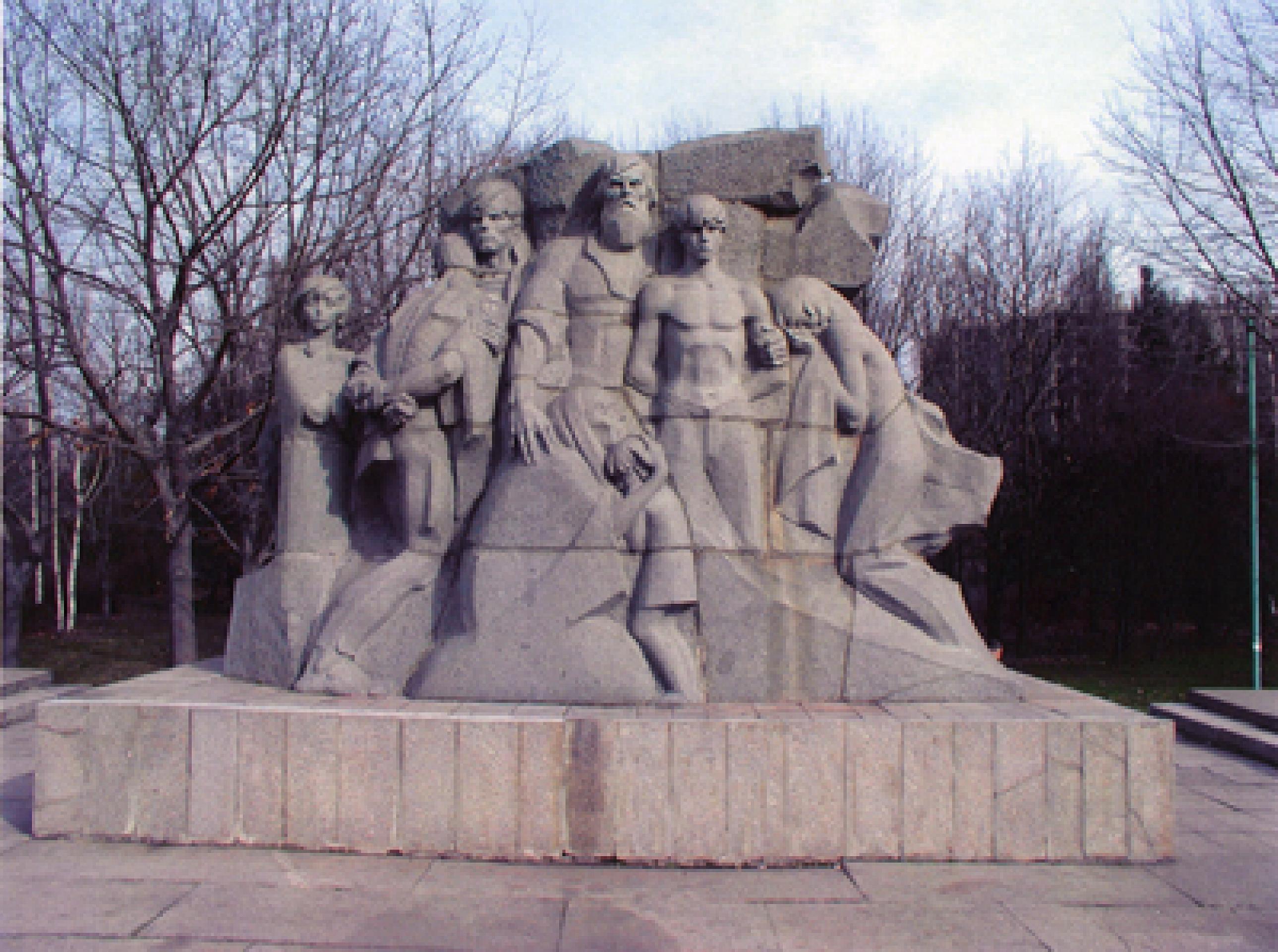
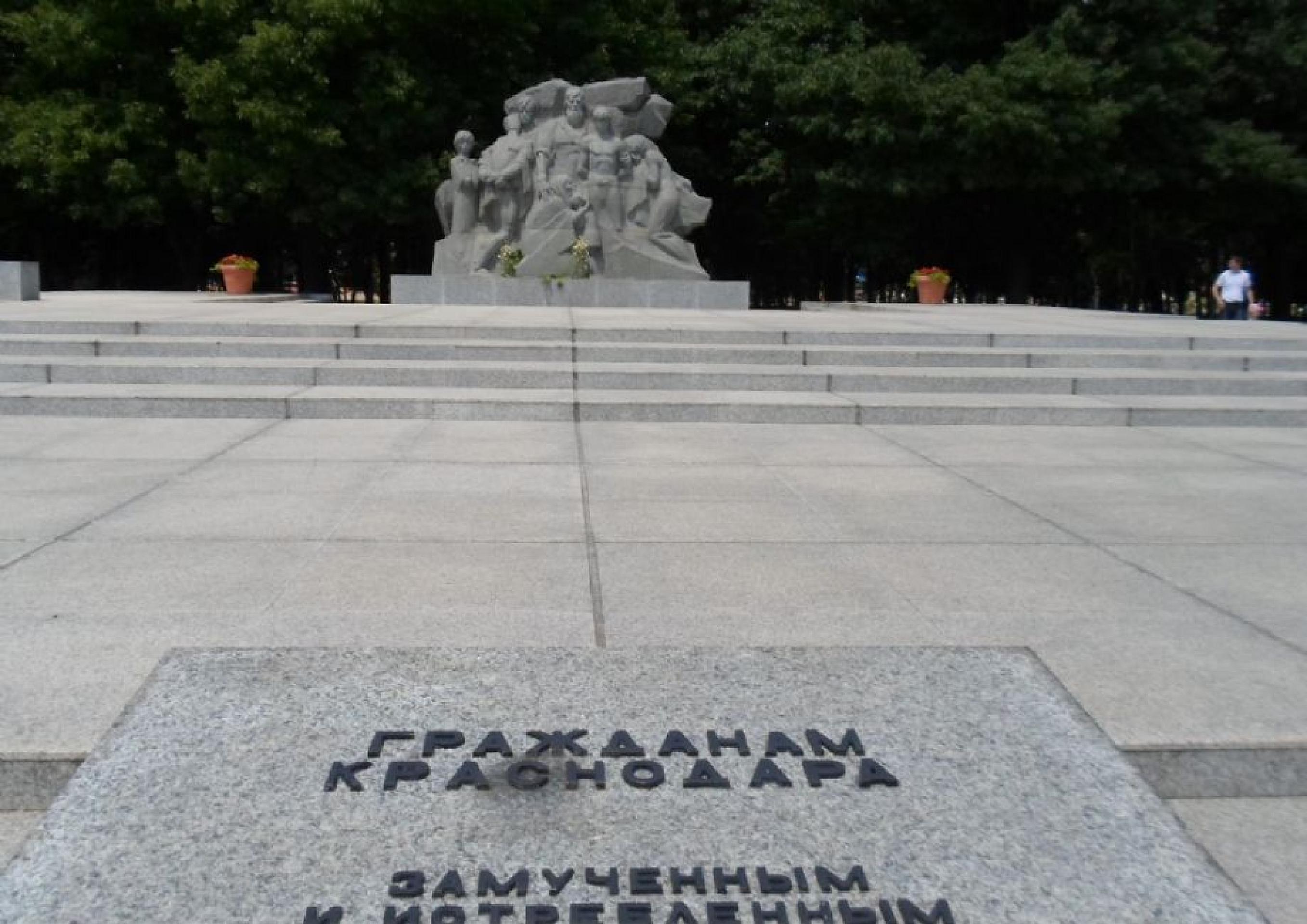
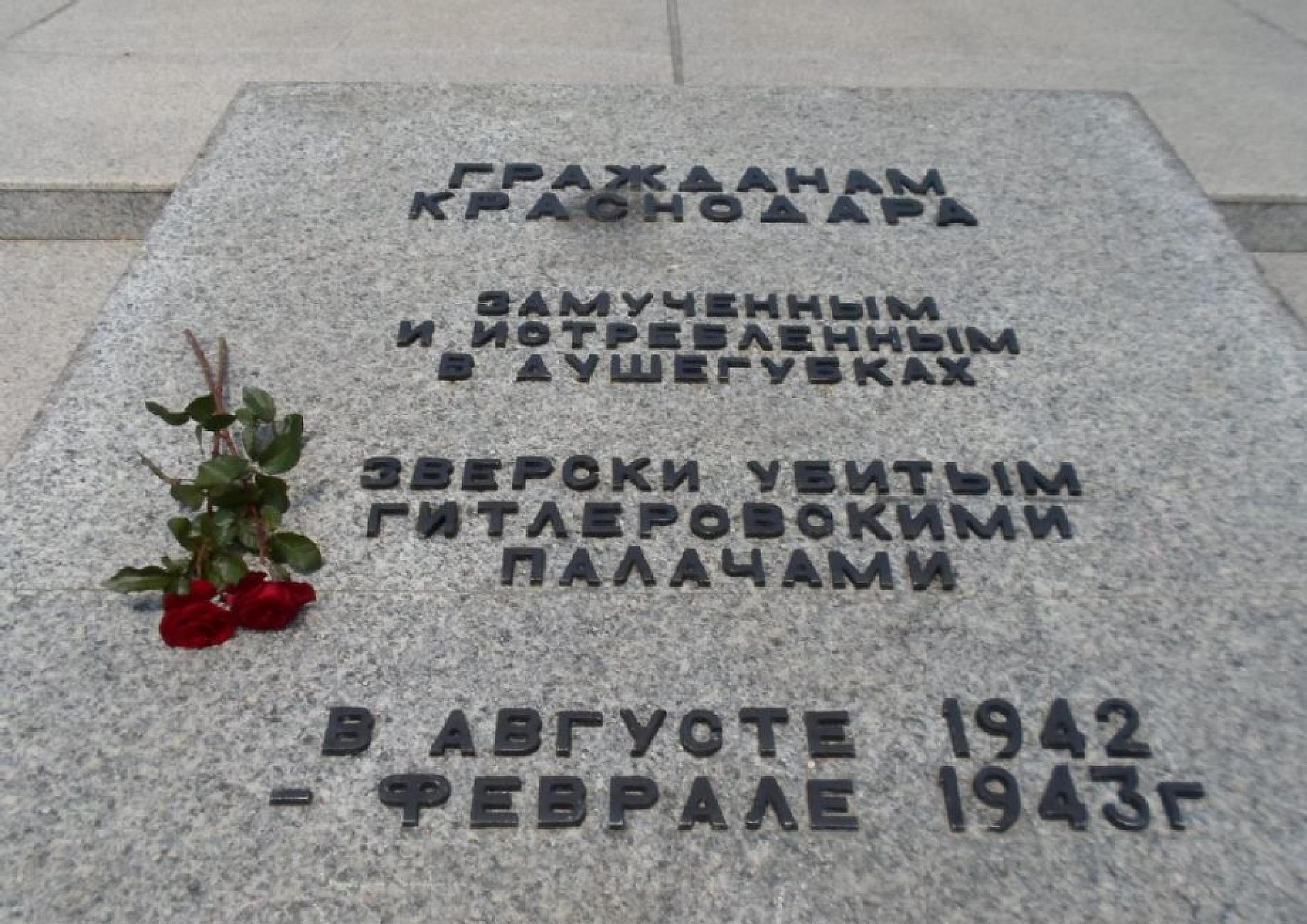
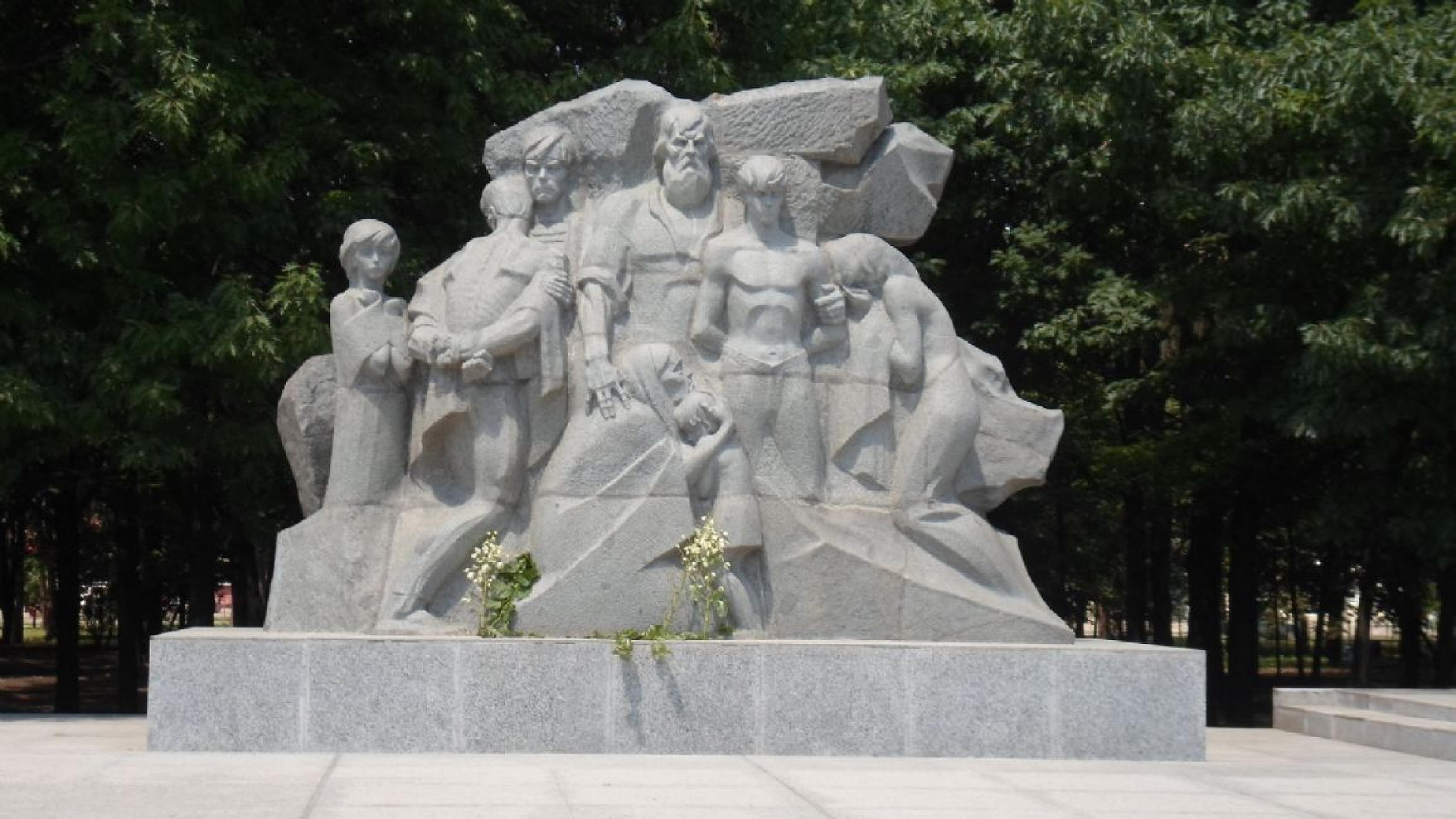
Today there is a monument in the grove called »Chistyakovskaya Rosha«, where up to 2,000 Jews were murdered on August 21 and 22, 1942. It was inaugurated on May 9, 1975. On a marble pedestal stands a group of sculptures depicting civilians and soldiers. An eternal fire burns next to the monument. The Russian inscription of the monument reads: »To the inhabitants of Krasnodar, tortured to death in gas vans and brutally murdered by Nazi executioners from August 1942 to February 1943«. The monument is thus dedicated to all up to 13,000 murdered civilian victims of the city of Krasnodar. After the war, the murdered Jews were reburied in the Jewish cemetery in the centre of the city. The Soviet authorities closed the cemetery in 1964 and partly released it for development. Today only a small part of the cemetery is preserved.
Open
The memorial site is accessible at all times.
Contact
Kolchosnaja ul., 86
350000 Krasnodar