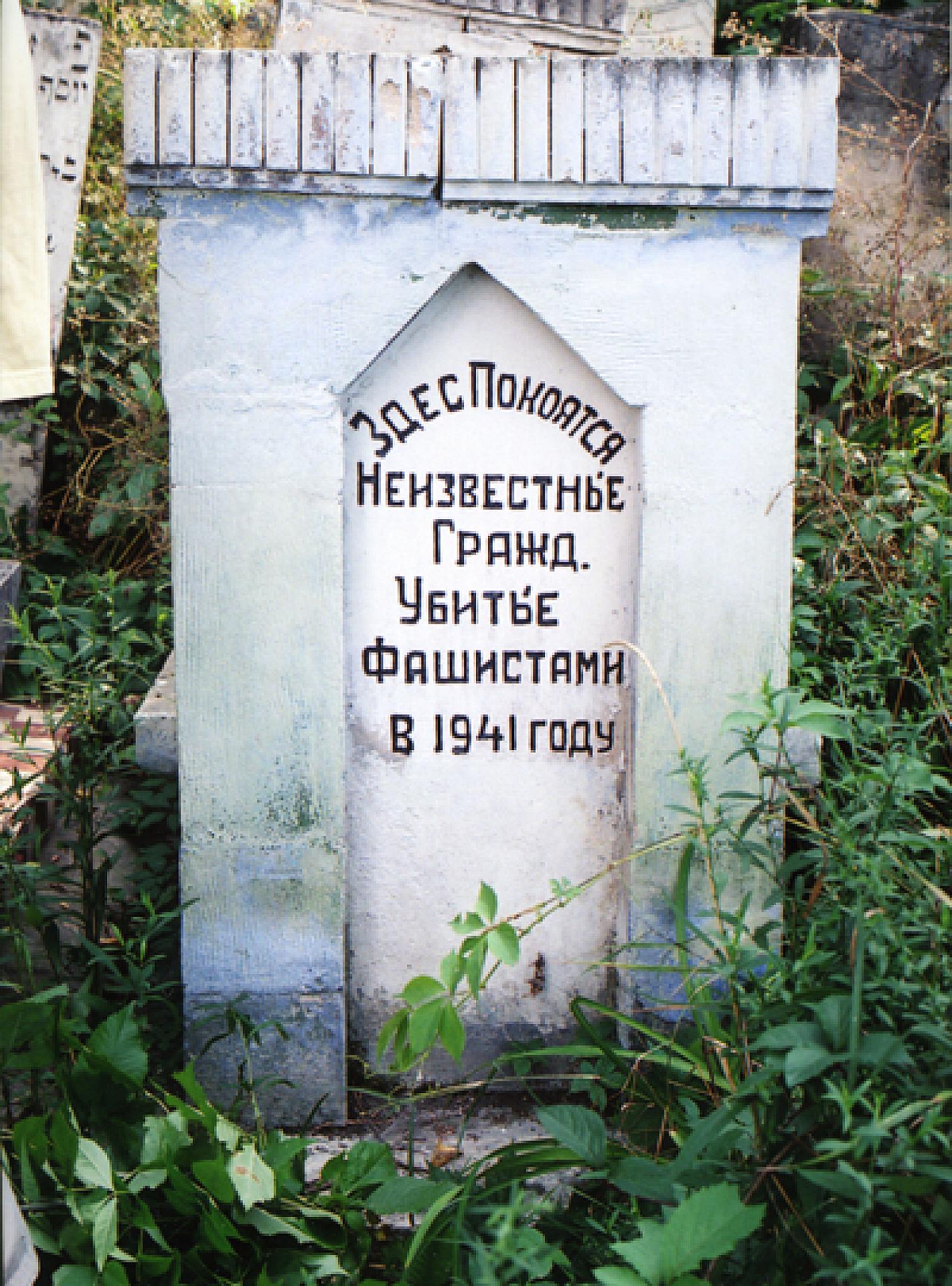
Memorial to the Victims of Fascism on the Orhei Jewish Cemetery
Monumentul Victimelor Fascismului din Cimitirul Evreilor
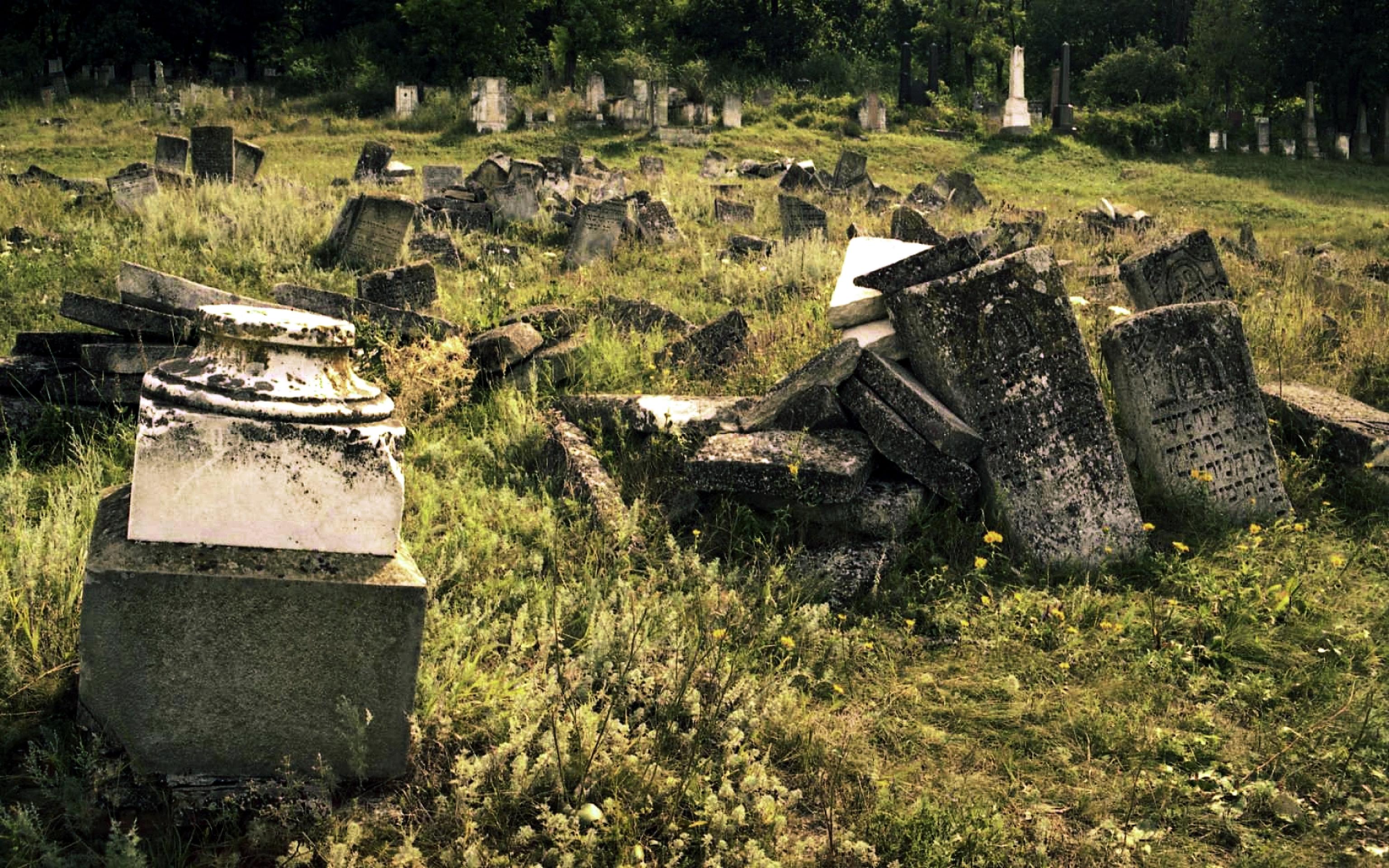
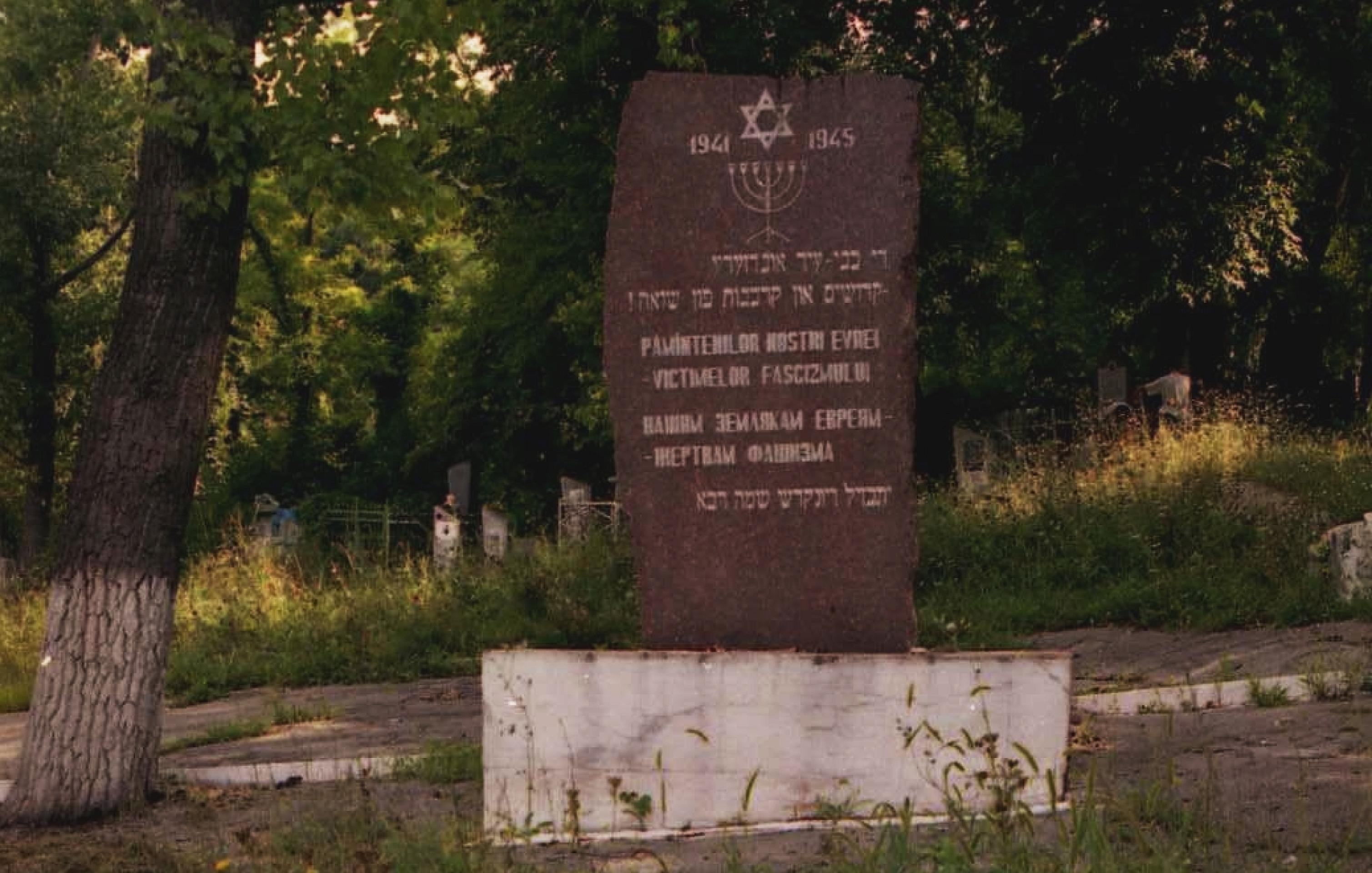
Several monuments on the Jewish cemetery in the Moldovan town of Orhei commemorate the Orhei Jews who perished during the Holocaust.
History
The small town of Orhei (Russian: Orgeyev) lies in the historical region of Bessarabia in what is today Moldova, about 50 kilometres north of the capital Chişinău. Jews had lived in Orhei since the 16th century and the community quickly grew. In 1930, there were about 6,300 Jews living in Orhei, just under half of the total population. In 1940, Bessarabia - which had since 1918 been part of Romania - was occupied by the Soviet Union, including Orhei. Many leaders of the Jewish community were deported to Siberia by the Soviet authorities.
At the beginning of July 1941, following the invasion of the Soviet Union, German and Romanian troops occupied Orhei. The Romanian authorities immediately gathered the Jews at several sites: in a school, a synagogue, a residential house, and at a police station. A total of over a thousand Jews was held captive. On July 21, Romanian constabulary brought the 200 Jews who had been held at the synagogue to the village of Siliştea where they were shot. Later, Romanian units shot at least 500 more Jews from Orhei. Those who were exempt from the shootings were later crowded into a ghetto and eventually deported to Transnistria.
Victims
At least 700 Jews from Orhei were shot on site by Romanian units. The remaining Jews were forced into a ghetto from autumn 1941 on and were later deported to Transnistria, where they too had to live in ghettos and conduct forced labour. The exact number of victims is not known.
The country now known as the Republic of Moldova comprises the majority of the historical province of Bessarabia to the east of the River Prut as well as a small area east of the Dniester River belonging to the region of Transnistria (meaning »beyond the River Dniester«). The country is Romanian-speaking. It was formerly part of the Russian Empire but after the First World War it became part of the Kingdom of Romania, with the exception of the Transnistrian area. There were around 205,000 Jews living here in 1939. Following the so-called Hitler-Stalin Pact, a secret agreement between the Third Reich and the Soviet Union defining their »spheres of interest« from the Baltic Sea to the Black Sea, the Red Army invaded Bessarabia in summer 1940. The Soviet secret service NKWD subsequently deported 11,000 »undesirables« to Siberia, including over a thousand Jews.
As a consequence of these substantial territorial losses, Romania sought an alliance with Nazi Germany. In summer 1941, Romanian troops joined the German Wehrmacht in the invasion of the Soviet Union. Bessarabia and the entire Ukrainian region of Transnistria as far as the Bug River came under Romanian control. Between July and August 1941, members of the Wehrmacht and SS Einsatzgruppe D together with Romanian special commandos and police units murdered over 150,000 Jews from the region and looted the abandoned houses and shops. Any survivors were crammed into ghettos and camps. From September 15 they were deported via the River Dniester to Transnistria, along with political prisoners accused of having collaborated with the Soviet authorities. Between 7,000 and 10,000 Jews who had fled or been deported to the Soviet Union returned to the country after 1945.
After the war, Bessarabia again became part of the Moldavian Soviet Socialist Republic. Liberation by the Red Army and the »victory« in the Great Patriotic War were commemorated. Everything »Romanian« was systematically removed. After the Republic of Moldova gained independence in 1991 there were lengthy discussions about a possible reunification with Romania. However, the majority Russian population in Transnistria blocked reunification. The fundamental conflict between the larger Romanian-speaking region in Bessarabia and the smaller, Russian-speaking region in Transnistria, since a short civil war in 1992 a separatist territory, coupled with major economic and social problems, have marginalised memory of the Holocaust and the Second World War.
However, since the early 1990s a number of towns in Moldova have put up monuments, plaques or memorial stones to remember the massacre in summer 1941 and the murdered Jews. Examples can be seen in Dubossary, in today’s capital Chişinău, in the Jewish cemetery in Tighina or in villages such as Vertujeni and Pepeni.
Remembrance
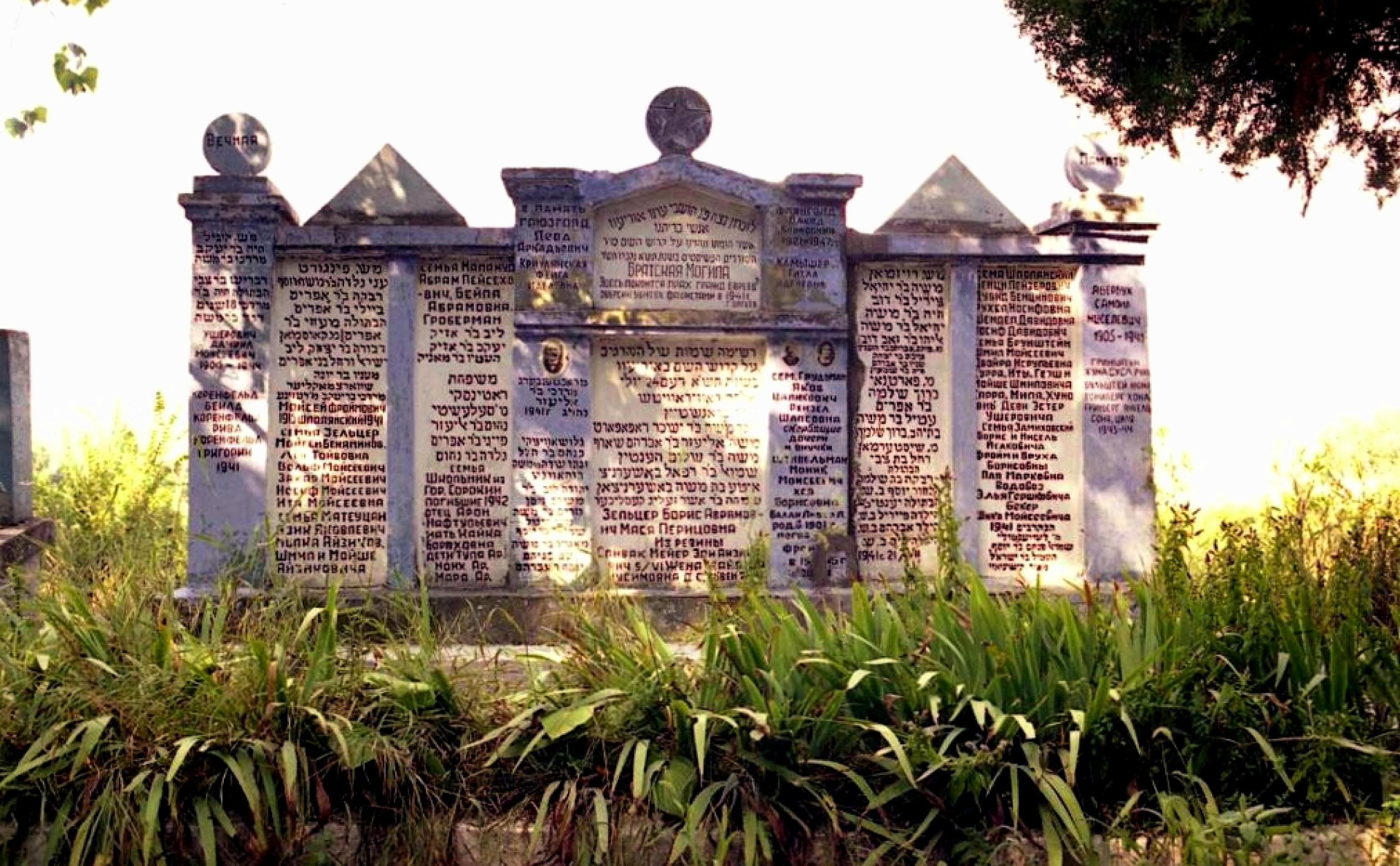
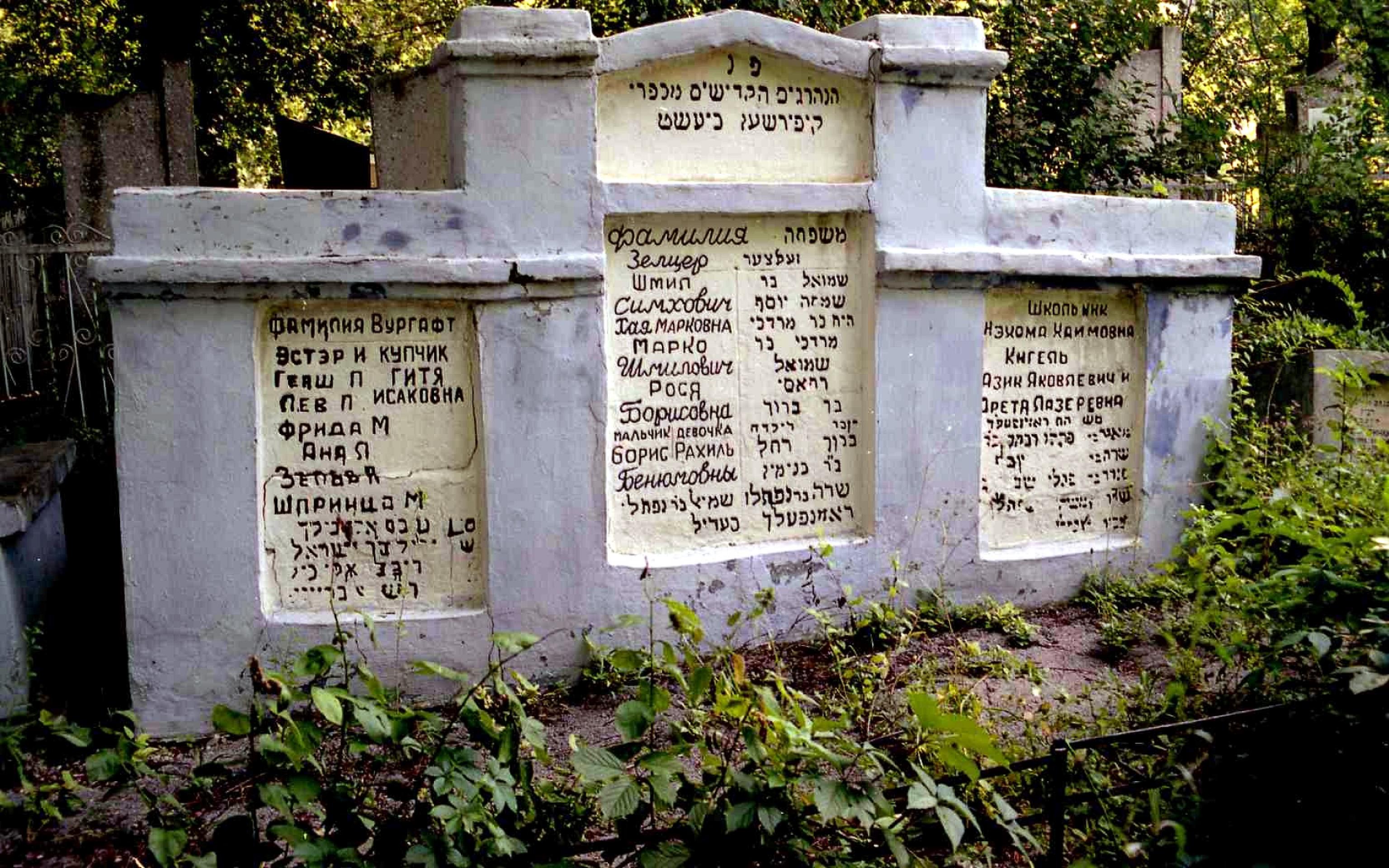
There are several Holocaust monuments and memorial stones on the Jewish cemetery of Orhei. The main memorial bears the names of over one hundred Jewish victims from Orhei.