Memorial to the Victims of the Chişinău Ghetto
Monumentul victimilor din ghetoul Chişinău
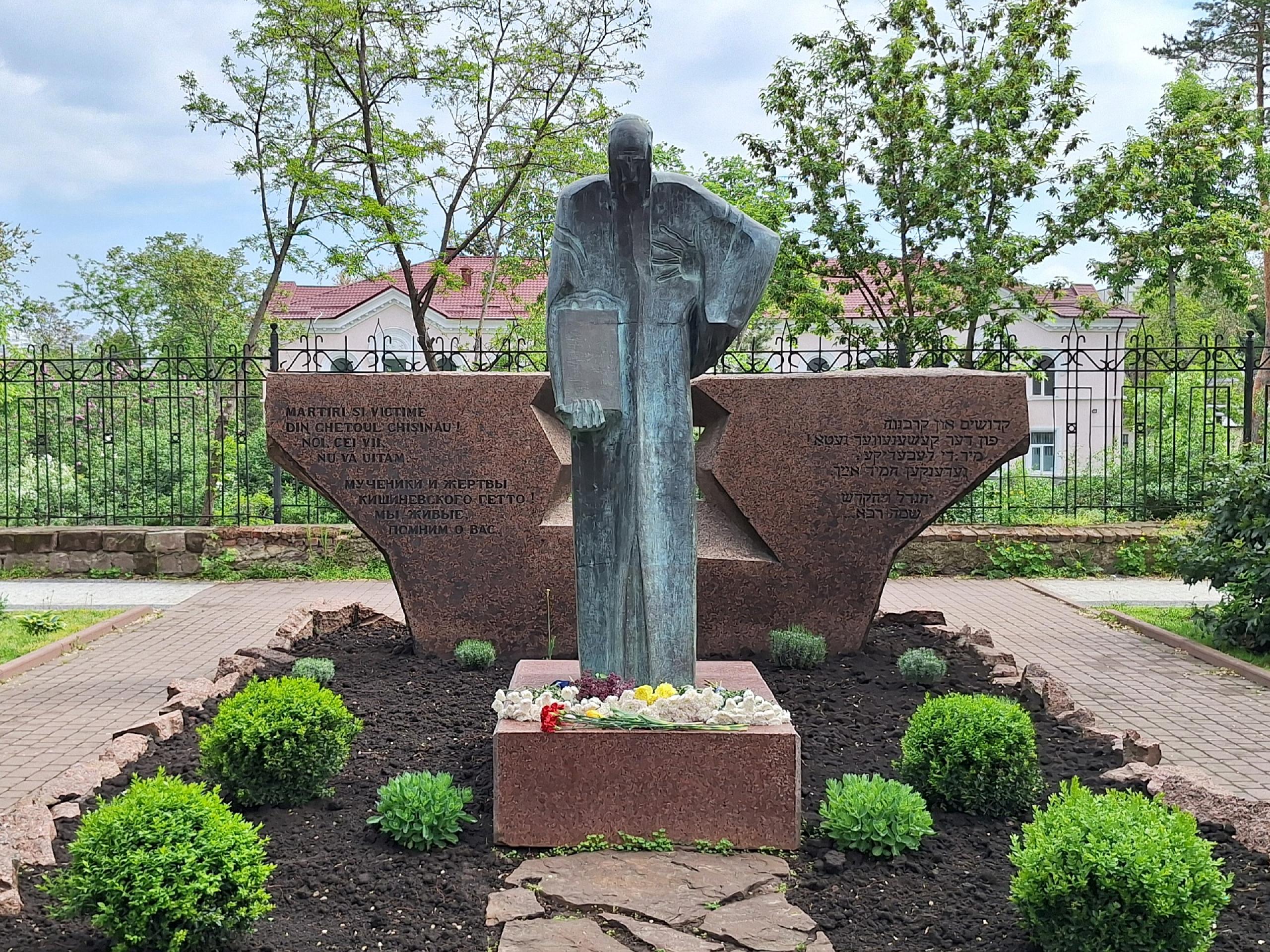
A memorial in Chişinău (Russian name used before 1991: Kishinev) close to the former ghetto honours the Jews who were held there in 1941.
History
Chișinău lies in the historical region of Bessarabia; today, it is the capital of the Republic of Moldova. Jews settled in Chișinău in the 18th century, and the city became a centre of Jewish life in south-eastern Europe. The Jewish population reached close to 50,000 at the end of the 19th century, representing almost half of the total population. Time and again, however, anti-Jewish violence erupted in Chișinău, such as during the devastating pogrom of 1903.
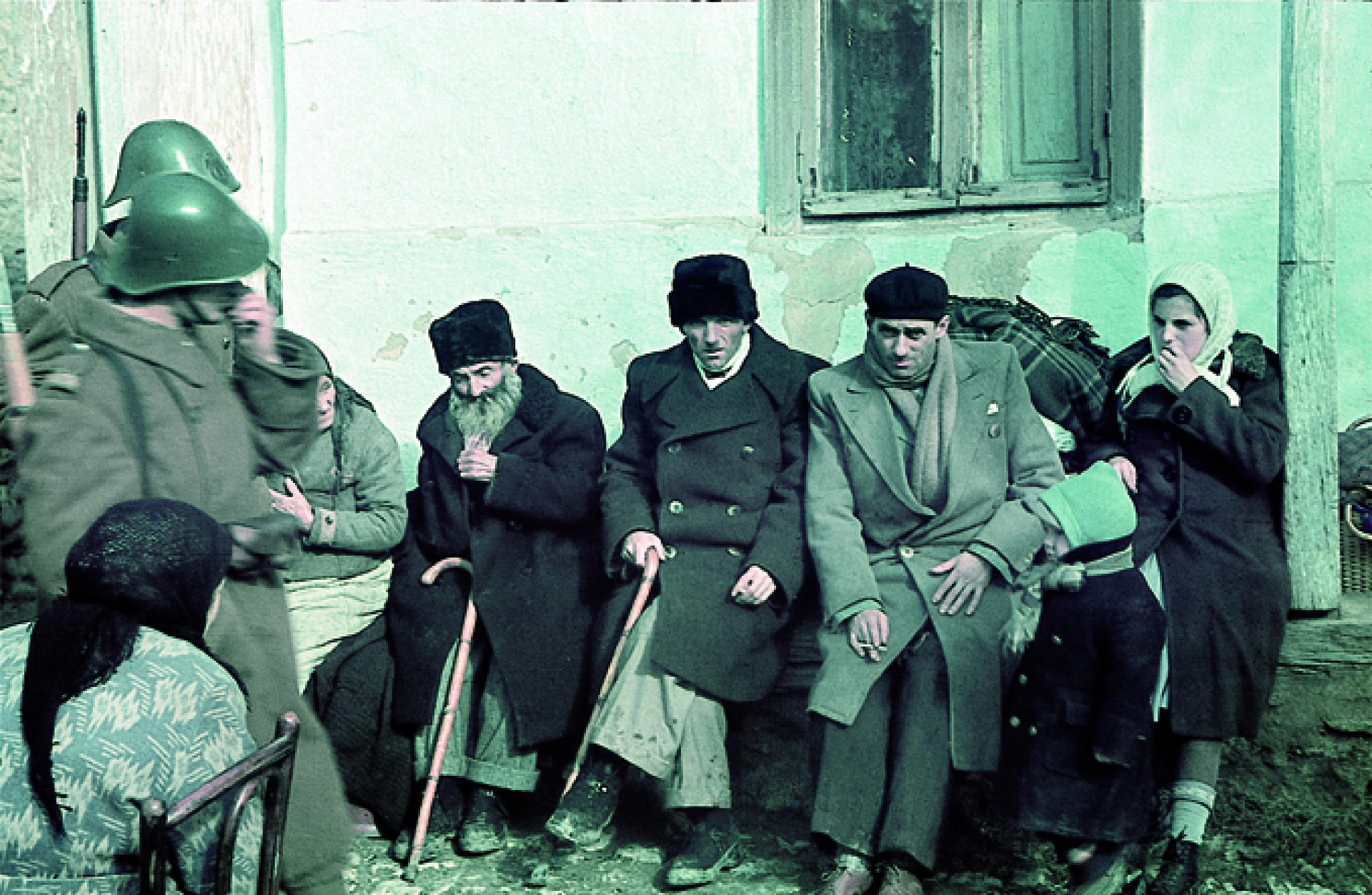
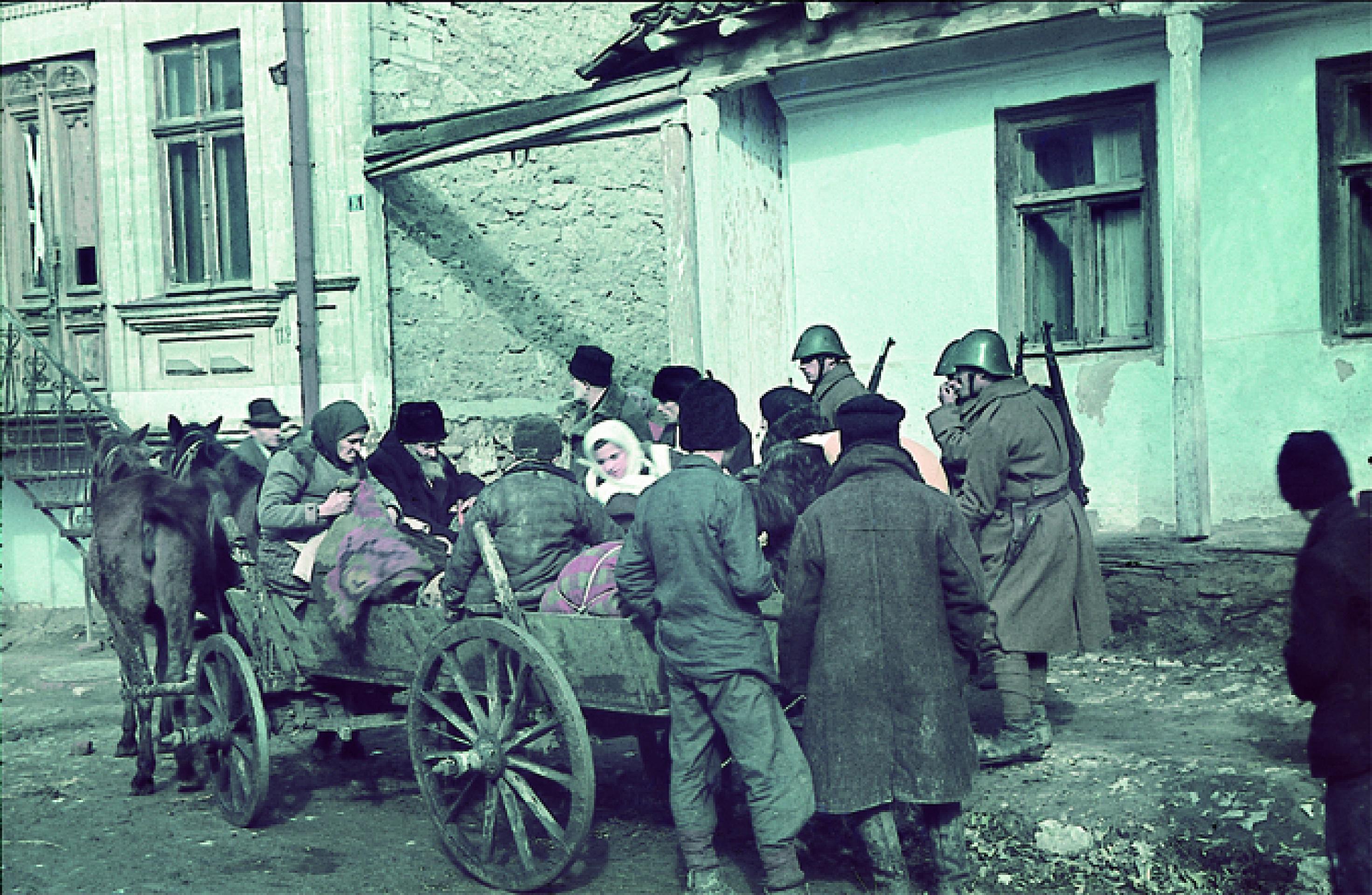
In June 1940, Soviet troops occupied Bessarabia - which had been part of Romania since 1918 - in accordance with the Molotov–Ribbentrop Pact, including Chișinău. When the German and Romanian armies attacked the Soviet Union and advanced towards Chișinău in June 1941, only few of the 50,000 Jews managed to escape inland to the Soviet Union. It is assumed that shortly after the city's occupation, up to 10,000 Jews were killed by locals and soldiers of the occupying forces. The army units were followed by SS Sonderkommando 11a under the command of Paul Zapp. At the end of July 1941, Zapp prompted the Romanian authorities to undertake systematic measures against the Jews. As a result, the district prefect established a ghetto and a concentration camp for the Jews. Up to 11,000 Jews from Chișinău had to move into the ghetto, about 1,000 were held hostage in the camp. On August 1, 1941, members of Sonderkommando 11a forcibly gathered 550 Jewish men and women from the ghetto and from the camp under the pretence of »retribution« for an arson attack in the city. The men and women were separated, registered and shot on the outskirts of the city. Shortly afterwards, the Sonderkommando left Chișinău, advancing towards the front. The ghetto remained under Romanian administration. At the beginning of October 1941, the Romanian authorities began deporting the Jews from the ghetto across the river Dniester to the Romanian-occupied region of Transnistria. In 1942, there were no Jews left in Chișinău.
Victims
In July 1941, presumably 10,000 Jews from Chișinău perished at the hands of the advancing Romanian army and the Wehrmacht. Up to 11,000 Chișinău Jews had to move into a ghetto, including 2,300 children. Approximately 1,000 Jews were held in a concentration camp. SS Sonderkommando 11a shot about 550 Jewish men and women on August 1, 1941. The remaining Jews from the Ghetto were deported by Romanian authorities to Transnistria in October 1941; many died on the way. The Jews had to live in ghettos in Transnistria and were deployed in forced labour; many died of hunger, illnesses and of the effects of the backbreaking labour.
Remembrance
After the war, Chișinău was home to about 5,500 Jews, almost all of them refugees who had lived elsewhere before the war. The community grew rapidly: in 1959, there were over 42,000 Jews in the city. Over two thirds of them emigrated in the 1970s and the following decades, mostly to Israel.
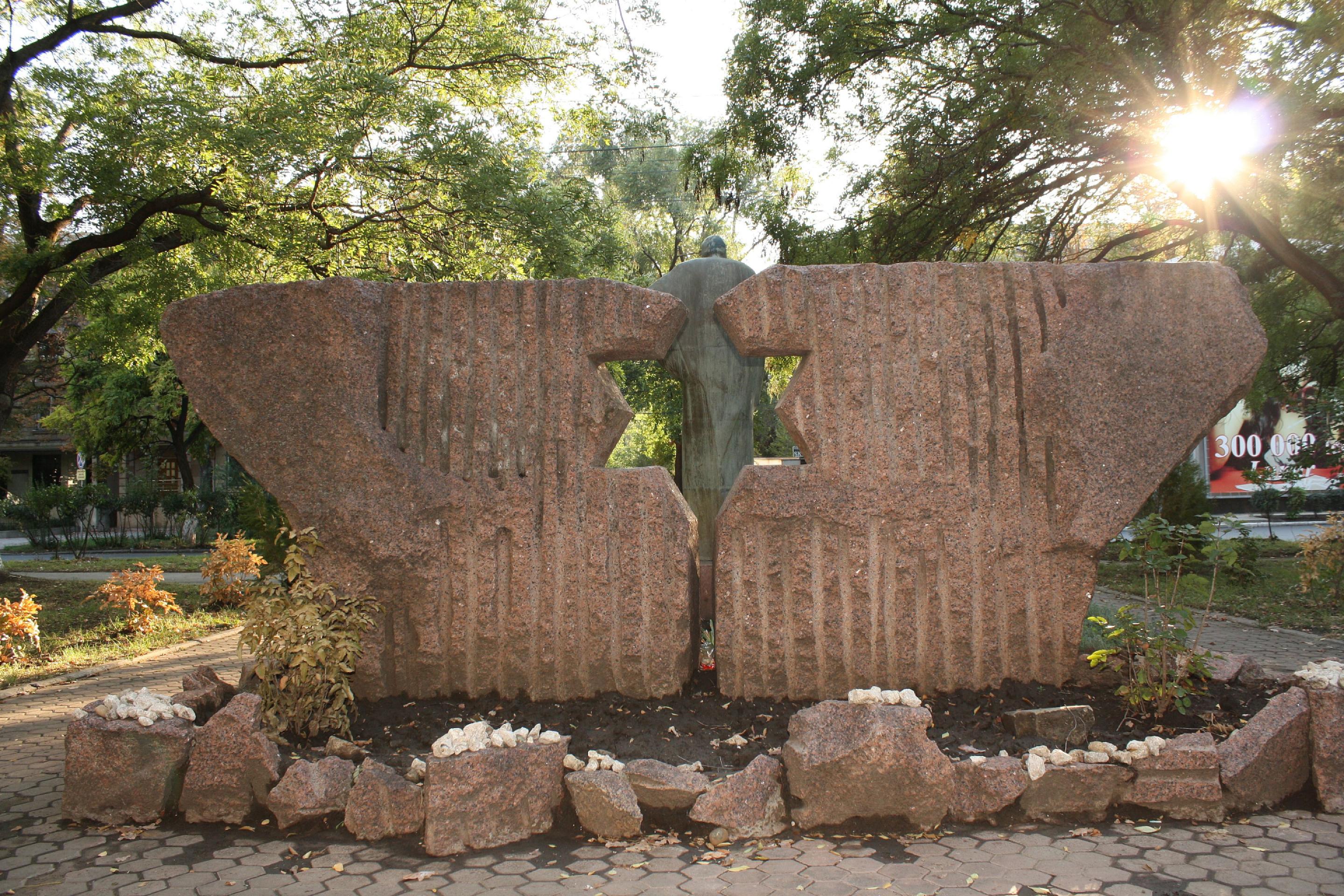
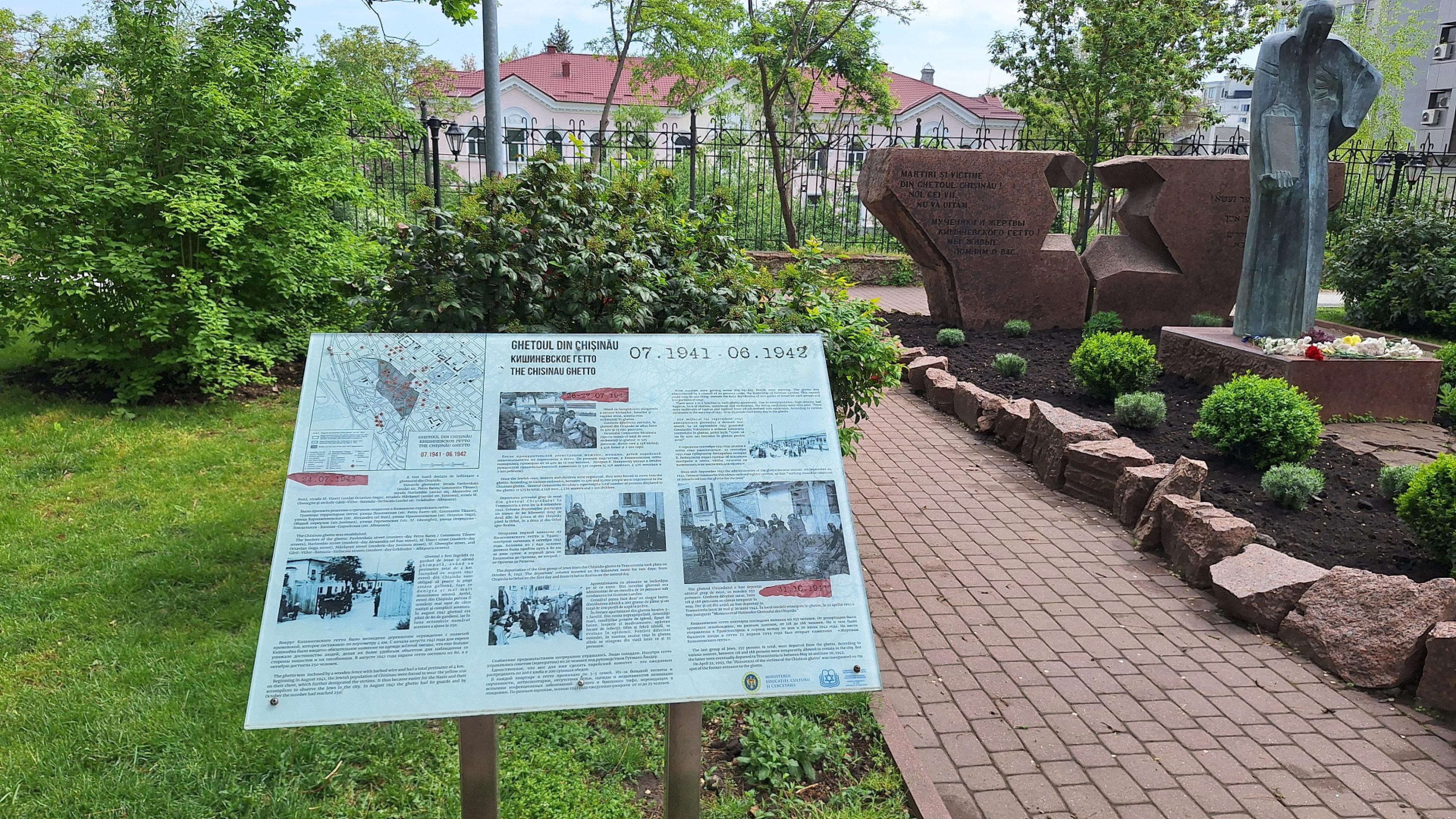
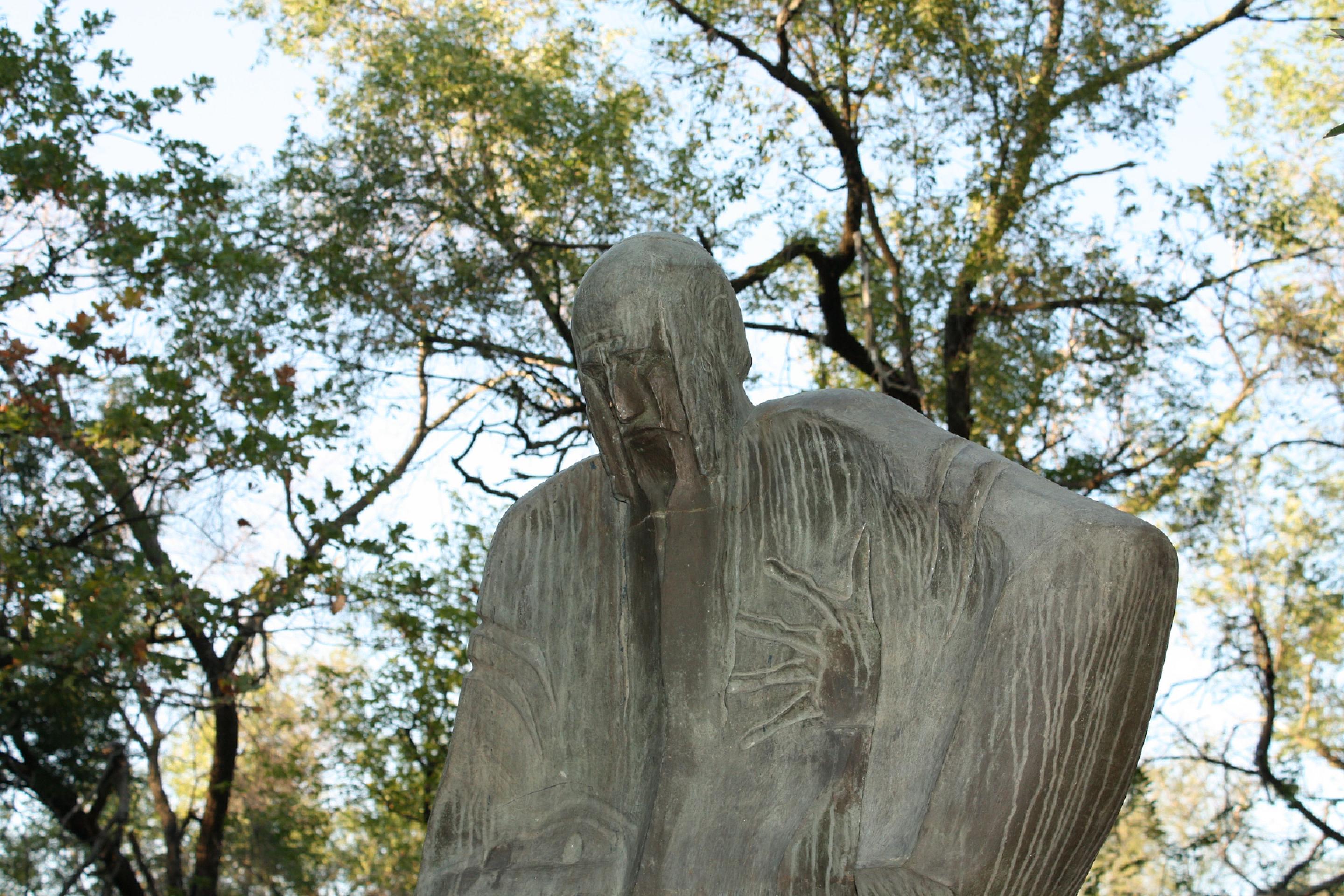
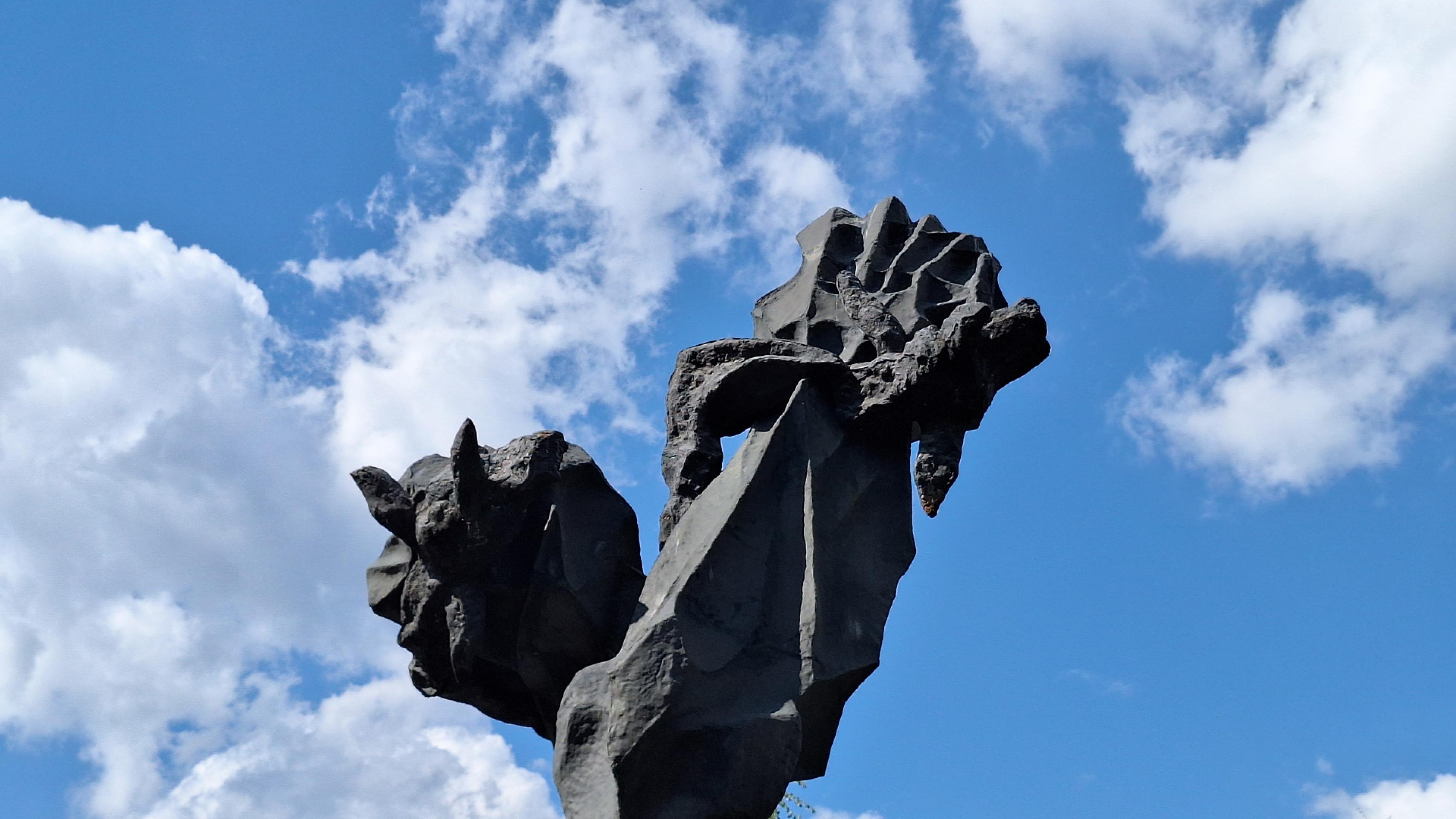
The memorial to the victims of the Chișinău ghetto was erected in 1993. It was designed by sculptor Haum Epelbaum and architect Şoihet Simeon. The memorial is situated on the corner of Grigore Vieru boulevard and Ierusalim street, close to where the entrance to the ghetto once was. It consists of two red granite slabs, notches at the sides form a Star of David. In front of the granite elements is a bronze sculpture. A Hebrew, Romanian and Russian inscription on the granite slabs reads: »Martyrs and victims of the Chișinău ghetto! We, those who are alive, shall remember you!« Later, a plaque informing about the history in three languages (Romanian, Russian and English) was put up by the Ministry for Education and Culture and the Jewish Community of the Republic of Moldova.
A further memorial is located on the northern outskirts of Chișinău, on the supposed site of the August 1941 shooting. The »Monument to the Victims of Fascism« (Romanian: Monumentul Victimelor Fascismului) was designed by artist David Aurel and dedicated already in 1982. Today, this is an industrial area, and the monument is close to a car dealer in Calea Orheiului Street. In 2015, the memorial – which had previously been in dire need of renovation – was restored.
Open
The memorial is accessible at all times.
Contact
office@jcm.md
+373(22) 509689
Str. Ierusalim
Chişinău