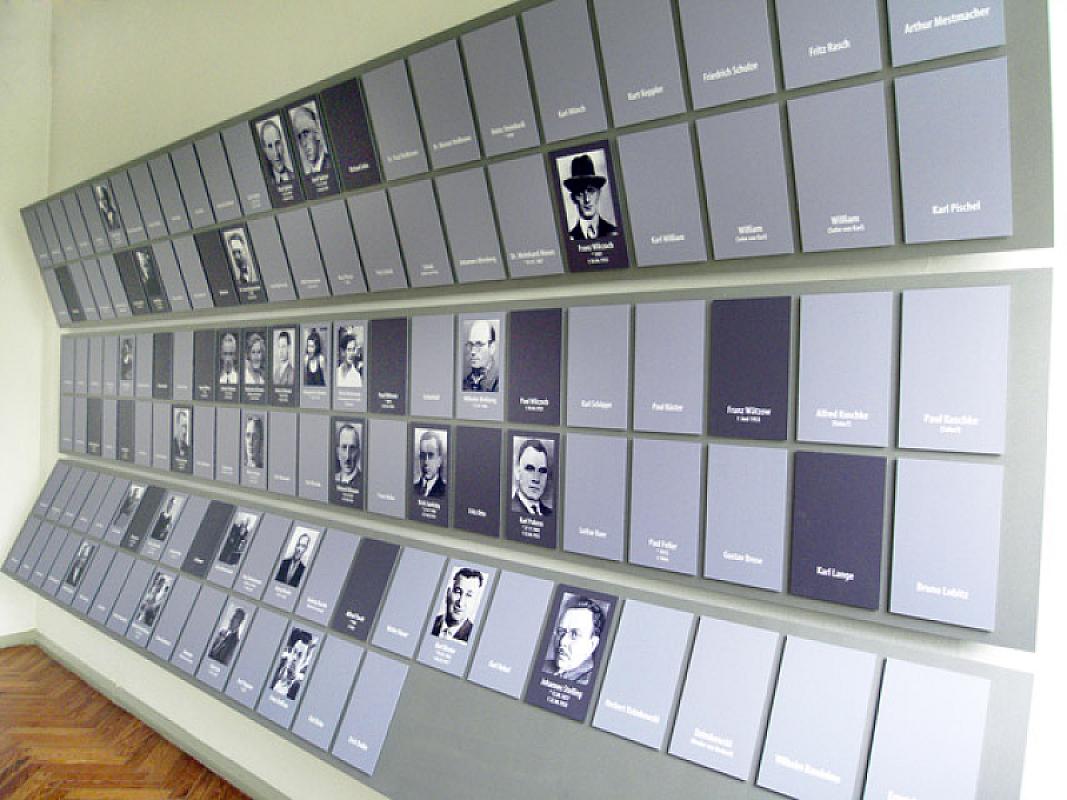
Memorial to the victims of the extermination site Bronnaya Gora
Место массовых убийств Бронная Гора / Месца масавых забойстваў Бронная Гара
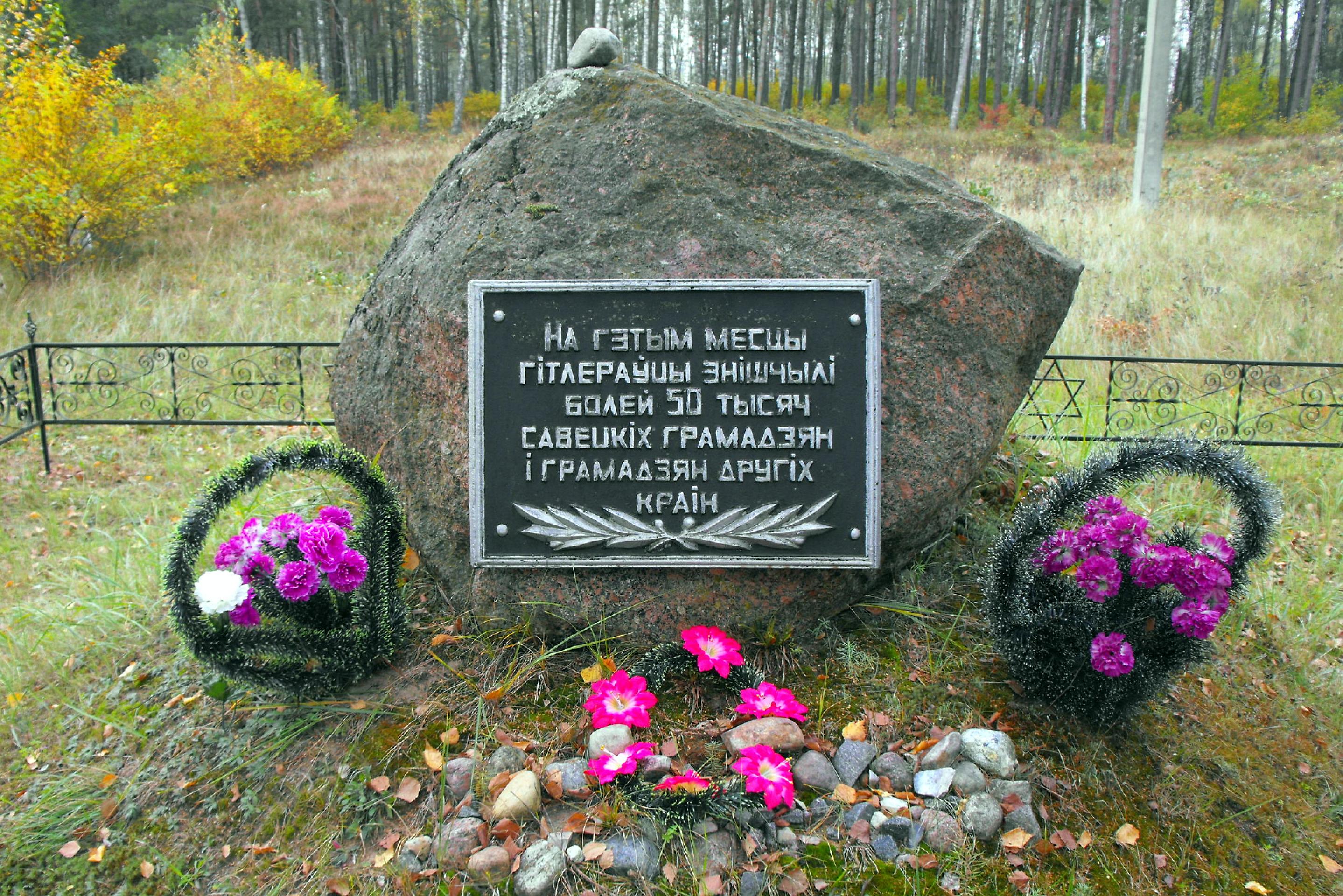
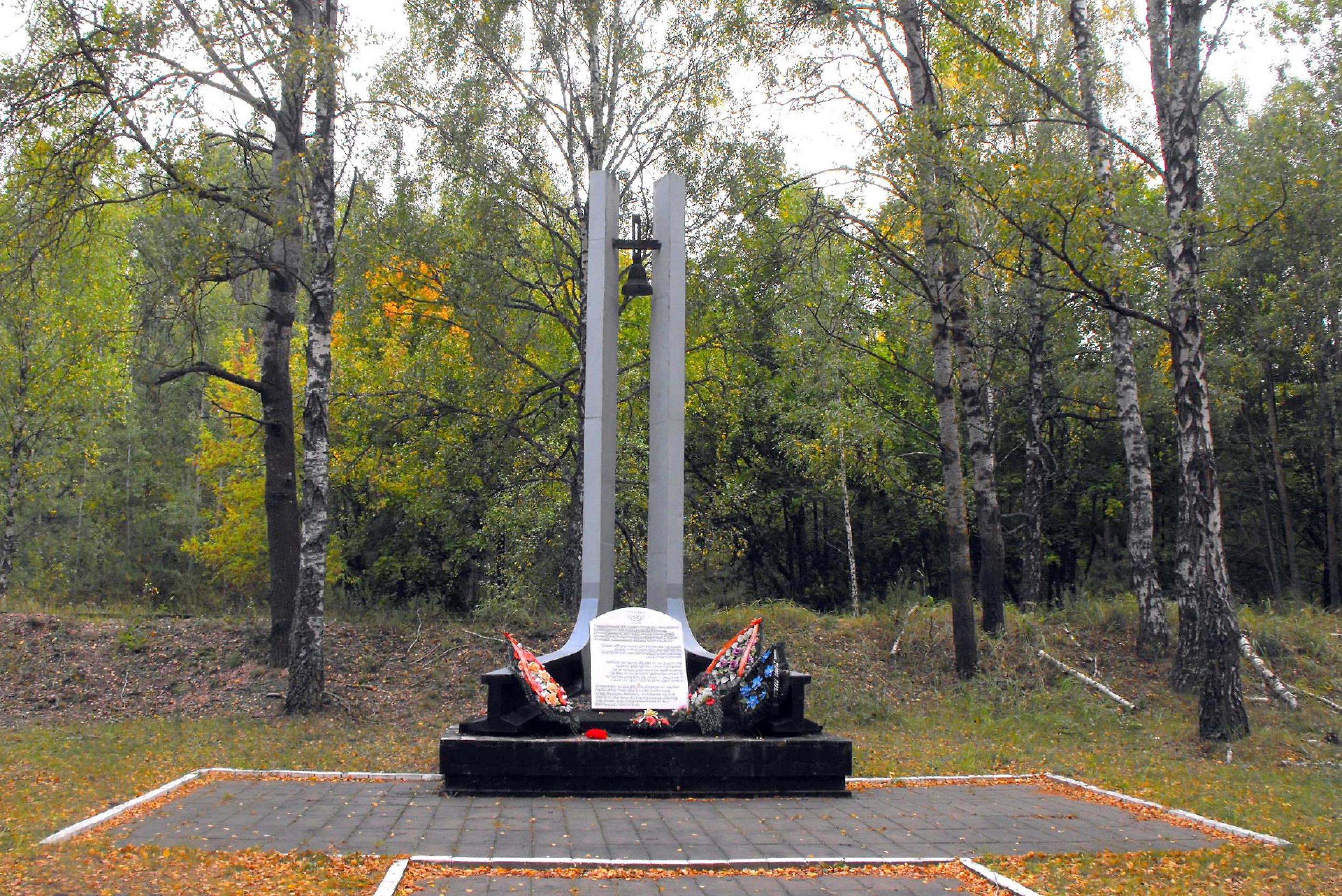
In the Belarusian village of Bronnaya Gora, two monuments commemorate the approximately 50,000 people who were murdered here in 1942.
History
The village of Bronnaya Gora (Belarusian: Bronnaya Hara, Polish: Bronna Góra) situated about 120 km northeast of Brest (also known as Brest-Litovsk) on the road to Minsk, belonged to Poland before 1939. In September 1939, the region was annexed by the Soviet Union in consequence of the Molotov-Ribbentrop Pact, until it was conquered by the Wehrmacht within a few days after the German attack in June 1941.
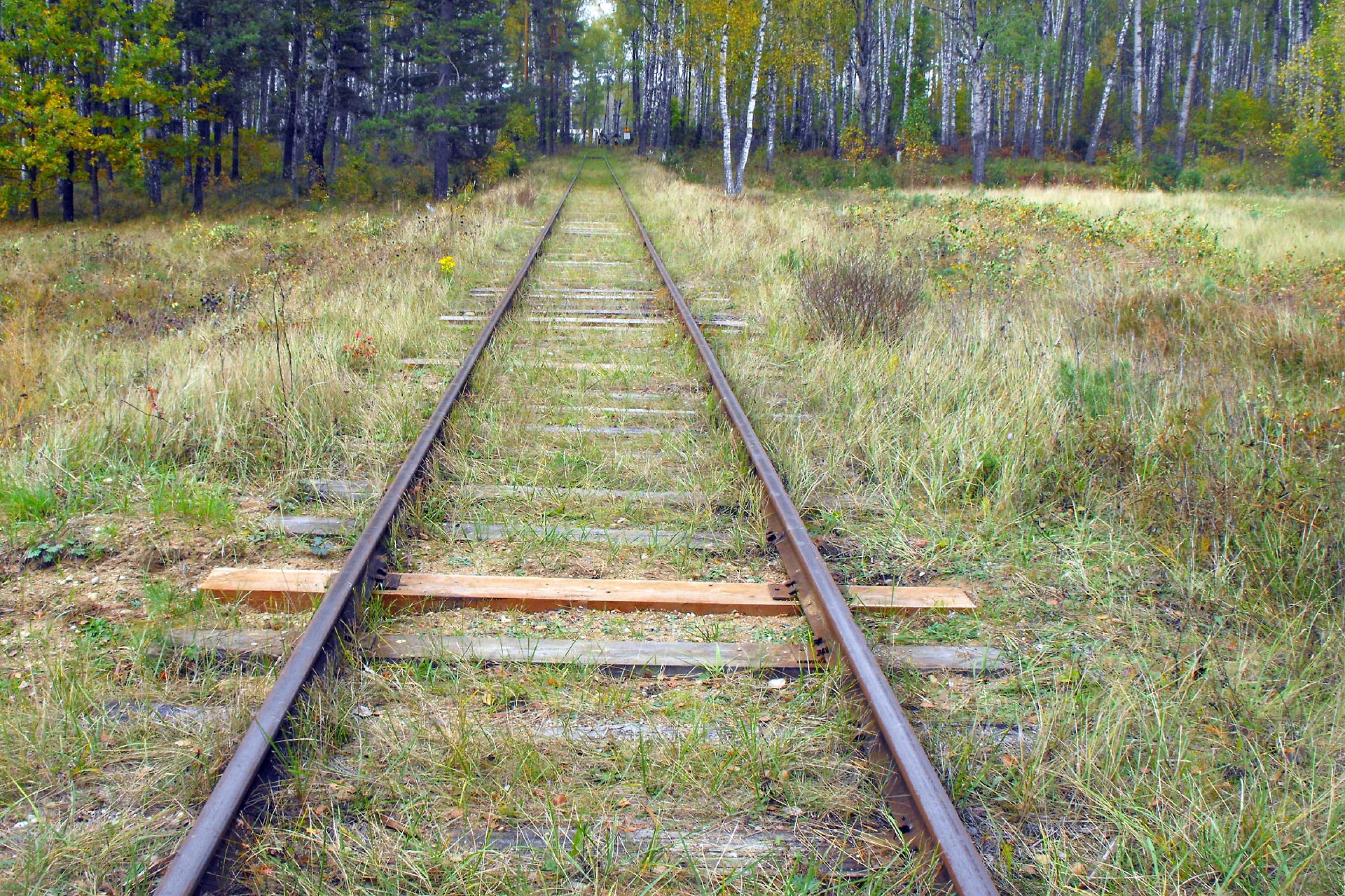
After German troops had already murdered thousands of Jews in the region in the summer of 1941, the occupation authorities set up ghettos in many larger cities towards the end of 1941, including Brest. In the spring of 1942, they began to murder the inhabitants of the ghettos by mass shootings. Presumably in May and June 1942 an extermination site was established in Bronnaya Gora near the Brest-Minsk railway line. Hundreds of civilians from the surrounding area were conscripted to dig eight pits, each of them over 60 metres long, up to six metres wide and about four metres deep. Between June and November 1942 trains arrived regularly in Bronnaya Gora, the occupants of which were murdered upon arrival. Exact data on the number of murdered persons and their origin are not recorded. It is considered certain that many trains with several thousands of victims arrived directly from Brest, at least 15,000 Jews from Brest arrived on October 15/16, 1942. Other victims presumably came from cities such as Pinsk or nearby Bereza. The vast majority of the murdered were Jews. The perpetrators were members of the KdS department in Brest, various gendarmerie and police units as well as presumably collaborators of other nationalities.
When the defeat in the war became apparent, the Germans began to cover their tracks. In March 1944, about 100 people were forced to open the mass graves and burn the already strongly decaying bodies. Subsequently, these forced labourers were also murdered and their bodies burned.
Victims
Since virtually no documents on the Bronnaya Gora extermination site have been handed down, historians can only roughly determine the number of victims. Due to the size of the pits and the estimated number of trains, it is likely that more than 50,000 children, women and men were murdered in Bronnaya Gora, most of them Jews. At least 15,000 of them came from the Brest ghetto, they were murdered on October 15 and 16, 1942. Whether Jews from other countries or other victim groups such as prisoners of war, partisans or political prisoners were among the victims has not been clarified.
Remembrance
The Red Army liberated the area around Bronnaya Gora in summer of 1944. Soon afterwards, a Soviet special commission investigated the former killing site. It interviewed local residents and carried out excavations to find masses of human remains. After that, the Bronnaya Gora extermination site fell into oblivion. Although it had been a central killing site, neither the mass graves were fenced in nor was a memorial created after the war. Only surviving Jews from Brest were interested in the place and visited it occasionally.
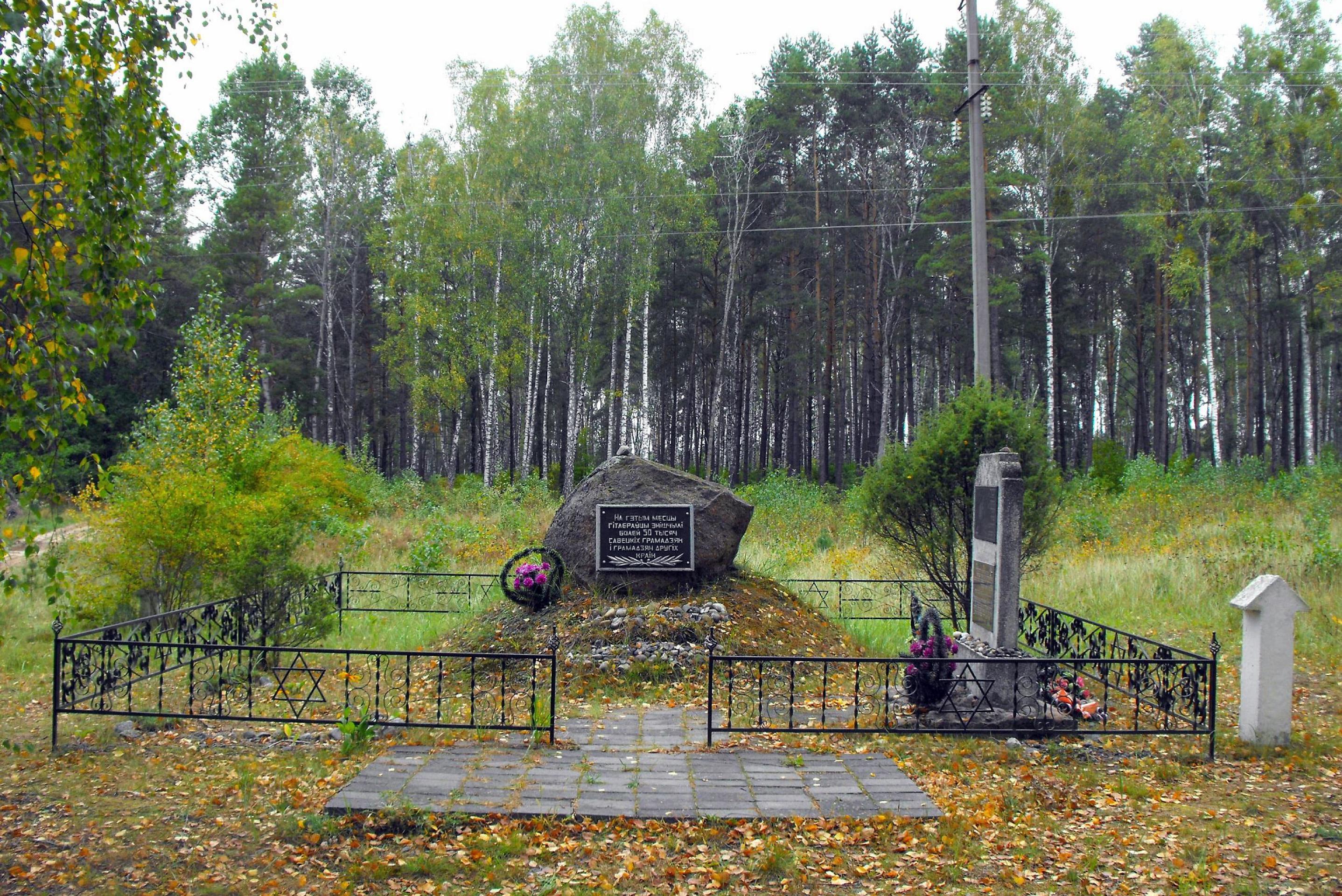
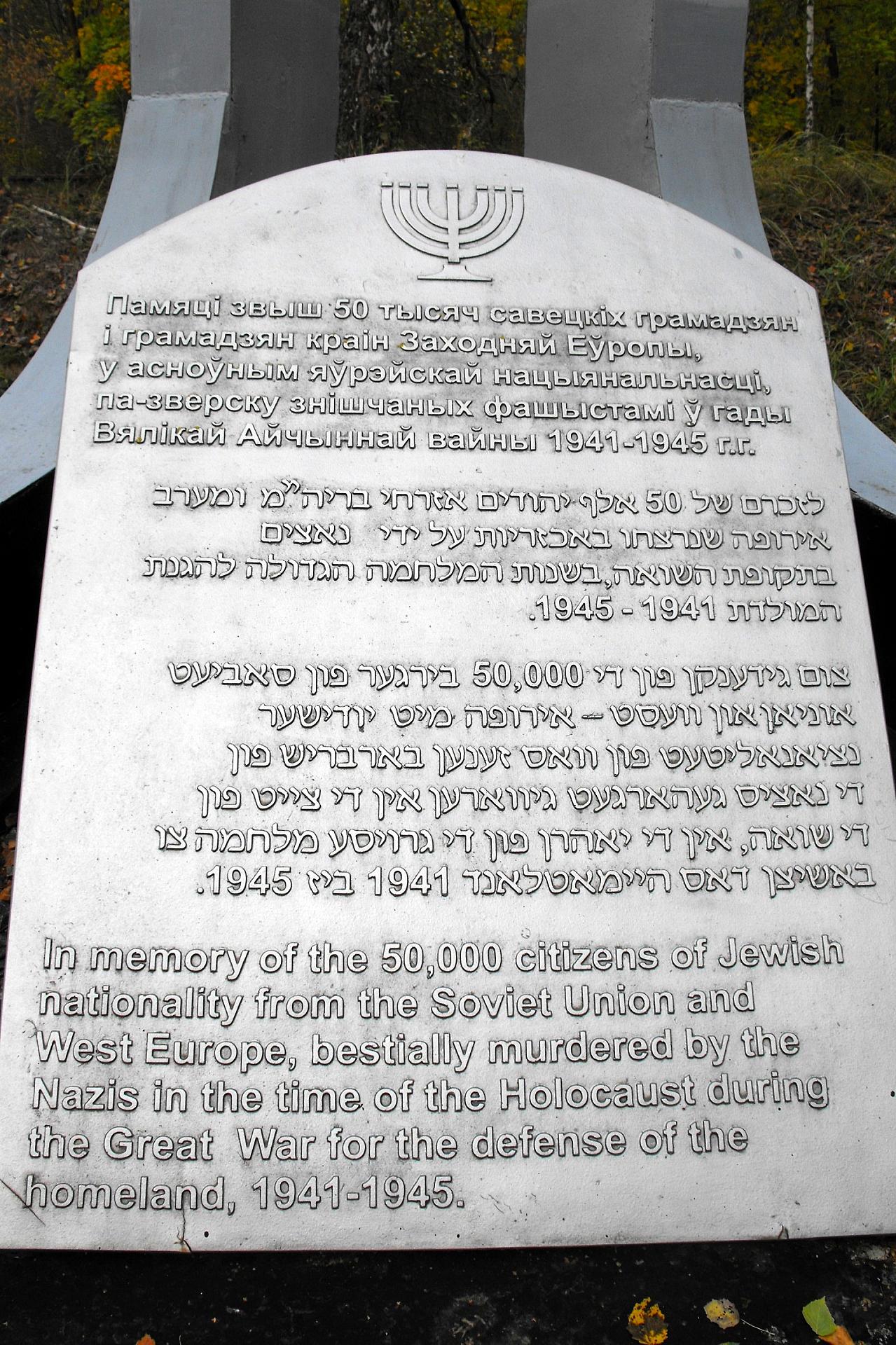
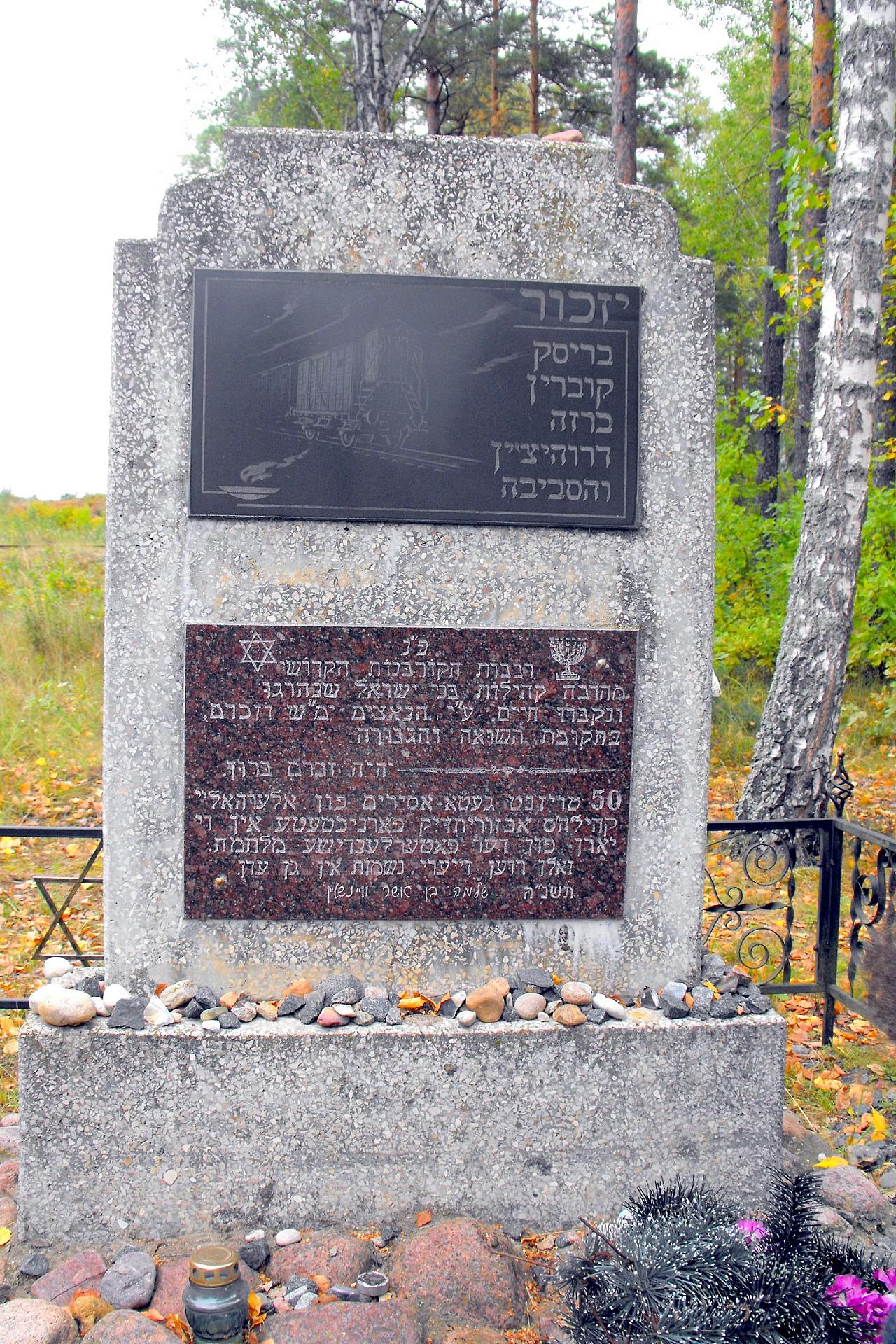
It was not until the end of the 1980s that a number of Jewish and non-Jewish activists joined forces to establish a memorial. They were supported by relatives from Israel, especially after the dissolution of the Soviet Union in 1991. A first memorial stone was dedicated in 1992. It is located next to the disused side-track where the mass graves are located. The plaque mentions »50,000 Soviet citizens murdered by Hitlerite fascists«. Around 2007, a plaque was added to this memorial stone, which for the first time made explicit reference to Jewish victims. About 100 metres further on, another larger memorial was dedicated in 1994. At a height of five metres, a bell is placed between metal pillars reminiscent of railroad tracks. The inscription on the memorial plaque in Belarusian, Hebrew, Yiddish and English reads: »In memory of the 50,000 citizens of Jewish nationality from the Soviet Union and Western Europe who were murdered by the Nazis during the time of the Holocaust during the Great Patriotic War in 1941-1945«.
Contact