Memorial to the victims of the Heiligenbeil camp
Память жертв лагеря Хайлигенбайль
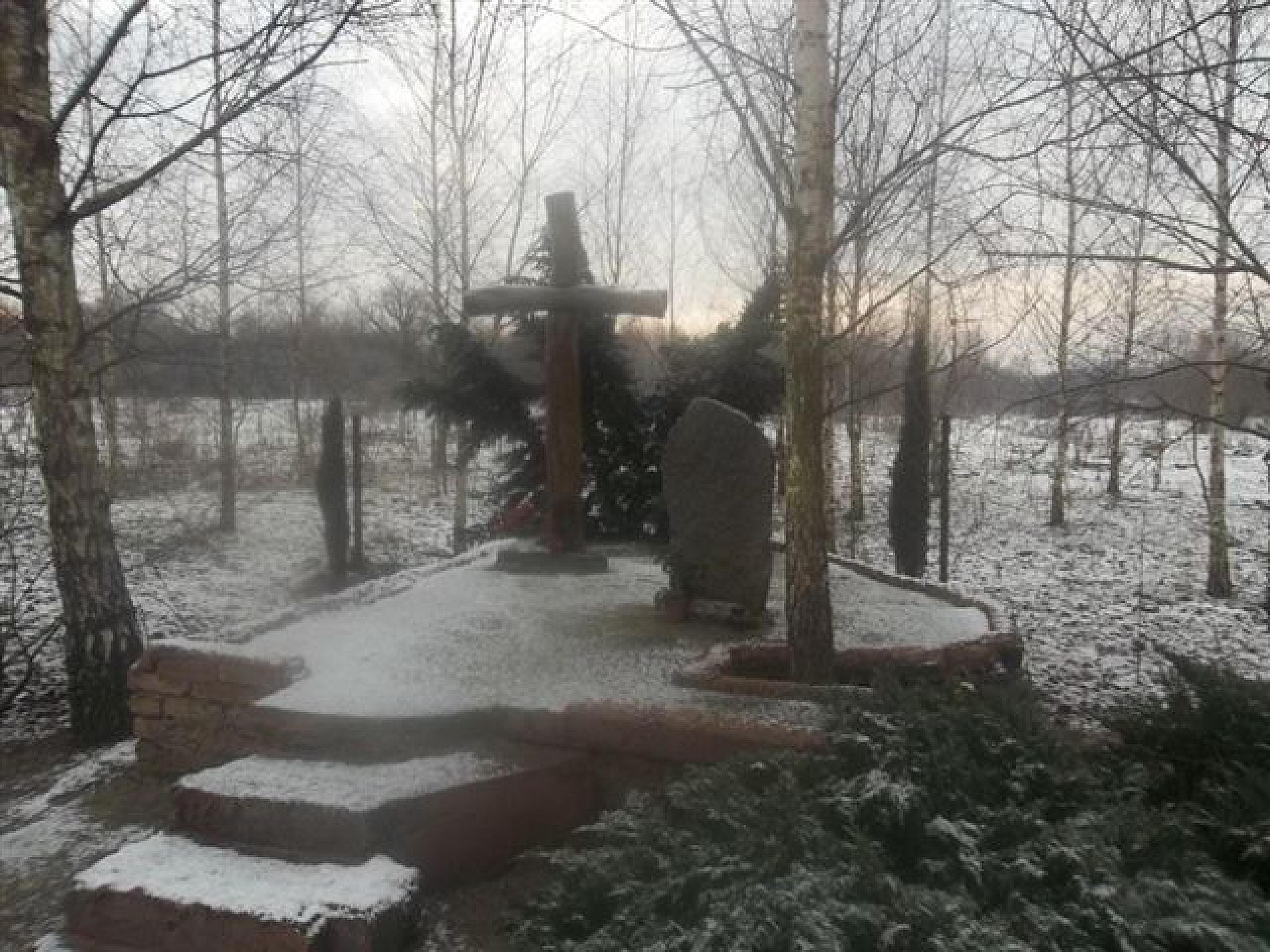
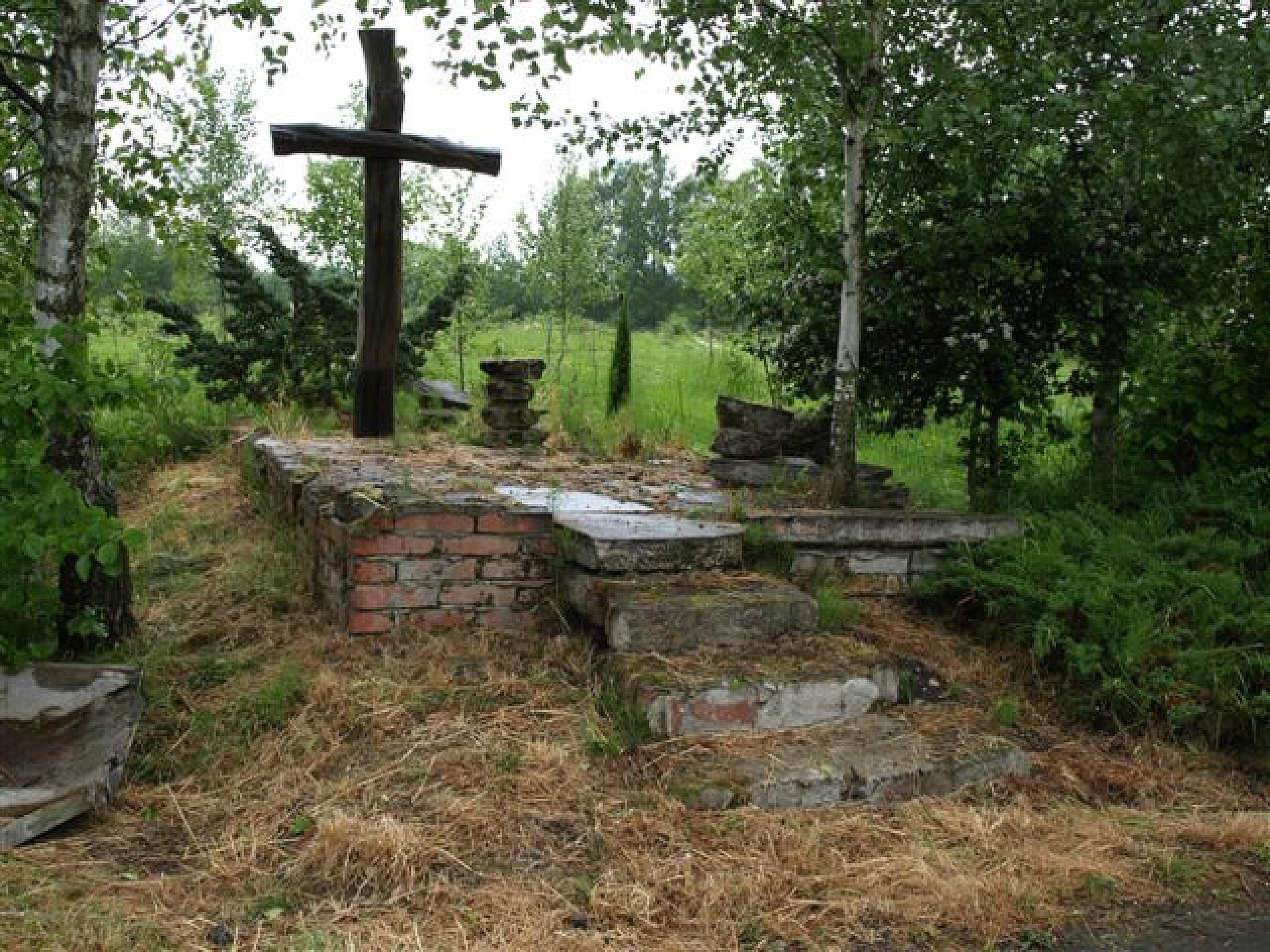
Near the former East Prussian district capital of Heiligenbeil (Russian: Mamonowo) a wooden cross marks since 2009 the site of a camp where approximately 1,200 Jewish prisoners were held captive from September 1944 until the end of January 1945.
History
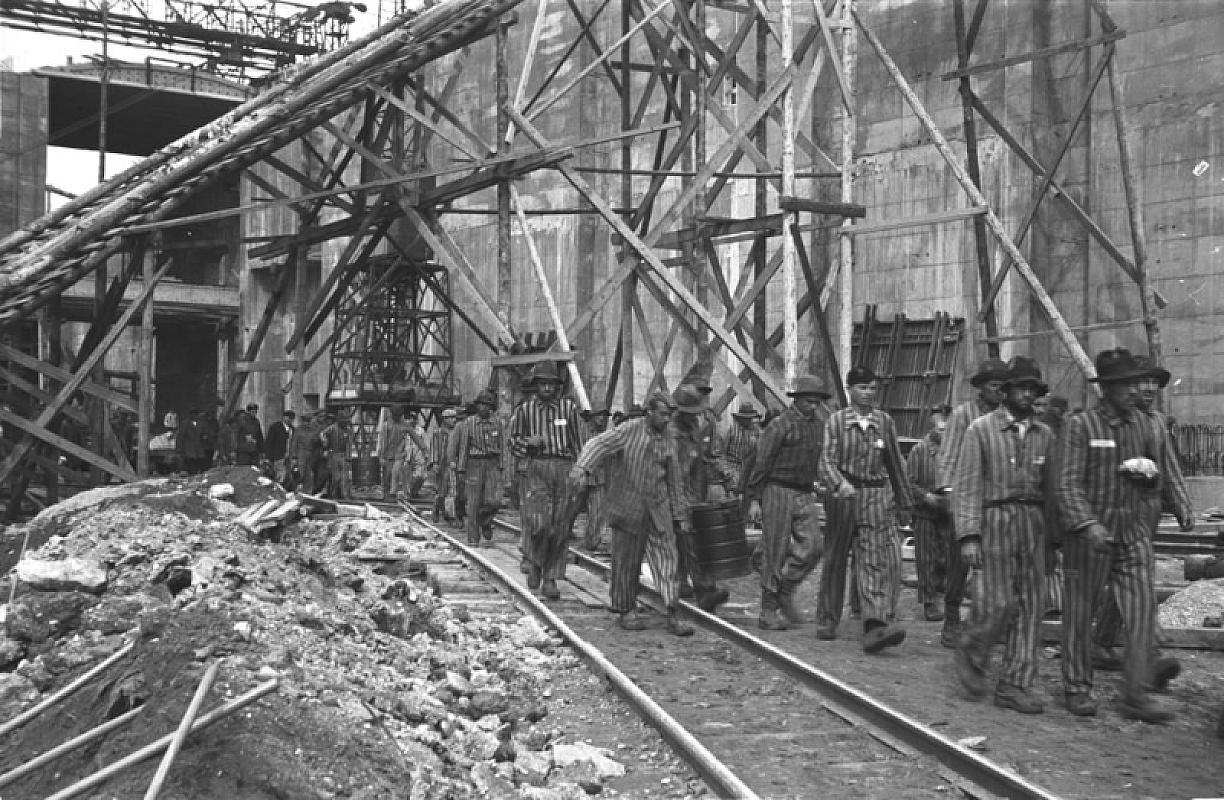
In view of the advancing front the commandant of the Stutthof concentration camp SS-Sturmbannführer Paul Werner Hoppe issued a »Sonderbefehl« (special order) on September 21, 1944, to establish five satellite labour camps on Luftwaffe airfields in East Prussia. The camp's 20 barracks in Steindorf near Heiligenbeil (Russian: Mamonowo) were occupied by 1,100 female and 100 male prisoners, still arriving on September 21 and October 9. The women were from Hungary and from Poland (the latter from the Łódź ghetto and from the Plaszow camp near Cracow), the men came from Vilnius and its surroundings. All of them were Jews. The camp was next to the railway line from Braunsberg (Polnish: Braniewo) to Königsberg (today: Kaliningrad). Adjacent were two more camps for French prisoners of war and Russian forced labourers. The prisoners of the Heiligenbeil satellite camp were deployed by the Organisation Todt to built a road to the airfield. Constant hunger and lacking winter equipment determined everyday life. One week after the start of the Russian large-scale offensive directed at the Eastern border of the German Reich, SS units evacuated 1,157 people on January 20/21, 1945, chasing them towards Königsberg in the icy cold and driving snow, only wearing ragged clothes and clogs. The Heiligenbeil prisoners arrived there on January 23 and were housed in a factory building. A few days later members of the SS assisted by Organisation Todt chased 5,000 to 7,500 prisoners – among them the inmates of all five Stutthof satellite camps in East Prussia – from Königsberg to the Baltic coast. Only 18 prisoners known by name survived this death march and the ensuing massacre of Palmnicken (Russian: Yantarny) in the night of January 31 to February 1, 1945.
Victims
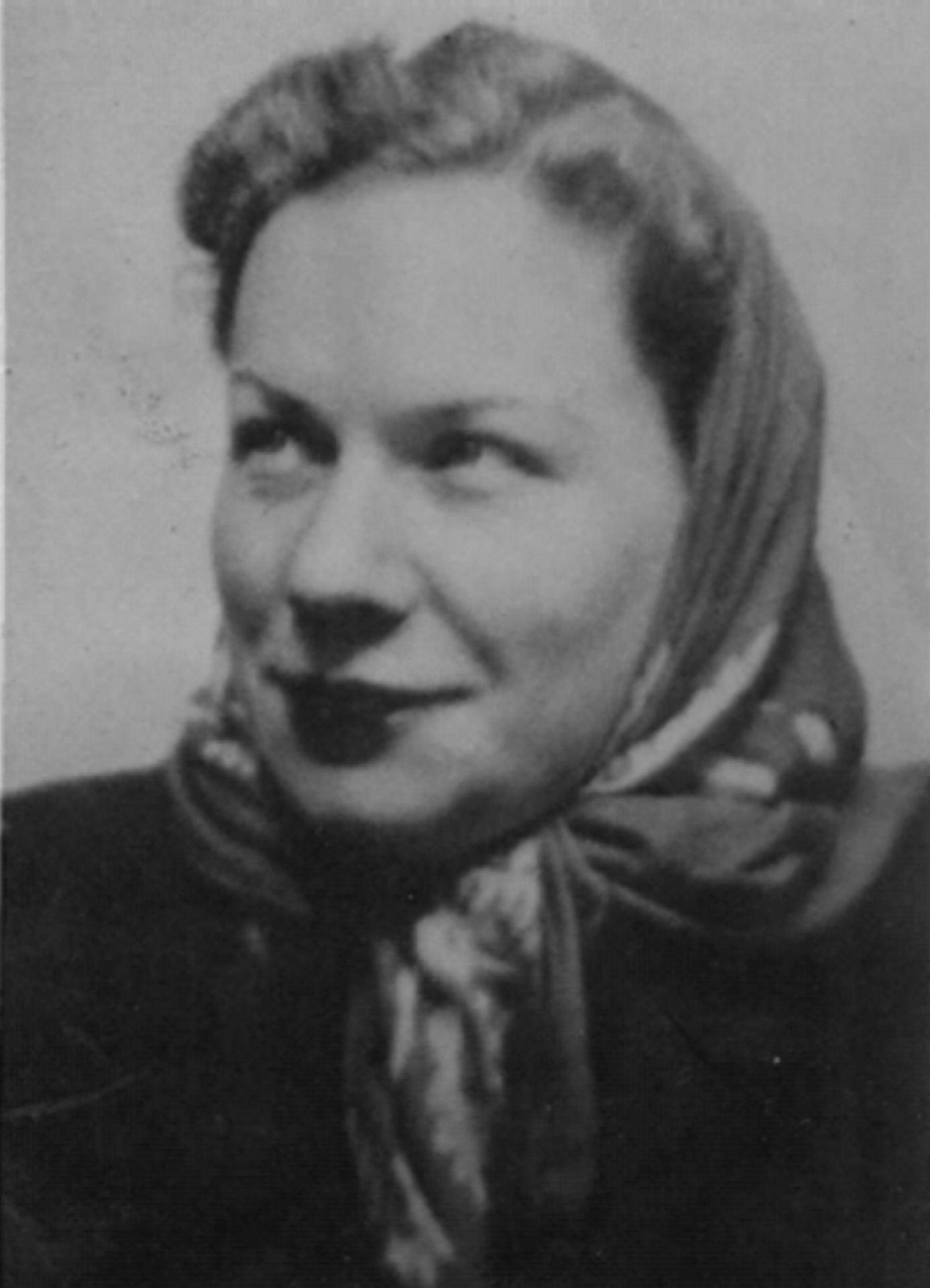
From late autumn 1944 onwards the SS kept 1,200 Jewish forced labourers imprisoned in the Heiligenbeil (Russian: Mamonowo) camp, mainly women from Hungary and Poland. Until January 1945 ten fatalities were recorded. During the so-called evacuation on January 20/21 about 20 sick prisoners were shot. The SS and the Organisation Todt chased the remaining 1,157 via Königsberg (today: Kalinigrad) to the Baltic coast near Palmnicken (Russian: Yantarny) at the end of January 1945. Only 18 known prisoners of 5,000 to 7,500 altogether survived the death march and the ensuing massacre. The survivors from the Heiligenbeil camp were Pnina (Pola) Grinbaum (later Kronisch, *1927) from Bełżyce, Pola Mondschejn (later Zwardon, 1909–?) from Lubaczów, and Maria Salz (later Blitz, 1918–2016) from Cracow.
Remembrance
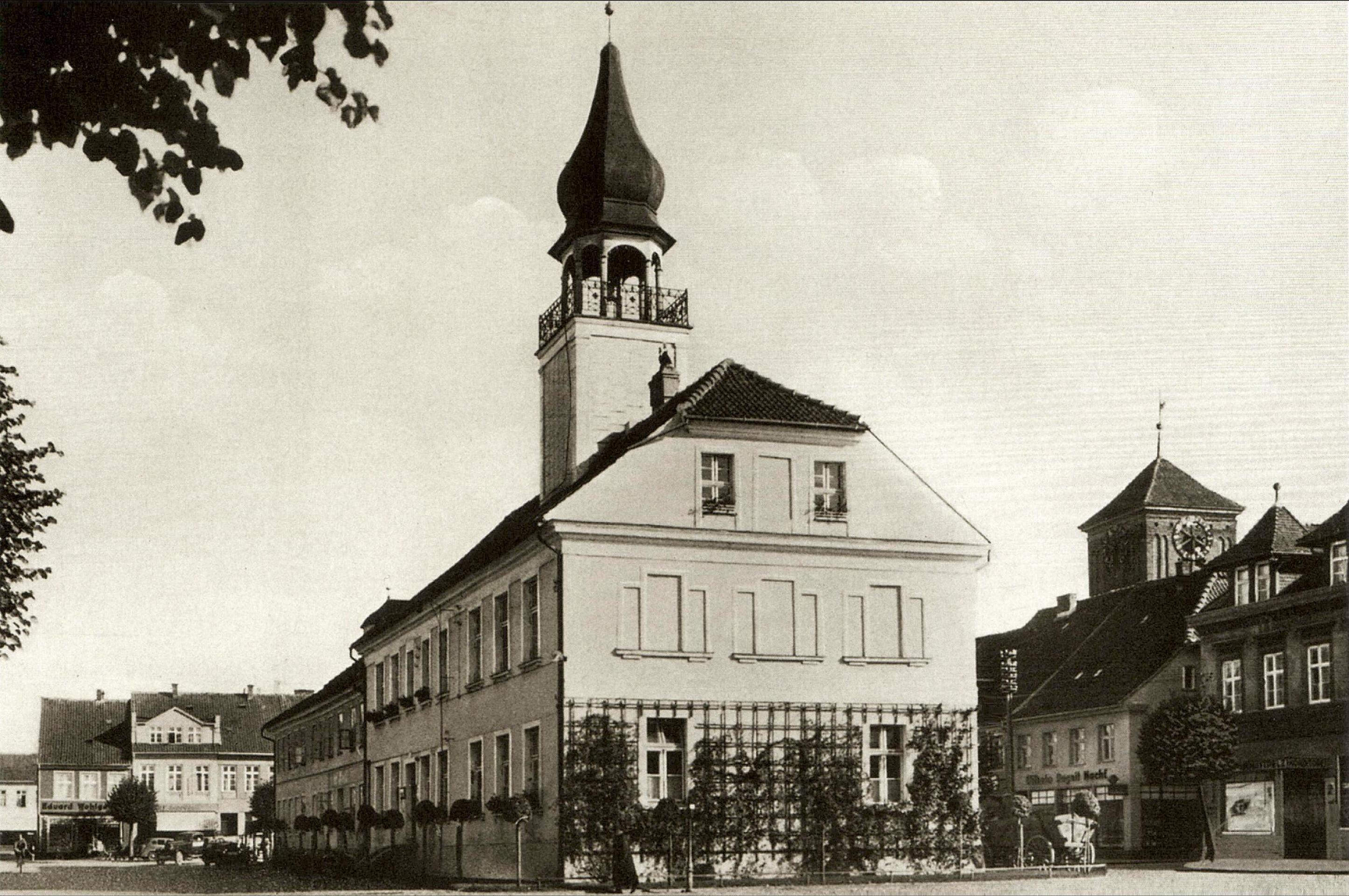
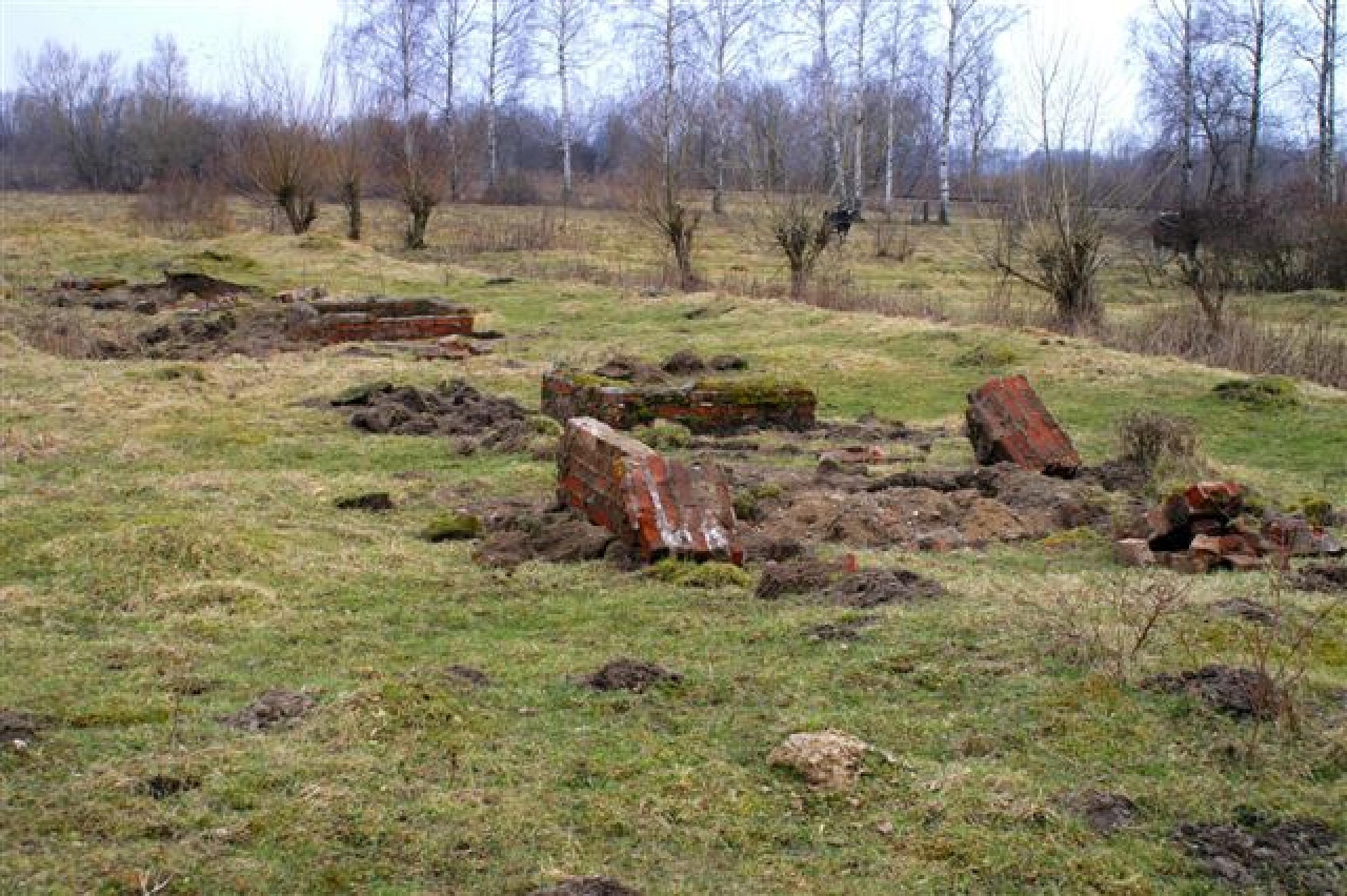
The story of the Heiligenbeil (Russian: Mamonowo) camp is little-known. In 2010 the Stiftung Denkmal published the memories of Maria Blitz (1918–2016), née Salz, from Cracow. She is one of only 18 prisoners who are known by name who survived the camp and the ensuing death march. Heiligenbeil was almost totally destroyed in the fierce battles between the Wehrmacht and the Red Army in spring 1945. The German population fled or was deported, the town which was now close to the new border to Poland became part of the Soviet Union, along with the Northern part of East Prussia. Today it is part of the Kaliningrad Oblast. Only a few ruins bear witness to the presence of the former labour camp at the airfield in 1944/45. A local resident erected a memorial sign on the foundations of a building right next to the former satellite labour camps on his own initiative. It is a wooden cross – even though all the prisoners had been Jewish. With the involvement of former German inhabitants of the district of Heiligenbeil – Russian since 1945 – a memorial site is to be set up in the future.
Open
The memorial is accessible at all times. However, at present visitors need a special permit by the Russian authorities since the former camp site is located in the border area.
Contact
Sch. Kaliningradskoje
238450 Mamonovo