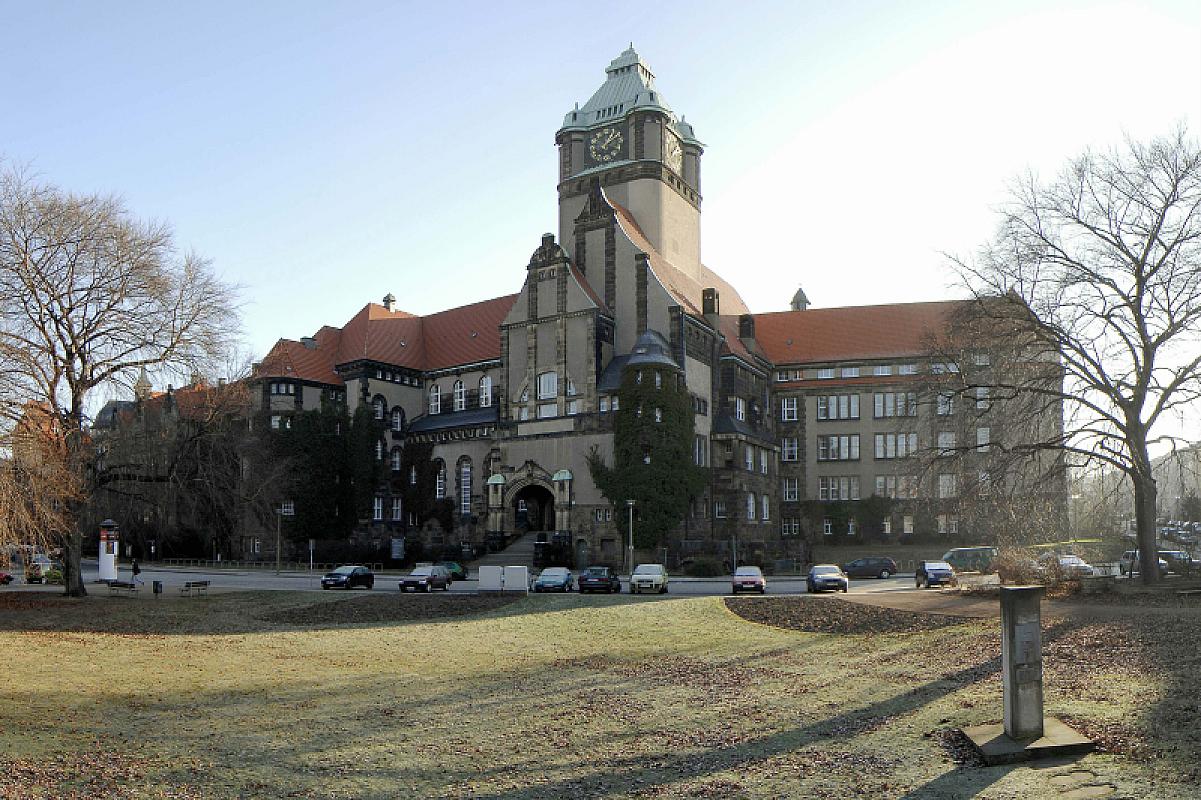
Memorial to the Victims of the »Hodonín Gypsy Camp«
Památník romským obětem v Hodoníně u Kunštátu
Located in Hodonín u Kunštátu, not far from the former »Hodonín Gypsy Camp«, a memorial honours the camp's victims.
History
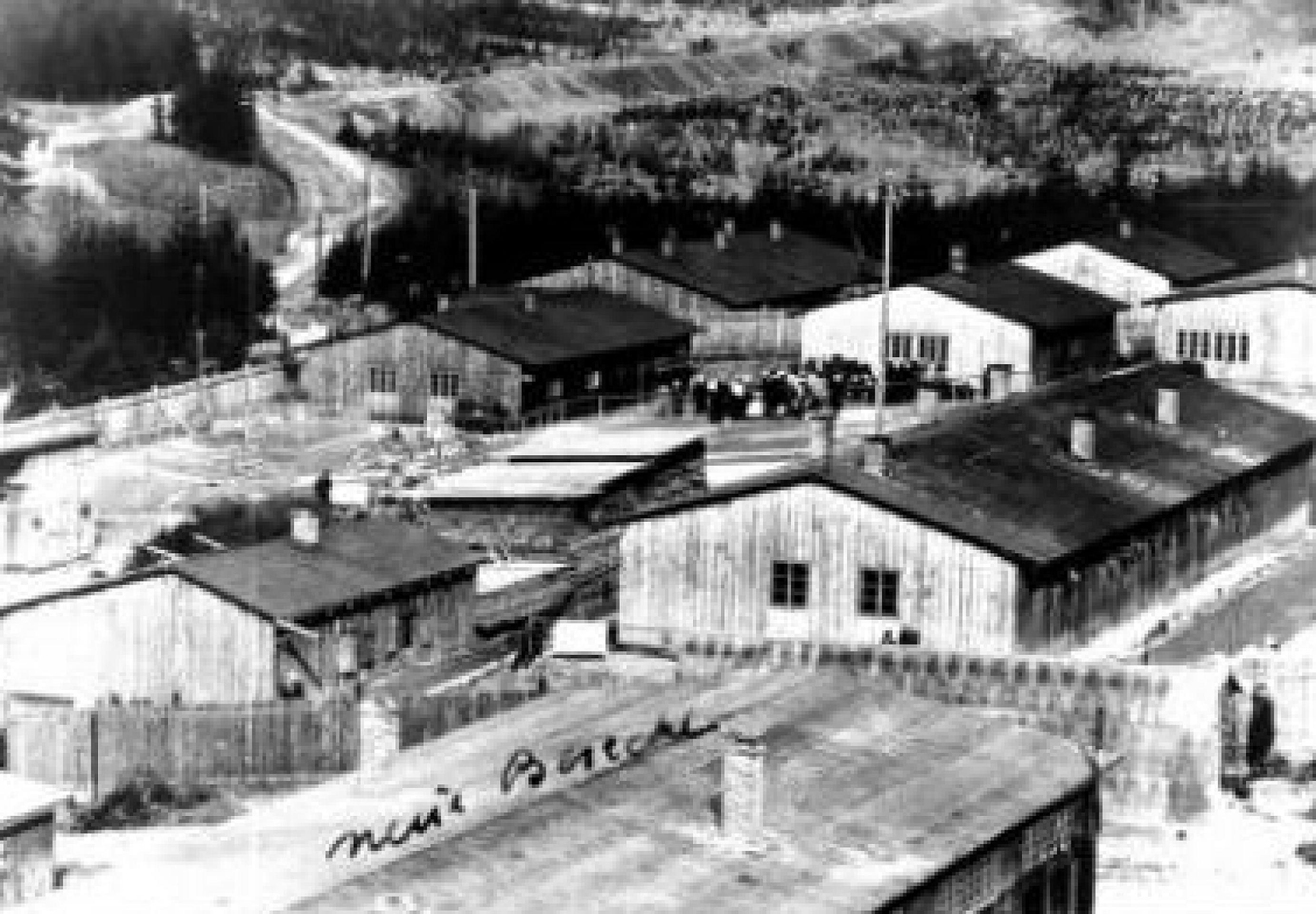
On March 15, 1939, the German Wehrmacht occupied what remained of Czechoslovakia and on the following day, it was incorporated into the German Reich as the »Protectorate of Bohemia and Moravia«. Shortly afterwards, persecution of Jews and of Sinti and Roma began in the Protectorate. According to a census, there were 6,540 »Gypsies« living in the Protectorate in 1940. The Protectorate Ministry of Interior began enforcing their settlement from November 1939 on. Beginning August 1940, Protectorate authorities set up a total of six forced labour camps for »asocials«, among other places in Lety u Písku and Hodonín u Kunštátu. Among the inmates were many Roma without steady work or permanent residence - they made up about 20 per cent of the prisoners at Hodonín. After the »fight against the Gypsy plague« had been decreed on July 10, 1942, the entire Roma population of Bohemia and Moravia was persecuted on racial grounds. In August 1942, the Roma were registered by local authorities. Roma who had not settled were taken to the camps at Hodonín and Lety, which had now been converted to »Gypsy camps«. At the time, there were over 1,300 Roma held captive at the Hodonín camp, which was guarded by Czech constabulary and administered by the Protectorate Ministry of Interior. On December 7, 1942, the German criminal police (Kripo) in the Protectorate deported about 75 prisoners from Hodonín to the main camp at Auschwitz. As decreed by Heinrich Himmler on December 16, 1942, mass deportations of Roma to Auschwitz-Birkenau began and in early 1943, a »Gypsy family camp« was set up there. On August 21, 1943, almost all of the Hodonín prisoners were deported to the »Gypsy family camp« at Auschwitz-Birkenau. The deportations were planned by the German Kripo and executed by Protectorate authorities and local constabulary. The camp at Hodonín was closed in December 1943.
Victims
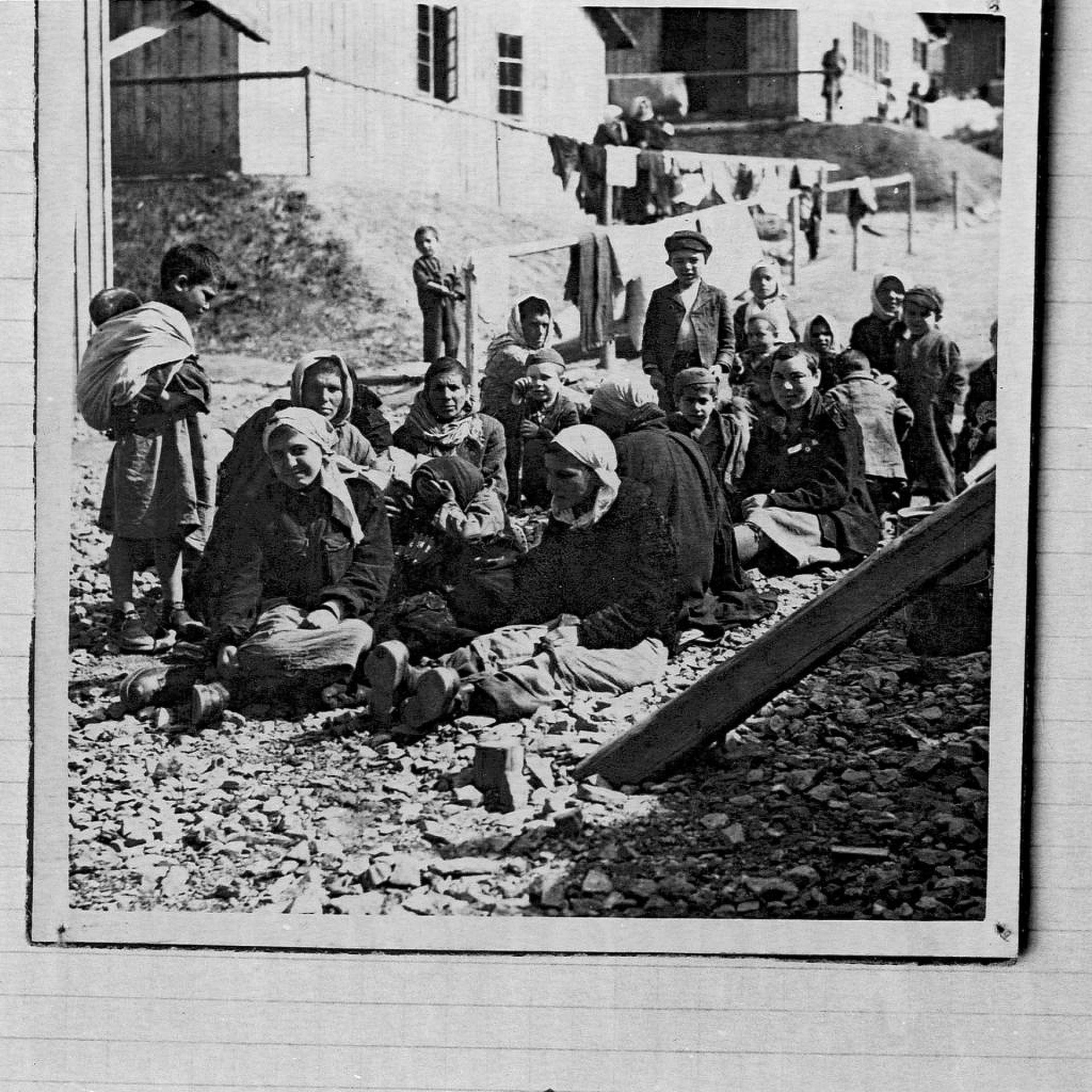
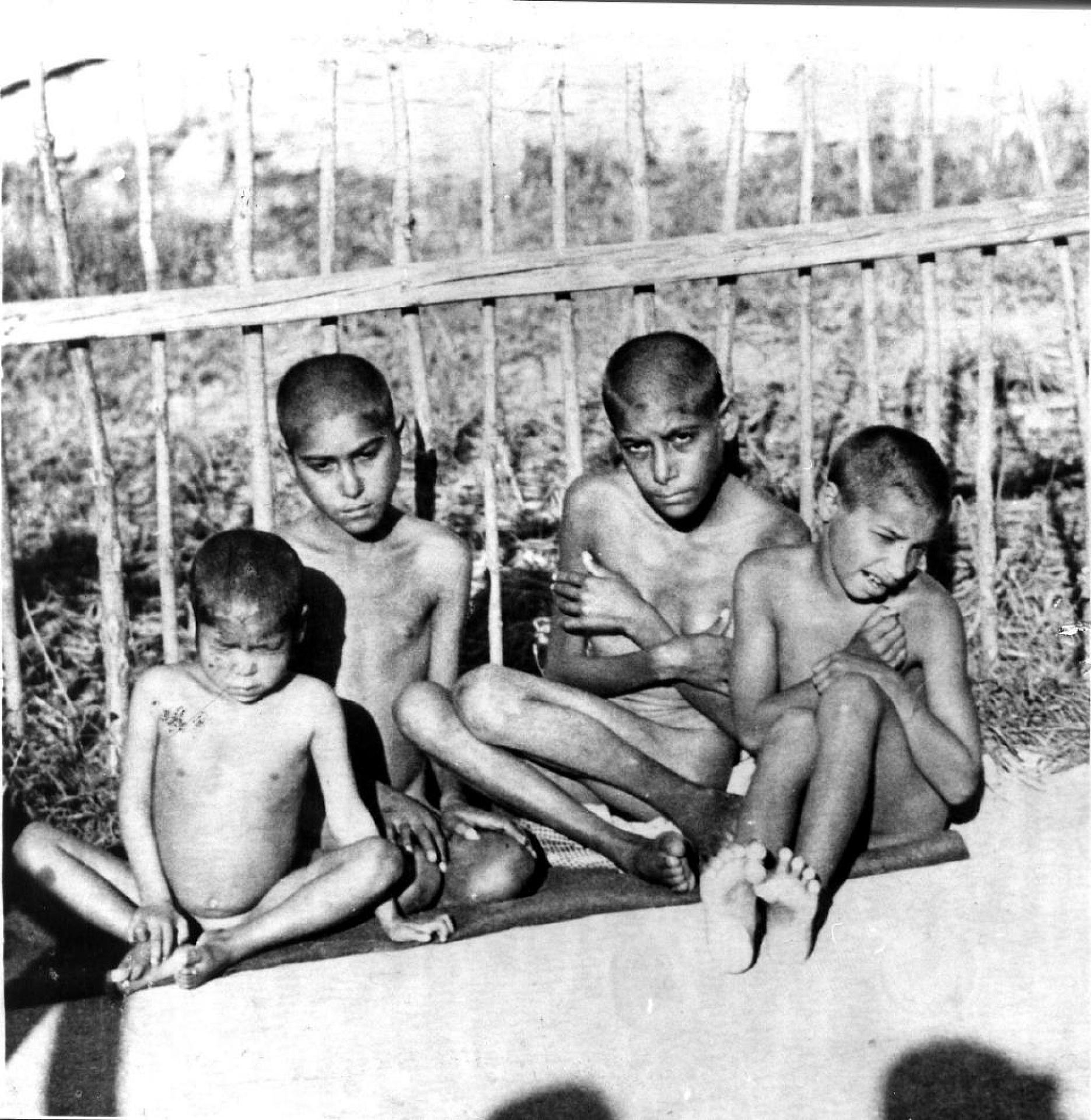
About 200 Roma died at the »Hodonín Gypsy camp« due to the harsh conditions, illnesses or abuse by the guard details. About 850 of the camp's prisoners were deported to Auschwitz by the Kripo in cooperation with Protectorate authorities. Of the 5,500 Roma who were deported from the Protectorate, only about 500 survived.
Remembrance
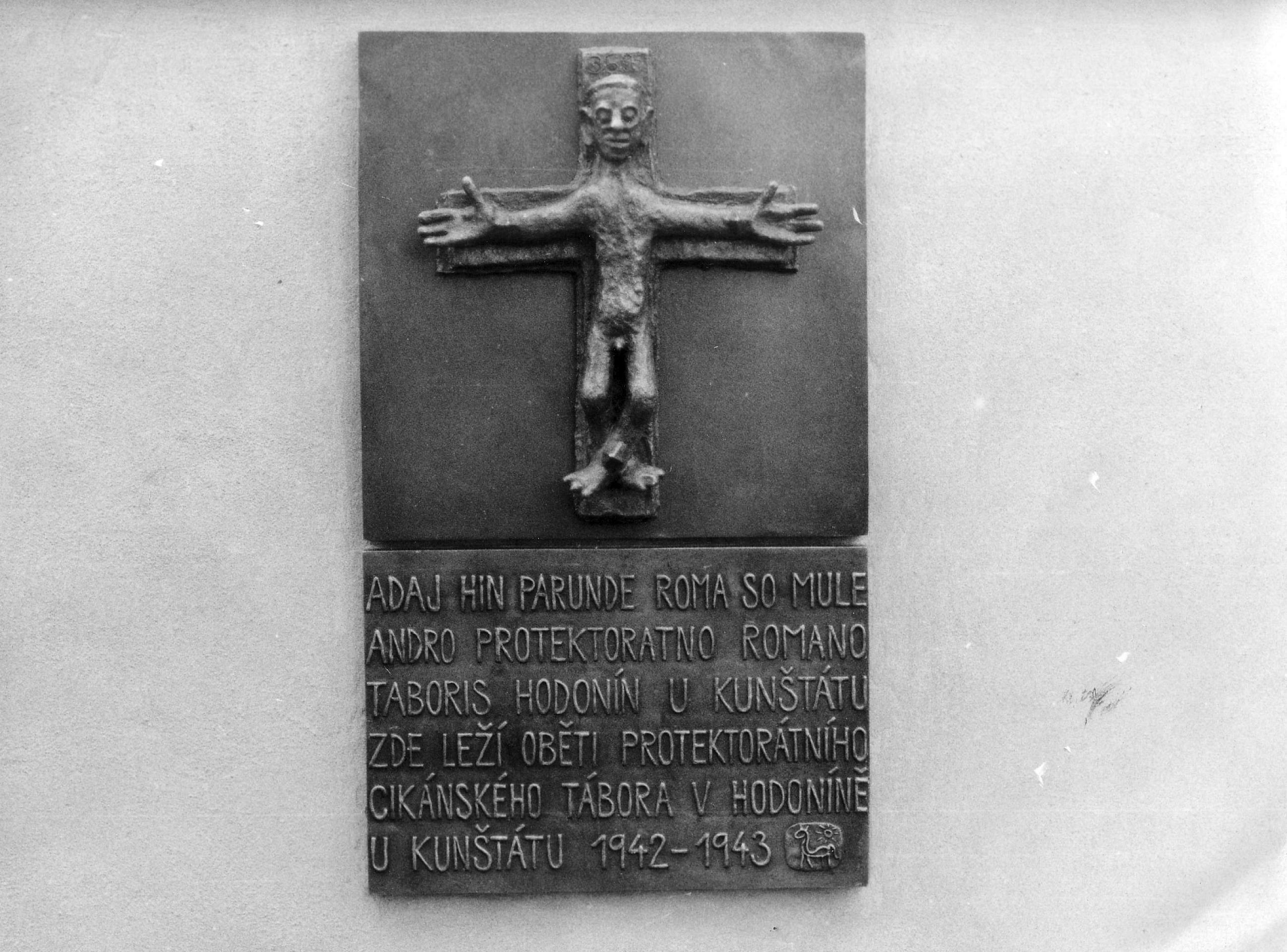
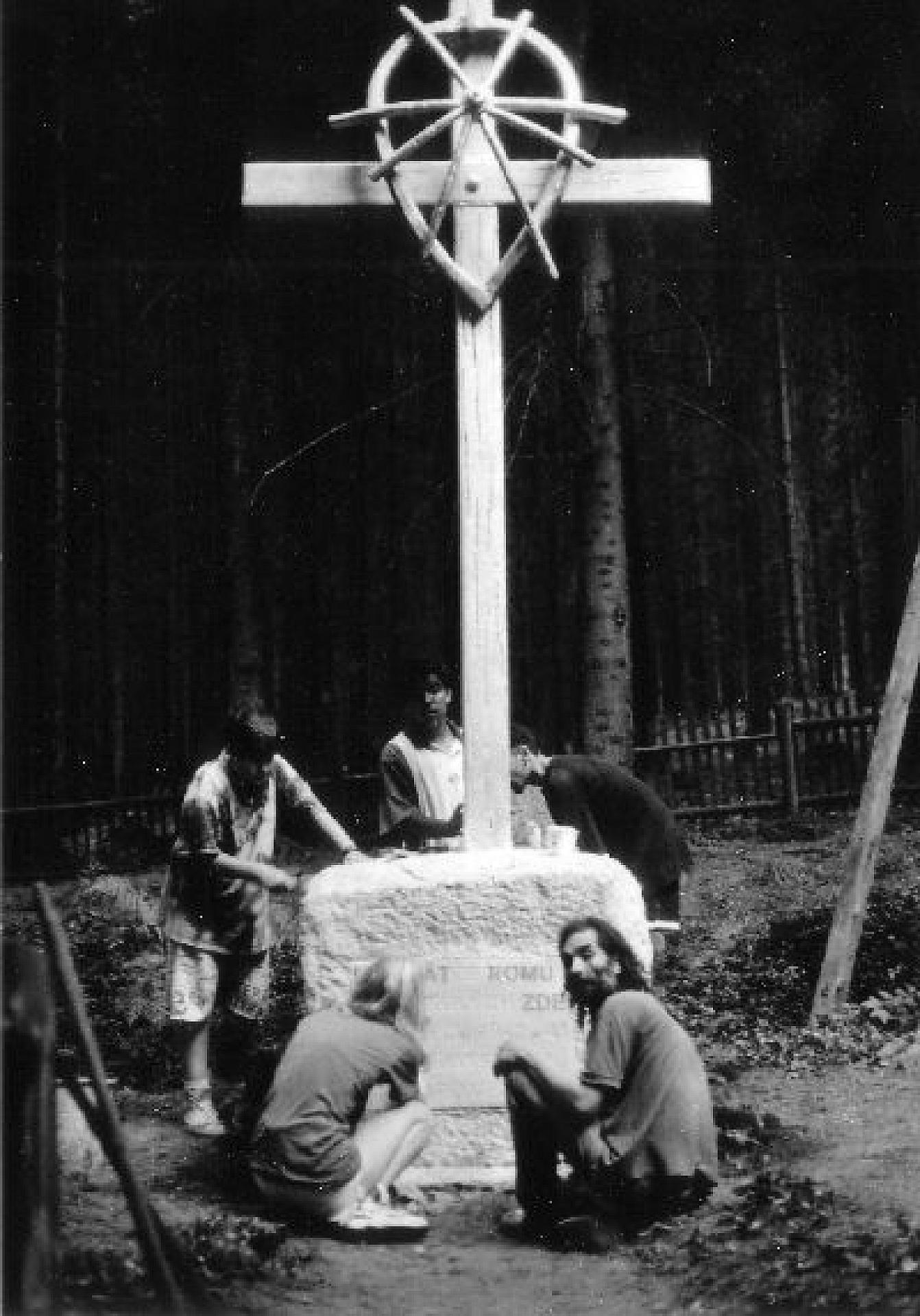
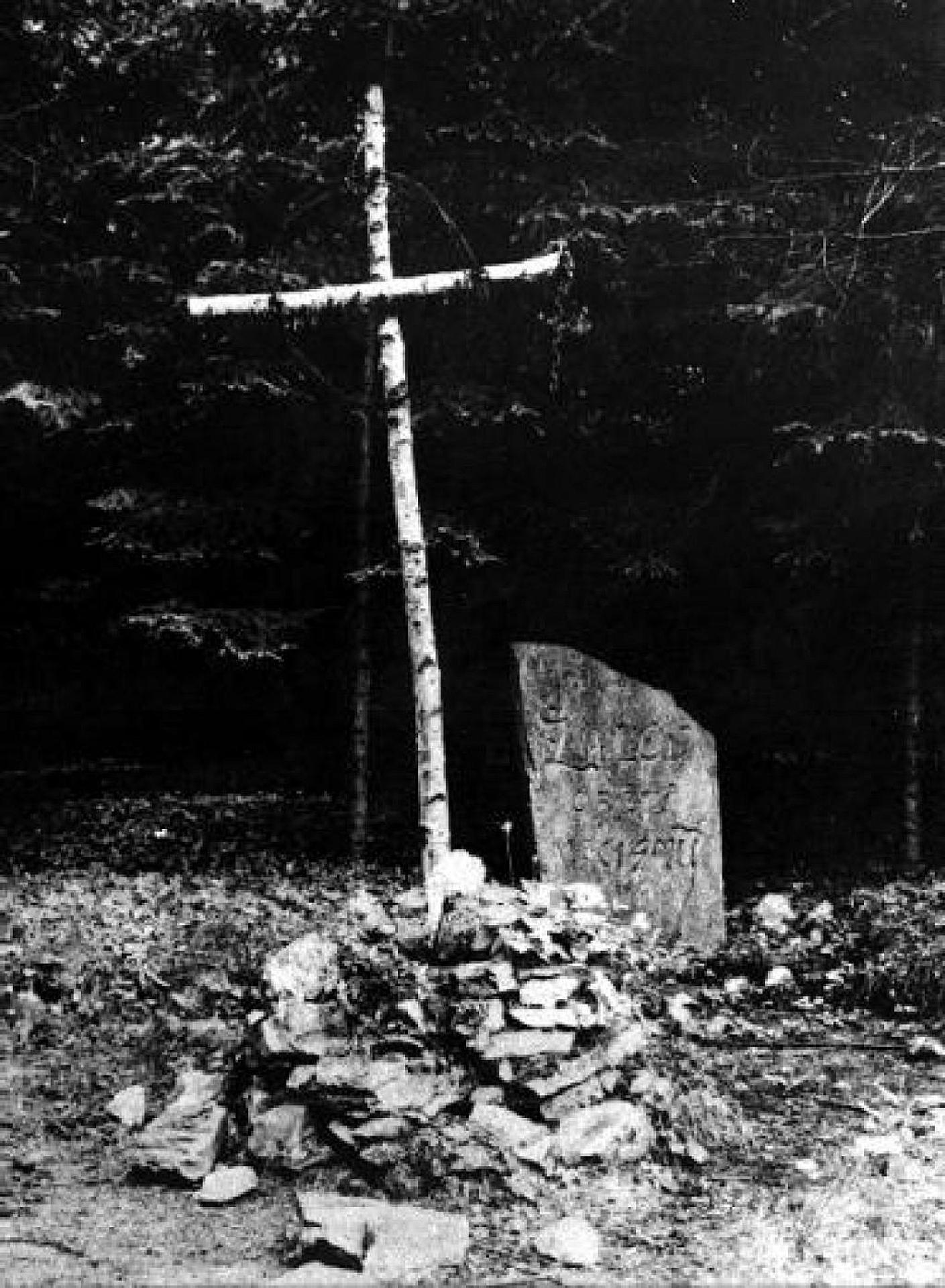
After the war, the Soviet Army set up a military hospital on the premises of the former camp. In 1946, a simple wooden cross was set up here in memory of the »Victims of Nazism«, it was not mentioned, however, that the victims were Roma. Between 1948 and 1950, the premises were used as a labour camp for those persecuted by the Stalinist dictatorship. Later, recreational facilities were built on the site, and guests were received here until the beginning of the 21st century. Only in 1997 was the Memorial to the Victims of the »Hodonín Gypsy Camp« unveiled, having been set up on initiative of the Museum of Romani Culture in Brno. Its establishment was supported by the municipal administration of Kunštát and the government of the Czech Republic. Sculptor Eduard Oláh designed the memorial which was erected on a site of mass graves about 150 metres from the former camp.
In 1998, a memorial plaque to the victims of the former »Hodonín Gypsy Camp« was set up on the cemetery in Černovice where 73 prisoners are buried.
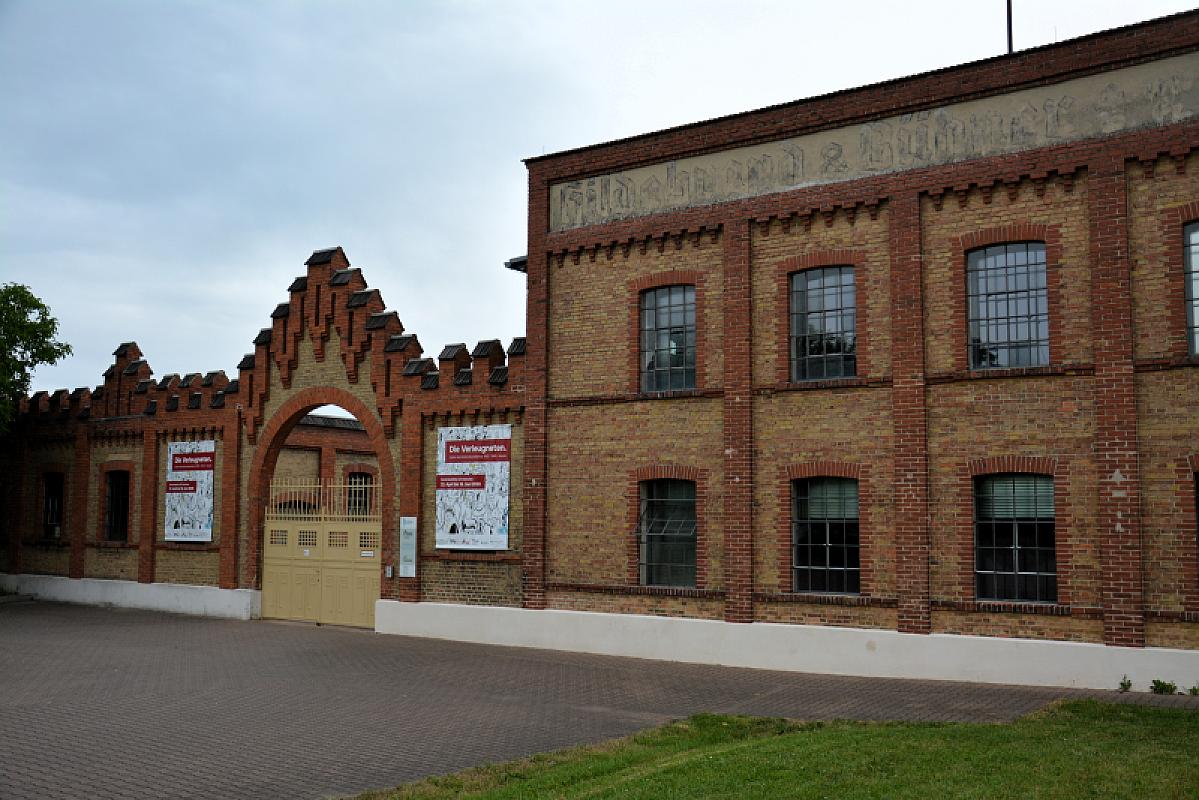
In December 2009, the Czech government purchased the plot of land in order to commemorate the victims in an appropriate manner: the construction of an educational and conference centre on the topic of Roma persecution is planned on the site.
Open
The memorial is accessible at all times.
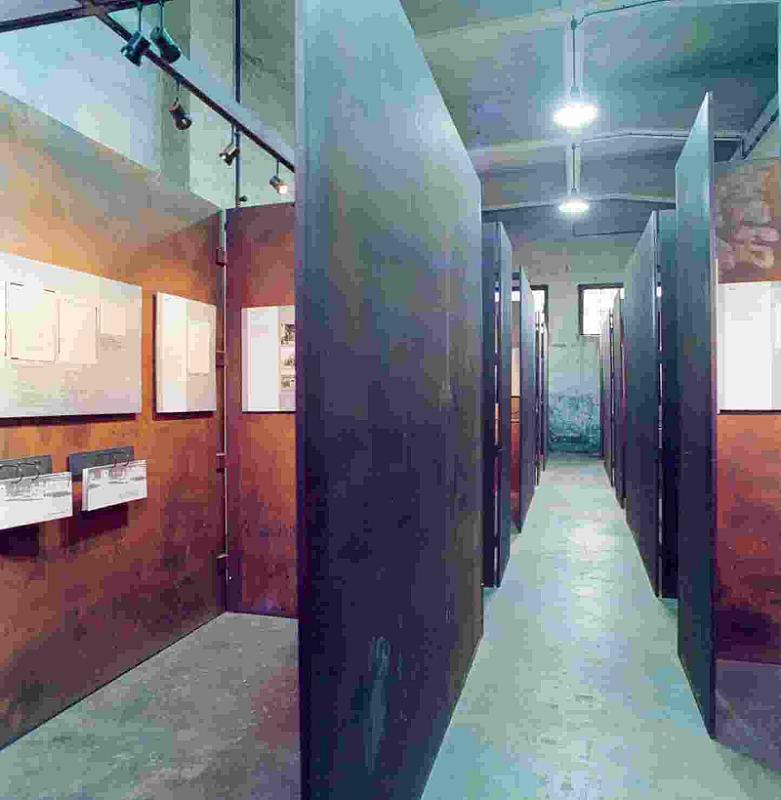
Exhibition open from April to October 9 a.m. to 5 p.m.
Contact
hodonin@rommuz.cz
+420 775 403 155