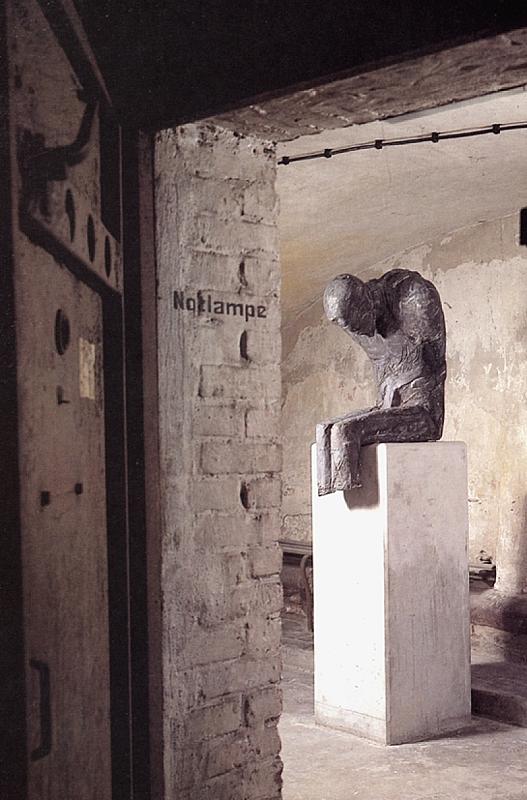
Memorial to the victims of the Holocaust in Bershad
Пам'ятний знак загиблим євреям
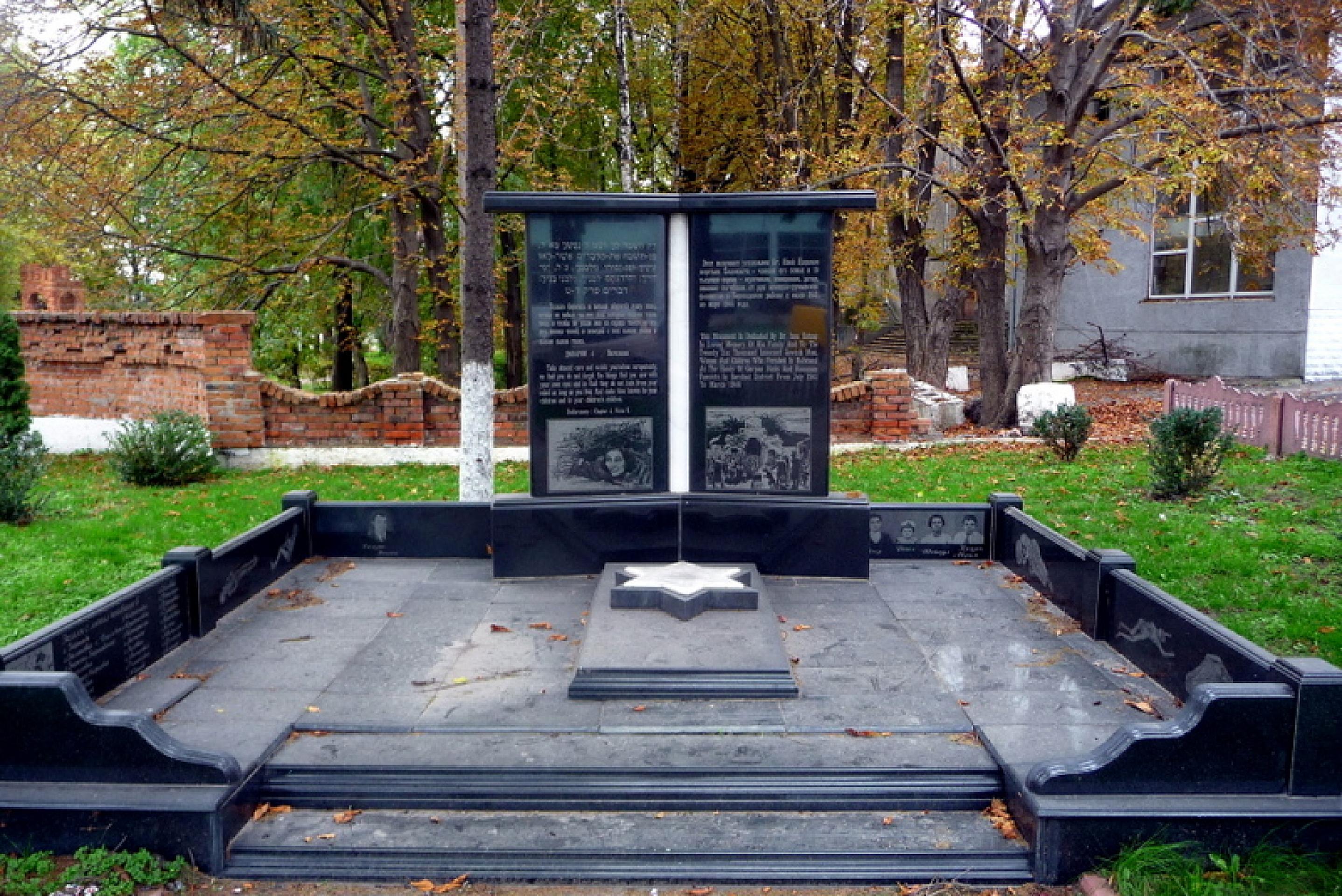
In the Ukrainian small town of Bershad four memorials remember the victims of the Bershad ghetto. Three of them are located on the Jewish cemetery southeast of town, another is situated in the town centre, where between 1941 and 1944 the second largest ghetto in the Romanian occupied area of Transnistria was located.
History
In Bershad, located in the historical region of Podolia, Jews started to settle at the end of the 16th century. The Jewish community was nearly annihilated during the uprising led by Bohdan Khmelnytsky in 1648. In the early 20th century when Bershad was part of the Russian Empire there were anti-Jewish excesses. Afterwards about 4,000 Jews lived in the place, equating to three quarters of the population.
Between the two world wars Bershad was part of the Soviet Union. The German Wehrmacht and the Romanian Army occupied Bershad on July 29, 1941. The town became part of the Romanian occupied region called Transnistria. The Romanian occupiers forced the Jews to hand over their valuables, to wear badges and to conduct forced labour. In September they established a ghetto. During the following months approximately 20,000 Jews from the northern part of Romania, from Bessarabia, the northern part of the Bukovina and from the Odessa region were interned in the ghetto. More than half of them perished already during the first year because of the catastrophic living conditions. Initially the ghetto wasn't fenced in but leaving it was punishable by death. At first the ghetto was under the authority of the Romanian officer Gheorghe Petrescu who was regarded to be humane and who organised disinfectants during a cholera epidemic. After his dismissal in summer 1942 the ghetto was fenced in with barbed wire and provisions became scarcer. In spring of 1943, when a Gestapo outpost was deployed on site, violence and persecution increased. At the same time living conditions improved somewhat since aid from Romania and from the Red Cross were permitted and a hospital and a school were established. In August 1943 the Gestapo abducted 1,203 Jews to conduct forced labour. Resistance formed in the ghetto. After it's discovery some of the participants were murdered. When the Red Army came nearer, the Romanians retreated. The Germans stayed and in February 1944 they murdered further Jews and non-Jews who they blamed to be supporters of partisans.
Victims
From September 1941 to August 1942 more than 15,000 people died in the ghetto from hunger, cold and diseases. During the winter of 1941/42 between 150 and 200 people died every day. After the infrastructure had improved somewhat in 1943, resistance formed in the ghetto. Some of them supported partisans in the vicinity. In January 1944 a list with the names of 53 members of the resistance fell into the hands of the Gestapo. They shot approximately half of them, others managed to escape and join resistance groups outside the ghetto. The corpses were buried in two mass graves near Byrlovka (Ukrainian: Byrliwka). In February 1944 as much as 400 Jews and non-Jewish workers were murdered by the Germans. They buried the corpses near a bridge at the river Dohna. After the end of the war former inhabitants of the ghetto reburied the corpses in a mass grave on the Jewish cemetery. When the Red Army liberated the ghetto on March 14, 1944, about 10,000 Jews were still alive.
Remembrance
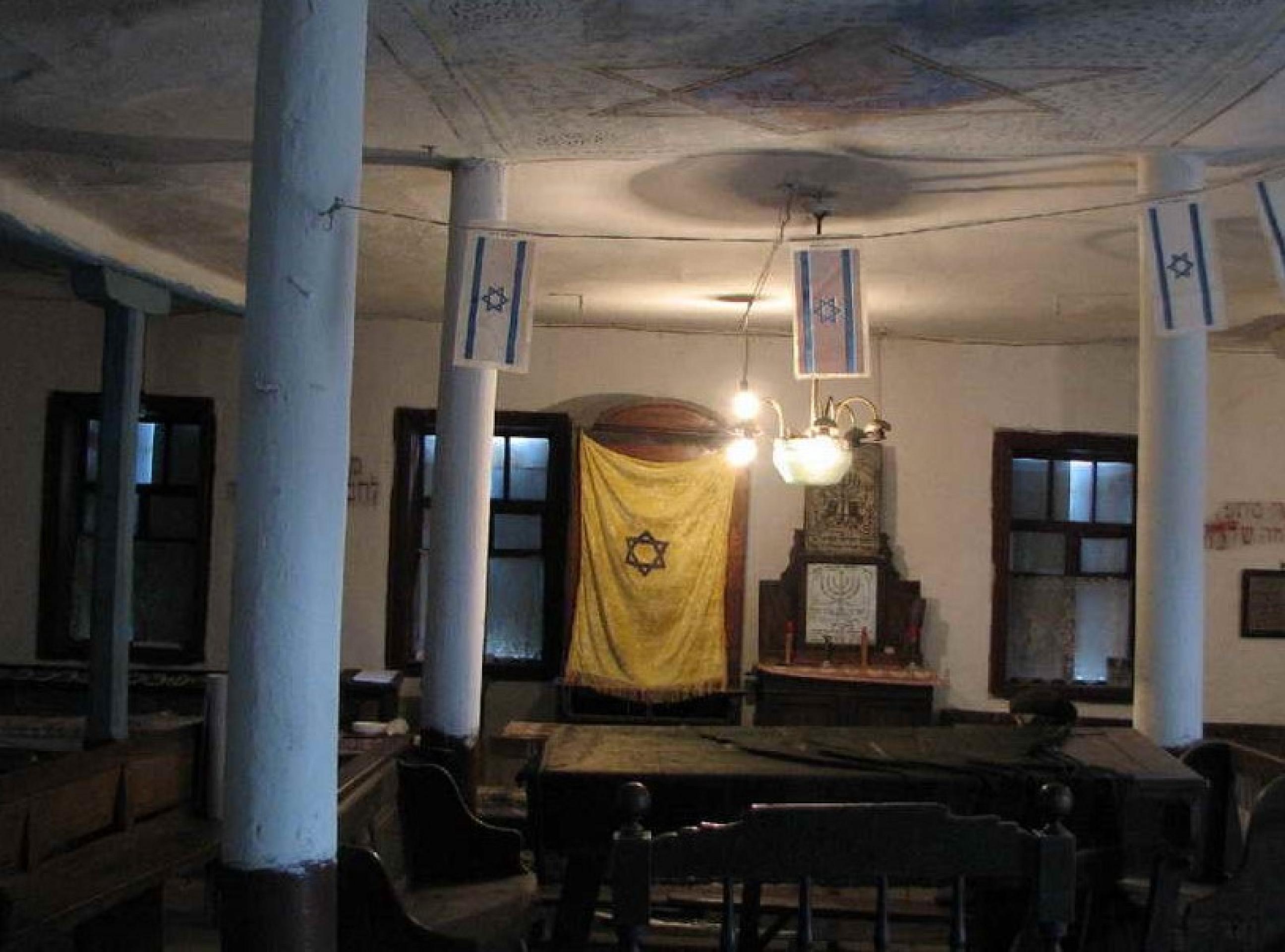
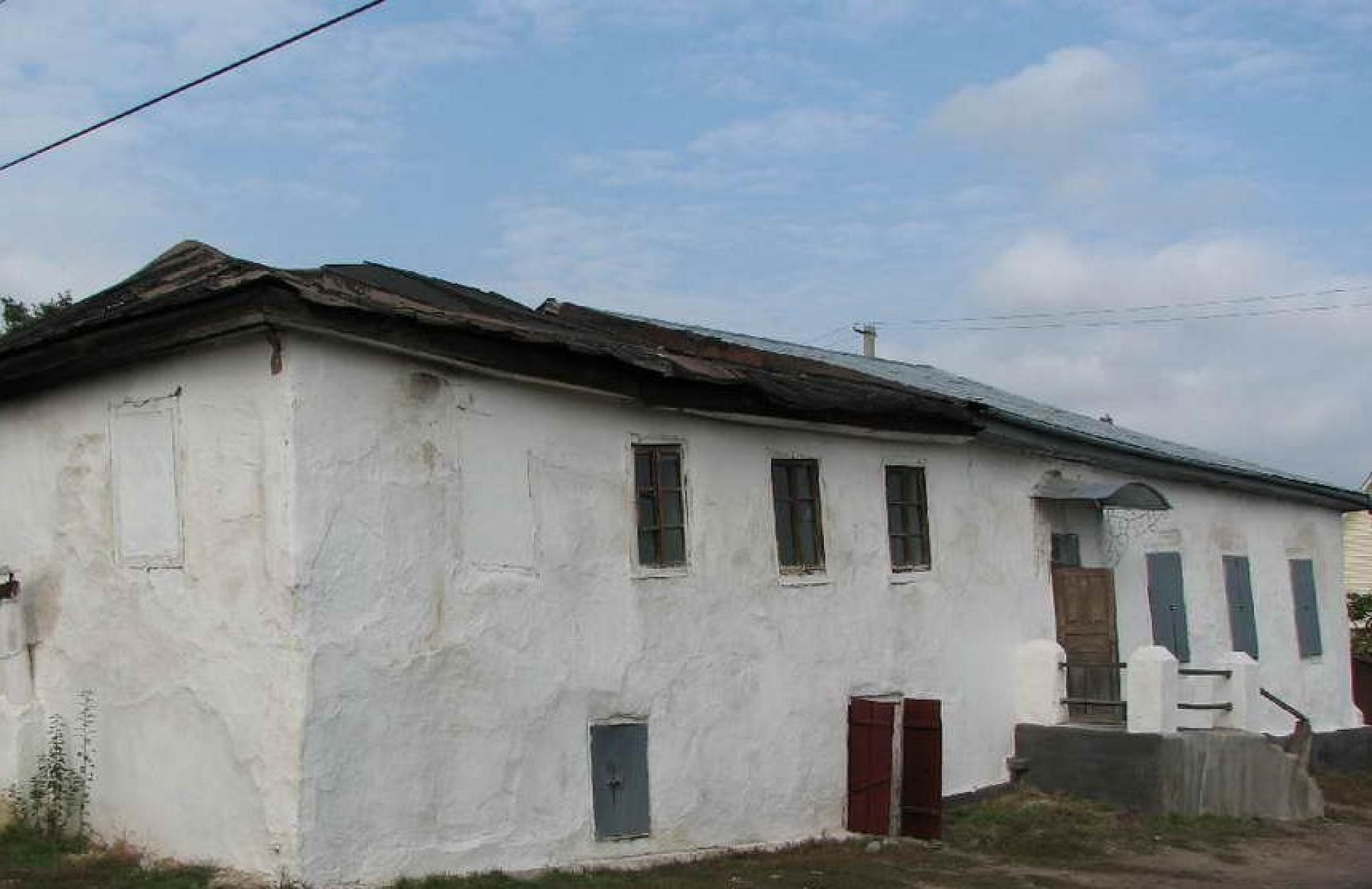
About 2,000 Jews remained in Bershad after the war. 300 of them re-established a Jewish community in 1946 and re-opened the 200 years old synagogue which had been closed after the founding of the Soviet Union. It is in use until today. Because of its construction from clay and straw it is considered to be unique.
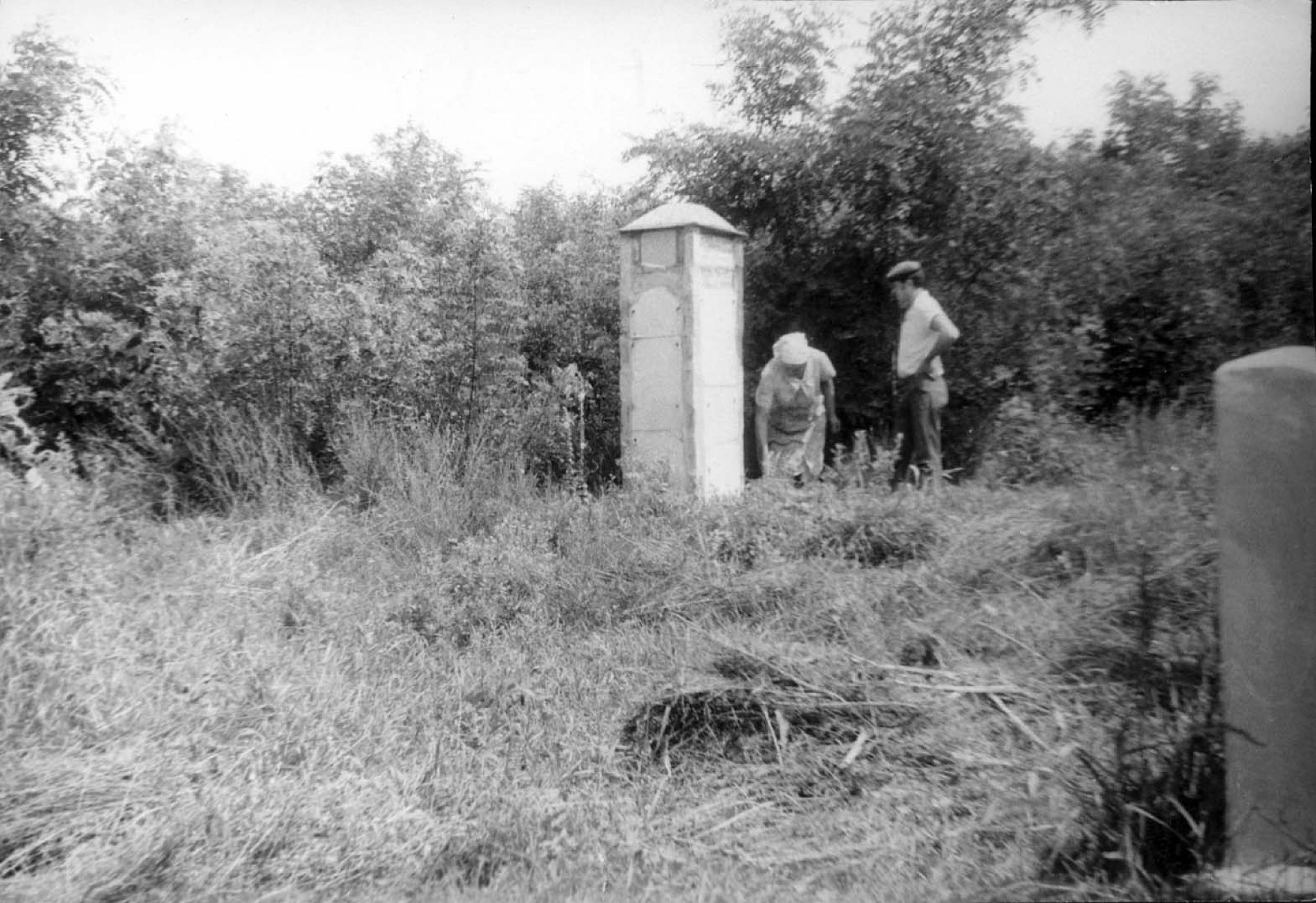
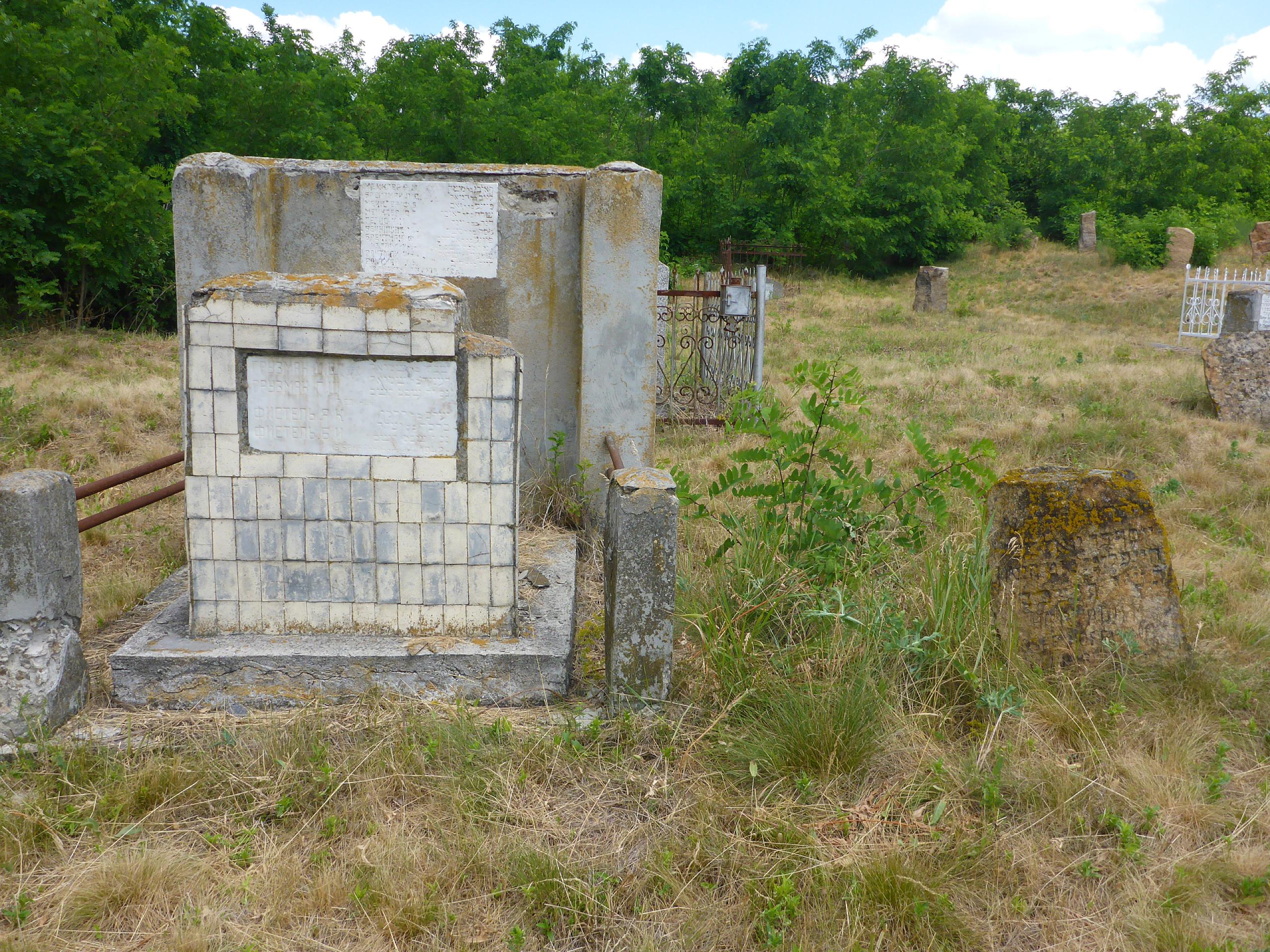
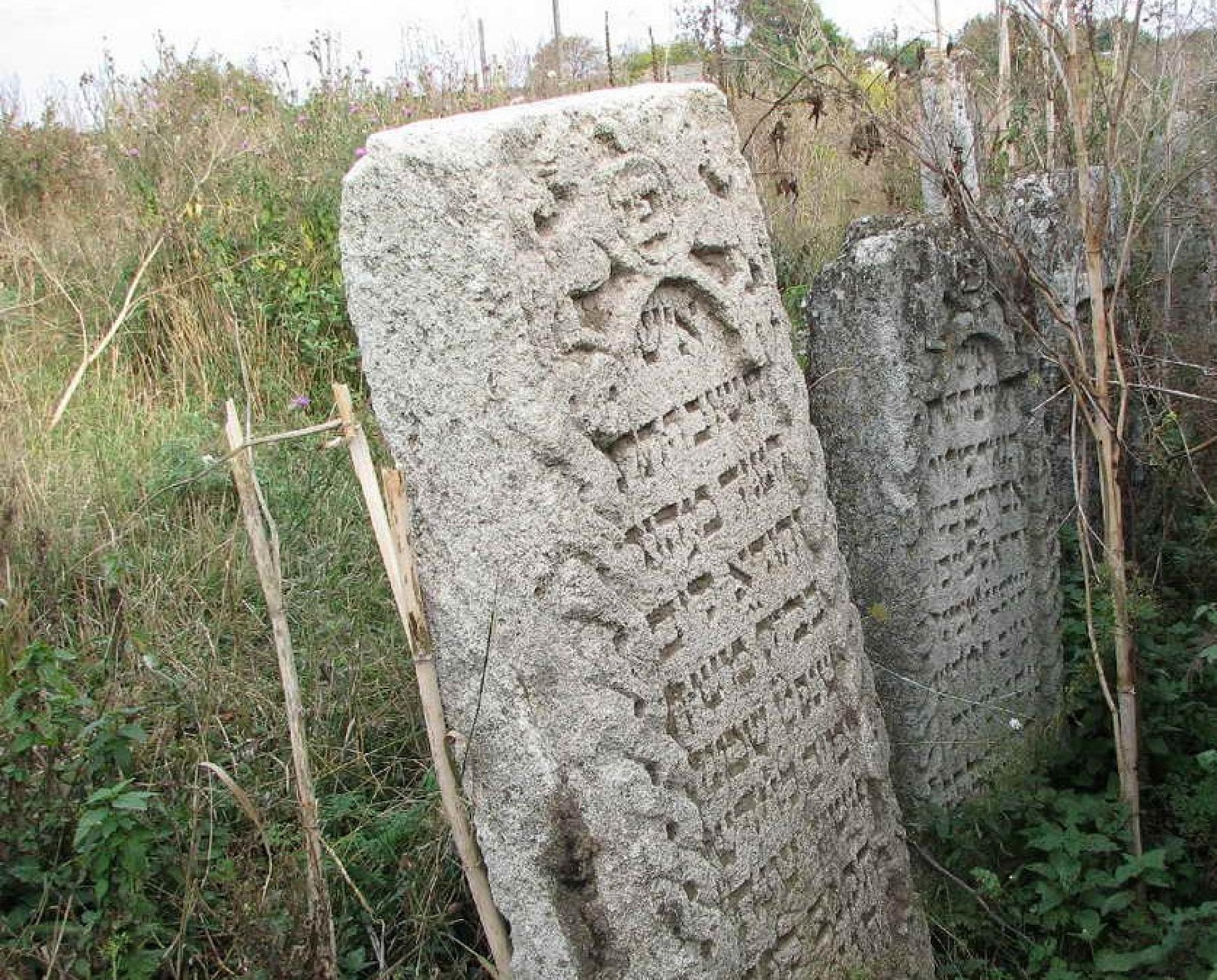
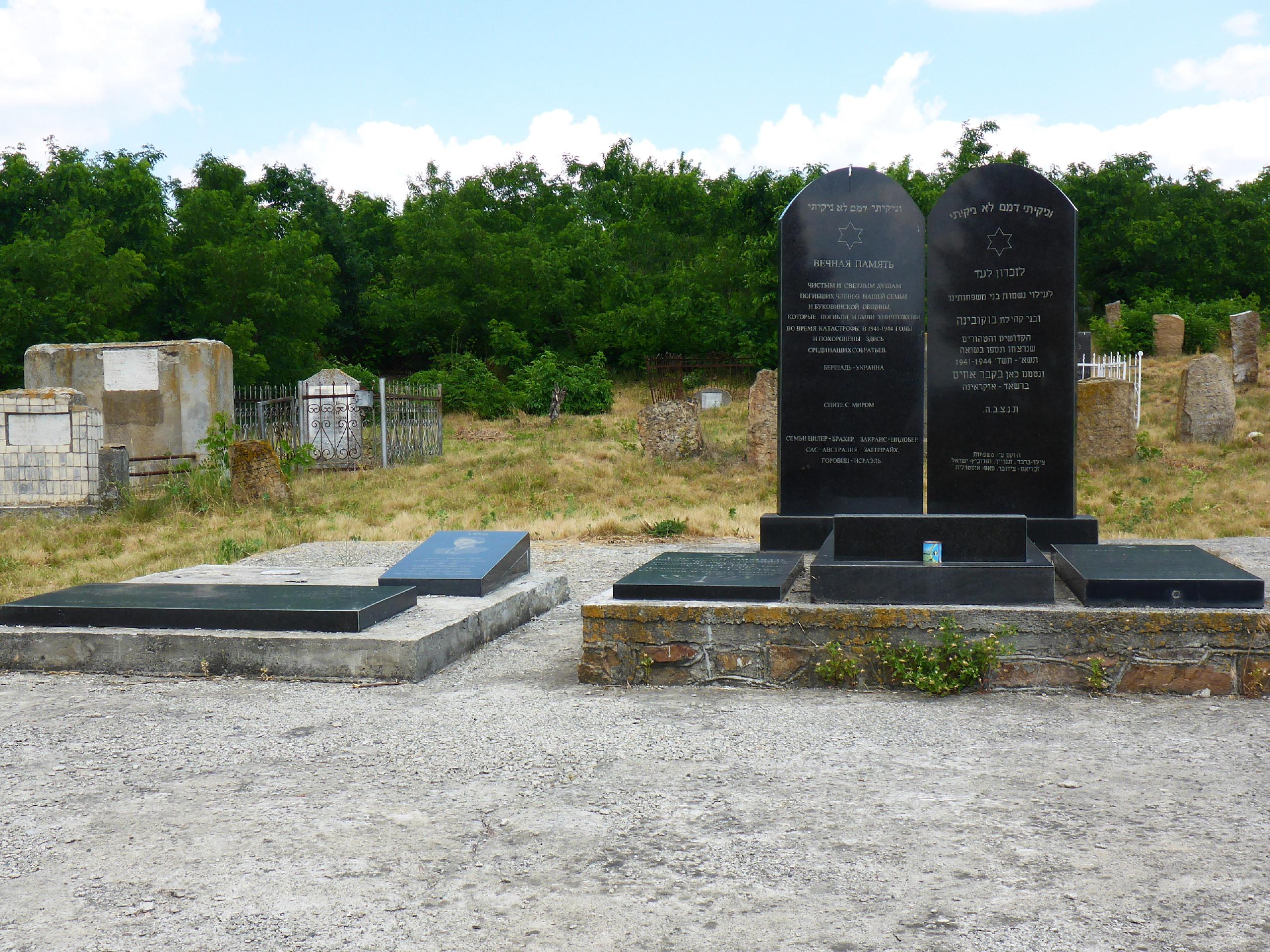
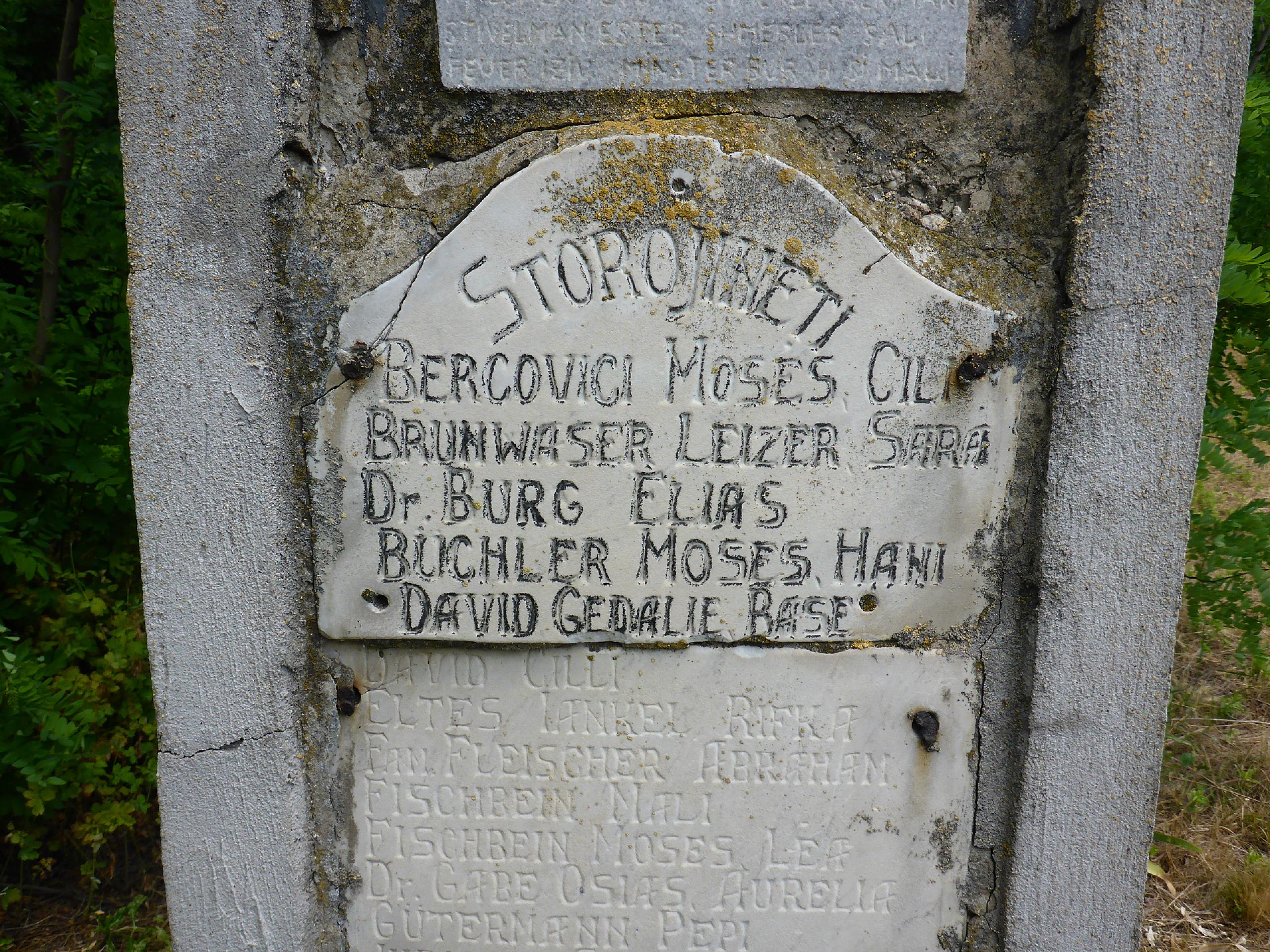
Four memorials commemorate the victims of the Holocaust in Bershad. Three are located on the Jewish cemetery. There are several mass graves in which dead from the Bershad ghetto are buried. The cemetery is still in use today. The oldest memorial in the shape of an obelisk was erected in 1943 by the inhabitants of the ghetto themselves. The names which had been engraved back then are now almost illegible. It bore the Hebrew inscription »Here are buried several thousand deported Jews, who died of hunger, cold and epidemics and who were murdered by human monsters. […]«
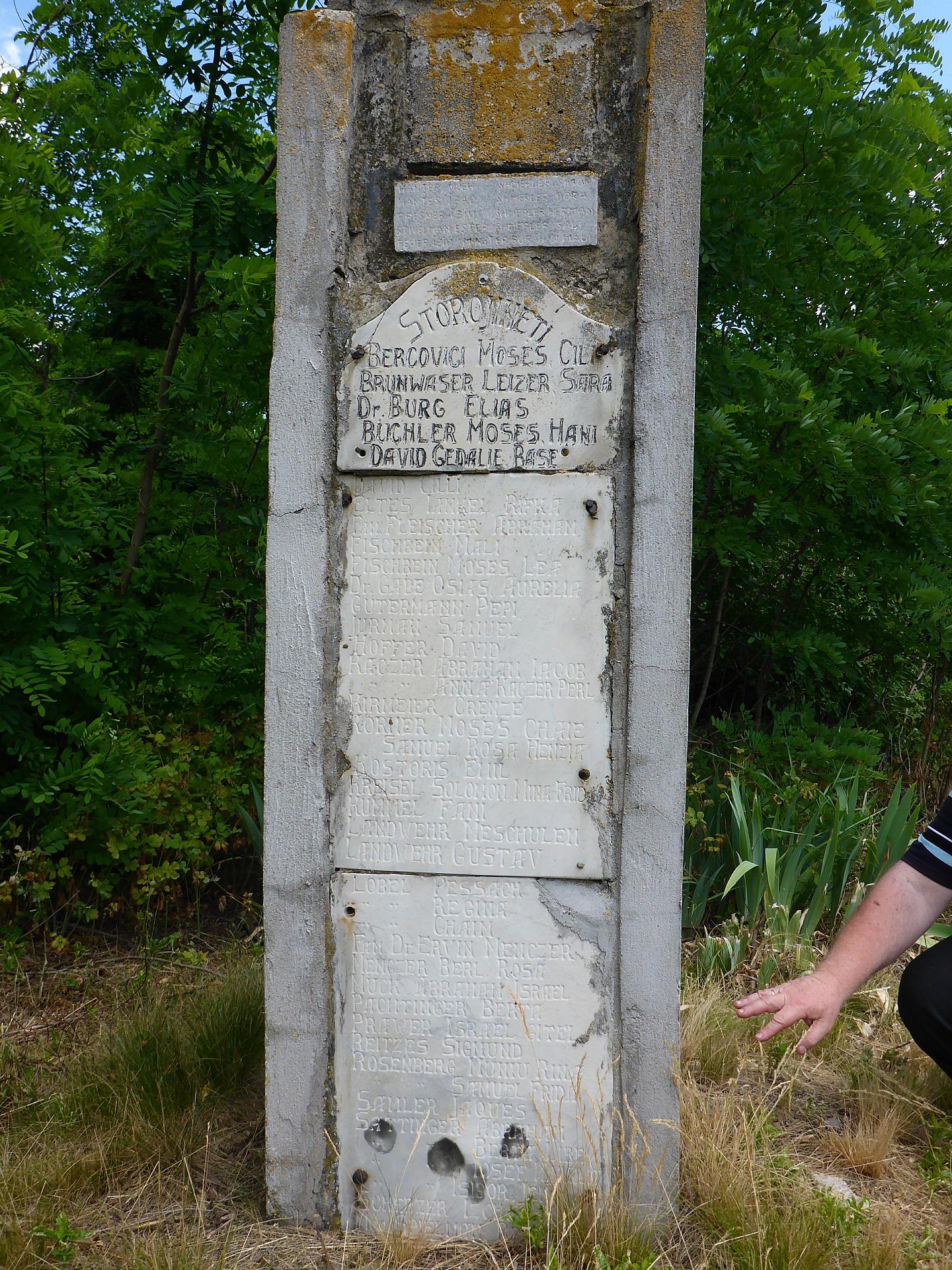
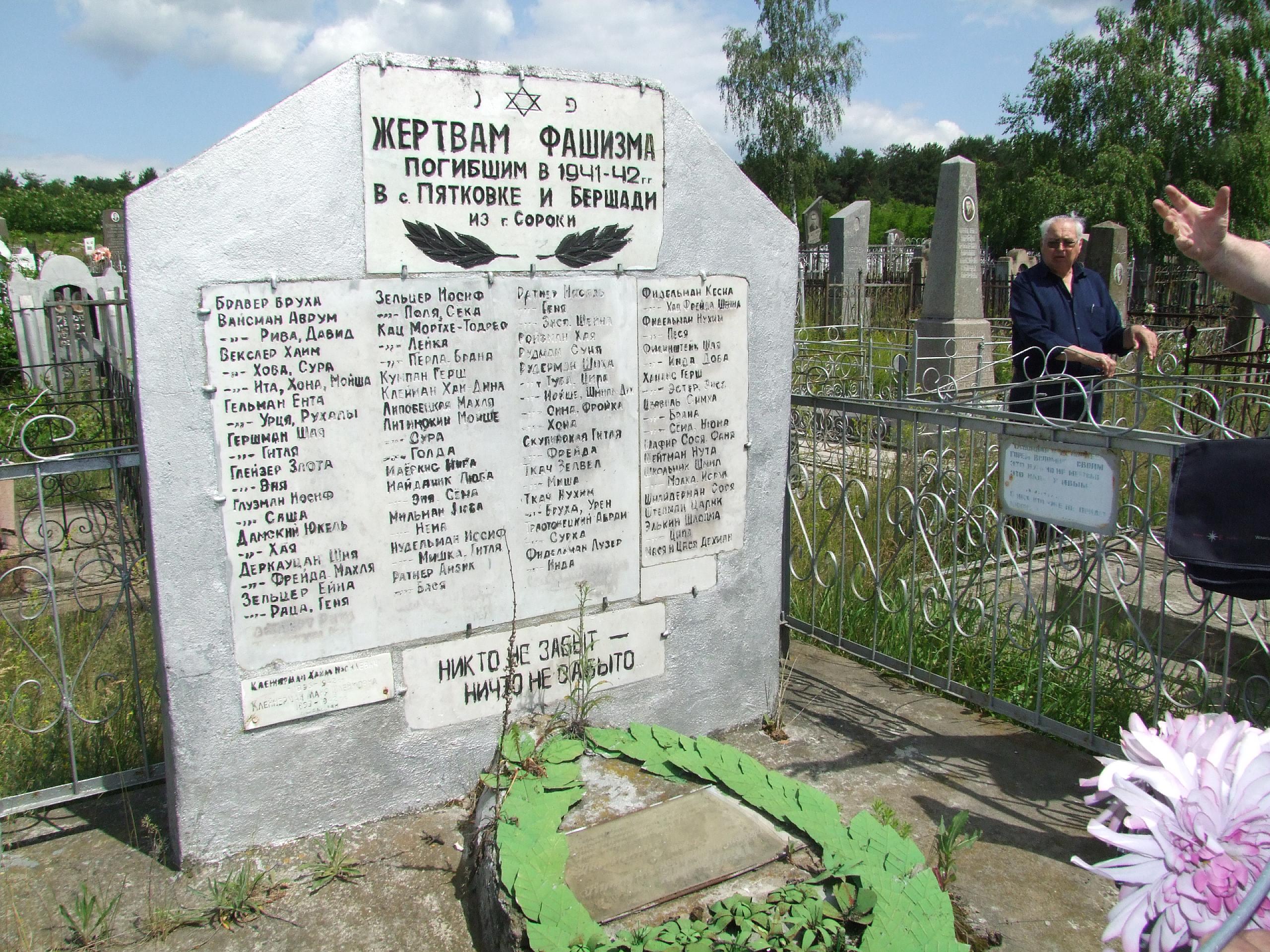
Another memorial was erected on the Jewish cemetery in 1977 by a survivor from the village of Sorok. Inscribed on the marble plate are the names of about one hundred victims from Bershad. The Russian inscription reads: »For the victims of Fascism«, and »Nobody is forgotten, nothing is forgotten«. The survivor Klara Lyubarskaya who initiated the memorial has captured her memories in a book which was published in Israel in 2003.
In 2002 relatives of victims came from Australia, visited the cemetery and decided to erect another memorial. It was inaugurated at the cemetery in 2006. In 2007 a memorial was erected on the site of the former ghetto in the town. The English and Russian inscription remembers the »26,000 Jewish men, women and children who died during the Holocaust by the hands of German Nazis and Romanian Fascists«.
The Jewish community today only has about 70 members. Many Jews emigrated to Israel or the USA between 1980 and 2000.
Open
The memorial is accessible at all times.
Contact
http://myshtetl.org/vinnitskaja/bershad.html
velvl770@gmail.com
Jüdischer Friedhof an der Marija-Sankowezka-Straße
24400 Berschad